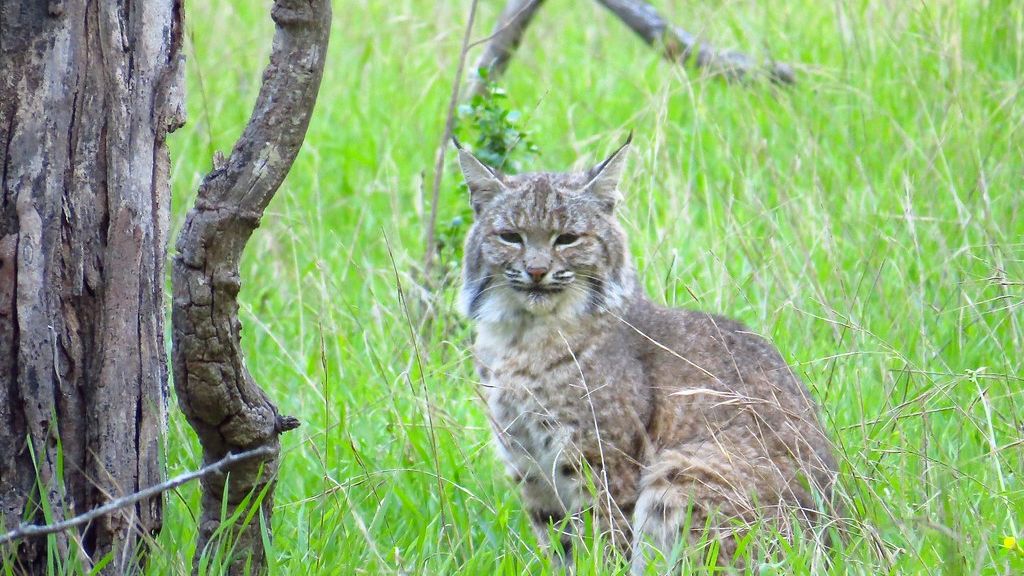
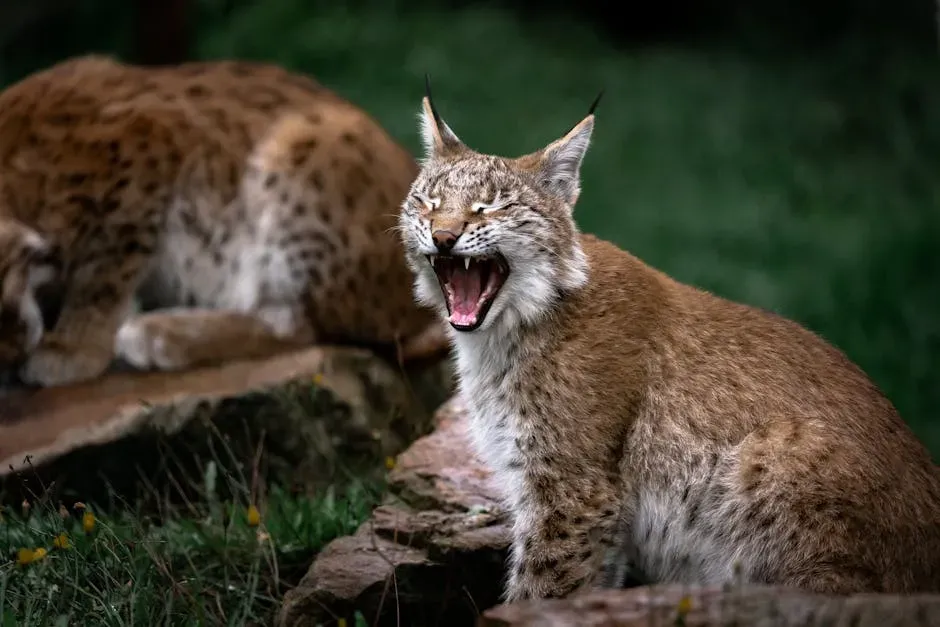
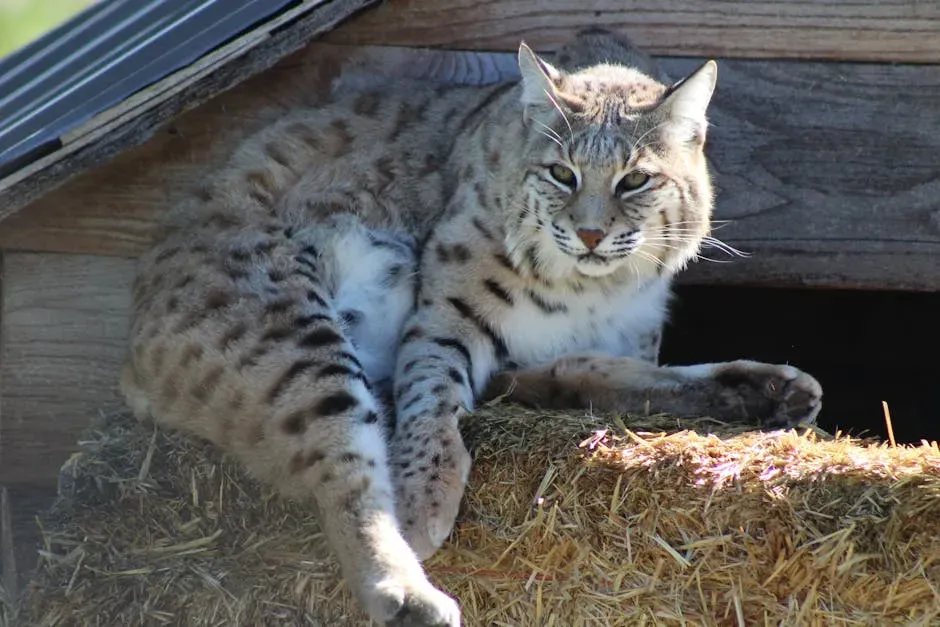
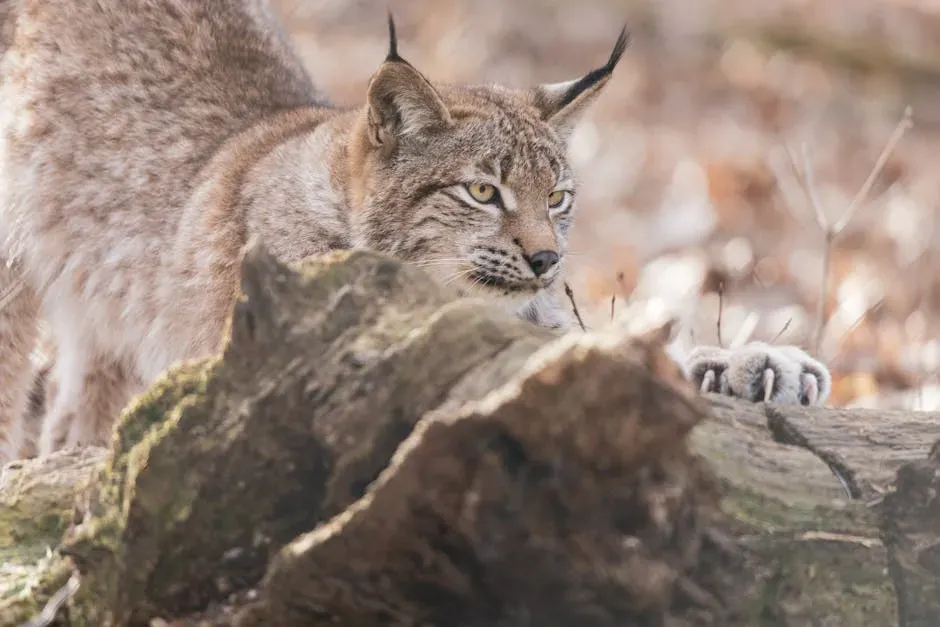
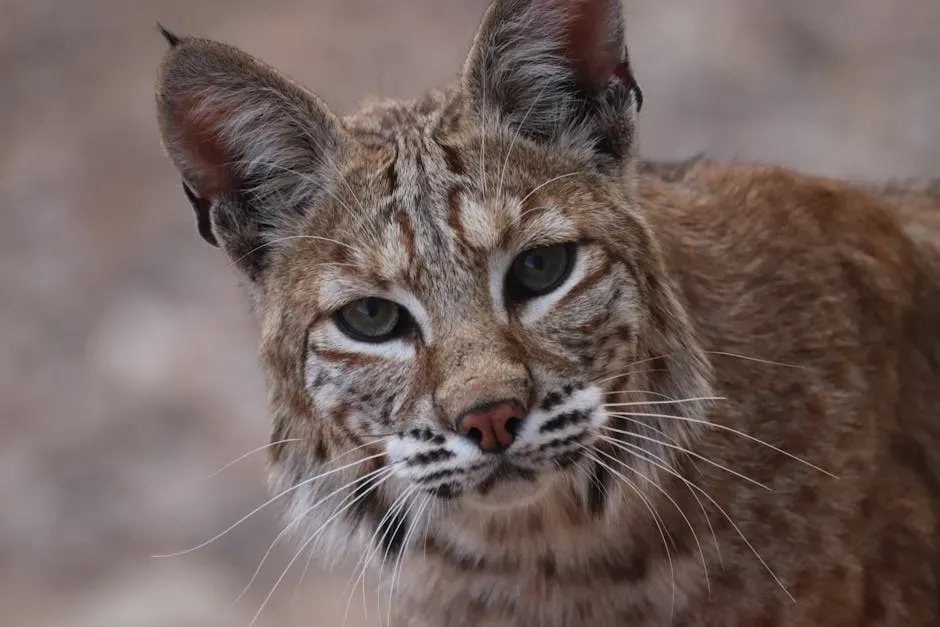
The US States With the Highest Bobcat Populations-feature image/Flickr
Bobcats, those elusive and adaptable wild felines, have quietly reclaimed vast territories across the United States. Their populations have surged in recent decades, thriving in diverse habitats from dense forests to arid deserts. But which states have become the prime strongholds for these stealthy predators? Let’s explore the top U.S. states where bobcats are not just surviving but flourishing.
Texas: The Bobcat Bastion
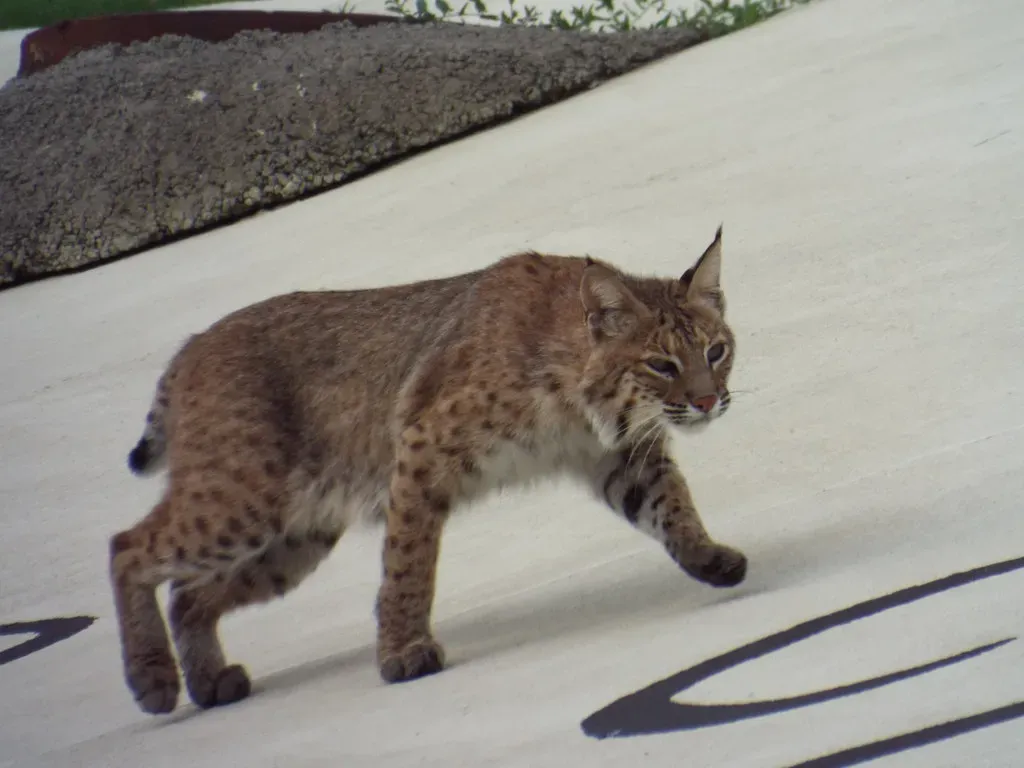
Texas: The Bobcat Bastion (gurdonark, Flickr, CC BY 2.0)
Texas stands as a veritable sanctuary for bobcats, boasting one of the largest populations in the nation. The state’s vast and varied landscapes, from the dense Piney Woods to the arid deserts of the west, provide ideal habitats for these adaptable creatures. Bobcats in Texas have been observed in both remote wilderness areas and surprisingly close to urban centers, showcasing their remarkable ability to coexist alongside human development.
The abundance of prey, such as rabbits and rodents, coupled with the state’s warm climate, supports a thriving bobcat population. Conservation efforts and regulated hunting practices have also played a role in maintaining healthy numbers, ensuring that these elusive felines continue to roam the Lone Star State.
California: Diverse Habitats, Robust Populations
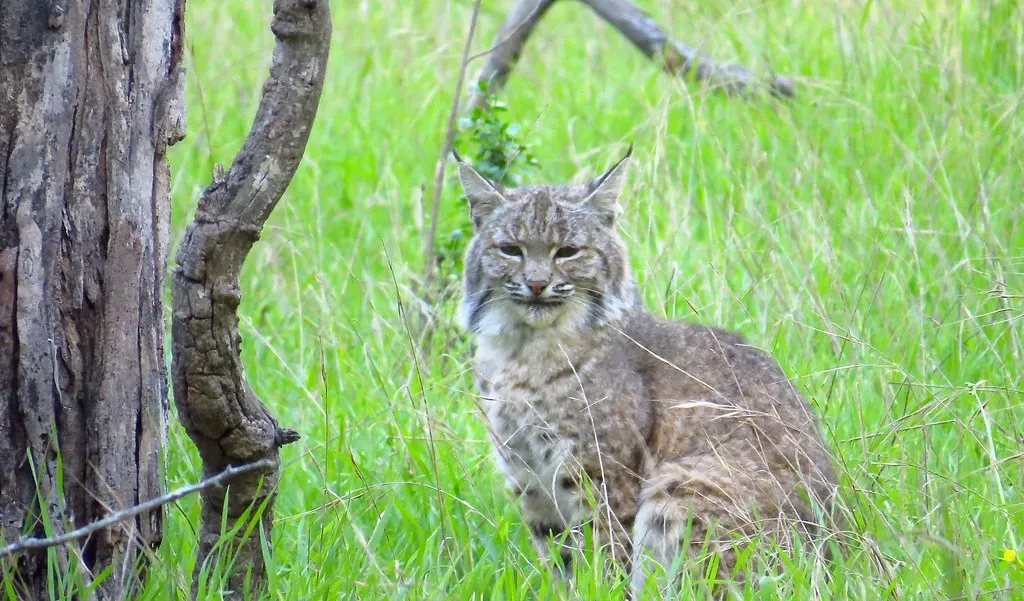
California: Diverse Habitats, Robust Populations (minicooper93402, Flickr, CC BY 2.0)
California’s diverse ecosystems, ranging from coastal regions to mountainous terrains, support a substantial bobcat population. These felines are found throughout the state, adapting to environments as varied as the chaparral, forests, and even suburban areas. Their presence in such a wide array of habitats underscores their adaptability and resilience.
In California, bobcats primarily prey on small mammals and birds, playing a crucial role in controlling these populations. The state’s commitment to environmental conservation has been instrumental in preserving the natural habitats necessary for bobcats to thrive, ensuring their continued presence across the region.
Florida: Swamps and Suburbs
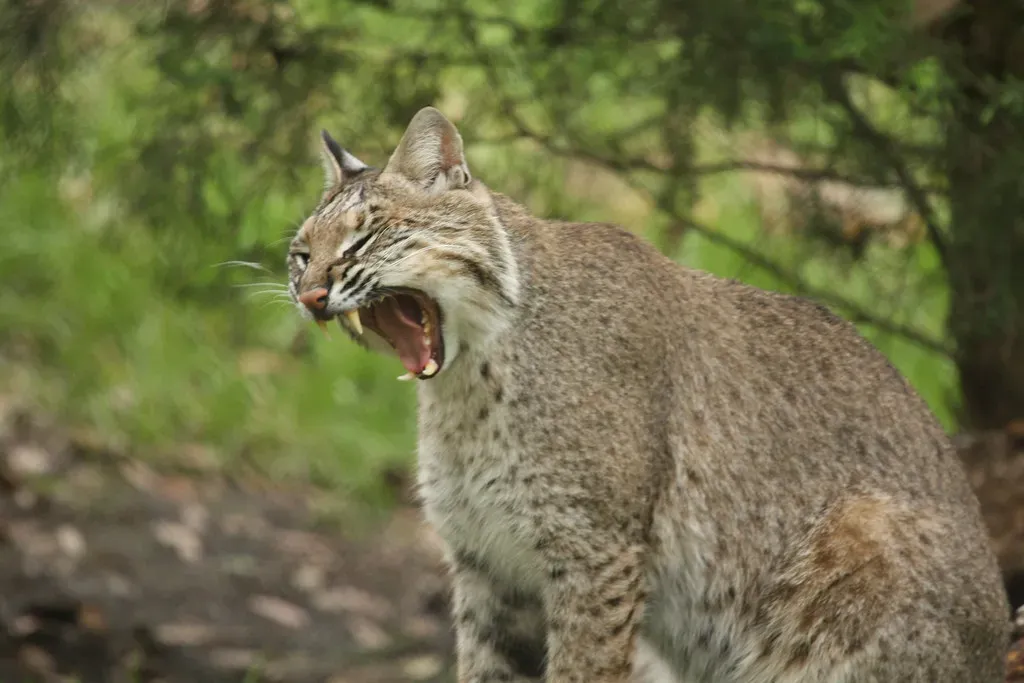
Florida: Swamps and Suburbs (DGriebeling, Flickr, CC BY 2.0)
Florida’s subtropical climate and expansive wetlands provide excellent habitats for bobcats. These agile predators are found throughout the state, from the Everglades to the Panhandle, and have even been spotted in suburban areas, blending seamlessly into the environment. Their diet mainly consists of small mammals, birds, and reptiles, reflecting the rich biodiversity of the region.
The state’s conservation efforts, including the protection of wetlands and forests, contribute to the thriving bobcat population. By maintaining these natural habitats, Florida ensures that bobcats continue to roam freely, playing their part in the ecosystem.
Georgia: Forested Refuge
Georgia: Forested Refuge (Image Credits: Pexels)
Georgia’s dense pine forests and diverse landscapes create an ideal setting for bobcats. These adaptable creatures are no strangers to the various terrains found within the state, often dwelling in forests and wooded areas where they hunt for rabbits and other small prey. Their nocturnal nature allows them to avoid human interaction, making them a rare sighting despite their significant numbers.
The state’s commitment to preserving natural habitats aids in sustaining a healthy bobcat population across Georgia. Conservation programs focused on forest management and wildlife protection have been key to their continued success.
Illinois: Prairie Comeback
Illinois: Prairie Comeback (Image Credits: Pexels)
In Illinois, bobcats thrive in the prairies and wooded areas, where they have plenty of prey and cover. The state’s conservation programs have helped boost the bobcat population in recent years, leading to a resurgence of these stealthy predators. They prefer remote areas but are sometimes seen near farmland, where they hunt for rodents and rabbits.
The mix of rural landscape and conservation efforts have been key to their resurgence. Bobcats in Illinois are a testament to successful wildlife management and habitat preservation strategies, ensuring their place in the state’s ecosystem.
Arkansas: Woodland Hunters
Arkansas: Woodland Hunters (Image Credits: Pexels)
Arkansas boasts a significant bobcat population, particularly in its forested regions. These areas provide ample cover and prey for the elusive bobcats, who are skilled hunters, often preying on small mammals and birds. Their ability to adapt to different environments ensures their survival across the state.
Conservation efforts in Arkansas focus on preserving natural habitats, which are crucial for maintaining healthy bobcat numbers. By protecting these environments, the state supports the continued presence of bobcats in its diverse landscapes.
Missouri: Conservation Success
Missouri: Conservation Success (Image Credits: Pexels)
Missouri is home to a flourishing bobcat population, largely due to its extensive woodlands and conservation efforts. These solitary cats are found throughout the state, particularly in areas with dense vegetation, where they are adept at hunting in various environments, from forests to fields. They primarily feed on small mammals, which are abundant in the region.
The state’s initiatives to protect wildlife habitats have played a significant role in preserving bobcat numbers. Missouri’s commitment to conservation ensures that these elusive felines continue to thrive in the state’s rich and varied landscapes.
In conclusion, the resurgence of bobcat populations across these states is a testament to the resilience of wildlife when given the opportunity to thrive. Through a combination of adaptable behaviors, diverse habitats, and dedicated conservation efforts, bobcats have reclaimed their place in the American wilderness. Their success stories serve as a reminder of the importance of preserving natural environments and the incredible capacity of nature to rebound when nurtured. Isn’t it remarkable how these elusive creatures have made such a triumphant return?
Did you find this helpful? Share it with a friend who’d love it too!
Gargi is an MA in History and a B.Ed graduate from India, with a deep passion for animals and wildlife awareness. As an article writer and editor at Animals Around The Globe, she combines her love for storytelling with her dedication to educating readers about animals, conservation, and responsible pet care. A devoted dog lover, Gargi enjoys creating engaging and informative content that inspires compassion and awareness toward the natural world.