


Worried about unexpected vet bills?
Pet insurance can cover thousands in unexpected vet costs. Get a free quote from Lemonade in under 2 minutes.
Get My Free Quote →Sponsored · Opens Lemonade.com
That chocolate bar in your shopping cart comes with a hidden price tag—one that’s paid by wildlife in some of the world’s most biodiverse regions. Behind every bite of conventional chocolate lies a complex story of deforestation, habitat destruction, and species extinction. The cocoa industry, which serves our global chocolate obsession, has expanded at the expense of tropical forests, particularly in West Africa where over 70% of the world’s cocoa is grown. As consumers, we rarely see the environmental impact of our sweet indulgence, but the connection between chocolate production and wildlife decline is undeniable. Fortunately, ethical alternatives exist that can satisfy our chocolate cravings without devastating natural ecosystems. This article explores the wildlife cost of conventional chocolate production and provides guidance on how to make more environmentally responsible choices that protect biodiversity while still enjoying this beloved treat.
The Global Chocolate Industry’s Footprint

The chocolate industry is massive, with a global market value exceeding $130 billion annually. Each year, the world consumes approximately 7.7 million tons of chocolate, with Europeans and North Americans leading consumption at roughly 11 pounds per person annually. This enormous demand requires about 5 million cocoa farmers worldwide to produce more than 4.5 million tons of cocoa beans each year, primarily from small farms in tropical regions where cocoa trees thrive.
This industry’s ecological footprint is equally substantial. Researchers estimate that cocoa production has been responsible for the loss of approximately 2-3 million hectares of forest across West Africa since the 1960s. In Côte d’Ivoire alone—the world’s largest cocoa producer—forest cover has decreased from 16 million hectares to less than 2 million hectares over the past half-century, with cocoa expansion playing a significant role in this deforestation. These statistics represent not just lost trees but entire ecosystems dismantled and wildlife populations decimated in the pursuit of chocolate production.
Deforestation in Cocoa-Growing Regions

The cocoa tree (Theobroma cacao) naturally grows in the understory of tropical forests, but modern commercial cultivation often involves completely clearing forests to establish full-sun cocoa plantations. This approach maximizes short-term yields but at tremendous environmental cost. In Ghana and Côte d’Ivoire, which together produce nearly 60% of the world’s cocoa, approximately 30-40% of national cocoa output comes from protected areas and forest reserves—areas that should be conservation strongholds. Studies indicate that cocoa farming is responsible for 30-40% of the total deforestation in these countries.
The pattern of forest clearing typically begins with farmers removing the most valuable timber trees for sale, then cutting and burning remaining vegetation to establish cocoa plantations. This process not only eliminates forest habitat immediately but also fragments remaining forest patches, creating isolated islands of habitat too small to support many wildlife species. What’s particularly concerning is that much of this deforestation occurs in biodiversity hotspots—regions with exceptional concentrations of endemic species experiencing exceptional habitat loss—making the wildlife impact of chocolate production disproportionately severe relative to its land footprint.
Endangered Primates at Risk

Among the most affected wildlife are primates, our closest evolutionary relatives. In West Africa, cocoa expansion threatens several critically endangered primate species. The Miss Waldron’s red colobus monkey, potentially extinct in the wild, lost its forest habitat largely to cocoa plantations. Similarly, the Roloway monkey, one of the 25 most endangered primates globally, has seen its population plummet as forests in Ghana and Côte d’Ivoire have been converted to cocoa farms. These specialized forest dwellers cannot adapt to agricultural landscapes and disappear when their forest home is destroyed.
Chimpanzees have been particularly hard-hit by cocoa expansion. Western chimpanzees have lost over 80% of their range, with populations declining by more than 80% over three generations. Research shows that in Côte d’Ivoire, chimpanzee populations have collapsed by 90% since the early 1990s, coinciding with major cocoa expansion. These great apes need large tracts of intact forest to survive, requiring up to 100 square kilometers per community. When forests are fragmented by cocoa plantations, chimpanzee societies are fractured, leading to decreased genetic diversity, increased conflict, and population decline.
The Silent Forest Syndrome
Beyond primates, cocoa expansion contributes to what scientists call the “empty forest” or “silent forest” syndrome—where forests may still stand but have been stripped of their wildlife. Large mammals like forest elephants and smaller creatures like pangolins face intense hunting pressure in cocoa-growing regions, as new farm access roads open previously remote forests to hunters. Forest elephants, which play crucial roles in seed dispersal and forest structure maintenance, have declined by more than 60% in the past decade in West Africa, partially due to habitat loss from agriculture including cocoa.
Birds suffer similarly, with studies showing dramatic declines in forest specialist bird species in cocoa-growing landscapes. Research in Ghana found that while conventional full-sun cocoa plantations might support 30-40 bird species, natural forests in the same region typically host 120-130 species. The birds that disappear are often ecological specialists that provide important services like insect control and seed dispersal. The cumulative effect is an unraveling of complex ecological relationships that took millions of years to evolve, all within just a few decades of cocoa expansion.
Cocoa’s Role in Climate Change
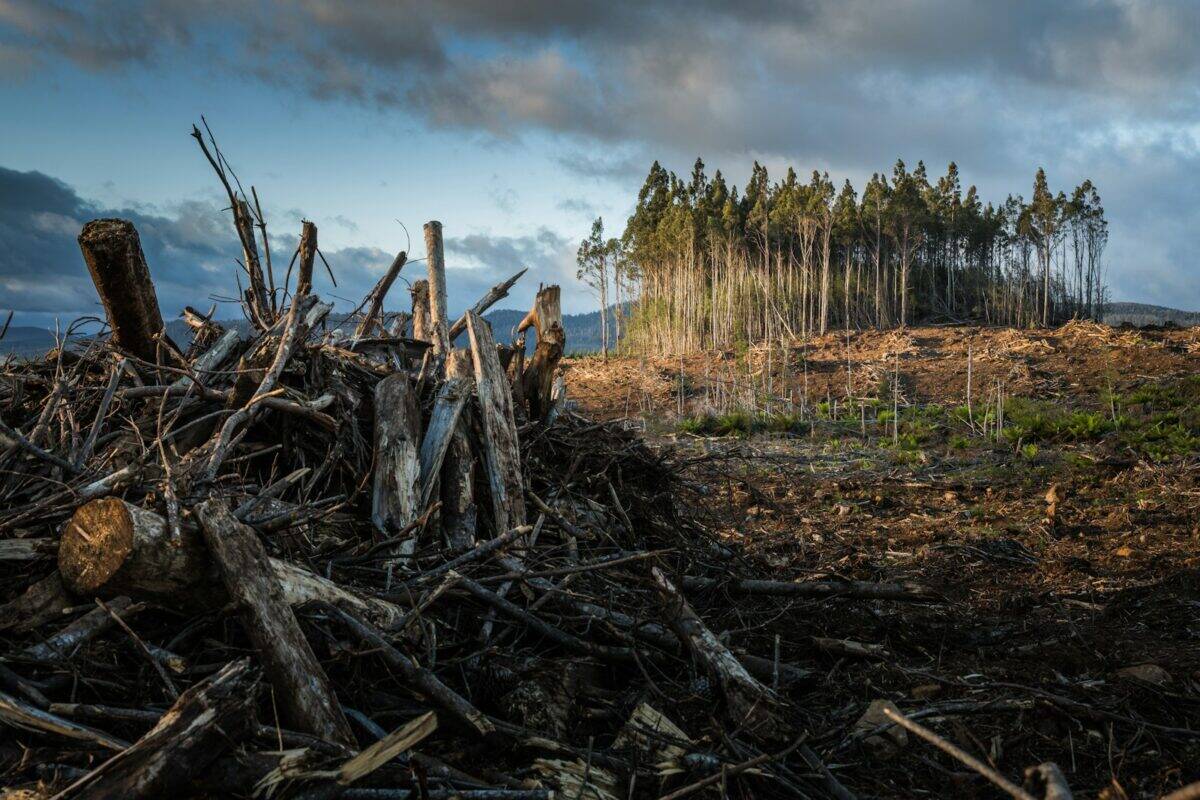
The wildlife impact of chocolate extends beyond direct habitat destruction to include climate change effects. When forests are cleared for cocoa plantations, massive amounts of carbon dioxide are released into the atmosphere. Tropical forests are among Earth’s most efficient carbon sinks, with each hectare of West African rainforest storing approximately 200-300 tons of carbon. When these forests are converted to cocoa plantations, about 70-80% of this carbon is released into the atmosphere, contributing to global warming.
Climate change, in turn, creates additional pressures on wildlife already struggling with habitat loss. Rising temperatures, altered rainfall patterns, and more frequent extreme weather events can disrupt feeding and breeding cycles, change habitat suitability, and increase vulnerability to disease. For species already pushed to the brink by habitat loss from cocoa expansion, these additional stressors can be the final push toward extinction. This creates a vicious cycle where deforestation for chocolate production contributes to climate change, which further endangers the wildlife already threatened by that deforestation.
The Problem with Certification Systems

Many consumers turn to certified chocolate products—those bearing labels like Rainforest Alliance, UTZ, or Fairtrade—believing these certifications guarantee environmental protection. While these programs represent important steps toward sustainability, recent studies have revealed significant limitations. A 2018 investigation found that Rainforest Alliance certified cocoa farms in Côte d’Ivoire were still contributing to deforestation in protected areas. The certification systems often lack robust monitoring mechanisms and struggle with traceability issues in complex supply chains.
Even when certification standards are strong on paper, implementation on the ground can be weak. Audits are typically announced in advance, giving producers time to temporarily comply with standards. Moreover, most certification systems focus primarily on practices at the farm level without adequately addressing broader landscape-level conservation needs or historical deforestation. While certified chocolate is generally better than conventional chocolate from an environmental perspective, the standards still fall short of what’s needed to truly protect wildlife habitats. This reality highlights the need for consumers to look beyond simple certification labels when making ethical chocolate choices.
Shade-Grown Cocoa: A Wildlife-Friendly Alternative
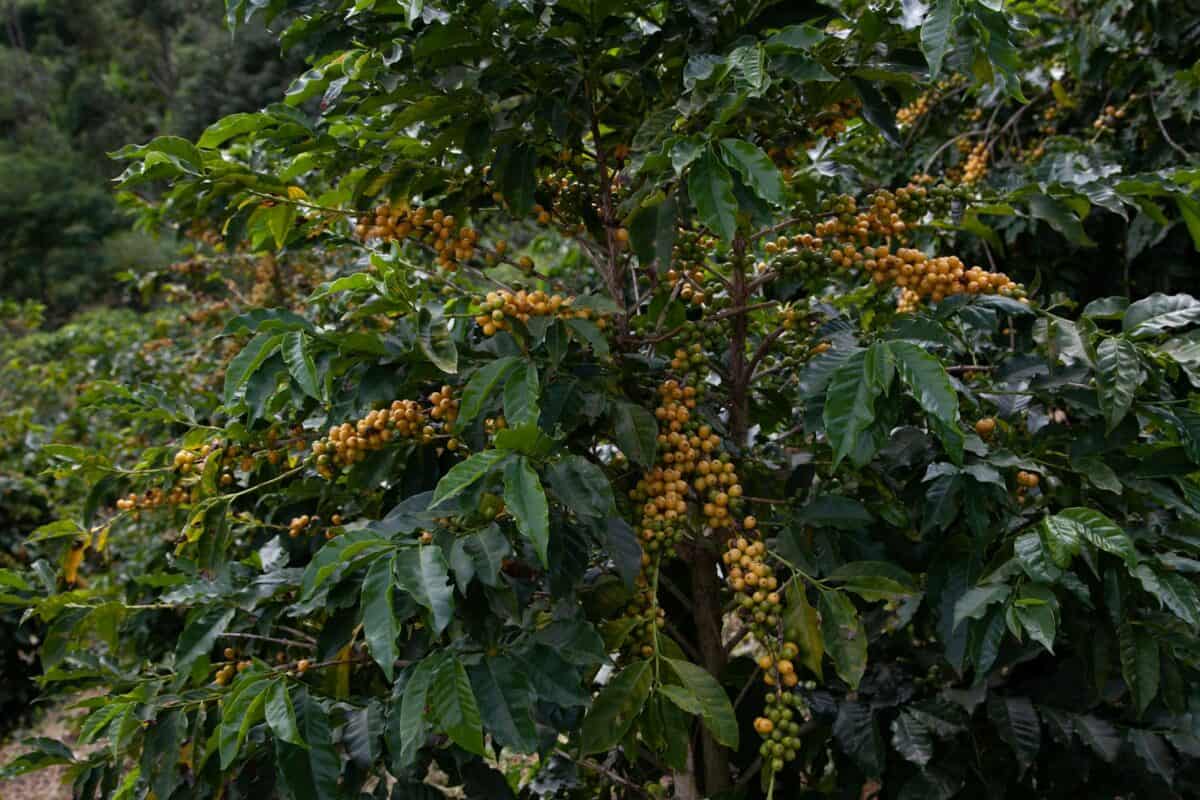
Not all chocolate has the same environmental impact. Traditional shade-grown cocoa, cultivated beneath a canopy of diverse native trees, offers a dramatically more wildlife-friendly alternative to conventional full-sun plantations. Research shows that shade-grown cocoa farms can support up to 60-70% of the bird species found in natural forests, compared to just 20-30% in full-sun systems. These agroforestry systems preserve forest structure and connectivity, allowing many wildlife species to move through and utilize these landscapes.
Shade-grown cocoa also provides crucial ecosystem services. The diverse tree canopy protects cocoa plants from climate extremes, reduces dependency on chemical inputs, improves soil health, and enhances natural pest control. From a conservation standpoint, shade-grown cocoa creates buffer zones around protected areas and can serve as wildlife corridors connecting forest fragments. While shade-grown systems typically produce lower yields in the short term, they are more resilient to climate change and disease, and their beans often develop superior flavor profiles. This approach represents a true win-win: better chocolate that preserves rather than destroys wildlife habitat.
Companies Leading the Way in Ethical Chocolate
Several chocolate companies have recognized the wildlife crisis associated with conventional cocoa production and are pioneering more ethical approaches. Original Beans, for example, works directly with cocoa farmers in threatened forest landscapes to implement regenerative agroforestry systems that protect endangered species while producing exceptional chocolate. For every bar sold, they plant a tree in cocoa-growing regions. Similarly, Alter Eco sources cocoa from cooperatives practicing dynamic agroforestry, where cocoa is grown alongside diverse native trees in systems that mimic natural forest structure.
Beyond Good (formerly Madécasse) sources cocoa directly from farmers in Madagascar who grow heirloom cocoa varieties under the island’s native canopy, helping to protect lemur habitat. Zotter Chocolate from Austria has implemented a “bean-to-bar” approach with complete transparency in their supply chain, ensuring their cocoa comes from farms that protect biodiversity. These companies demonstrate that ethical chocolate production is possible at commercial scale, though they represent a small fraction of the overall market. By supporting such pioneering businesses, consumers can help drive the industry toward more wildlife-friendly practices.
How to Identify Truly Ethical Chocolate

For consumers wanting to make wildlife-friendly chocolate choices, several key factors are worth considering beyond basic certification labels. First, look for transparency—companies that openly share information about exactly where and how their cocoa is grown. Companies that can trace their cocoa to specific farmer cooperatives or regions (rather than just countries) typically have better oversight of environmental practices. Second, seek out chocolate made with shade-grown or agroforestry cocoa, which maintains forest structure and wildlife habitat.
Direct trade chocolate—where companies work directly with farmer cooperatives rather than through multiple intermediaries—often provides better environmental outcomes because the company has greater influence over farming practices. Additionally, smaller-batch craft chocolate makers typically source higher-quality beans grown using traditional methods that are more wildlife-friendly. While these chocolates may cost more than mass-market options, they reflect the true cost of producing chocolate without devastating wildlife populations. Reading company sustainability reports, when available, can also provide insight into their environmental commitments and actual impact on the ground.
Beyond Buying: Consumer Advocacy for Change

Individual purchasing decisions matter, but systemic change requires collective action. Consumers can amplify their impact by engaging in advocacy alongside their buying choices. Writing to major chocolate companies to express concerns about deforestation and wildlife impacts can help push corporate sustainability policies forward. Supporting organizations like the Rainforest Alliance, World Wildlife Fund, or Mighty Earth that work specifically on cocoa sustainability issues provides resources for on-the-ground conservation work in cocoa-growing regions.
Social media can be a powerful tool for raising awareness about chocolate’s wildlife impact and pressuring companies to adopt better practices. Sharing information about ethical chocolate brands helps expand their market reach. Additionally, consumers can advocate for stronger government policies in both producing and consuming countries, such as mandatory due diligence laws that require companies to identify and address environmental risks in their supply chains. The European Union has recently moved toward such legislation, demonstrating that policy advocacy can create meaningful change for wildlife affected by cocoa production.
The Future of Wildlife-Friendly Chocolate

The chocolate industry stands at a crossroads. Continuing business as usual will likely result in further wildlife declines and potential extinctions in cocoa-growing regions. However, emerging innovations offer hope for a more sustainable future. New satellite monitoring technologies now allow near real-time tracking of forest loss in cocoa regions, making it easier to hold companies accountable for deforestation in their supply chains. DNA fingerprinting of chocolate can verify its origin, helping prevent cocoa grown in protected wildlife areas from entering the market.
Research into higher-yielding shade-tolerant cocoa varieties could help farmers produce more cocoa without clearing additional forest. Landscape-level planning approaches that consider conservation needs alongside agricultural production are being piloted in several cocoa regions. Major chocolate companies including Mars, Hershey, and Lindt have made “no deforestation” commitments for their cocoa supply chains, though implementation remains challenging. With continued consumer pressure and technological advances, the chocolate industry could transform from a driver of wildlife decline to a force for conservation, creating economic incentives to protect rather than destroy the forests where cocoa evolved.
Conclusion: Making Every Chocolate Choice Count

The wildlife cost of conventional chocolate production is sobering, but the situation is not hopeless. Every time we purchase chocolate, we cast a vote for the kind of world we want to live in—one where forests teem with diverse wildlife, or one where monoculture plantations replace complex ecosystems. By choosing chocolates produced through wildlife-friendly methods, we create market demand that incentivizes conservation rather than destruction. Although ethical chocolate often costs more, this premium reflects the true environmental cost of production and helps ensure fair compensation for farmers implementing sustainable practices.
As consumers become more aware of chocolate’s hidden wildlife impacts, the industry is gradually responding with improved practices and greater transparency. This evolution demonstrates the power of informed consumer choice to drive positive change. The next time you reach for a chocolate bar, remember that your decision affects not just your taste buds but also chimpanzees, forest elephants, and countless other species in cocoa-growing regions. By making conscious choices about the chocolate we consume and advocating for industry-wide improvements, we can help ensure that future generations of both humans and wildlife can continue to thrive in and around the forests where chocolate begins its journey.
Worried about unexpected vet bills?
Pet insurance can cover thousands in unexpected vet costs. Get a free quote from Lemonade in under 2 minutes.
Get My Free Quote →Sponsored · Opens Lemonade.com

From exploring the marine wonders in the Azores and witnessing the vast savannas of Kenya, to delving deep into the rich biodiversity of South Africa and traversing iconic landscapes in Australia and the US like Yellowstone, Chris's experiences are vast.
With a penchant for diving alongside sharks, the ocean holds a special place in his heart.
Through his academic insights, he champions wildlife conservation, striving with 'Animals Around The Globe' to cultivate a profound connection between humans and animals, enhancing our mutual appreciation.
Connect with him at Feedback@animalsaroundtheglobe.com.
- The Most Common Backyard Wildlife in Pennsylvania - June 9, 2026
- The Surprising Way Sea Otters Use Rocks as Tools - June 9, 2026
- Squirrels Adopt Orphaned Babies Like Their Own - June 9, 2026