

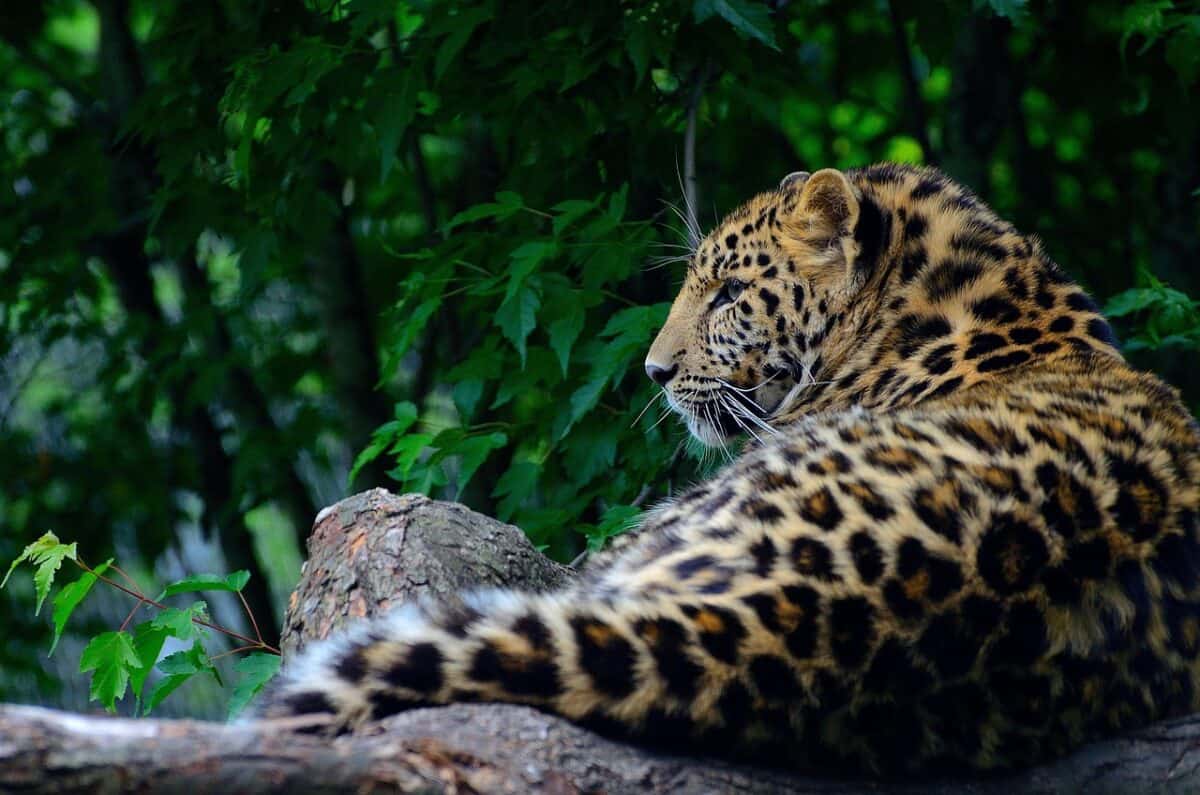
The animal kingdom is full of marvels, and among its myriad inhabitants, some mammals stand out for their mysterious and elusive nature. These creatures captivate our imaginations, drawing us into their enigmatic worlds where they often remain hidden from view. Although scientific exploration has unveiled many secrets about them, numerous questions still linger. Embark on a journey to discover the world’s most mysterious mammals, those that inspire both awe and curiosity with their uniquities and behaviors.
Elusive Edges: The Platypus
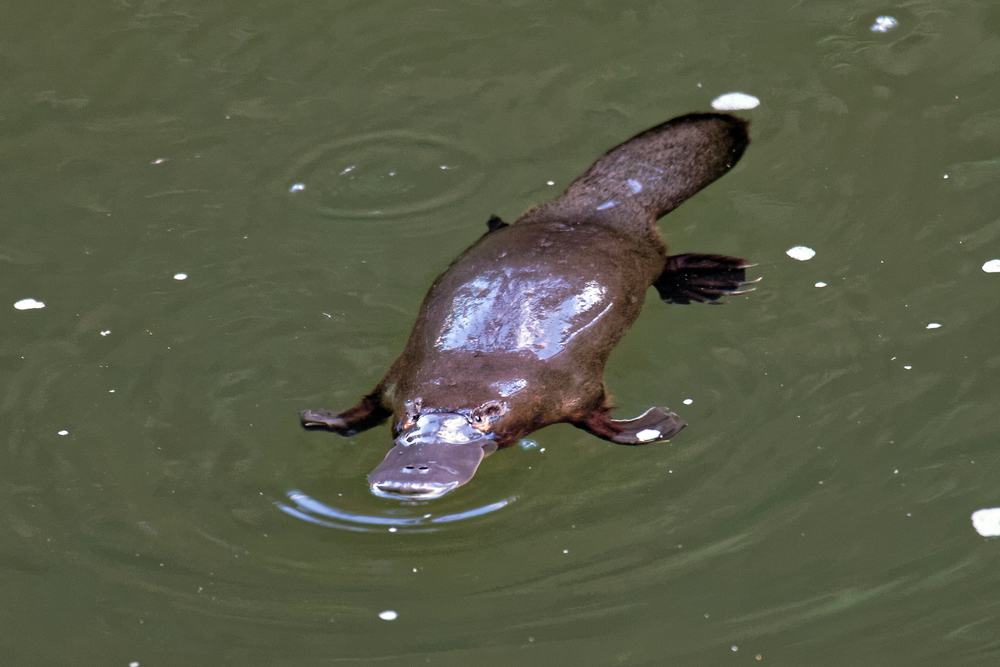
A creature as bizarre as any from a myth, the platypus is a mash-up of features that defy convention. With a bill like a duck, the tail of a beaver, and otter-like webbed feet, this animal confounded early European naturalists who thought specimens were elaborate hoaxes. Endemic to Australia, these nocturnal semi-aquatic mammals lay eggs like reptiles yet possess mammary glands for nursing their young. The platypus’s electrosensory capabilities enable it to detect prey in murky waters, embodying one of nature’s most fascinating evolutionary experiments.
Master of Disguise: The Aye-Aye

Native to Madagascar, the aye-aye looks like a cross between a remarkable lemur and a haunting specter. With its large, expressive eyes and long, thin middle finger, the aye-aye is equipped with unique adaptations for nocturnal foraging. With a method called percussive foraging, it taps on wood to find grubs before using that specialized finger to extract them. Once misunderstood as an omen of bad luck, the conservation status of the aye-aye has tugged at human sympathies, paving the way for dedicated efforts to protect its dwindling habitat.
Shrouded in Ice: The Narwhal

Often dubbed the “unicorn of the sea,” the narwhal glides through Arctic waters, its long, spiral tusk reaching forward like a mythical lance. This remarkable projection is actually an expanded tooth, contributing to theories about its purpose, which range from mate selection to sensing changes in the environment. Although elusive, advances in technology and research continue to shed light on these deep-diving creatures, who thrive in some of the harshest aquatic environments on Earth.
Jungle Ghosts: The Okapi

The okapi, often called the rainforest giraffe, roams the dense forests of the Democratic Republic of the Congo. With a form reminiscent of giraffes and zebras, the okapi stayed hidden from Western science until the early 20th century. Despite looking like a blend of other African icons, the okapi is adapted for serene stealth in its forest home, using keen hearing and remarkable camouflage. As deforestation threatens its habitat, conservationists strive to ensure the survival of this enigmatic creature.
Swamp Phantom: The Maned Wolf

The maned wolf, native to South America, is neither a fox nor a wolf, despite appearances. Its long legs and distinctive mane contribute to a truly unique silhouette. Known for its solitary lifestyle and potent urine used for territorial marking, the maned wolf prefers the scattered forests and grasslands where it feasts on fruits and small animals. The blend of canine characteristics and dietary preferences help maintain its status as a misunderstood mystery of the mammalian world.
Cloaked in Mystery: The Saola

Dubbed the “Asian unicorn,” the saola hides in the highlands of Vietnam and Laos. Discovered only in 1992, its enigma lies not just in its rarity but also in its elusive behavior, escaping the clutches of civilization’s encroaching reach. With long, straight horns and a preference for solitude, the saola remains one of the most critically endangered and least understood mammals on Earth. Strides in its conservation illuminate the profound necessity for preserving such mysterious creatures.
Bat of the Shadows: The Ghost Bat

Australia’s ghost bat, named for its ethereal appearance, prowls the nocturnal realm as the continent’s only carnivorous bat. Its delicate, translucent wings and squeaks that punctuate the silent night bestow an eerie distinction upon it. This predator, subsisting on a diet of birds and small terrestrial mammals, plays an integral role in controlling pest populations. Habitat destruction and mining threaten its existence, highlighting the vital need for preserving such enigmatic species.
Senses Beyond: The Star-Nosed Mole

The star-nosed mole, with its peculiar star-shaped snout, exemplifies nature’s ingenuity. Its nasal tentacles contain over 100,000 nerve endings, rendering it the most sensitive touch organ of any mammal. This subterranean cosmopolitan burrows through wet lowland areas, using its extraordinary sense to detect and consume prey at lightning speed. The star-nosed mole’s adaptation exemplifies how life thrives through wondrous specialization.
Sky Pirates: The Colugo

Gliding through the forests of Southeast Asia, the colugo, or flying lemur, is an arboreal artist of no mean skill. It glides using a large patagium, a web of skin extending between its limbs, doubling as a warm cradle for its offspring. Though not true lemurs or capable of powered flight, colugos demonstrate fascinating bio-mechanical prowess. Urban expansion endangers their arboreal pathways, driving conservation efforts to sustain these magnificent “airborne marsupials.”
Deep Ocean Enigma: The Sperm Whale

Champion of the oceanic deep, the sperm whale retains mysteries amid its colossal bulk and intellectual capacities. As subjects of Melville’s literary quest, sperm whales engage in deep-diving feats, reaching depths of over 7,000 feet to hunt giant squid. Their means of communication, with clicks that resonate for miles underwater, suggest a complex social structure. Despite past hunting decimations, conservation triumphs offer a tribute to life as enigma and inspiration.
Tree-Top Tenacity: The Binturong

The binturong, or bearcat, presents itself as an enigma in the forests of Southeast Asia. With its prehensile tail, it navigates treetops with agility, subsisting on a varied diet like a connoisseur of the jungle’s harvest. The scent it emits resembles buttered popcorn, alerting us to its presence and this olfactory phenomenon adds to its allure. The loss of habitat and want for exotic pets threaten its existence, calling attention to the necessity of preservation.
Solitude of the Snow: The Amur Leopard

In the frigid forests of the Russian Far East, the Amur leopard moves with an elegance belied by its power. Considered among the rarest cats on the planet, this solitary hunter boasts a striking fur pattern that serves it well in the snow-draped landscape. Conservation efforts have spotlighted its plight, striving to pull this majestic cat from the brink of extinction.
In conclusion, the world’s most mysterious mammals offer a wondrous reflection on nature’s diversity and adaptability. These unique creatures propel us into a deeper understanding of biology’s marvels and the urgent necessity of their conservation. Their stories echo the importance of biological diversity as well as the enduring sense of wonder they inspire in all who observe them. When stewards of knowledge and guardians of nature unite, these mammalian enigmas will continue to captivate generations to come.

- 30 Bizarre Creatures That Look Straight Out of a Sci-Fi Movie - June 11, 2026
- The Bizarre Way Sloths Digest Their Food - June 11, 2026
- 15 Most Resilient Bird Species Facing Climate Challenges - June 11, 2026