
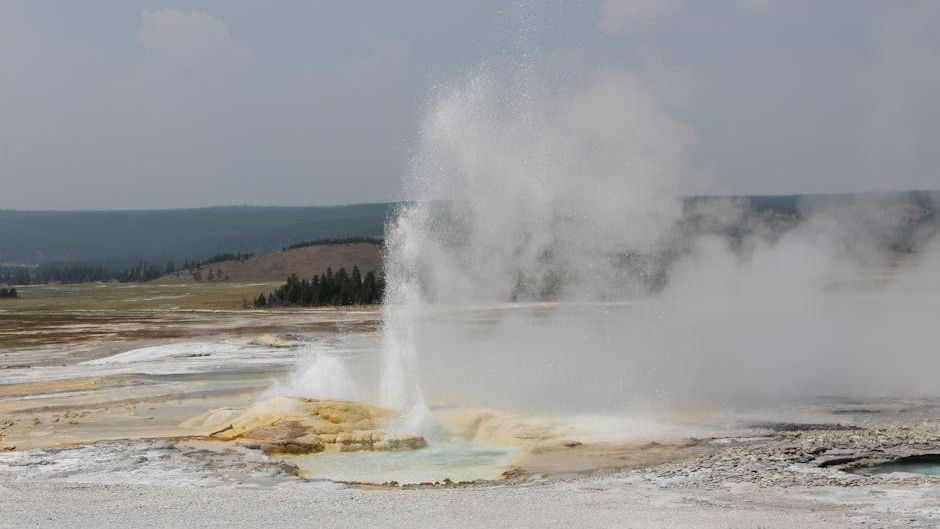
The Pause in Ground Uplift
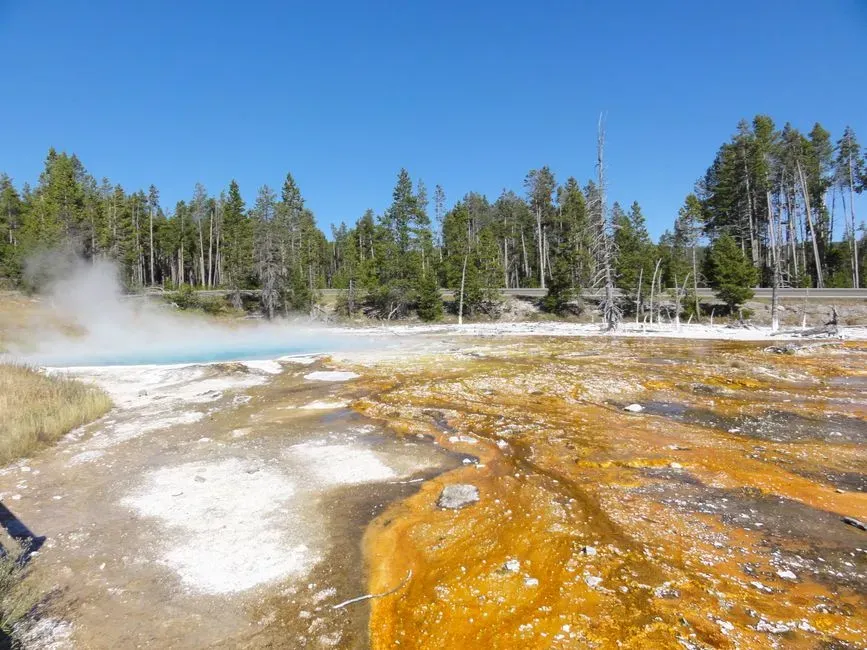
Continuous GPS stations around the north caldera rim recorded a clear halt in the slow rise that had begun the previous summer. By mid January the surface movement stopped, leaving the area essentially flat through the following months. Scientists noted this steady state as distinct from the gradual adjustments seen in prior years of monitoring.
The shift drew attention because modern tools capture these details with precision unavailable in earlier eras. Researchers compared the pattern to longer term records and found the pause aligned with natural cycles rather than any sudden escalation. Park visitors continued their routines while the data quietly accumulated in the background.
Hydrothermal Explosions at Biscuit Basin
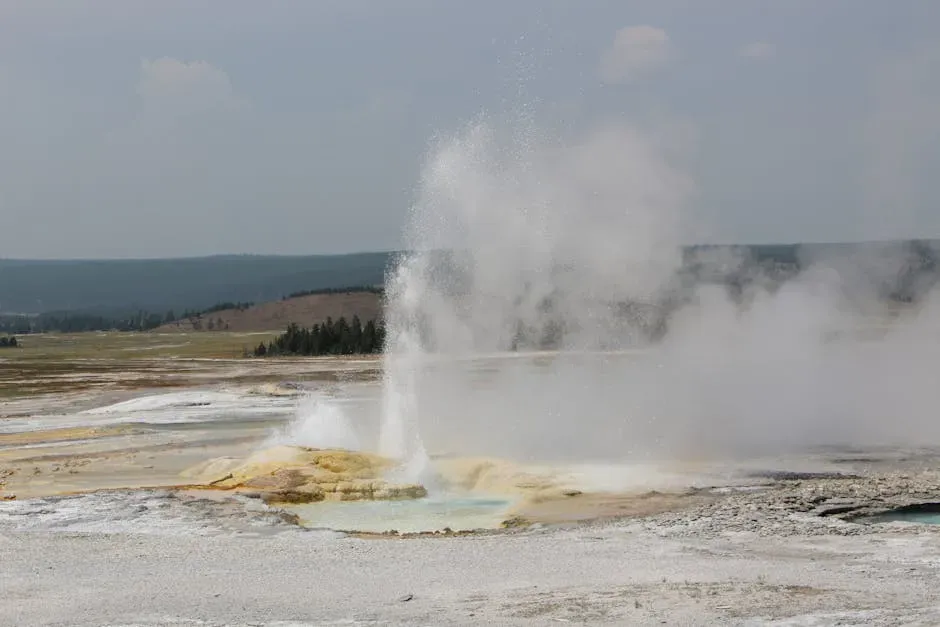
Several small steam driven blasts occurred at Black Diamond Pool during the spring months. These events threw mud and water short distances and created brief plumes visible on webcams. Each blast fit within the range of activity the hydrothermal system produces from time to time.
Observers tracked five such episodes in total through the first half of the year. The explosions highlighted how water and heat interact beneath the surface without involving deeper magma movement. Rangers posted updates so that hikers could steer clear of the affected thermal areas during the active periods.
Steady Seismic Readings Across the Region
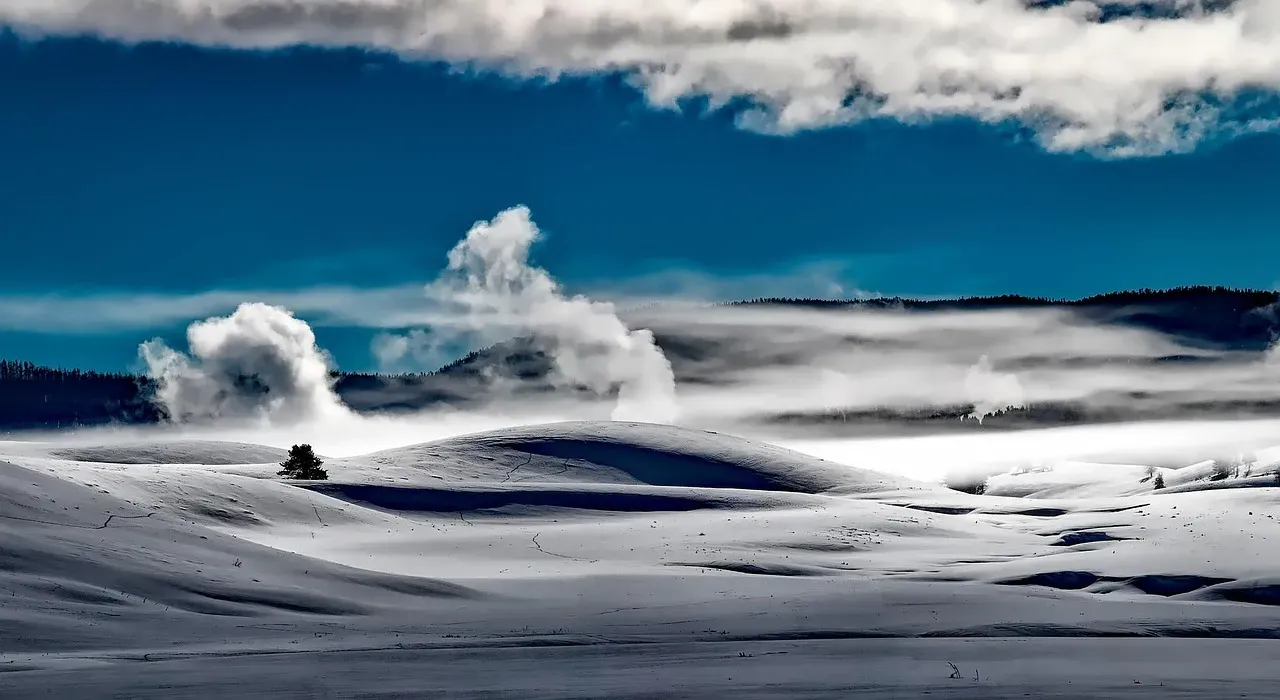
Seismometers registered dozens of small quakes each month, with magnitudes rarely exceeding 2.4. The University of Utah network logged these events as typical background noise for the caldera. No swarms or unusual clusters appeared that would signal deeper unrest.
Monthly summaries emphasized that the energy released remained modest and localized. This consistency allowed scientists to focus on fine tuning their models rather than issuing alerts. The data reinforced the picture of a system that releases pressure in measured increments over long periods.
Changes in Geyser Behavior
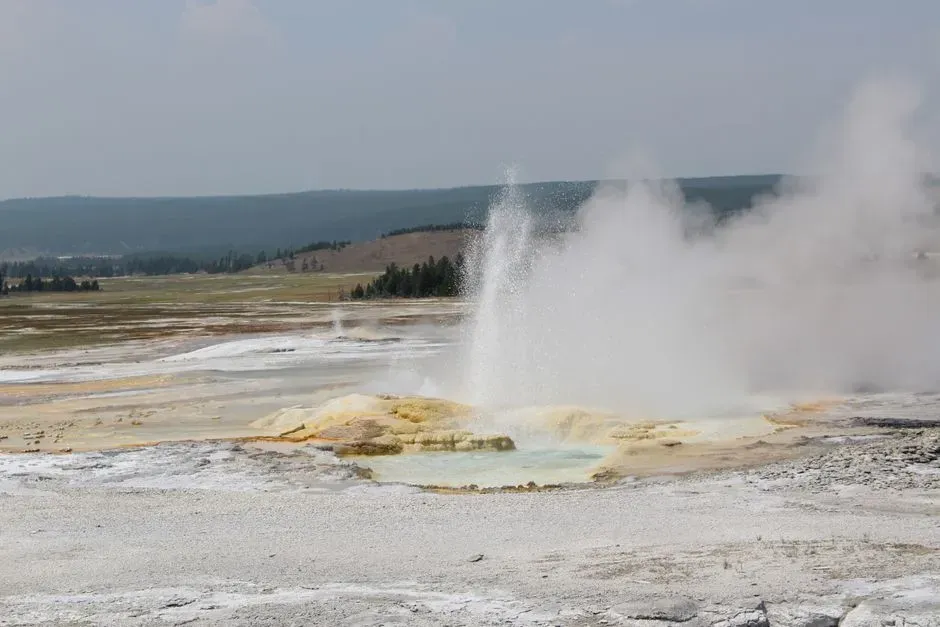
Steamboat Geyser produced one notable water eruption in late February while Echinus Geyser came back to life after years of quiet. These outbursts fit the unpredictable rhythm that defines Yellowstone’s famous features. Nearby pools also showed occasional shifts in water levels and temperatures.
Park staff documented the activity through routine patrols and automated sensors. The variations reminded everyone that thermal features respond to subtle underground changes without warning. Such episodes add to the park’s dynamic character while staying well within established norms.
Placing Events in Geological Perspective
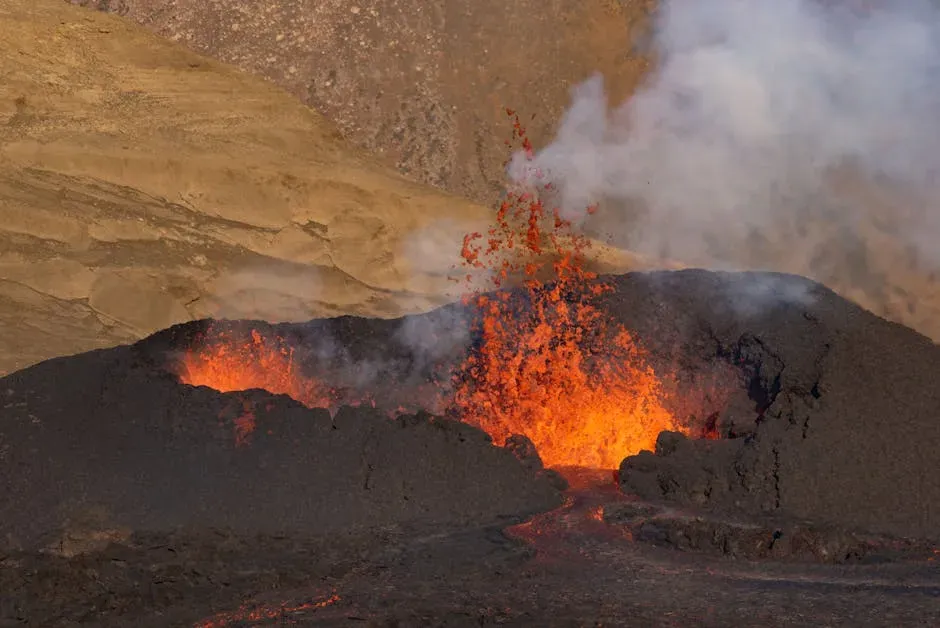
The most recent supereruption that formed the current caldera took place roughly 640000 years ago. Since then the system has produced smaller lava flows and countless hydrothermal events. Early 2026 activity sits comfortably inside that extended record of gradual evolution.
Geologists stress that the caldera has experienced many cycles of uplift, subsidence, and steam releases over millennia. The recent pause and small explosions represent one more chapter in an ongoing story rather than a departure from it. Long term studies continue to refine the timeline of these natural processes.
Role of Modern Monitoring Networks
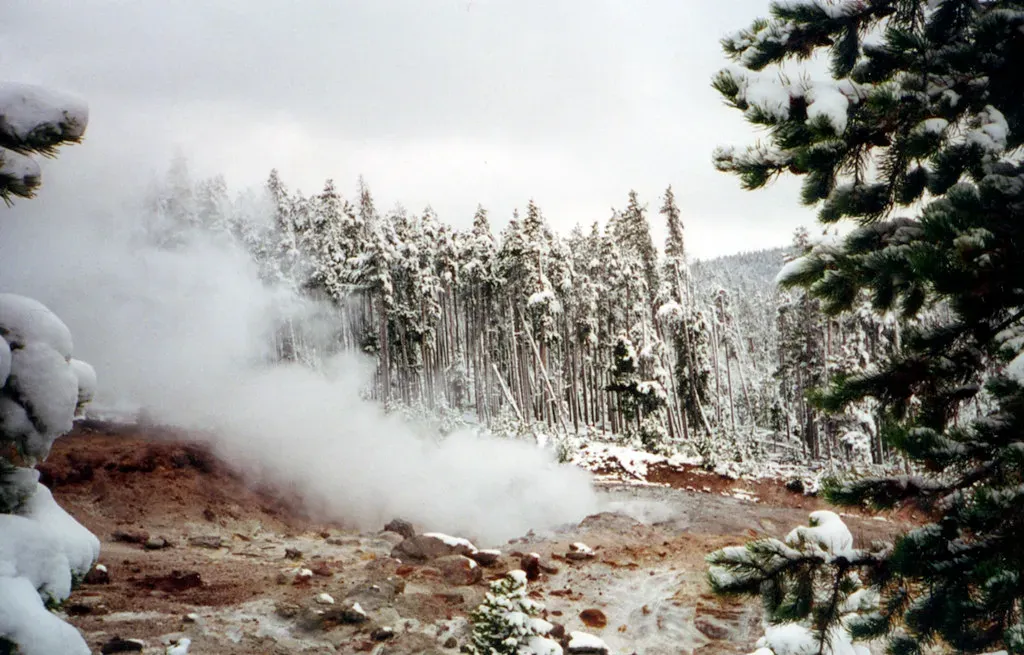
Arrays of GPS units, seismometers, and temperature sensors now operate around the clock across the park. These tools detect movements measured in millimeters and temperature changes of a few degrees. The resulting datasets allow comparisons that span only the past few decades yet reveal patterns hidden from earlier observers.
Teams at the Yellowstone Volcano Observatory review the numbers weekly and share summaries with the public. This transparency helps separate routine fluctuations from anything that might require closer attention. The technology itself marks a new era in understanding how the ground responds beneath the surface.
Looking Ahead at Ongoing Observations
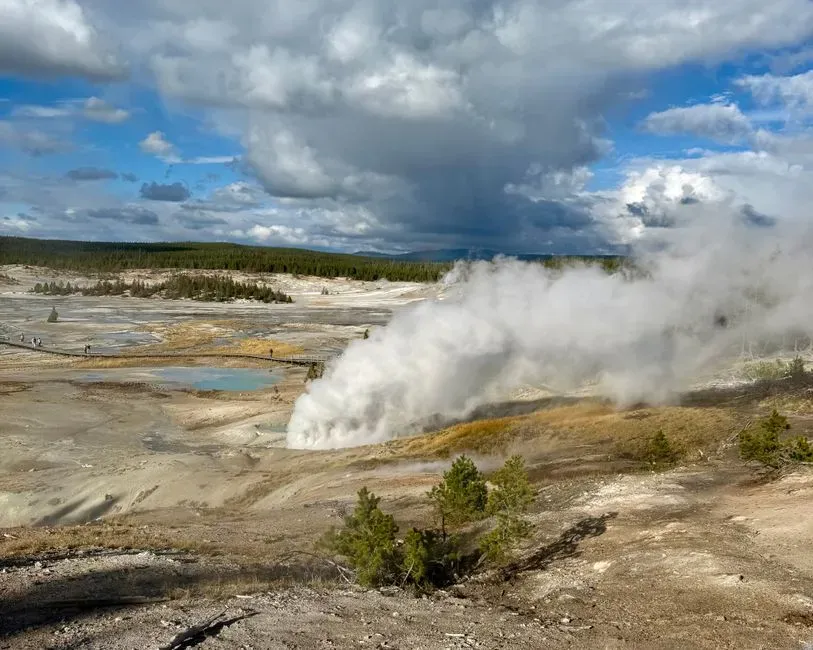
Current alert levels remain at normal, indicating no immediate cause for concern among residents or visitors. Scientists expect the monitoring to continue revealing incremental adjustments as the seasons change. Each new data point adds to a growing archive that future researchers will consult.
The focus stays on learning more about the interplay between heat, water, and rock at depth. Continued observation supports both safety planning and scientific curiosity about one of North America’s most studied landscapes. The story of Yellowstone unfolds one measured step at a time.
The recent pause in uplift and modest hydrothermal bursts serve as reminders that Yellowstone operates on its own timetable. These quiet developments underscore the value of patient, sustained study over dramatic predictions. In the end, the caldera’s measured pace invites respect for the deep time that shapes our planet rather than fear of sudden upheaval.