

The United States has a remarkable history of wildlife conservation, with numerous species having been pulled back from the edge of extinction through dedicated efforts, policy changes, and increased public awareness. These conservation success stories serve as powerful reminders of both our capacity to harm natural ecosystems and our ability to restore them. From the iconic bald eagle to the lesser-known black-footed ferret, America’s wildlife rehabilitation journey reveals the complex interplay between human activity, environmental stewardship, and ecological resilience. This article explores several U.S. creatures that once faced extinction but have since made impressive comebacks, demonstrating the effectiveness of conservation measures when properly implemented and sustained.
American Bison: From 1,000 to 500,000

The American bison, often incorrectly called buffalo, represents one of the most dramatic wildlife declines and subsequent recoveries in U.S. history. Once numbering in the tens of millions across North America, these massive mammals were hunted to near extinction in the late 19th century. By 1889, fewer than 1,000 individuals remained, with only about 325 in the United States. This catastrophic decline occurred primarily due to commercial hunting, government-supported slaughter to undermine Native American resistance, and habitat conversion to agricultural land.
Conservation efforts began in earnest with the establishment of the American Bison Society in 1905, led by William Hornaday and supported by President Theodore Roosevelt. Protected herds were established in Yellowstone National Park and other reserves. Today, the American bison population has rebounded to approximately 500,000 individuals, though only about 30,000 are in conservation herds managed for ecological restoration. While still occupying less than 1% of their historical range, their recovery from fewer than 1,000 animals represents a remarkable conservation achievement and stands as a powerful symbol of American conservation.
Bald Eagle: A National Symbol Restored
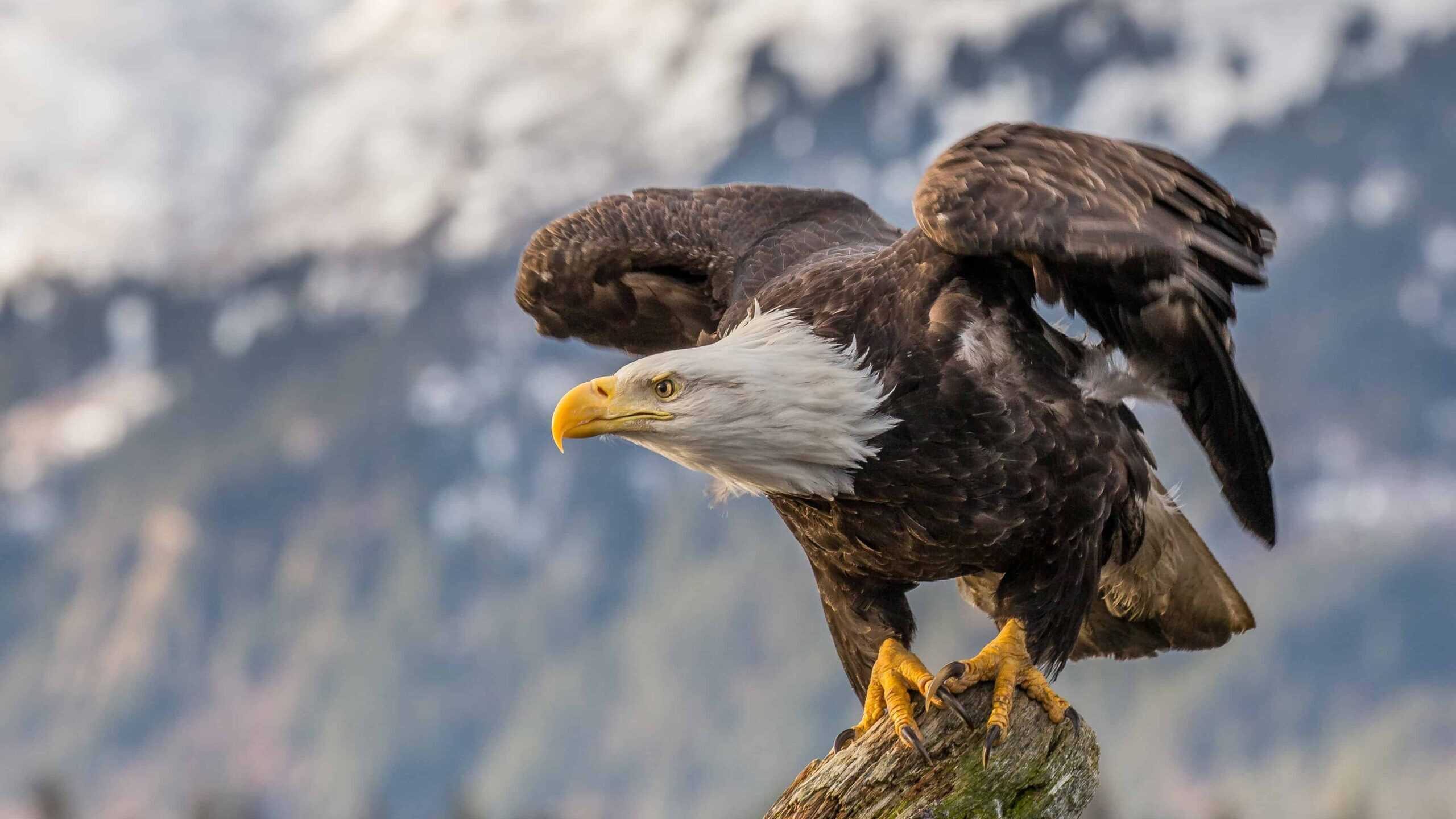
The bald eagle, America’s national symbol since 1782, faced a severe population crash in the mid-20th century. By 1963, only 417 nesting pairs remained in the lower 48 states, primarily due to the widespread use of the pesticide DDT. This chemical accumulated in the eagles’ prey and caused them to produce eggs with shells so thin they would break during incubation. Additional threats included habitat destruction, illegal shooting, and lead poisoning from ammunition in the carcasses they scavenged.
The eagle’s recovery began with the 1972 ban on DDT, followed by protections under the Endangered Species Act of 1973. Intensive conservation efforts included habitat protection around nesting sites, captive breeding programs, and reintroduction efforts. By 2007, the bald eagle had recovered sufficiently to be removed from the federal endangered species list, with populations exceeding 9,700 breeding pairs by 2006. Today, bald eagles have been documented nesting in all 48 contiguous states, with a total population estimated at more than 300,000 individuals, making it one of America’s most celebrated conservation successes.
Gray Wolf: Return of an Apex Predator

The gray wolf once ranged across most of North America but was nearly eradicated from the lower 48 states by the mid-20th century. Government-sponsored extermination campaigns, bounty programs, and habitat loss reduced wolf populations to near extinction in the United States. By the 1960s, only a few hundred wolves remained in northeastern Minnesota and Michigan’s Isle Royale. This systematic removal of wolves dramatically altered ecosystems, allowing deer and elk populations to increase unchecked, which in turn impacted vegetation patterns.
Following protection under the Endangered Species Act in 1974, recovery efforts began in earnest. The most famous reintroduction occurred in Yellowstone National Park in 1995-1996, when 31 wolves from Canada were released. This reintroduction has led to remarkable ecosystem changes, demonstrating the concept of trophic cascades, where the presence of a top predator influences everything from prey behavior to river morphology. Today, approximately 6,000 wolves inhabit the lower 48 states, primarily in the Western Great Lakes, Northern Rockies, and Pacific Northwest. While still occupying only about 10% of their historical range, their recovery represents a significant conservation achievement, though not without ongoing controversy and conflict with ranching interests.
California Condor: Saving North America’s Largest Bird
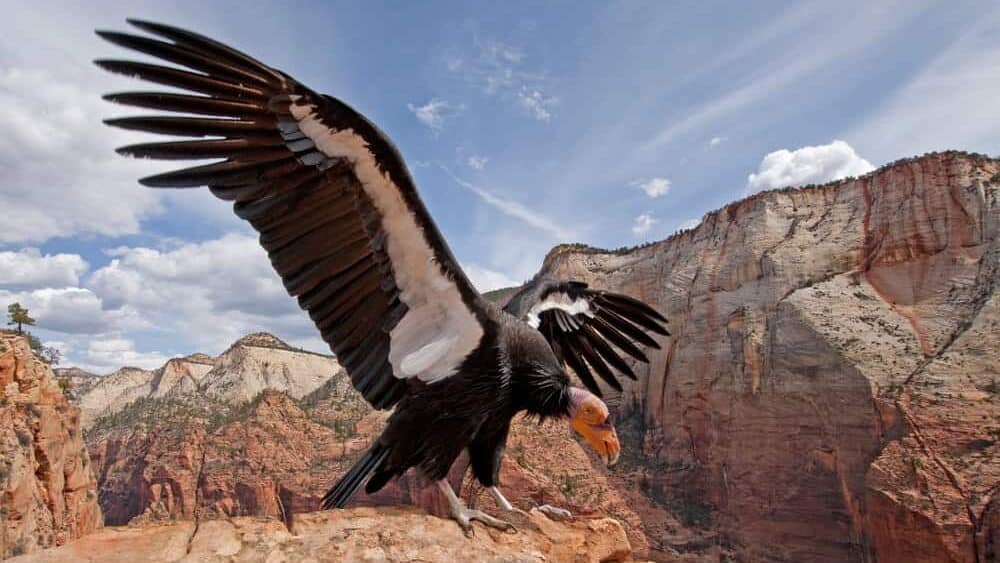
The California condor, with its impressive 9.5-foot wingspan, is North America’s largest bird and one of conservation’s most intensive success stories. By 1982, the population had crashed to just 22 individuals in the wild, primarily due to lead poisoning from ammunition in the carcasses they scavenged, habitat destruction, poaching, and DDT contamination. In a desperate attempt to save the species, all remaining wild condors were captured by 1987 for a captive breeding program, making the species extinct in the wild.
The captive breeding program, led by the San Diego Zoo and Los Angeles Zoo, gradually increased condor numbers. The first reintroductions to the wild began in 1992 in California, followed by releases in Arizona, Utah, and Baja California, Mexico. Each released condor is monitored via radio transmitters, and conservationists continue to address threats, particularly lead ammunition which remains the greatest danger to wild condors. By 2023, the population had grown to over 500 birds, with more than half flying free in the wild. While still critically endangered, the California condor’s recovery from 22 individuals to a growing population demonstrates the potential of intensive species management when combined with regulatory changes and public education.
Black-footed Ferret: Back from Presumed Extinction
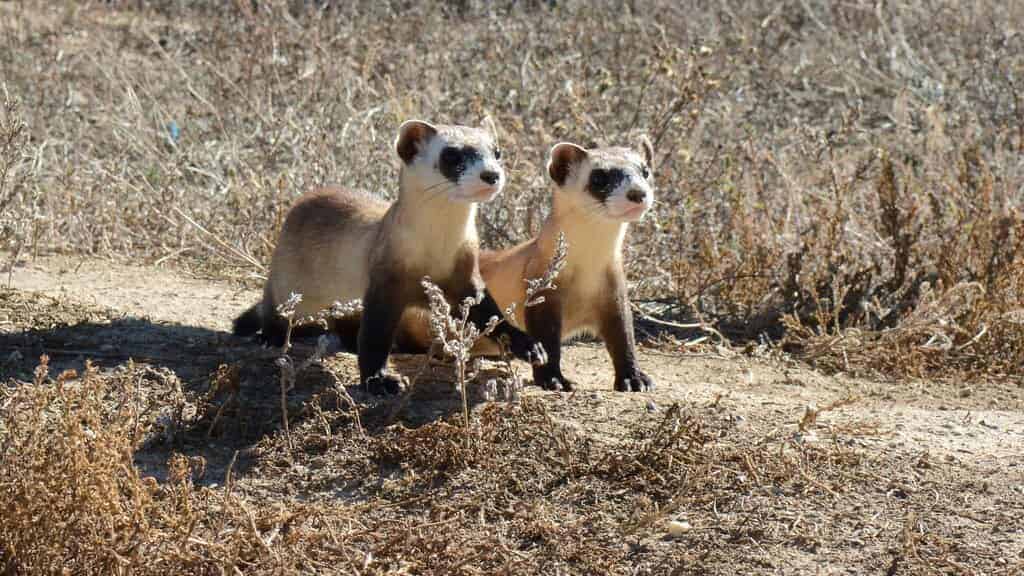
The black-footed ferret’s recovery story begins with their rediscovery. Once thought extinct, these sleek predators of the Great Plains were rediscovered in 1981 when a ranch dog in Meeteetse, Wyoming, brought a dead ferret home. Scientists quickly located a small population of about 130 ferrets, the last known in existence. This colony subsequently declined due to disease, and by 1987, only 18 individuals remained, all in captivity.
An intensive captive breeding program began at the National Black-footed Ferret Conservation Center in Colorado, with the first reintroductions to the wild occurring in Wyoming’s Shirley Basin in 1991. The ferrets’ recovery has been complicated by their specialized diet of prairie dogs, which have themselves declined by over 95% due to habitat conversion, poisoning campaigns, and sylvatic plague. Today, about 300 black-footed ferrets live in the wild across multiple reintroduction sites in the Great Plains and intermountain West, with approximately 300 more in the captive breeding program. While still endangered, their return from the brink of extinction highlights the importance of preserving even seemingly ordinary species that play critical roles in their ecosystems.
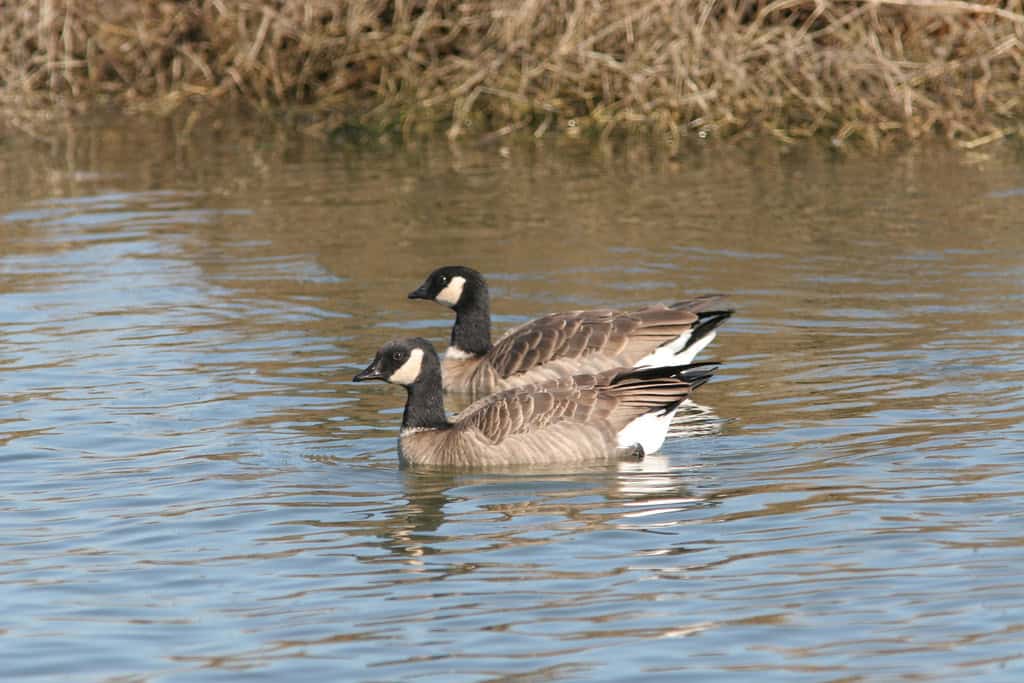
Aleutian Canada Goose: Saved by Island Restoration
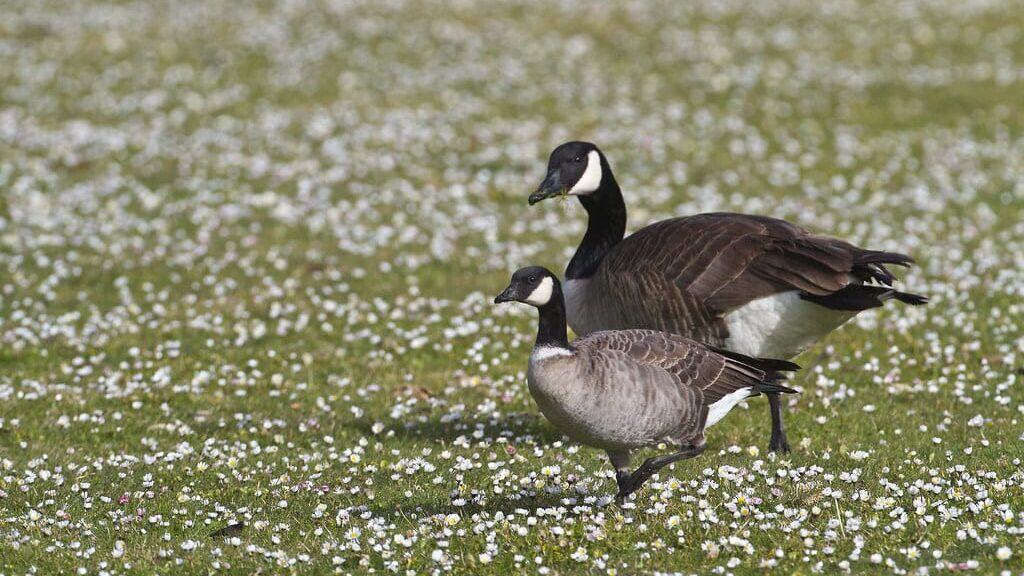
The Aleutian Canada goose represents one of the clearest examples of how removing an introduced predator can save a native species. These distinctive geese with white neck bands once bred abundantly throughout Alaska’s Aleutian Islands. However, fox farming in the late 1800s and early 1900s led to the deliberate introduction of Arctic foxes to many of the islands. The foxes devastated the ground-nesting goose populations, and by 1962, only about 800 birds remained, primarily on fox-free Buldir Island.
Recovery efforts focused on two main strategies: removing introduced foxes from historical breeding islands and protecting the geese on their migration routes and wintering grounds in California and Oregon. The U.S. Fish and Wildlife Service began systematically eliminating foxes from select islands in the 1970s, followed by reintroductions of geese to their ancestral breeding grounds. These efforts were remarkably successful. By 2001, the population had recovered to more than 60,000 birds, and the subspecies was removed from the Endangered Species List. Today, with populations exceeding 100,000, the Aleutian Canada goose (now known as the Aleutian cackling goose following taxonomic revisions) exemplifies how targeted ecosystem restoration can bring a species back from the brink.
American Alligator: A Reptilian Conservation Icon
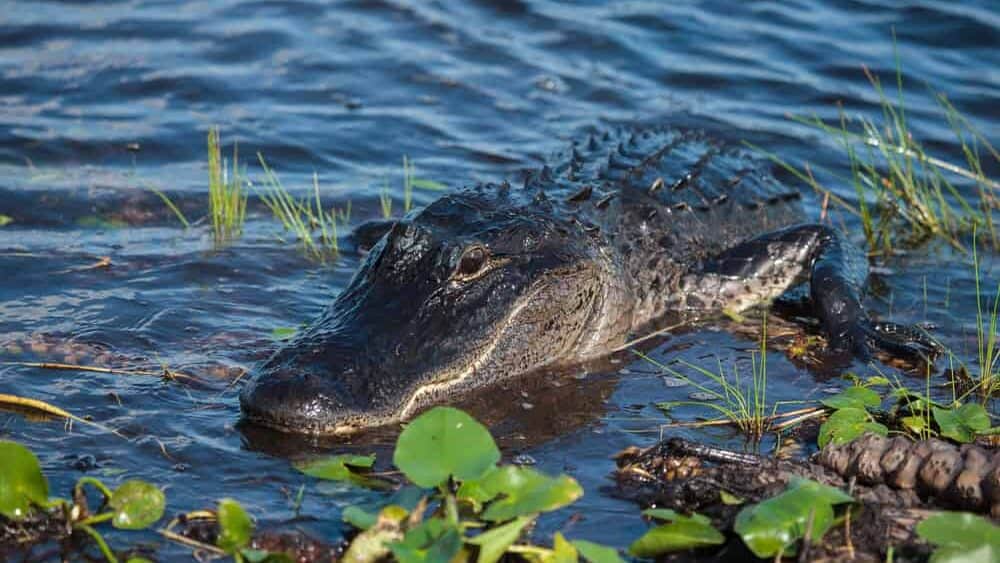
The American alligator’s recovery represents one of the Endangered Species Act’s earliest and most dramatic successes. These ancient reptiles were hunted nearly to extinction for their valuable hides, used in shoes, handbags, and other luxury goods. By the 1960s, alligator populations had plummeted across their southeastern U.S. range, with fewer than 100,000 remaining, compared to historical numbers in the millions.
Protection began in 1967 under the precursor to the Endangered Species Act, with full ESA protection following in 1973. Strict habitat protection, hunting bans, and captive breeding programs allowed populations to rebound remarkably quickly. By 1987, the alligator had recovered sufficiently to be declared fully recovered and was removed from the endangered species list. Today, an estimated 5 million alligators inhabit the southeastern United States, with sustainable hunting programs now managed by state wildlife agencies. The successful recovery program not only saved the species but also preserved vital wetland habitats that benefit countless other species. Additionally, the development of alligator farming for commercial products reduced pressure on wild populations while creating economic incentives for conservation.
Southern Sea Otter: Keystone Species Recovery

The southern sea otter, a charismatic marine mammal native to California’s coastal waters, was hunted to near extinction for its luxurious fur during the 18th and 19th centuries. By the early 1900s, the population was reduced to about 50 individuals hiding along the remote Big Sur coastline. When rediscovered in 1938, these surviving otters represented approximately 1% of their historical population.
Protected by the International Fur Seal Treaty in 1911 and later the Endangered Species Act and Marine Mammal Protection Act, sea otters began a gradual recovery. Their importance extends far beyond their charismatic appeal – as a keystone species, they control sea urchin populations that would otherwise decimate kelp forests, which provide habitat for numerous marine species. Today, approximately 3,000 southern sea otters inhabit California waters, but their recovery has plateaued in recent decades due to various threats including disease, parasites, shark predation, food limitations, and pollution. While still below their optimum sustainable population level, the southern sea otter’s recovery from a remnant population demonstrates the resilience of nature when given adequate protection.
Whooping Crane: North America’s Tallest Bird
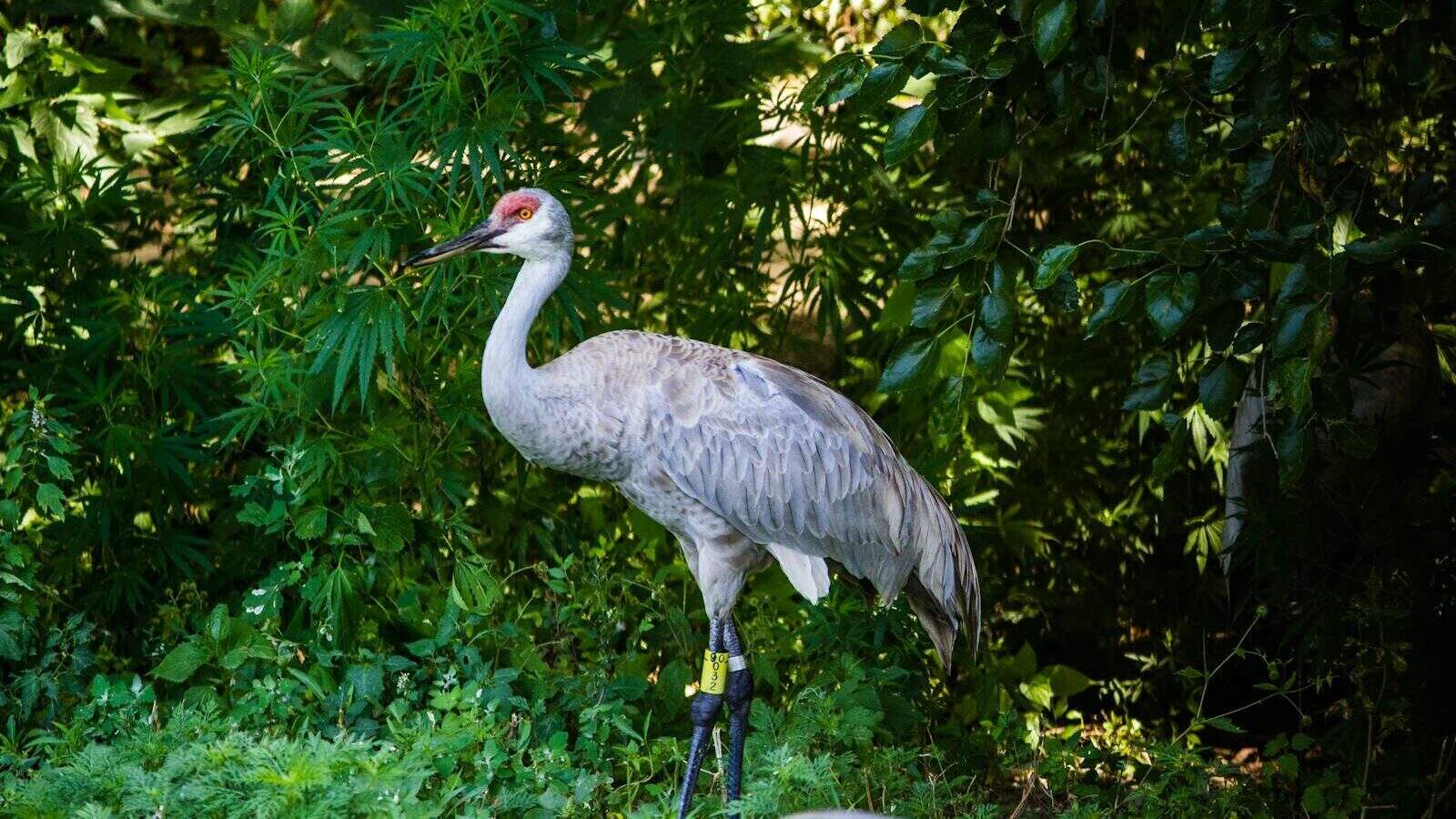
The whooping crane, standing nearly five feet tall with a seven-foot wingspan, is North America’s tallest bird and one of its most endangered. By 1941, habitat destruction, unregulated hunting, and specimen collection had reduced the population to just 15 wild birds migrating between Texas and Canada, plus two captive birds. This precipitous decline represented a loss of more than 99% from historical numbers estimated at 10,000 or more.
Recovery efforts for the whooping crane have been among the most intensive and innovative in conservation history. Strategies have included strict habitat protection, captive breeding programs, and the establishment of new populations. One particularly creative approach used ultralight aircraft to teach captive-raised cranes their ancestral migration routes. Despite these efforts, recovery has been slow due to the species’ low reproductive rate – whooping cranes typically raise only one chick per year and don’t reach breeding age until around five years old. As of 2023, approximately 800 whooping cranes exist, with about 500 in the wild across several populations. While still endangered, their gradual increase from 15 individuals represents a remarkable conservation achievement and demonstrates the value of persistence in wildlife recovery efforts.
Peregrine Falcon: The Fastest Animal’s Return
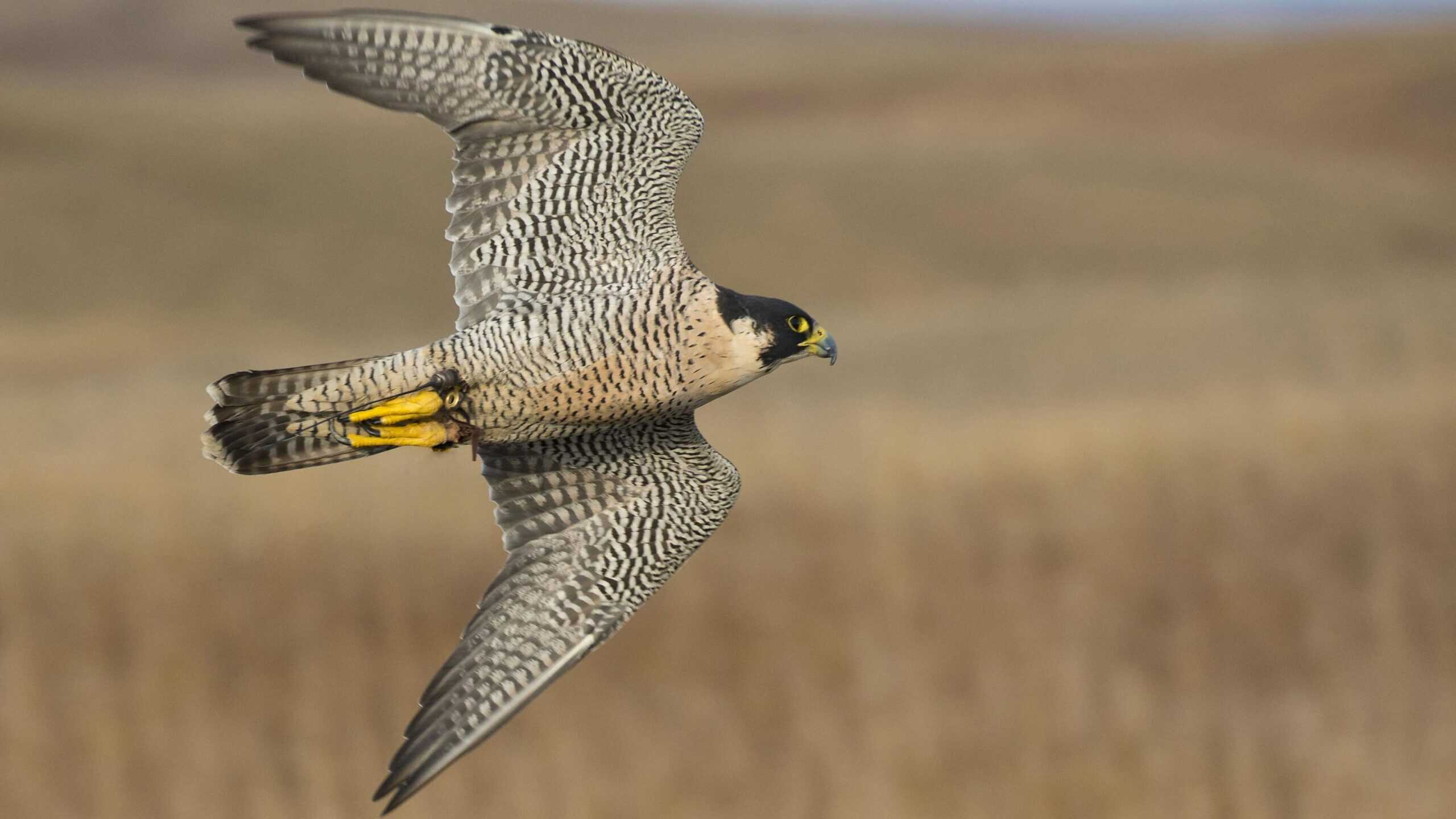
The peregrine falcon, capable of diving at speeds over 200 mph, was nearly eliminated from the eastern United States and severely reduced elsewhere by the 1970s. Like the bald eagle, peregrines were decimated primarily by DDT contamination, which caused eggshell thinning and reproductive failure. By 1975, only 324 known nesting pairs remained in the United States, with the eastern population completely extirpated.
Following the 1972 DDT ban, an innovative recovery program began using a technique called “hacking” – raising young falcons in protective boxes at release sites until they could fly, imprinting them on these locations for potential future nesting. The Peregrine Fund and other organizations released more than 6,000 captive-bred falcons between 1974 and 1999. These efforts were remarkably successful, with peregrines adapting to urban environments and using skyscrapers as substitutes for their natural cliff nesting sites. By 1999, populations had recovered sufficiently for the species to be removed from the federal endangered species list. Today, an estimated 3,000 breeding pairs inhabit the United States, with particularly strong populations in urban areas like New York City, Chicago, and San Francisco. The peregrine’s recovery demonstrates both the dramatic impact of environmental contaminants and the potential for creative conservation approaches to reverse species declines.
Grizzly Bear: Slow Recovery of an Iconic Predator

Grizzly bears once roamed across much of western North America, with an estimated 50,000 bears inhabiting the western United States prior to European settlement. By the 1970s, unregulated hunting, predator control programs, and habitat loss had reduced this population to fewer than 1,000 bears across just 2% of their historical range in the contiguous states. Grizzlies were limited to isolated populations in and around Yellowstone National Park, Glacier National Park, and a few wilderness areas in Idaho and Washington.
Listed as threatened under the Endangered Species Act in 1975, grizzly bears have made a gradual but significant recovery in certain areas. The Yellowstone population has grown from approximately 136 bears in 1975 to around 700 today, while the Northern Continental Divide Ecosystem in and around Glacier National Park now supports more than 1,000 bears. Recovery efforts have included habitat protection, strict hunting prohibitions, public education to reduce human-bear conflicts, and programs to secure attractants like garbage and livestock carcasses. Despite these successes, grizzly bears still occupy less than 5% of their historical range in the lower 48 states, and conflicts with human interests remain a significant challenge to further recovery. Their slow reproductive rate – females typically don’t reproduce until age 5 and have only 1-3 cubs every 3-4 years – means that population growth is inherently slow, making each bear’s survival particularly valuable to the species’ recovery.
These American conservation success stories demonstrate several critical lessons about wildlife recovery. First, legal protection matters tremendously – the Endangered Species Act has proven to be a powerful tool for preventing extinction and facilitating recovery when properly implemented and funded. Second, addressing the root causes of decline, whether habitat loss, direct persecution, or environmental contamination, is essential for sustainable recovery. Third, recovery requires patience and persistence – species with slow reproductive rates like condors, whooping cranes, and grizzly bears may take decades to rebuild their populations even under ideal conditions. Fourth, public support and engagement are crucial elements of successful conservation, as demonstrated by the shift in attitudes toward predators like wolves and bears over the past century.
While these success stories offer hope, they also highlight ongoing challenges. Most recovered species occupy only a fraction of their historical ranges, and many remain vulnerable to emerging threats like climate change, disease, and habitat fragmentation. Additionally, conflicts between wildlife conservation and human economic interests continue to complicate recovery efforts, particularly for large predators. Nevertheless, these examples prove that determined conservation action can pull species back from the brink of extinction, preserving both biodiversity and the ecological functions these creatures provide. As we face growing environmental challenges, these conservation successes offer valuable templates for protecting vulnerable species and restoring degraded ecosystems both in the United States and globally.

- 21 Scary Creatures You Might Run Into While Hiking In The U.S - June 3, 2026
- The Difference Between Turtles and Tortoises—Explained - June 3, 2026
- What Makes Owls the Silent Predators of the Night? - June 3, 2026