


In the miniature world of insects, ants stand out as some of nature’s most impressive engineers and laborers. Among their many remarkable capabilities, their strength relative to their size has fascinated scientists and nature enthusiasts alike. The ability of certain ant species to lift objects 50 times their own body weight—equivalent to a human lifting a full-sized car—represents one of the animal kingdom’s most extraordinary feats of strength. This incredible capacity allows these tiny creatures to transport food, build elaborate nests, and defend their colonies with astonishing efficiency. Let’s explore the fascinating world of these mighty miniature weightlifters and discover how their remarkable strength shapes their lives and ecosystems.
The Remarkable Strength of Ants

Ants possess remarkable strength that seems almost superhuman when scaled to our size. The average ant can lift between 10 and 50 times its own body weight, with some species capable of even more impressive feats. This would be comparable to a 150-pound human lifting between 1,500 and 7,500 pounds—far beyond what even the strongest human weightlifters can achieve.
This extraordinary strength isn’t limited to lifting alone; ants can also carry these heavy loads over long distances and difficult terrain, often working collaboratively to transport items many times larger than themselves. Their strength-to-weight ratio makes them among the strongest creatures on Earth relative to their size.
The Science Behind Ant Strength

The secret to ants’ impressive strength lies in their physiology and biomechanics. Unlike humans, ants have an exoskeleton—a hard external structure that provides both protection and attachment points for muscles. This arrangement allows for more efficient muscle leverage. Additionally, the muscles in an ant’s body make up a much larger percentage of their total body mass compared to humans, with some species devoting up to 40% of their body to muscle tissue.
The square-cube law also plays a significant role: as organisms decrease in size, their strength relative to their weight increases. This occurs because muscle strength is proportional to cross-sectional area (which scales with the square of length), while weight is proportional to volume (which scales with the cube of length). This mathematical relationship helps explain why smaller animals like ants can perform such impressive feats of strength relative to their size.
The Asian Weaver Ant: Nature’s Powerlifter
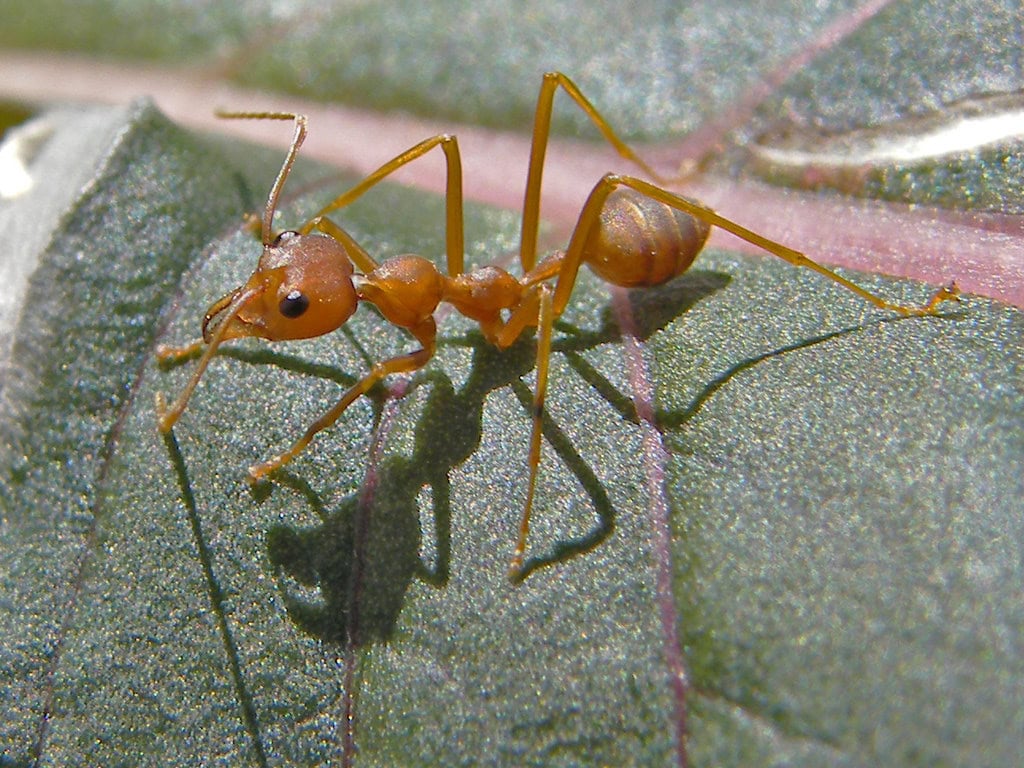
Among the strongest ant species is the Asian weaver ant (Oecophylla smaragdina), known for its ability to lift objects up to 100 times its own weight. These remarkable ants are native to tropical regions of Asia and Australia and are famous not only for their strength but also for their elaborate nest-building techniques.
They use their incredible strength to pull leaves together, while other worker ants carry larvae that produce silk, which is used to stitch the leaves together to form nests. This collaborative process creates complex, waterproof structures that can house thousands of ants. Their exceptional strength allows them to maneuver large leaves and resist strong winds during the construction process, making them true architects of the insect world.
The Neck Strength of the Common Field Ant
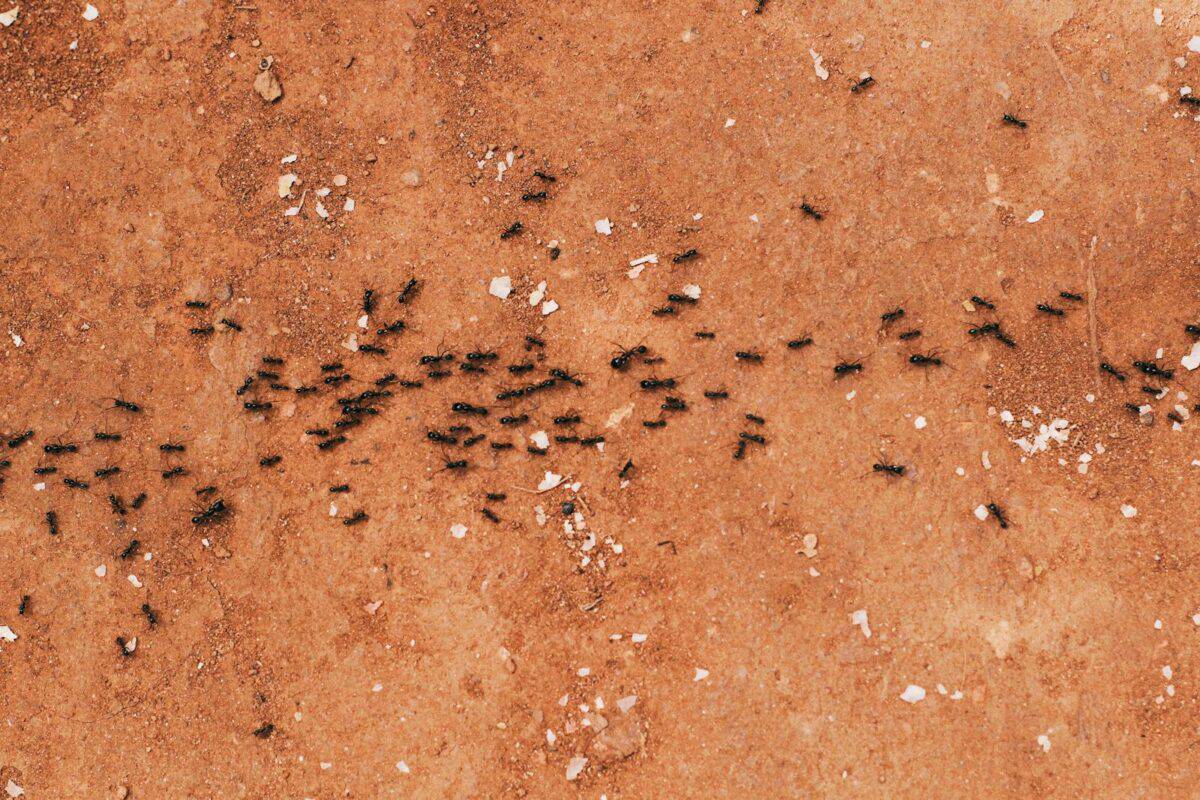
The common field ant (Formica species) demonstrates particularly impressive neck strength. These ants can lift objects up to 50 times their body weight with their mandibles and neck muscles alone. Research has shown that their neck joints can withstand forces that would be equivalent to a human supporting several tons with their jaw.
This extraordinary neck strength serves multiple purposes in their daily lives. It enables them to carry large food items back to their colonies, defend against predators with powerful bites, and excavate complex tunnel systems by removing soil particles many times their own weight. Their neck muscles and mandibles work together like a well-designed mechanical system, allowing for precise control of powerful movements despite their tiny size.
Leaf-Cutter Ants: The Perpetual Harvesters

Leaf-cutter ants (Atta species) showcase their tremendous strength through their namesake behavior: cutting and carrying pieces of leaves that can weigh up to 50 times their body weight. These industrious insects are essentially farmers, using the leaf material not for direct consumption but as a substrate to grow fungus, which serves as their primary food source. What makes their feat even more impressive is the distance they travel with these heavy loads.
Scientists have documented leaf-cutter ant highways extending up to 250 meters from their nest—equivalent to a human carrying a 4,000-pound load for 30 miles. They accomplish this while navigating rough terrain, climbing vertical surfaces, and maintaining balance in challenging conditions. Their sophisticated division of labor includes specialized workers of different sizes, with the largest individuals capable of defending the colony while smaller workers focus on leaf-cutting and transport tasks.
Strength Variations Among Ant Species
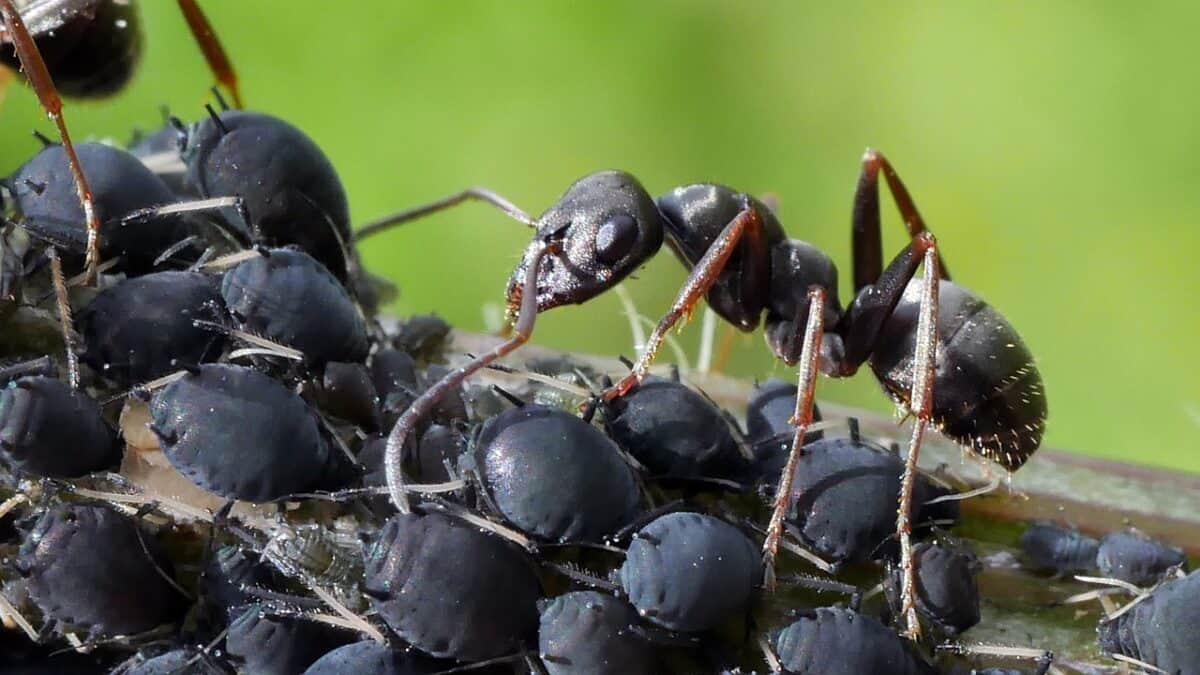
Not all ant species possess equal strength capabilities. The lifting capacity varies considerably across the more than 12,000 known ant species worldwide. Factors such as body size, ecological niche, and evolutionary adaptations influence how strong a particular species might be. Army ants (Eciton species), for example, have evolved for predatory behavior and can collectively carry prey many times heavier than an individual ant.
Meanwhile, harvester ants (Pogonomyrmex species) have developed powerful mandibles for cracking seeds, allowing them to process food sources that would be inaccessible to weaker species. Some smaller ant species compensate for individual strength limitations through highly coordinated group efforts, demonstrating that in the ant world, collective strength often matters as much as individual power. This diversity in strength capabilities has allowed ants to adapt to nearly every terrestrial ecosystem on Earth.
The Biomechanical Advantages of Being Small

The impressive strength-to-weight ratio of ants is partly a consequence of their small size. As mentioned earlier, the square-cube law provides smaller organisms with inherent strength advantages relative to their weight. Additionally, ants benefit from having six legs, which provides greater stability and distributes weight more efficiently than the four-legged or bipedal structure of larger animals. Their exoskeleton, while limiting maximum size due to breathing and molting constraints, provides exceptional structural support for their muscles.
Their muscles themselves connect directly to the inside of the exoskeleton, creating efficient lever systems that maximize mechanical advantage. Another significant factor is the ant’s low body mass, which means they experience much less impact from gravity compared to larger animals. This reduced gravitational burden allows them to allocate a greater proportion of their muscle power to lifting and carrying rather than simply supporting their own weight.
How Ants Use Their Strength in Colony Life

The extraordinary strength of ants isn’t merely a biological curiosity—it’s fundamental to their colony’s survival and success. Worker ants use their carrying capacity to transport food resources back to the nest, often collaborating to move items too large for individuals to manage alone. During nest construction, they excavate soil and transport building materials that collectively can amount to thousands of times the weight of the colony itself.
When defending against threats, soldier ants in many species use their powerful mandibles as weapons, capable of piercing the exoskeletons of rival insects or deterring larger predators. Some species even use their strength for agricultural purposes, cultivating fungus gardens or tending to aphid “livestock” for honeydew production. The cooperative use of strength within a colony allows ants to achieve feats that would be impossible for individual insects, demonstrating the evolutionary advantages of eusocial behavior paired with physical capabilities.
Comparing Ant Strength to Other Insects

While ants are renowned for their strength, they’re not the only impressive weightlifters in the insect world. The rhinoceros beetle (Dynastinae) can lift objects up to 850 times its own weight, making it perhaps the strongest creature on Earth relative to size. Dung beetles (Scarabaeidae family) can roll balls of dung weighing 1,141 times their body weight—equivalent to a human moving six double-decker buses. However, what distinguishes ants is the combination of their strength with their social organization.
While a rhinoceros beetle is stronger as an individual, ant colonies leverage their collective strength through sophisticated coordination. Their strength also differs in application—many strong insects use their power primarily for mating displays or competition, while ants have evolved strength primarily for cooperative tasks that benefit the entire colony. This distinction highlights how similar physical adaptations can serve different evolutionary purposes across insect species.
Practical Applications Inspired by Ant Strength

The remarkable strength capabilities of ants have inspired innovations across various fields. In robotics, engineers study ant biomechanics to develop more efficient load-carrying machines and drones. The field of materials science has drawn inspiration from the structure of ant exoskeletons to create stronger yet lighter composite materials. Researchers in artificial intelligence and swarm robotics examine how ants coordinate their strength through simple rules to develop more efficient algorithms for distributed problem-solving.
The military has even funded research into how ants’ cooperative carrying techniques might improve soldier equipment or search-and-rescue robots. In architecture and civil engineering, ant nest structures have influenced designs for more resilient buildings. These biomimetic approaches demonstrate how studying these tiny creatures can lead to significant technological advancements, as humans attempt to replicate the elegance and efficiency that evolution has refined over millions of years.
The Evolutionary Development of Ant Strength

The impressive strength of ants didn’t develop overnight but evolved gradually over approximately 140 million years. Fossil evidence suggests that the ancestors of modern ants already possessed relatively strong mandibles and carrying capabilities, but these traits were enhanced through natural selection as colonies with stronger workers gained competitive advantages in resource acquisition and territory defense.
The development of eusociality—the complex social organization featuring cooperative brood care, overlapping generations, and division of labor—created evolutionary pressure for more specialized physical adaptations, including enhanced strength for particular tasks. Different ant lineages developed various strength specializations based on their ecological niches: leaf-cutters evolved strength for harvesting, army ants for predation, and carpenter ants for wood excavation. This evolutionary diversification has allowed ants to become one of Earth’s most successful animal groups, with their combined biomass estimated to equal that of all human beings on the planet.
Observing Ant Strength in Your Own Backyard
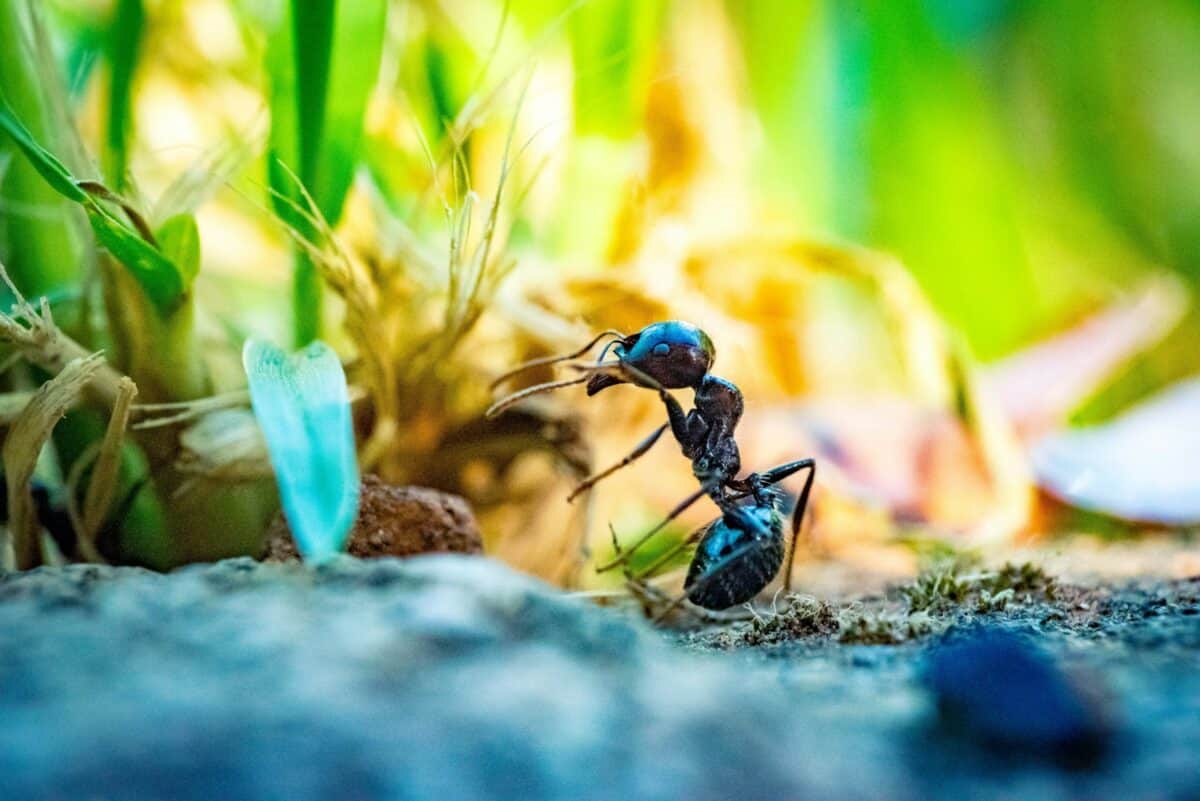
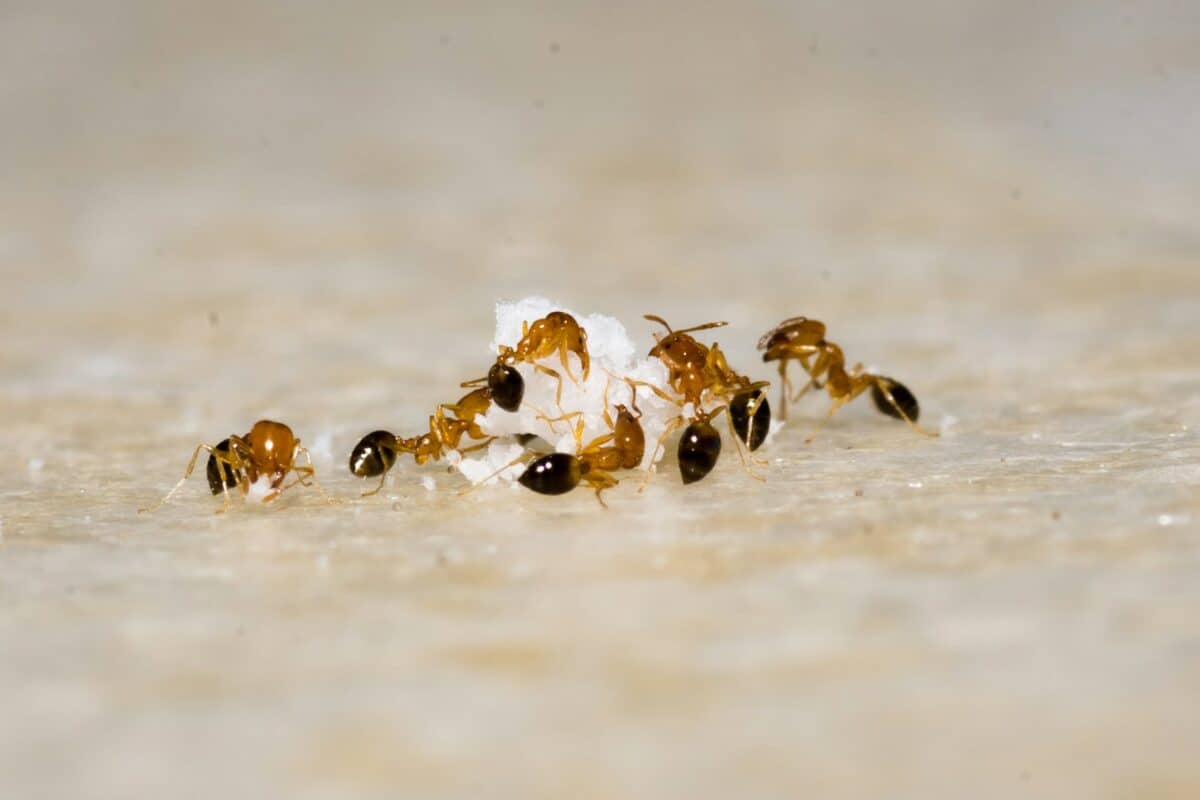
You don’t need sophisticated scientific equipment to observe the impressive strength of ants—just patience and a keen eye. In most backyard environments, you can witness ants carrying food items many times their size back to their nests. Try placing a small piece of food near an ant trail and watch as workers assess, lift, and transport it. For a more systematic observation, you can conduct a simple experiment by offering items of increasing weight (breadcrumbs, small seeds, then larger seeds) and noting the maximum size they can move.
Photography enthusiasts can capture amazing images of these feats using macro lenses or even smartphone cameras with magnifying attachments. When observing ants, remember to respect their colonies and avoid disturbing them unnecessarily. These everyday observations connect us to the remarkable natural engineering that exists just beneath our notice, revealing how extraordinary strength operates on a miniature scale all around us.
Conclusion: Small Bodies, Mighty Impact
The ability of ants to lift 50 times their weight represents one of nature’s most remarkable engineering feats, demonstrating how evolutionary processes can create extraordinary capabilities at different scales. These tiny creatures, through their collective strength and complex social organizations, have become one of Earth’s most successful life forms, inhabiting almost every terrestrial environment.
Their impressive biomechanics continue to inspire human innovation across multiple disciplines, from robotics to architecture. Beyond their scientific significance, ants remind us that physical strength doesn’t necessarily correlate with size—and that some of nature’s most impressive achievements occur at scales we might easily overlook. The next time you spot an ant carrying a seemingly impossible load, take a moment to appreciate the remarkable biological systems at work in these miniature powerlifters.

From exploring the marine wonders in the Azores and witnessing the vast savannas of Kenya, to delving deep into the rich biodiversity of South Africa and traversing iconic landscapes in Australia and the US like Yellowstone, Chris's experiences are vast.
With a penchant for diving alongside sharks, the ocean holds a special place in his heart.
Through his academic insights, he champions wildlife conservation, striving with 'Animals Around The Globe' to cultivate a profound connection between humans and animals, enhancing our mutual appreciation.
Connect with him at Feedback@animalsaroundtheglobe.com.
- Siberian Tigers: The Largest of All Big Cats - July 28, 2026
- The Real Dolphin That Played Flipper—and Where He Came From - July 28, 2026
- The Ethics of Keeping Exotic Pets: What You Need to Know - July 27, 2026