

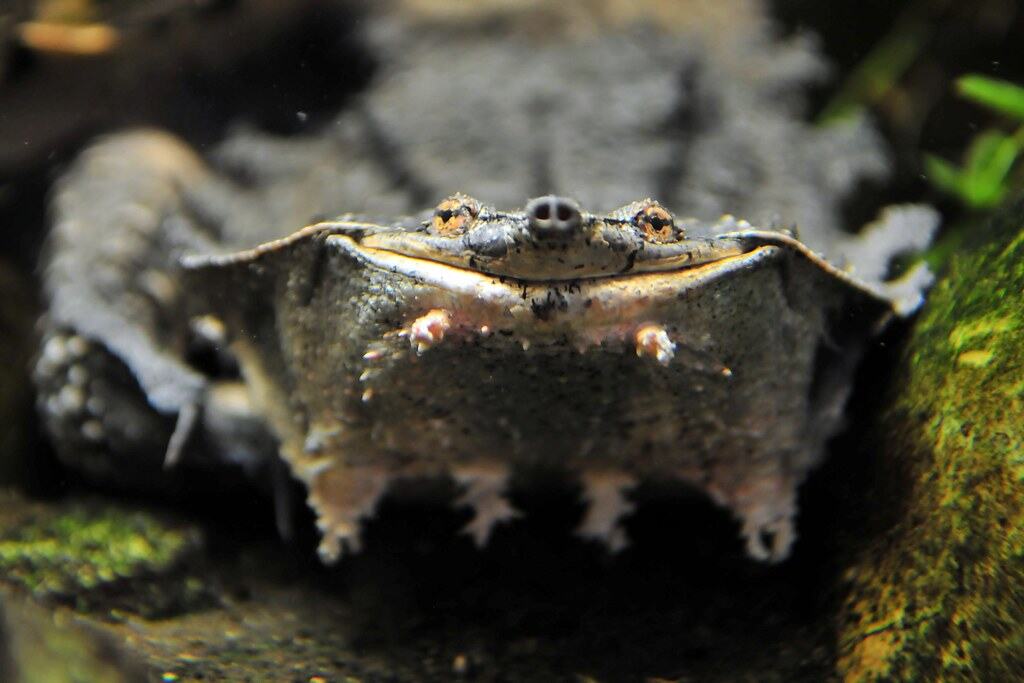
When you think of turtles, you likely picture a smooth, scaly reptile with a hard shell and a bald head. However, nature constantly surprises us with its remarkable diversity. Among the most unusual turtle species is the Matamata turtle (Chelus fimbriata), which appears to have what many describe as “hair.” This South American freshwater species challenges our conventional understanding of turtle appearance with its extraordinary adaptations. In this article, we’ll explore the fascinating world of the Matamata turtle and uncover the truth behind its hair-like features, unique anatomy, and remarkable evolutionary journey.
The Matamata’s Unique Appearance
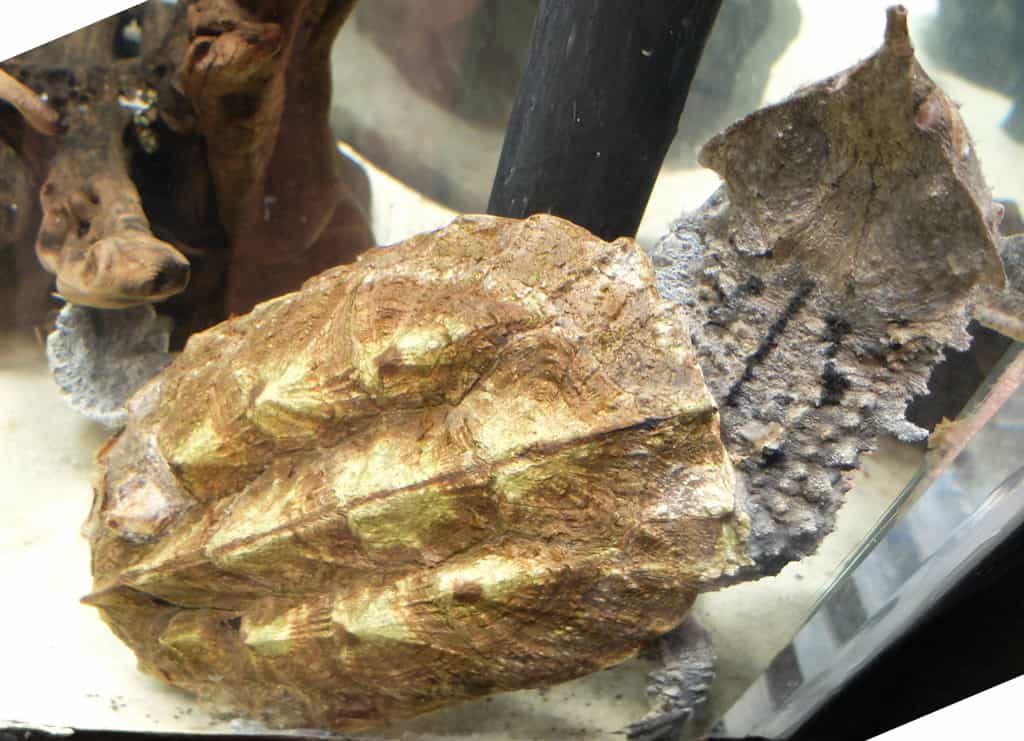
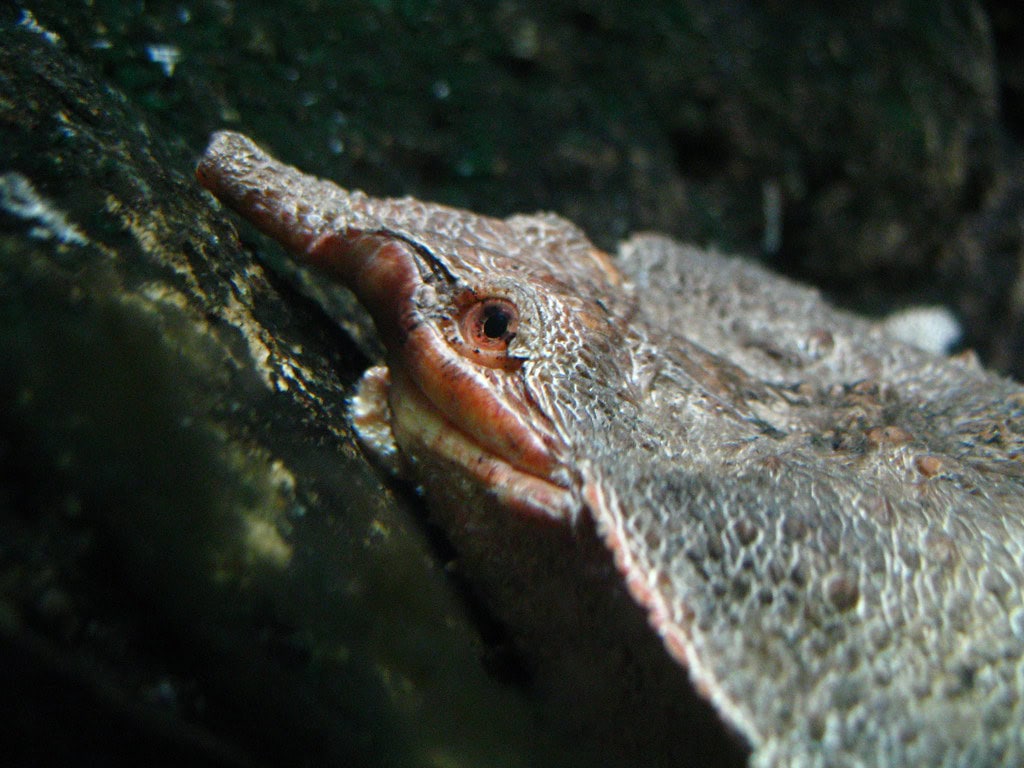
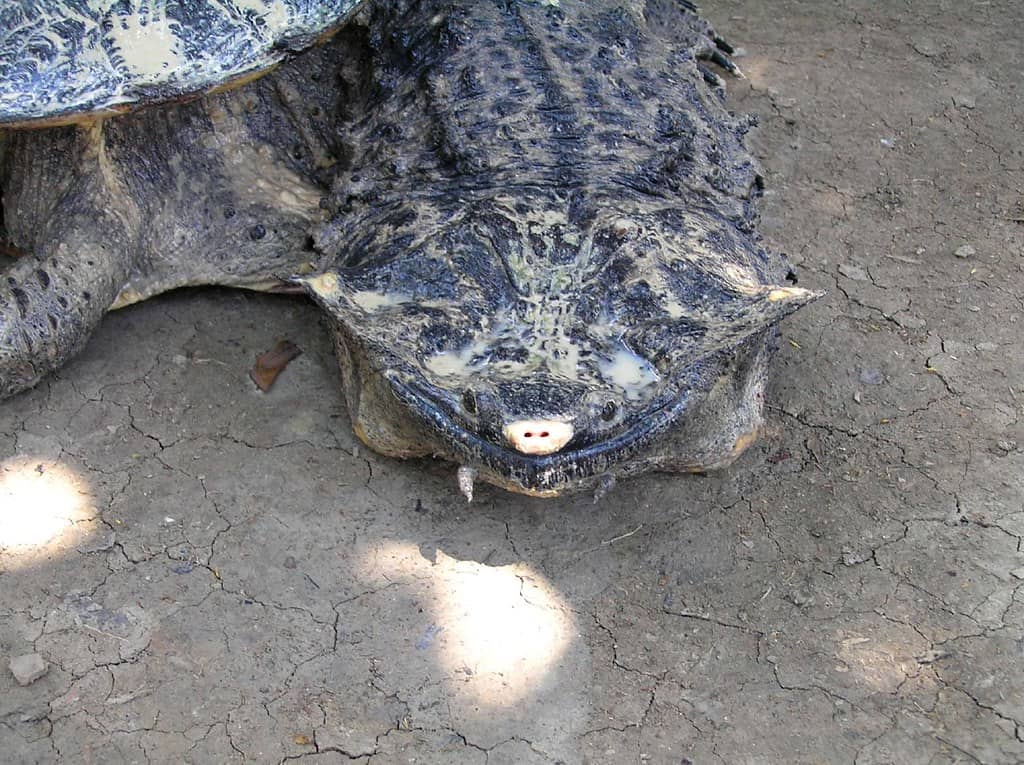
The Matamata turtle is arguably one of the most unusual-looking turtles on the planet. Its most distinctive feature is what appears to be hair-like growths covering its head, neck, and shell. However, these aren’t true hairs in the mammalian sense. These filamentous structures are actually specialized skin extensions called dermal filaments or tubercles that serve crucial functions for the turtle’s survival.
The Matamata’s entire body seems designed to resemble decaying vegetation, with a flattened, knobby carapace that looks like a piece of rough bark, and a triangular head adorned with these hair-like projections. This bizarre appearance has earned the Matamata its name, which means “I kill” in the Indigenous Tupi language of South America – a fitting name for such an unusual predator.
Not True Hair: Understanding the Matamata’s Filaments
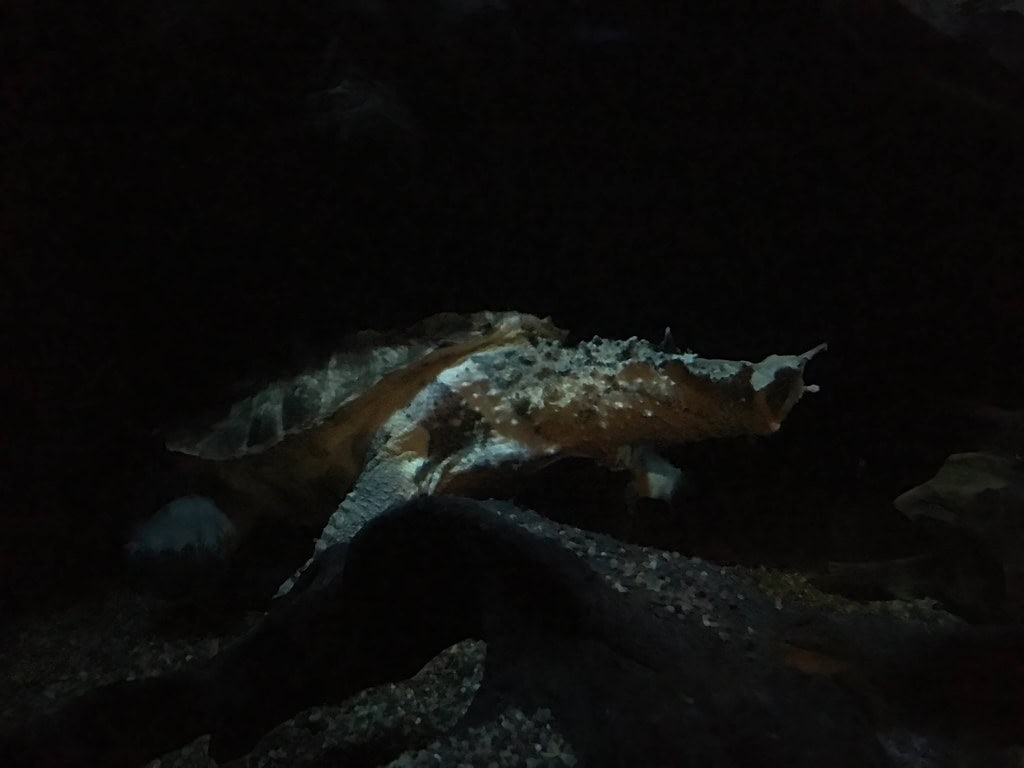
While the Matamata’s filaments may resemble hair, they are fundamentally different from mammalian hair in both structure and function. True hair consists of keratin filaments growing from follicles within the skin, a feature exclusive to mammals. The Matamata’s projections are instead specialized skin extensions that serve several important purposes. These filaments are made of the same material as the turtle’s skin and contain blood vessels, nerves, and connective tissue.
Unlike hair, which primarily serves for insulation or display, the Matamata’s filaments function as sensory organs and camouflage tools. Under microscopic examination, these structures reveal complex tissues that help the turtle detect water movements and disguise its presence from both predators and prey – a remarkable example of convergent evolution producing structures that superficially resemble hair.
Evolutionary Origins of the Matamata
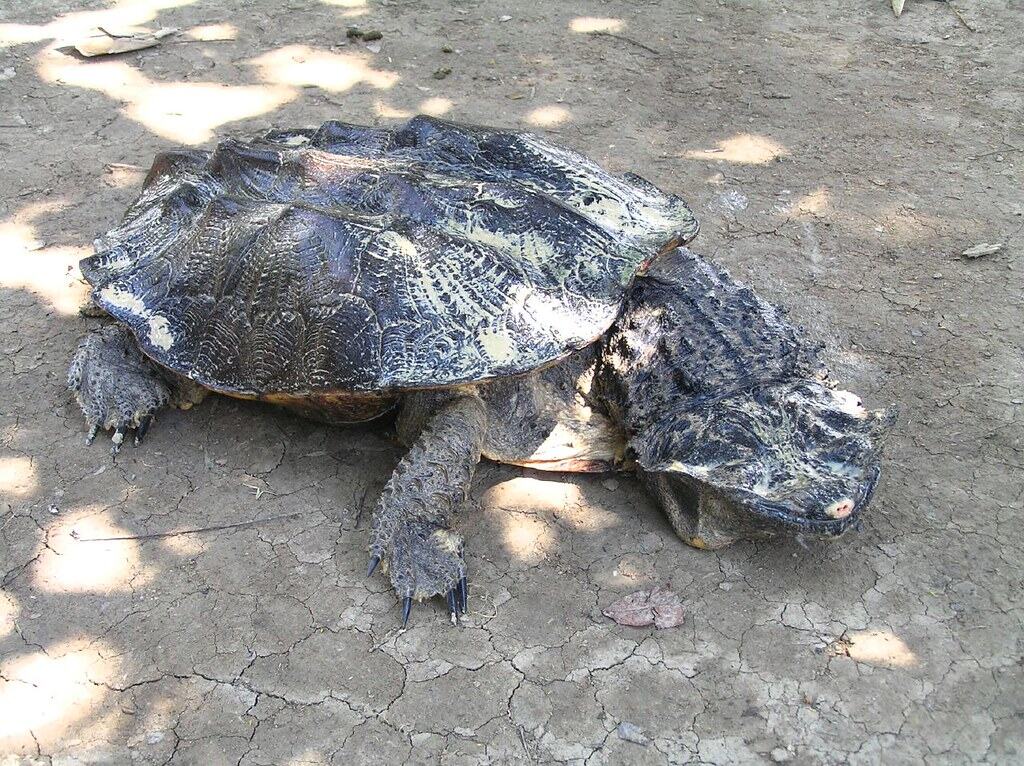
The Matamata turtle belongs to the family Chelidae, a group of side-necked turtles that diverged from other turtle lineages approximately 50 million years ago. Fossil evidence suggests that the distinctive appearance of the Matamata evolved gradually over millions of years in response to specific environmental pressures in South American freshwater habitats. The evolution of its hair-like filaments represents a fascinating example of adaptation to a specialized ecological niche.
These unusual features evolved independently from the true hair of mammals, demonstrating how different evolutionary lineages can develop similar-looking structures through entirely different developmental pathways. The Matamata’s closest relative is the similarly unusual but less “hairy” Chelus orinocensis, which was only recognized as a separate species in 2020, highlighting how much we still have to learn about these remarkable reptiles.
Habitat and Distribution
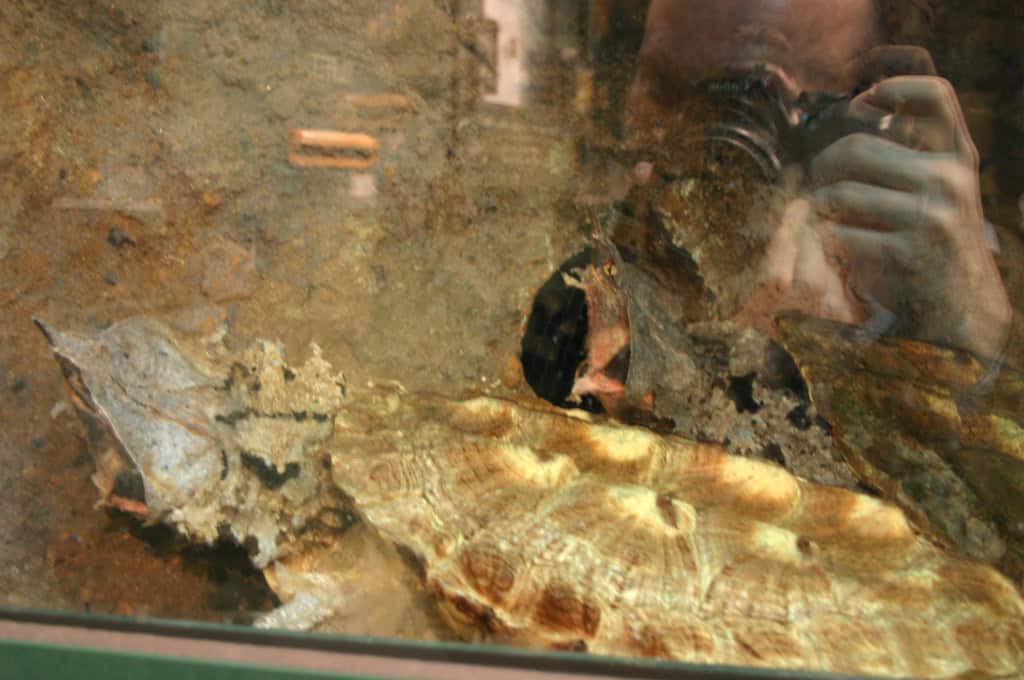
Matamata turtles inhabit the slow-moving, murky freshwater environments of northern South America, particularly throughout the Amazon and Orinoco River basins. They can be found in Colombia, Venezuela, Guyana, Ecuador, Peru, Bolivia, and Brazil. These turtles prefer shallow waters with muddy bottoms, abundant vegetation, and minimal current. Their habitat preferences are directly linked to their unique hunting strategy and appearance.
The stagnant waters they favor often contain decaying vegetation and debris, providing the perfect backdrop against which their unusual body shape and hair-like filaments blend seamlessly. The distribution of Matamatas has remained relatively stable, though habitat destruction and water pollution pose growing threats to their native environments. Understanding their specific habitat requirements is crucial for conservation efforts aimed at protecting these extraordinary turtles.
The Function of Hair-Like Filaments
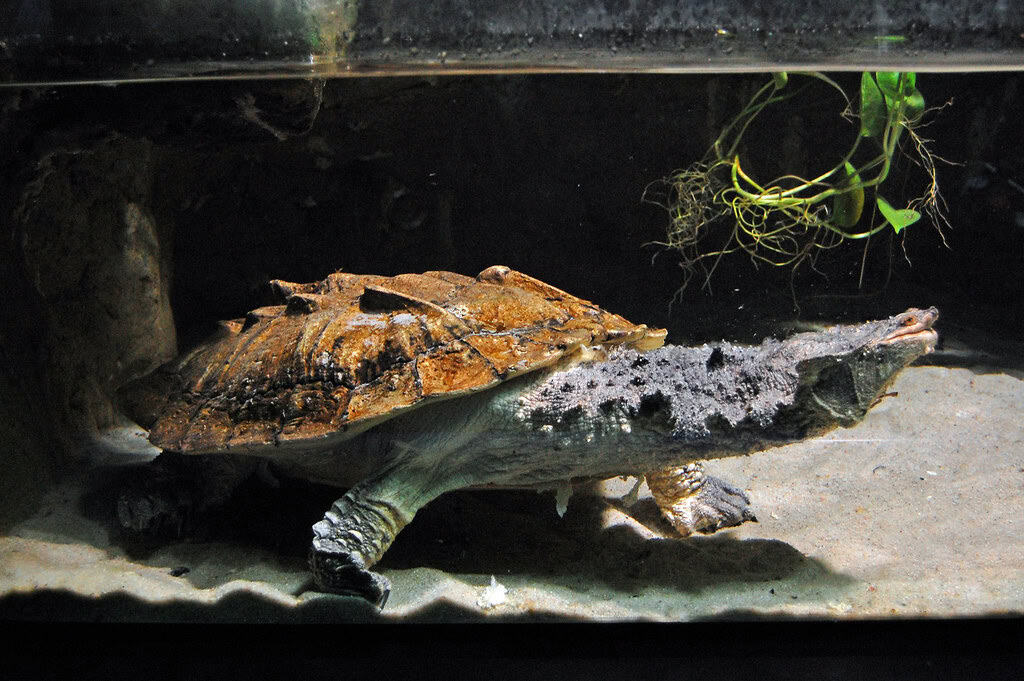
The Matamata’s hair-like filaments serve multiple crucial functions that enhance the turtle’s survival. First and foremost, these projections act as an exceptional camouflage system, breaking up the turtle’s outline and making it nearly indistinguishable from the decaying vegetation in its environment. This camouflage not only protects the Matamata from potential predators but also conceals it from prey. Additionally, these filaments function as sensitive sensory organs that can detect minute water movements, allowing the turtle to pinpoint the location of nearby fish without relying on vision.
Some research suggests these structures may also harbor symbiotic algae that further enhance camouflage while potentially providing supplementary nutrition through a mutually beneficial relationship. The filaments might also help increase the turtle’s surface area, improving its ability to sense chemical signals in the water or even facilitating gas exchange in the oxygen-poor environments where Matamatas typically live.
Hunting Strategy: A Vacuum Cleaner of the Amazon
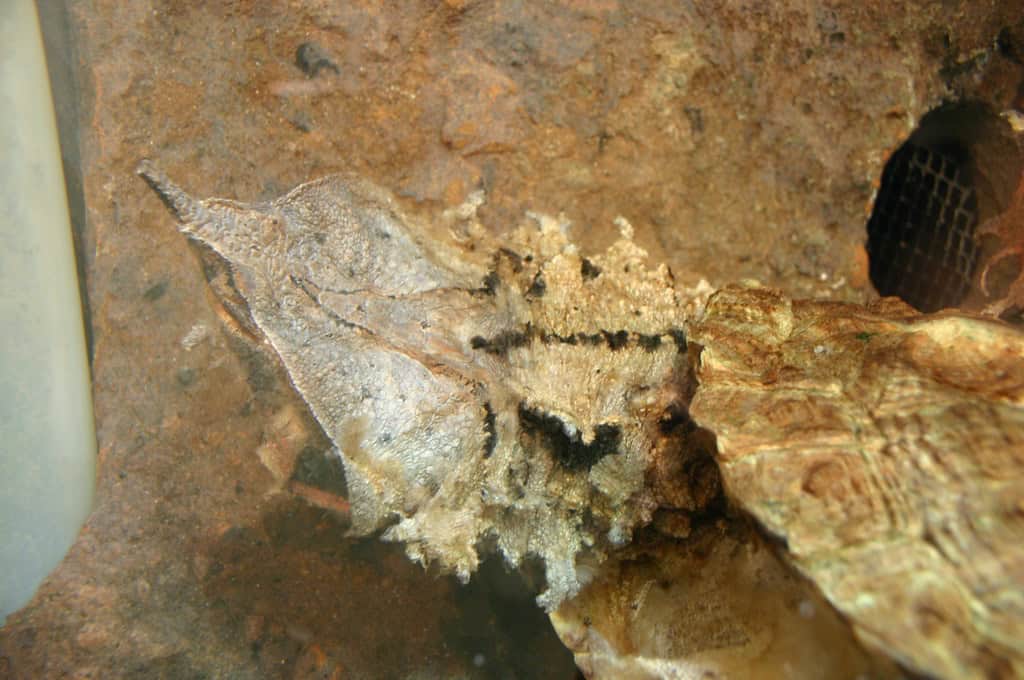
The Matamata turtle employs one of the most unusual hunting techniques in the reptile world, perfectly complemented by its hair-like appendages and bizarre appearance. Unlike most aquatic predators that actively pursue prey, the Matamata is an ambush specialist that relies entirely on a sit-and-wait strategy. Lying motionless on the riverbed, nearly invisible thanks to its camouflage, the turtle detects approaching fish through vibrations sensed by its filaments. When prey comes within range, the Matamata creates an explosive suction force by rapidly expanding its highly specialized throat.
This creates a powerful vacuum effect that draws water and fish into its gaping mouth in mere milliseconds – so fast that the naked eye can barely perceive the movement. The turtle then expels the water through its mouth while keeping the prey trapped inside. This remarkable feeding method, combined with its extraordinary appearance, has earned the Matamata the nickname “vacuum cleaner of the Amazon” among some researchers.
Growth and Development of the “Hairy” Features
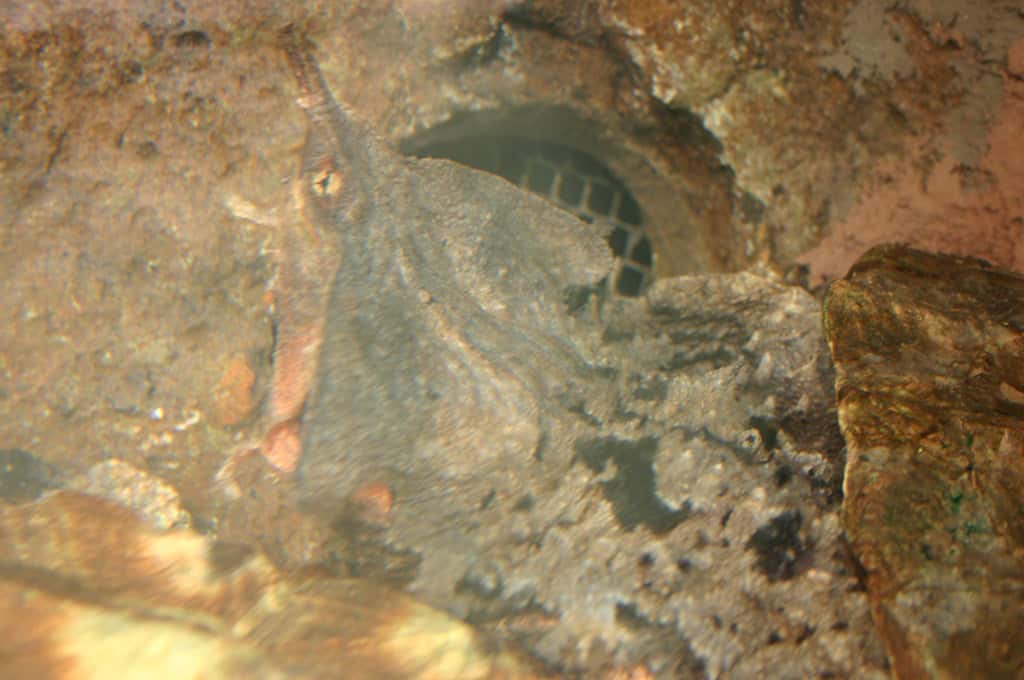
The development of the Matamata’s distinctive hair-like filaments begins even before hatching. Embryonic Matamatas already display rudimentary filaments, which continue to develop and elongate as the turtle matures. Hatchling Matamatas emerge with shorter, less elaborate filaments than adults, but these structures are already functional and grow proportionally with the turtle. As juveniles mature, their filaments become more numerous and complex, with the full array of sensory capabilities developing over time.
This developmental process suggests the critical importance of these structures to the species’ survival. Interestingly, the growth pattern of these filaments may be influenced by environmental factors such as water quality, food availability, and habitat conditions. Some researchers have observed variations in filament density and length across different populations, potentially indicating adaptability to specific local environments. The continuous growth and renewal of these specialized structures throughout the turtle’s life underscores their evolutionary significance.
Challenges in Captivity
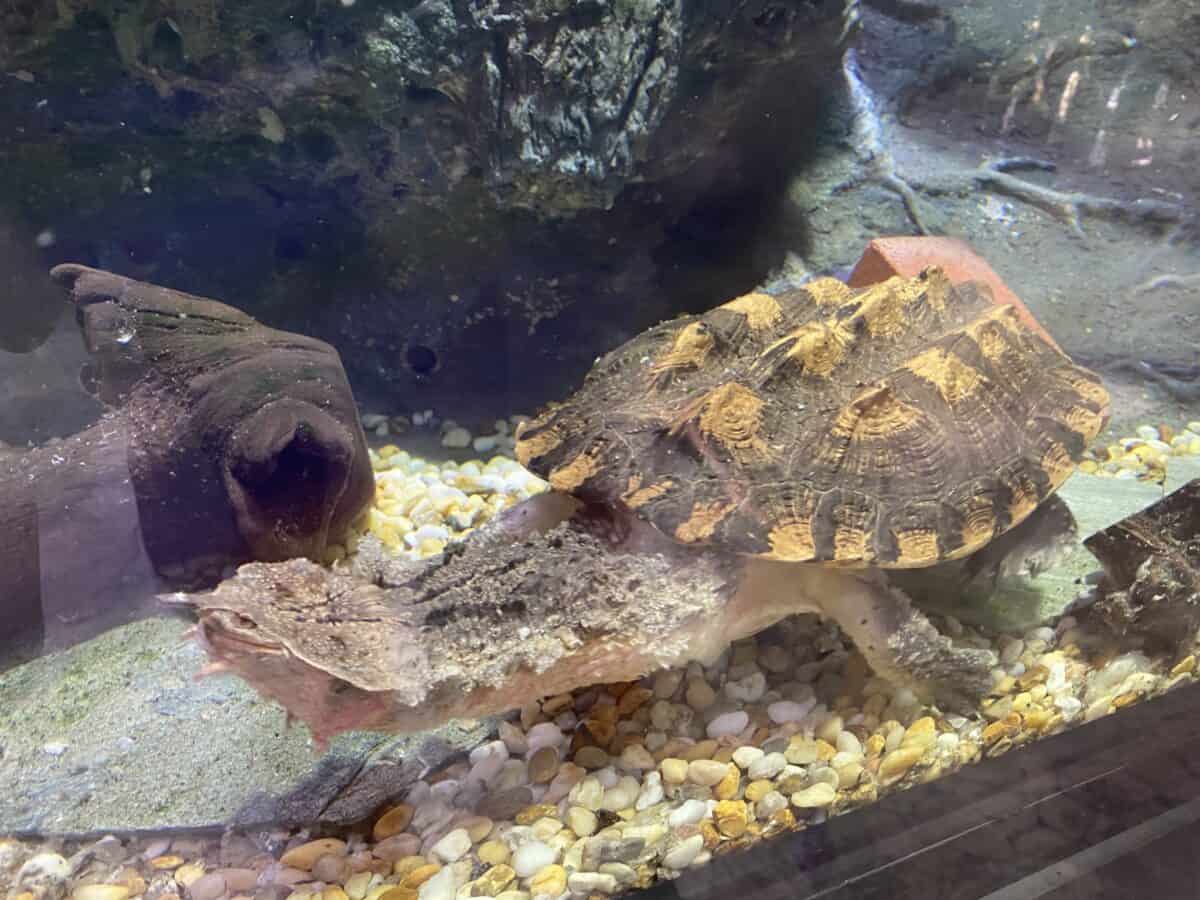
Maintaining healthy Matamata turtles in captivity presents unique challenges directly related to their specialized anatomy, including their hair-like filaments. These delicate structures are prone to damage, infection, and fungal growth if water quality isn’t meticulously maintained. Unlike many other turtle species, Matamatas rarely bask, making them susceptible to shell and skin issues that would normally be controlled by periodic drying. Their exclusive fish diet and specialized feeding mechanism further complicate captive care.
Matamatas often refuse commercial turtle foods, requiring live fish that match their natural prey items in size and behavior. Additionally, their highly specific water parameters – soft, slightly acidic water with minimal current but excellent filtration – can be difficult to maintain in artificial settings. These challenges make Matamatas unsuitable for novice keepers and explain why successful breeding in captivity remains relatively rare despite decades of attempts by specialized institutions. Only dedicated hobbyists and professional facilities with proper resources should consider maintaining these remarkable turtles.
Conservation Status and Threats
While the Matamata turtle is not currently listed as endangered on the IUCN Red List, its populations face increasing pressures that warrant conservation attention. Habitat destruction through deforestation, damming, and agricultural expansion poses the most significant threat to these specialized reptiles. Their reliance on specific water conditions and prey items makes them particularly vulnerable to environmental changes. Water pollution from mining operations, agricultural runoff, and urban development introduces toxins that may accumulate in the Matamata’s tissues and potentially damage their delicate filaments.
Additionally, collection for the exotic pet trade has impacted some populations, though export restrictions have helped mitigate this threat in recent years. Climate change represents another emerging concern, as alterations in rainfall patterns and water temperatures could affect the turtle’s breeding cycles and food availability. Conservation efforts currently focus on habitat protection, particularly in the Amazon basin, and further research into the species’ ecological requirements and population dynamics.
Cultural Significance and Myths
The Matamata’s extraordinary appearance has inspired various myths and cultural interpretations among Indigenous communities throughout its range. In some Amazonian traditions, the turtle’s hair-like projections were believed to represent the spirits of drowned forest creatures, trapped forever in a half-transformed state. Other legends describe the Matamata as a forest guardian that absorbed the essence of the plants it protected. More practical cultural connections include traditional uses by some Indigenous groups, who historically utilized the turtle’s shell for medicinal purposes, though such practices are now discouraged to protect wild populations.
The turtle’s name itself reflects its cultural significance – “Matamata” comes from the Indigenous Tupi language and translates roughly to “I kill” or “killing turtle,” a reference to its effective hunting strategy. These cultural associations highlight the profound impact this unusual reptile has had on human communities sharing its environment, contributing to the rich tapestry of Amazonian folklore and traditional ecological knowledge.
Scientific Research and Recent Discoveries
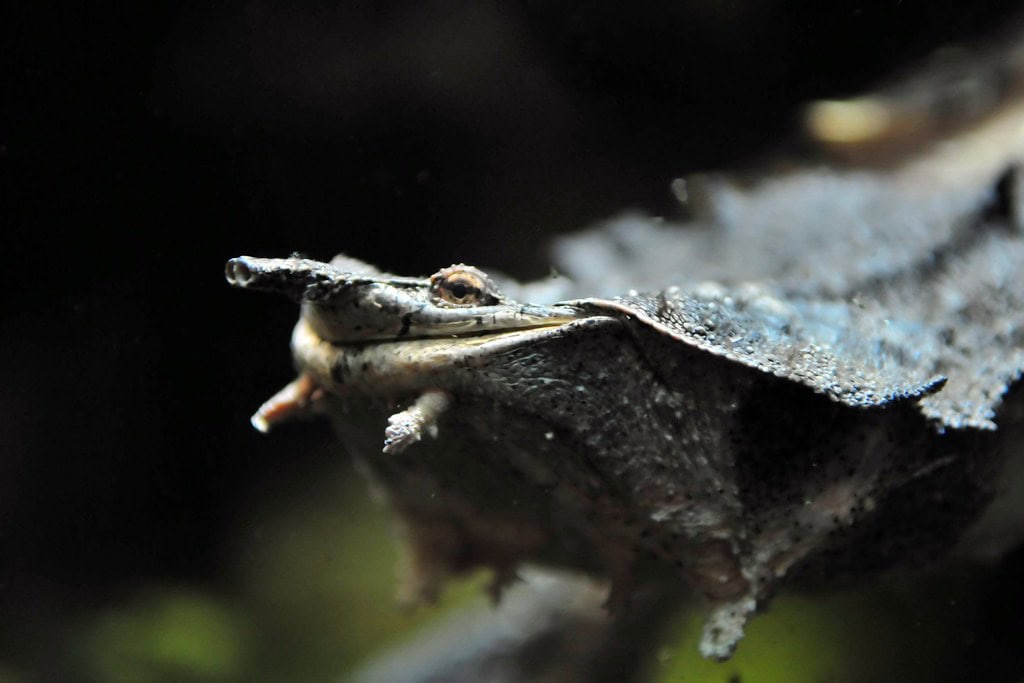
Recent scientific advances have shed new light on the Matamata’s unique adaptations, particularly regarding its hair-like filaments. Using electron microscopy and histological techniques, researchers have identified specialized sensory cells embedded within these structures that respond to water movement and possibly chemical signals. In 2020, genetic analysis led to the recognition of a second Matamata species, Chelus orinocensis, distinct from the original Chelus fimbriata, suggesting greater diversity within this unusual genus than previously recognized.
The two species can be distinguished partly by subtle differences in their filament arrangements. Advanced biomechanical studies have also revealed the extraordinary efficiency of the Matamata’s suction feeding mechanism, which generates pressures comparable to industrial vacuum systems despite using minimal energy. Ongoing research focuses on the potential presence of beneficial microorganisms living among the turtle’s filaments and the possibility that these structures might facilitate respiratory gas exchange in oxygen-poor waters. These discoveries demonstrate that despite centuries of scientific observation, the Matamata continues to surprise researchers with its remarkable adaptations.
Other “Hairy” Turtle Species

While the Matamata’s filaments are perhaps the most dramatic example of hair-like structures in turtles, several other species have evolved similar adaptations. The Alligator snapping turtle (Macrochelys temminckii) possesses a worm-like lingual lure on its tongue surrounded by small filaments that enhance its fish-attracting disguise. The Mary River turtle (Elusor macrurus) from Australia develops algae growth on its body that resembles green hair, earning it the nickname “punk turtle” when these growths become particularly extensive.
Unlike the Matamata’s functional filaments, this algae growth is a form of symbiotic relationship that provides camouflage benefits. The Big-headed turtle (Platysternon megacephalum) from Asia has small sensory barbels that serve similar functions to the Matamata’s filaments, though less extensively developed. These examples of convergent evolution demonstrate how the selective pressures of aquatic ambush predation have repeatedly favored the development of structures that superficially resemble hair across different turtle lineages, despite their separate evolutionary origins.
Conclusion: The Remarkable Adaptation of Nature’s Oddest Turtle
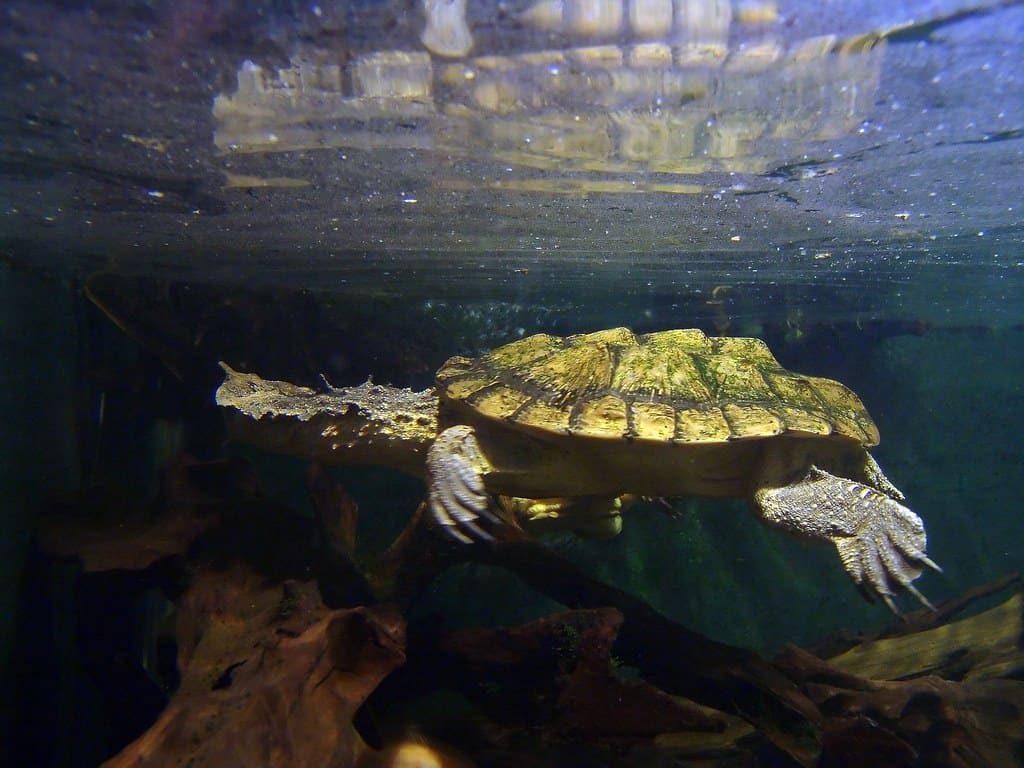
The Matamata turtle stands as a testament to the extraordinary diversity of adaptations that evolution can produce. What appears to be “hair” on this remarkable reptile represents a complex system of specialized sensory and camouflage structures that have evolved over millions of years to create one of nature’s most effective ambush predators. Far from being a mere curiosity, the Matamata’s filaments exemplify the principle that form follows function in the natural world, with each unusual feature serving critical survival purposes.
As we continue to study these fascinating turtles, we gain deeper insights into the processes of adaptation and specialization that drive the diversity of life on our planet. The Matamata reminds us that nature’s solutions to evolutionary challenges are often far more creative and complex than we might initially appreciate, and that there are still many wonders to discover even in species that have been known to science for centuries.

From exploring the marine wonders in the Azores and witnessing the vast savannas of Kenya, to delving deep into the rich biodiversity of South Africa and traversing iconic landscapes in Australia and the US like Yellowstone, Chris's experiences are vast.
With a penchant for diving alongside sharks, the ocean holds a special place in his heart.
Through his academic insights, he champions wildlife conservation, striving with 'Animals Around The Globe' to cultivate a profound connection between humans and animals, enhancing our mutual appreciation.
Connect with him at Feedback@animalsaroundtheglobe.com.
- A Bear Journey Through The USA: 18 Best Bear Photos from 18 US States - July 19, 2026
- Elephant Matriarchs Know Every Waterhole for Miles - July 19, 2026
- Top 10 Dinosaur Relatives Still Roaming Earth Today - July 19, 2026