

In 2009, the scientific world was stunned when paleontologists announced the discovery of Titanoboa cerrejonensis, a prehistoric snake of unprecedented proportions. Unearthed from the coal mines of Cerrejón in La Guajira, Colombia, this colossal reptile’s fossils revealed an animal that stretched an astounding 42 feet (12.8 meters) in length and weighed approximately 2,500 pounds (1,135 kg). This discovery didn’t just add another species to the fossil record; it rewrote our understanding of prehistoric reptiles and the ecosystems they dominated.
The fossilized remains, dating back to the Paleocene epoch approximately 60-58 million years ago, were first spotted by a team led by Dr. Jason Head from the University of Nebraska-Lincoln. The team initially found vertebrae that seemed too large to belong to any known snake species. As more fossils were uncovered, the extraordinary dimensions of Titanoboa became clear, making it not just the largest snake ever discovered but one of the most significant paleontological finds of the 21st century.
The Paleocene Environment: A Tropical Paradise

Titanoboa thrived during the Paleocene epoch, a time when the Earth was recovering from the mass extinction event that wiped out the dinosaurs. The world Titanoboa inhabited was significantly different from today’s. Global temperatures were much higher, with tropical rainforests extending far beyond their current boundaries. The area now known as Colombia was a lush, humid rainforest with temperatures consistently above those we experience in modern tropical regions.
This greenhouse Earth provided perfect conditions for cold-blooded reptiles to grow to enormous sizes. The dense, wet forests offered abundant prey and the warm temperatures allowed these ectothermic creatures to maintain the high metabolic rates needed to support their massive bodies. The absence of large mammalian predators, which had yet to evolve into dominant ecological roles, further allowed Titanoboa to occupy the apex predator niche in its ecosystem, ruling the jungle with no significant competition.
Physical Dimensions: Breaking Size Records
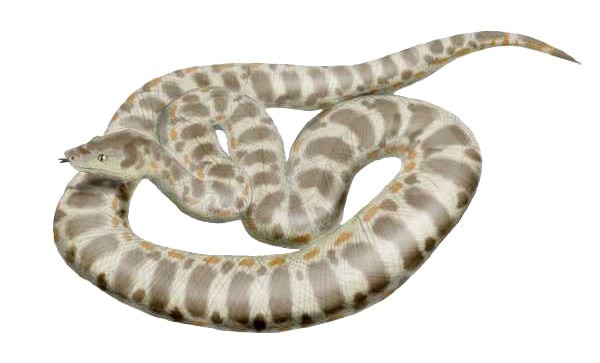
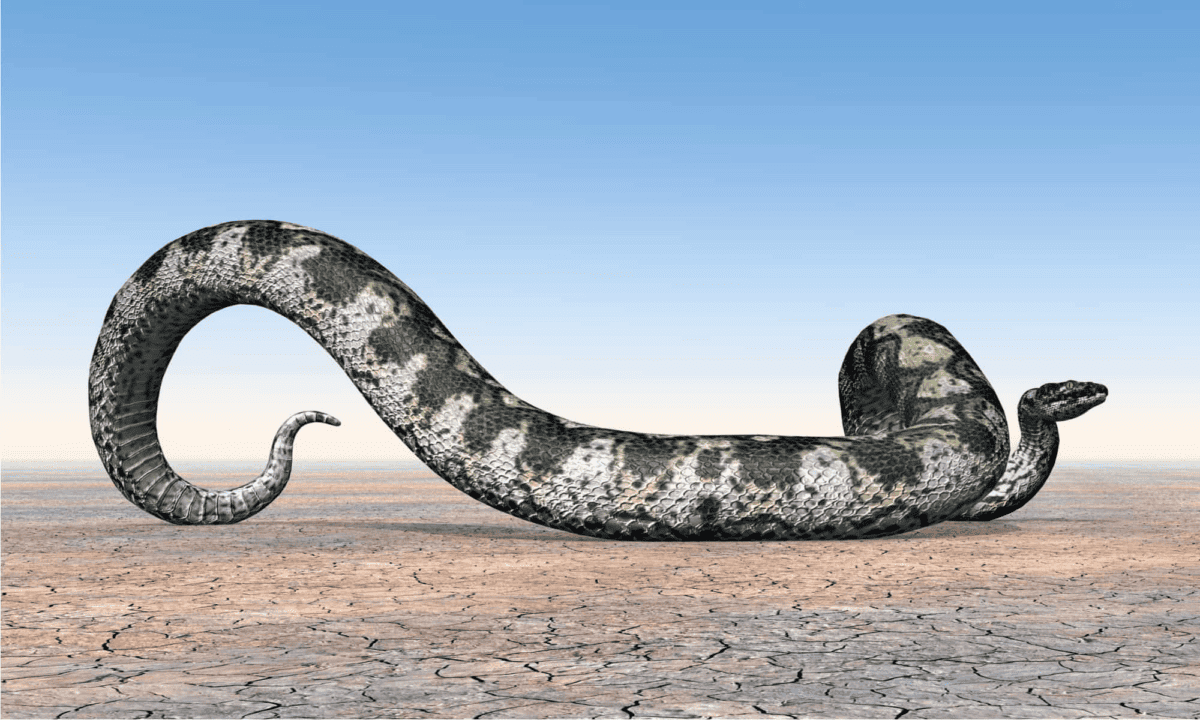
The sheer scale of Titanoboa is difficult to comprehend. At 42 feet long, it was longer than a school bus and could stretch across a professional basketball court. Its body was as thick as a man is tall, with a diameter of approximately 3 feet (1 meter) at its widest point. To put this in perspective, the largest modern snakes, like reticulated pythons and anacondas, rarely exceed 20-30 feet in length. Titanoboa was nearly twice the size of these already impressive reptiles.
Weight estimates for Titanoboa place it at around 2,500 pounds, making it heavier than a small car. This immense mass was supported by a robust skeletal structure, evident in the fossilized vertebrae that first alerted scientists to its existence. Each vertebra was approximately the size of a grapefruit, significantly larger than those of any living snake. These physical dimensions made Titanoboa not just the largest snake ever discovered but one of the largest predatory animals to have ever lived on land.
Hunting and Feeding Behaviors
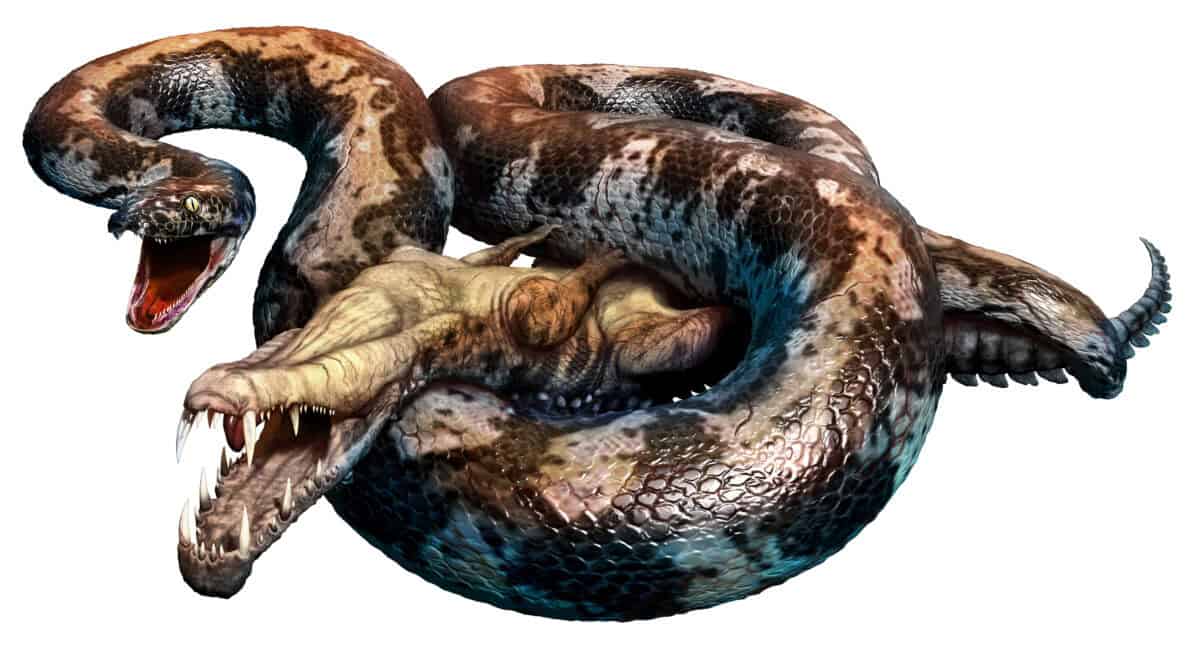
As a member of the boa family, Titanoboa was a constrictor rather than a venomous snake. Like its modern relatives, it would have captured prey by striking quickly, wrapping its massive coils around the victim, and squeezing until the animal suffocated. Given its size, Titanoboa’s constricting force would have been devastating. Scientists estimate it could exert pressure exceeding 400 pounds per square inch – enough to crush bones and collapse internal organs of even the largest prey animals.
The diet of Titanoboa likely consisted of large crocodilians, giant turtles, and possibly primitive mammals that inhabited the same ecosystem. Fossil evidence suggests that it was capable of consuming animals weighing hundreds of pounds in a single meal. After such substantial feedings, Titanoboa may have gone weeks or even months without needing to hunt again, allowing its powerful digestive system to break down these massive meals. This feeding strategy is similar to that of modern anacondas but on a much grander scale.
Aquatic Adaptations and Habitat

Analysis of Titanoboa fossils and the surrounding sedimentary deposits suggests that this giant snake was semi-aquatic, spending much of its time in and around water. The coal mines where its remains were found indicate an ancient ecosystem of tropical swamps and rivers. Like today’s anacondas, Titanoboa was likely most comfortable in water, where its enormous weight would be partially supported by buoyancy, reducing the strain on its body.
The aquatic lifestyle would have provided Titanoboa with several advantages. Water would have helped regulate its body temperature, a crucial factor for such a large ectothermic animal. Aquatic environments also offered abundant prey, with ancient crocodilians and large fish presenting ready meals. Additionally, water provided Titanoboa with a means to ambush prey, as it could lie mostly submerged, with only its nostrils and eyes above the surface, waiting for unsuspecting animals to approach the water’s edge.
Thermoregulation Challenges for a Giant

One of the most fascinating aspects of Titanoboa’s biology was how it managed its body temperature. As an ectotherm (cold-blooded animal), Titanoboa relied on external heat sources to warm its body. The challenge for such a massive reptile was significant – larger bodies retain heat better but also take longer to warm up and cool down. Scientists studying Titanoboa have concluded that it could only have survived in an environment with mean annual temperatures around 30-34°C (86-93°F), significantly warmer than today’s tropics.
This thermal requirement has made Titanoboa an important proxy for understanding prehistoric climate. The existence of such a large cold-blooded predator provides strong evidence for the greenhouse conditions that prevailed during the Paleocene. It also helps explain why we don’t see snakes of comparable size today – our current climate simply wouldn’t support them. Even in the warmest parts of the modern Amazon Basin, temperatures rarely reach the levels that would have been necessary for a reptile of Titanoboa’s dimensions to thrive.
Reproductive Strategies
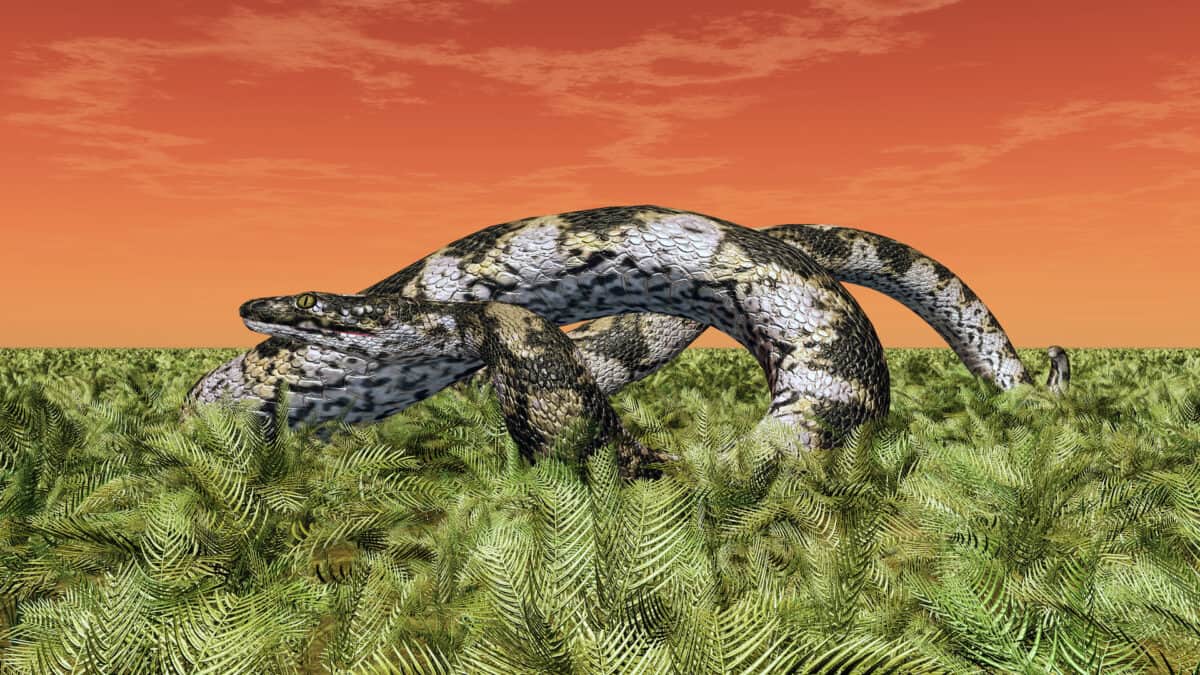
While direct evidence of Titanoboa’s reproductive habits is limited, scientists can make educated inferences based on its modern relatives. Like other boas, Titanoboa was almost certainly viviparous, giving birth to live young rather than laying eggs. This reproductive strategy would have been advantageous for such a large snake, as it wouldn’t have had to leave its young vulnerable in eggs where they might be preyed upon by other animals.
The size of Titanoboa litters remains speculative, but if it followed patterns similar to modern boas, it might have produced dozens of offspring in a single birth event. Baby Titanoboas would have been substantial creatures in their own right, potentially several feet long at birth. Despite their size, young Titanoboas would have faced numerous threats in their prehistoric ecosystem, including cannibalism from adults of their own species – a behavior observed in many modern snake species.
Ecological Role as an Apex Predator
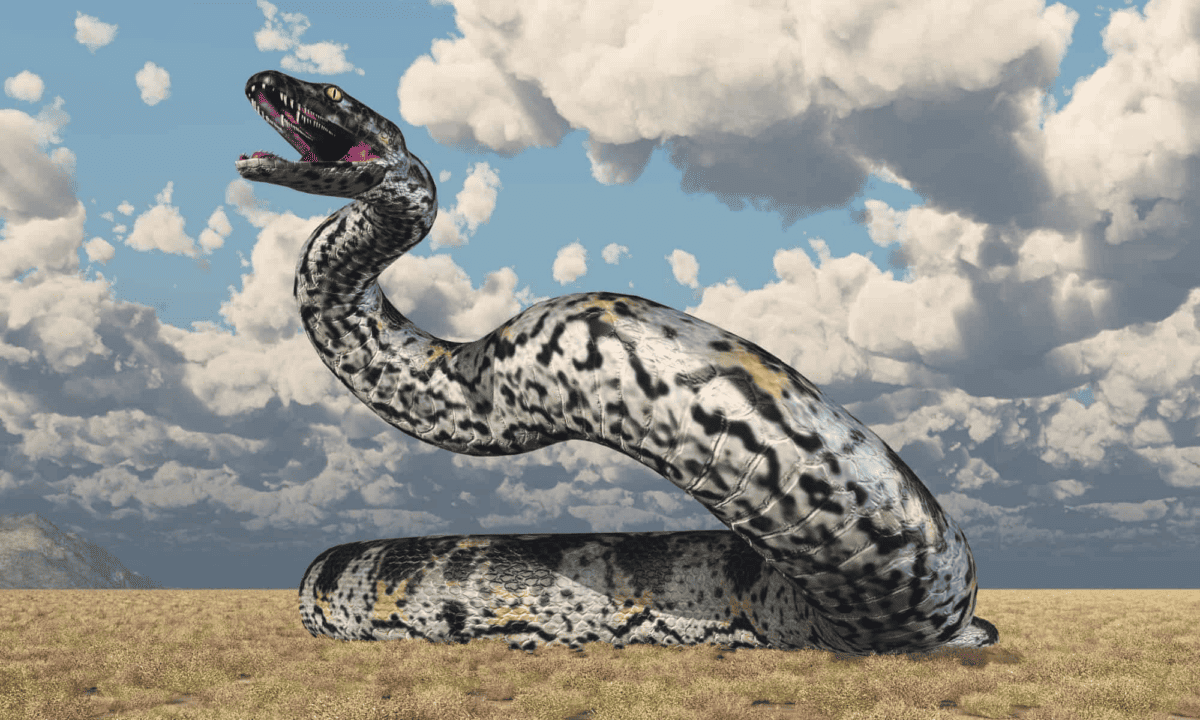
As the largest predator in its ecosystem, Titanoboa played a crucial role in maintaining the balance of its food web. Apex predators like Titanoboa help control populations of prey species, preventing any one species from becoming too numerous and disrupting the ecosystem. The massive snake would have exerted significant pressure on the populations of crocodilians, turtles, and other large animals that shared its habitat.
Beyond direct predation, Titanoboa likely influenced the behavior and evolution of other species in its environment. Prey animals would have developed adaptations to avoid detection or capture by the giant snake, while smaller predators would have adjusted their hunting patterns to avoid competing directly with Titanoboa. This ecological influence, known as a trophic cascade, demonstrates how a single apex species can shape entire ecosystems through both direct and indirect interactions with other organisms.
Extinction and Climate Change
The reign of Titanoboa came to an end as the Paleocene epoch transitioned into the Eocene approximately 56 million years ago. While there’s no evidence of a catastrophic event causing its extinction, gradual climate change likely played a significant role. As global temperatures began to cool and stabilize from the extreme greenhouse conditions of the early Paleocene, the environment became less suitable for such a massive ectothermic predator.
The cooling climate would have made it increasingly difficult for Titanoboa to maintain the high body temperature necessary for its metabolism, hunting, and reproduction. Additionally, the evolution of large mammalian predators during the Eocene introduced new competition for resources. These combined pressures likely led to the decline of Titanoboa, eventually resulting in its extinction. The disappearance of this massive predator would have had ripple effects throughout its ecosystem, fundamentally altering the dynamics of the ancient Colombian rainforest.
Scientific Significance and Research
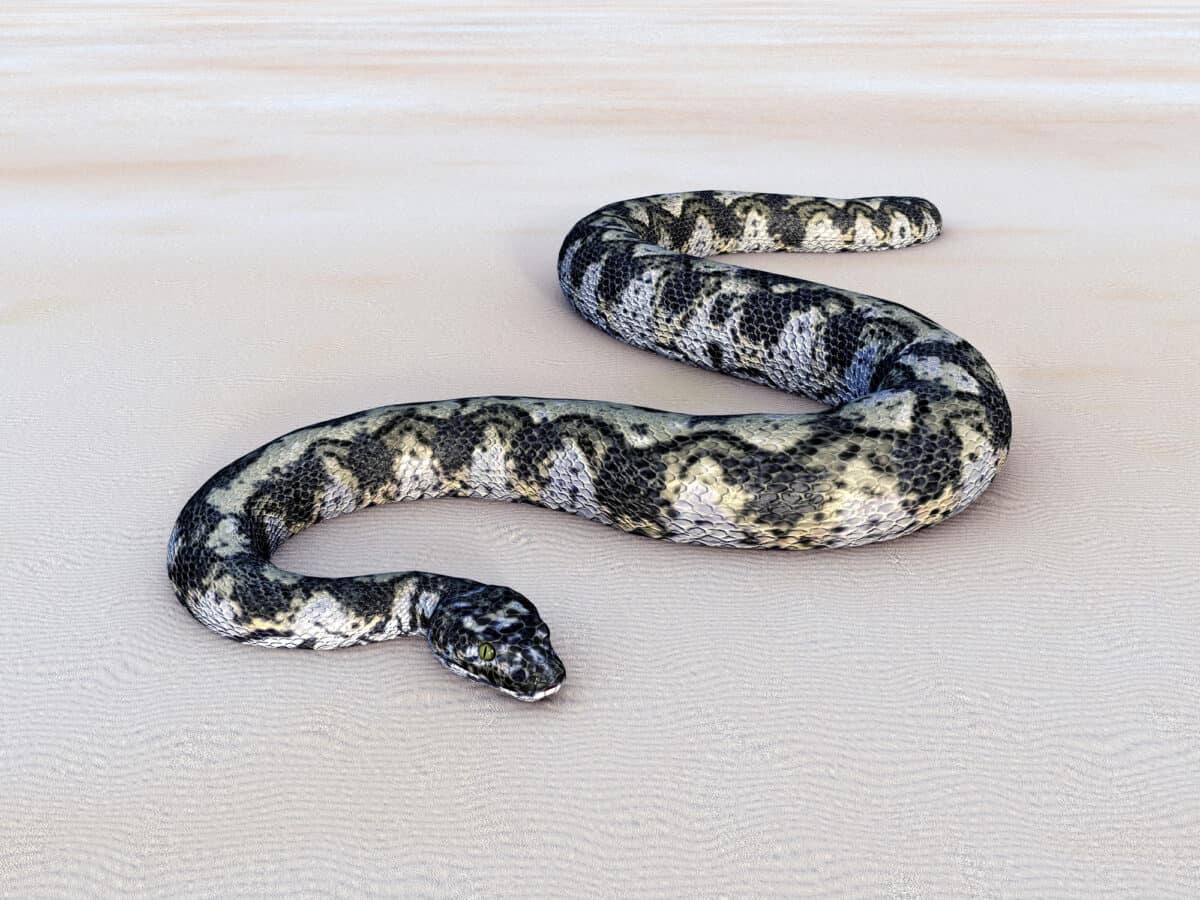
The discovery of Titanoboa has proven invaluable to multiple scientific disciplines. For paleontologists, it has expanded our understanding of snake evolution and the maximum size limits for terrestrial predators. For climatologists, Titanoboa serves as a biological thermometer, providing concrete evidence about temperatures during the Paleocene epoch that aligns with and supports other paleoclimate data. This cross-disciplinary significance has made Titanoboa one of the most important fossil discoveries of recent decades.
Research on Titanoboa continues to yield new insights. Advanced scanning technologies have allowed scientists to create detailed 3D models of its skeleton, enabling more accurate calculations of its biomechanics. Studies of its vertebral structure have revealed adaptations for supporting its massive weight, while analyses of jaw mechanics provide clues about its feeding capabilities. Each new study adds another piece to the puzzle of this remarkable creature, helping us better understand not just Titanoboa itself but the entire ecosystem it dominated.
Titanoboa in Popular Culture
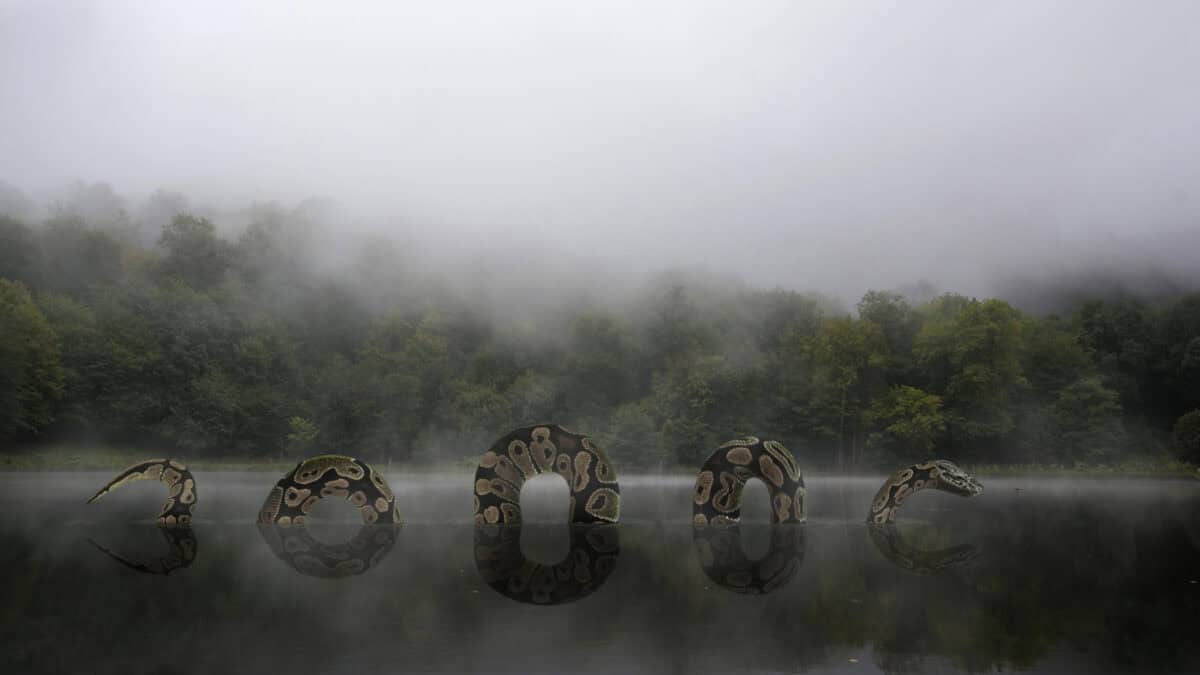
Since its discovery, Titanoboa has captured the public imagination and become a fixture in popular culture. The Smithsonian Institution created a life-sized model of the snake for a traveling exhibition that has been viewed by millions of people worldwide. This impressive reconstruction, showing the snake coiled around prey, gives viewers a visceral understanding of the animal’s immense proportions in a way that fossil bones alone cannot convey.
Beyond museums, Titanoboa has appeared in numerous documentaries, including a feature by the Smithsonian Channel titled “Titanoboa: Monster Snake.” The prehistoric giant has also found its way into fiction, featuring in novels, comic books, and video games that often portray it as a terrifying predator. While these fictional depictions sometimes exaggerate its capabilities for dramatic effect, they have helped bring awareness of this remarkable prehistoric creature to audiences who might otherwise never have learned about it.
The Legacy of the Jungle’s Ancient Ruler

Titanoboa stands as a testament to the remarkable diversity of life that has existed on our planet throughout its long history. This 42-foot behemoth reminds us that the boundaries of what seems possible in nature often exceed our expectations. The discovery of Titanoboa has forced scientists to reconsider their understanding of the physiological limits of reptiles and the ecological conditions that prevailed in the aftermath of the dinosaur extinction.
Perhaps most significantly, Titanoboa serves as a powerful example of how climate influences evolution. In the greenhouse world of the Paleocene, conditions allowed for the evolution of a snake of unprecedented proportions – a true titan that ruled its jungle domain. As we face our own era of climate change, Titanoboa offers a glimpse into how drastically different our world can become under altered climate conditions, highlighting the profound relationship between environment and the evolution of life on Earth.

- This River Delta Is a Magnet for Endangered Birds - July 17, 2026
- New Fossils in Baja California Reveal a Never-Before-Seen Grouper - July 17, 2026
- The Most Venomous Animal on Land—And How It Kills - July 17, 2026