
Worried about unexpected vet bills?
Pet insurance can cover thousands in unexpected vet costs. Get a free quote from Lemonade in under 2 minutes.
Get My Free Quote →Sponsored · Opens Lemonade.com
Moose

The moose is perhaps one of the most iconic mammals in Vermont, known for its impressive size and unique appearance. These solitary creatures, the largest members of the deer family, are often found in the northern forests and wetlands of Vermont. Moose have long legs, a drooping nose, and large, palmate antlers that can span up to six feet—attributes that make them fascinating to wildlife enthusiasts. Moose are herbivores, feeding primarily on leaves, twigs, and aquatic plants. Spotting one in its natural habitat is truly a majestic sight.
White-Tailed Deer

The white-tailed deer is another prominent mammal in Vermont’s diverse wildlife. Recognizable by their reddish-brown coat in summer and grayish-brown in winter, these deer have a distinctive white underside to their tail, which they use as a flag to signal danger. White-tailed deer are highly adaptable and can thrive in various habitats, from dense forests to open fields. They are herbivores, feeding on a range of vegetation, including leaves, grasses, and acorns. Observing these graceful creatures is a favorite pastime for many nature enthusiasts visiting Vermont.
Black Bear

Black bears are predominantly found in the heavily forested and mountainous areas of Vermont. These powerful mammals, though often misunderstood, play a vital role in the ecosystem as seed dispersers and scavengers. Black bears are generally shy and avoid human contact, but they are opportunistic feeders, eating everything from berries and nuts to insects and small mammals. During the fall, they consume large quantities of food to prepare for winter hibernation. Learning about black bears helps demystify these fascinating creatures and highlights the importance of conserving their habitat.
Eastern Coyote
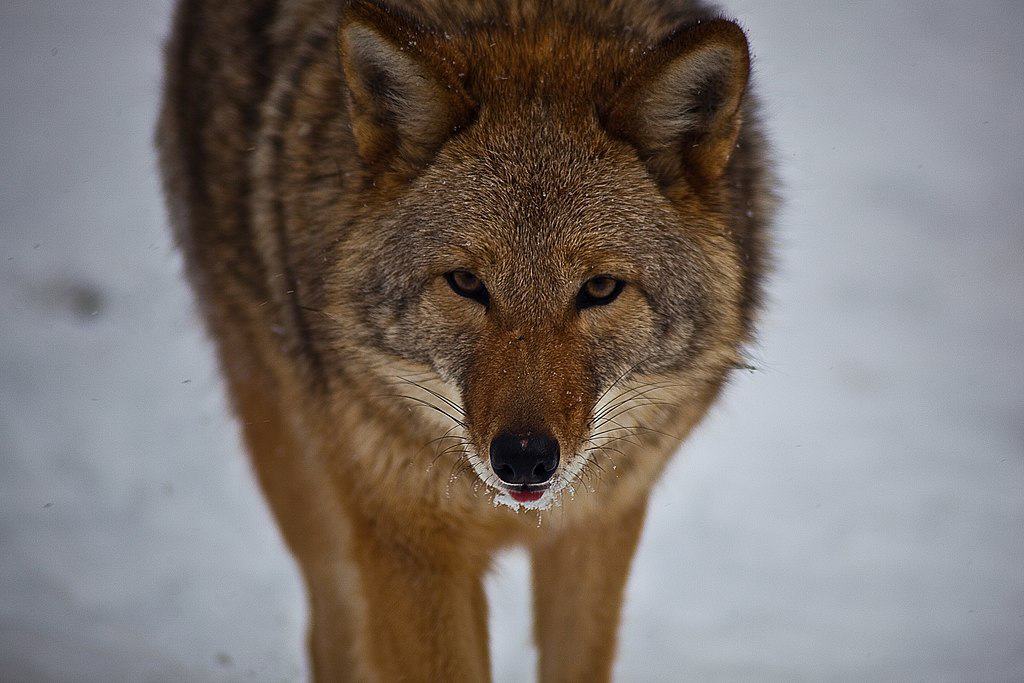
The eastern coyote is a versatile and highly adaptable predator found throughout Vermont. Larger than their western counterparts, eastern coyotes are a product of hybridization with wolves and dogs, which has contributed to their increased size and variability. These carnivores primarily hunt small mammals but are also known to scavenge and eat plant material. Despite often being misunderstood or maligned, coyotes contribute to controlling local rodent populations and maintaining ecological balance. Understanding these intelligent animals encourages coexistence and respect for their place in Vermont’s wild landscapes.
Common Loon

Vermont’s pristine lakes are home to the hauntingly beautiful common loon, a member of the bird family known for its distinctive calls. Loons are highly skilled swimmers and divers, capable of reaching depths of up to 200 feet to catch fish, their primary food source. These birds have striking black and white plumage during the breeding season, with a sleek body design optimized for aquatic life. Conservation efforts have been key to ensuring the survival of loons in Vermont, as their presence is often an indicator of a healthy, unpolluted ecosystem.
Peregrine Falcon

The peregrine falcon, famous for being the fastest bird in the world, is a remarkable sight in Vermont. With their powerful wings and acute vision, these raptors can reach diving speeds of over 200 miles per hour when hunting birds in flight. Peregrines are adaptable, nesting on a variety of cliff faces and increasingly on man-made structures. Conservation initiatives have helped these birds of prey make a significant recovery in Vermont, where they are a living testament to successful wildlife management and the importance of environmental stewardship.
Bald Eagle

The recovery of the bald eagle population in Vermont is a conservation success story. These majestic birds, with their striking white head and tail plumage, are now a relatively common sight along the state’s rivers and lakes. As apex predators, bald eagles play a crucial ecological role, keeping fish populations in check and maintaining balance. The resurgence of bald eagles has been supported by habitat protection and state-managed reintroduction programs, making their presence an inspiring example of wildlife revival in Vermont.
Beaver
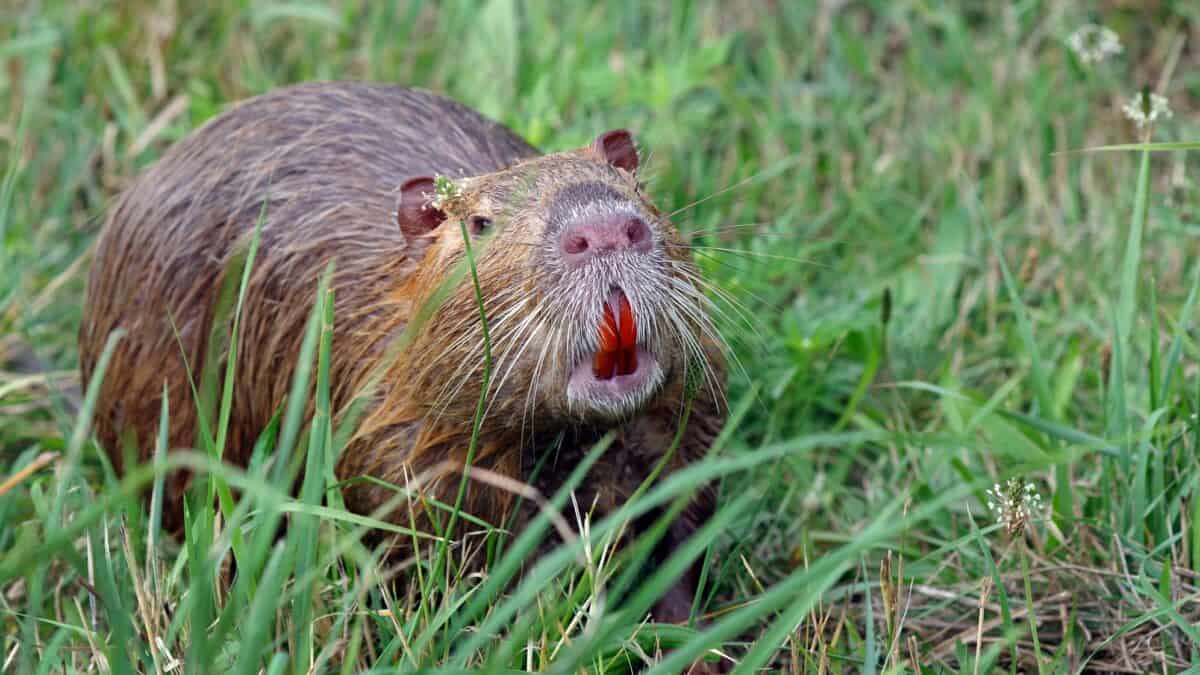
The industrious beaver is a key species in Vermont’s aquatic ecosystems. Known for their incredible ability to modify landscapes, beavers build intricate networks of dams and lodges that create wetland habitats. These wetlands provide crucial ecosystems for other wildlife, such as fish, amphibians, and birds. Beavers have a unique adaptation: their teeth never stop growing, allowing them to continually gnaw through wood. By enhancing local biodiversity and water quality, beavers are vital engineers of the Vermont wilderness.
Snowshoe Hare
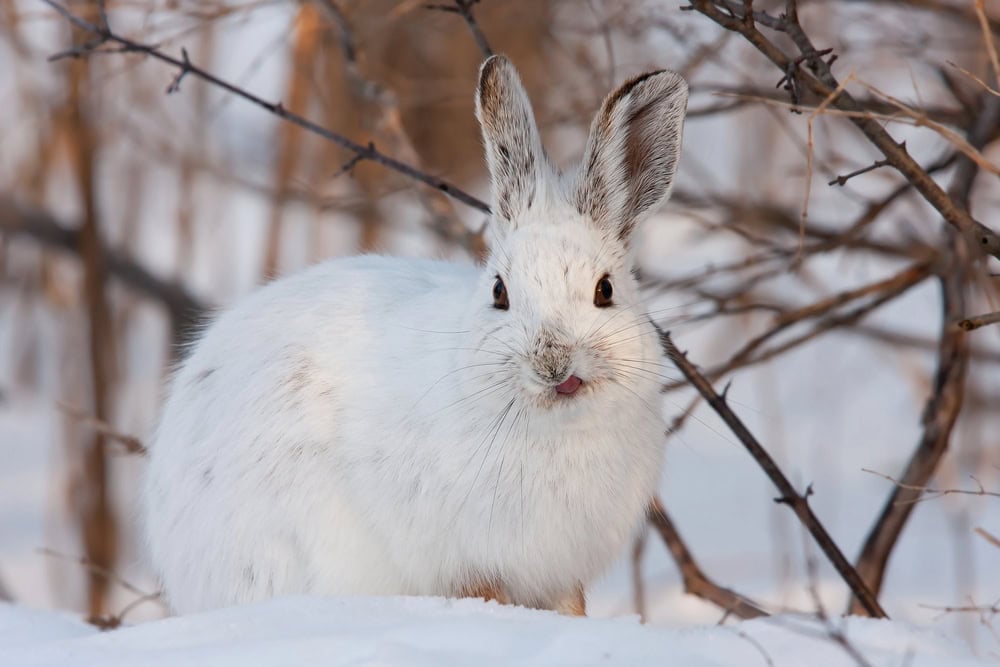
The snowshoe hare, known for its seasonal camouflage, thrives in Vermont’s dense forests and thickets. In winter, their fur turns white to blend in with the snow, while in the summer, it switches to a rusty brown to match the forest floor. This remarkable adaptation helps them avoid predators like lynx and foxes. Snowshoe hares are herbivores, feeding on a variety of shrubs and plants. Observing these elusive animals in their natural habitat provides insight into the subtle yet vital interactions within Vermont’s ecosystems.
Spotted Salamander
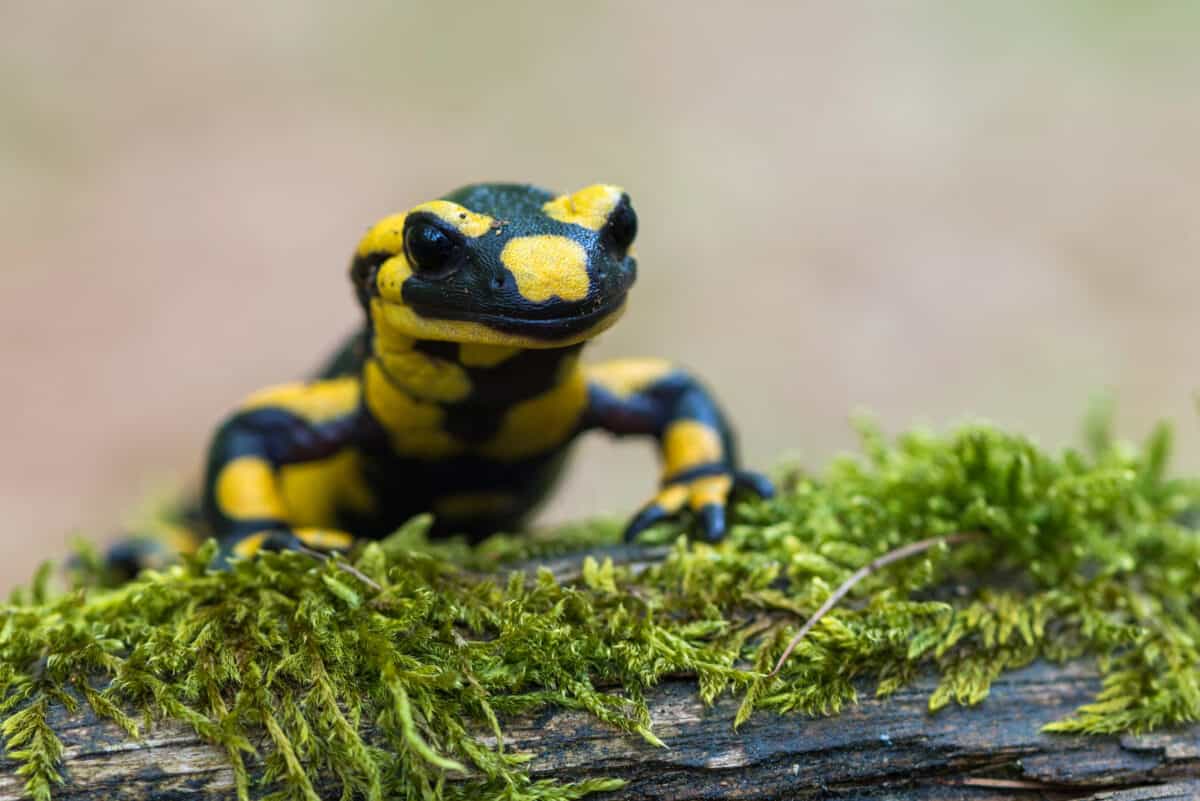
The spotted salamander, one of Vermont’s many amphibian species, prefers the moist, shady environments provided by deciduous forests. These secretive creatures are named for the bright yellow spots that run along their bodies, a warning to predators about their toxicity. Spotted salamanders are an important part of the forest floor ecosystem, controlling pest populations by feeding on insects, worms, and other small invertebrates. During the breeding season, which coincides with spring rains, they can be seen migrating in large numbers to vernal pools, a spectacle that highlights the seasonal rhythms of Vermont’s natural world.
Worried about unexpected vet bills?
Pet insurance can cover thousands in unexpected vet costs. Get a free quote from Lemonade in under 2 minutes.
Get My Free Quote →Sponsored · Opens Lemonade.com

- The Giant Weta: A Bug Bigger Than a Bird - June 6, 2026
- 20 Countries with the Most Dangerous Reptiles - June 6, 2026
- 20 Species That Went Extinct in the Last 100 Years - June 6, 2026