

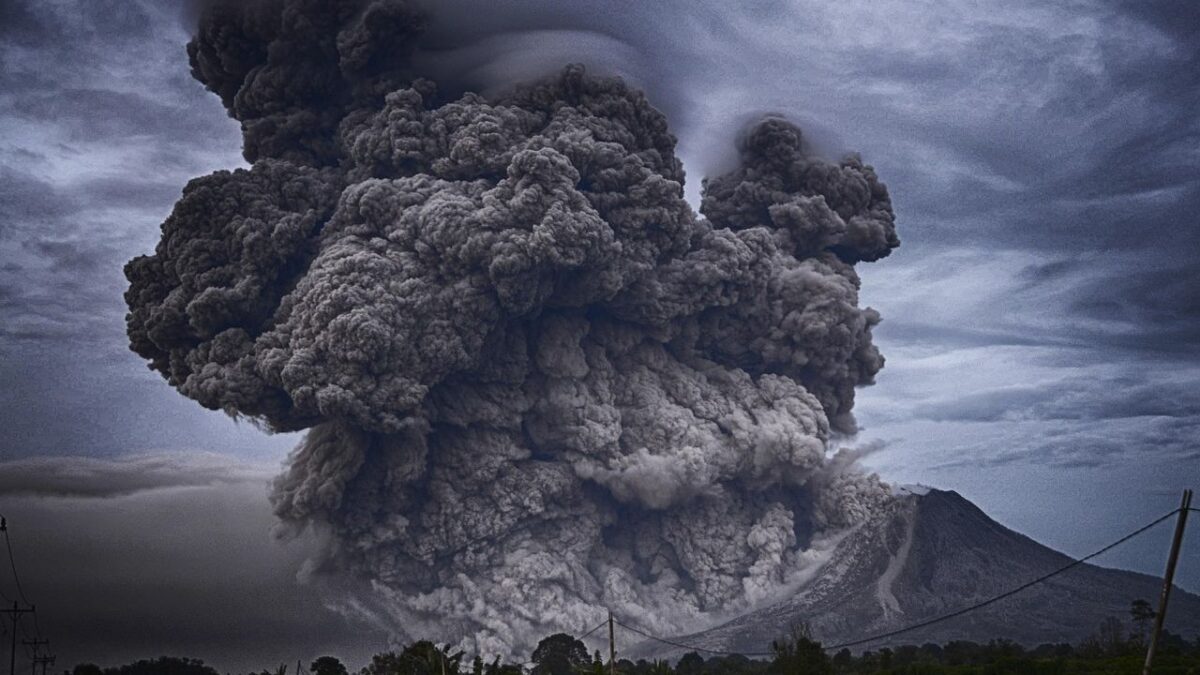
You might picture serene mountain peaks when you think of the American wilderness. Picturesque landscapes, hiking trails, and pristine natural beauty come to mind. Yet beneath some of these stunning vistas lies a very different reality, one that’s rumbling, unpredictable, and potentially catastrophic. The United States is home to more than a tenth of the world’s active or potentially active volcanoes, and the risks they pose to surrounding communities are staggering.
Honestly, it sounds crazy, but millions of Americans wake up every day living in the shadow of these geological giants. Some are famous for past eruptions that changed history, while others quietly simmer, biding their time. What makes a volcano truly dangerous isn’t just its ability to erupt – it’s how many people, homes, and vital infrastructure sit within reach of its fury.
Kilauea: Hawaii’s Fiery Menace
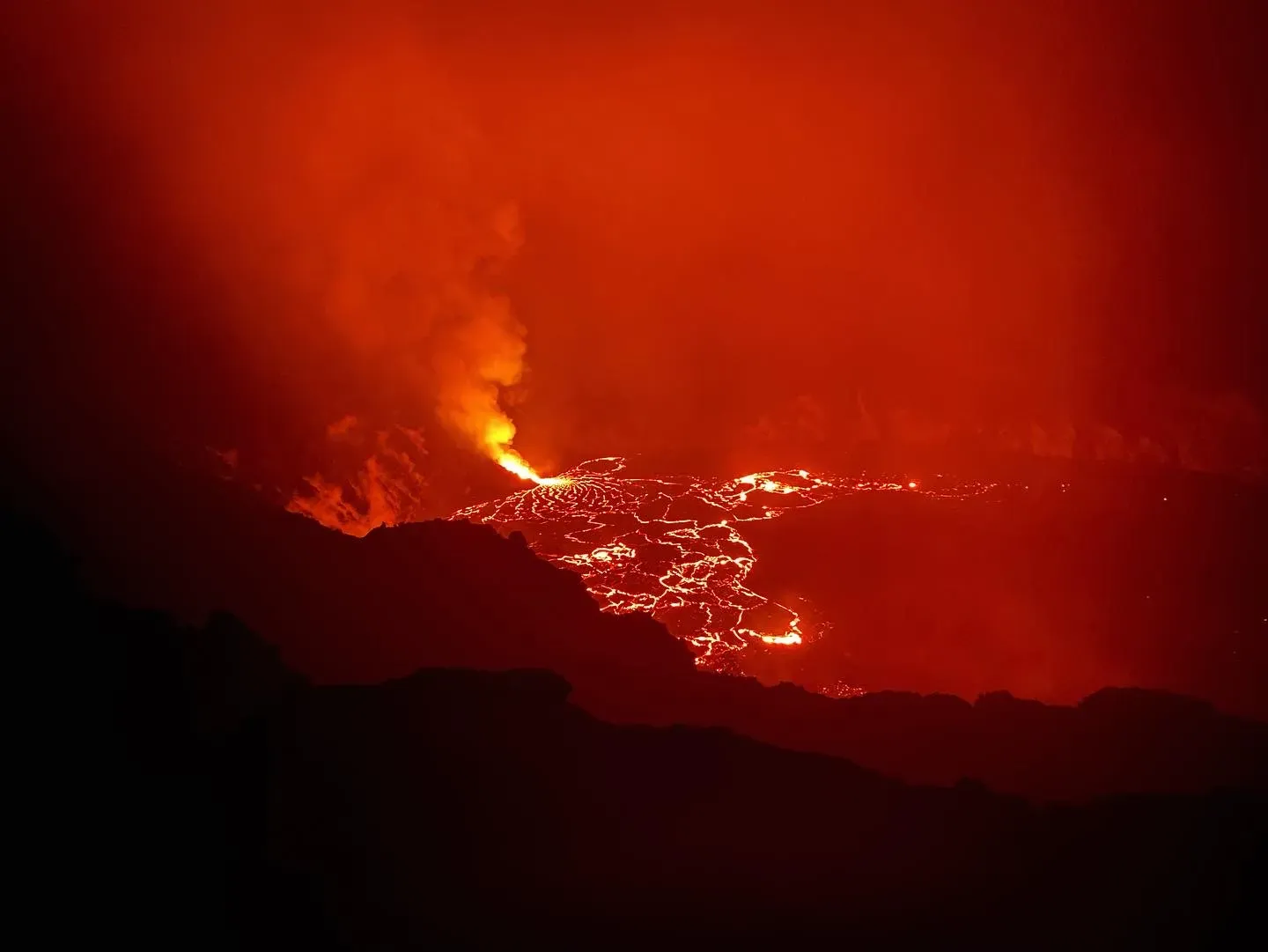
Kilauea in Hawaii tops the list as the most dangerous volcano in the U.S. Let’s be real, this isn’t just about raw power or explosive potential. Kilauea is the youngest volcano on the Island of Hawai’i, but it is also one of the world’s most active and the country’s most dangerous. What makes this shield volcano uniquely threatening is its relentless activity combined with its proximity to populated areas and critical infrastructure like geothermal power plants.
Kīlauea has erupted dozens of times since 1952, with almost continuous activity between 1983 and 2018. The 2018 eruption alone destroyed hundreds of homes and dramatically reshaped entire communities. The County of Hawaii reported that 716 dwellings were destroyed. Imagine losing your home not to a hurricane that passes in hours, but to rivers of molten rock that flow relentlessly for weeks. The psychological and economic toll is immense, making Kilauea not just geologically active but socially and economically devastating.
Mount St. Helens: The Cascade Awakener
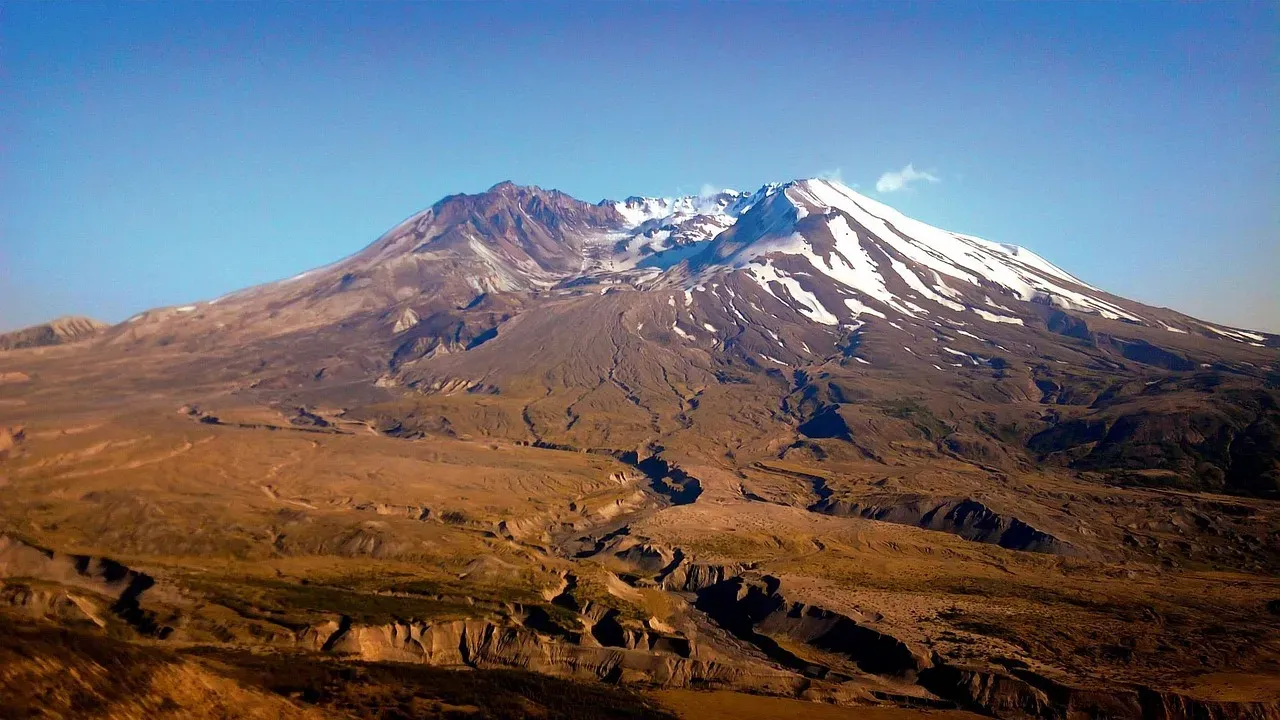
Mount St. Helens rounds out the top three slots in the U.S. volcanic threat assessment, and for good reason. It has often been considered the most disastrous volcanic eruption in U.S. history. The 1980 eruption remains seared into American memory – literally and figuratively. About 57 people were killed, and the lateral blast leveled forests for miles around.
Here’s the thing: Mount St. Helens isn’t done. Mount St. Helens is the volcano in the Cascades most likely to erupt again in our lifetimes. The mountain has erupted repeatedly over the centuries, and scientists maintain that future activity is not a matter of if, but when. Mount St. Helens has produced four large explosive eruptions during the past five centuries that affected the Pacific Northwest region and sent large amounts of volcanic ash downwind. Living near this peak means accepting a certain level of geological Russian roulette.
Mount Rainier: Looming Over Seattle
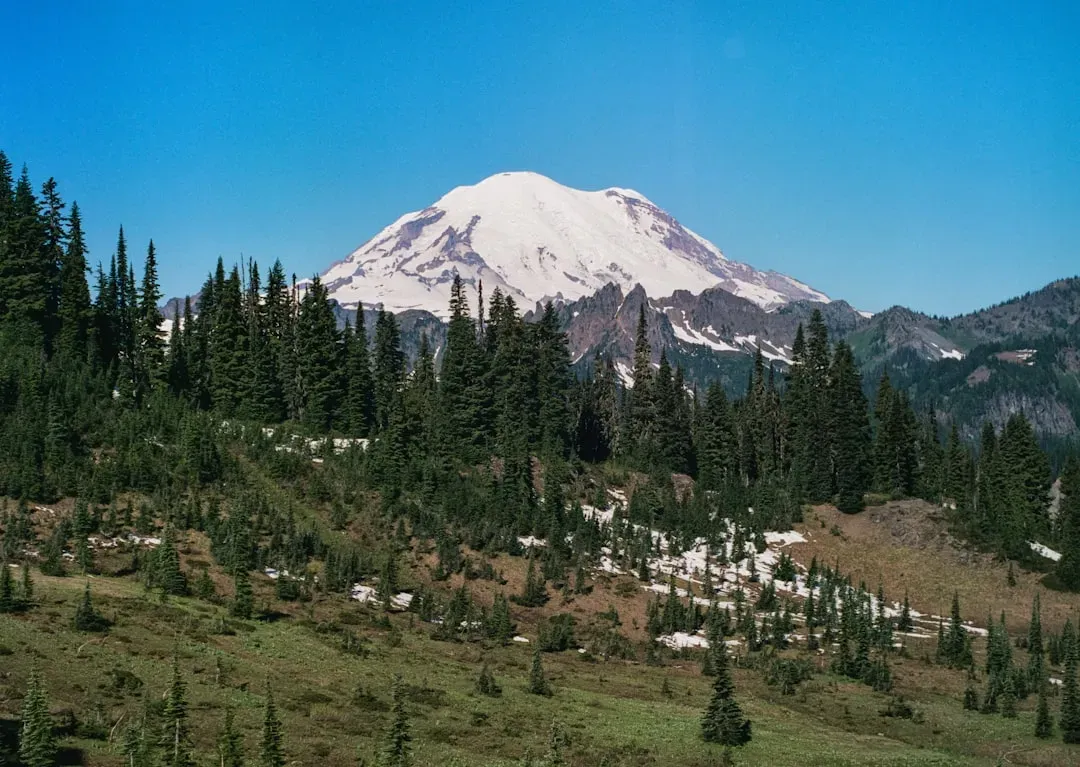
Mount Rainier is considered dangerous not only for its eruption potential but also because of the risk of significant debris flows, which could impact the 3.3-million residents in the Seattle Tacoma area. Think about that for a moment. Over three million people live within striking distance of this massive stratovolcano. Mount Rainier is considered one of the most dangerous volcanoes in the world due to its high eruption probability and proximity to major urban centers.
The greatest threat from Rainier isn’t necessarily lava – it’s lahars. The most hazardous phenomena from Mount Rainier are volcanic mudflows called lahars, many of which reached as far as the now densely inhabited Puget Sound lowland. These rapidly flowing slurries of mud, rock, and debris can travel for tens of miles, burying everything in their path. About 150,000 people live on top of old lahar deposits of Rainier. Imagine building your life on the remnants of a past disaster, knowing history could repeat itself.
Redoubt Volcano: Alaska’s Explosive Giant
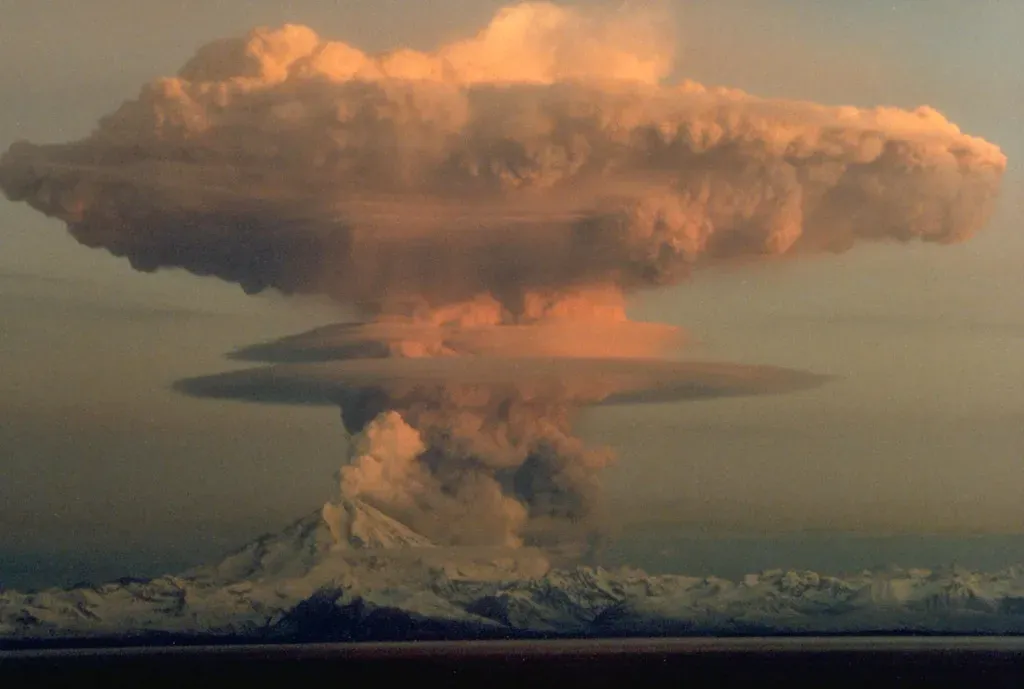
Redoubt Volcano, Alaska makes the list as a very high threat volcano, and its track record backs up that classification. Located in the Chigmit Mountains, within Lake Clark National Park and Preserve, this 10,197-foot active Alaskan volcano has a recent track record of naughty behavior. The term “naughty” feels almost too gentle for a volcano that can disrupt air travel across entire regions and endanger critical oil infrastructure.
Redoubt’s eruptions generate massive ash plumes that pose serious risks to aviation. An eruption from Redoubt Volcano would come with disruption to the busy route and danger to aircraft, and ashfall that could affect several nearby communities including Anchorage. In a state where flying is often the only way to reach remote communities, volcanic ash isn’t just an inconvenience – it’s a lifeline severed. The 2009 eruption reminded everyone that Alaska’s volcanoes demand respect and constant vigilance.
Mount Shasta: Northern California’s Icy Threat
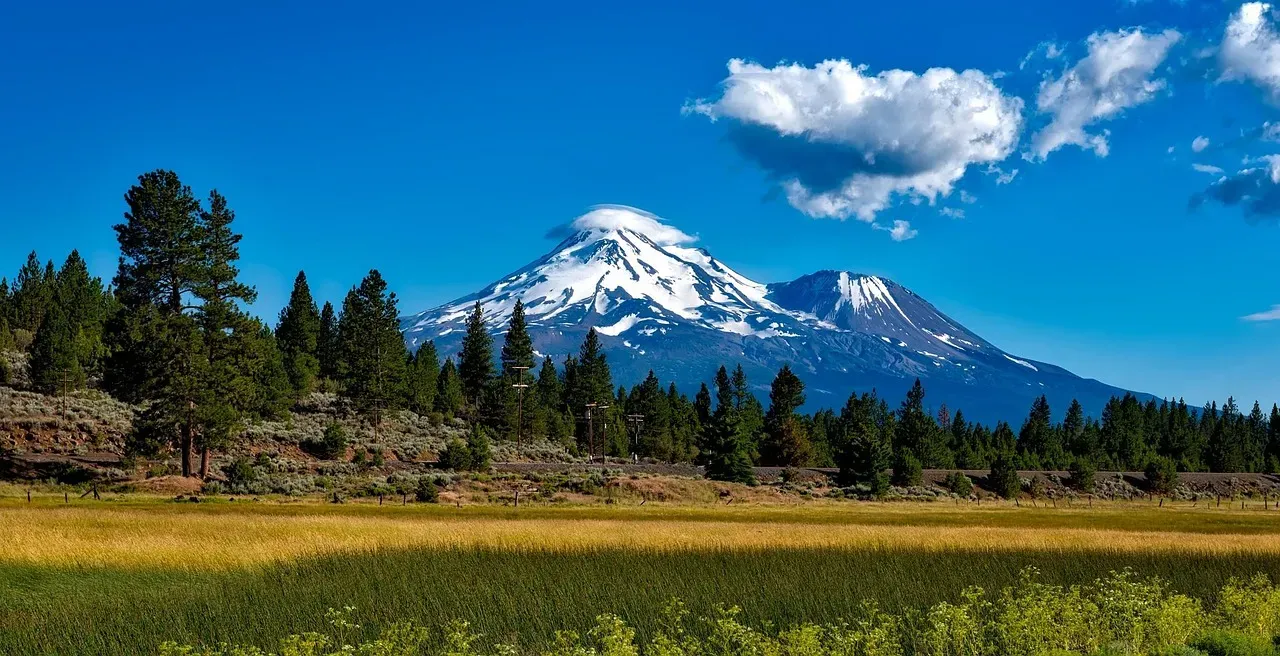
The modern Mount Shasta volcano is the most voluminous of its Cascade Range fiery brethren. This towering peak, blanketed in snow and ice, might look serene from a distance, but the eruption record suggests at least one event every 600 to 800 years. That puts us well within the window for another major eruption, honestly.
Mount Shasta, located in the Cascade Range of Northern California, is a relatively new formation that spawned from the remains of another volcano that collapsed approximately 300,000 to 500,000 years ago. The resulting landslide from this colossal event covered more than 170-miles of Shasta Valley. Communities like Weed and Mount Shasta City sit in the shadow of this giant, aware that when – not if – it awakens, the consequences will reshape the landscape yet again. Even in non-eruption years, heavy rainfall frequently causes mudflows that run into the surrounding stream channels.
Mount Hood: Portland’s Scenic Danger
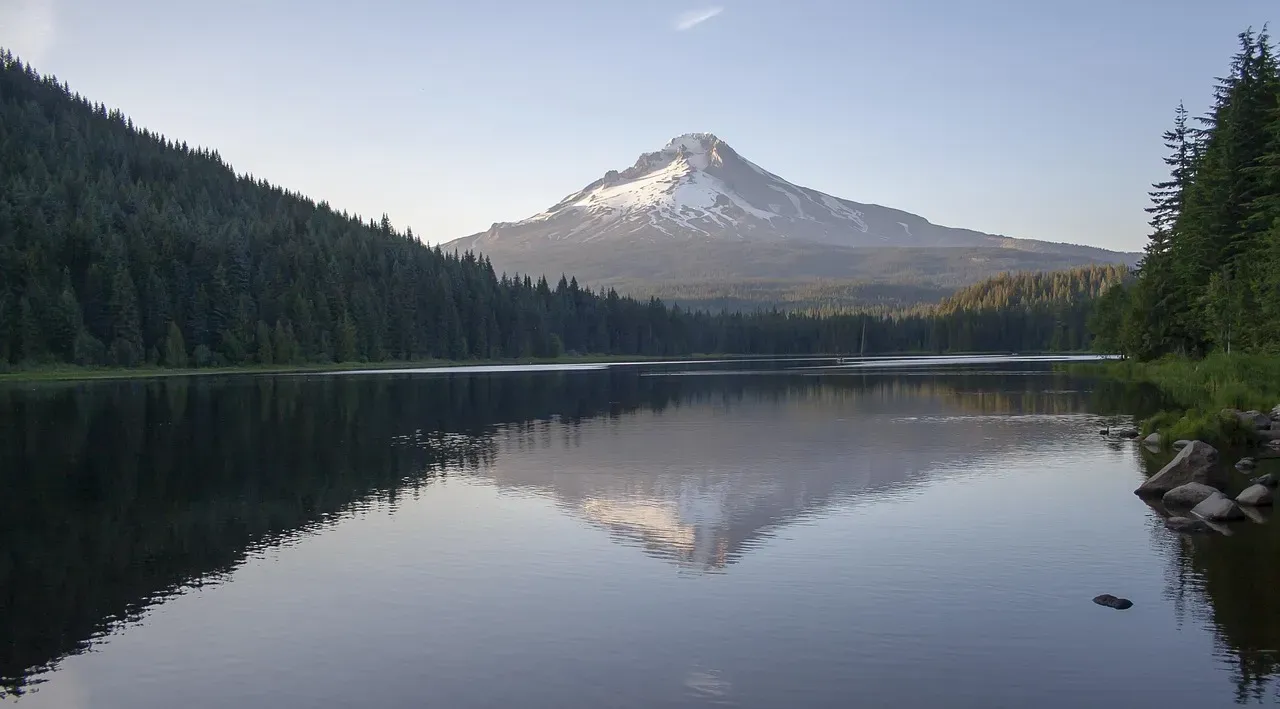
Oregon’s highest peak provides valuable resources for the agricultural and tourism sectors of the city of Portland and the surrounding area. Mount Hood serves as an iconic backdrop for Oregon’s largest city, a postcard-perfect mountain that locals affectionately call their own. Yet Mount Hood is also a testy volcano blowing its lid for the last half-million years, with two major eruptions occurring in the last 1,500 years.
Mount Hood doesn’t even need to erupt to be dangerous. Scientists expect Mount Hood’s next eruption to be relatively minor, but even a minor eruption could cause ash clouds, pyroclastic flows, and lahars. The real concern lies with lahars racing down river valleys, cutting off major transportation routes and potentially taking years to rectify. It’s hard to say for sure, but the volcano’s history suggests complacency would be a mistake. The devastation to the Sandy River caused by the 1781 eruption was even reported by the Lewis and Clark Expedition in 1805-06.
Mauna Loa: Hawaii’s Sleeping Colossus
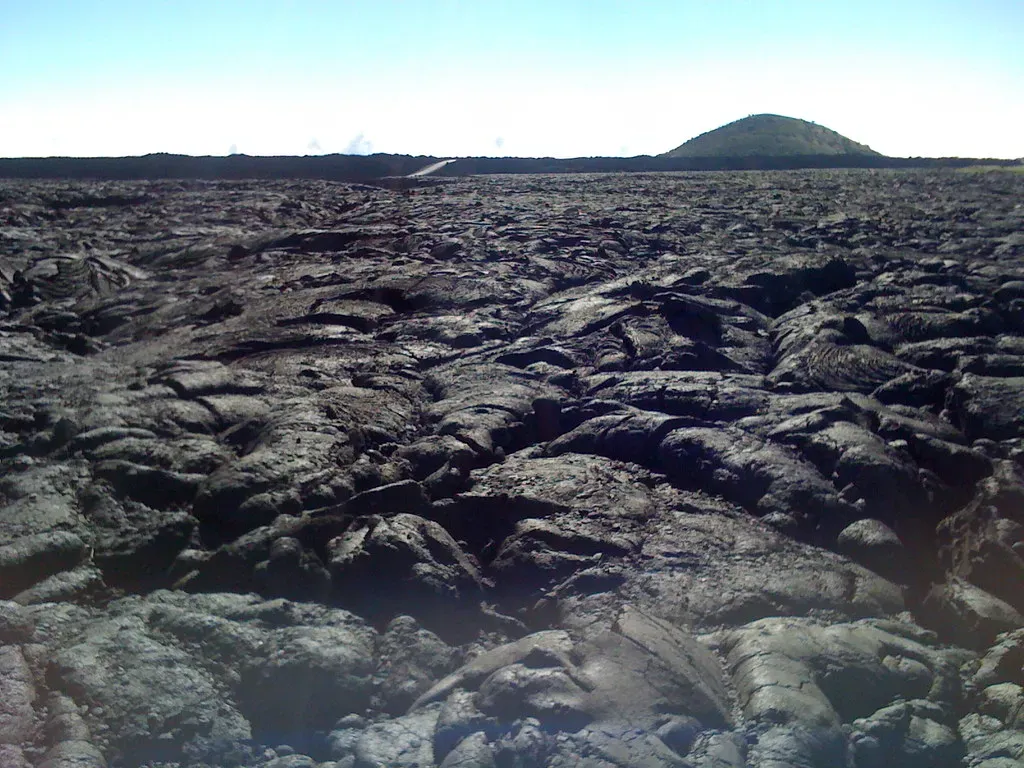
Mauna Loa, Hawaii ranks among the very high threat volcanoes in the United States, and for good reason. This is the largest active volcano on Earth by volume, a shield volcano so massive it actually depresses the ocean floor beneath it. Lava flows from Mauna Loa Volcano can reach the highly developed Kona Coast of Hawaii in as little as two hours.
Think about that timeline for a moment. Two hours. That’s roughly the time it takes to watch a movie or cook a nice dinner, yet it’s also the window communities have to evacuate when Mauna Loa decides to stir. The volcano’s lava flows are not explosive like those from stratovolcanoes, but they’re persistent and unstoppable. When Mauna Loa erupts, it doesn’t ask permission – it simply flows, consuming roads, homes, and forests with geological indifference. The Big Island’s residents understand this intimacy with volcanic forces better than most Americans.
Yellowstone Supervolcano: The Continental Wildcard
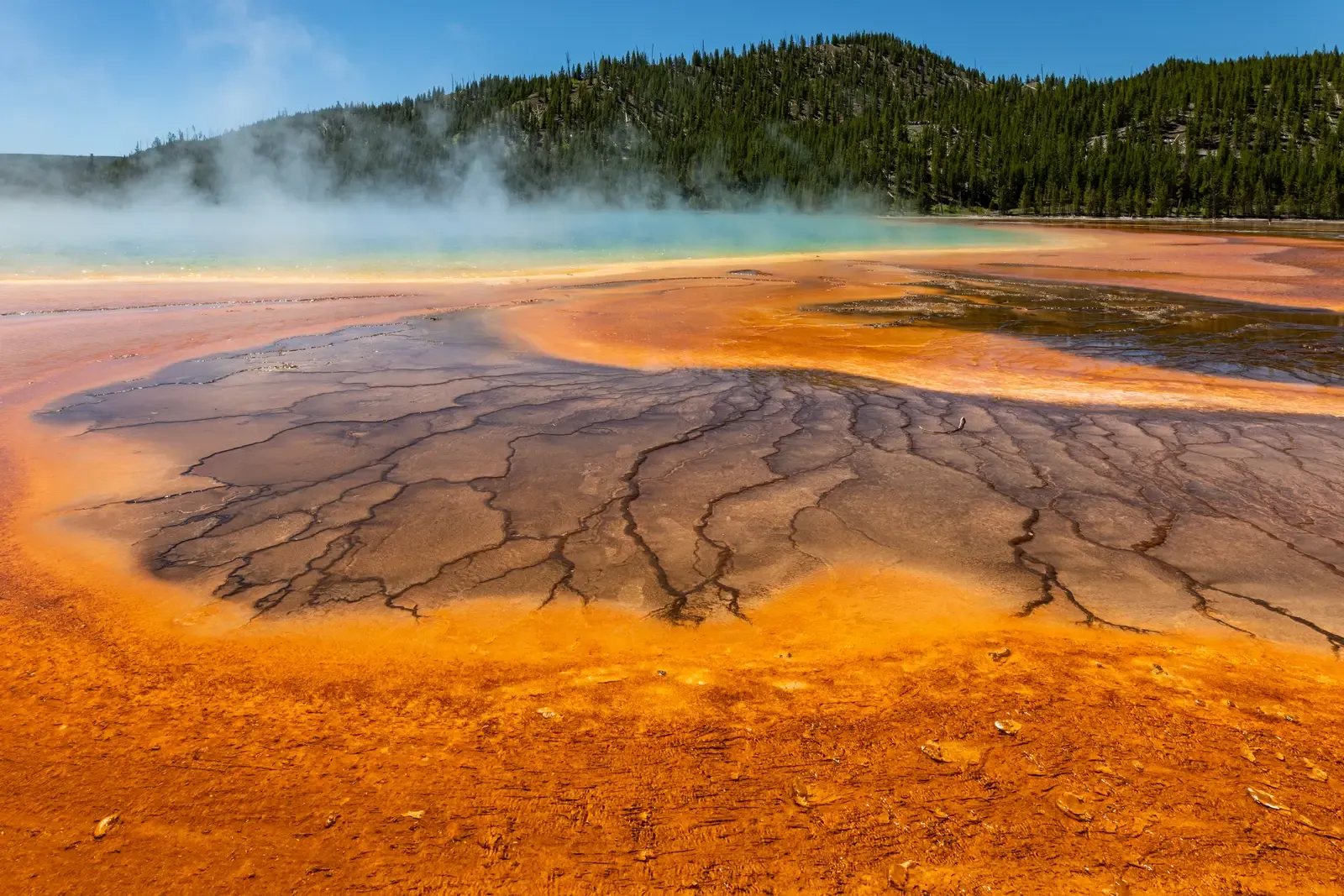
Though it is not expected to pop anytime soon, the Yellowstone Supervolcano has proven to be unfathomably dangerous in the past. Here’s where things get truly unsettling. Geologic evidence suggests that Yellowstone has produced three colossal eruptions within the past 2.1 million years. Volcanologists say the eruptions occurred at gaps of about 600,000 to 800,000 years. Simple math might make you nervous, but scientists maintain that they see no evidence that another such cataclysmic eruption will occur at Yellowstone in the foreseeable future. Recurrence intervals of these events are neither regular nor predictable.
Still, if Yellowstone were to erupt in a massive caldera-forming event, the consequences would be continental in scope. If another large, caldera-forming eruption were to occur at Yellowstone, its effects would be worldwide. Such a giant eruption would have regional effects such as falling ash and short-term changes to global climate. We’re talking about a scenario that would fundamentally alter life across North America. Yellowstone was ranked as a high threat volcanic system. The difference between Yellowstone and other volcanoes on this list is scale – everything about this one is bigger, badder, and more unpredictable.
Conclusion
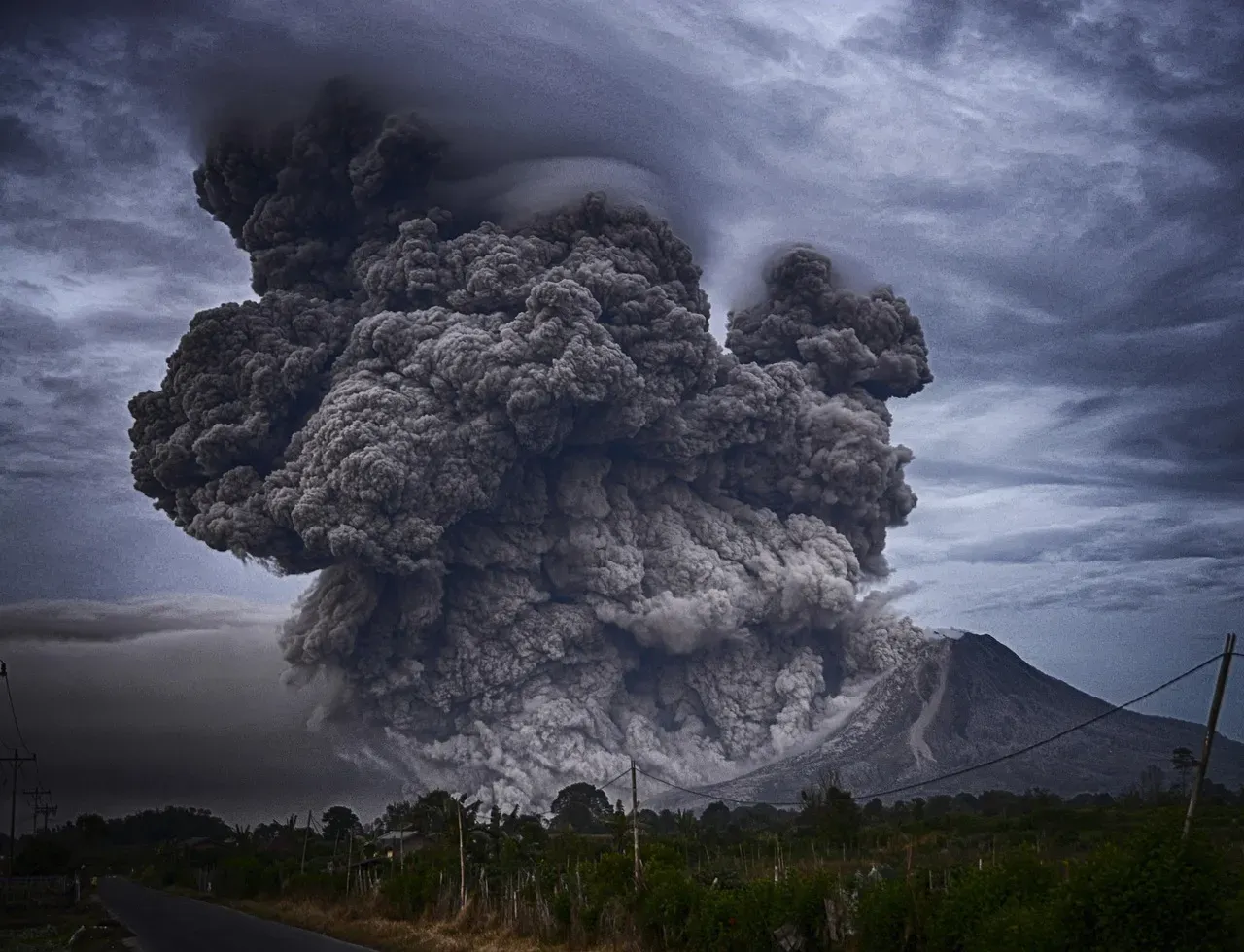
America’s most dangerous volcanoes represent geological time bombs scattered across the western states and Hawaii. From Kilauea’s relentless lava flows to Mount Rainier’s looming lahars, from Mount St. Helens’ proven destructive power to Yellowstone’s continental-scale potential, these volcanic systems share one common thread: they will erupt again.
The question isn’t whether these volcanoes pose a threat – it’s how prepared we are when they awaken. Modern monitoring has given us tools previous generations never had, but volcanoes remain fundamentally unpredictable forces of nature. Communities living in volcano country face an ongoing balancing act between appreciating the beauty and resources these mountains provide while respecting the dangers they represent.
What’s your take on living near an active volcano? Could you imagine waking up each day knowing the mountain on the horizon might someday reshape your entire world?

From exploring the marine wonders in the Azores and witnessing the vast savannas of Kenya, to delving deep into the rich biodiversity of South Africa and traversing iconic landscapes in Australia and the US like Yellowstone, Chris's experiences are vast.
With a penchant for diving alongside sharks, the ocean holds a special place in his heart.
Through his academic insights, he champions wildlife conservation, striving with 'Animals Around The Globe' to cultivate a profound connection between humans and animals, enhancing our mutual appreciation.
Connect with him at Feedback@animalsaroundtheglobe.com.