


Alaska’s pristine waters offer one of the most spectacular wildlife viewing experiences on Earth. When you step aboard a cruise ship and sail through these nutrient-rich seas, you’re entering a world where massive marine creatures rule the depths. The convergence of warm and cold ocean currents creates an underwater buffet that attracts some of the planet’s most magnificent ocean giants. From the smallest porpoise to the largest whale on Earth, Alaska’s waters teem with life that will leave you breathless and forever changed by their raw power and grace.
Humpback Whales
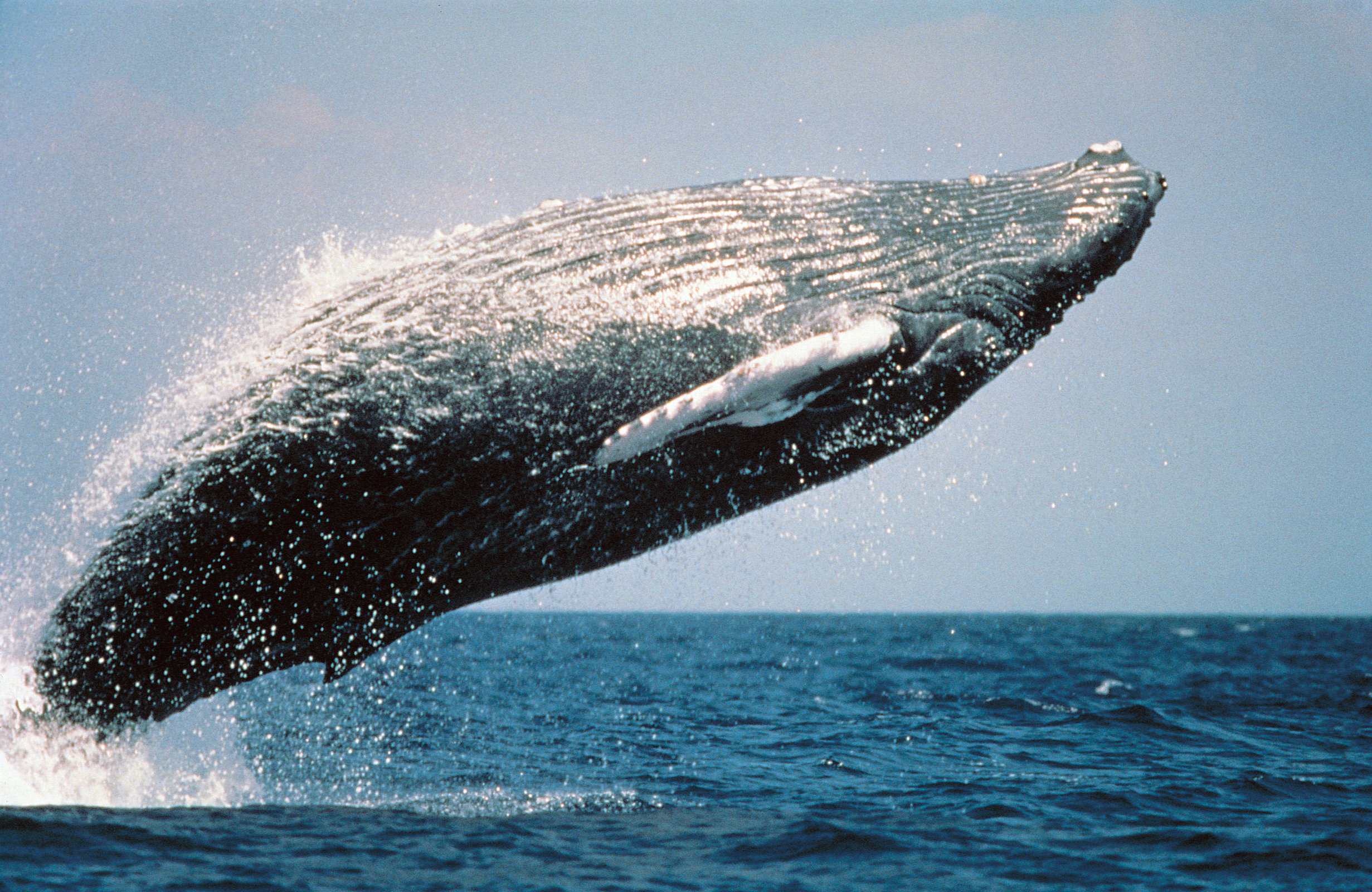
Humpback whales are the true showstoppers of Alaska’s waters, captivating cruise passengers with their acrobatic displays and haunting songs. These magnificent creatures can reach lengths of up to 60 feet and weigh as much as 40 tons, yet they launch themselves completely out of the water in spectacular breaches that defy physics. During summer months, approximately 3,000 humpback whales migrate to Alaska’s nutrient-rich waters to feed on krill and small schooling fish.
What makes humpback encounters truly unforgettable is their curious nature and complex social behaviors. These whales are known for their cooperative feeding techniques, including the famous “bubble net feeding” where groups work together to trap fish in curtains of bubbles. Their distinctive long pectoral fins, which can span up to 16 feet, make them easily identifiable as they gracefully glide through the water or slap the surface in what appears to be playful communication.
Orca Whales
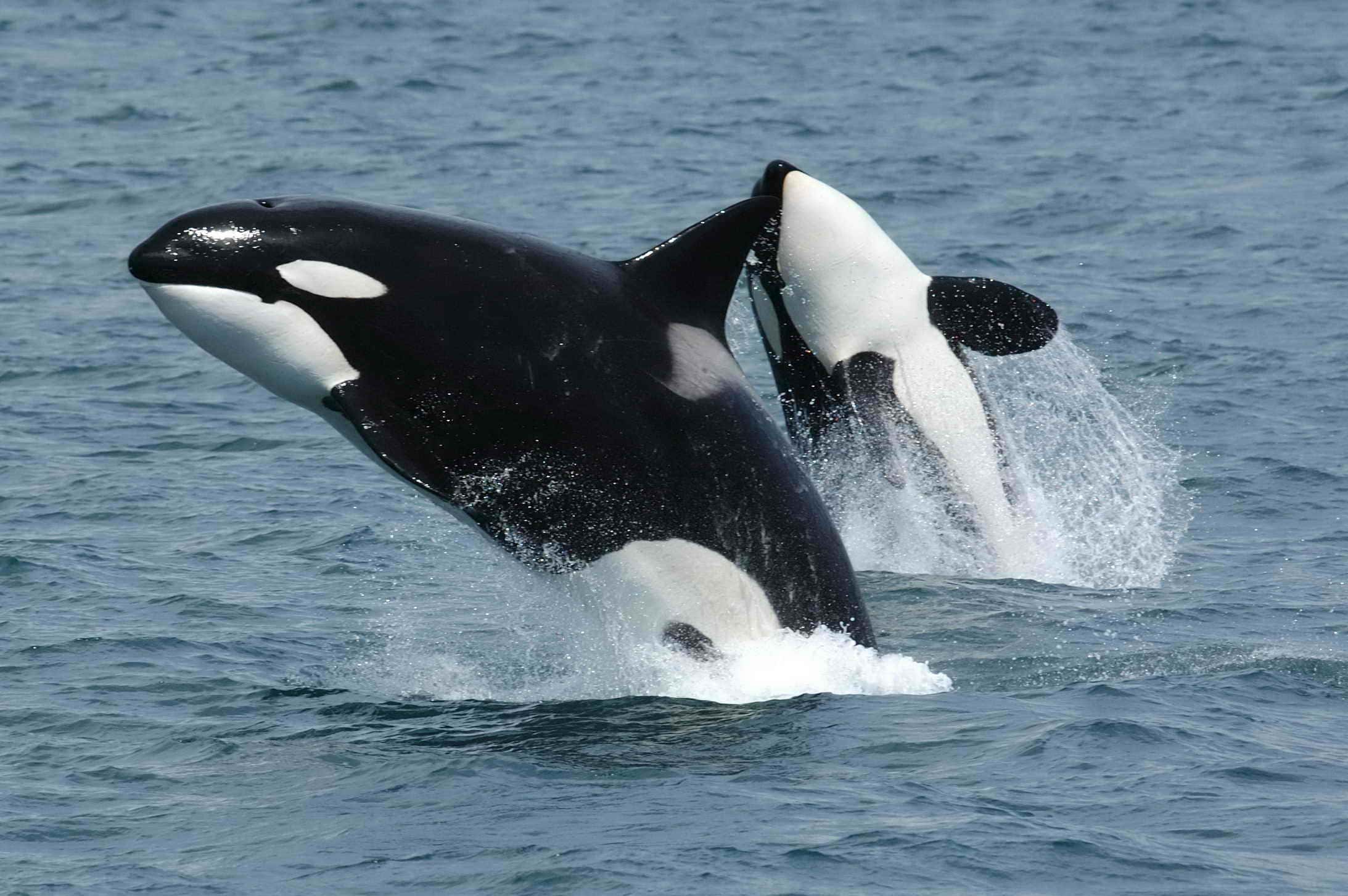
Orcas, also known as killer whales, are actually the largest members of the dolphin family and Alaska’s most intelligent marine predators. These apex hunters travel in tight-knit family groups called pods, with some matriarchal societies lasting over 100 years. Alaska’s waters host both resident and transient orca populations, with residents primarily feeding on salmon while transients hunt marine mammals including seals, sea lions, and even other whales.
The sight of a male orca’s six-foot-tall dorsal fin cutting through the water sends shivers down any observer’s spine. These remarkable creatures can reach speeds of up to 35 miles per hour and have been recorded diving to depths of over 260 feet. Their complex social structures, unique dialects, and problem-solving abilities make them one of the most fascinating species you’ll encounter on your Alaska cruise adventure.
Gray Whales
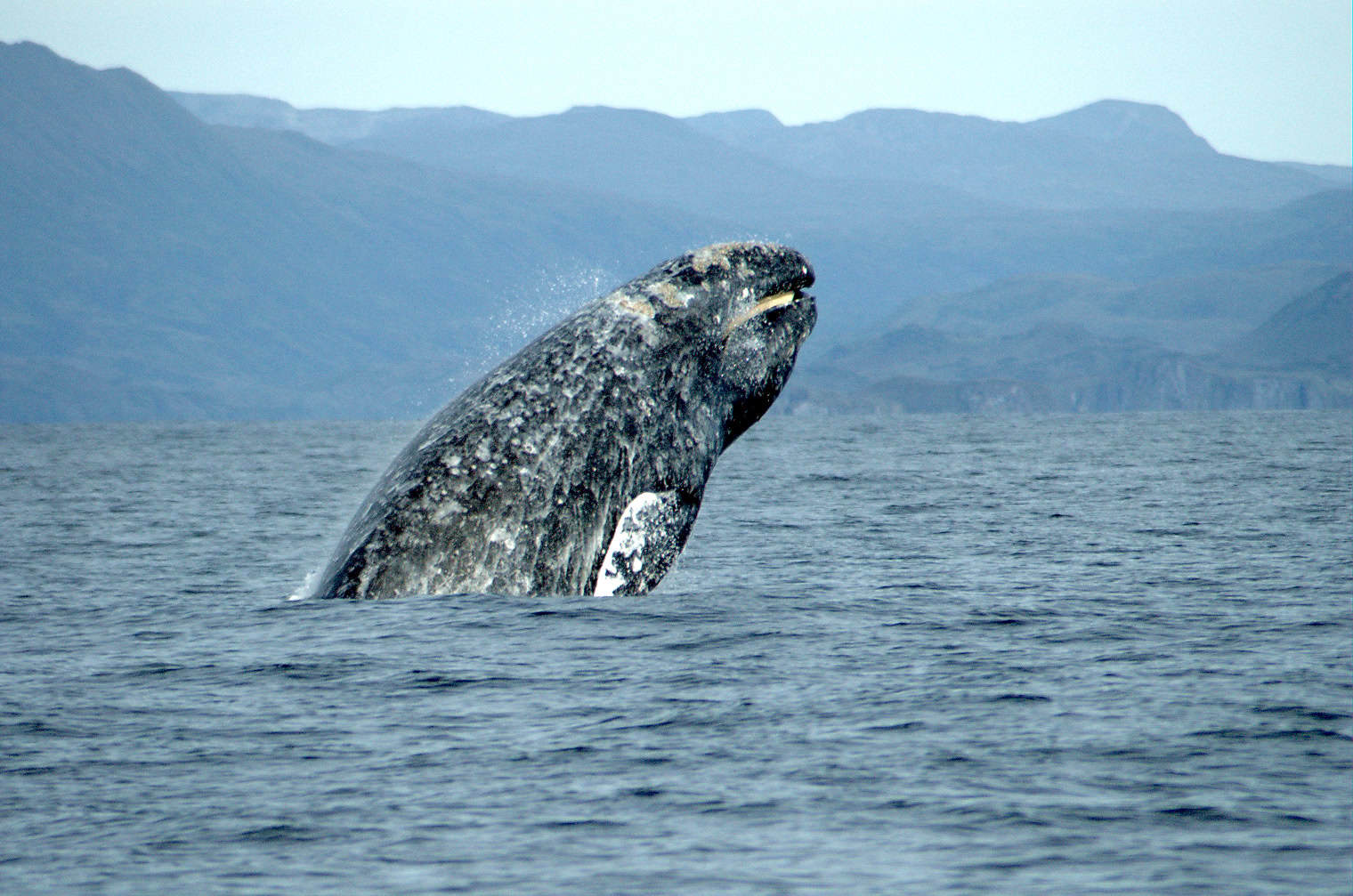
Gray whales undertake one of the longest migrations in the animal kingdom, traveling up to 14,000 miles annually between their breeding grounds in Mexico and feeding areas in Alaska. These ancient-looking giants, reaching lengths of up to 50 feet, are bottom feeders that use their massive heads to scoop up sediment and filter out amphipods and other small crustaceans. Their mottled gray appearance and distinctive knobby heads make them easily recognizable among Alaska’s whale species.
What sets gray whales apart is their incredible resilience and comeback story from near extinction. Once hunted to the brink of disappearance, their population has recovered to approximately 27,000 individuals. These gentle giants are known for their curious behavior around boats, often approaching vessels filled with excited whale watchers and creating unforgettable close encounters that highlight the success of conservation efforts.
Blue Whales
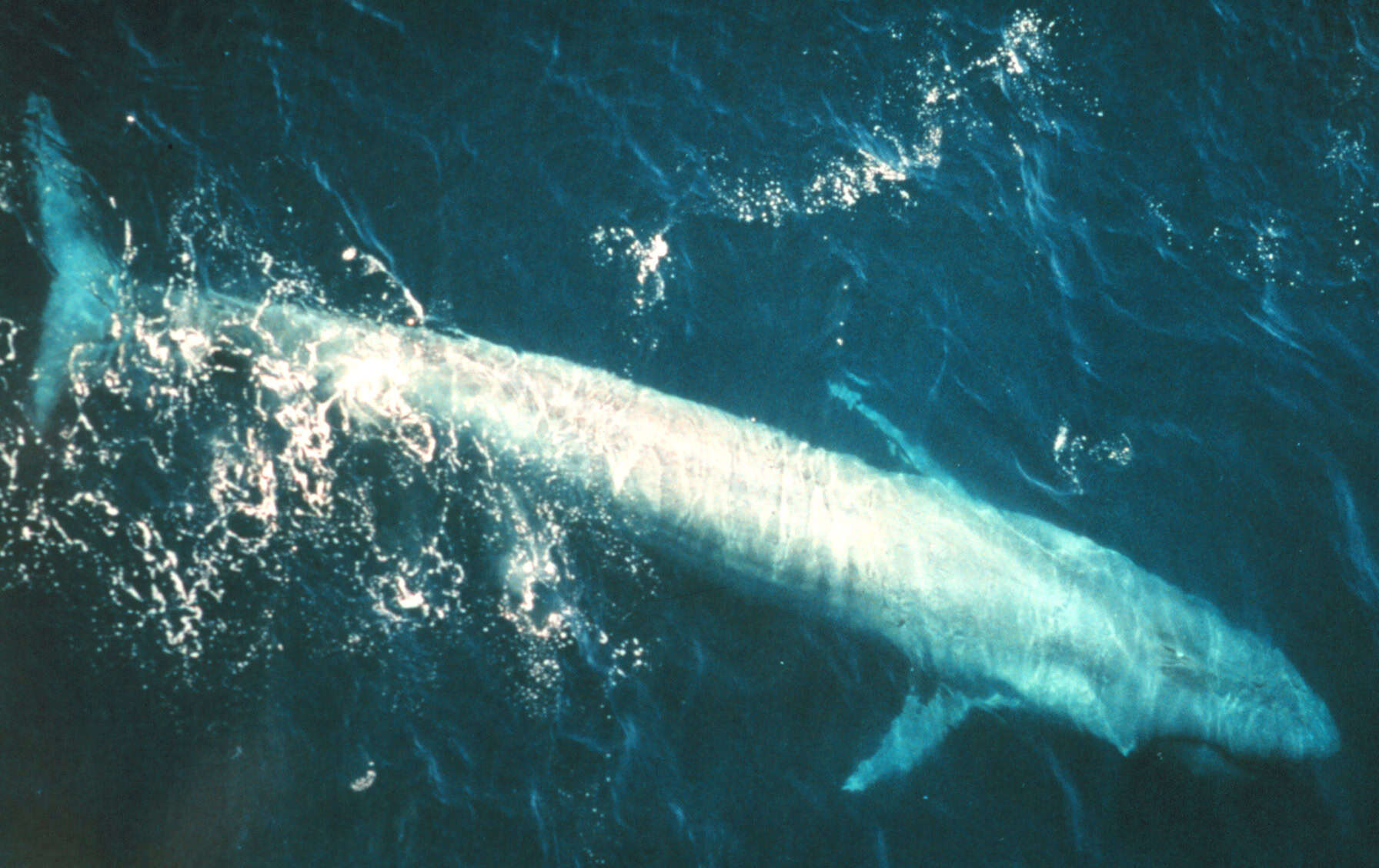
Blue whales represent the largest animals ever known to have lived on Earth, dwarfing even the mighty dinosaurs with their incredible size and majesty. These ocean titans can reach lengths of up to 100 feet and weigh as much as 200 tons, with hearts alone weighing as much as a small car. Their blue-gray coloration with lighter spots creates a mesmerizing pattern that seems to shimmer beneath Alaska’s crystal-clear waters.
Despite their enormous size, blue whales feed almost exclusively on tiny shrimp-like creatures called krill, consuming up to 4 tons daily during feeding season. Their calls are the loudest sounds made by any animal on Earth, reaching levels of up to 188 decibels and traveling hundreds of miles underwater. Spotting a blue whale in Alaska’s waters is considered one of the rarest and most prized wildlife encounters, as these magnificent creatures remain relatively uncommon despite their protected status.
Fin Whales
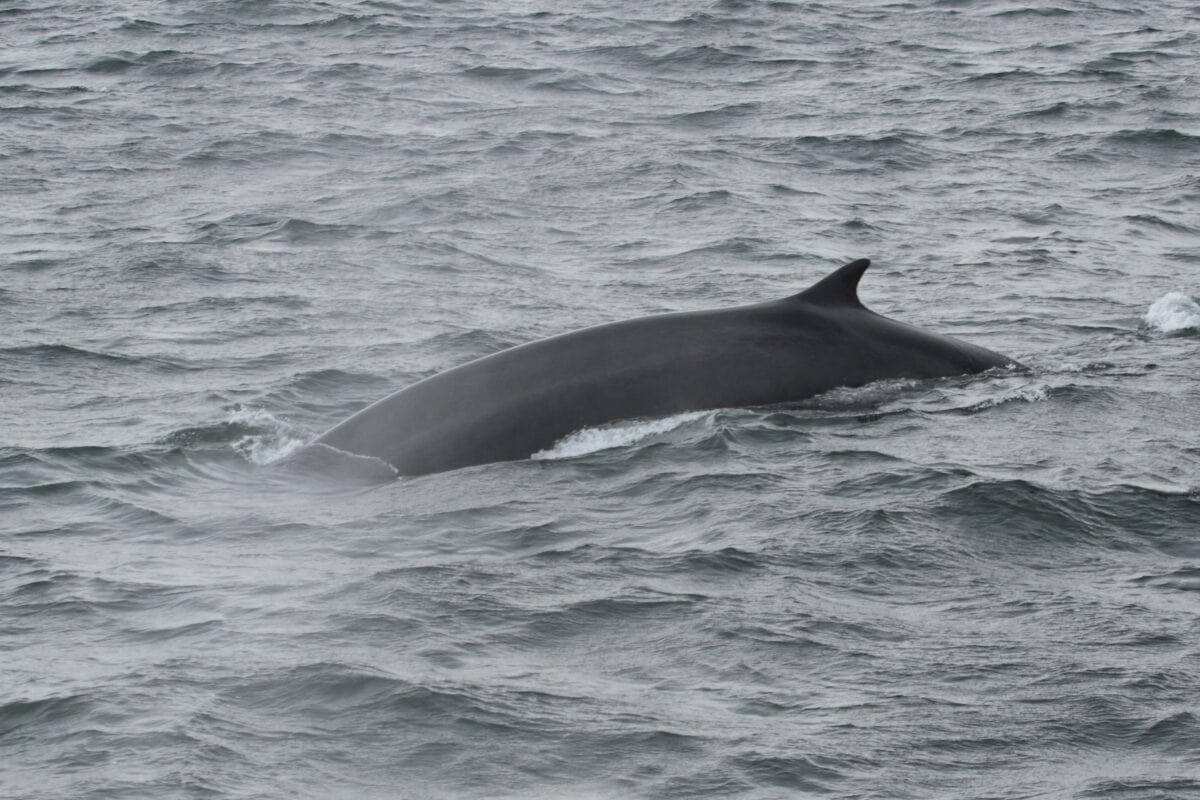
Fin whales earn their nickname as the “greyhounds of the sea” due to their streamlined bodies and impressive swimming speeds of up to 25 miles per hour. These sleek giants are the second-largest whale species, reaching lengths of up to 85 feet and displaying a unique asymmetrical coloration with a white right jaw and dark left jaw. This distinctive feature helps them with their spiral feeding technique, where they roll on their sides to engulf schools of fish and krill.
Alaska’s waters provide crucial feeding grounds for fin whales, who consume enormous quantities of food during the summer months to sustain themselves through winter. Their tall, distinctive dorsal fin located far back on their body makes them relatively easy to identify from cruise ship decks. These magnificent creatures are known for their deep, powerful calls that can travel vast distances underwater, serving as a communication system across Alaska’s expansive marine ecosystem.
Minke Whales

Minke whales are the smallest members of the baleen whale family commonly seen in Alaska’s waters, reaching lengths of up to 35 feet and weighing approximately 10 tons. Despite their smaller size compared to other whale species, these agile swimmers are known for their curious nature and tendency to approach boats, providing cruise passengers with intimate viewing opportunities. Their distinctive white band across their flippers and pointed snouts make them easily identifiable among Alaska’s diverse whale population.
These remarkable creatures are skilled hunters that feed on a variety of prey including krill, small schooling fish, and squid. Minke whales are known for their unpredictable surfacing patterns, often appearing suddenly near cruise ships before disappearing just as quickly. Their playful nature and acrobatic abilities, including occasional breaching behavior, make them delightful subjects for wildlife photography and create lasting memories for Alaska cruise passengers.
Beluga Whales
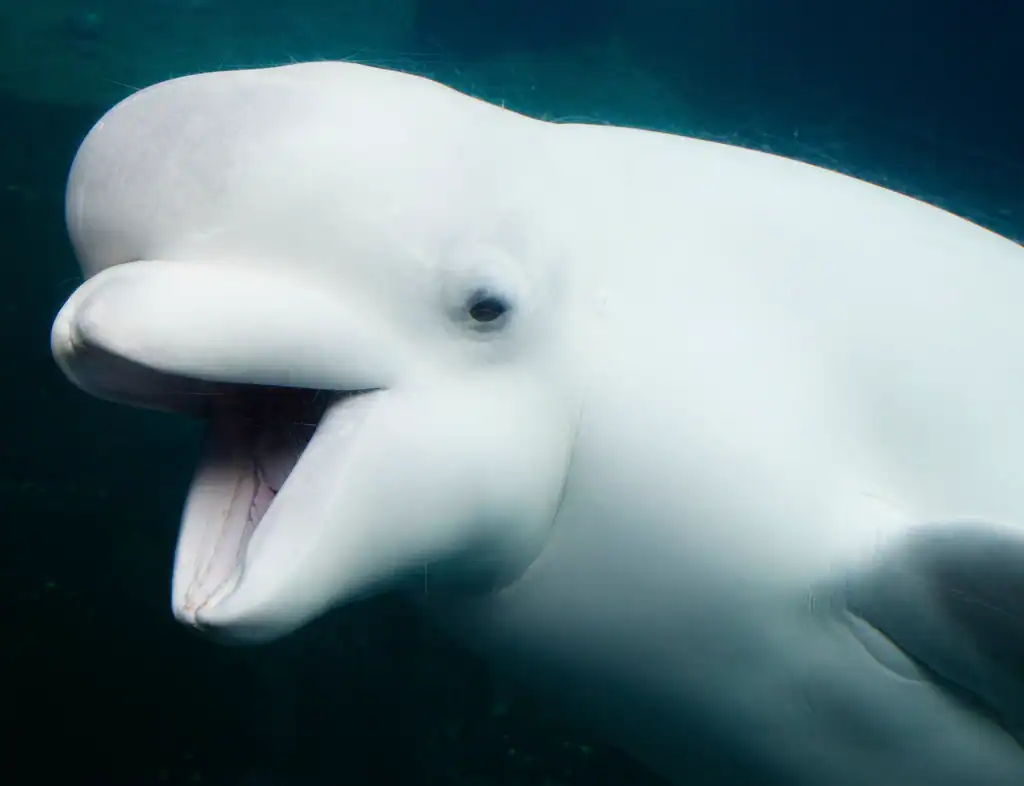
Beluga whales are among Alaska’s most distinctive and charismatic marine mammals, instantly recognizable by their pure white coloration and bulbous forehead called a melon. These Arctic specialists measure up to 18 feet in length and weigh up to 3,500 pounds, making them one of the smaller whale species in Alaska’s waters. Their unique ability to change facial expressions and vocalize in a wide range of sounds has earned them the nickname “canaries of the sea.”
Cook Inlet near Anchorage hosts one of the most endangered populations of beluga whales, with only around 280 individuals remaining in this isolated group. These highly social creatures travel in pods that can number in the hundreds, creating spectacular displays of synchronized swimming and surface behavior. Their lack of a dorsal fin and flexible necks allow them to navigate shallow waters and ice-filled environments that other whale species cannot access, making them perfectly adapted to Alaska’s challenging marine conditions.
Sperm Whales
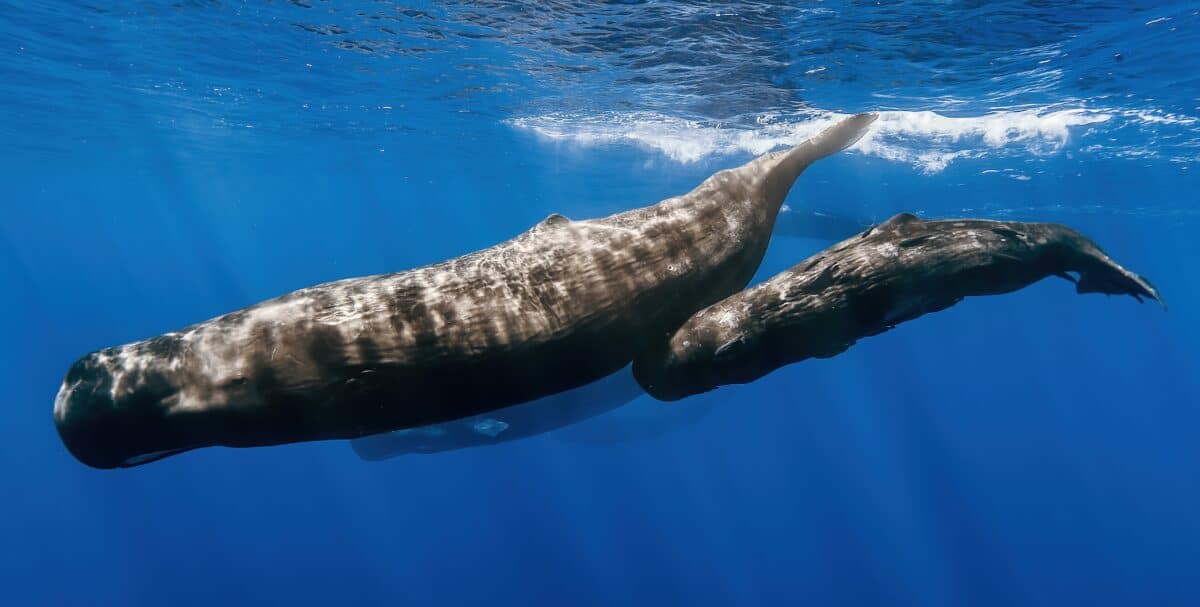
Sperm whales are the largest toothed whales on Earth and the deepest diving marine mammals, capable of reaching depths of over 3,000 feet during hunts for giant squid. These impressive giants can reach lengths of up to 60 feet, with males significantly larger than females, and possess the largest brain of any animal on the planet. Their distinctive square-shaped heads, which can account for up to one-third of their body length, contain the spermaceti organ that helps them control buoyancy during deep dives.
Alaska’s deep offshore waters provide ideal hunting grounds for sperm whales, who spend up to 90 minutes underwater searching for their preferred prey of squid and deep-sea fish. These magnificent creatures are known for their complex social structures, with females and calves living in stable family groups while males lead more solitary lives. Their ability to echolocate using powerful clicks allows them to navigate and hunt in the complete darkness of the deep ocean, making them one of nature’s most sophisticated predators.
Steller Sea Lions
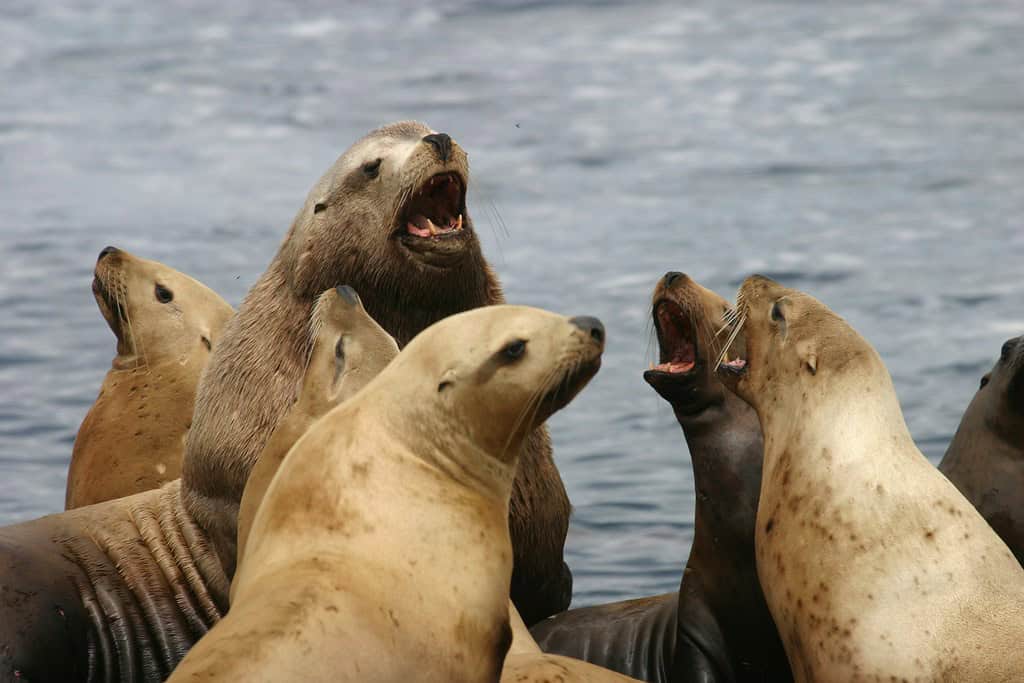
Steller sea lions are Alaska’s largest pinnipeds and among the most impressive marine mammals you’ll encounter on your cruise adventure. Adult males can reach lengths of up to 11 feet and weigh as much as 2,500 pounds, while their distinctive sagittal crest gives them a lion-like appearance that justifies their name. These powerful swimmers are known for their incredible agility both in water and on land, capable of rotating their rear flippers forward to “walk” on rocky shores and haul-out sites.
Alaska’s waters host significant populations of Steller sea lions, with major rookeries located throughout the Gulf of Alaska and Aleutian Islands. These social animals gather in large colonies during breeding season, creating spectacular displays of territorial behavior and vocal communication. Their diet consists primarily of fish, squid, and occasionally shellfish, making them important indicators of ocean health in Alaska’s marine ecosystems.
Pacific Walruses
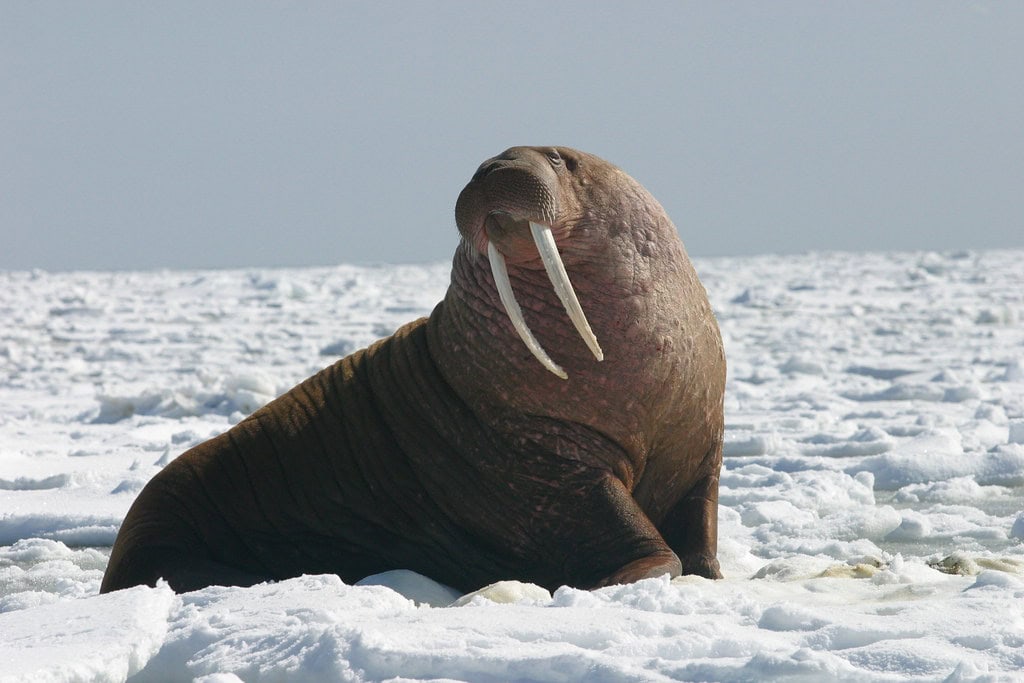
Pacific walruses are among the most unique and recognizable marine mammals in Alaska’s Arctic waters, distinguished by their massive tusks that can grow up to 3 feet long and weigh over 12 pounds each. These impressive giants can reach lengths of up to 12 feet and weigh as much as 4,000 pounds, with males significantly larger than females. Their tusks serve multiple purposes including hauling themselves out of the water, breaking through ice, and establishing dominance within their social hierarchy.
These remarkable creatures are perfectly adapted to life in Alaska’s harsh Arctic environment, using their sensitive whiskers called vibrissae to locate clams and other mollusks on the ocean floor. Walruses are highly social animals that gather in massive herds on ice floes and beaches, sometimes numbering in the thousands. Their thick blubber layer and ability to slow their heart rate allows them to dive to depths of up to 300 feet while foraging for food in Alaska’s frigid waters.
Harbor Seals
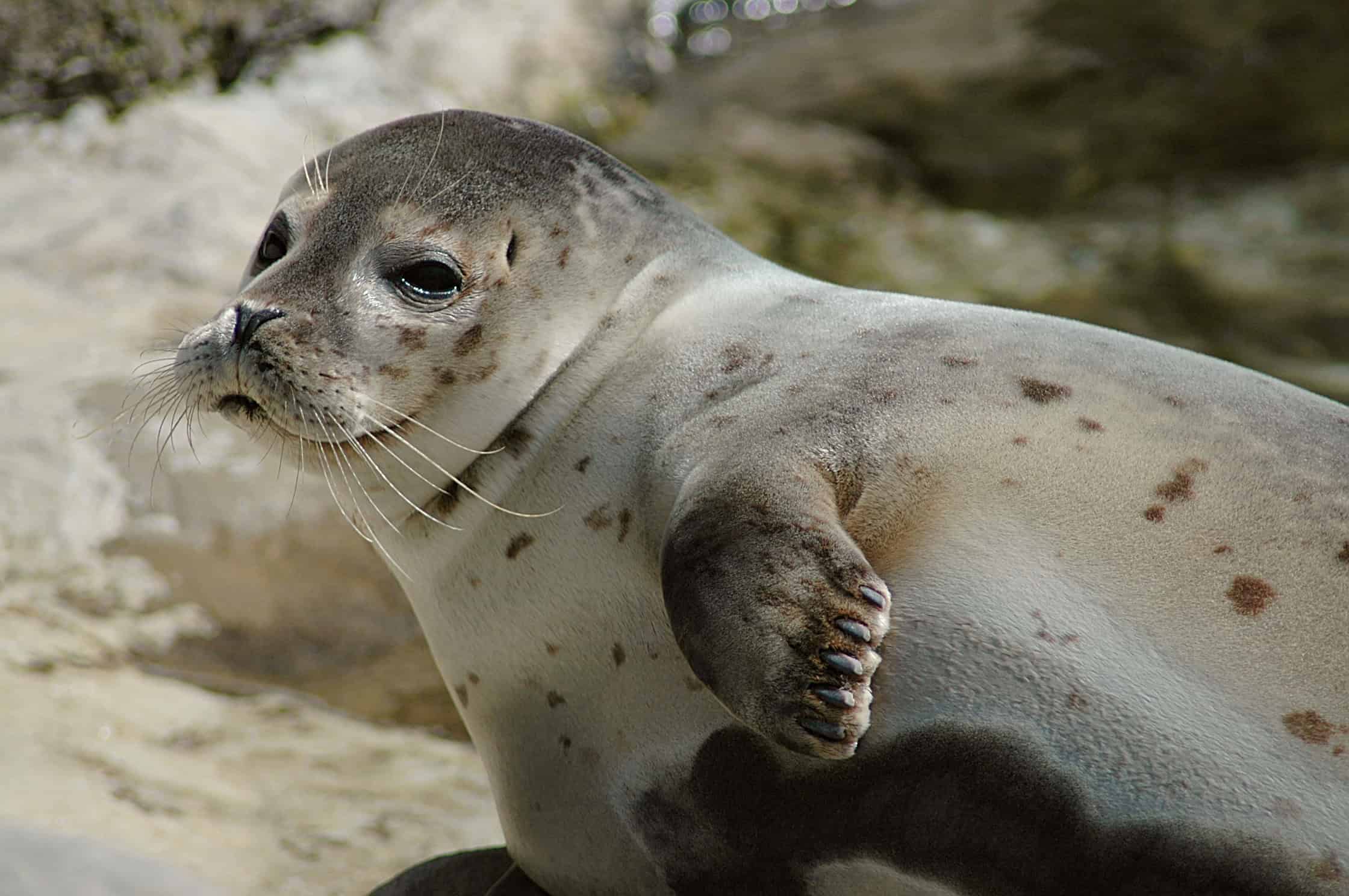
Harbor seals are among the most commonly observed marine mammals during Alaska cruises, known for their curious nature and tendency to pop their heads above water to observe passing vessels. These smaller pinnipeds typically measure 5-6 feet in length and weigh between 200-300 pounds, displaying a wide variety of coat colors and patterns ranging from light gray to dark brown with distinctive spots. Their large, expressive eyes and whiskered faces make them particularly endearing to wildlife enthusiasts.
Alaska’s coastal waters provide ideal habitat for harbor seals, who prefer shallow areas near shorelines where they can easily access haul-out sites on rocks, beaches, and floating ice. These adaptable hunters feed on a diverse diet including fish, squid, and crustaceans, making them important components of Alaska’s marine food web. Their excellent diving abilities allow them to reach depths of up to 1,500 feet, though they typically forage in much shallower waters near their preferred resting areas.
Dall’s Porpoises
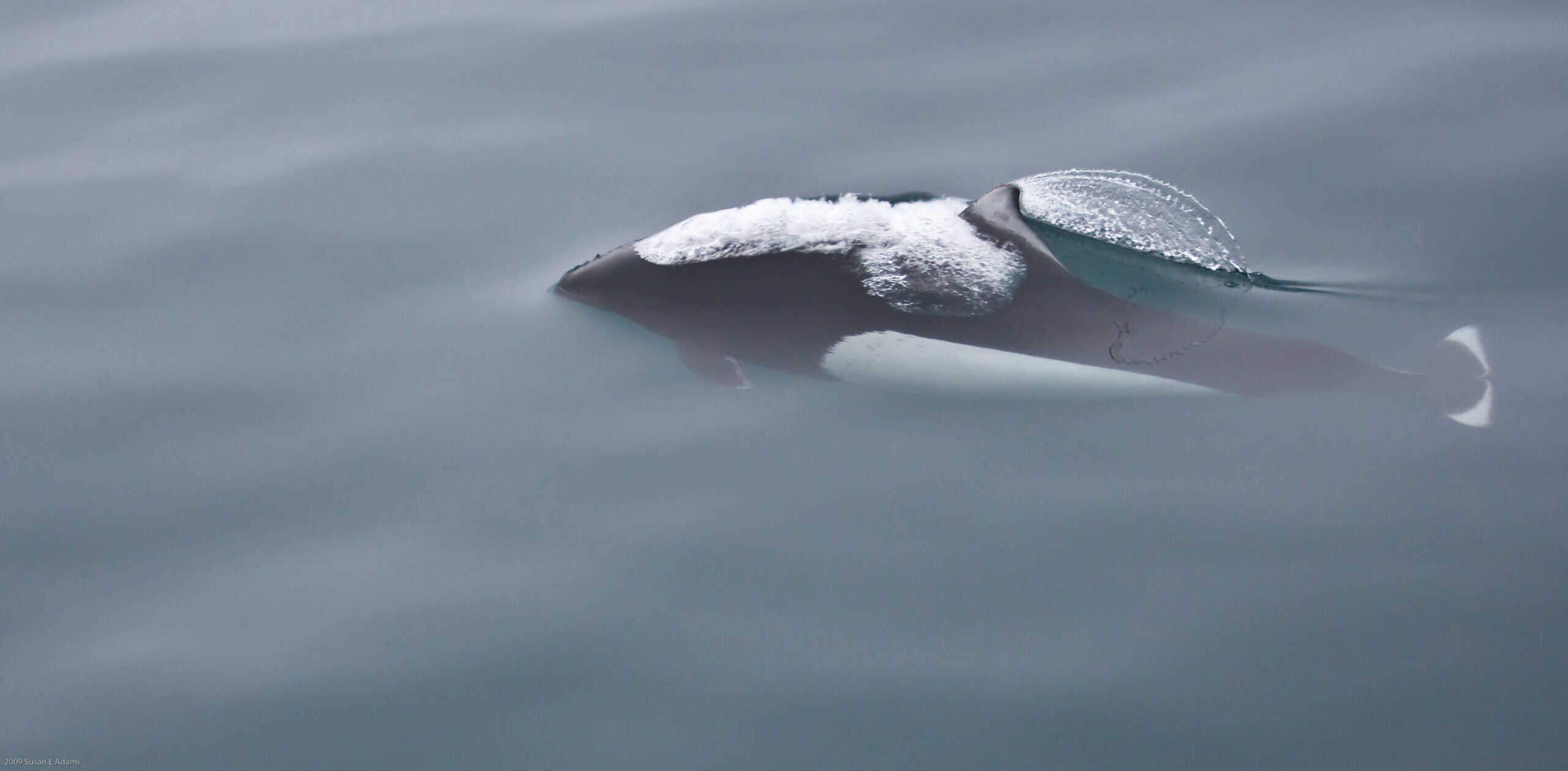
Dall’s porpoises are Alaska’s speed demons of the sea, capable of reaching incredible speeds of up to 35 miles per hour while creating distinctive “rooster tail” sprays as they race through the water. These compact marine mammals measure only 6-8 feet in length but are built for speed with their muscular bodies and distinctive black and white coloration that resembles a tiny orca. Their love for bow-riding makes them frequent companions to cruise ships, often racing alongside vessels in playful displays that delight passengers.
These energetic creatures are endemic to the North Pacific and are perfectly adapted to Alaska’s cold waters with their thick blubber layer and efficient circulatory system. Dall’s porpoises are skilled hunters that feed primarily on small schooling fish, squid, and crustaceans, often diving to depths of up to 500 feet during feeding. Their social nature and acrobatic abilities make them one of the most entertaining marine mammals to observe from cruise ship decks.
Harbor Porpoises
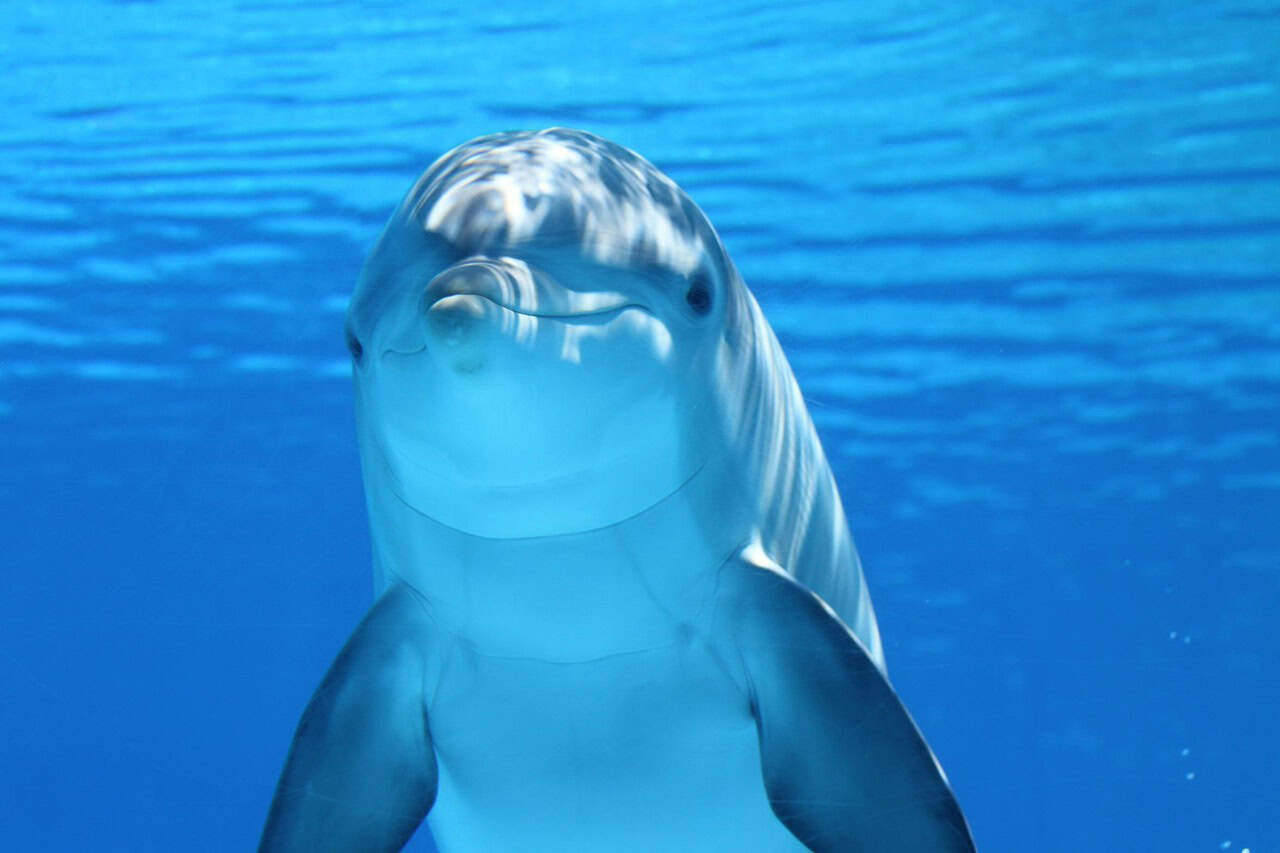
Harbor porpoises are the smallest marine mammals commonly seen in Alaska’s waters, measuring only 4-6 feet in length and weighing between 120-200 pounds. These shy and elusive creatures are known for their subtle surfacing behavior, often appearing as small, dark triangular dorsal fins that barely break the surface before disappearing again. Their preference for shallow coastal waters and harbors makes them occasional sightings during Alaska cruises, particularly in protected bays and inlets.
Despite their small size, harbor porpoises are incredibly efficient hunters that feed primarily on small schooling fish, squid, and crustaceans. These timid creatures are easily disturbed by boat traffic and noise, making sightings relatively rare compared to their more gregarious cousins. Their importance as indicators of coastal ecosystem health makes them valuable subjects for marine research and conservation efforts throughout Alaska’s waters.
Northern Fur Seals
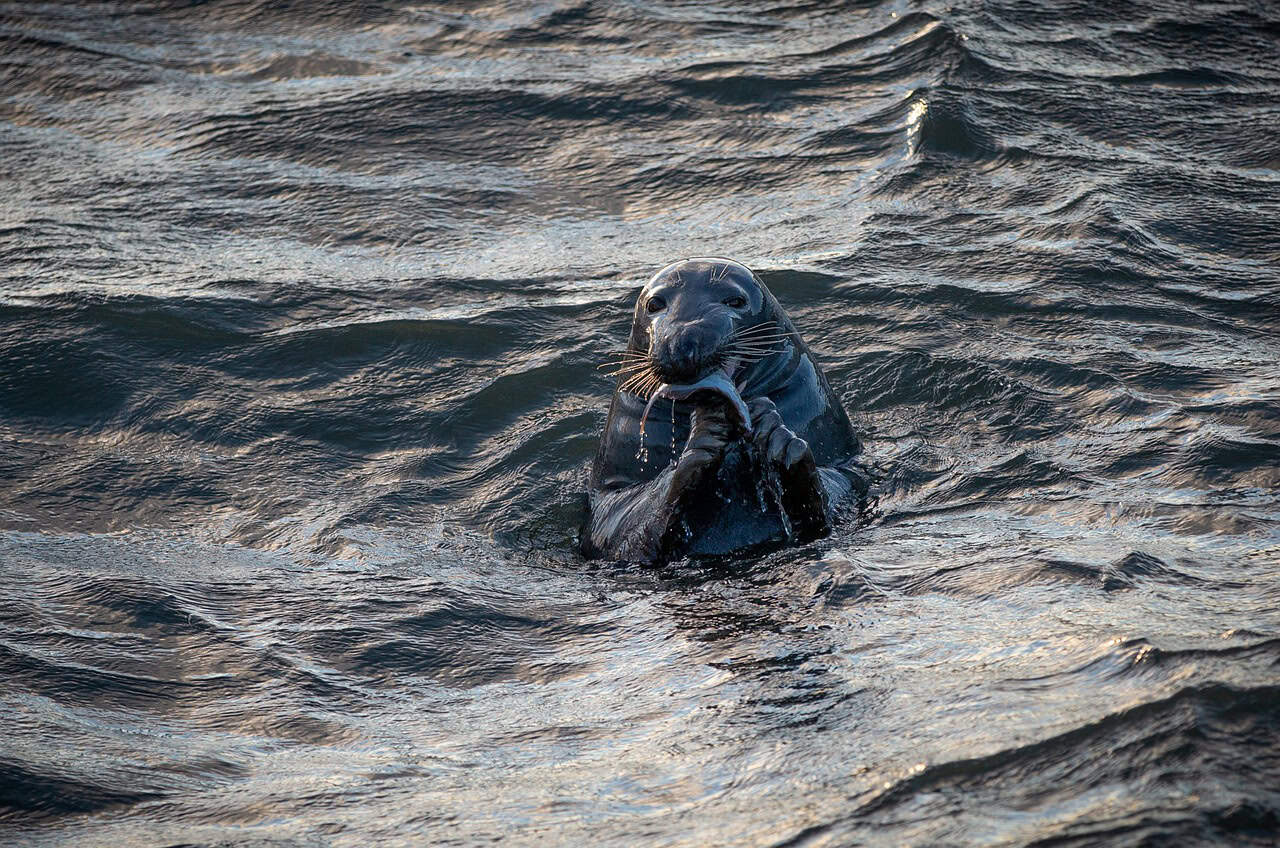
Northern fur seals are remarkable marine mammals known for their incredible swimming abilities and distinctive thick fur coats that provide insulation in Alaska’s frigid waters. These medium-sized pinnipeds measure 4-7 feet in length with significant sexual dimorphism, as males can weigh up to 600 pounds while females typically weigh only 80-120 pounds. Their external ear flaps and ability to rotate their rear flippers forward distinguish them from true seals and make them excellent swimmers both at the surface and underwater.
Alaska’s Pribilof Islands host one of the largest northern fur seal rookeries in the world, with hundreds of thousands of individuals gathering during breeding season. These incredible athletes can dive to depths of over 600 feet and spend up to 80% of their lives at sea, returning to land only to breed and give birth. Their diet consists primarily of fish, squid, and krill, making them important predators in Alaska’s marine ecosystem and fascinating subjects for cruise passengers fortunate enough to encounter them.
Ribbon Seals
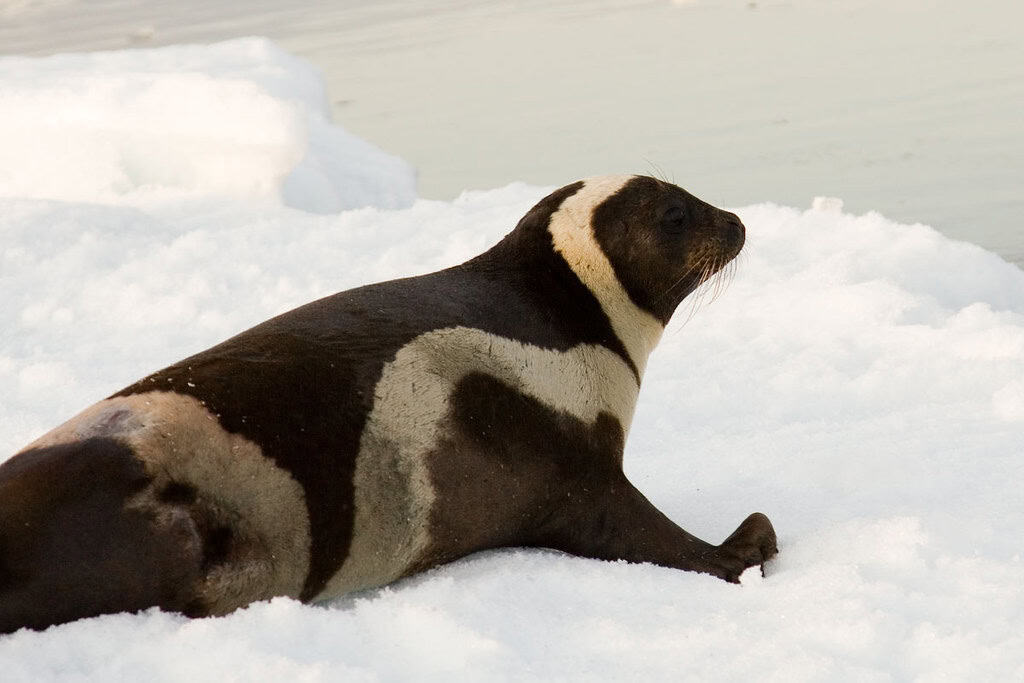
Ribbon seals are among Alaska’s most distinctive and rarely seen marine mammals, instantly recognizable by their striking black and white banded pattern that resembles ribbons wrapped around their bodies. These medium-sized seals measure 4-5 feet in length and weigh between 150-200 pounds, with males displaying more pronounced ribbon markings than females. Their unique appearance and preference for pack ice environments make them one of the most prized sightings for wildlife enthusiasts exploring Alaska’s Arctic waters.
These remarkable seals are perfectly adapted to life in Alaska’s ice-covered seas, using their powerful flippers to navigate through frozen landscapes and their excellent diving abilities to hunt for fish, squid, and crustaceans beneath the ice. Ribbon seals are considered indicator species for Arctic climate change, as their dependence on sea ice makes them particularly vulnerable to environmental changes. Their elusive nature and specific habitat requirements make encounters with these beautiful creatures truly special and memorable experiences.
Spotted Seals
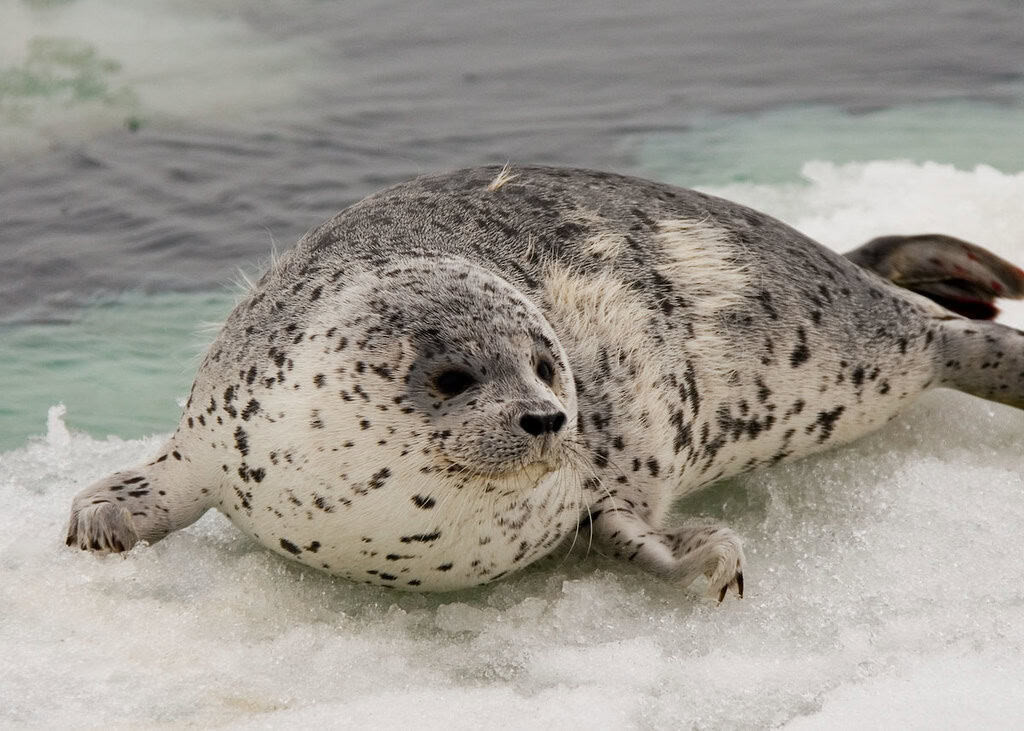
Spotted seals are charming marine mammals distinguished by their distinctive dark spots scattered across their light-colored coats, creating a pattern that’s unique to each individual. These medium-sized seals typically measure 4-6 feet in length and weigh between 200-250 pounds, with their spotted pattern becoming more pronounced as they mature. Their preference for ice-associated environments and shallow coastal waters makes them occasional sightings during Alaska cruises, particularly in areas where sea ice is present.
These adaptable seals are skilled hunters that feed on a variety of prey including fish, squid, and crustaceans, often diving to depths of up to 1,000 feet during foraging trips. Spotted seals are known for their strong maternal bonds, with mothers nursing their pups on ice floes for several weeks before the young seals become independent. Their importance as subsistence resources for Alaska Native communities highlights the cultural significance of these marine mammals in addition to their ecological role.
Bearded Seals
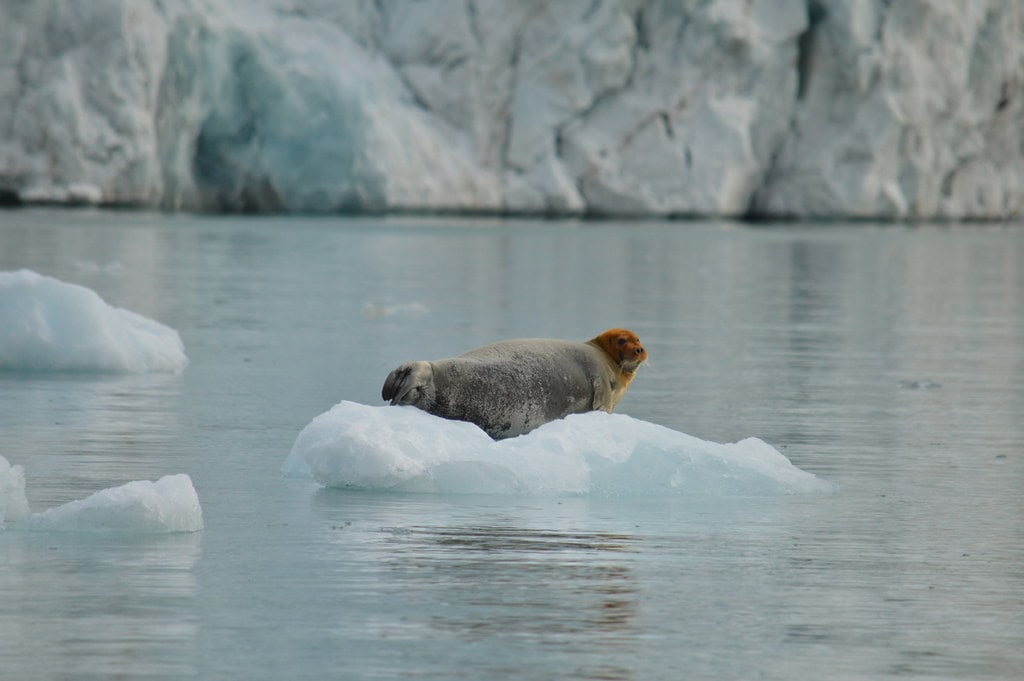
Bearded seals are Alaska’s largest true seals, reaching lengths of up to 8 feet and weighing as much as 800 pounds, with their most distinctive feature being the prominent whiskers or “beard” that gives them their name. These impressive marine mammals use their sensitive whiskers to locate prey on the ocean floor, primarily feeding on clams, crabs, and other bottom-dwelling invertebrates. Their square-shaped flippers and robust build make them perfectly adapted to life in Alaska’s Arctic waters.
These remarkable seals are known for their haunting underwater songs, with males producing complex vocalizations during breeding season that can be heard for miles underwater. Bearded seals prefer areas with moving pack ice, using ice floes as platforms for resting, giving birth, and nursing their young. Their thick blubber layer and excellent diving abilities allow them to reach depths of over 1,600 feet while foraging for food, making them important predators in Alaska’s Arctic marine ecosystem.
Ringed Seals
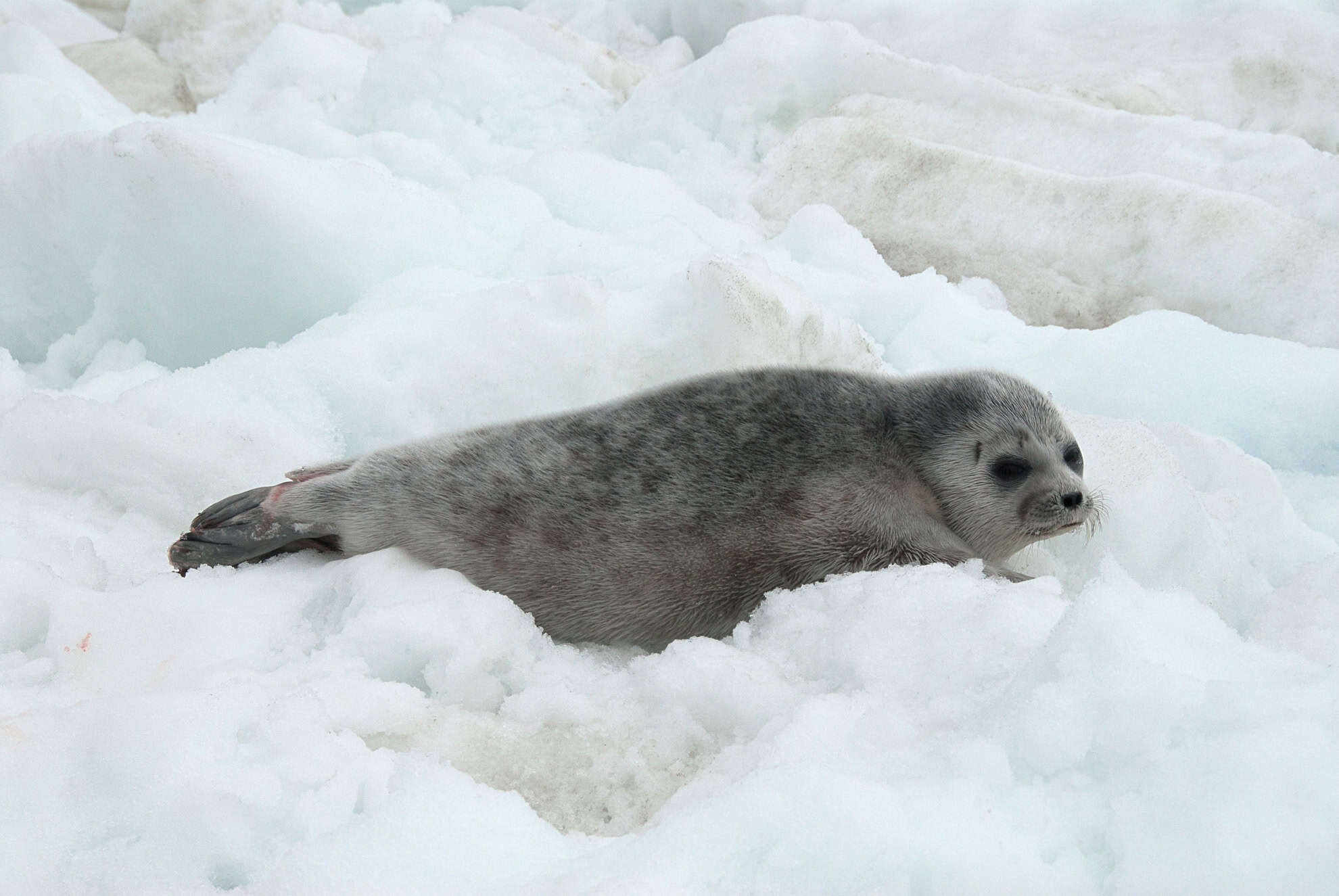
Ringed seals are Alaska’s smallest and most numerous seal species, measuring only 3-5 feet in length and weighing between 110-150 pounds. These compact marine mammals are named for the distinctive light-colored rings that pattern their dark gray coats, creating a unique appearance that helps them blend with their icy environment. Their small size and excellent swimming abilities make them important prey species for polar bears and killer whales in Alaska’s Arctic ecosystem.
These remarkable seals are perfectly adapted to life in Alaska’s ice-covered waters, using their strong claws to maintain breathing holes in thick sea ice throughout the winter months. Ringed seals are capable of diving to depths of over 300 feet and can remain underwater for up to 45 minutes while hunting for fish, crustaceans, and squid. Their ability to create and maintain breathing holes in ice makes them one of the most ice-adapted seal species, allowing them to survive in environments where other marine mammals cannot.
Sea Otters

Sea otters are Alaska’s most charismatic marine mammals, known for their playful behavior, incredible tool use abilities, and crucial role in maintaining healthy kelp forest ecosystems. These skilled hunters measure 4-5 feet in length and weigh between 60-90 pounds, with the densest fur of any mammal on Earth containing up to one million hairs per square inch. Their adorable habit of floating on their backs while cracking open shellfish with rocks makes them instant favorites among cruise passengers.
Alaska’s waters host significant populations of sea otters, particularly along the southeastern coast and Aleutian Islands, where they play a vital role as keystone species in marine ecosystems. These remarkable creatures consume up to 25% of their body weight daily, primarily feeding on sea urchins, clams, crabs, and other marine invertebrates. Their recovery from near extinction due to fur trade hunting represents one of conservation’s greatest success stories, though some populations continue to face challenges from climate change and human activities.
Conclusion
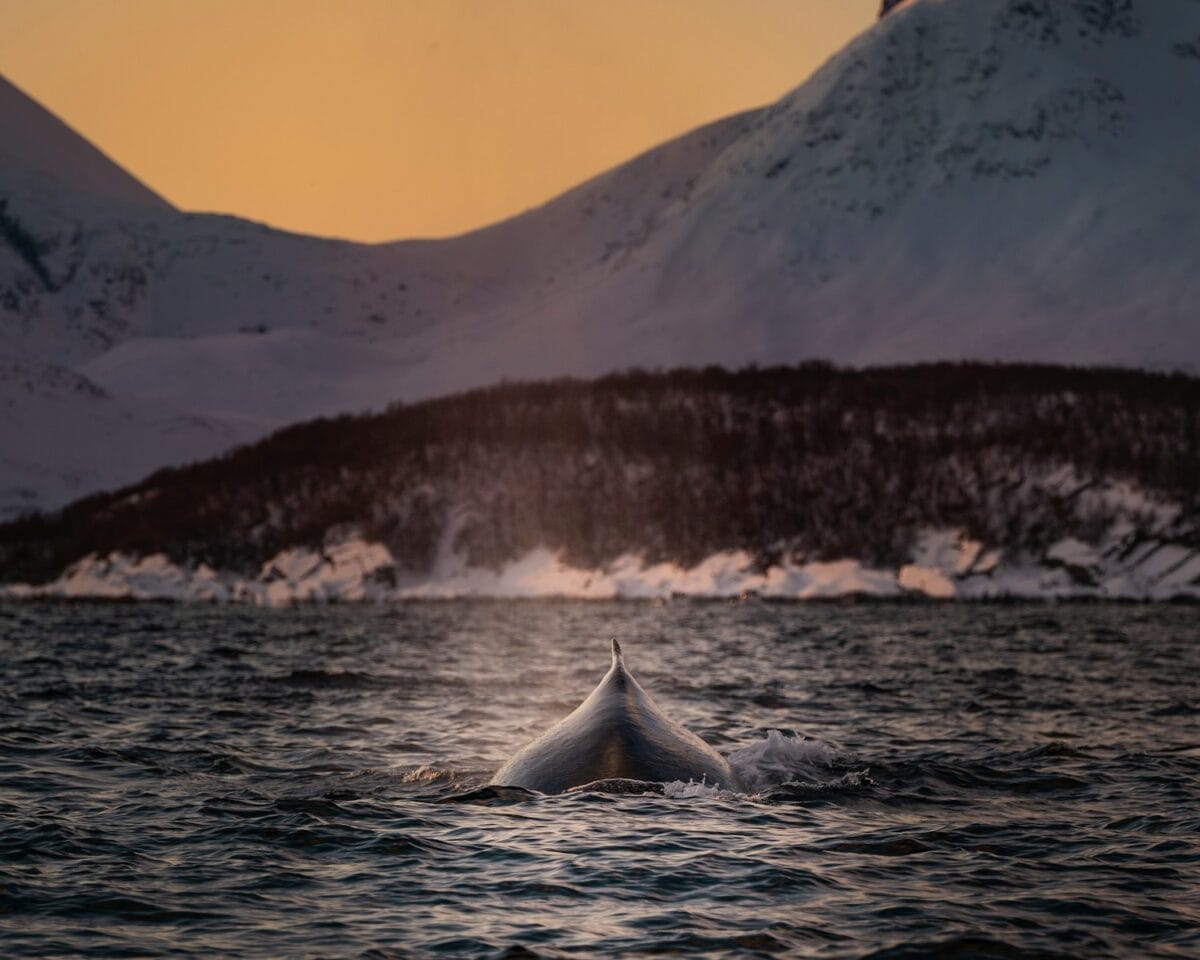
Alaska’s waters offer an unparalleled opportunity to witness some of the ocean’s most magnificent creatures in their natural habitat. From the thunderous breach of a humpback whale to the playful antics of sea otters, each encounter creates memories that last a lifetime. These marine giants serve as ambassadors for ocean conservation, reminding us of the incredible diversity and fragility of our planet’s marine ecosystems. The next time you find yourself on the deck of an Alaska cruise ship, remember that you’re witnessing millions of years of evolution perfectly adapted to one of Earth’s most challenging environments.
What would you have guessed about the sheer diversity of life thriving in Alaska’s seemingly harsh waters?

- 12 Eagle Habits That Impress (And 3 That Surprise) Scientists - July 17, 2026
- Barry the St. Bernard: The Original Rescue Dog - July 17, 2026
- 10 Things Komodo Dragons Use Their Tongue For — And 3 Myths That Aren’t True - July 16, 2026