

You watch your cat drift into another nap at 9 p.m. and figure that’s basically it for the night. Lights off, human asleep, cat asleep – case closed. Except motion-tracking cameras and night-vision footage tell a very different story: many house cats log more activity between midnight and 4 a.m. than they do during the entire afternoon.
They patrol. They chirp at things that aren’t there. They stare at empty corners for way too long. And when researchers who study feline behavior for a living get asked to explain some of it, more than a few just shrug. If your cat turns into a small, unreadable stranger after dark, you’re not imagining it – and what’s actually happening is stranger than most owners realize.
#1 – The Midnight “Zoomies” Marathon

Cat owners call it the “zoomies,” but behaviorists still don’t fully agree on why it happens. Many cats explode into sudden, high-speed sprints around the house in the dead of night, often at almost the exact same time every evening. They’ll ricochet off furniture, tear down the hallway, and skid across the floor like their life depends on it.
No clear trigger is visible. No sound, no obvious fear, no toy. Just instant chaos. One theory is that these nighttime marathons are your cat’s built-in “hunting simulation,” burning off energy their domesticated life doesn’t naturally use. Another camp argues it’s a stress-release valve or a way to reset their internal clock. The weird part? Even cats in highly enriched, active homes still get the zoomies.
#2 – Silent Hallway Patrols Like Tiny Security Guards

Many people wake up to find their cat nowhere near the bed – not because they’re sleeping elsewhere, but because they’re actively patrolling. With night-vision cameras, owners regularly catch their cats walking the same routes through the house over and over, almost like they’re doing security checks.
Some will loop the same doorway or window every 15–20 minutes for hours. Biologists suspect this is territory-monitoring behavior: even “indoor only” cats seem to behave as if invisible intruders might breach their land at any time. Yet in a small number of cats, the pattern doesn’t match any obvious territorial logic. They guard random corners, chair legs, or blank walls, sitting in the hallway facing a door for long stretches, as if waiting for something only they can sense.
#3 – Staring Into “Nothing” for Uncomfortable Amounts of Time
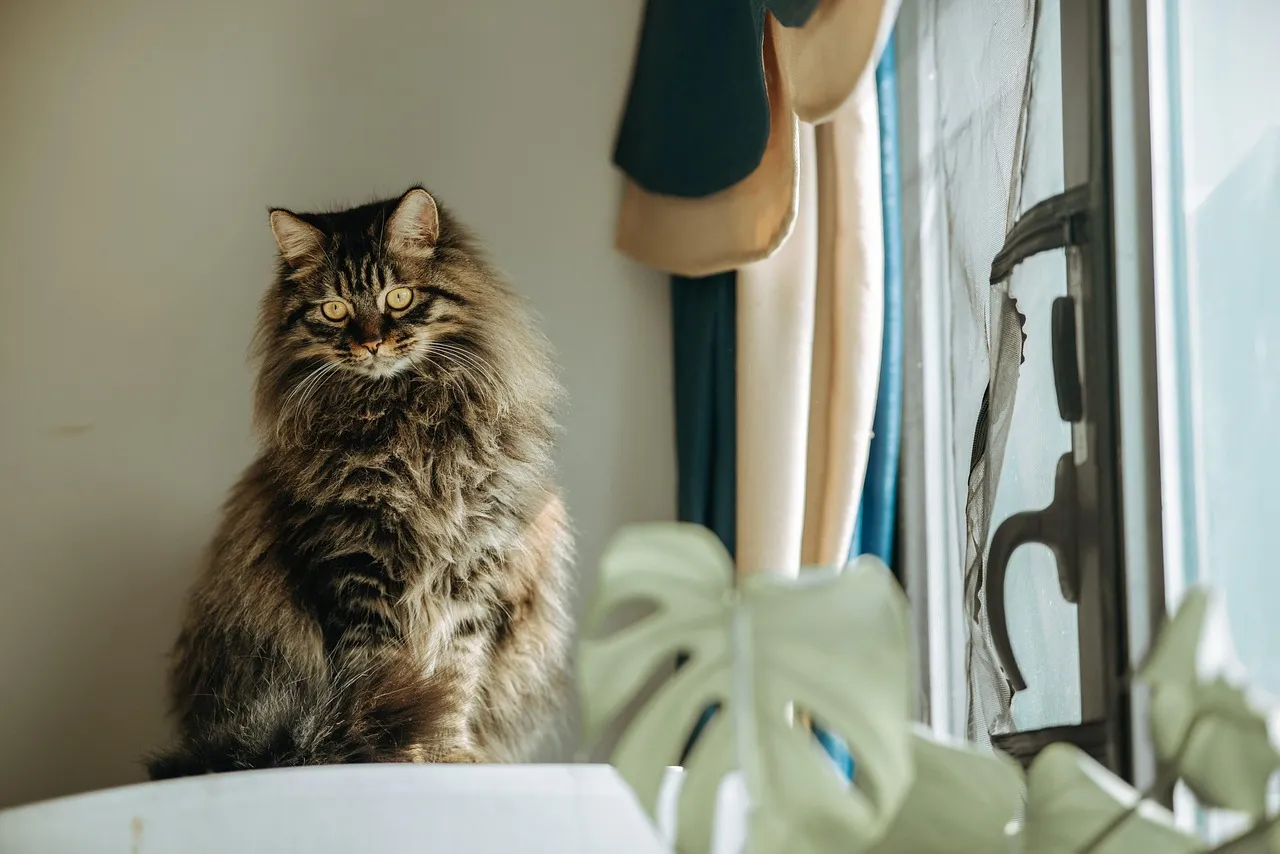
You’ve seen it: the cat stops mid-step and stares at a random spot – a corner, a ceiling, an empty chair – utterly locked in. No sound. No movement. Just an intense, unblinking gaze.
Owners often report their cats doing this at the exact same time every night, in the exact same place. That pattern is what really bothers researchers. The easy explanation is that cats hear ultra-high-frequency noises or catch tiny insect movements our senses miss entirely. But in controlled, near-silent rooms, some cats keep doing it anyway, which has a few ethologists cautiously floating something stranger: a kind of internal “daydreaming” or micro-predator rehearsal, almost like visualizing a hunt that isn’t happening.
Fast Facts
- Cats can detect sound frequencies up to roughly 64,000 Hz, far beyond the human ceiling of about 20,000 Hz.
- Whiskers are packed with nerve endings sensitive enough to register tiny shifts in air currents.
- A cat’s peripheral vision spans nearly 200 degrees, noticeably wider than a human’s field of view.
- Cats are naturally crepuscular, meaning their bodies are wired for peak alertness at dawn and dusk.
#4 – Hunting Invisible Prey in the Dark
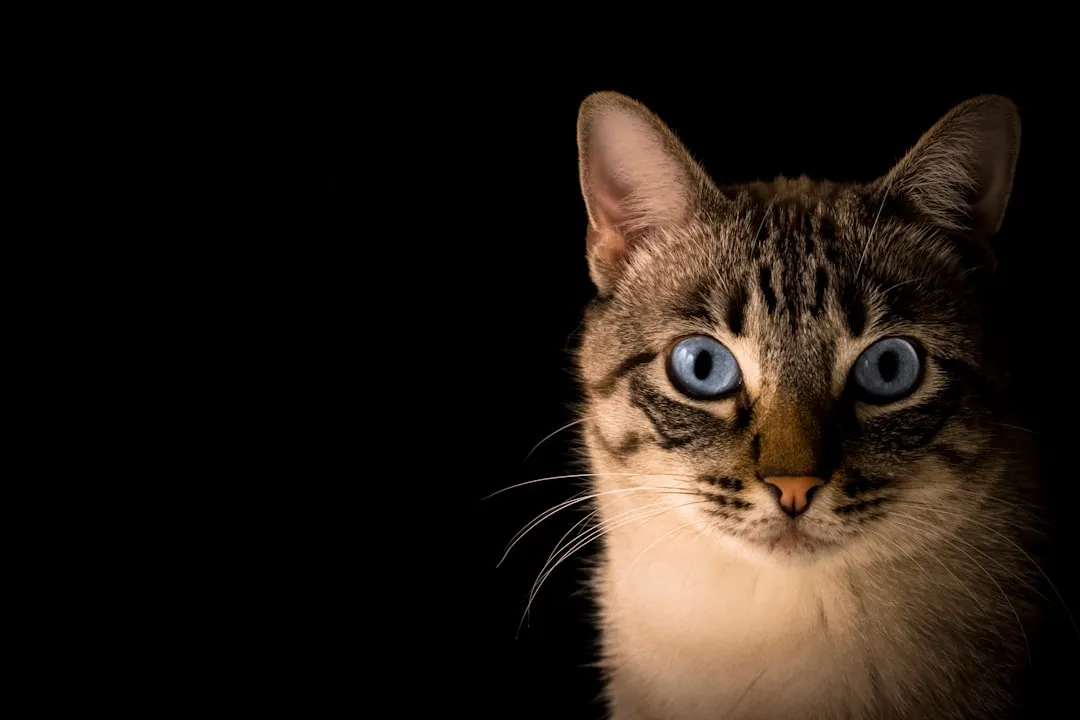
Plenty of cats play “hunt” with toys during the day. At night, some take it to a different, frankly unnerving level. People catch their cats stalking, pouncing, bunny-kicking, and carrying – absolutely nothing. No toy. No bug. Just air.
Owners report the classic “shake and kill” behavior targeted at invisible prey, complete with the final victory trot. The standard answer is practice – a deeply wired routine that keeps predatory skills sharp with no real target. But some cats appear to “track” this imaginary prey around furniture for minutes at a time, pausing as if something just moved. A few neurologists wonder if it’s closer to REM-sleep behavior leaking into a fully awake cat.
#5 – The 3 A.M. Bedroom Recon Missions

Cats don’t just wake you up for food. Night-vision footage shows many cats entering their humans’ bedrooms repeatedly, even when they don’t try to interact. They’ll approach the bed, sniff the sleeper, sit and watch for a bit, then quietly leave – only to come back 20–30 minutes later.
Some cats do this for hours with machine-like regularity. Popular internet wisdom says they’re “checking if you’re still alive,” and a few behaviorists admit there might be a grain of truth to it. Cats are highly sensitive to breathing patterns, body temperature, and tiny movements, so it’s possible they’re monitoring their main resource – you – the way they’d watch a den or water source in the wild.
#6 – Random Nighttime Vocal Concerts With No Clear Audience

Anyone who’s lived with a vocal cat knows the sound of a sudden, echoing yowl at 2 a.m. Not all nighttime voices are the same, either: some cats meow conversationally, others howl, and others chirp or trill in long, eerie sequences.
In multi-cat households, cameras often show one cat “performing” these sounds alone, with zero visible response from the others. Common explanations cover mating calls, cognitive decline in older cats, and simple attention-seeking. But younger, healthy, well-stimulated cats do it too, even when no one ever rewards it. One theory is that it’s a territorial broadcast to animals outside we can’t sense; another is that it’s self-soothing, using sound to regulate their own stress. Nobody has one clean answer that covers every cat.
#7 – Toy Arranging and “Gift” Rituals While You Sleep

Many owners wake up to find toys carefully placed in specific locations: at the bedroom door, in a shoe, on the pillow. Security cameras make it clear this isn’t random. The cat often chooses the same object and the same spot, carrying it there repeatedly over many nights.
Some cats even vocalize loudly while transporting the toy, then go silent as soon as it’s “delivered.” The mainstream explanation is that these are hunting trophies, a domesticated echo of dropping a dead mouse at your feet. That doesn’t fully explain the cats who build elaborate toy piles in one room, or the ones who stash items in hidden corners like buried prey. A few behaviorists suspect a mix of maternal instinct and resource-hoarding – but why one specific ratty plush becomes sacred is still a mystery.
Worth Knowing
- Wild cat mothers bring live or injured prey back to the den so kittens can practice killing it themselves.
- Domestic cats often direct “gifting” behavior toward their favorite person, treating them like part of the family unit.
- Many cats show a clear object preference, returning to the same toy for weeks or even months at a time.
- Caching surplus food or prey for later is a documented survival habit in wild feline species.
#8 – The Sudden, Intense Window Stakeouts
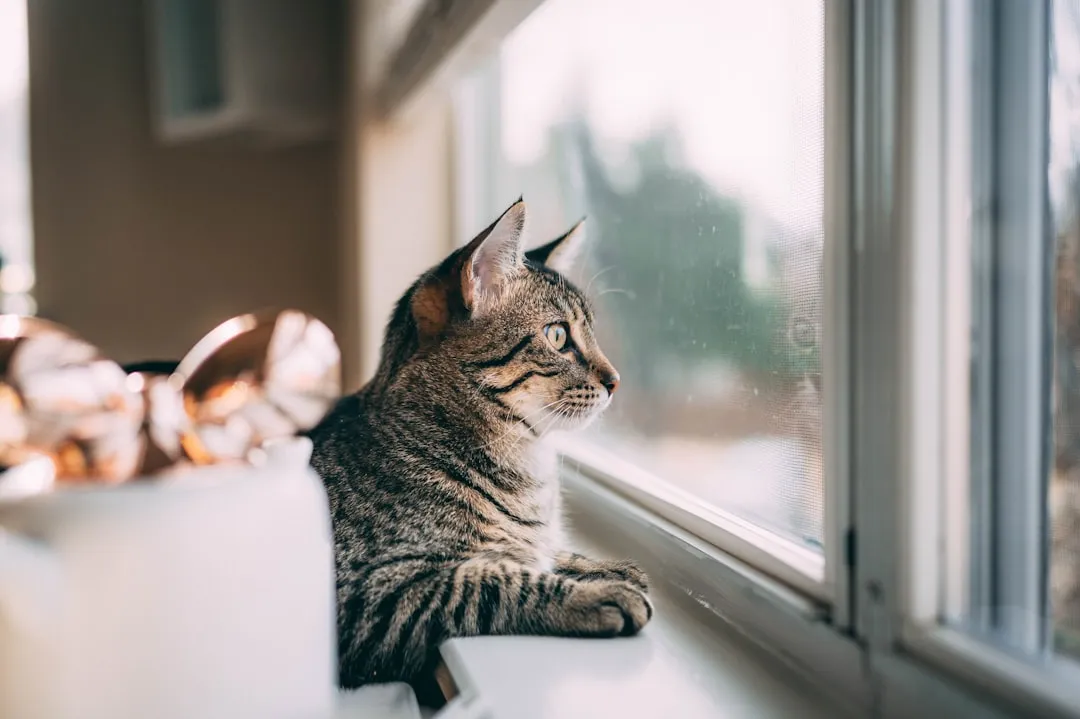
You close the curtains, the world goes dark, and then your cat launches themselves at the window and glues their face to the glass. For the next hour, they’re laser-focused on the outside world. Sometimes there’s an obvious trigger – a moth, a raccoon, a passing car. But not always.
Owners report cats holding rigid window stakeouts even in quiet, high-rise apartments 20 floors up. Cats have excellent low-light vision, so it could be distant motion we simply can’t detect. But in several small observation studies, cats maintained this vigil for long stretches with no measurable stimulus at all, leading some experts to a quieter theory: the stakeout might be the closest thing an indoor cat has to being wild again.
#9 – Mysterious Wall Scratching and Floor Digging
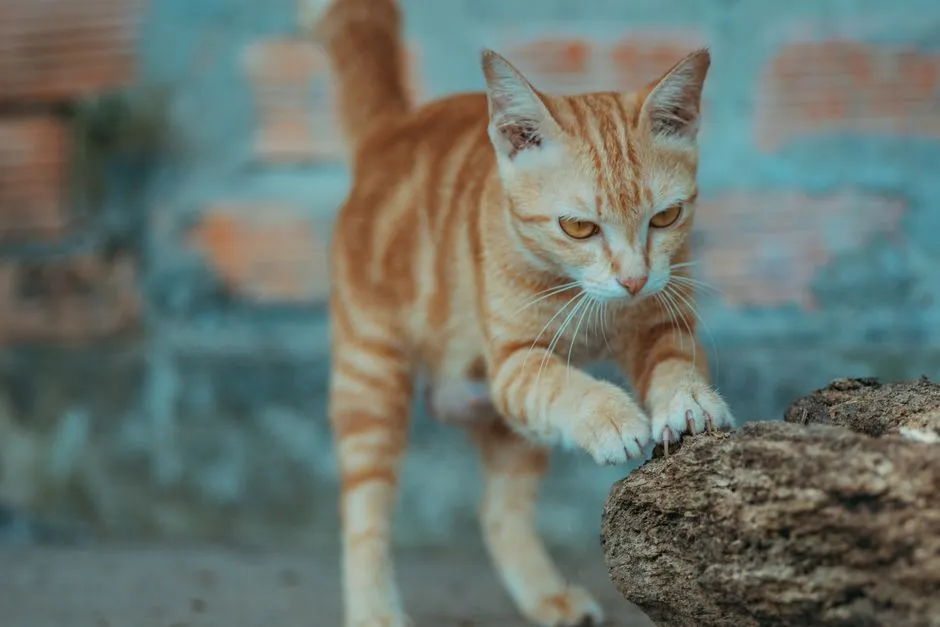
If your cat starts “digging” at the carpet, scratching walls, or pawing obsessively at one specific spot at night, you’re not alone. Videos show cats working the same area for weeks, even months, as if convinced something is buried underneath.
Inspections usually reveal absolutely nothing. No nests, no pests, no structural issues. The basic theory is instinct – in the wild, cats dig to bury food or cover their scent, and indoors that urge misfires into carpet or drywall. What baffles researchers is the persistence: why that one spot, and why only at night? Some suspect hidden smells like old plumbing leaks; others float a more unsettling idea – that this is a self-reinforcing compulsion, not unlike a nervous habit in humans.
#10 – Sleeping in New, Bizarre Places Only After Dark
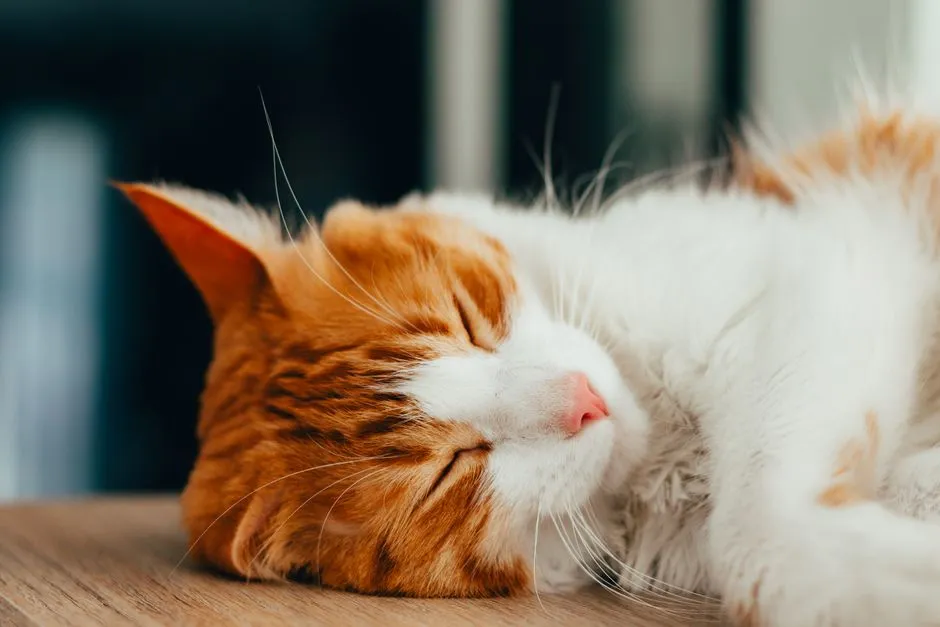
During the day, your cat claims the same safe spots – a favorite chair, the sunny window, your lap. At night, some cats suddenly switch to much stranger locations: the bathtub, the sink, the top of a wardrobe, a pile of crinkly grocery bags.
Owners report that these “night nests” can change every few days, with no obvious pattern. Temperature explains part of it – cool tile, high vantage points, prey-like plastic sounds. But not all of it fits: some cats choose to sleep pressed against buzzing electronics or in exposed, noisy areas, which contradicts everything we know about typical feline safety preferences. Right now, the leading theories about “rotating territory markers” or mental safety maps are mostly educated guesswork.
#11 – Synchronizing With Human Sleep Cycles (On Purpose?)
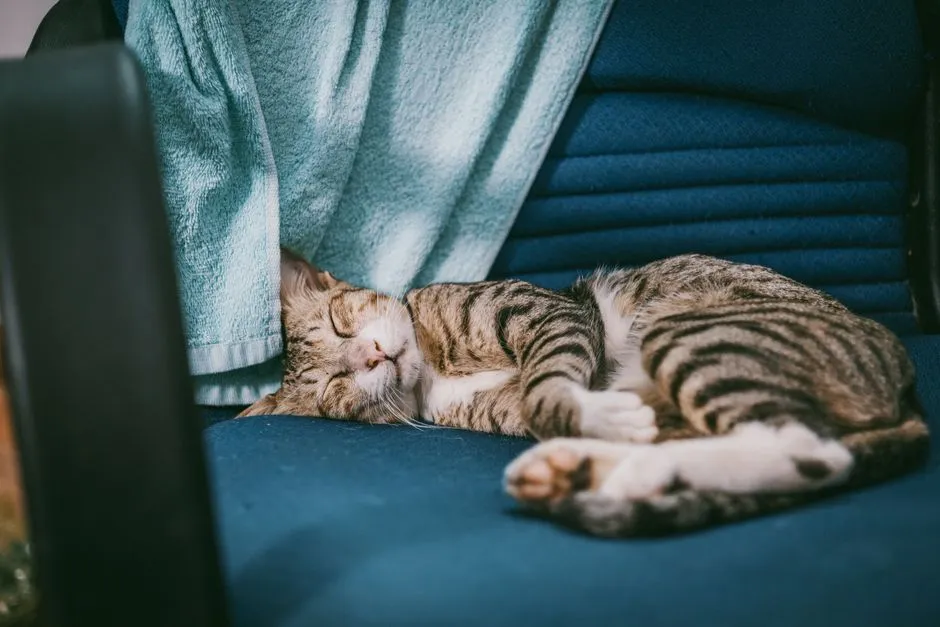
Here’s something most people don’t realize: studies show many indoor cats gradually adjust their activity to partially match their humans, even though their biology skews crepuscular – most active at dawn and dusk, not midnight.
Some cats seem to “check” their human’s sleep stages and alter their own behavior accordingly. Owners describe cats going quiet when a human first falls asleep, then becoming active again during the lighter, more restless phases before dawn. A few researchers suspect cats are responding to subtle shifts in our breathing and movement. Are they trying not to wake their food source, or timing their own wake-up calls for when we’re easiest to rouse? There’s no consensus, and real-home studies on this are surprisingly rare.
At a Glance
- Wild and feral cats are typically crepuscular, most active around dawn and dusk rather than deep night.
- Indoor cats often shift their activity toward their owner’s schedule gradually, over weeks of cohabitation.
- Adult cats average 12 to 16 hours of sleep a day, but it’s split into many short cycles, not one long stretch.
- Cats can pick up on subtle human cues like changes in breathing and body movement during sleep.
#12 – Midnight Grooming Sessions That Border on Obsessive

Cats groom all the time, but for some, the most intense self-cleaning sessions happen in the middle of the night. With cameras, owners catch them locked into 20- to 40-minute grooming spirals, licking the same areas over and over.
In a few cases, the timing is incredibly consistent – sometimes down to the minute each night. Grooming is clearly tied to hygiene and temperature regulation, but this level of ritual regularity looks like something more. Some vets believe these sessions are a form of self-medication, since licking releases calming endorphins. Others worry it can signal early anxiety or skin sensitivity. Nobody has a solid answer for why the most intense grooming so often waits for the quietest, darkest hours.
#13 – Quiet “Shadowing” of Other Pets Who Often Don’t Notice

In multi-pet homes, night cameras reveal a strange behavior most people never witness: one cat shadowing another animal at a distance like a tiny detective. They follow the dog to the water bowl, trail a fellow cat down the hall, then sit just out of sight while the other animal rests.
This can go on for hours, with no obvious payoff – no play, no attack, no affection. The obvious answer is predatory instinct, but the restraint is what fascinates researchers, since these sessions rarely escalate into pouncing the way daytime stalking does. Some experts think cats are quietly building a mental model of every other creature’s routines and weaknesses in the house. It supports a growing, slightly unsettling idea: cats track far more social data about their household than we’ve ever given them credit for.
#14 – Sudden Housewide “Alarm” Mode for No Visible Reason
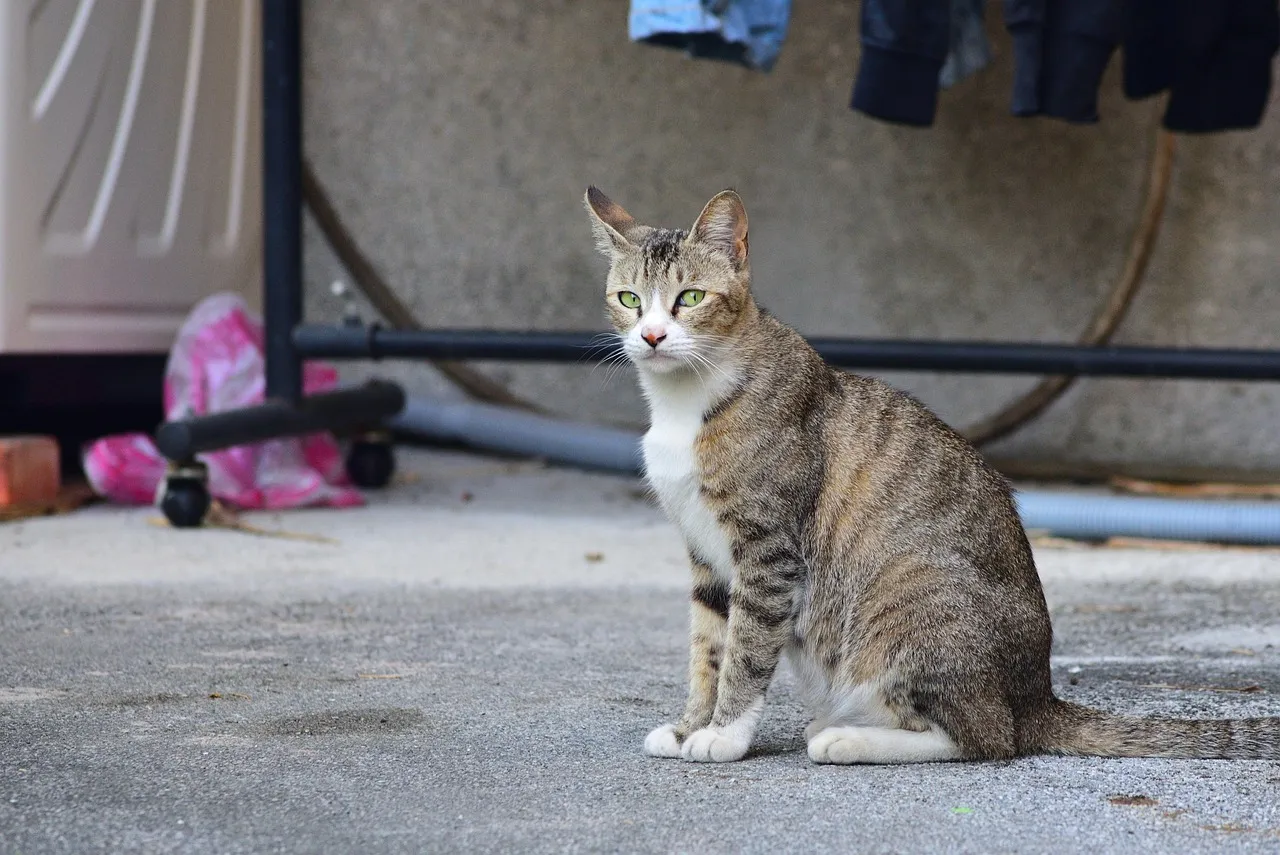
Many owners have experienced the moment their cat’s body language snaps from relaxed to high alert at night. Ears up, tail low, pupils wide. Sometimes they freeze. Other times they launch into frantic checking of windows, doors, and hallways.
In a surprising number of reports, nothing obvious triggered it – not a sound, not a shadow, not a storm. Cats can hear frequencies and detect vibrations we can’t, so distant trucks or far-off thunder are plausible explanations. But in soundproofed apartments, some cats have shown this alarm state simultaneously across different floors with no shared cue researchers can identify, fueling loose speculation about barometric pressure shifts or micro-vibrations. The one thing experts agree on: when a cat flips into alarm mode, they’re not just being dramatic.
#15 – The Strange Ritual of Nighttime Water Fascination

A lot of cats seem weirdly obsessed with water after dark. They’ll stare into full bowls, paw at the surface, or insist on drinking only from a slowly running tap at 1 a.m.
Some will ignore water all day and then take long, theatrical drinks exclusively at night, sometimes meowing at the bowl first. Freshness and instincts about moving water explain part of it, but not the strict timing. A few researchers think temperature shifts in the pipes or ambient house sounds might be the cue, while others suspect nighttime is simply when cats feel most in control of their territory, so key survival tasks like drinking happen then. It’s one of those “everyone sees it, no one has mapped it” cat mysteries.
#16 – Playing “Guard Cat” on Doorways and Stairs

Some cats position themselves in a very specific way at night: lying across doorways, sitting midway on stairs, or perching exactly where two major paths in the house intersect. They’re not always sleeping, either. They watch. They listen.
In homes with multiple humans, cameras show cats often choosing the one spot that gives them visual access to several bedrooms at once. Territorial theory makes sense here – controlling chokepoints is classic predator strategy – but it’s strange how many indoor-only cats, who’ve never hunted anything bigger than a moth, adopt the identical tactical placement. A few behaviorists frame it more warmly, as quiet family monitoring. Either way, this shows up too often to be coincidence.
Why It Stands Out
- Choosing chokepoints like stairwells or hallway junctions mirrors classic territory-control strategy seen in wild felines.
- Indoor-only cats display this positioning despite never needing to defend real ground from rivals or prey.
- The behavior often intensifies in multi-person households, hinting at a possible informal “watch duty.”
- Guard spots are usually chosen for a clear sightline to several rooms, unlike random daytime napping spots.
#17 – Secret Nightly “Rearranging” of Small Objects
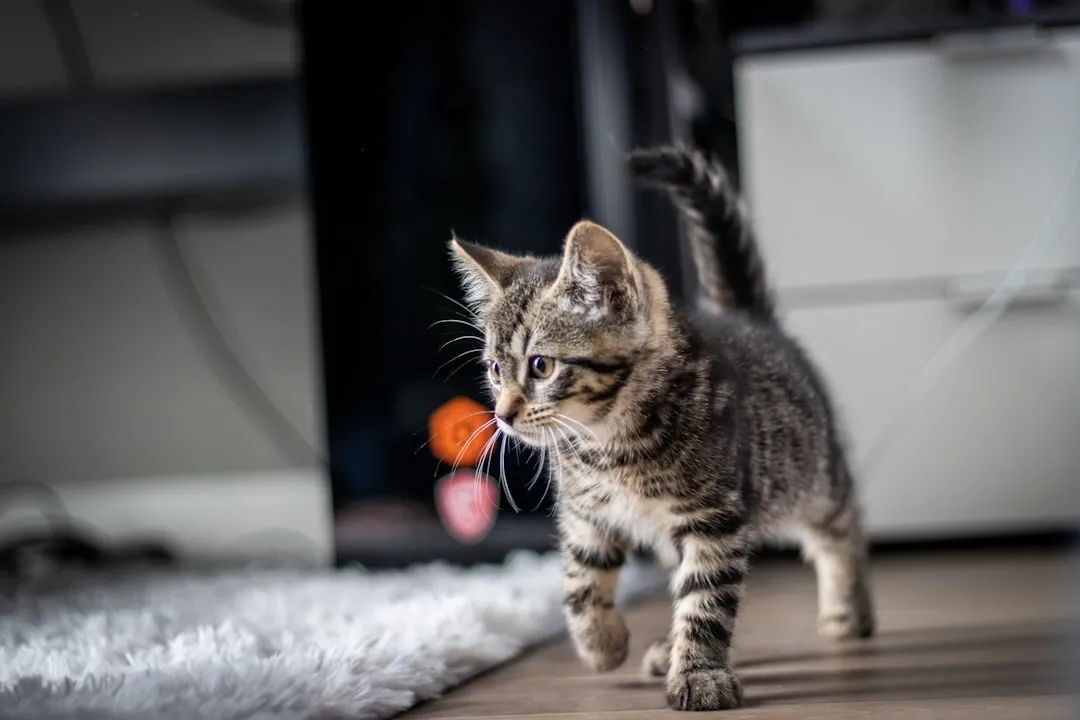
Plenty of people blame kids or partners for moved items – until they get a camera and discover the culprit is the cat. Coins, hair ties, earbuds, lip balm, tiny figurines: if it’s small enough to bat around, some cats will methodically move it at night.
They often choose a few “favorites” and relocate them to the same odd place – a shoe, under a mat, into their food area. The default explanation is play, but some of it looks almost surgical: pick up the object, walk it to a specific destination, drop it, leave. A few experts think this is a hybrid of hunting and caching behavior, treating small human objects like surrogate prey. There’s almost no formal research on it, because science hasn’t caught up to what home cameras are already documenting nightly.
#18 – Waking the Household Like It’s Their Job
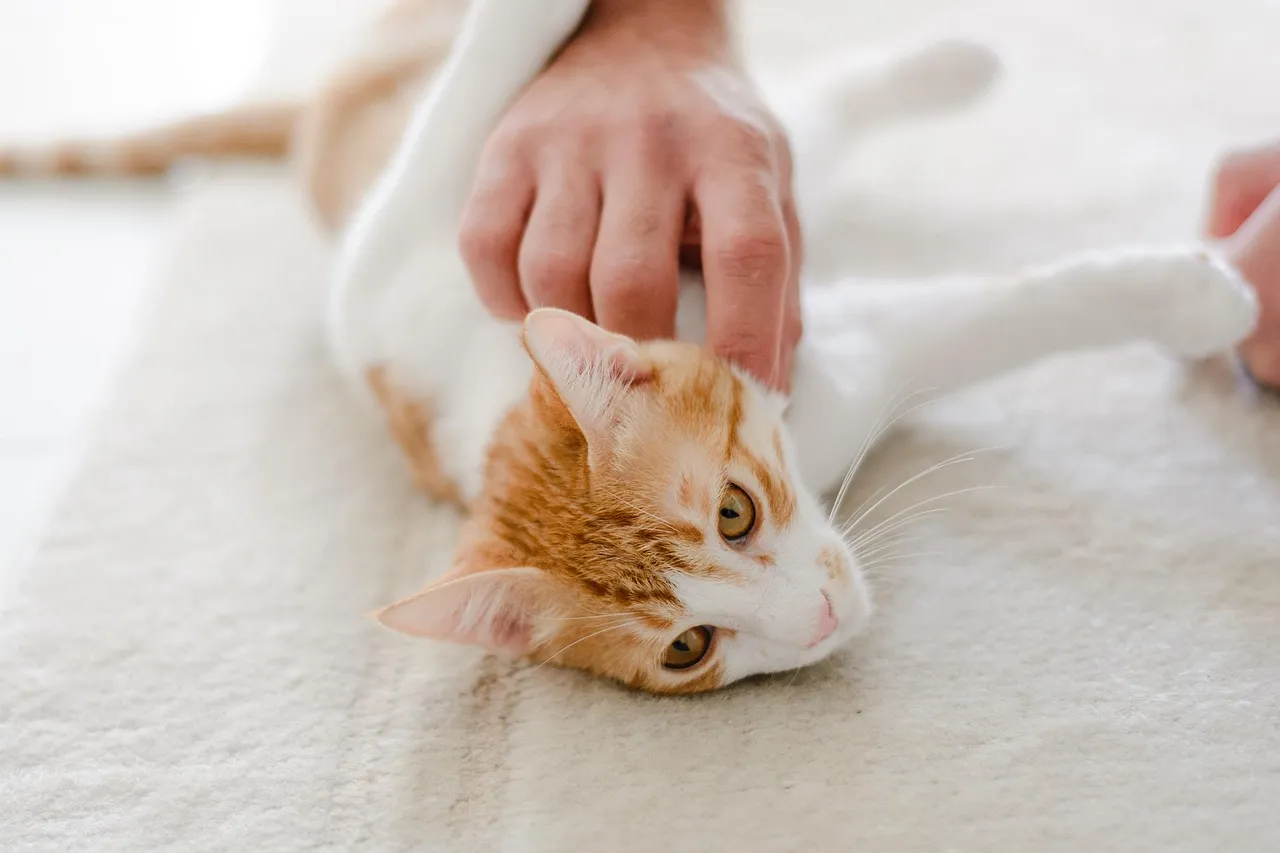
Cats waking their humans is such a common joke that people barely question it. But the pattern is stranger than most owners admit. Many cats choose very specific windows – 4:17 a.m., 5:30 a.m. – and stick to them with uncanny precision.
Even when daylight savings shifts the clock, some cats keep to their “old” schedule for a while, as if following an internal clock, not just the sunrise. The food explanation is obvious but too simple, since plenty of cats with 24/7 food access still perform these wake-up calls. Some experts think it’s about synchronizing group activity, a leftover instinct from a species that’s safer moving with others. Others suspect it’s a learned power move: once a cat realizes it can control the start of the human day, it never lets go.
#19 – The Double Life: Deep Sleep by Day, Shadow Hunter by Night

The most unsettling part isn’t any single behavior. It’s the contrast. By daylight, many cats seem almost lazy – long naps, brief bursts of play, snack, repeat. But set up a camera, and a completely different animal shows up at night: constantly moving, checking, stalking, listening.
Some cats log more miles patrolling a small apartment overnight than a person walks in an entire workday. This raises a question science hasn’t fully answered: are we underestimating how much mental work cats do to “run” a home, and mistaking exhaustion from a full night shift for boredom? A few researchers now argue that the idea of cats as low-maintenance pets is flat-out wrong, especially indoors with no outlet for these instincts. That mismatch between ancient wiring and modern living-room life may be at the root of a lot of the “problem behaviors” we quietly blame on the cat.
The Bottom Line

When you only watch a cat in daylight, you’re seeing maybe half the story. Night cameras and tracking studies quietly reveal something far less convenient: your “lazy” couch ornament is running a private world of patrols, rituals, and mysteries you never witness.
There are two means of refuge from the miseries of life: music and cats.
Albert Schweitzer
From midnight zoomie circuits to eerie hallway vigils and invisible prey hunts, a lot of a cat’s most intense, least-understood behaviors happen after you go to bed. And yes, even the experts admit they don’t have all the answers.
The uncomfortable truth? We’ve domesticated cats without ever really decoding them. We treat their nighttime habits as cute quirks instead of the clues they probably are. My take: we’re not overreading harmless antics – we’re underestimating an animal that’s been quietly outsmarting us in the dark for thousands of years, and calling it a nap.

- What Cats Really Do at Night Will Surprise You 19 Behaviours Researchers Still Cannot Explain - August 9, 2026
- 18 American Places Park Rangers Say Almost Nobody Visits That Genuinely Deserve Far More Attention - August 9, 2026
- 17 Dog Breeds Breeders Say Are Slipping Away So Quietly That Almost Nobody Has Noticed Yet - August 9, 2026