

The death of a whale in the vast expanse of the ocean sets in motion a remarkable sequence of ecological events that ripple through marine ecosystems for decades. These massive marine mammals, which can weigh up to 200 tons in the case of blue whales, transform from majestic ocean navigators to vital resources that sustain countless organisms in their afterlife. Far from being merely a sad ending, a whale’s death represents one of nature’s most extraordinary recycling systems and plays a crucial role in marine biodiversity and carbon sequestration. This article explores the fascinating journey of a whale carcass from the moment of death through its various stages of decomposition and the profound ecological significance of these events.
The Initial Stages of a Whale’s Death

When a whale dies, its massive body typically doesn’t immediately sink to the ocean floor. Instead, the carcass often floats for several days or even weeks. This occurs because decomposition processes quickly generate gases that become trapped in the whale’s tissues and body cavities, creating buoyancy. During this floating phase, scavengers like seabirds, sharks, and fish begin to feed on the accessible parts of the carcass. Occasionally, currents and winds may drive floating whale carcasses to shore, creating what scientists call “whale falls” on beaches rather than in the deep sea. The duration of this floating period varies significantly depending on water temperature, the whale species, and its physical condition at the time of death, but typically lasts until decomposition releases enough of the trapped gases for the carcass to lose buoyancy.
The Journey to the Deep

Eventually, as decomposition progresses and gases escape, the whale carcass loses its buoyancy and begins its descent to the ocean floor. This sinking journey can span hundreds or even thousands of meters depending on where the whale died. The speed of descent varies but generally takes only a matter of hours. As it sinks, the carcass continues to attract scavengers and creates what scientists poetically call a “whale fall.” This term describes not just the physical descent but the entire ecological phenomenon that follows when a whale’s body reaches the seafloor. The impact site creates a localized ecosystem that can flourish for up to 50-100 years in the case of large whale species, making it one of the longest-lasting single-organism contributions to deep-sea ecology.
The Mobile Scavenger Phase
When a whale carcass settles on the ocean floor, it enters what scientists identify as the first of three main ecological stages: the mobile scavenger phase. This initial period is characterized by a feeding frenzy as opportunistic marine scavengers rapidly consume the whale’s soft tissues. Large deep-sea sharks, hagfish, sleeper sharks, and ratfish are among the first to arrive, detected through chemical signals that can travel kilometers through water. These efficient scavengers can strip a whale’s flesh down to the skeleton in a matter of months, sometimes as quickly as 4-6 months for smaller whale species. During this phase, the concentration of scavengers around the whale fall can be 10,000 to 40,000 times higher than the surrounding seafloor areas, creating a temporary hotspot of activity and nutrient cycling in the typically sparse deep-sea environment.
The Enrichment Opportunist Phase

After the mobile scavengers have consumed most of the whale’s soft tissue, the carcass enters its second ecological stage: the enrichment opportunist phase. During this period, which can last from months to years, the focus shifts to the breakdown of the whale’s bones and remaining tissues. The skeleton and surrounding sediments become saturated with lipids (fats) that have leached from the whale’s bones, creating an environment rich in organic matter. This attracts dense populations of opportunistic worms, crustaceans, and mollusks that feed on the enriched sediment. Scientists have documented over 200 different macrofaunal species during this phase, many of which are rarely found elsewhere in the deep sea. This stage effectively transforms a small patch of the ocean floor into an oasis of life in what is otherwise often a nutrient-poor environment.
The Sulfophilic Stage

The third and longest-lasting ecological phase of a whale fall is the sulfophilic stage, which can persist for decades. During this remarkable period, specialized bacteria colonize the whale’s bones and break down lipids stored in the skeleton, particularly in the vertebrae and ribs which contain the highest fat content. This bacterial decomposition process creates hydrogen sulfide, which supports chemoautotrophic organisms that derive energy from chemical reactions rather than sunlight. These bacteria form the base of a unique food web that includes specialized species found nowhere else in the ocean, such as the bone-eating Osedax worms (commonly called “zombie worms”) that drill into and digest whale bones. The sulfophilic stage can sustain life for up to 50 years for large whale species, making whale falls some of the longest-lasting localized ecosystems in the deep ocean.
The Reef Stage
Beyond the three primary ecological phases, some researchers recognize a fourth stage: the reef stage. As the whale skeleton becomes increasingly depleted of organic matter, it transforms into a hard substrate that provides habitat for suspension feeders and other organisms that prefer hard surfaces to the surrounding soft sediments of the deep sea. Creatures like deep-sea corals, anemones, and sponges may attach to the whale bones, creating a skeletal reef that supports a different community of organisms than the earlier stages. This final phase can extend the ecological impact of a whale fall for additional years or even decades. The hard calcium phosphate structure of whale bones degrades very slowly in the cold, high-pressure environment of the deep sea, allowing them to serve as both habitat and a slow-release source of nutrients long after the more readily accessible organic materials have been consumed.
Biodiversity Hotspots

Whale falls create extraordinary biodiversity hotspots in the deep sea, supporting specialized communities that wouldn’t otherwise exist. Scientists have documented over 400 species living exclusively on whale falls, many of which are found nowhere else in the ocean. These highly specialized organisms have evolved to take advantage of this episodic but rich food source. For instance, the Osedax genus of marine worms has evolved specialized root-like structures that penetrate whale bones to access and digest the lipids inside, while lacking mouths or digestive systems typical of other worms. Another example is the mussel Idas washingtonius, which harbors symbiotic bacteria that can metabolize the sulfides released during bone decomposition. The biodiversity supported by whale falls is so unique that some scientists consider them to be their own distinct ecosystem type, comparable to hydrothermal vents or cold seeps in terms of ecological significance in the deep sea.
Carbon Sequestration and Climate Impact

Whale falls play a surprising role in carbon sequestration and global climate regulation. When whales die and sink to the deep sea, they effectively transport carbon from surface waters to the deep ocean, where it can remain sequestered for hundreds to thousands of years. This process is known as the “whale pump” and represents a significant natural carbon sink. A single blue whale carcass can sequester approximately 33 tons of CO₂ equivalent, removing it from the atmosphere for centuries. With pre-whaling whale populations estimated to have been 4-5 times larger than today’s numbers, historical whale falls may have sequestered millions of tons of carbon annually. As whale populations recover from historic whaling, the increased frequency of whale falls could potentially help mitigate climate change by enhancing this natural carbon sequestration mechanism, highlighting the unexpected climate benefits of whale conservation efforts.
Natural vs. Human-Caused Whale Deaths
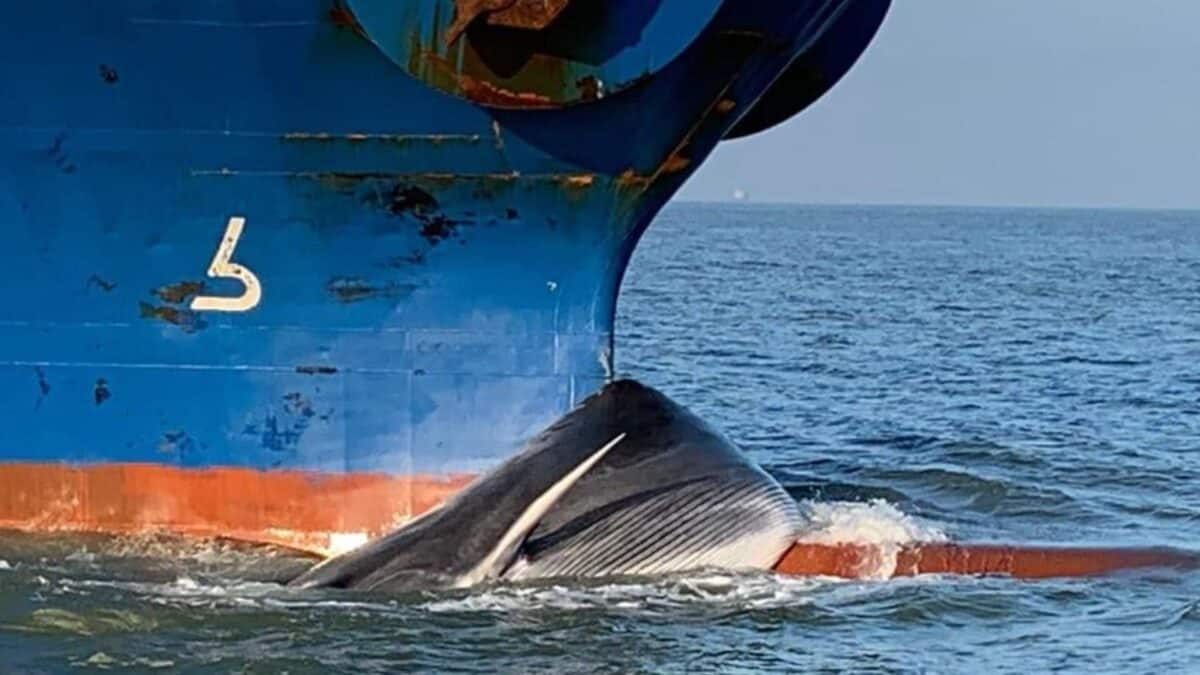
While natural whale deaths create these ecologically valuable whale falls, human-caused mortality presents different challenges. Whales that die from ship strikes, fishing gear entanglement, or other human activities may not sink in their natural habitat or may be removed from the ocean for disposal or scientific study. In many coastal areas, authorities tow floating whale carcasses out to sea or bury them on beaches to prevent public health hazards. Additionally, whales that die with high concentrations of environmental contaminants like heavy metals or persistent organic pollutants can transfer these toxins to scavengers and the whale fall ecosystem. Studies have shown that whales in industrialized regions often carry significant pollutant loads in their blubber and other tissues, which can contaminate the otherwise beneficial whale fall ecosystem. These factors mean that human-influenced whale deaths might not provide the same ecological benefits as natural mortality events in pristine environments.
Research Challenges and Discoveries

Studying whale falls presents enormous logistical challenges, as they occur unpredictably and often in remote deep-sea locations. Much of our knowledge comes from rare opportunistic discoveries or from “artificial” whale falls created by researchers who sink whale carcasses that washed ashore. The first natural whale fall was discovered only in 1987 by researchers in the submersible Alvin who serendipitously encountered a whale skeleton at 1,240 meters depth in the Santa Catalina Basin. Since then, advanced technologies like remotely operated vehicles (ROVs) and autonomous underwater vehicles (AUVs) have expanded our ability to locate and study these phenomena. Each new whale fall discovery typically yields previously unknown species, suggesting that we’ve only scratched the surface of understanding these ecosystems. In 2021, researchers identified 116 new species from just five whale falls studied in the deep waters off California, highlighting how much remains to be discovered about these extraordinary ecological events.
Cultural and Historical Perspectives

The fate of dead whales has featured prominently in human culture and maritime history. For centuries, coastal communities worldwide have utilized “drift whales” (those that wash ashore after death) as valuable resources, harvesting their blubber, meat, and bones. The practice was so economically important that laws governing the rights to stranded whales date back to medieval times in Europe. In the Faroe Islands, the discovery of a dead whale was traditionally announced by ringing church bells, while indigenous communities in the Arctic have long incorporated scavenging from natural whale strandings into their subsistence practices. The historical whaling industry also created artificial “whale falls” by discarding stripped whale carcasses at sea after processing, potentially altering deep-sea ecosystems in heavily hunted areas. Today, the management of dead whales reflects changing cultural values, with many communities choosing to respect these animals by allowing natural decomposition processes where possible, rather than viewing them primarily as resources to be harvested.
Conservation Implications

Understanding what happens when whales die has significant implications for marine conservation efforts. As whale populations slowly recover from historical whaling, the frequency of natural whale falls is increasing, potentially restoring important ecosystem functions in the deep sea. Conservation biologists now recognize that protecting living whales also means protecting the future whale fall ecosystems they will eventually create. Some marine protected areas are being designed with consideration for both surface and deep-sea processes, including the ecosystem services provided by whale falls. Additionally, the discovery that whale falls support unique biodiversity has led to increased protection for deep-sea habitats that may contain whale fall communities. In areas where whale carcasses wash ashore, many wildlife management agencies now prioritize returning them to the ocean when possible, acknowledging their ecological value rather than treating them simply as waste to be disposed of. These shifts in management practices reflect our evolving understanding of the complex ecological roles whales play throughout their entire life cycle and beyond.
Conclusion: The Circle of Marine Life
The death of a whale in the ocean represents not an end, but a transformation that supports a remarkable cascade of life for decades to come. From the moment of death through the various stages of decomposition, a single whale carcass can support hundreds of species and thousands of individuals, many of which depend exclusively on these episodic events for their survival. This natural recycling system highlights the interconnectedness of marine ecosystems and demonstrates how even in death, the ocean’s largest inhabitants continue to nurture biodiversity. As we continue to study and understand whale falls, we gain not only scientific knowledge but also a deeper appreciation for the complex ecological relationships that sustain life in the mysterious realms of the deep sea. The story of what happens when a whale dies ultimately teaches us that in nature’s economy, nothing is wasted—everything is transformed, recycled, and incorporated into the ongoing circle of marine life.

- 10 Fastest Racing Dog Breeds You Must Know - July 19, 2026
- The Story of the Arctic Fox’s Incredible Seasonal Transformation - July 18, 2026
- 10 Most Venomous Snakes in US National Parks - July 18, 2026