
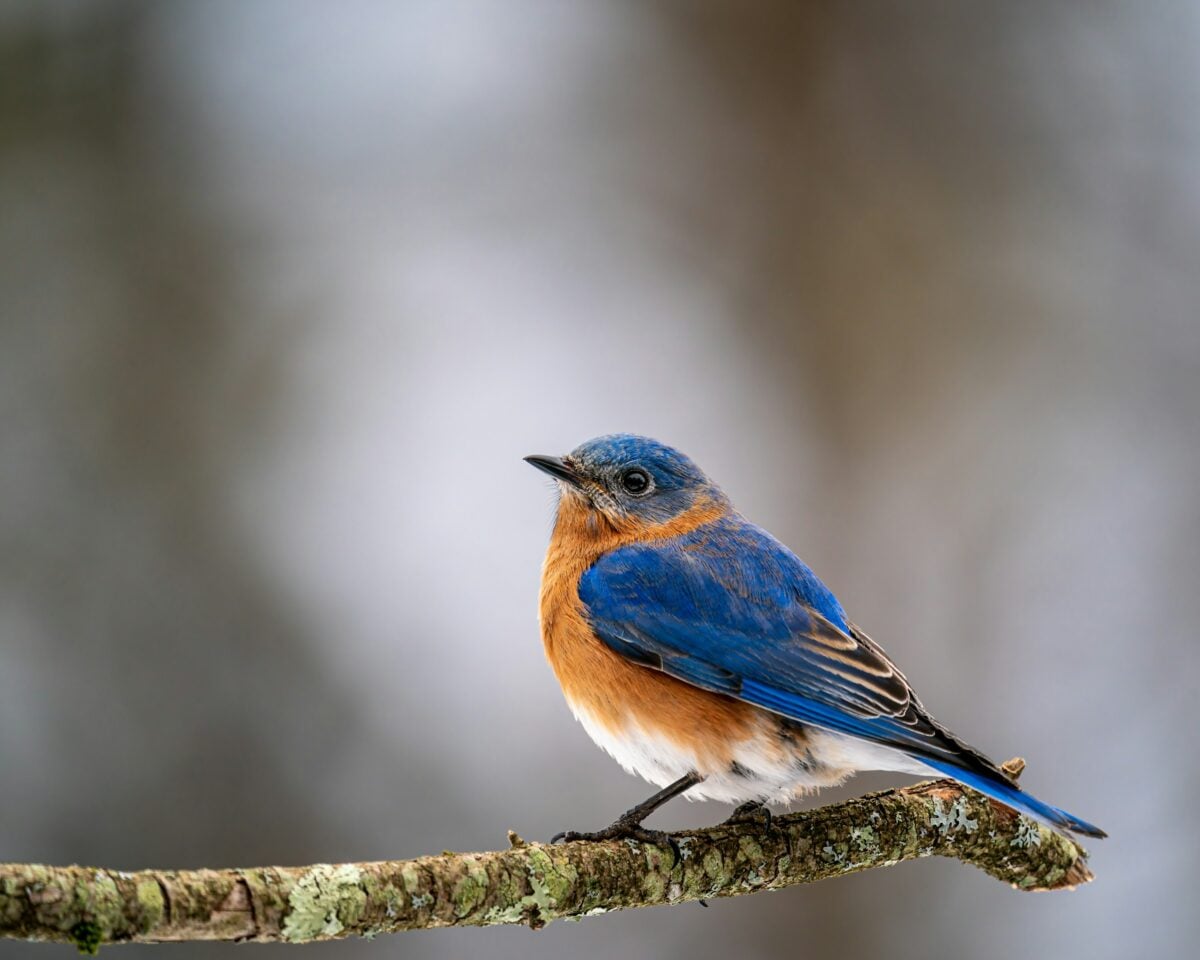
Most of us have had the small jolt of seeing a flash of blue on a fence post or bare branch in early spring. It’s brief, and it often feels like it means something. For generations of Americans, it did.
The bluebird has a long, tangled history in American storytelling, song, and superstition. Some of that history is well documented, and some of it is the kind of lore that gets passed along without a clear paper trail. Here’s what’s solid, what’s softer, and why this little bird keeps its hold on us.
A Bird Tied to Hope and Happiness
🔥 Would you like to save this?
We'll email this post to you, so you can come back to it later!
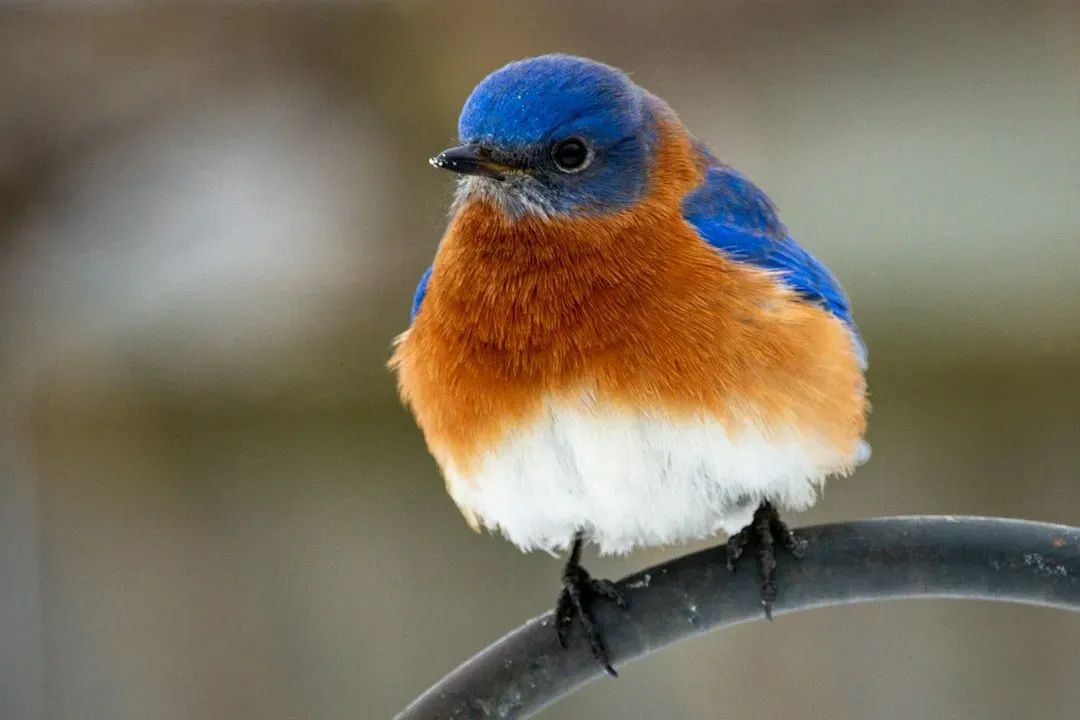
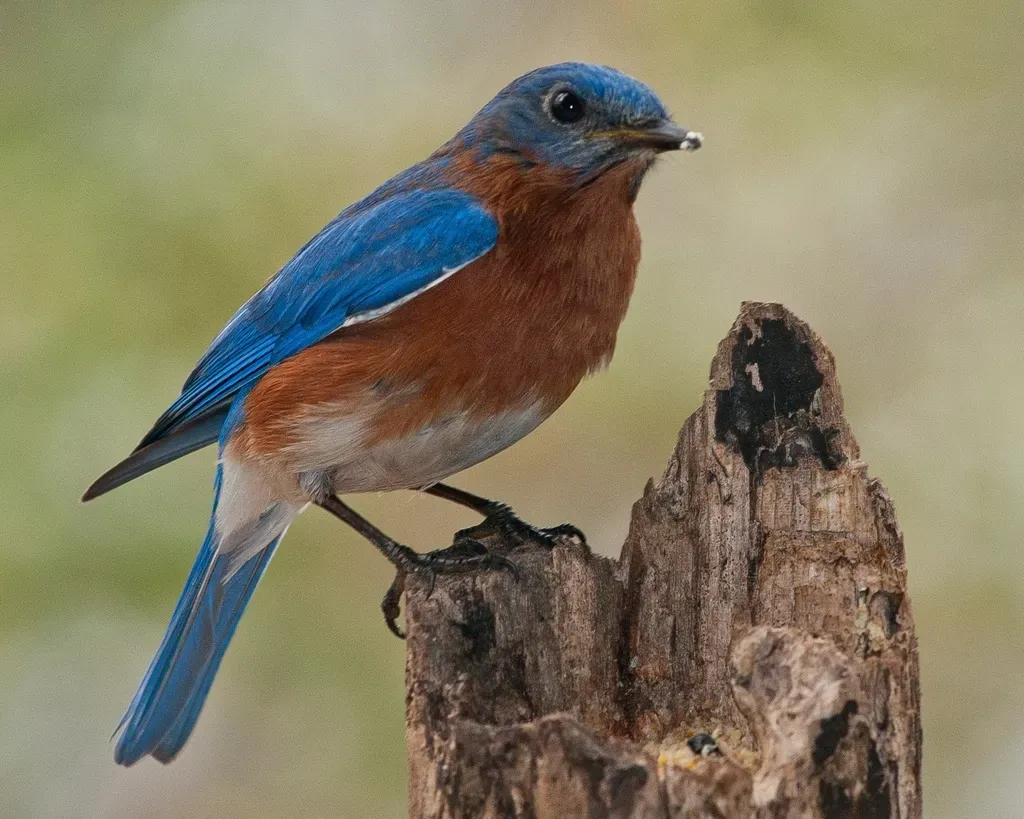
The most widespread meaning attached to the bluebird in American culture is happiness. Seeing one has long been read as a sign of good things coming, or at least of a mood lifting. That idea is so common that it shows up in everything from greeting cards to popular songs.
Part of this likely comes from timing. Eastern bluebirds are often among the first songbirds people notice as winter loosens its grip, and many populations stay through cold months or return early. A bright bird in a drab landscape is easy to read as a promise.
Worth saying plainly: folklore isn’t a rulebook. Different families, regions, and communities told it differently, and no single “official” version exists. What holds steady is the mood of optimism.
The Color Blue and Why It Feels Special
🔥 Would you like to save this?
We'll email this post to you, so you can come back to it later!
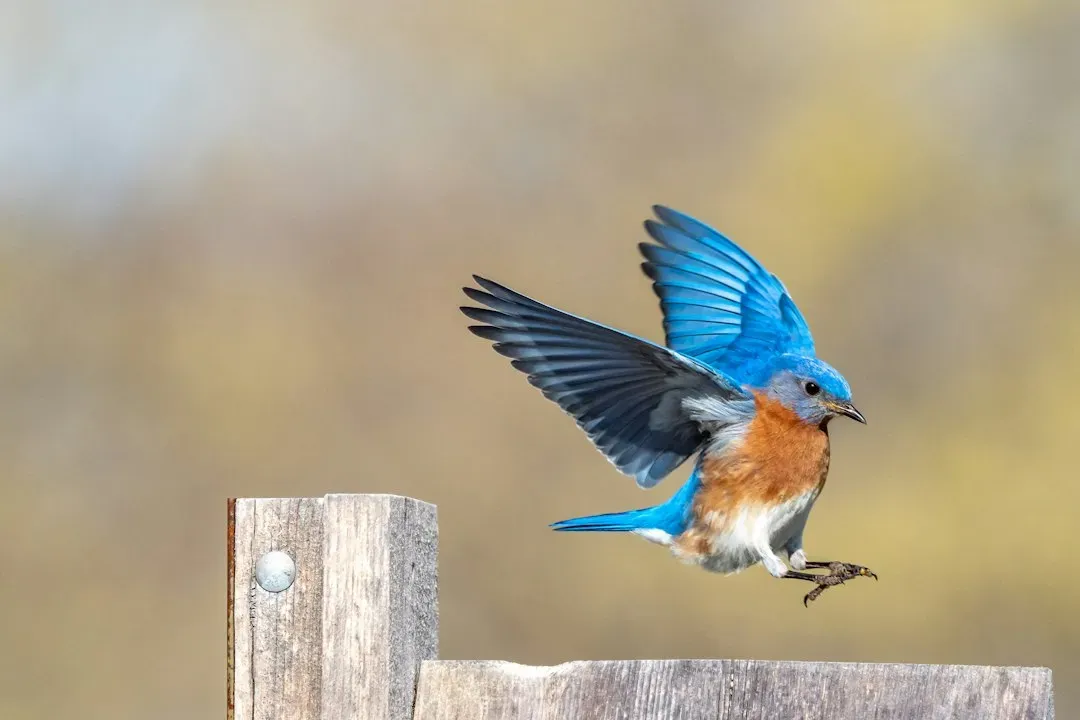
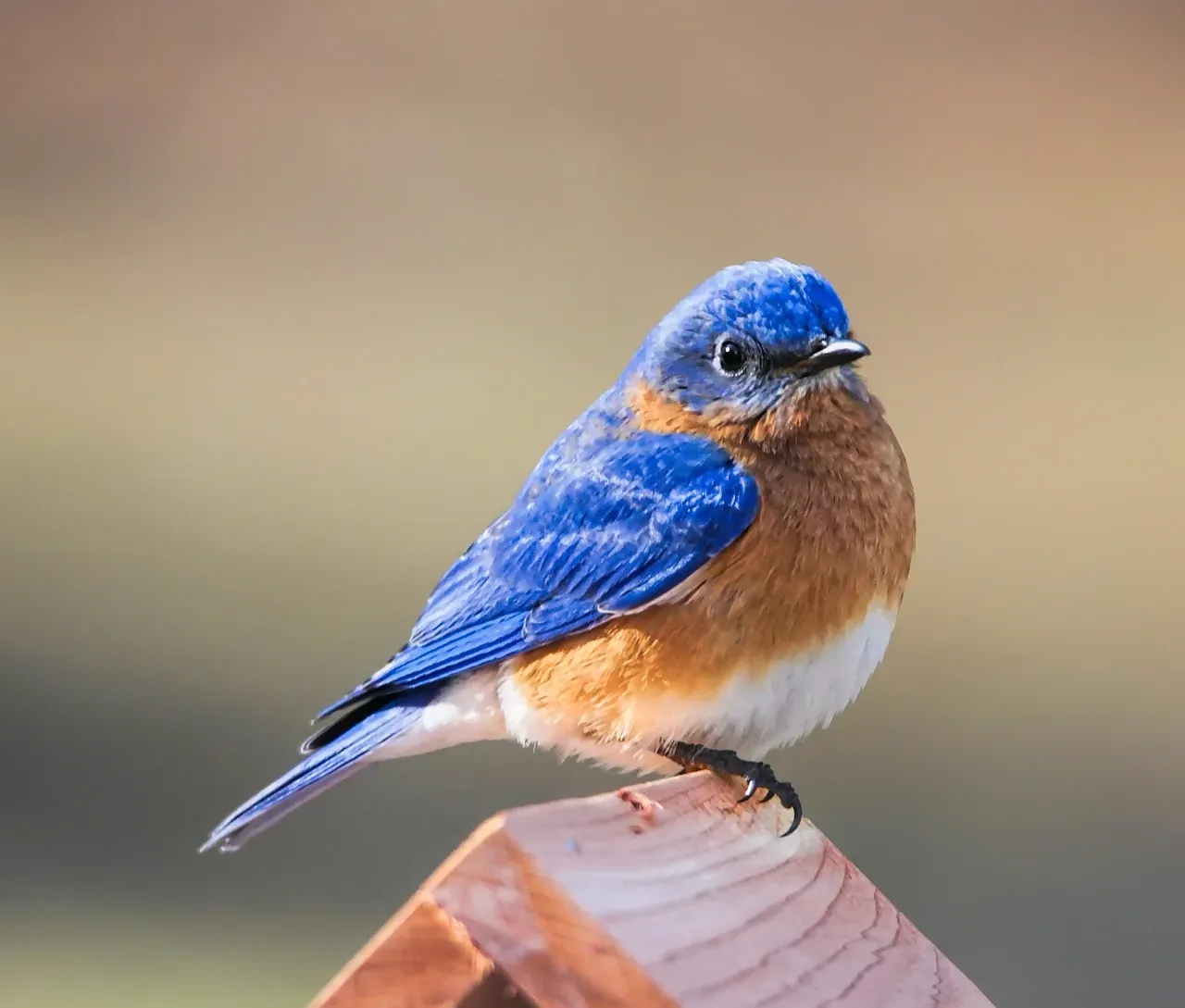
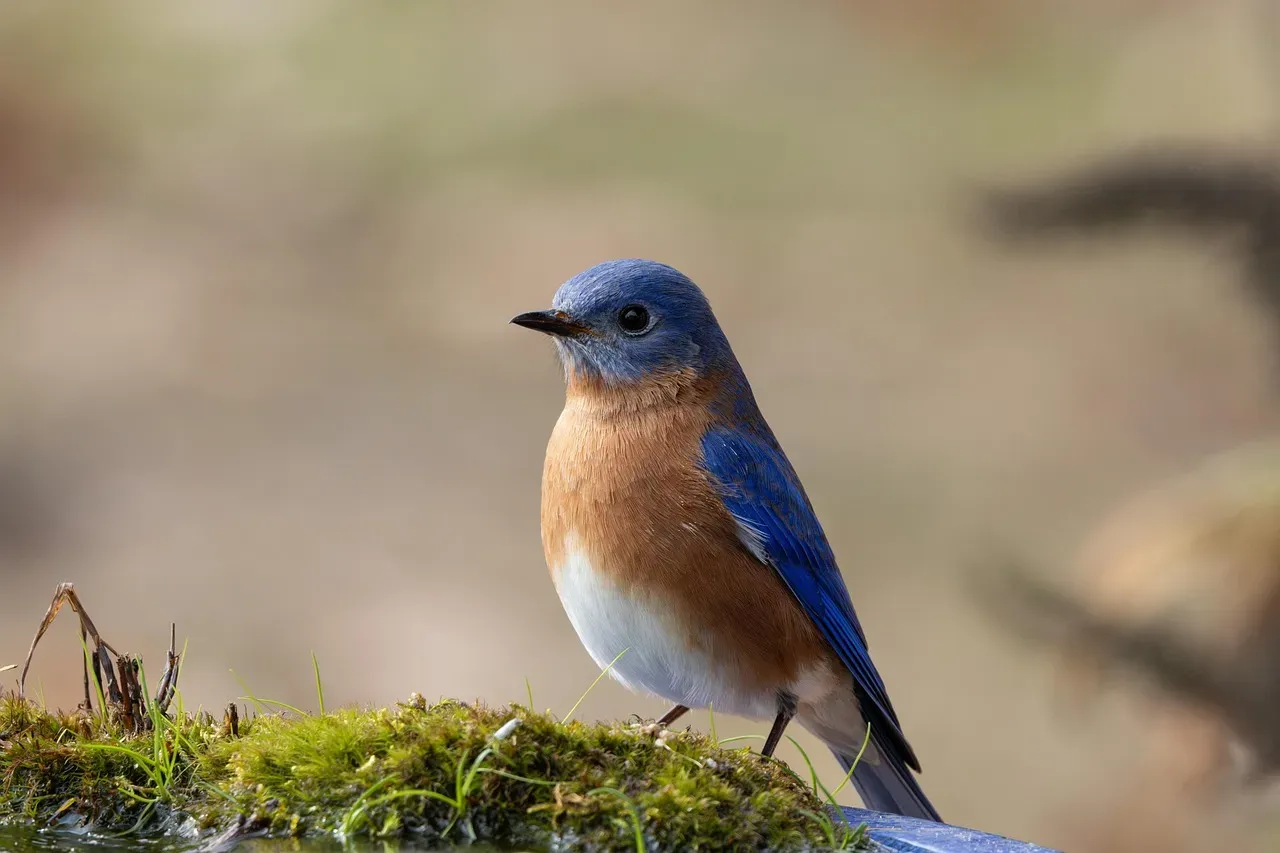
There’s real science behind why bluebirds look the way they do, and it adds to the wonder. The blue in their feathers isn’t a pigment. It comes from the microscopic structure of the feather, which scatters light so that blue wavelengths reach your eye.
That’s called structural color, and it’s why a bluebird can look brilliant in sunlight and rather dull and grayish in shade. Change the angle or the light, and the color changes with it.
Blue is also uncommon in nature, especially in living things. Maybe that rarity is part of why people felt a bluebird was a little extraordinary, even if they couldn’t have explained the optics.
Native American Traditions and Respect for the Bird
🔥 Would you like to save this?
We'll email this post to you, so you can come back to it later!
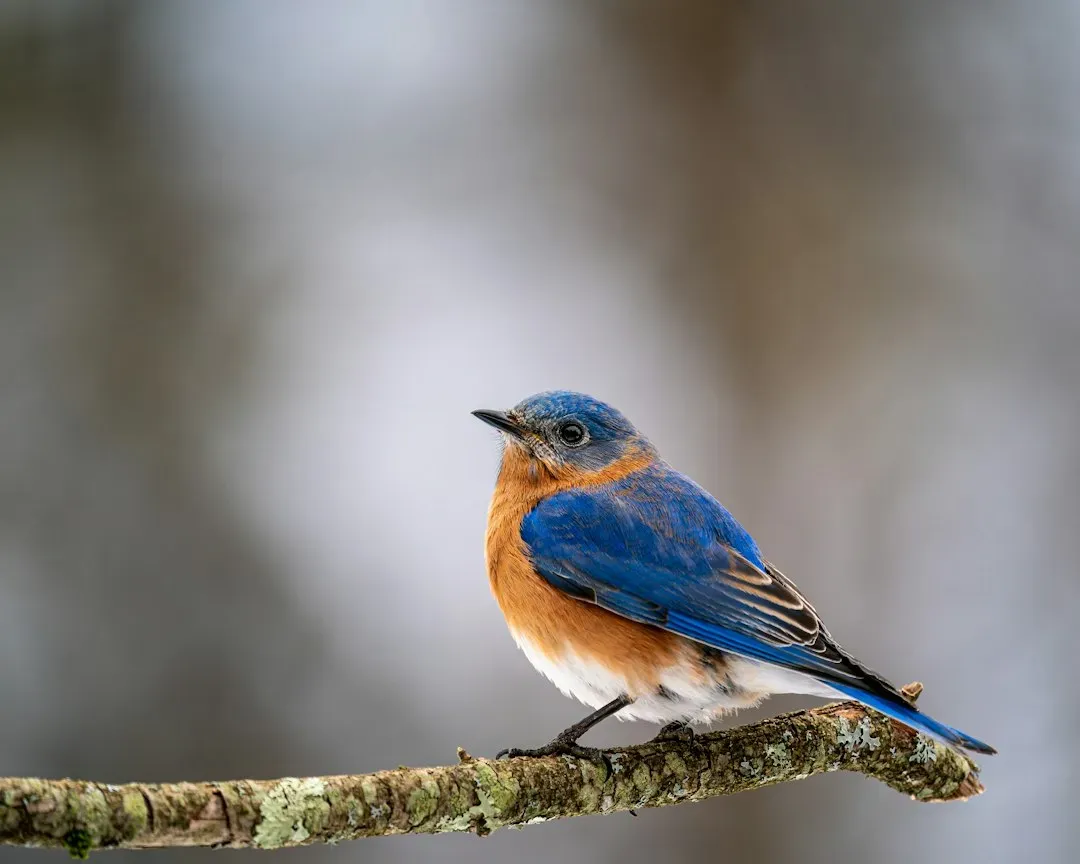
Bluebirds appear in the traditions of several Native nations, though the meanings differ and it’s wise not to flatten them into one story. Some accounts connect the bird with the sky, morning, or renewal. Others tie it to particular teachings that belong to specific communities.
Because those traditions are living and varied, broad claims like “Native Americans believed the bluebird meant X” deserve caution. If you want the real story, tribal cultural resources and Native authors are better guides than internet lists.
What can be said safely is that the bird was noticed, valued, and woven into the way people understood the seasons around them.

Halloween Dog Collar with Bow, Orange Cute Ghost Collar,
Check Price on AmazonAs an Amazon Associate, we earn from qualifying purchases.
10/9/2026 2:43 pm GMTi

Glass Hummingbird Feeder for Outdoors Hanging
Check Price on AmazonAs an Amazon Associate, we earn from qualifying purchases.
10/7/2026 1:21 pm GMTi

Professional 7 in 1 Dog Paw Cleaner for Dogs & Cats - Includes 1 Portable Paw Washer, 1 Bath Brush
Check Price on AmazonAs an Amazon Associate, we earn from qualifying purchases.
10/7/2026 1:26 pm GMTi

Orthopedic Extra Large Dog Bed, Waterproof Washable XL Pet Bed 44"
Check Price on AmazonAs an Amazon Associate, we earn from qualifying purchases.
10/7/2026 1:32 pm GMTi

PetSafe Oasys Pet Fountain, 1/2 Gallon (64 oz), Small Dogs & Cats
Check Price on AmazonAs an Amazon Associate, we earn from qualifying purchases.
10/8/2026 8:14 am GMTi
Pioneer and Rural Superstitions
🔥 Would you like to save this?
We'll email this post to you, so you can come back to it later!
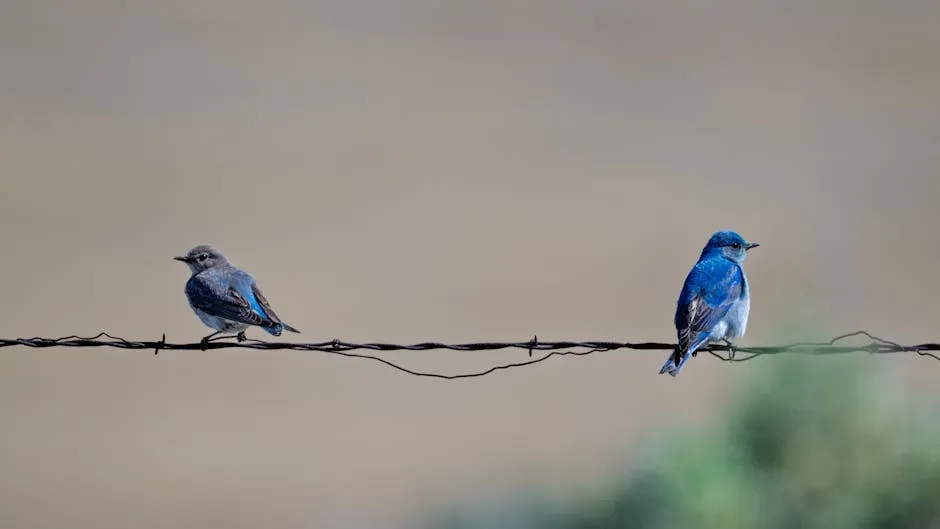
Farm families across the eastern and central United States paid close attention to birds, partly out of necessity. Birds signaled weather, planting time, and the turning of the year. The bluebird’s early arrival made it a natural symbol of spring coming back.
You’ll often hear that a bluebird near the house brings good luck to the household. That’s a popular belief in rural folk tradition and in modern retellings, though it’s hard to trace to a single origin.
There’s also a practical side. Bluebirds eat plenty of insects, so having them around a garden or field was genuinely helpful, and that kind of usefulness has a way of turning into luck in the telling.
Songs, Stories, and the Bluebird of Happiness
🔥 Would you like to save this?
We'll email this post to you, so you can come back to it later!
Popular culture did a lot to cement the bluebird as a happiness symbol. The idea of a “bluebird of happiness” spread widely in the early twentieth century, helped along by Belgian playwright Maurice Maeterlinck’s play The Blue Bird, which used the bird as a symbol of the search for happiness.
American songwriters then ran with it. Over the decades, bluebirds turned up in popular music and film, and the most famous example is probably the song “Over the Rainbow,” which mentions bluebirds flying beyond the rainbow.
That’s worth keeping in mind when sorting folklore from pop culture. Some of what feels like ancient American belief was reinforced, or even shaped, by entertainment in the last century or so.
Omens, Visits, and the Idea of Messages
🔥 Would you like to save this?
We'll email this post to you, so you can come back to it later!
In modern spiritual circles, a bluebird sighting is often described as a message from a loved one who has died, or as a nudge to stay hopeful. This belief is common today, and many people find real comfort in it.
It’s more accurately described as contemporary folk belief than as a documented old tradition. That doesn’t make it less meaningful to the person experiencing it, but it’s a fair distinction to make.
Some people also treat a bluebird at a window or on a porch as a sign of a visitor or news on the way. These stories are scattered and vary by family, so take them as local color rather than fact.

Smart Bird Feeder with Camera Solar Powered, 2K HD Live Video, 10,000+ Bird Species AI Identification
Check Price on AmazonAs an Amazon Associate, we earn from qualifying purchases.
10/7/2026 1:22 pm GMTi

Air Purifiers for Home Pets Large Room Up to 3000 Ft²,HEPA Air Cleaner with Washable Double-Side Filter, PM2.5 Air Quality Monitor,15dB Sleep Mode for Bedroom Odor Dust Pollen,White
Check Price on AmazonAs an Amazon Associate, we earn from qualifying purchases.
10/8/2026 8:23 am GMTi

Halloween Cat Costume Cloak Witch Hat Pet Accessories
Check Price on AmazonAs an Amazon Associate, we earn from qualifying purchases.
10/9/2026 2:44 pm GMTi

Glass Hummingbird Feeder for Outdoors Hanging, 16 oz Leak-Proof Nectar Feeder with Bee Guards & Ant Moat
Check Price on AmazonAs an Amazon Associate, we earn from qualifying purchases.
10/7/2026 1:22 pm GMTi

Portable Dog Water Bottle Foldable Dog Travel Water Bottle
Check Price on AmazonAs an Amazon Associate, we earn from qualifying purchases.
10/7/2026 1:29 pm GMTi
The Real Story Behind the Comeback
🔥 Would you like to save this?
We'll email this post to you, so you can come back to it later!
Here’s a part of bluebird history that’s well documented and rather hopeful. Bluebird numbers dropped sharply in the early to mid twentieth century, as habitat changed and they competed with introduced species like European starlings and house sparrows for nesting cavities.
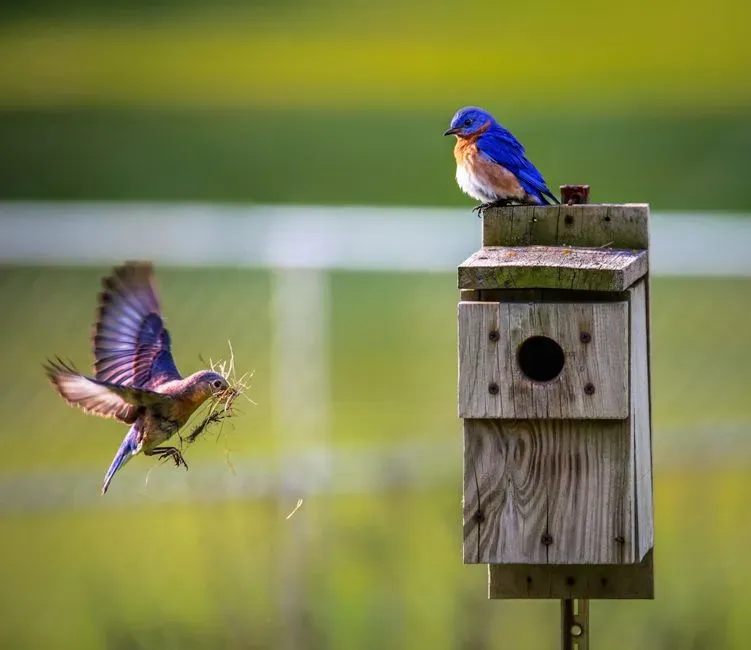
Then people pitched in. Volunteers built and monitored nest boxes, and organizations such as the North American Bluebird Society, founded in 1978, helped organize the effort. Populations of eastern bluebirds have since rebounded in many areas.
So in a very real way, the bluebird became a symbol of hope that people helped earn. If you want to encourage them near you, a properly sized, well-placed nest box and regular cleaning go a long way, and local birding groups can offer guidance on design and placement.

2 Pcs Halloween Pet Hat Bandana Set, Witch Pumpkin Costumes for Dogs
Check Price on AmazonAs an Amazon Associate, we earn from qualifying purchases.
10/9/2026 2:45 pm GMTi

Earth Rated XL Dog & Puppy Pee Pads, Discreet Top, Max Absorbency
Check Price on AmazonAs an Amazon Associate, we earn from qualifying purchases.
10/7/2026 1:28 pm GMTi

Dog Stairs for Bed 18" H, 4-Step Dog Steps for High Bed
Check Price on AmazonAs an Amazon Associate, we earn from qualifying purchases.
10/9/2026 2:42 pm GMTi

Hand Blown Glass Hummingbird Feeders for Outdoors Hanging, 24oz Wild Bird Nectar Feeder
Check Price on AmazonAs an Amazon Associate, we earn from qualifying purchases.
10/7/2026 1:23 pm GMTi
Final Thoughts
🔥 Would you like to save this?
We'll email this post to you, so you can come back to it later!
My own take is that the bluebird doesn’t need to be a literal omen to be worth stopping for. The folklore is a patchwork of rural habit, Native traditions we should treat with care, a French-language play, and a few catchy songs. Not all of it is old, and some of it is newer than people assume.
Still, I’d argue the bluebird’s best story is the true one. A bird that nearly slipped away came back because ordinary people hung up wooden boxes and paid attention. If a flash of blue makes you feel hopeful, take it. You’ve got good company, and a pretty good track record behind the feeling.

- What It Means When a Black Cat Crosses Your Path – and Why Some Cultures See It as Good Luck - November 7, 2026
- Marine Biology Says Leatherback Sea Turtles Can Dive Deeper Than 1,000 Meters and Cross Entire Oceans to Feed on Jellyfish - November 7, 2026
- What It Means When a Bluebird Appears According to Old American Folklore - November 7, 2026