
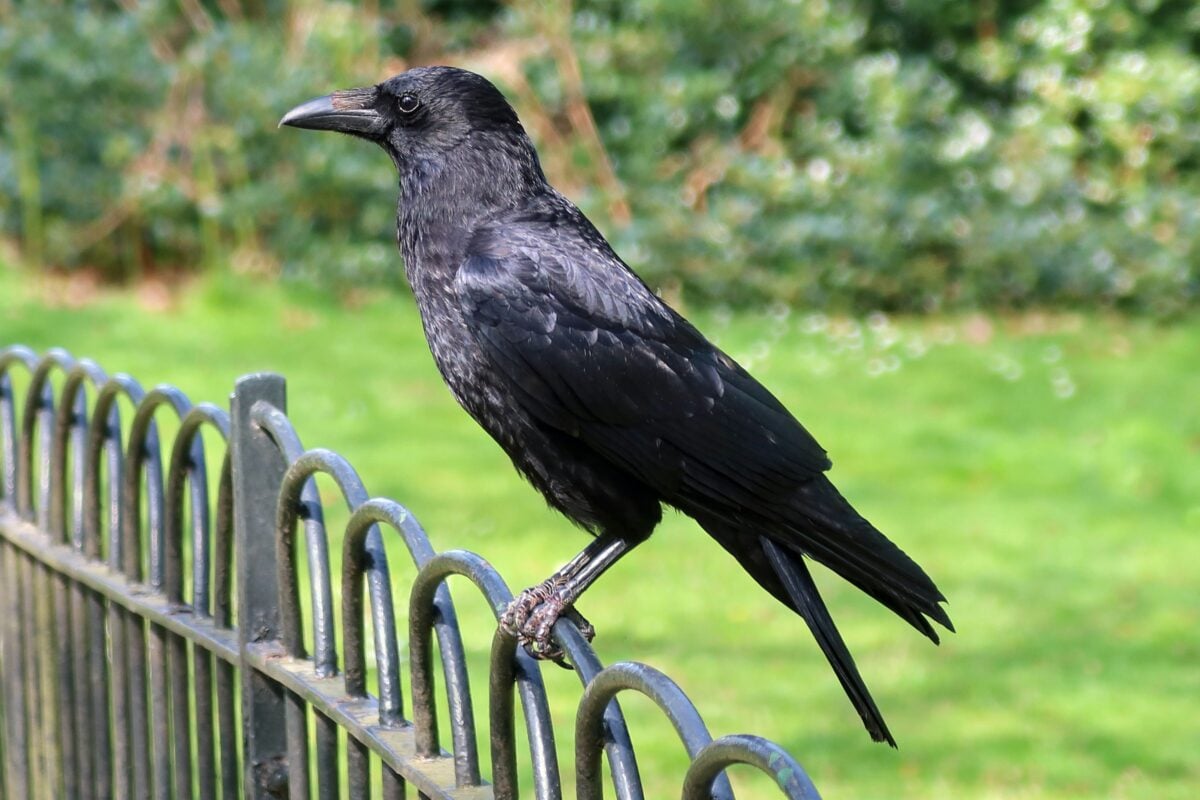

You’re walking home, and a crow lands on a fence post ahead of you. A few minutes later it’s on a wire overhead, and then on a roof two streets down. It could be coincidence, or it could be something else entirely, and people have been asking that question for a very long time.
Folklore across many cultures has plenty to say about crows, and not all of it agrees. Some traditions treat them as warnings, others as guides, and a few as something closer to neighbors. Here’s what the old stories say, and what a bit of science adds to the picture.
Crows as Messengers Between Worlds
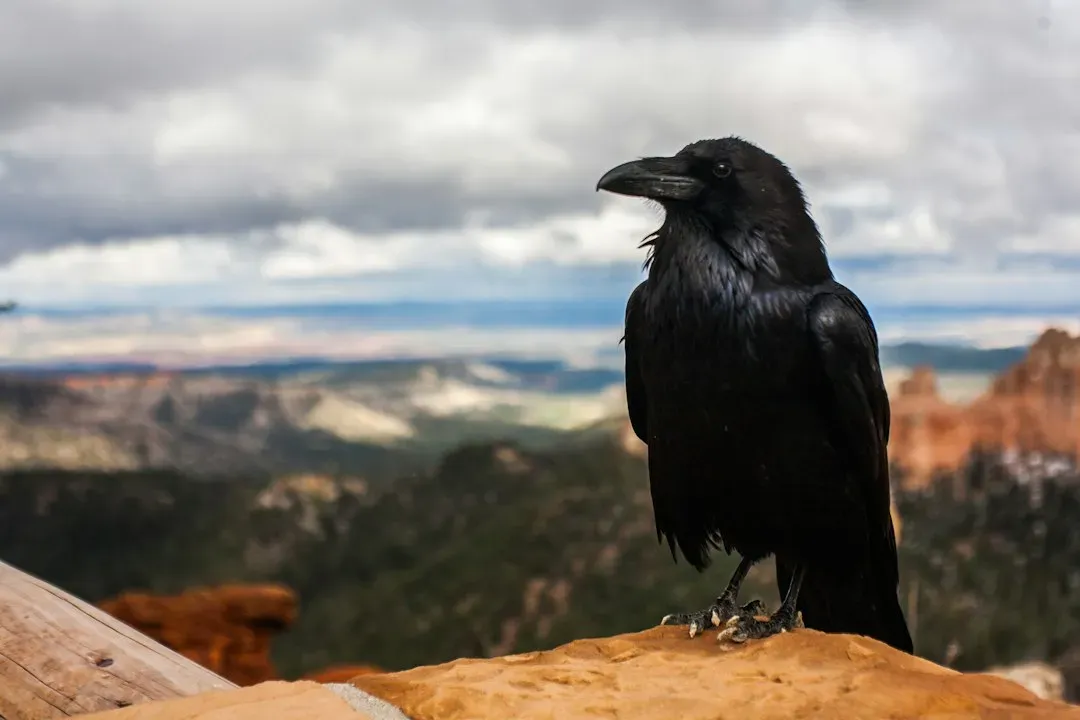
One of the oldest ideas is that crows carry messages. In Norse myth, the god Odin kept two ravens, Huginn and Muninn, who flew across the world and reported back to him. Ravens and crows are different birds, but folk traditions often blend them together.
So when a crow trails you, the old reading is that you’re being observed on someone’s behalf. That could be a god, an ancestor, or fate itself. It sounds eerie, though in many stories the messenger isn’t hostile, just attentive.
A Omen of Death or a Guide for the Dead
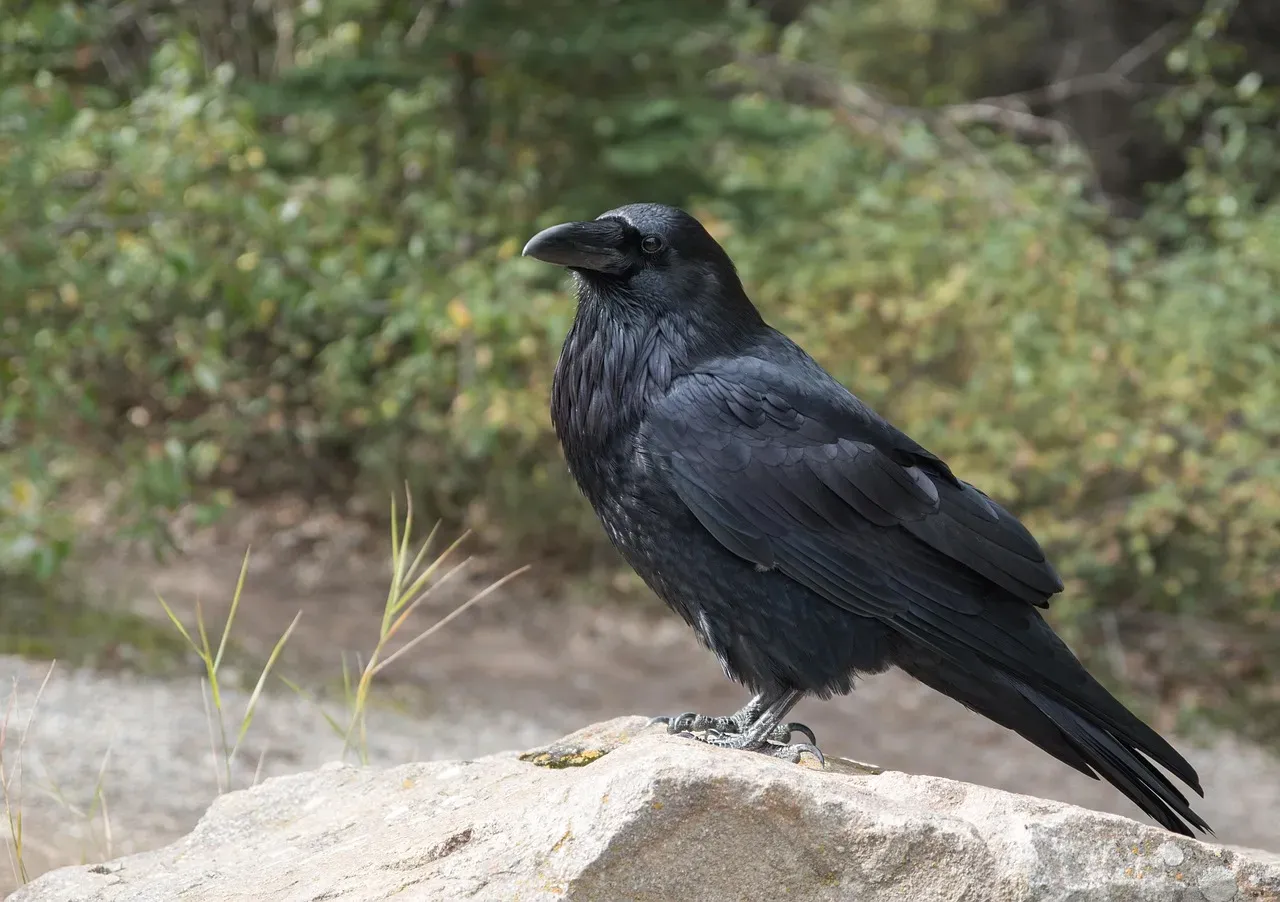
The darkest association is with death. In parts of Europe, including Britain, a crow or raven near a house was long said to foretell a death in the family. The bird’s black feathers and its habit of gathering around carrion made the link easy to draw.
Yet some traditions flip this around. Celtic lore connects crows and ravens with war goddesses such as the Morrígan, who is tied to battle and fate. In that frame, a following crow isn’t causing a death so much as hinting that something is ending or changing.
Change, Transformation, and Fresh Starts
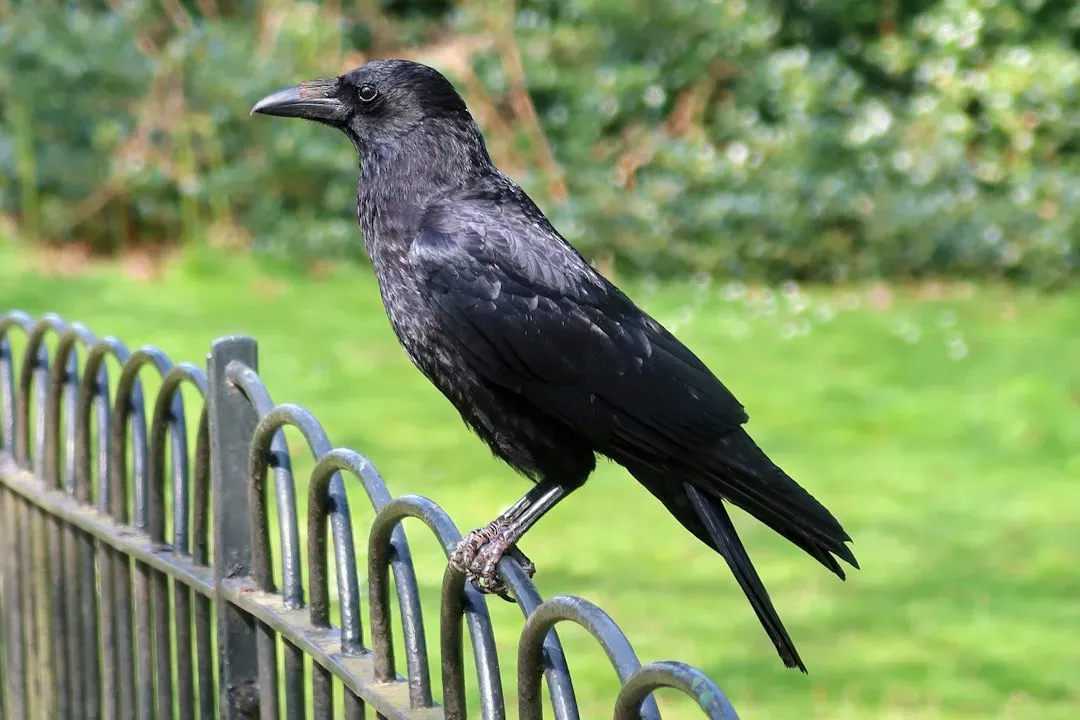
A gentler reading treats the crow as a sign of transition. Because it lives so comfortably alongside both human settlement and wild places, many modern retellings see it as a symbol of moving between one phase of life and the next. This is more recent spiritual interpretation than ancient doctrine, so take it with some caution.
Still, it’s easy to see why it appeals. If a crow keeps turning up when you’re facing a move, a breakup, or a new job, the story gives you a way to frame what’s happening. It won’t predict anything, but it can help you reflect.

Smart Bird Feeder with Camera Solar Powered, 2K HD Live Video, 10,000+ Bird Species AI Identification
Check Price on AmazonAs an Amazon Associate, we earn from qualifying purchases.
10/7/2026 1:22 pm GMTi

2 Pcs Halloween Pet Hat Bandana Set, Witch Pumpkin Costumes for Dogs
Check Price on AmazonAs an Amazon Associate, we earn from qualifying purchases.
10/9/2026 2:45 pm GMTi

Glass Hummingbird Feeder for Outdoors Hanging, 16 oz Leak-Proof Nectar Feeder with Bee Guards & Ant Moat
Check Price on AmazonAs an Amazon Associate, we earn from qualifying purchases.
10/7/2026 1:22 pm GMTi

PetSafe Oasys Pet Fountain, 1/2 Gallon (64 oz), Small Dogs & Cats
Check Price on AmazonAs an Amazon Associate, we earn from qualifying purchases.
10/8/2026 8:14 am GMTi

Glass Hummingbird Feeder for Outdoors Hanging
Check Price on AmazonAs an Amazon Associate, we earn from qualifying purchases.
10/7/2026 1:21 pm GMTi
Trickster, Creator, and Clever Neighbor
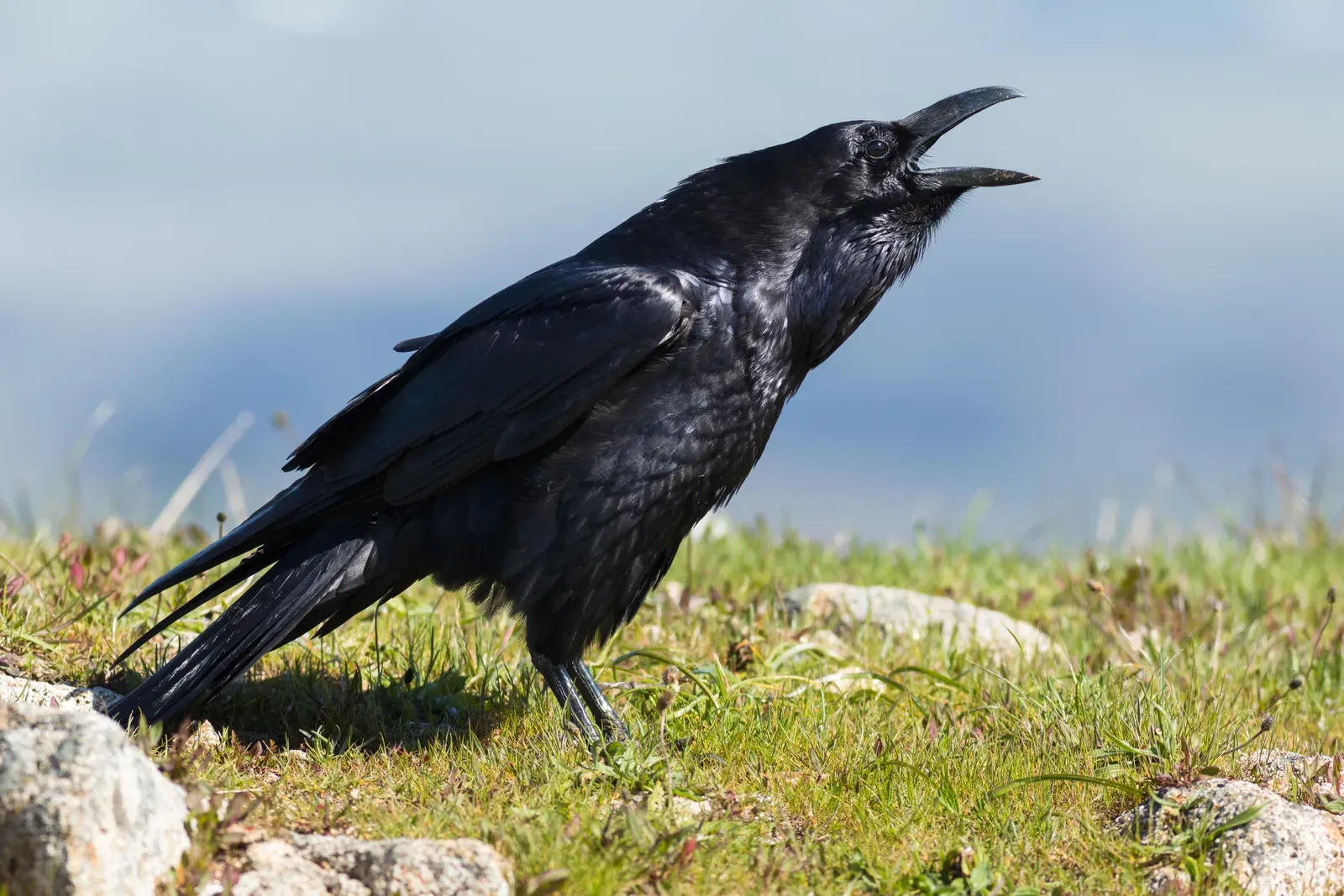
Not every culture fears the crow. In many Indigenous stories of the Pacific Northwest, Raven is a trickster and a transformer, credited in some tales with bringing light to the world. He’s mischievous, greedy, and clever, and he’s rarely a villain.
In that light, a crow following you might simply mean you’re being sized up by a very smart character. Folklore often casts the crow as someone who notices things others miss. That’s a flattering way to read a bird that’s pacing you down the sidewalk.
Good Luck, Bad Luck, and Counting Crows
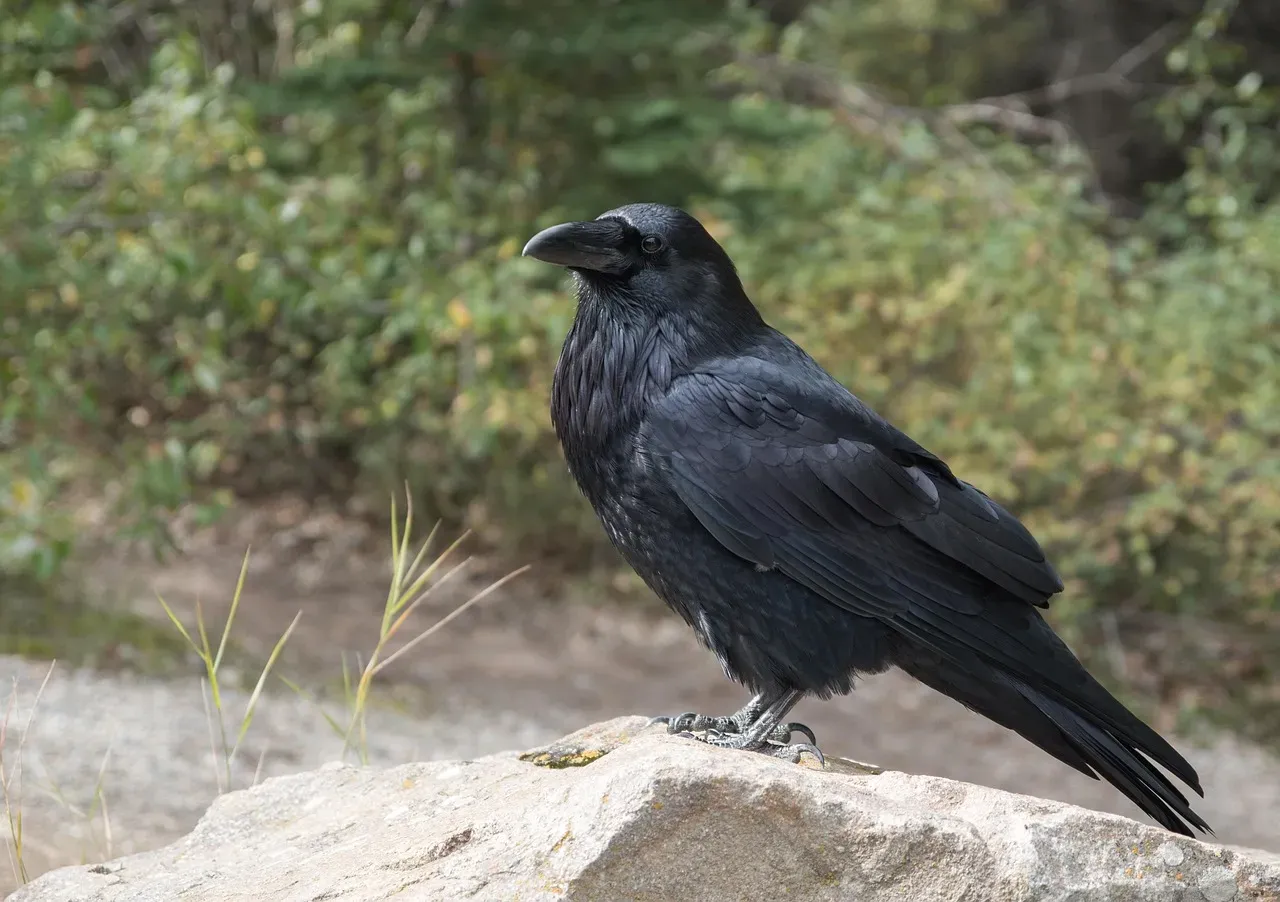
English and Scottish rhymes turned crow spotting into a kind of fortune game. The best known is the magpie rhyme, which is about a different bird, but crows picked up similar superstitions. In some versions of rural lore, one crow was unlucky and two or more brought better fortune.
These sayings varied by region and era, and no single version is the official one. That’s worth remembering whenever someone tells you a crow means one definite thing. The folklore is a patchwork, and it contradicts itself constantly.

Dog Stairs for Bed 18" H, 4-Step Dog Steps for High Bed
Check Price on AmazonAs an Amazon Associate, we earn from qualifying purchases.
10/9/2026 2:42 pm GMTi

Hand Blown Glass Hummingbird Feeders for Outdoors Hanging, 24oz Wild Bird Nectar Feeder
Check Price on AmazonAs an Amazon Associate, we earn from qualifying purchases.
10/7/2026 1:23 pm GMTi

Orthopedic Extra Large Dog Bed, Waterproof Washable XL Pet Bed 44"
Check Price on AmazonAs an Amazon Associate, we earn from qualifying purchases.
10/7/2026 1:32 pm GMTi

Earth Rated XL Dog & Puppy Pee Pads, Discreet Top, Max Absorbency
Check Price on AmazonAs an Amazon Associate, we earn from qualifying purchases.
10/7/2026 1:28 pm GMTi

Halloween Dog Collar with Bow, Orange Cute Ghost Collar,
Check Price on AmazonAs an Amazon Associate, we earn from qualifying purchases.
10/9/2026 2:43 pm GMTi
What Crows Are Actually Doing
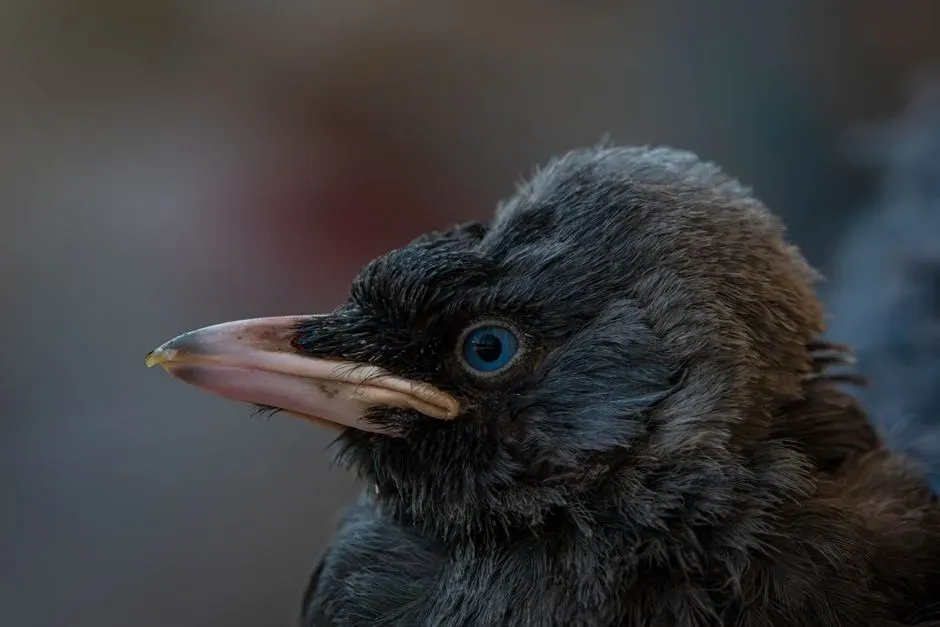
Here’s the practical side. Research on crows has shown they can recognize individual human faces and remember people who threatened them. Studies from the University of Washington also found that crows can pass along that wariness to other crows.
That means a crow following you might be curious, hoping for food, or keeping tabs on someone it has learned to read. If you’ve ever tossed scraps to one, you may have made a friend. Crows have even been known to leave small gifts for people who feed them regularly, though that’s mostly anecdotal and not guaranteed.

Professional 7 in 1 Dog Paw Cleaner for Dogs & Cats - Includes 1 Portable Paw Washer, 1 Bath Brush
Check Price on AmazonAs an Amazon Associate, we earn from qualifying purchases.
10/7/2026 1:26 pm GMTi

Halloween Cat Costume Cloak Witch Hat Pet Accessories
Check Price on AmazonAs an Amazon Associate, we earn from qualifying purchases.
10/9/2026 2:44 pm GMTi

Portable Dog Water Bottle Foldable Dog Travel Water Bottle
Check Price on AmazonAs an Amazon Associate, we earn from qualifying purchases.
10/7/2026 1:29 pm GMTi

Air Purifiers for Home Pets Large Room Up to 3000 Ft²,HEPA Air Cleaner with Washable Double-Side Filter, PM2.5 Air Quality Monitor,15dB Sleep Mode for Bedroom Odor Dust Pollen,White
Check Price on AmazonAs an Amazon Associate, we earn from qualifying purchases.
10/8/2026 8:23 am GMTi
My Take on the Crow Behind You
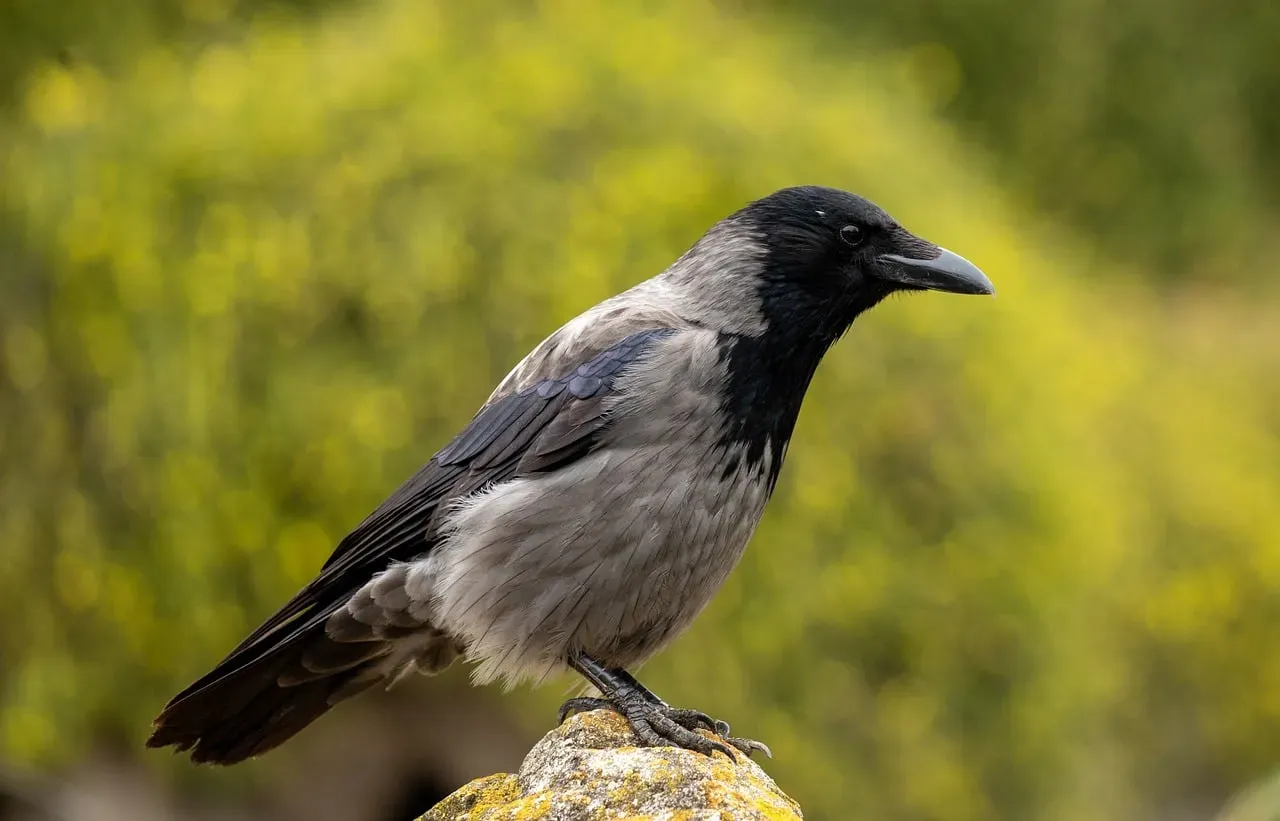
I think the folklore is best treated as a mirror, not a forecast. The same bird can mean death in one village and wisdom in another, which tells you the meaning comes from the people watching, not from the crow.
So if one follows you, enjoy it. Notice what’s on your mind when it appears, and let the old stories give you something to think about. A smart, watchful bird is a good enough reason to look up, and you don’t need an omen to justify that.

- What It Means When a Crow Follows You According to Old Folklore - November 11, 2026
- Ocean Science Says About Half of the Oxygen We Breathe Comes From the Ocean – Produced Mostly by Microscopic Plankton - November 11, 2026
- 10 Beautiful US National Parks Where Rare Animals Are Protected - November 11, 2026