


Worried about unexpected vet bills?
Pet insurance can cover thousands in unexpected vet costs. Get a free quote from Lemonade in under 2 minutes.
Get My Free Quote →Sponsored · Opens Lemonade.com
Dolphins are renowned for their playful behavior and high intelligence, often engaging in various forms of play both alone and in groups. Among their many playful activities, interacting with seaweed stands out as a particularly fascinating behavior that marine biologists have observed across different dolphin species worldwide. This seaweed play isn’t random; it serves multiple purposes in dolphin society and offers insights into their cognitive abilities and social structures.
When dolphins encounter patches of seaweed or kelp beds, they often transform these marine plants into toys, tools, and social props. They may swim through seaweed beds, drape strands across their bodies, balance clumps on their rostrums (beaks), or pass seaweed between pod members. These interactions represent more than mere entertainment—they demonstrate dolphins’ curiosity, problem-solving abilities, and need for sensory stimulation in their aquatic environment.
Seaweed Play as Cognitive Enrichment
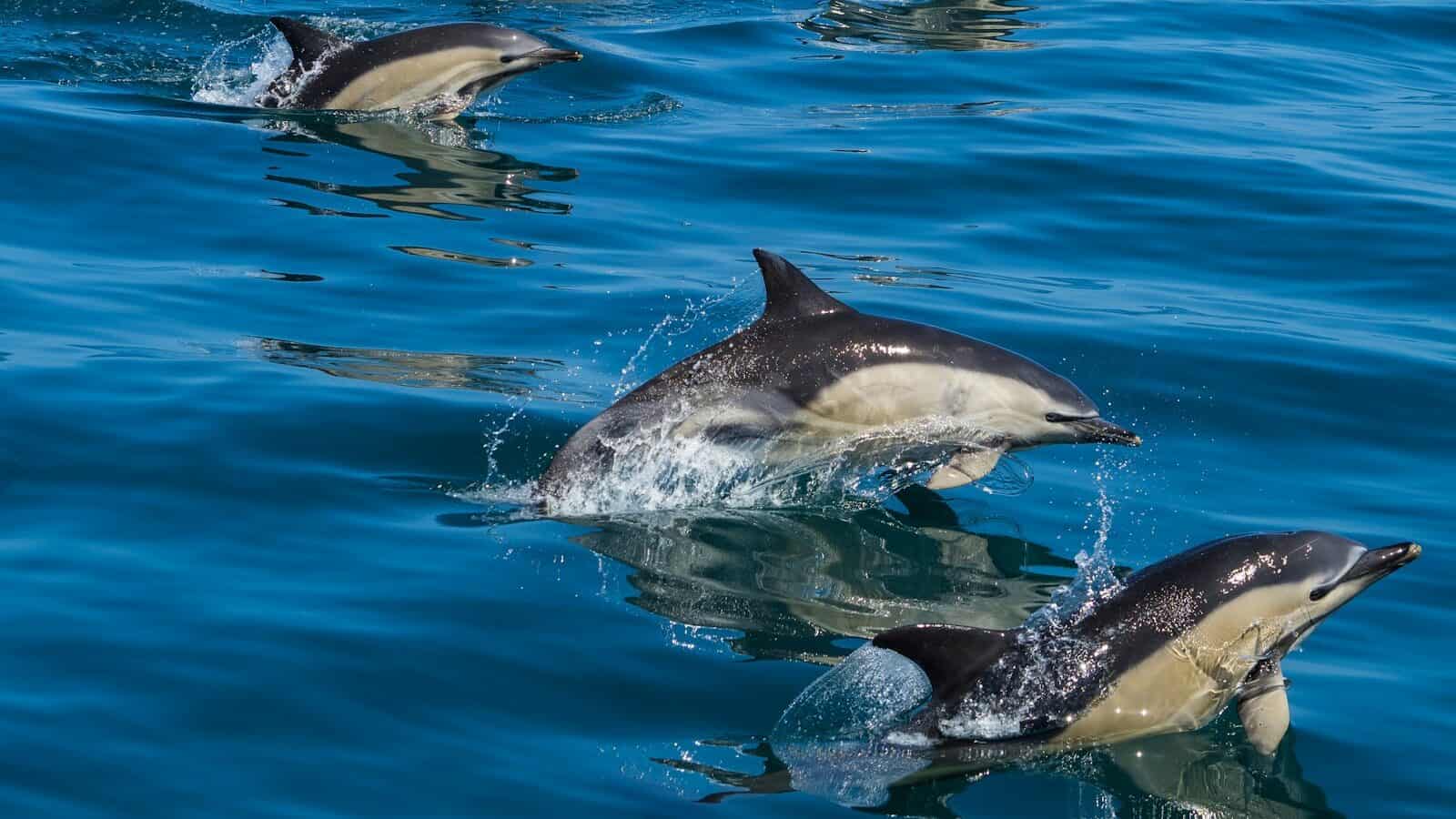
Marine mammal researchers consider seaweed play an important form of cognitive enrichment for dolphins. In the vast open ocean, objects that can be manipulated are relatively scarce, making seaweed an attractive item for exploration and manipulation. When dolphins interact with seaweed, they’re exercising their problem-solving skills and satisfying their natural curiosity about objects in their environment. This form of environmental interaction helps keep their highly developed brains stimulated and engaged.
Studies have shown that dolphins will deliberately seek out seaweed patches and spend significant time exploring different ways to interact with the plants. They may blow bubbles beneath seaweed to watch it float and move, or use their echolocation to investigate its structure. This exploratory behavior is comparable to how young children interact with new toys, examining them from different angles and testing their properties—a testament to dolphins’ advanced cognitive capabilities and their need for mental stimulation.
Social Bonding Through Seaweed Games
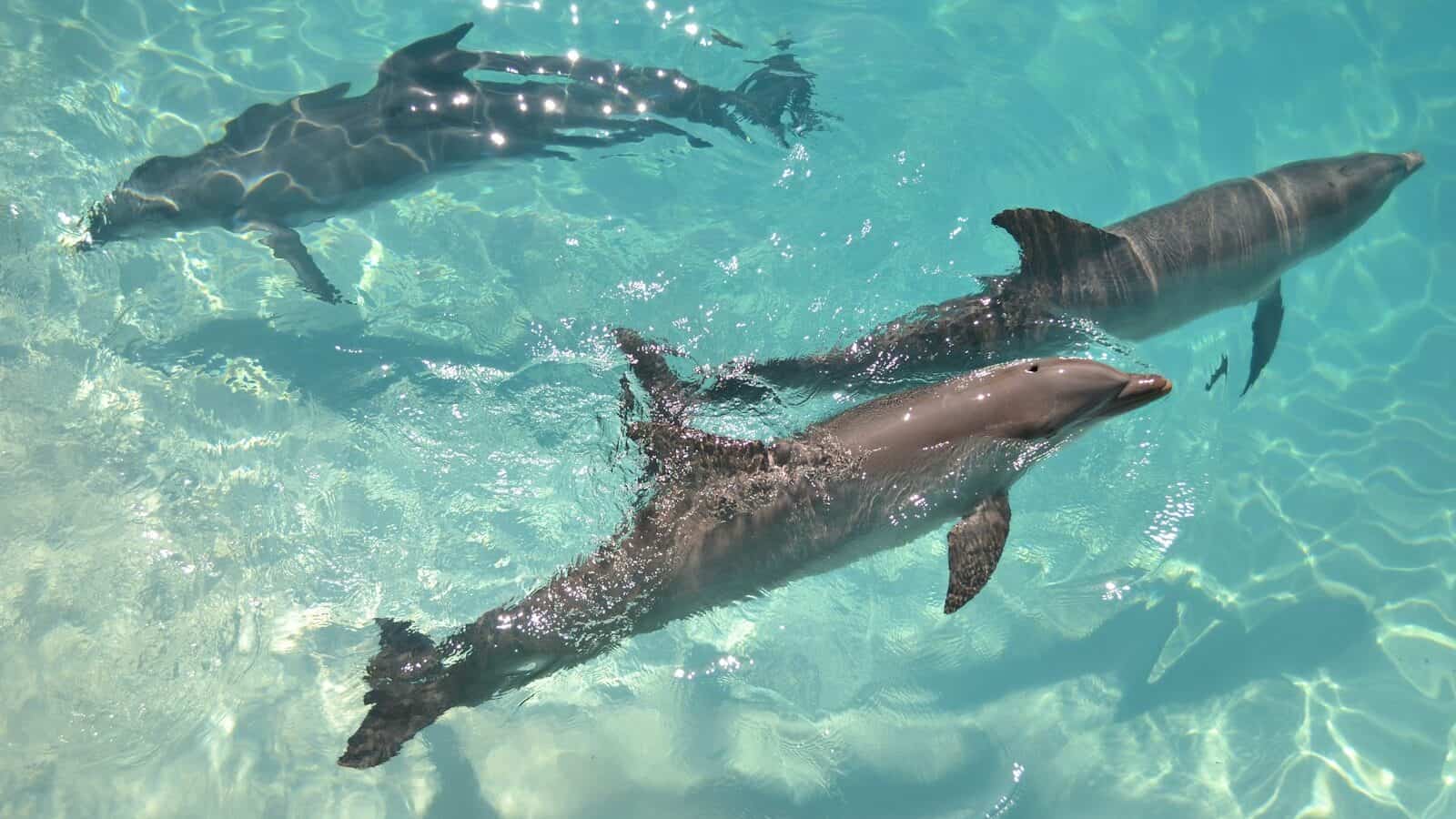
Seaweed play often becomes a social activity that strengthens bonds between dolphins. Researchers have observed dolphins engaging in what appears to be cooperative games involving seaweed, such as seaweed “catch,” where they pass clumps of seaweed between pod members. These shared activities help reinforce social connections and build trust within the pod. Young dolphins particularly benefit from these interactions, as they learn important social skills through play.
The passing of seaweed between individuals may also serve as a form of gift-giving behavior, which has been documented in several dolphin populations. This exchange of “gifts” further strengthens social bonds and may even play a role in courtship between potential mates. The complexity of these social interactions around a simple object like seaweed highlights the sophisticated nature of dolphin society and communication systems.
Teaching Tool for Young Dolphins
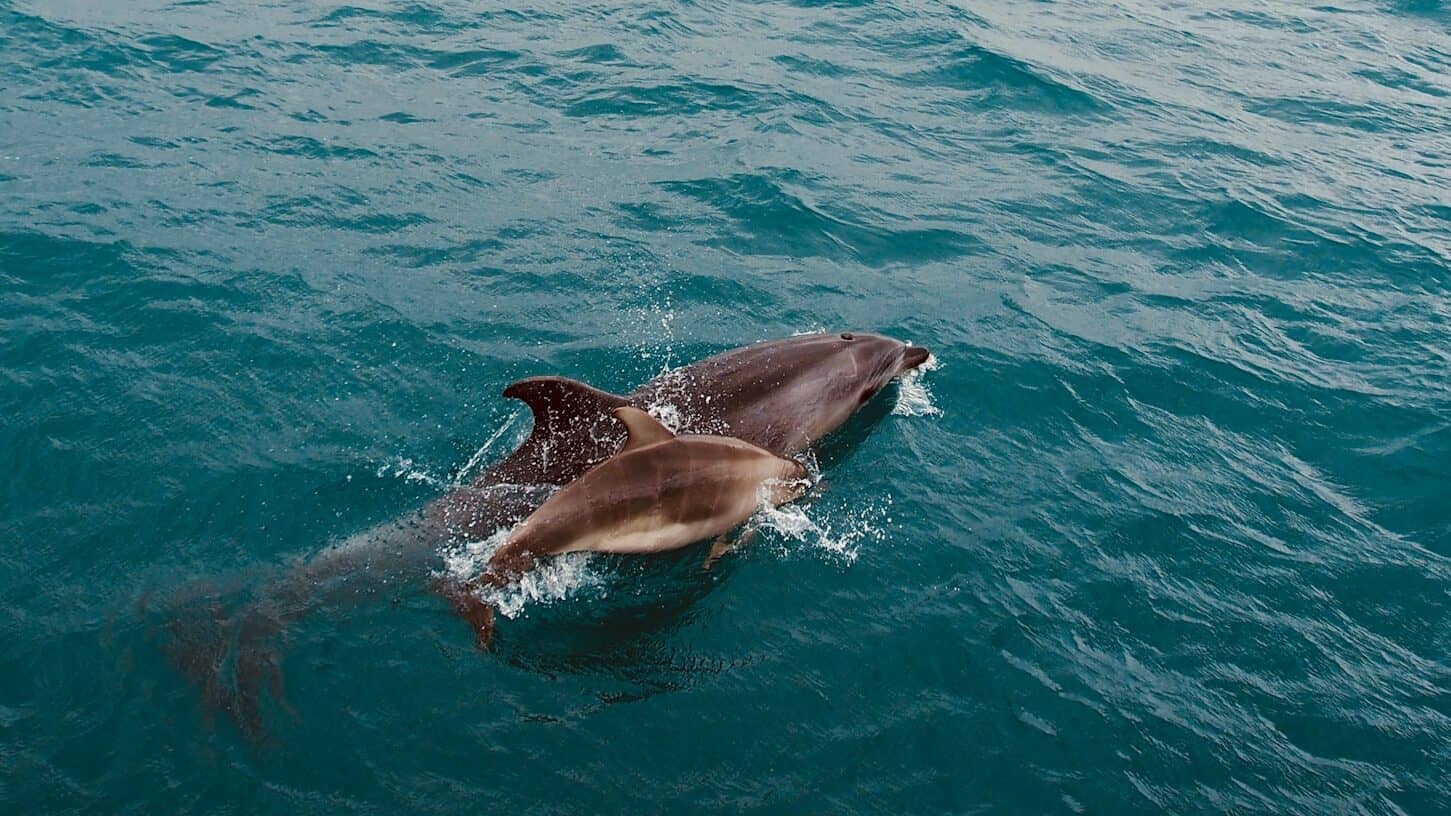
Adult dolphins often use seaweed play as a teaching opportunity for their calves. By demonstrating how to manipulate seaweed, adult dolphins show younger pod members important skills that may have practical applications. This teaching behavior is particularly important for skills like foraging, where some dolphins have been observed using seaweed to flush out hidden prey or as a tool to catch fish. These teaching moments represent cultural transmission—the passing of learned behaviors from one generation to the next.
Young dolphins also learn about their physical capabilities through seaweed play. As they navigate through seaweed beds or attempt to balance seaweed on their bodies, they develop better control of their movements and understand their bodies’ relationship to objects in their environment. This type of play helps develop motor skills and spatial awareness that will be crucial throughout their lives for hunting, avoiding predators, and navigating complex underwater environments.
Sensory Stimulation and Physical Contact

Dolphins have sensitive skin covered with nerve endings, and the texture of seaweed provides a form of tactile stimulation that many dolphins appear to enjoy. As they swim through seaweed beds, the gentle touch of the plants against their skin offers a pleasant sensory experience. This may be particularly satisfying for dolphins, as they live in an environment where tactile stimulation from varied textures is limited compared to land animals.
Beyond the sensory aspect, some marine biologists suggest that seaweed may help dolphins scratch itchy skin or remove parasites. Dolphins have been observed rubbing their bodies against seaweed beds in a manner that suggests they’re using the plants to relieve skin irritations. This behavior would make seaweed play not just entertaining but also functional for physical maintenance—similar to how many terrestrial animals use trees or rocks for scratching.
Hunting Practice and Strategy Development

When dolphins play with seaweed, they’re often practicing important hunting skills. By chasing, capturing, and manipulating seaweed, dolphins hone their coordination and timing—skills that directly transfer to hunting fish and other prey. Young dolphins particularly benefit from this type of play, as it allows them to develop hunting techniques in a low-stakes environment before they need to rely on these skills for survival.
Some dolphin species have been observed using seaweed as part of actual hunting strategies. For example, certain bottlenose dolphin populations use seaweed to flush out hiding fish or corral them into areas where they’re easier to catch. These sophisticated hunting techniques likely evolved from playful interactions with seaweed, showing how play behaviors can lead to practical innovations that improve survival outcomes for these intelligent marine mammals.
Species Differences in Seaweed Interaction
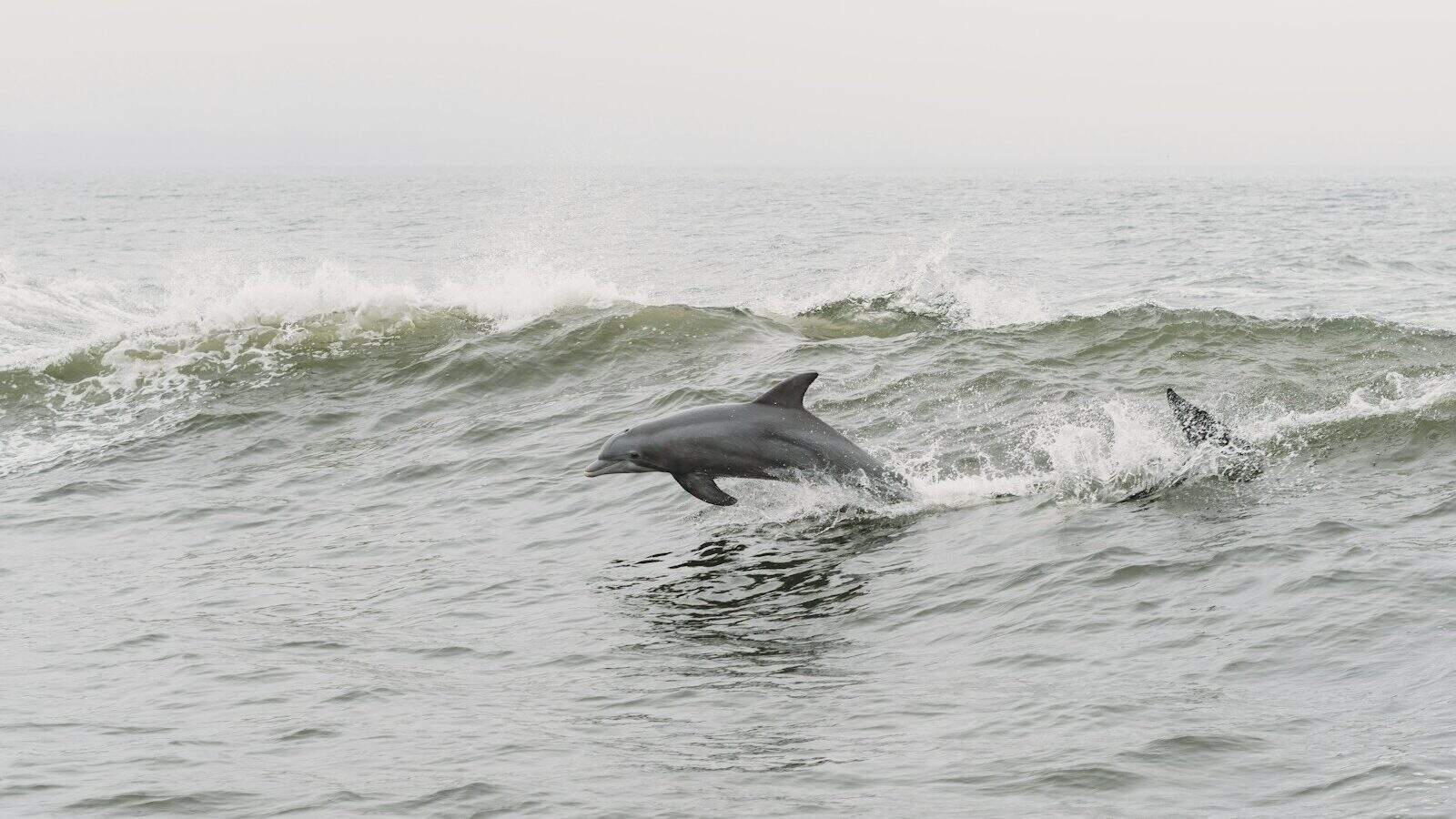
Different dolphin species show varying levels of interest in seaweed play. Bottlenose dolphins (Tursiops truncatus) are among the most documented seaweed players, frequently engaging with kelp and various seaweed types across their global range. Spinner dolphins (Stenella longirostris) and common dolphins (Delphinus delphis) also display seaweed play, though perhaps less frequently. These differences may relate to habitat preferences, cultural traditions within specific populations, or variations in cognitive tendencies between species.
Even within the same species, different populations may have developed unique seaweed play traditions. For instance, some bottlenose dolphin groups in Australia have been observed engaging in elaborate seaweed games that aren’t seen in other populations of the same species. These regional variations suggest that seaweed play may be a culturally transmitted behavior—passed down through generations and specific to certain dolphin communities—rather than purely instinctual.
Environmental Awareness Indicators
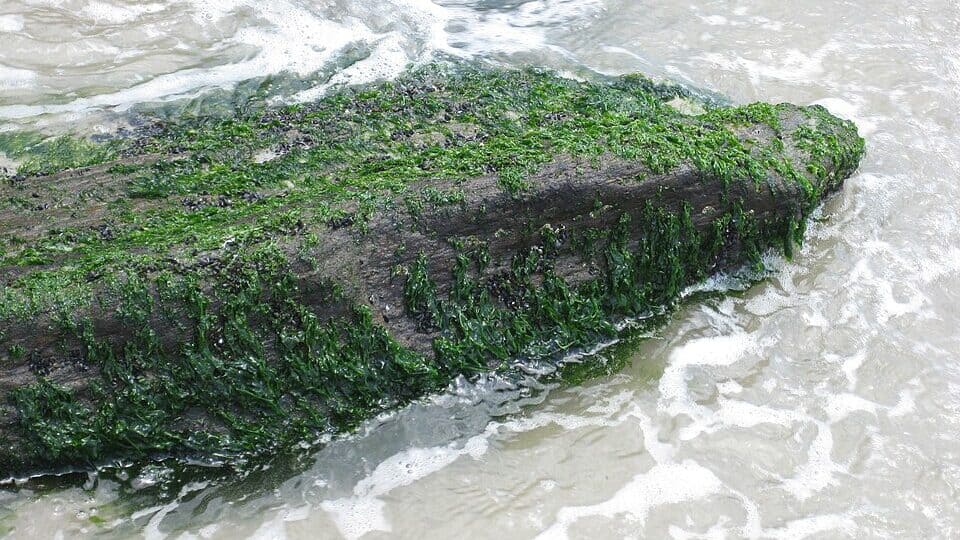
Interestingly, changes in how dolphins interact with seaweed can serve as indicators of environmental health. In areas where seaweed habitats are thriving, dolphins tend to engage more frequently in seaweed play. Conversely, in regions where seaweed ecosystems are degraded due to pollution, climate change, or other factors, researchers have noted decreased seaweed interactions among local dolphin populations. This connection makes dolphin-seaweed play a potential barometer for marine ecosystem health.
Marine biologists are increasingly studying these interactions as part of broader ecosystem monitoring programs. By tracking how often and in what ways dolphins engage with seaweed in specific areas over time, researchers can gather additional data points about changes in marine environments. This makes dolphin behavior not just fascinating from a cognitive perspective but also valuable for conservation and environmental monitoring efforts.
The “Seaweed Hat” Phenomenon
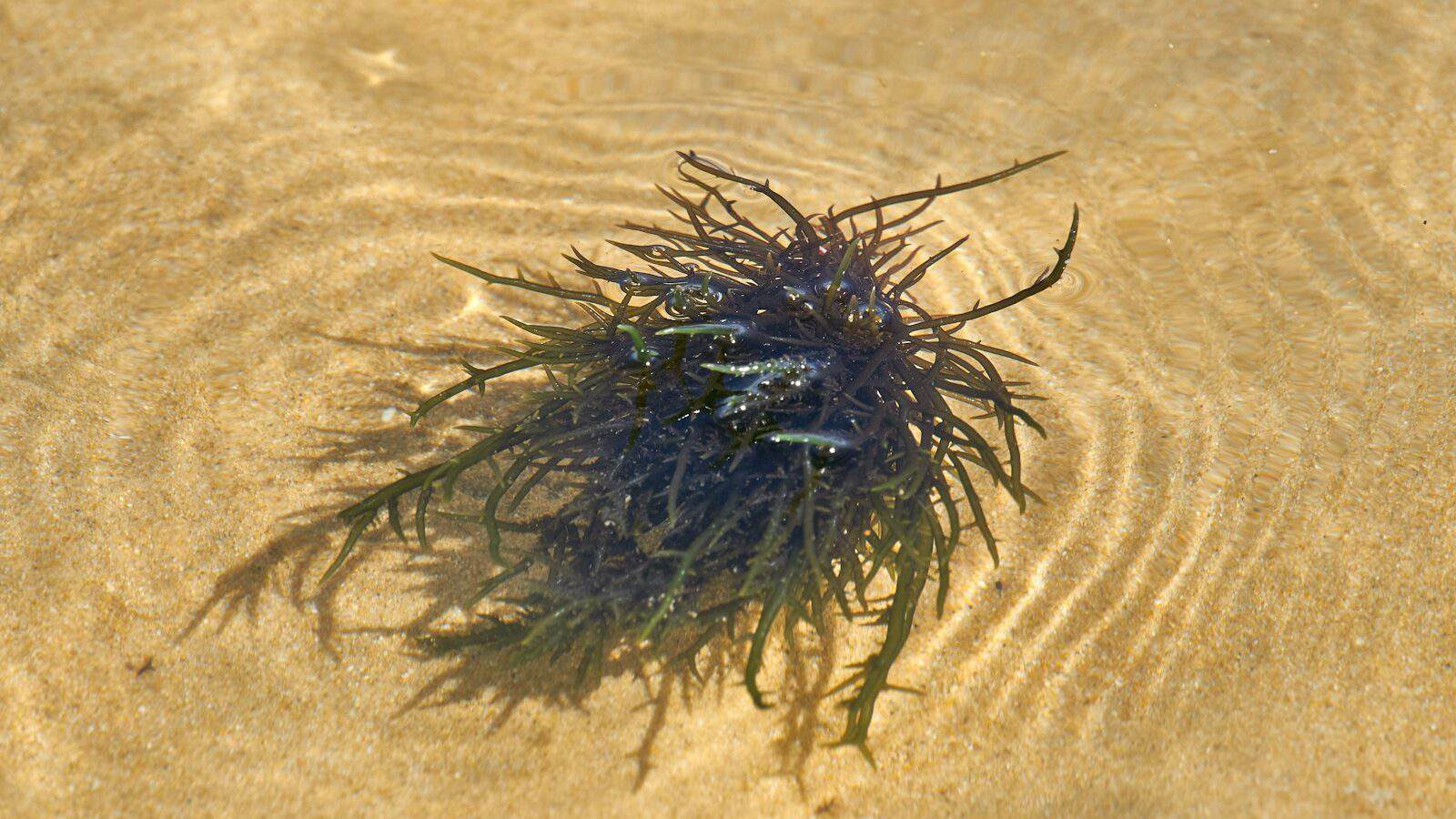
One of the most charming and frequently photographed seaweed play behaviors is what researchers informally call the “seaweed hat” or “seaweed crown.” Dolphins will deliberately balance pieces of seaweed on their heads, rostrums, or dorsal fins, swimming around with these decorations for extended periods. This behavior demonstrates remarkable body awareness and control, as maintaining the seaweed in place requires precise movements and adjustments while swimming.
The seaweed hat behavior appears to serve no obvious survival purpose, which makes it one of the clearest examples of dolphins engaging in play purely for enjoyment. It’s often observed in relaxed social settings and may elicit interest from other dolphins, potentially serving as a form of showing off or attention-seeking behavior. Some researchers have suggested it might also be a form of self-decoration, which would place dolphins among the few animal species that adorn themselves with environmental objects.
Captured on Camera: Documenting Seaweed Play
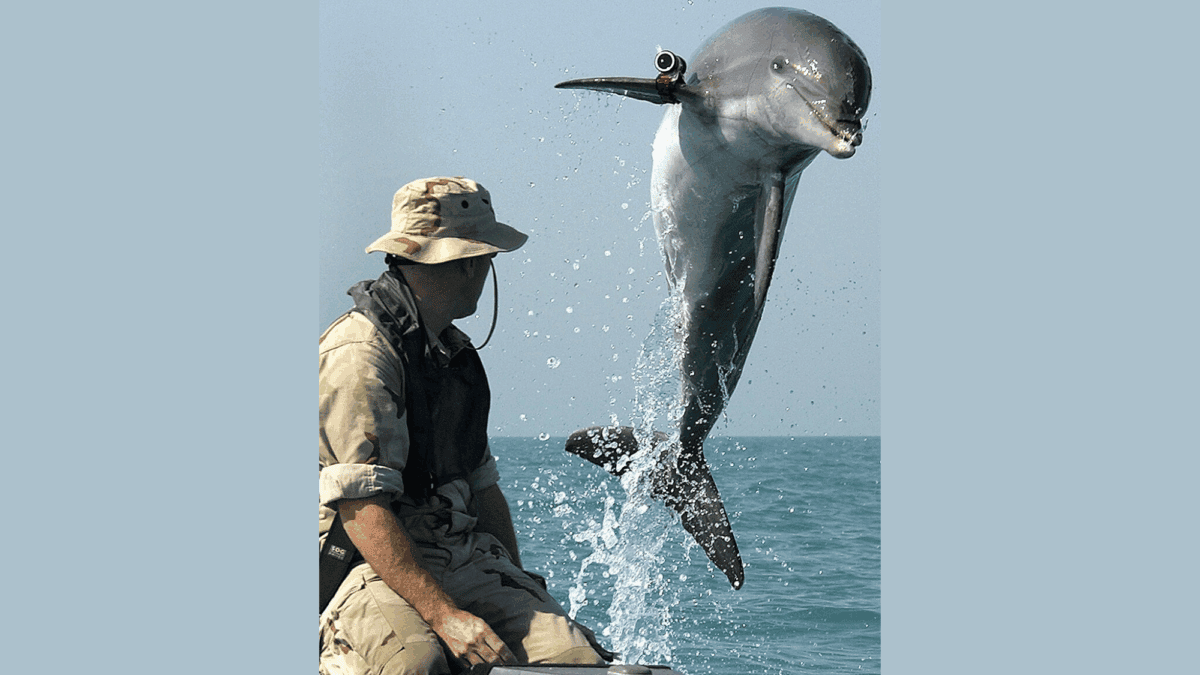
With advances in underwater photography and drone technology, marine researchers now have unprecedented abilities to document dolphin-seaweed interactions without disturbing natural behaviors. These technological developments have led to remarkable footage that allows scientists to analyze the subtleties of seaweed play in detail. Underwater cameras have captured complex sequences of seaweed manipulation that reveal the dexterity and precision with which dolphins can handle these plants despite lacking hands.
Citizen science has also contributed significantly to our understanding of this behavior. Recreational divers, whale-watching operators, and coastal residents frequently share photos and videos of dolphins playing with seaweed, providing researchers with valuable data about where and when these interactions occur. This growing visual record helps scientists track patterns in play behavior across different regions and seasons, enhancing our understanding of this fascinating aspect of dolphin behavior.
Implications for Captive Dolphin Enrichment
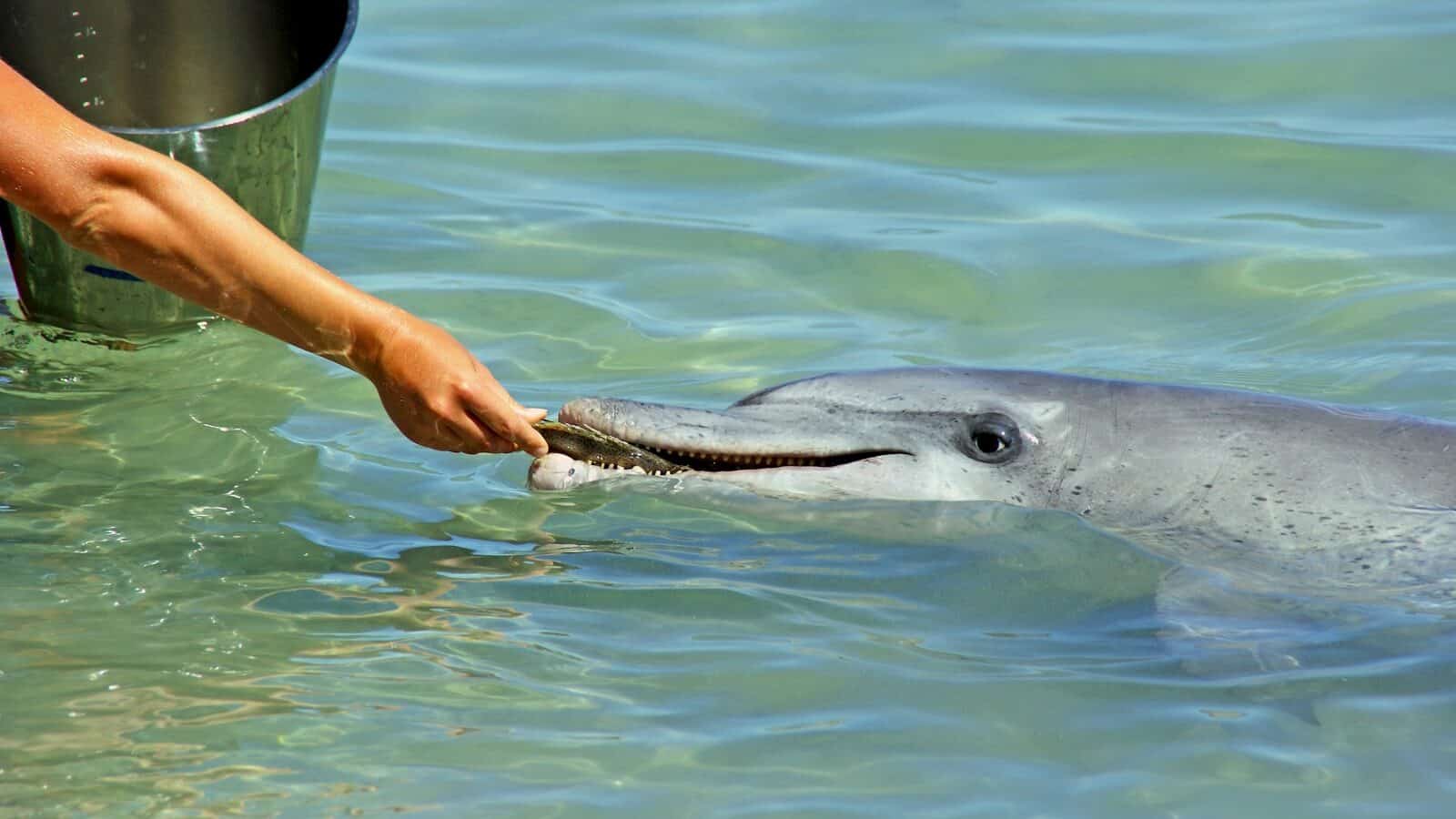
Observations of wild dolphins’ natural interest in seaweed have influenced enrichment programs for dolphins in human care. Many marine mammal facilities now incorporate natural materials like seaweed into their environmental enrichment protocols, providing captive dolphins with opportunities to engage in species-typical play behaviors. These enrichment activities are considered important for psychological well-being, as they stimulate natural behaviors and provide sensory experiences that might otherwise be lacking in artificial environments.
Research suggests that access to manipulable natural materials like seaweed may reduce stress and stereotypical behaviors in captive marine mammals. By understanding how wild dolphins naturally interact with seaweed, care specialists can design more effective enrichment programs that better meet the cognitive and sensory needs of dolphins under human care. This represents an important application of wild behavior studies to improving welfare standards for captive marine mammals worldwide.
Understanding Dolphin Intelligence Through Play

The complexity of dolphin seaweed play offers valuable insights into dolphin cognition and intelligence. The variety of ways dolphins interact with seaweed—from simple manipulation to social games and tool use—demonstrates their ability to innovate and find multiple uses for a single object. This behavioral flexibility is considered a hallmark of advanced intelligence in animals. When dolphins transform seaweed from simple floating vegetation into toys, tools, and social props, they’re exhibiting cognitive abilities that few other species possess.
Comparative studies between dolphin play and the play behaviors of other highly intelligent species like great apes and elephants reveal fascinating parallels. All these species engage in object play that becomes increasingly sophisticated with age, involves social learning, and can lead to practical innovations. By studying how dolphins play with seaweed, researchers gain windows into dolphin minds, helping us understand these remarkable marine mammals not just as biological entities but as thinking, feeling beings with rich inner lives and complex social cultures.
When dolphins play with seaweed, they’re engaging in behavior that serves multiple functions—from cognitive enrichment and social bonding to skill development and sensory pleasure. These playful interactions reveal the remarkable intelligence and behavioral complexity of dolphins, showcasing their ability to find joy and purpose in simple objects found in their environment. What might seem like mere play to casual observers actually represents a sophisticated set of behaviors with biological, social, and cognitive significance.
As we continue to study these fascinating marine mammals, their interactions with seaweed offer valuable insights into dolphin cognition, culture, and communication. The way dolphins transform simple strands of marine vegetation into tools for learning, socializing, and problem-solving reminds us of the rich inner lives of these ocean dwellers. In many ways, dolphin seaweed play serves as a powerful reminder that intelligence and playfulness evolved independently in the ocean just as they did on land, creating remarkable parallels between species that took very different evolutionary paths.
For scientists and nature enthusiasts alike, observing dolphins at play with seaweed provides a glimpse into the joy and curiosity that drives these animals—qualities that perhaps make them so relatable and fascinating to humans. As we face growing concerns about marine ecosystem health and biodiversity loss, understanding these playful interactions also underscores the importance of protecting the natural environments where such behaviors flourish. After all, healthy oceans support not just the physical needs of marine life but also enable the full expression of their natural behaviors, including the delightful sight of a dolphin swimming by with a “crown” of seaweed balanced perfectly upon its head.
Worried about unexpected vet bills?
Pet insurance can cover thousands in unexpected vet costs. Get a free quote from Lemonade in under 2 minutes.
Get My Free Quote →Sponsored · Opens Lemonade.com

- How Coral Polyps Work Together as One Super-Organism - June 9, 2026
- The Ocean’s Loudest Creature Is Smaller Than You’d Think - June 9, 2026
- 30 Bites and Stings That Are Worse Than You Think - June 9, 2026