

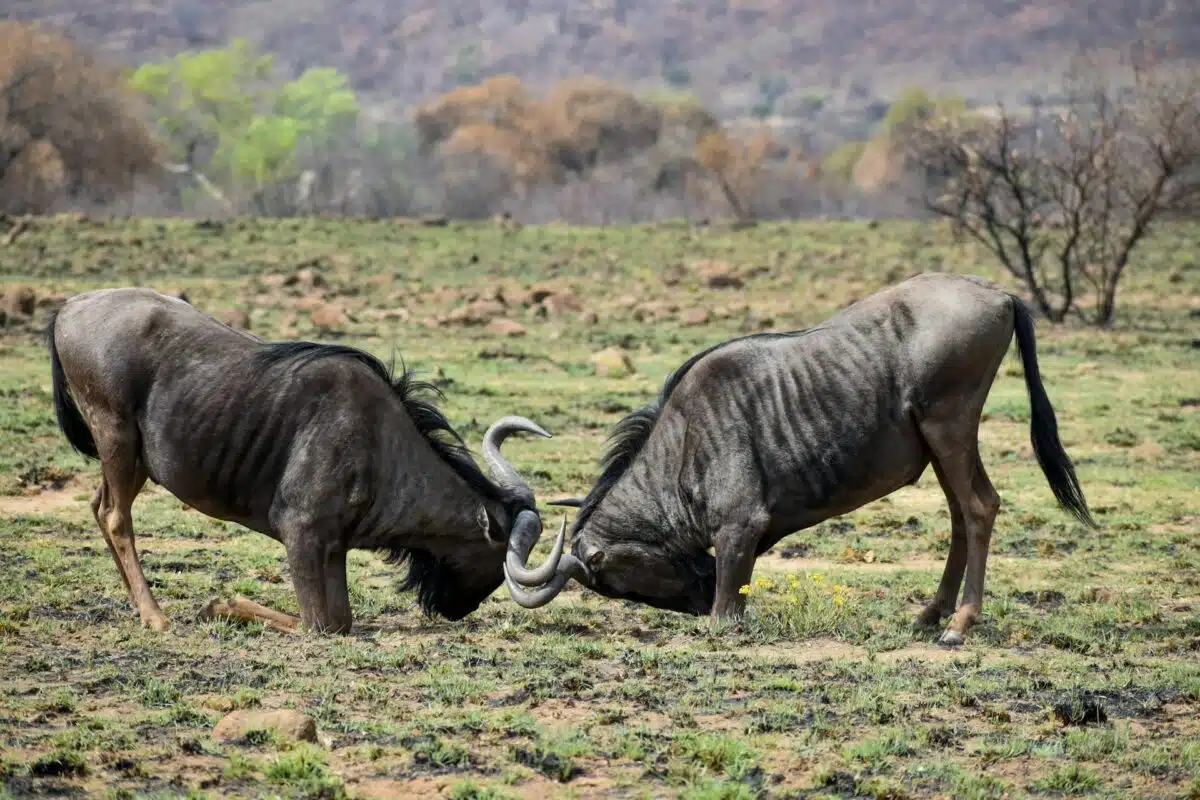
The African savanna hosts one of nature’s most dramatic survival stories—the relentless pursuit of wildebeest by spotted hyenas. This predator-prey relationship has evolved over millennia, shaping both species through natural selection. Spotted hyenas (Crocuta crocuta) have developed remarkable hunting strategies that make them formidable predators, while wildebeest (Connochaetes) have adapted with their own defensive mechanisms. Their encounters represent the raw, unfiltered drama of life and death that plays out daily across the grasslands of East and Southern Africa. Understanding these interactions provides insight into the ecological balance that maintains the savanna ecosystem and reveals the complex behaviors that have developed through evolutionary pressure.
Spotted Hyenas: Misunderstood Apex Predators
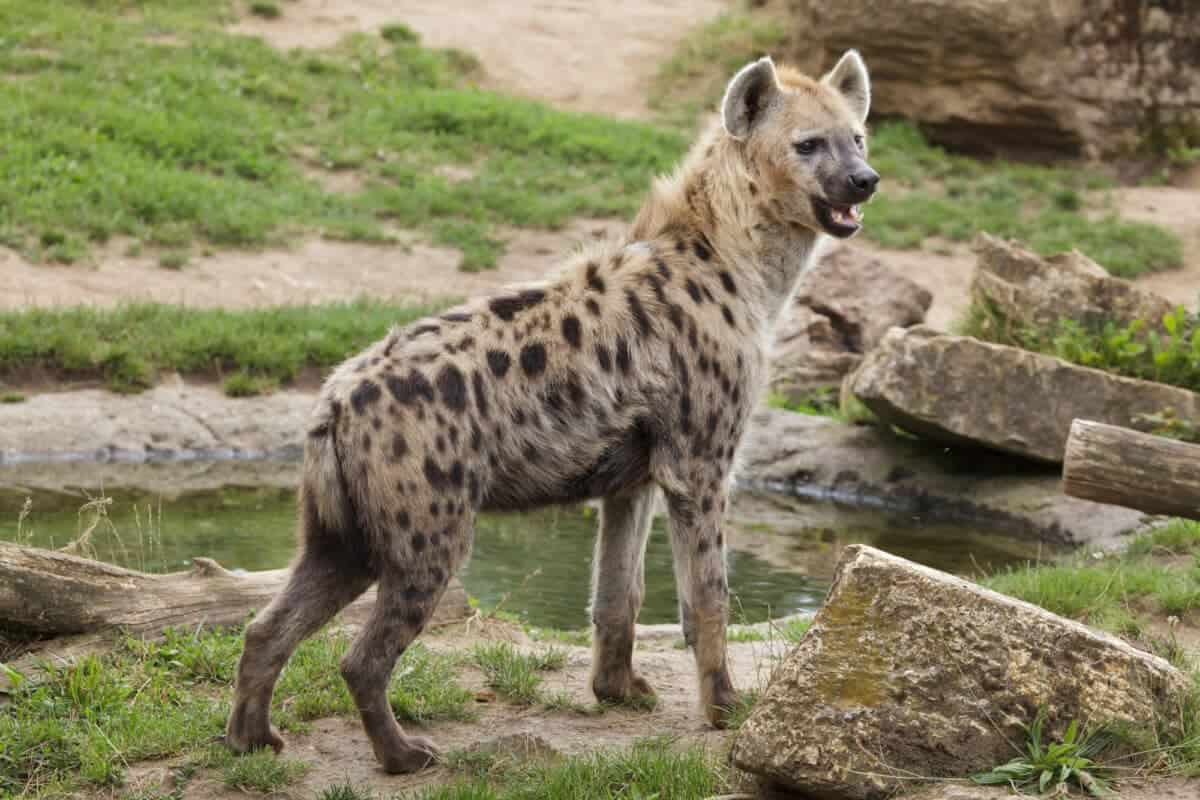
Contrary to their portrayal in popular culture as mere scavengers, spotted hyenas are sophisticated apex predators with impressive hunting capabilities. These animals possess the strongest jaws in the mammalian world, generating over 1,100 pounds of pressure per square inch—enough to crush the bones of their prey. Female spotted hyenas, who dominate the clan’s social hierarchy, can weigh up to 141 pounds (64 kg) and stand 30 inches (76 cm) tall at the shoulder.
Their distinctive build—powerful forequarters, sloping back, and extraordinarily strong neck muscles—is perfectly adapted for both hunting and processing carcasses. Hyenas can digest almost everything they consume except hooves, horns, and hair, making them efficient utilizers of their prey. Their reputation as scavengers stems partly from observations of them at lion kills, but research indicates that up to 90% of their diet in some regions comes from their own hunting efforts.
Wildebeest: Migration and Vulnerability

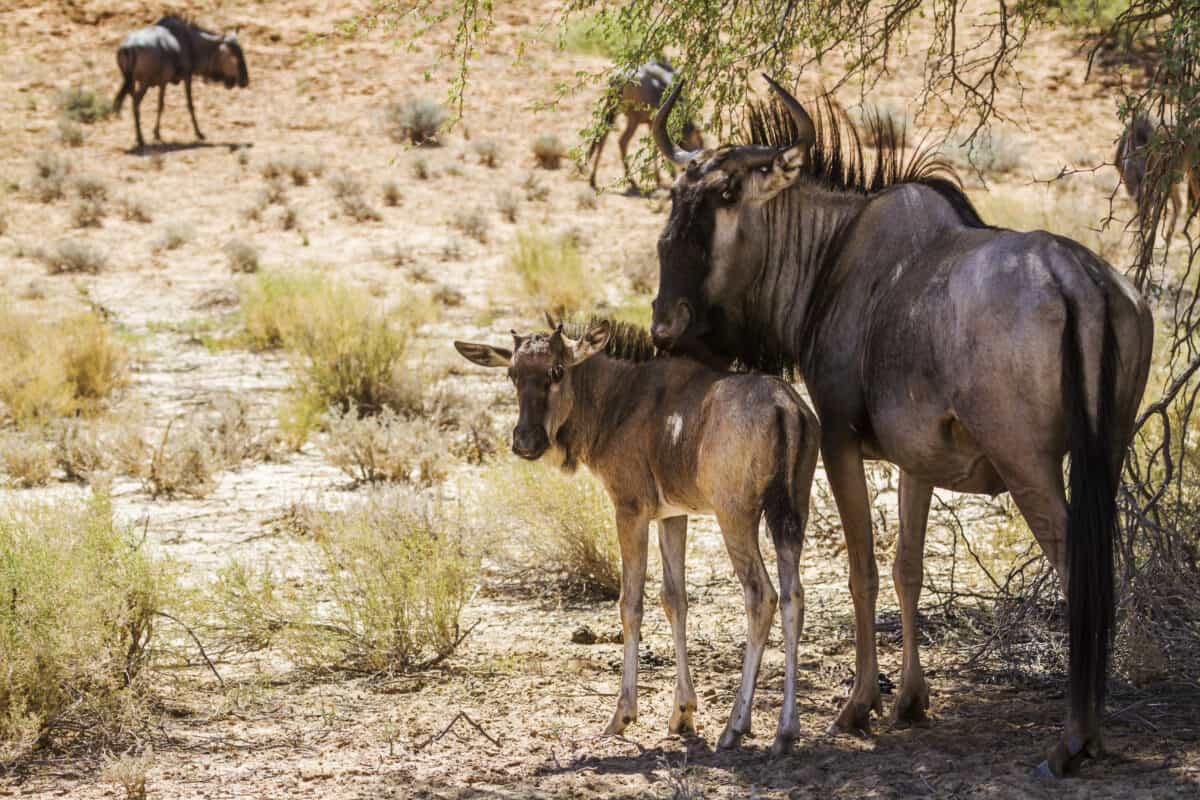
Wildebeest, also known as gnu, represent a primary prey species for hyenas across the African plains. These large antelopes, weighing between 260-600 pounds (118-272 kg), undertake one of the world’s most spectacular wildlife migrations. The annual Great Migration sees approximately 1.5 million wildebeest, along with hundreds of thousands of zebras and gazelles, traveling in search of fresh grazing and water.
This movement creates periods of particular vulnerability for the wildebeest. During river crossings, calving seasons, and when traversing predator-rich territories, wildebeest face increased risk. Though equipped with curved horns for defense and capable of running at speeds up to 50 mph (80 km/h), wildebeest often become targets for hyena clans, especially when individuals become separated from the herd, are weakened by disease or injury, or during the vulnerability of calving season when newborns present easier targets.
The Hunting Strategy: Coordination and Stamina
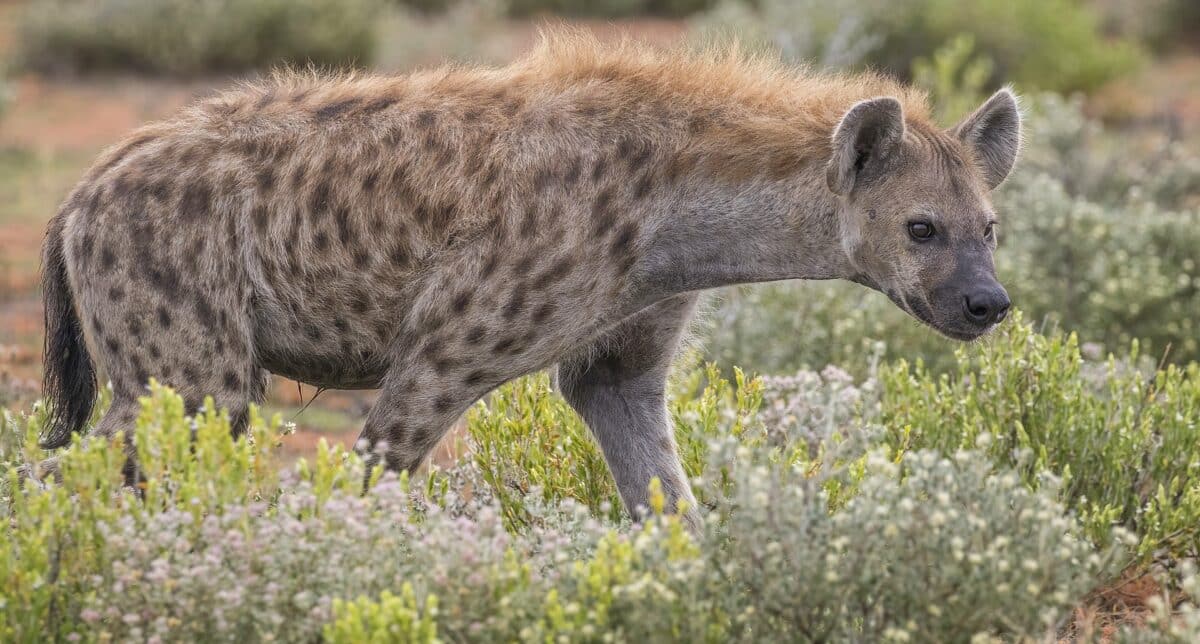
When hyenas target a wildebeest, they employ sophisticated cooperative hunting strategies that showcase their intelligence and social complexity. A typical hunt begins with hyenas identifying vulnerable individuals within a wildebeest herd—often the young, old, sick, or injured. The clan, which may number from 10 to 80 individuals, will coordinate their approach through a combination of vocalizations and body language. Contrary to popular belief, hyenas don’t simply rely on exhausting their prey through long chases.
Instead, they employ tactical approaches: some clan members may circle around to cut off escape routes while others initiate the attack. Their hunting success rates can reach 75% in optimal conditions—significantly higher than those of lions. This effectiveness comes from their extraordinary stamina, which allows them to pursue prey over distances of up to 5 kilometers, and their ability to maintain speeds of 40 mph (65 km/h) for several kilometers. The coordination displayed during these hunts underscores the complex social intelligence of hyena clans.
The Initial Attack: Targeting Vulnerabilities

The critical moment in a hyena’s wildebeest hunt is the initial attack, which follows a carefully executed strategy honed through evolutionary adaptation. Hyenas typically target the hindquarters of the wildebeest, aiming to hamstring their prey by severing the tendons and muscles of the rear legs. This tactic effectively immobilizes the wildebeest while minimizing the risk of injury from its powerful kicks or sharp horns.
The attack usually involves multiple clan members simultaneously—some may distract the wildebeest from the front while others launch the actual attack from behind. Their powerful jaws deliver devastating bites that can tear through tough skin and muscle. During this initial assault, hyenas also employ their weight to destabilize the larger wildebeest, often working to force the animal to the ground where it becomes significantly more vulnerable. Research has documented that this initial attack phase typically lasts between 30 seconds to several minutes, during which the wildebeest fights desperately to remain standing as its mobility represents its primary defense.
The Takedown: Overwhelming Force
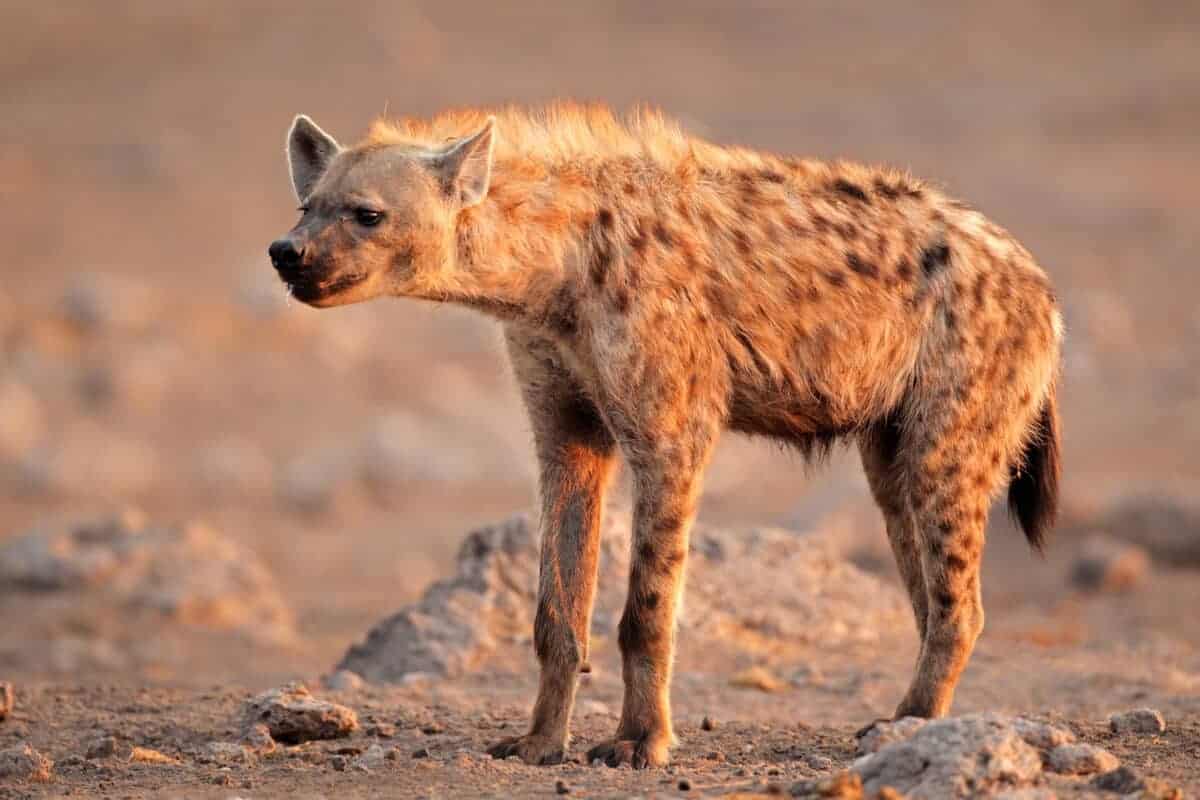
Once the initial attack has weakened the wildebeest, hyenas escalate their efforts to bring down their prey through overwhelming force. The clan coordinates to attack simultaneously from multiple angles, making it impossible for the wildebeest to defend itself effectively. As the wildebeest’s stamina wanes, hyenas intensify their assault on the hindquarters, often succeeding in toppling the animal. The moment the wildebeest falls represents a critical turning point in the hunt. Hyenas immediately target the vulnerable underbelly, where the skin is thinner and vital organs are accessible.
Their exceptional bite force comes into play as they tear through the abdominal wall. This phase of the hunt is characterized by heightened vocal activity among the hyenas—a mixture of whoops, giggles, and growls that researchers believe helps coordinate the clan’s actions and may also serve to attract additional clan members to the kill. Studies conducted in the Serengeti have documented that once a wildebeest is brought to the ground, death typically follows within 5-15 minutes, though this period can be significantly shorter if the clan is large and the attack particularly coordinated.
Feeding Hierarchy: The Social Dynamics at a Kill
The aftermath of a successful wildebeest takedown reveals the complex social dynamics of hyena society. Unlike many predators, hyenas begin consuming their prey while it is still alive, a behavior that appears brutal but evolved to maximize feeding opportunity in the competitive savanna environment. Once the wildebeest is subdued, a strict feeding hierarchy takes effect within the clan. Female hyenas and their offspring receive priority access to the carcass, reflecting the matriarchal structure of hyena society. The dominant female, or matriarch, feeds first, followed by other females according to their rank.
Adult males, who occupy the lowest social positions, must wait their turn and often receive only the remains. This hierarchical feeding system frequently results in aggressive interactions, including vocalizations, displays, and physical confrontations that reinforce the social order. Remarkably, hyenas can consume large quantities of meat in a short time—an adult can eat up to one-third of its body weight in a single feeding session, which translates to approximately 30-40 pounds (14-18 kg) of meat. Their specialized digestive system allows them to extract maximum nutrition from the carcass, including minerals from bones that other predators cannot process.
Competition at the Kill: Lions, Vultures, and Other Scavengers

A wildebeest kill quickly becomes a focal point of intense competition in the savanna ecosystem. The sounds and scents of a hyena kill attract other predators and scavengers from considerable distances. Lions pose the most significant threat to hyenas’ possession of their kill. Despite hyenas’ hunting prowess, a small group of lions can readily displace a larger clan of hyenas through aggression and physical dominance. This interspecific competition has shaped a complex relationship between these apex predators, characterized by mutual antagonism and resource stealing.
Within 30 minutes of a kill, vultures typically begin to gather overhead, with species like the lappet-faced vulture and white-backed vulture often being the first to arrive. Black-backed jackals frequently hover at the periphery of hyena kills, darting in opportunistically to steal morsels. During the feeding frenzy, researchers have documented up to seven different scavenger species at a single hyena kill. This concentrated activity transforms a single predation event into a critical resource node that supports multiple levels of the savanna food web. Studies in the Masai Mara have shown that a single wildebeest carcass can provide nutrition to over 200 individual animals across various species before being completely consumed.
The Ecological Impact: Hyena Predation on Wildebeest Populations

The predatory relationship between hyenas and wildebeest plays a crucial role in maintaining the ecological balance of the savanna ecosystem. Research conducted in the Serengeti ecosystem indicates that hyenas are responsible for approximately 50% of all wildebeest predation, accounting for roughly 40,000 wildebeest annually in this region alone.
This predation pressure serves multiple ecological functions. First, it helps regulate wildebeest population size, preventing overgrazing that could degrade the fragile grassland ecosystem. Second, hyenas typically target vulnerable individuals—the sick, injured, or genetically less fit—which strengthens the wildebeest gene pool through natural selection. This selective predation helps maintain the overall health and resilience of wildebeest herds. Additionally, the remains of hyena kills provide critical nutrition for a cascade of scavengers and decomposers, from vultures and jackals to insects and microorganisms.
This nutrient cycling accelerates the return of biomass to the soil, supporting plant growth and maintaining the productivity of the grassland ecosystem. Long-term studies in protected areas like the Ngorongoro Crater have demonstrated that fluctuations in hyena numbers directly influence wildebeest population dynamics, highlighting the interconnectedness of these species in the savanna food web.
Calving Season: The Annual Feast

The wildebeest calving season represents a period of extraordinary predatory opportunity for hyena clans. Each year, typically between January and March in the southern Serengeti plains, approximately 500,000 wildebeest calves are born within a remarkable 2-3 week synchronized birthing period. This reproductive strategy, known as predator satiation, aims to overwhelm predators with more potential prey than they can possibly consume, ensuring that a significant percentage of calves survive. For hyenas, however, this period represents a time of unprecedented hunting success.
Newborn wildebeest calves can stand within minutes of birth and run within a day, but they remain highly vulnerable during their first weeks of life. Hyena clans capitalize on this vulnerability, often establishing temporary territories within calving grounds. During peak calving periods, researchers have documented hyena predation success rates exceeding 85%, compared to their typical 60-70% success rate when hunting adult wildebeest. A single hyena clan can kill dozens of calves daily during this period, with studies indicating that predation (primarily by hyenas) accounts for up to 50% of all wildebeest calf mortality. This annual predation event has significant nutritional benefits for hyenas, with female hyenas showing improved reproductive success following calving seasons with high predation rates.
Wildebeest Defense Mechanisms: Fighting Back

Despite their reputation as prey animals, wildebeest possess remarkable defense mechanisms that sometimes allow them to resist hyena attacks successfully. Their primary defensive strategy revolves around herd dynamics—large groups provide safety through numbers, vigilance, and coordinated responses to threats. When threatened, wildebeest herds typically bunch together, with adults forming a protective barrier around calves and vulnerable individuals. Adult wildebeest, particularly males, can deliver powerful kicks capable of seriously injuring or killing predators.
Their curved horns, reaching up to 30 inches (76 cm) in length, serve as effective weapons during confrontations. When cornered, wildebeest display surprising aggression, lowering their heads to present their horns and charging potential threats. Studies in the Okavango Delta have documented successful defense against hyena attacks in approximately 30% of observed encounters, typically when adult wildebeest were able to maintain their footing and face their attackers directly. The effectiveness of these defense mechanisms increases when multiple wildebeest cooperate in their resistance. Researchers have observed that groups of four or more adult wildebeest can successfully repel attacks from small hyena groups through coordinated defensive behaviors.
River Crossings: Heightened Vulnerability

The iconic river crossings that occur during the Great Migration represent periods of extraordinary vulnerability for wildebeest and exceptional hunting opportunities for hyenas. When wildebeest approach major river systems like the Mara River, they gather in large numbers on the banks, often hesitating for days before crossing. This concentration of potential prey attracts predators, including hyena clans that establish temporary territories near popular crossing points. During river crossings, wildebeest face multiple threats: the physical challenge of navigating strong currents and steep banks, the presence of crocodiles in the water, and predators waiting on both sides.
As they exit the water, wildebeest are particularly vulnerable—exhausted from swimming, separated from the protection of the herd, and physically disadvantaged on the steep, slippery riverbanks. Hyenas exploit this vulnerability by positioning themselves strategically along exit points. Research conducted at major crossing points has documented predation rates up to five times higher than normal during these events. The chaos of mass crossings also creates opportunities for hyenas to isolate and target disoriented individuals, especially calves separated from their mothers in the tumult. These river crossing predation events represent a significant but temporally limited feeding opportunity in the annual cycle of hyena clans living along migration routes.
The Natural Balance: Understanding Predation in Ecosystem Context

The brutal reality of hyenas taking down wildebeest exemplifies nature’s essential balance between predator and prey—a relationship that has evolved over millions of years. This predatory interaction represents a fundamental ecological process that maintains the health and functionality of the savanna ecosystem. Through selective predation, hyenas remove approximately 5-10% of the wildebeest population annually, primarily targeting individuals that are less fit or genetically disadvantaged. This selective pressure drives the evolution of stronger defensive capabilities in wildebeest while simultaneously creating selection pressure for more effective hunting strategies in hyenas—an evolutionary arms race that continues to shape both species.
The transfer of energy that occurs when hyenas consume wildebeest represents a critical link in the savanna nutrient cycle, as the biomass of prey animals is converted into predator biomass and eventually returned to the ecosystem through decomposition. Long-term ecological research in the Serengeti has demonstrated that disruptions to this predator-prey relationship—through poaching, habitat fragmentation, or climate change—can trigger cascading effects throughout the ecosystem. The seemingly brutal act of predation thus takes on greater significance when viewed as part of the complex web of interactions that collectively maintain the biodiversity and resilience of the African savanna.
Conclusion: The Harsh Reality of Nature’s Balance
The dramatic confrontation between hyenas and wildebeest represents one of nature’s most raw and unfiltered survival struggles—a microcosm of the predator-prey dynamics that shape ecosystems worldwide. Through their highly evolved hunting strategies, spotted hyenas maintain their position as apex predators while simultaneously performing critical ecological functions that support the health and diversity of the savanna ecosystem. For the wildebeest, predation pressure from hyenas has driven the evolution of defensive adaptations, from their synchronized calving strategy to their powerful kicks and herding behaviors.
Though the takedown of a wildebeest may appear brutal to human observers, this interaction reflects the necessary balance of nature—the continuous transfer of energy between species that ultimately sustains the complex web of life in African grasslands. As climate change and human activities increasingly threaten these ecological relationships, understanding the intricate dynamics between predators like hyenas and their prey becomes essential for effective conservation efforts aimed at preserving these iconic species and the ecosystems they inhabit.

From exploring the marine wonders in the Azores and witnessing the vast savannas of Kenya, to delving deep into the rich biodiversity of South Africa and traversing iconic landscapes in Australia and the US like Yellowstone, Chris's experiences are vast.
With a penchant for diving alongside sharks, the ocean holds a special place in his heart.
Through his academic insights, he champions wildlife conservation, striving with 'Animals Around The Globe' to cultivate a profound connection between humans and animals, enhancing our mutual appreciation.
Connect with him at Feedback@animalsaroundtheglobe.com.
- The Most Fascinating Natural History Museums in the World - July 18, 2026
- How Real Is the Animal Kingdom in The Chronicles of Narnia? - July 18, 2026
- Why You Should Try Birding in Appalachian Trail This Year - July 18, 2026