

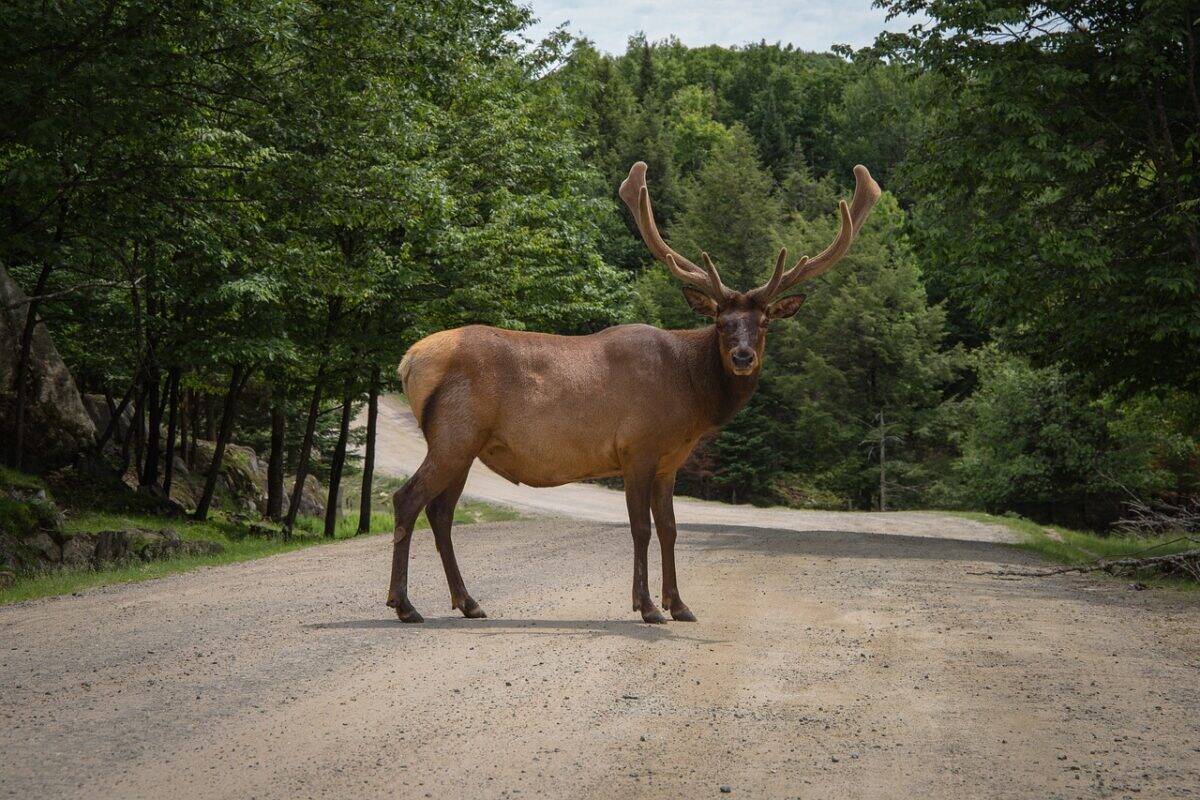
The haunting bugle of a bull elk echoes through the misty dawn, a sound that has stirred the hearts of wildlife enthusiasts for generations. As autumn paints the landscape in brilliant golds and reds, North America’s majestic elk enter their most dramatic and captivating season. This isn’t just any ordinary time of year – it’s rutting season, when these magnificent creatures transform from peaceful grazers into passionate performers in nature’s most spectacular wildlife show.
From September through October, elk abandon their usual calm demeanor for an intense mating ritual that combines raw power, haunting vocals, and surprisingly tender moments. Bulls that typically mind their own business suddenly become territorial gladiators, their massive antlers gleaming in the crisp mountain air as they compete for the attention of cow elk. The result is a wildlife spectacle that draws thousands of visitors to national parks and wilderness areas across the continent.
Understanding Elk Rutting Season Timing

The elk rut typically begins in mid-September and continues through early October, though exact timing varies by geographic location and elevation. Higher elevation areas often experience rutting activity earlier than lower valleys, sometimes starting as early as late August. Weather patterns, particularly the first cold snaps of autumn, trigger hormonal changes that kickstart this dramatic transformation in elk behavior.
Peak rutting activity usually occurs during the last week of September and first week of October. This is when bulls are most vocal, territorial disputes reach their intensity, and the chances of witnessing spectacular behaviors are highest. Temperature drops and shorter daylight hours serve as nature’s alarm clock, telling these magnificent animals it’s time to focus on ensuring the next generation.
Rocky Mountain National Park, Colorado
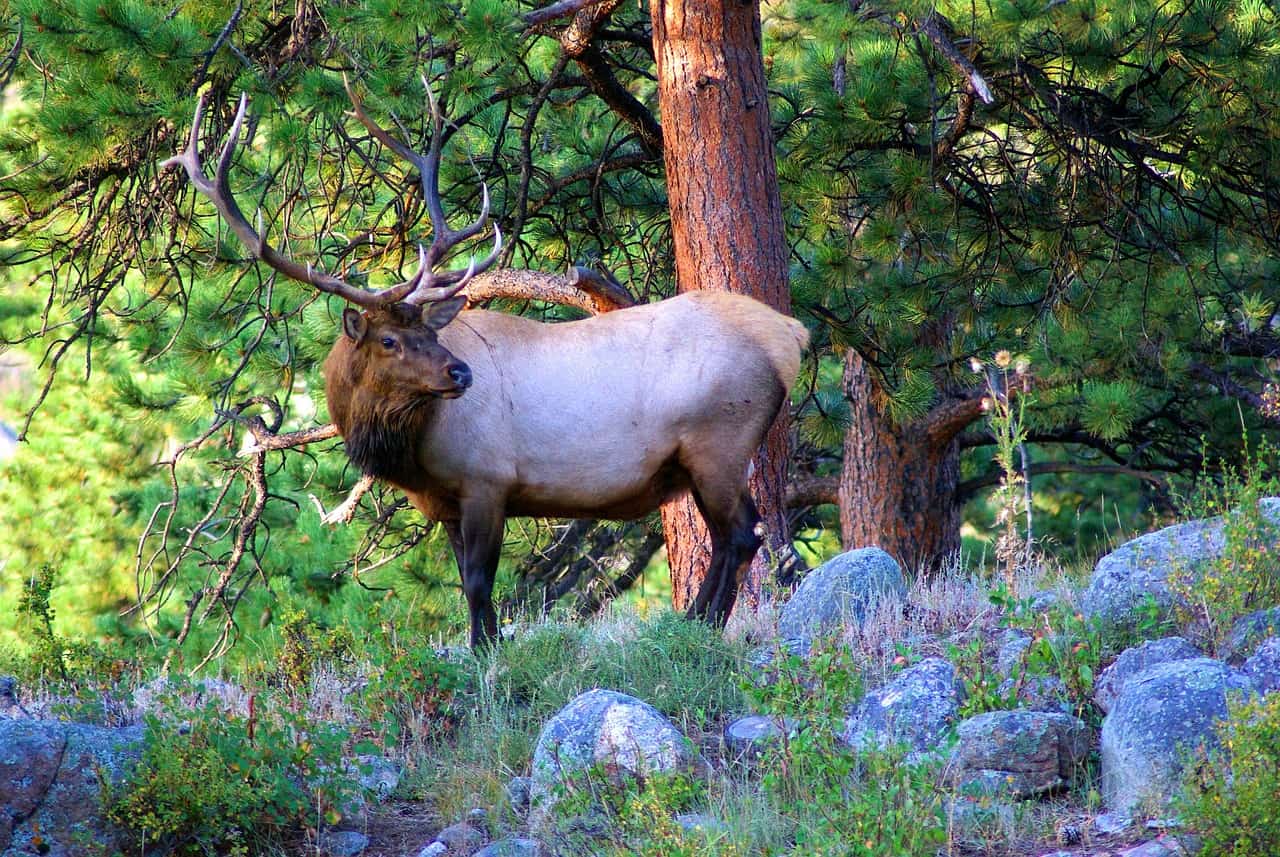
Rocky Mountain National Park stands as perhaps the most accessible and reliable destination for elk viewing during rutting season. The park’s Kawuneeche Valley and Moraine Park areas become theaters for elk drama, with hundreds of animals gathering in open meadows surrounded by golden aspen trees. The contrast between the elk’s brown coats and the vibrant fall foliage creates photography opportunities that seem almost too perfect to be real.
Visitors can position themselves along the park’s road system and hiking trails for excellent viewing opportunities. The park’s elevation range means elk move between different areas throughout the day, following food sources and seeking optimal temperatures. Early morning and late afternoon provide the best chances for witnessing bugling, sparring, and other rutting behaviors.
Yellowstone National Park, Wyoming
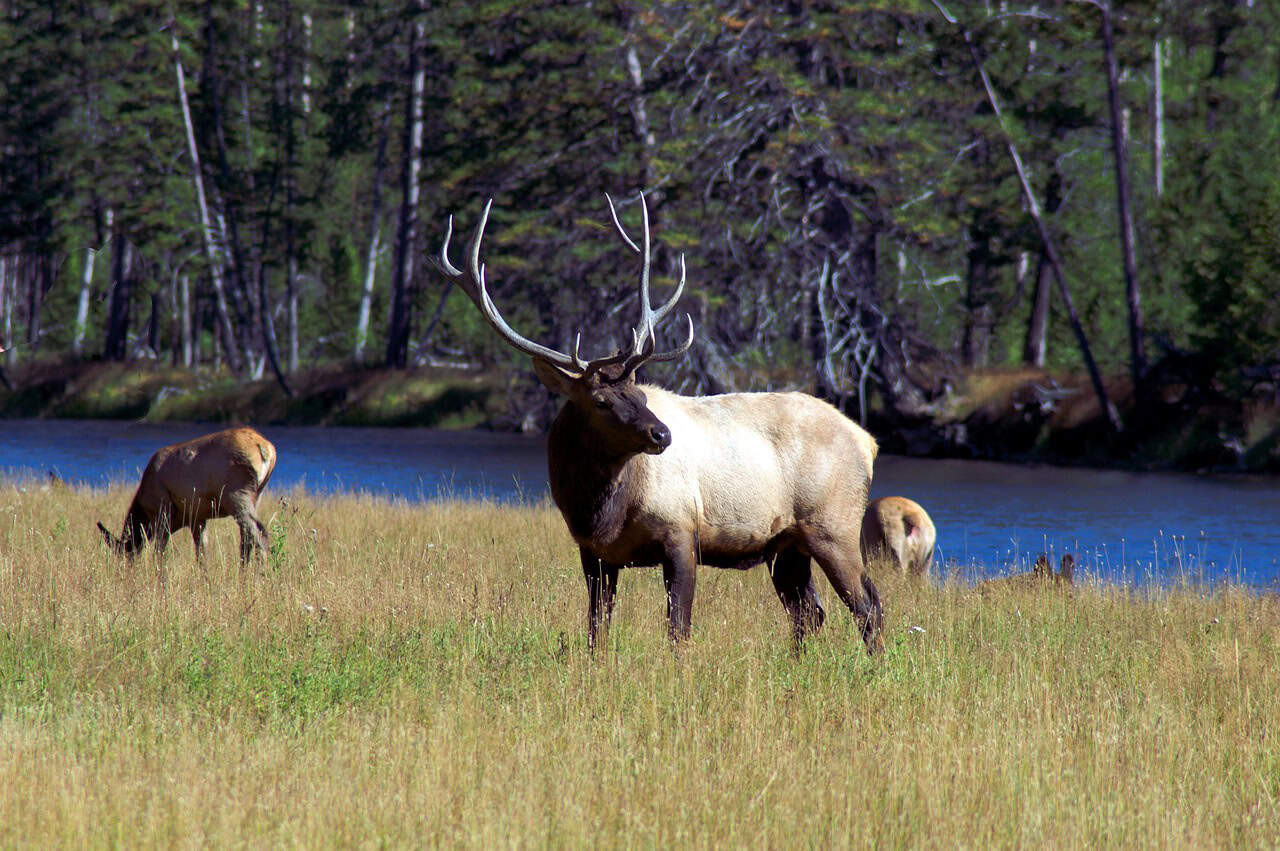
Yellowstone’s vast wilderness provides some of the most pristine elk viewing experiences in North America. The park’s Northern Range, particularly around Mammoth Hot Springs and the Lamar Valley, hosts significant elk populations during rutting season. Here, visitors can witness elk behavior in an environment that has remained largely unchanged for thousands of years, creating an authentic connection to the wild.
The park’s thermal features add an extra dimension to elk viewing, as steam from hot springs creates mystical backdrops for these autumn gatherings. Lamar Valley, often called “America’s Serengeti,” offers wide-open spaces where elk movements can be observed from considerable distances. The combination of wildlife density and dramatic landscapes makes Yellowstone a premier destination for serious elk enthusiasts.
Great Smoky Mountains National Park, Tennessee/North Carolina

The Great Smoky Mountains represent the eastern frontier of elk viewing, where a successful reintroduction program has restored these magnificent animals to their historical range. Cataloochee Valley serves as the primary viewing area, where elk graze in open meadows surrounded by the park’s famous misty mountains. The intimate scale of this valley creates more personal encounters with elk than the vast western parks.
The Smokies’ elk population remains relatively small but concentrated, increasing the likelihood of sightings during rutting season. The park’s lush forests and open meadows provide ideal habitat, while the region’s milder climate extends the rutting season slightly later than western populations. Historic buildings scattered throughout Cataloochee Valley create unique photographic opportunities with elk in the foreground.
Banff National Park, Alberta, Canada
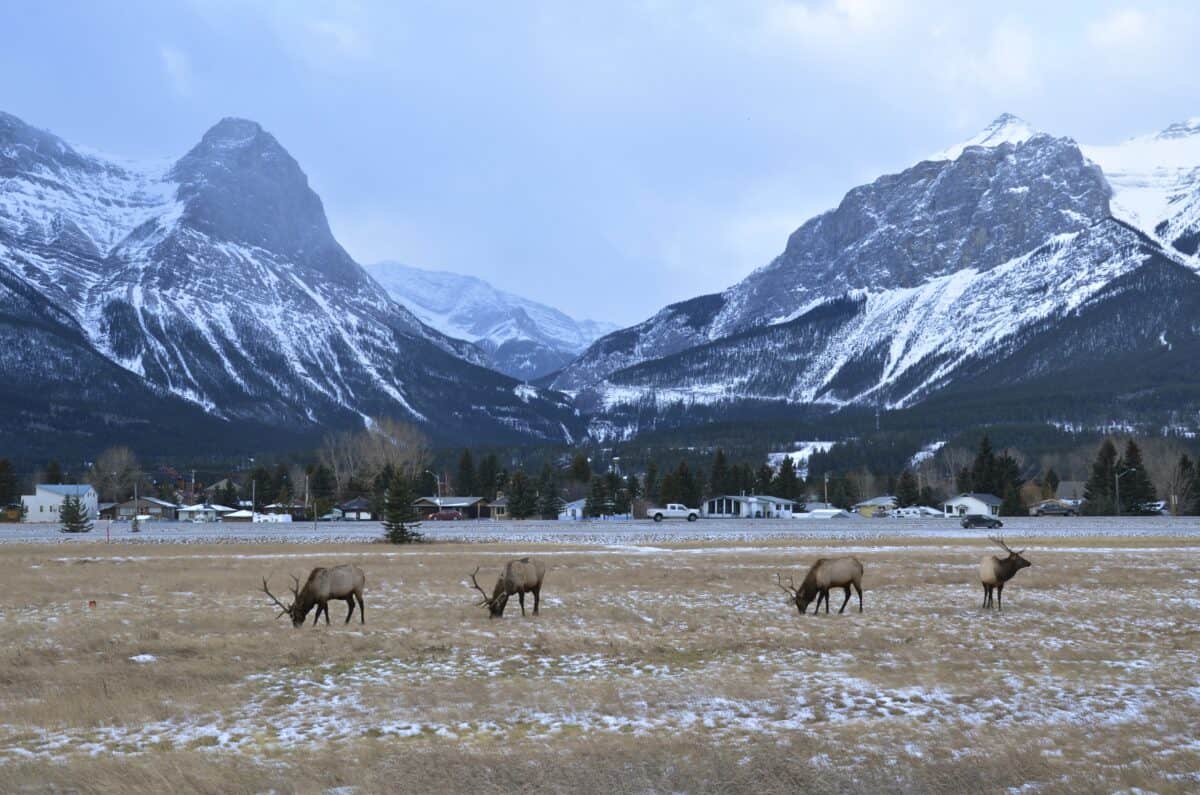
Canada’s Banff National Park offers international elk viewing opportunities against the backdrop of some of North America’s most spectacular mountain scenery. The town of Banff itself becomes a wildlife viewing destination during rutting season, as elk venture into residential areas and golf courses. This creates unique opportunities to observe elk behavior in semi-urban environments, though visitors must maintain respectful distances.
The park’s Bow Valley and surrounding areas provide excellent elk habitat, with the Canadian Rockies creating a stunning backdrop for wildlife photography. Banff’s elk population has adapted to human presence while maintaining their wild behaviors, creating educational opportunities for visitors to learn about wildlife coexistence. The park’s extensive trail system allows for backcountry elk encounters away from more crowded areas.
Grand Teton National Park, Wyoming
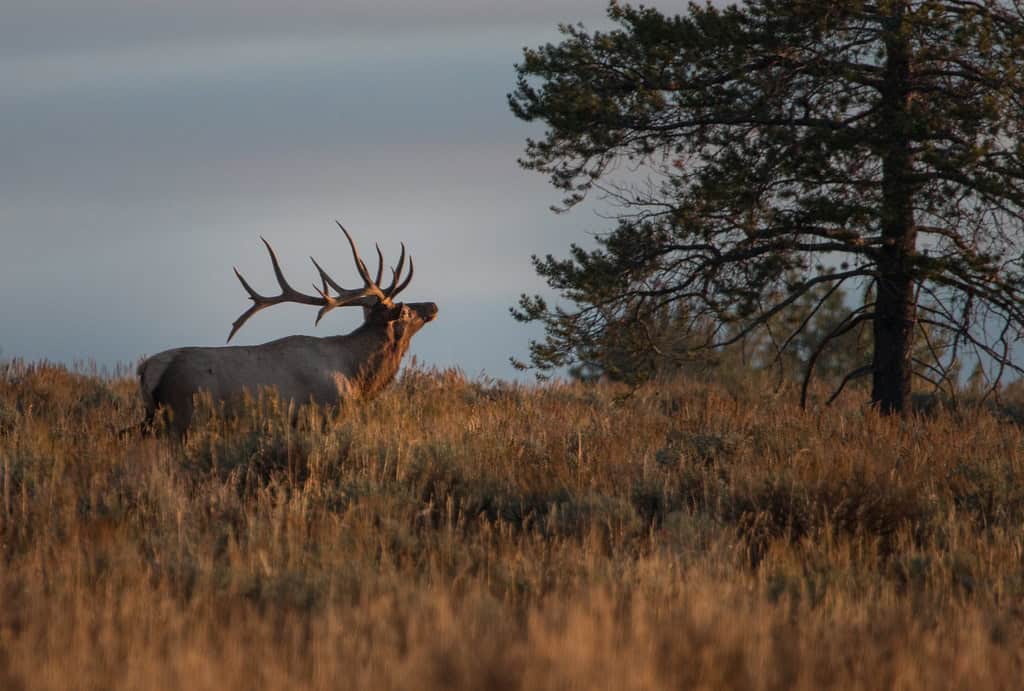
Grand Teton National Park’s dramatic mountain backdrop creates some of the most visually stunning elk viewing opportunities in North America. The park’s valley floors and meadows provide excellent habitat, while the iconic Teton Range serves as a magnificent backdrop for wildlife photography. Jackson Lake and surrounding areas concentrate elk populations during rutting season, making them easier to locate and observe.
The park’s relatively compact size means elk encounters can happen anywhere, from roadside meadows to backcountry wilderness areas. The combination of mountain scenery and wildlife creates a sensory experience that captures the essence of the American West. Visitors often describe their elk encounters here as life-changing, connecting them to the wild in ways that urban life rarely allows.
Jasper National Park, Alberta, Canada

Jasper National Park’s vast wilderness areas provide some of the most authentic elk viewing experiences available. The park’s size and remote character mean elk populations remain largely undisturbed, displaying natural behaviors without the pressure of heavy human visitation. Athabasca Valley and surrounding areas offer excellent elk habitat, with the park’s extensive road system providing access to prime viewing locations.
The park’s northern latitude means rutting season timing can vary from more southern locations, sometimes extending into late October. Jasper’s elk populations include some of the largest bulls in North America, with massive antler spreads that create truly impressive displays during rutting season. The park’s commitment to wildlife conservation ensures these populations remain healthy and genetically diverse.
Elk Island National Park, Alberta, Canada
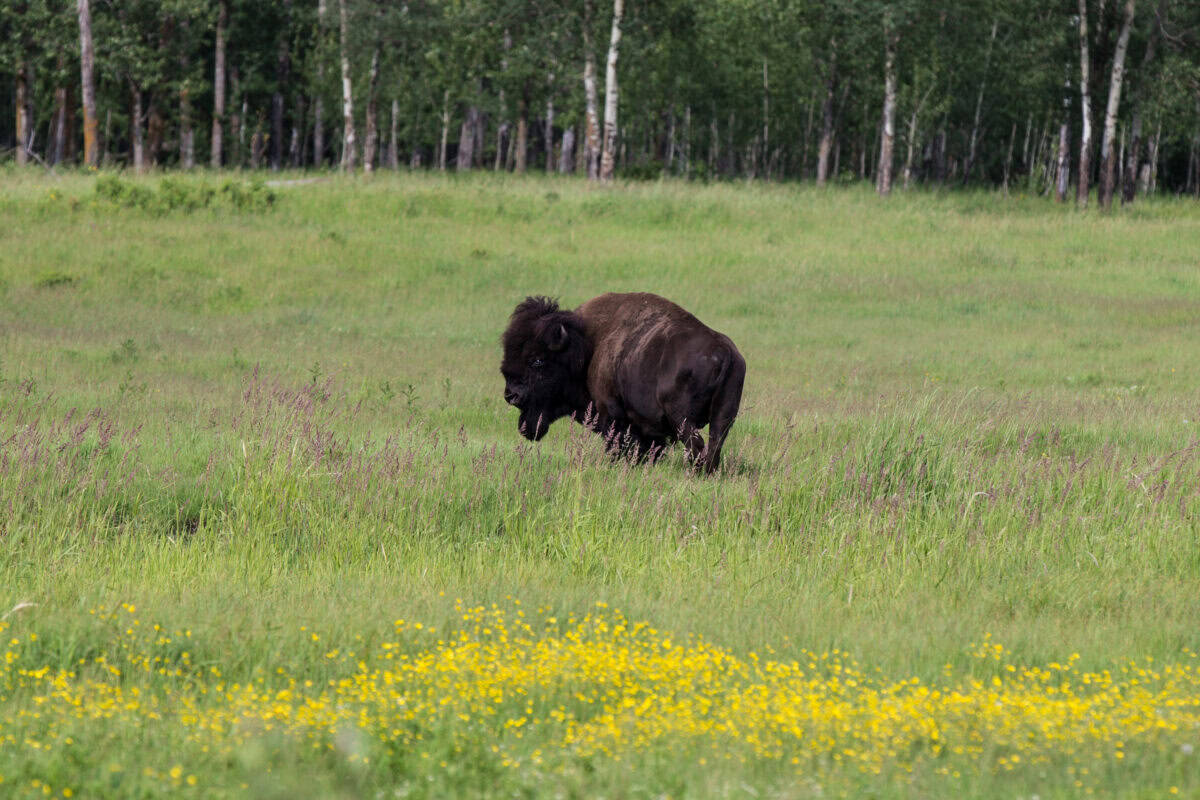
Despite its name suggesting otherwise, Elk Island National Park actually specializes in plains bison conservation, but it also maintains healthy elk populations in a more contained environment. This unique setting allows for closer elk observation opportunities while maintaining wild behaviors and natural habitat conditions. The park’s smaller size means elk encounters are more predictable, making it an excellent choice for visitors with limited time.
The park’s conservation focus provides educational opportunities about elk biology and behavior that larger wilderness parks cannot offer. Interpretive programs during rutting season help visitors understand the complex social dynamics and behavioral changes that occur during this critical time. The park’s proximity to Edmonton makes it accessible for day trips while providing authentic wilderness experiences.
Pennsylvania’s Elk Country
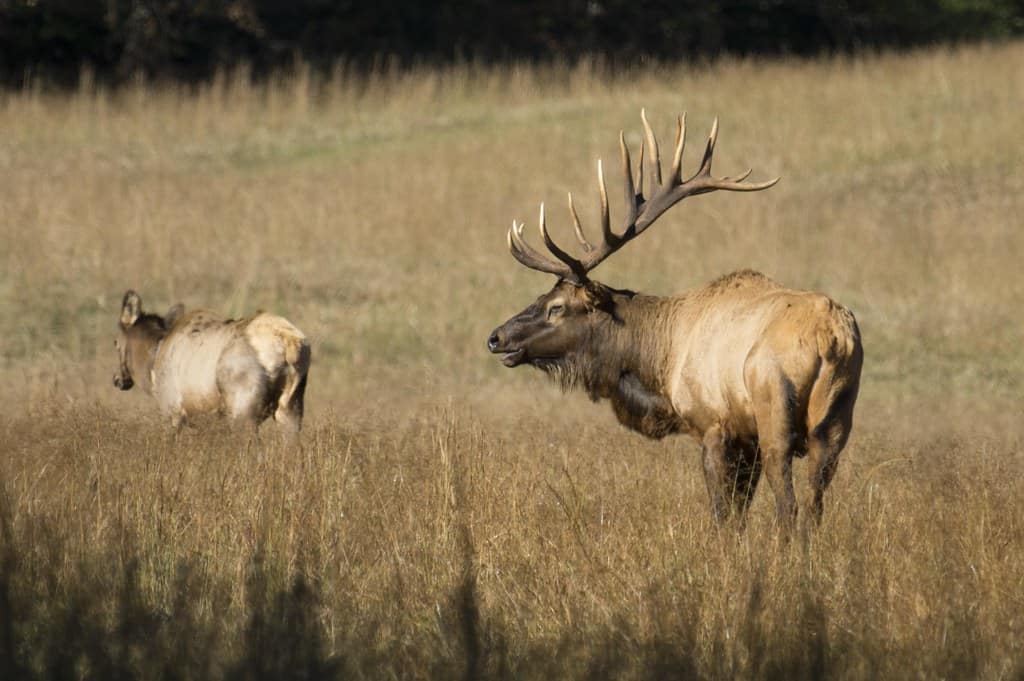
Pennsylvania’s elk restoration represents one of the most successful wildlife comeback stories in the eastern United States. The state’s Elk Country Visitor Center in Benezette serves as the hub for elk viewing activities, with surrounding areas providing excellent opportunities to observe these magnificent animals. The region’s mixed forest and meadow habitat creates ideal conditions for elk populations to thrive.
Pennsylvania’s elk herd, while smaller than western populations, offers unique viewing opportunities in eastern deciduous forests. The state’s commitment to elk conservation includes habitat management and visitor education programs that enhance the viewing experience. Local communities have embraced elk tourism, creating a supportive infrastructure for wildlife enthusiasts visiting the area.
Best Times of Day for Elk Viewing
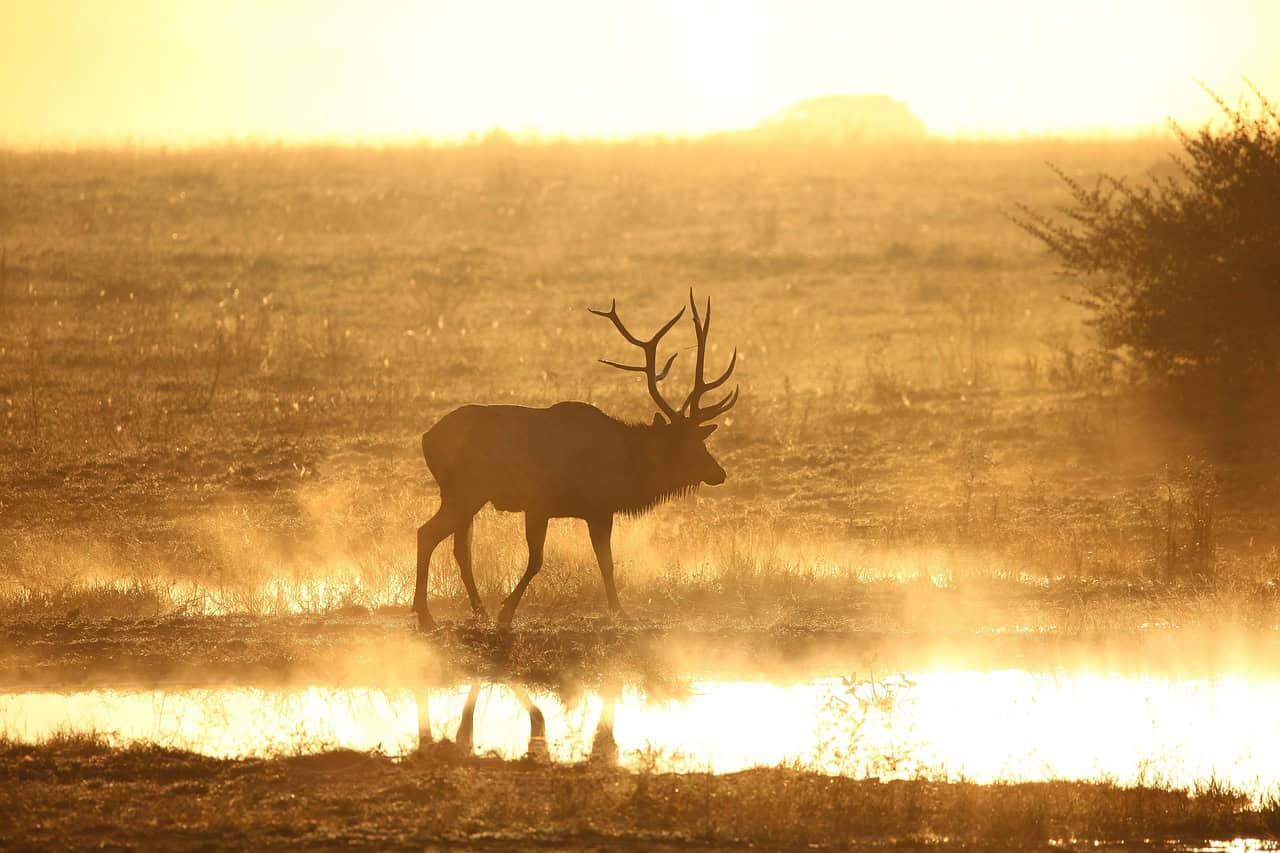
Early morning hours, particularly the first two hours after sunrise, provide the most productive elk viewing opportunities during rutting season. Elk are naturally most active during these cooler hours, when they venture into open areas to feed and engage in rutting behaviors. The soft morning light also creates optimal conditions for photography, with the golden hour illuminating elk against misty backgrounds.
Late afternoon and evening hours offer the second-best viewing window, as elk become active again before nightfall. The last two hours before sunset often produce the most dramatic rutting displays, as bulls become increasingly vocal and territorial. Evening light creates warm, atmospheric conditions that enhance the emotional impact of elk encounters.
Weather conditions significantly influence elk activity levels, with overcast days often producing more daytime activity than bright, sunny conditions. Cool temperatures and light precipitation can extend elk activity throughout the day, creating unexpected viewing opportunities for patient observers.
Understanding Elk Behavior During Rutting Season
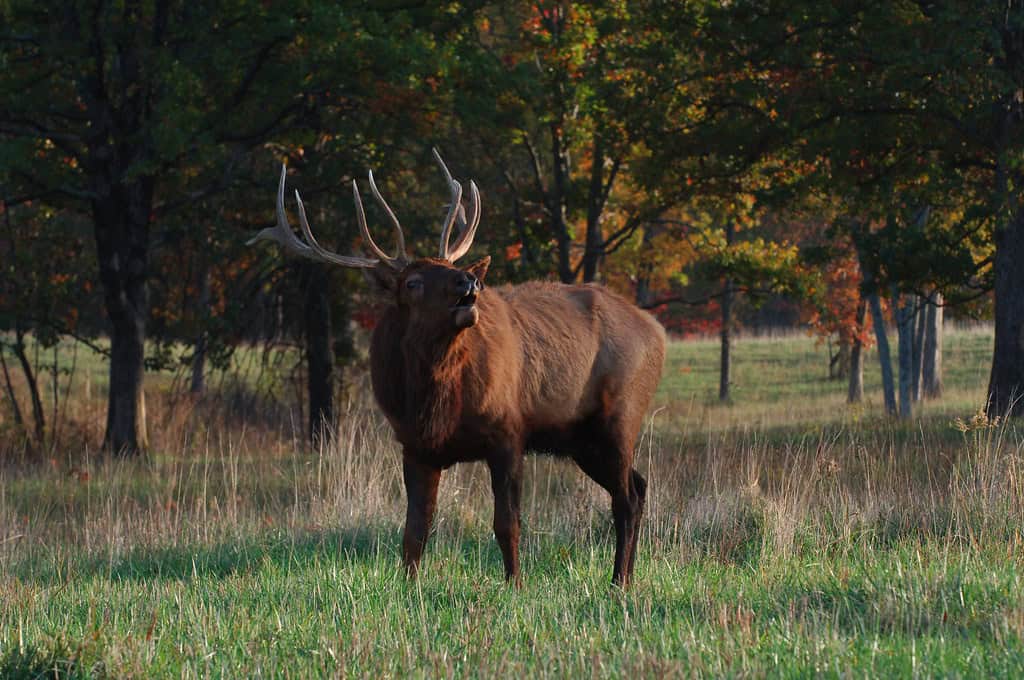
Bull elk undergo dramatic behavioral changes during rutting season, transforming from generally peaceful animals into territorial competitors. The famous elk bugle serves multiple purposes: attracting cow elk, intimidating rival bulls, and establishing territorial boundaries. These vocalizations can be heard for miles and represent one of nature’s most haunting and beautiful sounds.
Bulls establish harems of cow elk, which they defend vigorously against other males. This creates dynamic social situations where bulls must balance feeding, resting, and territorial defense. The physical demands of rutting season are so intense that bulls often lose significant body weight and may not fully recover until the following spring.
Sparring and fighting behaviors escalate during peak rutting season, with bulls engaging in both ritualized displays and serious combat. Most confrontations involve posturing and vocal challenges, but actual antler clashing does occur when neither bull backs down. These encounters, while dramatic, rarely result in serious injury due to the evolved nature of elk combat behaviors.
Safety Considerations When Viewing Elk

Elk viewing during rutting season requires heightened awareness of safety considerations, as bulls become unpredictable and potentially dangerous. National Park Service guidelines recommend maintaining at least 75 feet distance from elk at all times, with even greater distances recommended during rutting season. Bulls protecting harems may charge perceived threats, including humans who venture too close.
Vehicle-based viewing provides the safest observation platform, allowing for quick retreat if elk behavior becomes threatening. Visitors should never leave their vehicles to approach elk, regardless of how calm the animals appear. The combination of increased aggression and reduced fear during rutting season makes elk encounters potentially dangerous for unprepared visitors.
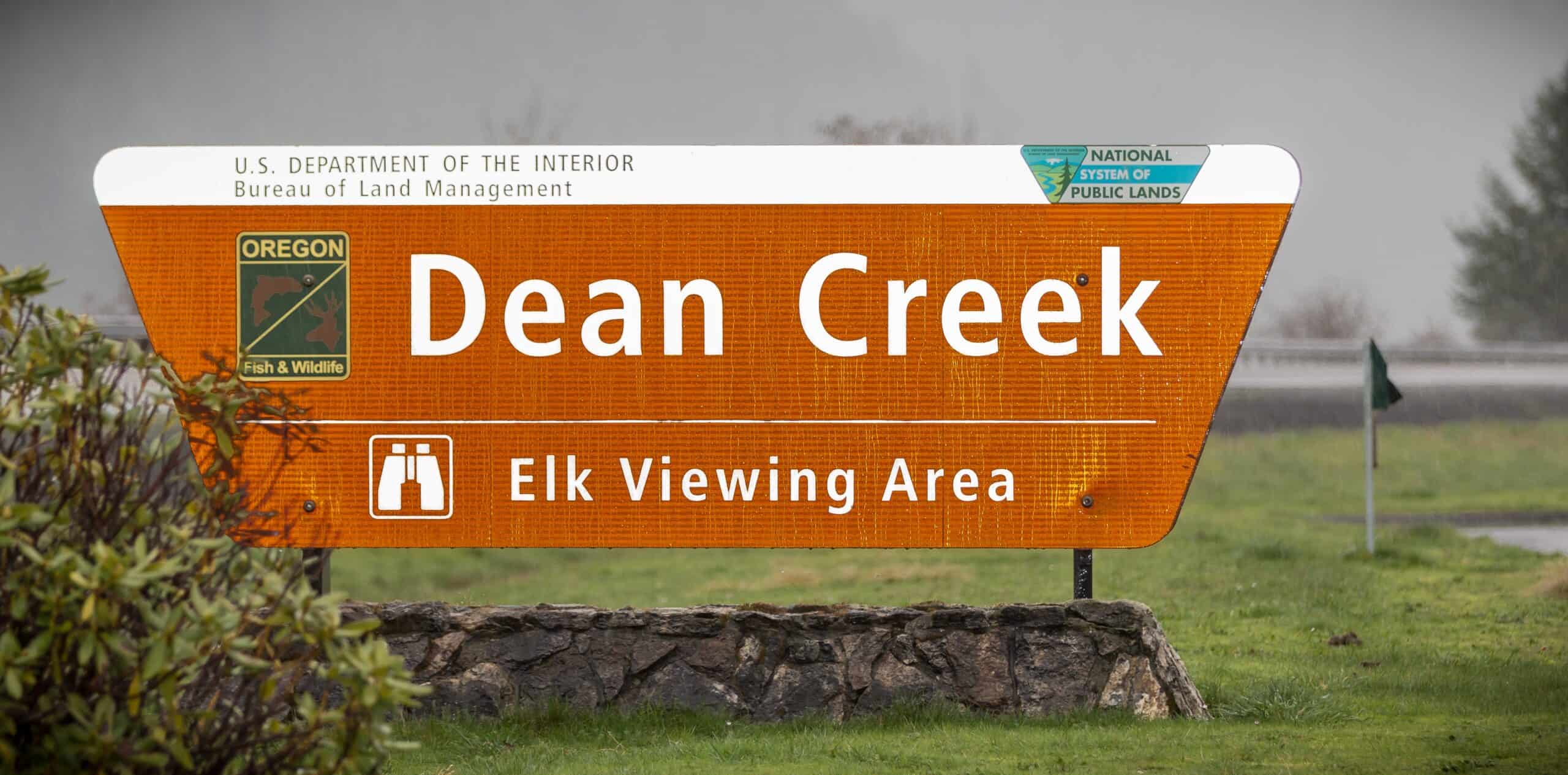
Photography enthusiasts should resist the temptation to get closer for better shots, as telephoto lenses can capture stunning images from safe distances. Many parks provide viewing areas specifically designed for elk observation, with barriers and designated parking areas that promote safe wildlife viewing practices.
Photography Tips for Elk Rutting Season

Successful elk photography during rutting season requires patience, preparation, and respect for wildlife safety guidelines. Long telephoto lenses (300mm or longer) are essential for capturing detailed images while maintaining safe distances. Early morning and late afternoon lighting creates the most dramatic and flattering conditions for elk photography.
Capturing bugling behavior requires anticipation and quick reflexes, as these vocalizations often occur suddenly and last only seconds. Photographers should focus on the bull’s posture and body language to predict when bugling might occur. The visible breath from elk vocalizations in cool morning air adds atmospheric elements to photographs.
Background selection becomes crucial for creating compelling elk images, with photographers seeking positions that isolate elk against clean backgrounds. The golden colors of autumn foliage provide natural complements to elk coloration, creating visually striking compositions. Patience often rewards photographers with unique behavioral moments that capture the essence of rutting season.
What to Bring for Elk Viewing Expeditions
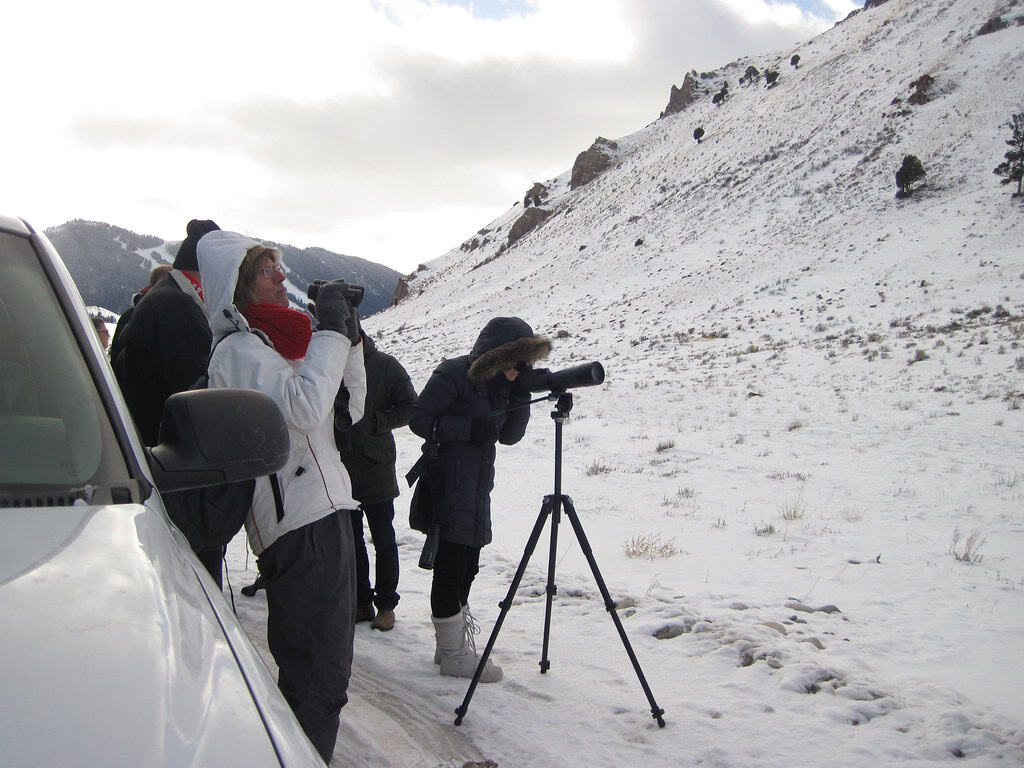
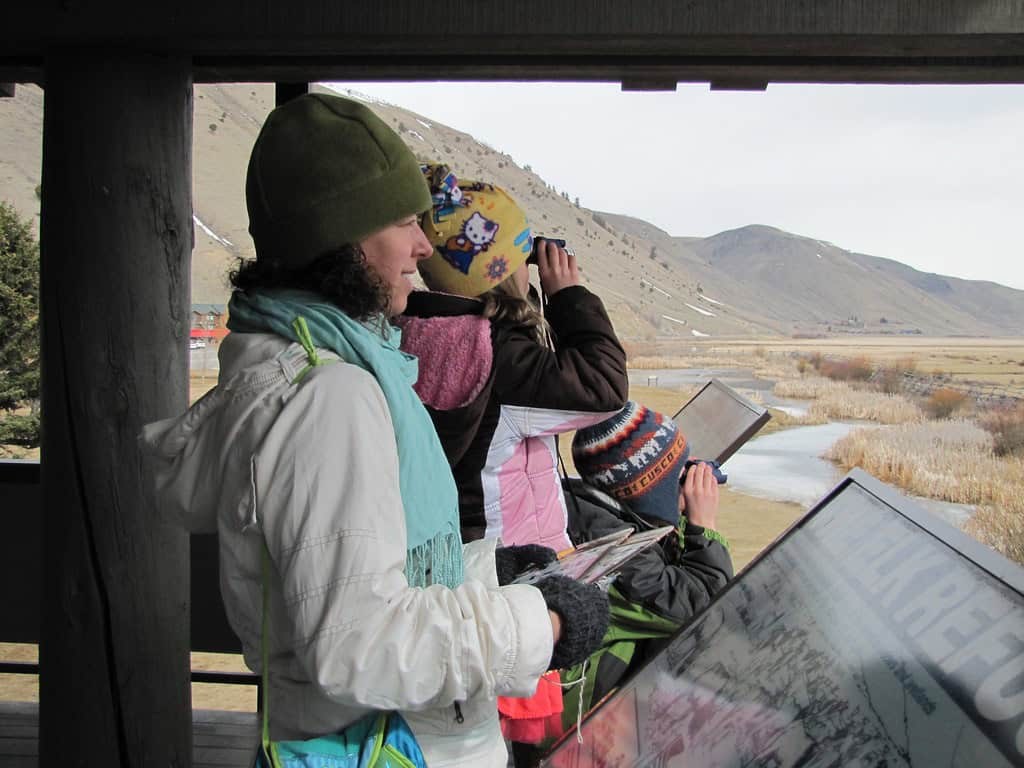
Successful elk viewing expeditions require careful preparation and appropriate equipment for spending extended periods outdoors in autumn conditions. Quality binoculars (8×42 or 10×42) are essential for observing elk behavior from safe distances, allowing viewers to appreciate subtle behavioral nuances without disturbing the animals. Spotting scopes provide even greater magnification for detailed observation of distant elk.
Layered clothing systems are crucial for comfort during autumn elk viewing, as temperatures can fluctuate dramatically from dawn to midday. Weather-resistant outer layers protect against morning dew and potential precipitation, while insulating layers maintain warmth during cool mountain mornings. Comfortable hiking boots provide stability on uneven terrain and early morning frost.
Additional items should include folding chairs for comfort during extended viewing sessions, thermoses with hot beverages for warmth, and high-energy snacks for sustained energy. Headlamps or flashlights are essential for pre-dawn positioning and post-sunset return trips. Camera equipment should include extra batteries, as cold temperatures reduce battery life significantly.
Elk Viewing Etiquette and Conservation
Responsible elk viewing requires understanding and practicing proper wildlife etiquette to ensure both visitor safety and animal welfare. Maintaining designated distances protects elk from stress and harassment, allowing them to engage in natural behaviors without human interference. Quiet observation demonstrates respect for these magnificent animals and enhances the viewing experience for all visitors.
Flash photography should be avoided entirely during elk viewing, as sudden bright lights can startle animals and disrupt their natural behaviors. Visitors should also avoid making loud noises or sudden movements that might alarm elk or trigger defensive responses. Patient observation from appropriate distances often rewards viewers with more natural and interesting elk behaviors.
Supporting conservation efforts through park entrance fees, donations, and responsible visitation helps ensure elk populations remain healthy and accessible for future generations. Many parks offer volunteer opportunities for elk monitoring and habitat restoration projects that allow visitors to contribute directly to conservation efforts.
Planning Your Elk Viewing Trip

Successful elk viewing expeditions require advance planning, particularly during the peak rutting season when visitor numbers are highest. Accommodation reservations should be made months in advance, as lodging near prime elk viewing areas fills quickly during autumn. Many parks offer online webcams and daily wildlife reports that help visitors time their visits for optimal elk activity.
Weather monitoring becomes crucial for elk viewing success, as conditions significantly influence animal behavior and viewing opportunities. Clear, calm mornings often produce the most active elk behavior, while stormy weather can reduce visibility and activity levels. Flexible travel plans allow visitors to adjust their schedules based on weather forecasts and park conditions.
Multiple day visits increase the likelihood of witnessing spectacular elk behaviors, as rutting activity can vary significantly from day to day. Planning for at least three to four days in prime elk country provides the best chances for memorable encounters while allowing for weather-related schedule adjustments.
Alternative Elk Viewing Destinations
While major national parks receive the most attention for elk viewing, numerous lesser-known destinations offer excellent opportunities with fewer crowds. Colorado’s San Juan Mountains, Montana’s Glacier National Park, and Idaho’s wilderness areas all host significant elk populations during rutting season. These locations often provide more intimate wildlife experiences away from the crowds of major tourist destinations.
State parks and wildlife management areas throughout elk range offer additional viewing opportunities, often with fewer restrictions and more flexibility than national parks. Many state wildlife agencies maintain elk viewing guides and seasonal activity reports that help visitors locate the best current viewing opportunities. These smaller venues often provide more personalized experiences and local expertise.
Private wildlife refuges and guided tour operations offer specialized elk viewing experiences for visitors seeking expert guidance and access to exclusive areas. These options typically involve higher costs but provide enhanced educational opportunities and increased likelihood of successful wildlife encounters. Professional guides bring extensive knowledge of local elk populations and behaviors that enhance the viewing experience.
The Future of Elk Viewing
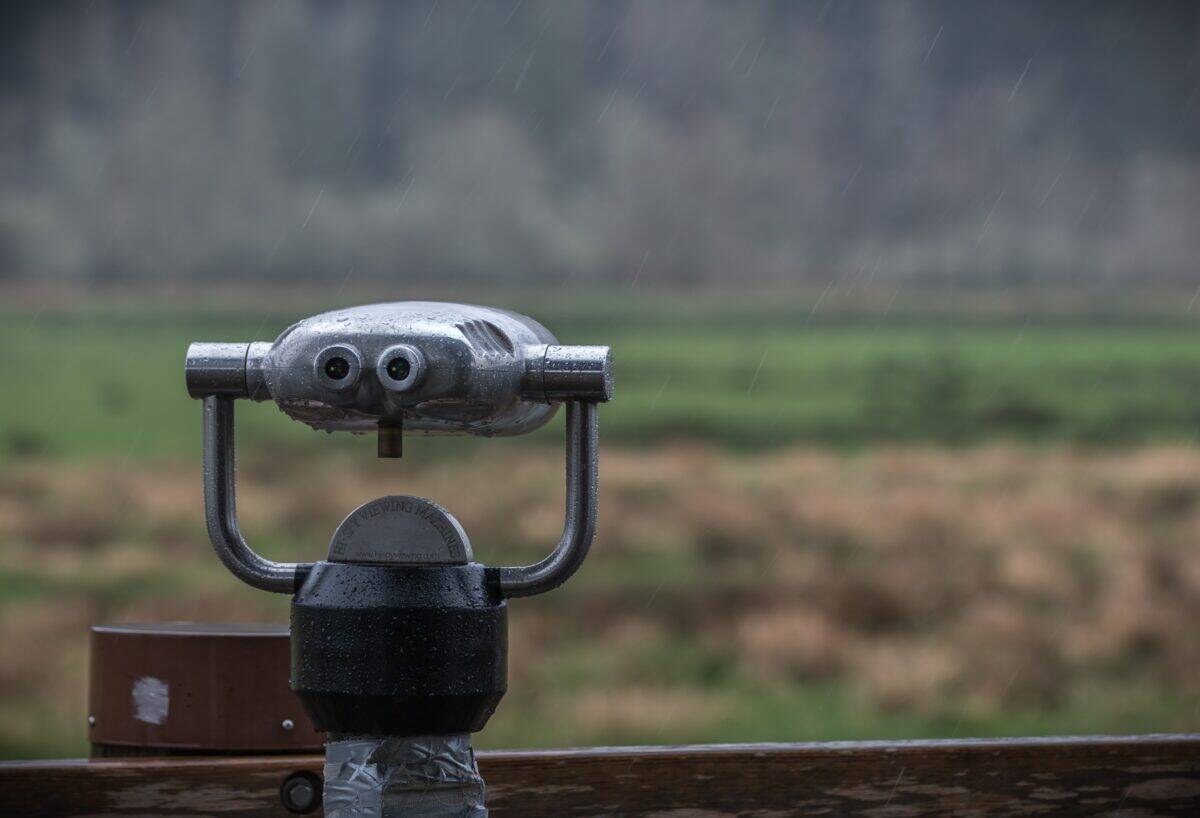
Climate change impacts on elk populations and rutting behavior present both challenges and opportunities for wildlife viewing tourism. Warming temperatures may shift rutting season timing and alter traditional elk movement patterns, requiring adaptive management strategies and updated visitor information. However, successful conservation efforts continue to expand elk populations and viewing opportunities across North America.
Technological advances in wildlife monitoring and visitor management are improving elk viewing experiences while reducing human impacts on wildlife. GPS tracking systems help researchers understand elk movement patterns, while mobile applications provide real-time information about animal locations and activity levels. These tools enhance visitor success while promoting responsible wildlife viewing practices.
Growing interest in wildlife tourism creates economic incentives for elk conservation while potentially increasing pressure on wildlife populations. Balancing public access with wildlife welfare requires ongoing collaboration between park managers, conservation organizations, and the visiting public. Education and responsible viewing practices remain crucial for ensuring sustainable elk viewing opportunities for future generations.
Conclusion
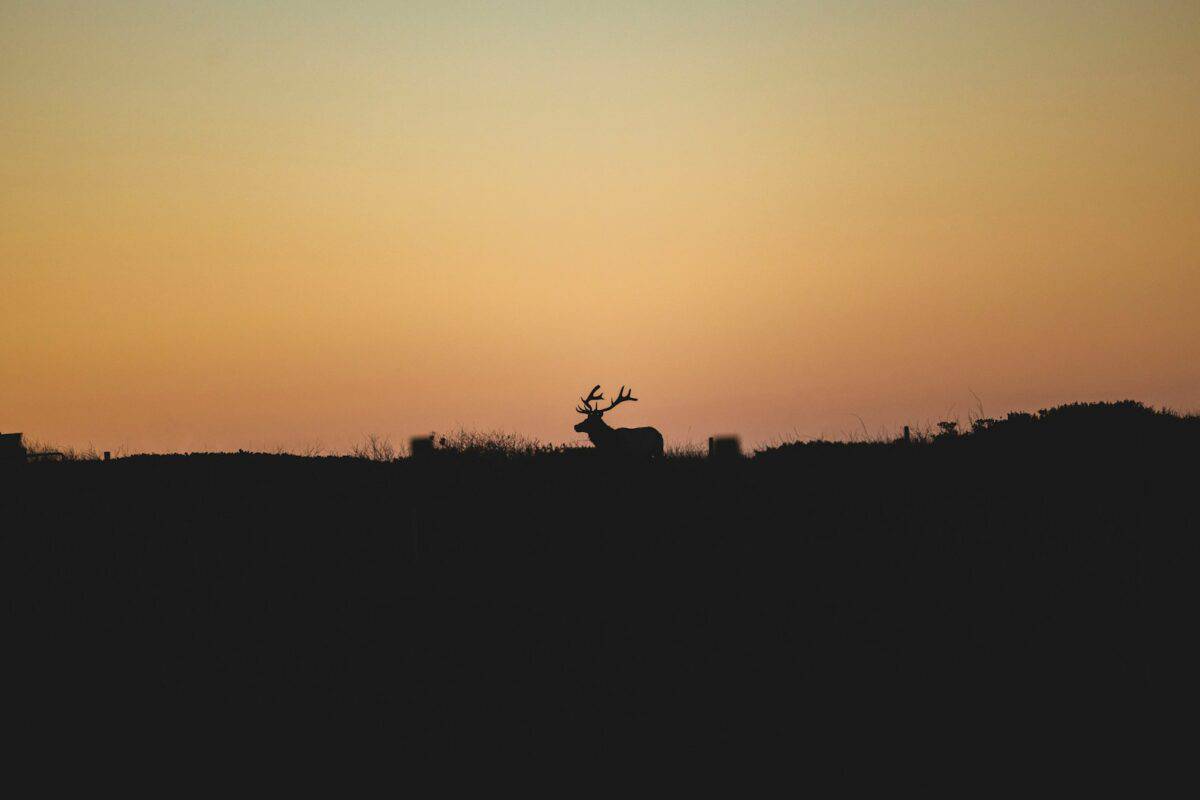
The magic of elk rutting season represents one of nature’s most spectacular displays, combining raw power, haunting beauty, and primal behaviors that connect us to the wild heart of North America. Whether you choose the vast wilderness of Yellowstone, the intimate valleys of the Great Smoky Mountains, or the dramatic peaks of the Canadian Rockies, elk viewing during rutting season offers experiences that linger in memory long after the trip ends. These magnificent animals remind us of the importance of preserving wild spaces and the incredible behaviors that unfold when we simply take time to watch and listen. What could be more inspiring than witnessing thousands of years of evolution playing out in the crisp mountain air of autumn?

- The Animals That Inspired Mythical Creatures in Movies - May 10, 2026
- Why Orcas Teach Their Young to Beach Themselves While Hunting - May 9, 2026
- How Raccoons Use Their Tiny Hands to Explore - May 9, 2026