
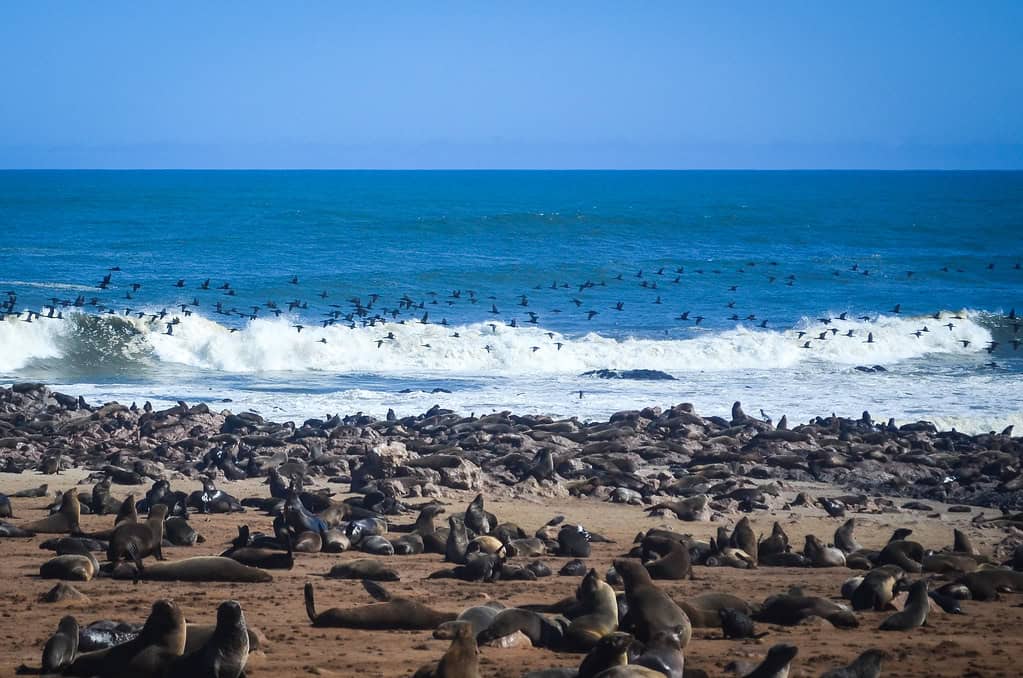
America’s coastlines offer wildlife enthusiasts exceptional opportunities to witness one of nature’s most charming spectacles: seals basking on rocky shores. These marine mammals captivate observers with their playful behaviors, soulful expressions, and remarkable adaptations to life between land and sea. From Maine’s rugged Atlantic coastline to California’s Pacific shores, the United States provides numerous locations where visitors can respectfully observe these fascinating creatures in their natural habitat. Whether you’re an amateur wildlife photographer, a marine biology enthusiast, or simply seeking a memorable outdoor experience, seal watching combines the thrill of wildlife encounters with breathtaking coastal scenery. This guide explores the best locations across the country to witness seals in their natural environment, along with essential information on responsible viewing practices, optimal timing, and what species you might encounter along the way.
The Atlantic Coast’s Seal Hotspots
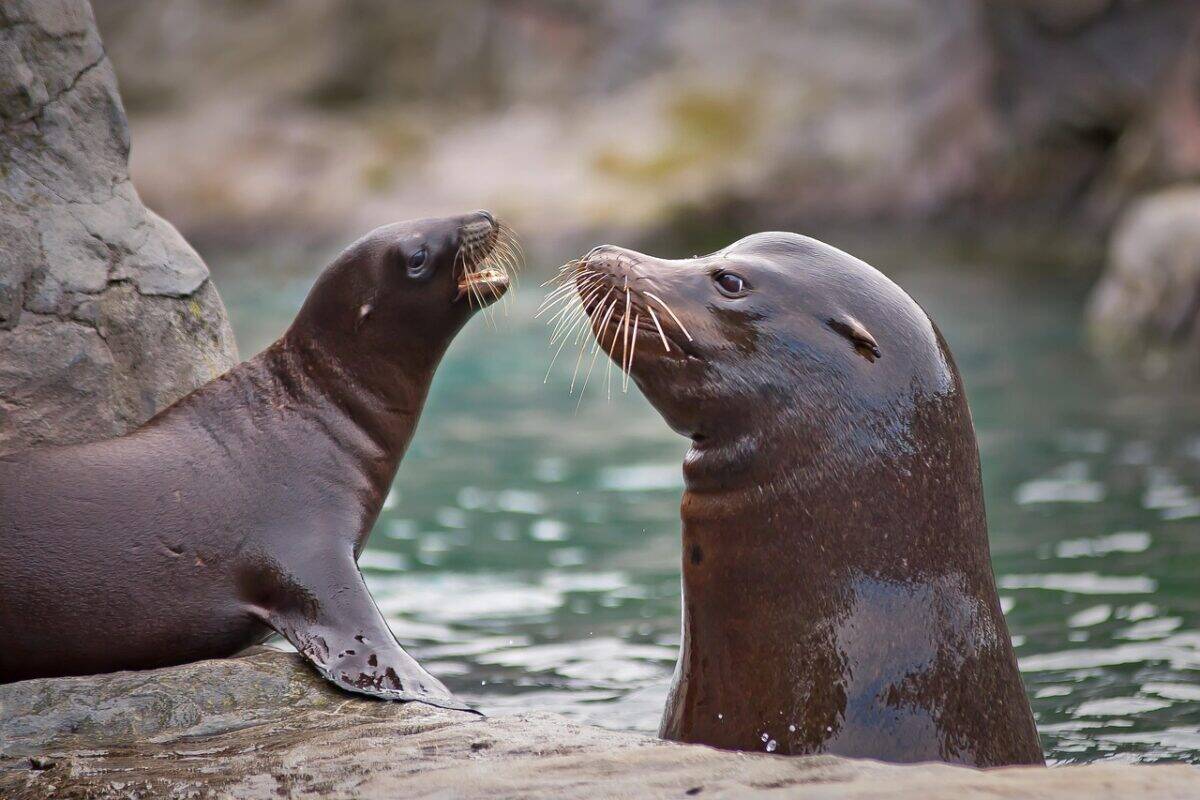
The northeastern Atlantic coastline offers some of the most reliable seal-watching opportunities in the United States. Maine’s rocky shores provide ideal habitat for harbor seals (Phoca vitulina) and occasionally gray seals (Halichoerus grypus), particularly during the spring and summer months. Cape Elizabeth, just south of Portland, features several excellent viewing points where visitors can observe seals basking on offshore ledges during low tide. Muscongus Bay and Penobscot Bay also offer reliable viewing opportunities, with several tour operators providing guided excursions specifically designed for seal watching.
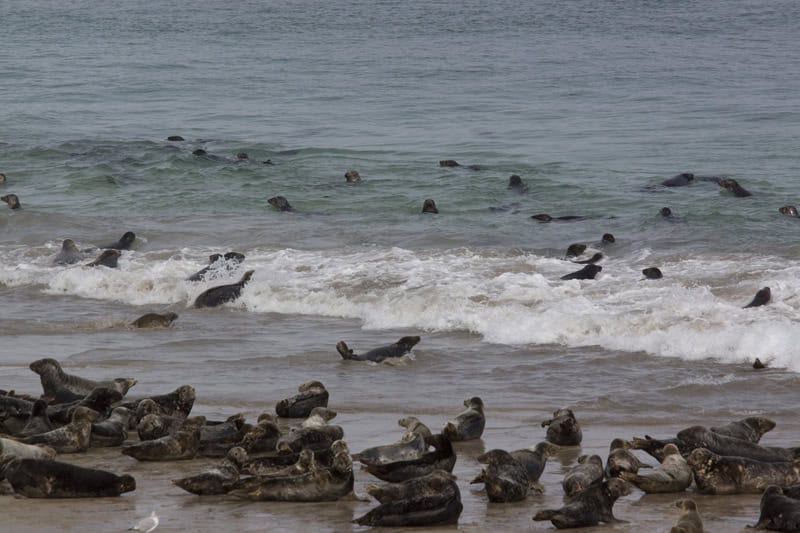
Further south, Massachusetts presents remarkable seal-watching opportunities, particularly around Cape Cod. Chatham Harbor has become famous for its large seal populations, which have grown substantially in recent decades. The Monomoy National Wildlife Refuge, a protected area extending from the elbow of Cape Cod, hosts one of the largest gray seal colonies in the United States. During winter months, gray seals gather by the thousands on these shores, creating a spectacular wildlife viewing experience for those willing to brave the colder weather. Provincetown and Wellfleet Harbor are additional hotspots where harbor seals frequently haul out on sandbars exposed during low tide.
California’s Pacific Coast Seal Havens
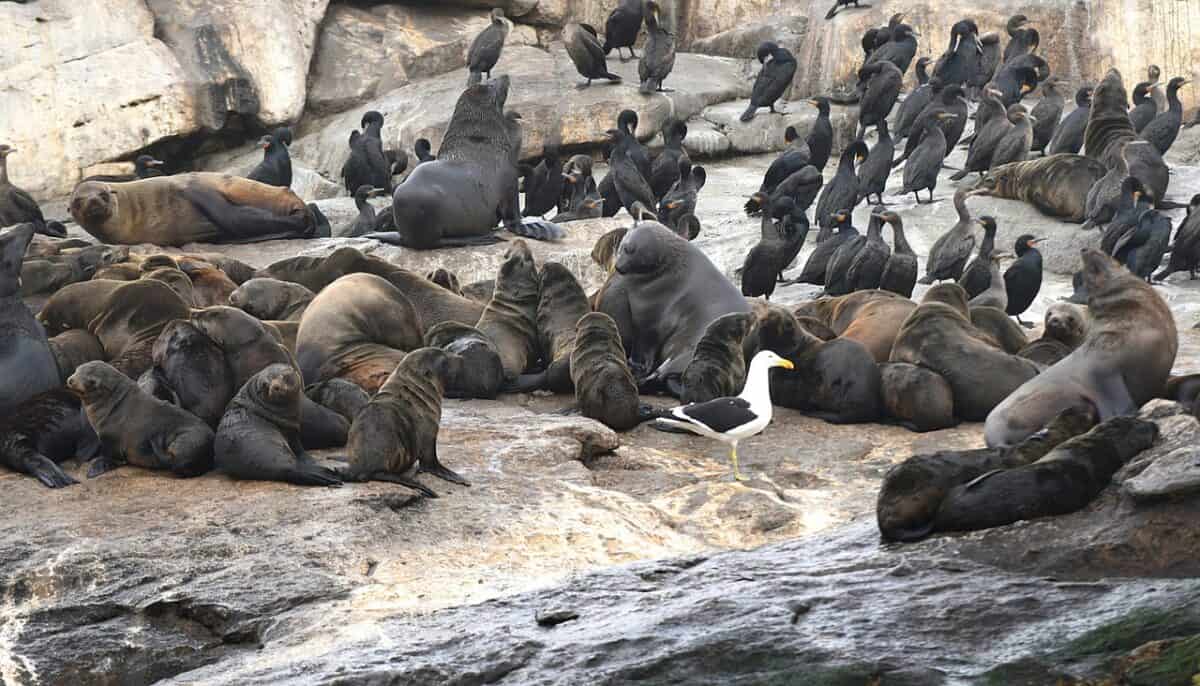
California’s extensive coastline provides numerous opportunities to observe pinnipeds basking on rocky shores. The most accessible and reliable location is undoubtedly La Jolla Cove in San Diego, where harbor seals and California sea lions (Zalophus californianus) have established a year-round presence. The small beach area known as Children’s Pool (Casa Beach) has become particularly famous as harbor seals have claimed it as a preferred haul-out site, creating occasional controversy but offering unparalleled viewing opportunities. Visitors can observe seals from the adjacent seawall without disturbing the animals, making it an ideal location for photography and family outings.
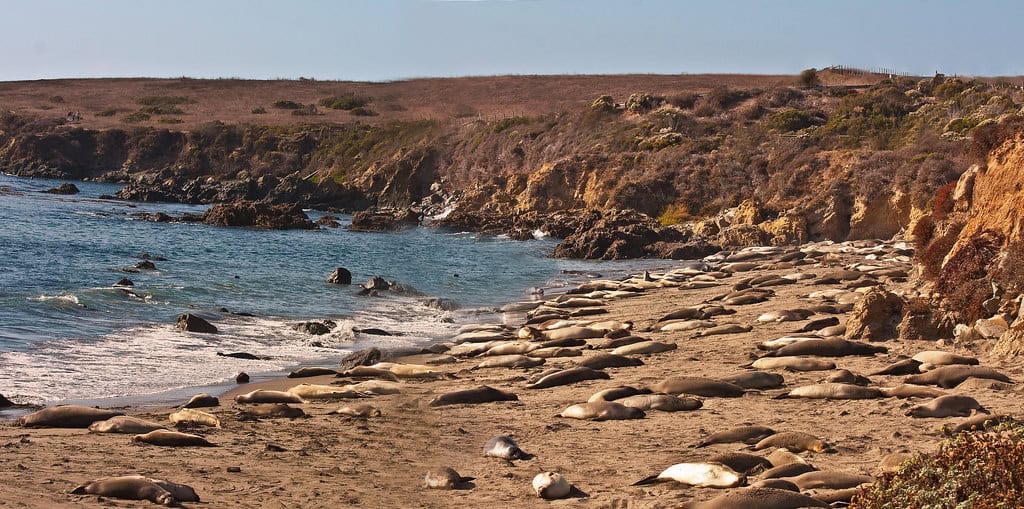
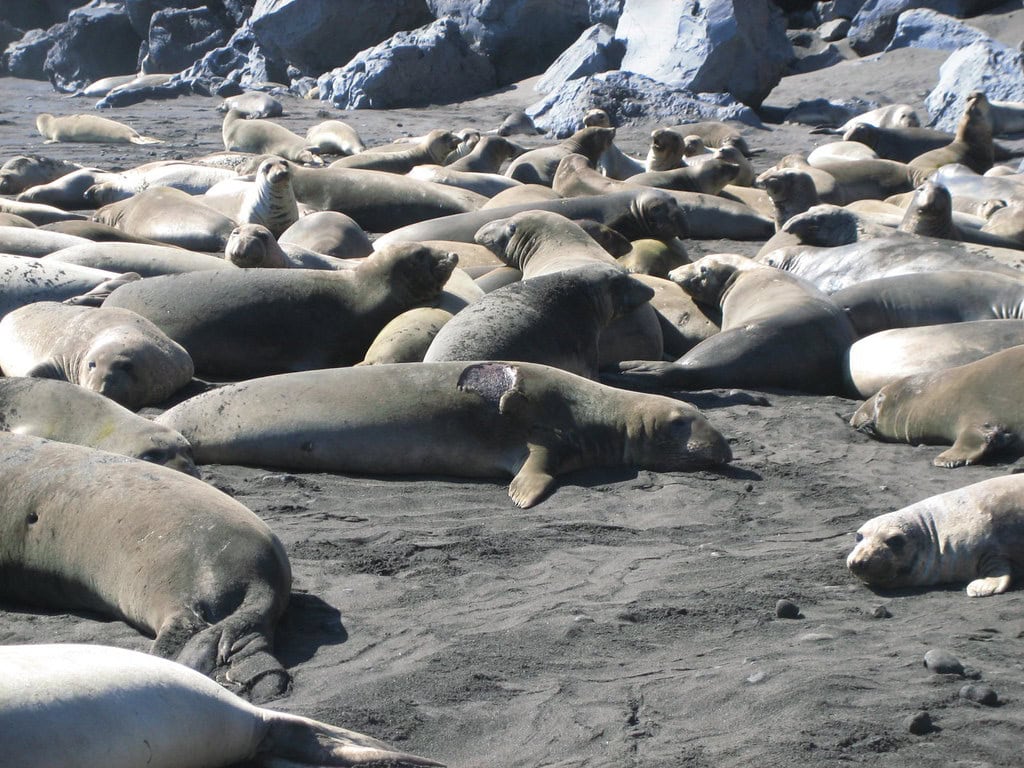
Further north along California’s central coast, Piedras Blancas near San Simeon has become renowned for its northern elephant seal (Mirounga angustirostris) colony. While technically not “seals basking on rocky beaches” as the elephants seals prefer sandy shores, this location deserves mention for its exceptional wildlife viewing. The Piedras Blancas Rookery hosts thousands of elephant seals during winter breeding season (December through March), with males engaging in dramatic battles for dominance. Year-round viewing is possible as different age groups and sexes cycle through the beach during various seasons. The rookery features accessible viewing platforms and interpretive signage, making it an educational experience for visitors of all ages.
Oregon’s Rugged Seal Sanctuaries
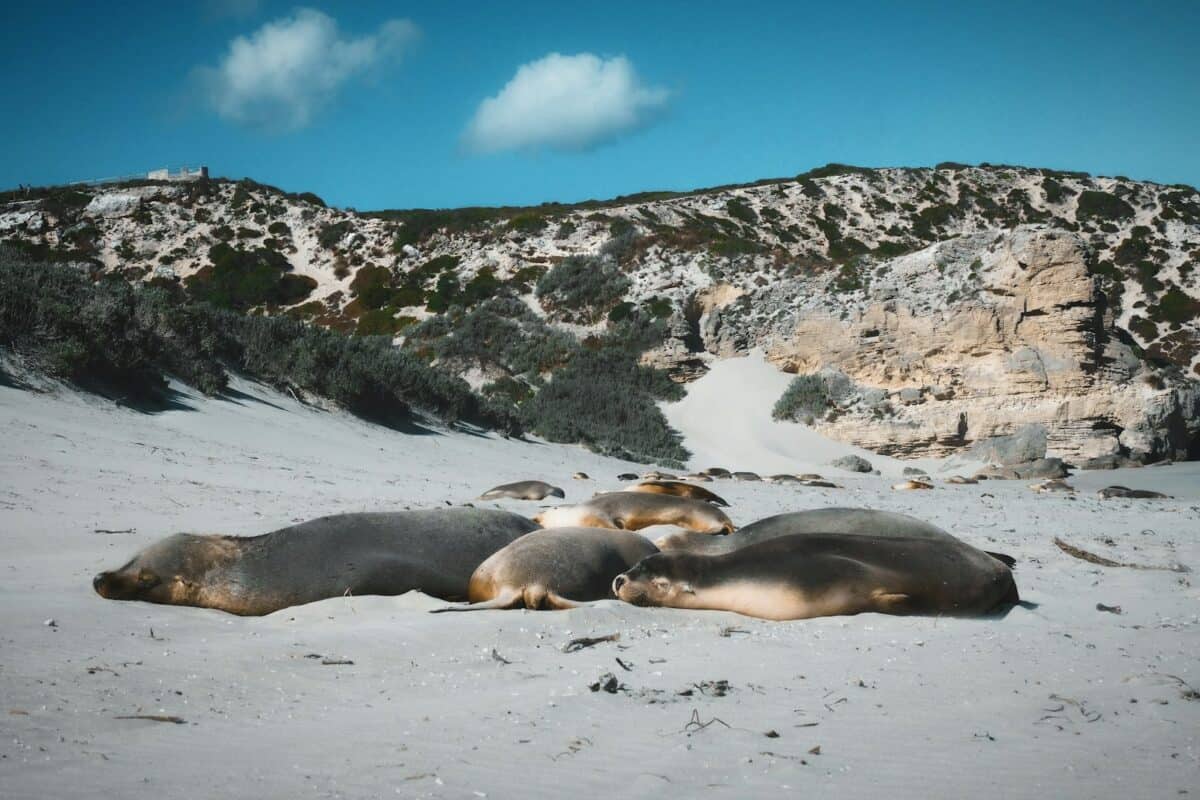
Oregon’s dramatic coastline provides several excellent opportunities to observe harbor seals in their natural habitat. Simpson Reef near Cape Arago stands out as one of the state’s premier seal-watching destinations. This offshore reef complex hosts the largest haul-out site on the Oregon coast for harbor seals, as well as Steller sea lions and California sea lions. The Simpson Reef Overlook, part of the Shore Acres State Park, offers an elevated viewing point equipped with interpretive signage and viewing scopes, allowing visitors to observe these marine mammals without disturbing them. The best viewing typically occurs during low tide when more rocky surfaces are exposed for hauling out.
Further north along the Oregon coast, Seal Rock State Recreation Site lives up to its name by providing reliable seal sightings. Located between Newport and Waldport, this scenic area features offshore rock formations where harbor seals frequently rest during low tide. Ecola State Park near Cannon Beach offers another excellent viewing opportunity, particularly from the park’s northern viewpoints overlooking the offshore sea stacks. For those willing to hike, the Cape Lookout Trail on the Three Capes Scenic Route provides breathtaking views and frequent seal sightings on the rocks below. Oregon’s variable weather means visitors should bring appropriate gear regardless of season, and binoculars significantly enhance the viewing experience.
Washington’s Island Seal Colonies

Washington State offers exceptional seal-watching opportunities, particularly throughout the San Juan Islands. This archipelago of over 400 islands and rocks between mainland Washington and Vancouver Island hosts significant populations of harbor seals year-round. Whale Rocks off the southern tip of Lopez Island serves as a major haul-out site where dozens of harbor seals can often be observed resting on the exposed rocks. Several tour operators based in Friday Harbor on San Juan Island offer wildlife cruises that include close (but respectful) approaches to these seal colonies, providing excellent photographic opportunities.
Along Washington’s outer coast, the Olympic Peninsula provides additional seal-watching locations. Seal Rock Campground near Brinnon on Hood Canal is appropriately named for its regular harbor seal inhabitants. Further west, Ruby Beach and Beach 4 within Olympic National Park feature offshore sea stacks where harbor seals frequently haul out during lower tides. The protected waters of the Strait of Juan de Fuca, particularly around Dungeness Spit near Sequim, offer reliable seal sightings year-round. When visiting these areas, remember that federal law requires maintaining a minimum distance of 100 yards from marine mammals, so powerful binoculars or spotting scopes enhance the experience while ensuring wildlife remains undisturbed.
New York’s Surprising Seal Watching Spots
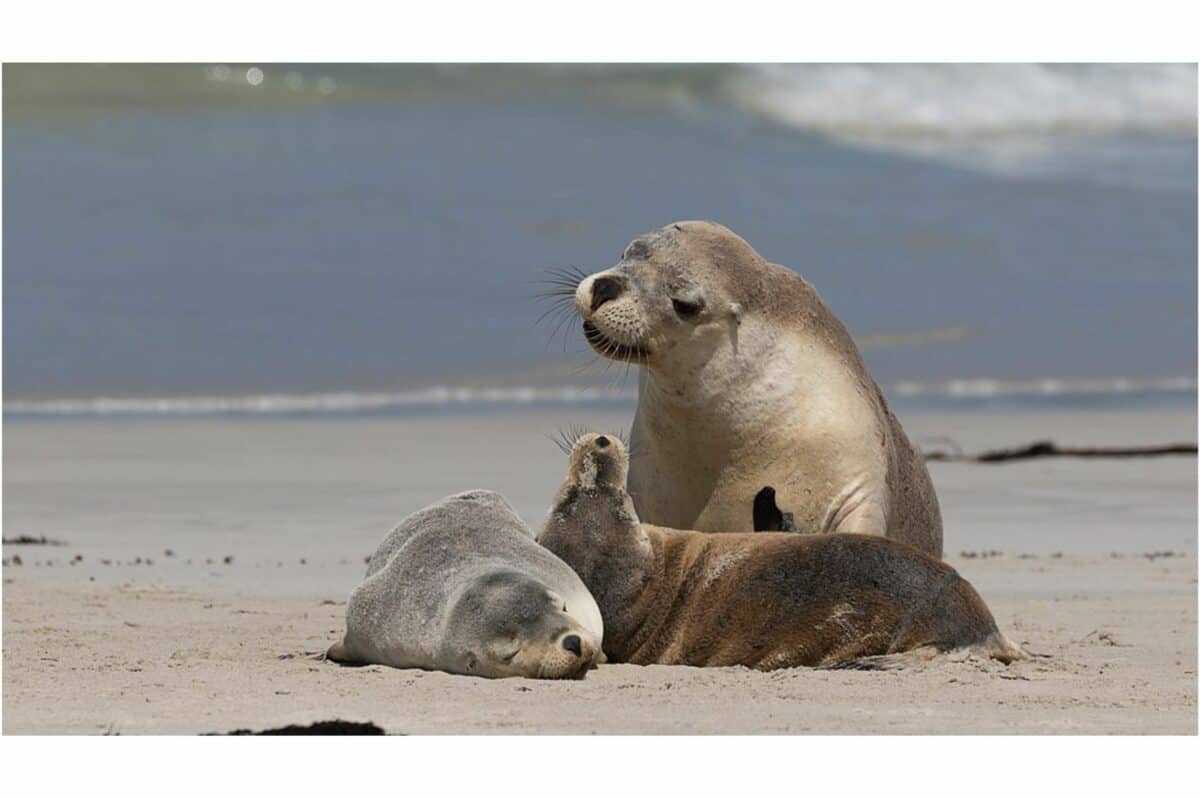
Many visitors and even residents are surprised to learn that New York offers excellent seal-watching opportunities, particularly during winter months. Harbor seals and occasionally gray seals migrate south to the waters around Long Island from late fall through early spring. Jones Beach State Park on Long Island’s south shore provides several good vantage points, particularly around the inlet jetties where seals frequently haul out. Cupsogue Beach County Park in Westhampton similarly attracts significant numbers of harbor seals during winter months, with January through March typically offering peak viewing.
For a more organized experience, consider the guided seal walks offered at Montauk Point State Park at Long Island’s eastern tip. Led by knowledgeable naturalists, these programs bring visitors to prime viewing areas while providing educational context about seal biology and conservation. Another excellent option is joining one of the seal cruises departing from Freeport or Point Lookout during winter months. These boat-based excursions approach the sandbars and islands of Hempstead Bay where dozens of harbor seals often gather at low tide. New York’s seal population has been steadily increasing in recent decades, providing a conservation success story and expanding viewing opportunities for wildlife enthusiasts in the nation’s most populated metropolitan region.
Understanding Seal Species and Behaviors
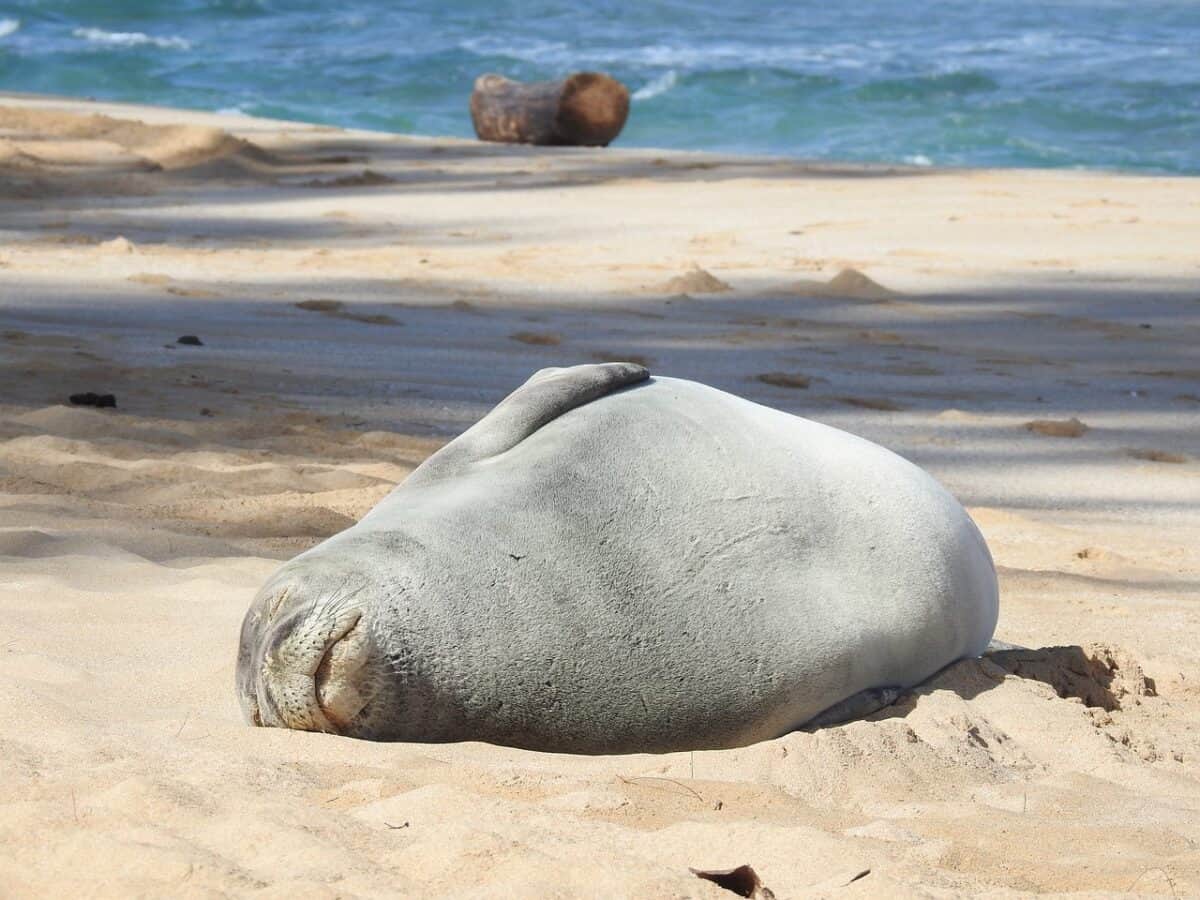
To fully appreciate seal watching, it helps to understand the different species you might encounter. Harbor seals are the most widespread pinniped in U.S. coastal waters, recognizable by their spotted coats and “dog-like” faces. These medium-sized seals (typically 4-6 feet long) are generally shy around humans and will often slip into the water if approached too closely. When hauled out on rocks, they frequently adopt a characteristic curved posture sometimes called the “banana position.” Harbor seals can be observed year-round in most locations, though numbers and haul-out patterns vary seasonally with breeding cycles and food availability.
Gray seals, larger and more robust than harbor seals with distinctive “horse-like” faces, are primarily found along the Atlantic coast, especially in New England. Males can reach over 7 feet in length and weigh up to 800 pounds. California sea lions, though technically not true seals (they’re eared seals with external ear flaps and more mobile flippers), are commonly observed basking on rocky shores along the Pacific coast. They’re highly vocal and social, often hauling out in large groups. Northern elephant seals, named for the males’ prominent proboscis, engage in spectacular breeding displays during winter months at rookeries like Piedras Blancas. Understanding these different species enhances the viewing experience and helps visitors appreciate the unique adaptations each has developed for its marine lifestyle.
Best Seasons for Seal Watching
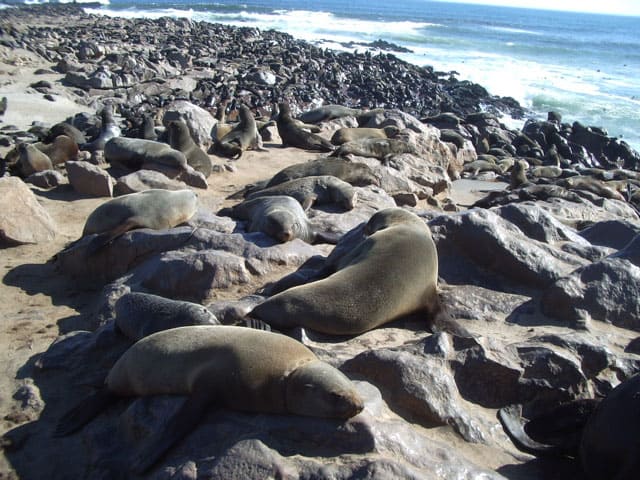
Timing your seal-watching expedition properly significantly increases your chances of successful observations. Along the Atlantic coast, harbor seals can be observed year-round, but spring and summer months (May through September) typically offer peak viewing as seals spend more time hauled out on rocks during pupping and molting seasons. Gray seals in New England are most numerous during winter months, particularly January through March when they gather at breeding colonies. Interestingly, the pattern reverses further south on Long Island and New Jersey shores, where harbor seals are primarily winter visitors, arriving in November and departing by May.
On the Pacific coast, California offers year-round seal watching opportunities with some seasonal variations. Harbor seals along the California coast typically give birth between February and April, making spring an excellent time to observe mothers with pups, particularly at protected locations like Fitzgerald Marine Reserve near San Francisco. Northern elephant seals have a well-defined breeding season from December through March at rookeries like Año Nuevo State Park and Piedras Blancas, when massive bulls battle for dominance and females give birth on the beaches. During summer months (June through August), juvenile elephant seals return to these same beaches to molt, offering a different but equally fascinating viewing experience. Regardless of season, planning your visit around low tide generally maximizes the number of seals visible on exposed rocks.
Essential Gear for Seal Watching
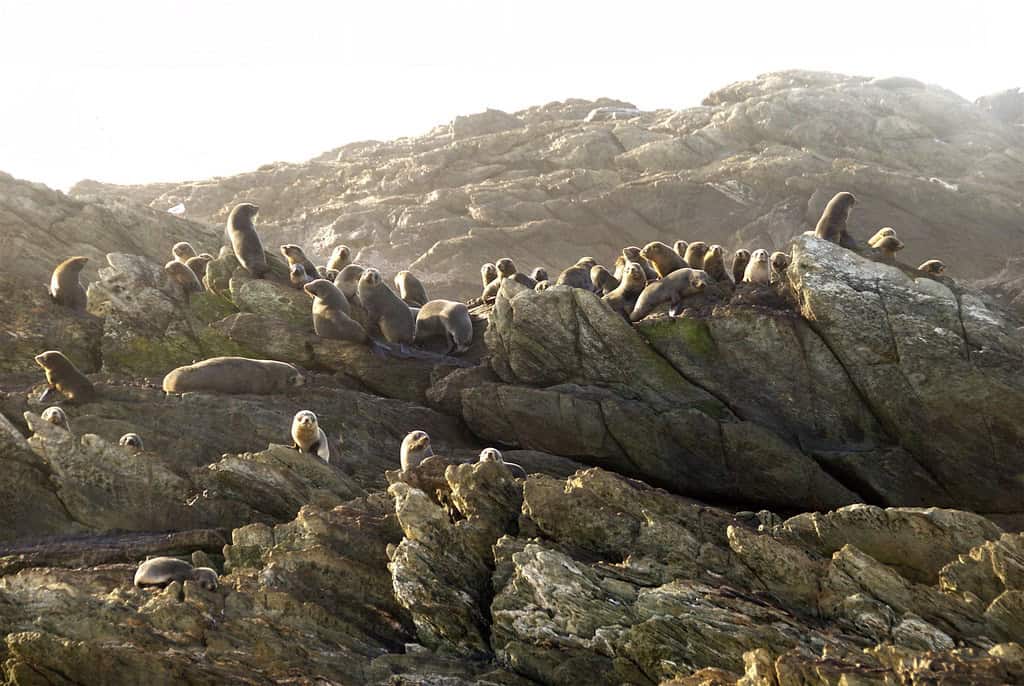
Proper equipment enhances the seal-watching experience while ensuring you maintain appropriate distances from these protected marine mammals. Binoculars are perhaps the most essential item, with 7×42 or 8×42 magnifications offering an ideal balance of power and stability for wildlife observation. For photography enthusiasts, a telephoto lens (minimum 200mm, preferably 300mm or longer) allows for detailed images without disturbing the animals. Weather-appropriate clothing is crucial, as coastal environments typically feature stronger winds and cooler temperatures than inland areas. Layer your clothing, include a waterproof outer shell, and wear sturdy footwear suitable for potentially slippery rocky surfaces.
Additional recommended items include a field guide to marine mammals to help with species identification, polarized sunglasses to reduce glare off water surfaces, sunscreen even on cloudy days due to reflection from water, and a spotting scope for serious wildlife viewers seeking detailed observations from greater distances. A tide chart is invaluable for planning your visit, as lower tides expose more rocks for seals to haul out upon. Many experienced seal watchers also bring a small waterproof notebook to record observations, locations, and behaviors. Finally, consider bringing a reusable water bottle and snacks, as prime viewing locations may be some distance from facilities, and patience is often rewarded when wildlife watching.
Responsible Viewing Practices
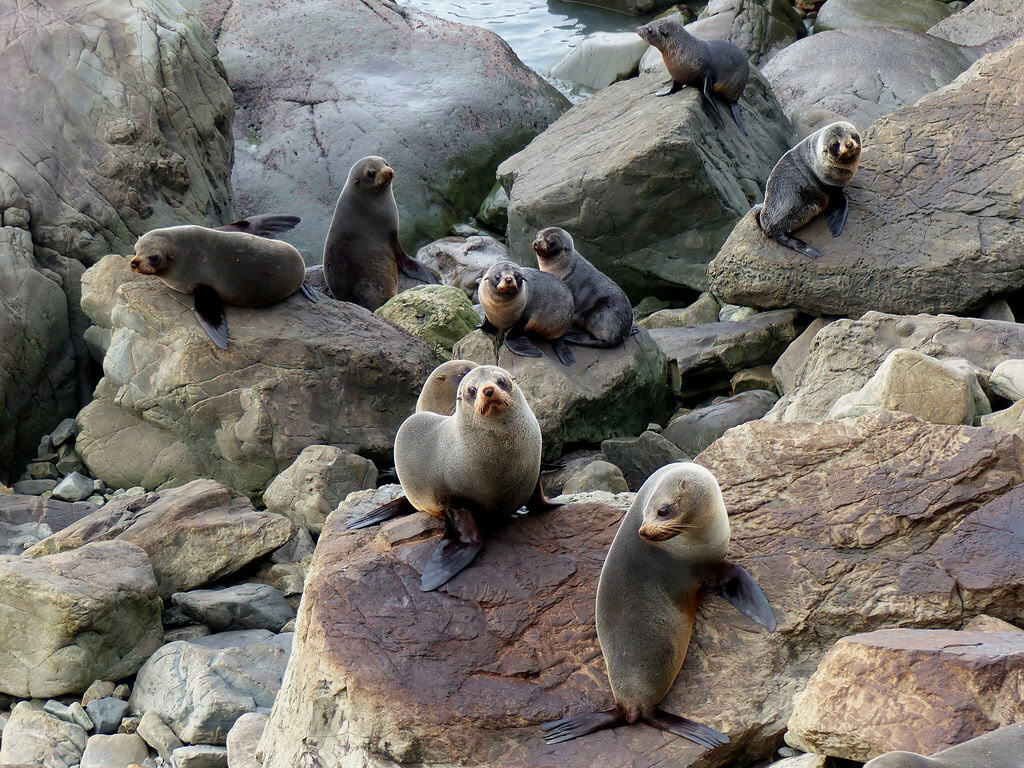
Ethical seal watching requires understanding and respecting these animals in their natural habitat. All marine mammals in U.S. waters are protected under the Marine Mammal Protection Act, which prohibits harassment (defined as any action that disrupts their normal behavior). The National Oceanic and Atmospheric Administration (NOAA) recommends maintaining a minimum distance of 50 yards (150 feet) from seals on land, though 100 yards is preferable. Signs that you’re too close include seals raising their heads alertly, moving away from resting positions, or flushing into the water. Such disturbances force seals to expend crucial energy reserves and may separate mothers from pups during breeding season.
Additional responsible practices include keeping dogs leashed (or preferably away from seal watching sites entirely), as domestic dogs can severely stress seals and potentially transmit diseases. Never attempt to feed seals or other marine mammals, as this disrupts natural foraging behaviors and can lead to habituation to humans. Photographs should be taken with telephoto lenses rather than by approaching animals closely. If visiting by boat, maintain slow speeds near haul-out sites, approach parallel rather than head-on, and shut down engines when observing. Many premier viewing locations have established viewing platforms or designated areas specifically designed to minimize disturbance while maximizing observation opportunities. By following these guidelines, you help ensure these magnificent animals remain a visible part of our coastal ecosystems for generations to come.
Guided Tours and Educational Programs
For those seeking enhanced learning opportunities or access to less accessible viewing locations, guided tours offer significant advantages. In Maine, companies like Maine Kayak offer sea kayaking excursions to seal haul-out sites in Muscongus Bay, providing unique water-level perspectives of these marine mammals. The Seacoast Science Center in Rye, New Hampshire conducts regular seal-watching programs that combine beach walks with educational presentations about seal biology and conservation. In Massachusetts, Cape Cod’s Monomoy Island Excursions operates boat tours to the extensive seal colonies of Monomoy National Wildlife Refuge, where certified naturalists provide interpretation.
On the West Coast, the Sea Lion Caves north of Florence, Oregon offers a distinctive opportunity to observe Steller sea lions in America’s largest sea cave. While focusing on sea lions rather than true seals, this natural sea grotto provides sheltered viewing of pinnipeds year-round. In California, the Friends of the Elephant Seal organization offers free docent-led interpretive programs at the Piedras Blancas viewpoint, where knowledgeable volunteers help visitors understand the complex behaviors and life cycles of northern elephant seals. Many state parks and wildlife refuges with significant seal populations also offer seasonal ranger-led programs specifically focused on seal ecology. These guided experiences not only enhance viewing opportunities but provide valuable context about conservation challenges facing marine mammals in today’s changing oceans.
Photography Tips for Capturing Seals
Photographing seals presents unique challenges and rewards for wildlife photographers. The key to successful images is preparation and patience. A telephoto lens with a minimum focal length of 300mm is recommended to capture detailed images while maintaining appropriate distance. When possible, position yourself with the sun at your back to illuminate your subjects properly. Early morning and late afternoon often provide the most flattering light, creating warm tones that complement the animals’ coloration. Continuous shooting mode helps capture fleeting behaviors and expressions that make compelling images.
For composition, try to include some environmental context in your photographs—the rocky shoreline, crashing waves, or coastal scenery helps tell the story of these animals’ habitat. Focus on capturing natural behaviors: a mother nursing her pup, seals interacting with one another, or the distinctive postures they adopt while basking. Be prepared to photograph in challenging conditions, as coastal environments often feature strong winds, salt spray, and rapidly changing light. Protect your equipment with appropriate covers and filters, and clean lenses frequently to remove salt residue. Most importantly, remember that no photograph is worth disturbing wildlife; maintain appropriate distances and use your zoom rather than approaching too closely. With patience and respect, you can capture stunning images that showcase these charismatic marine mammals in their natural environment.
Conservation Challenges Facing Seal Populations
While many U.S. seal populations have recovered significantly since the implementation of the Marine Mammal Protection Act in 1972, these animals still face numerous conservation challenges. Climate change represents perhaps the most pervasive threat, as warming oceans alter prey distribution and availability. Rising sea levels increasingly threaten haul-out sites, particularly during pupping seasons when young seals require stable shorelines. Ocean acidification impacts the entire marine food web upon which seals depend. Human activities pose additional challenges: entanglement in fishing gear and marine debris causes significant mortality, with an estimated 300,000 marine mammals globally dying annually from entanglement.
Pollution presents another serious concern, as seals occupy high trophic levels where contaminants bioaccumulate. Persistent organic pollutants, heavy metals, and more recently, microplastics have been documented in seal tissues, potentially affecting reproduction and immune function. Increased coastal development and recreational activities can displace seals from traditional haul-out sites. In some regions, conflicts with commercial fisheries have led to illegal shooting of seals perceived as competitors for fish.

- The Comeback of the Bald Eagle: What Made It Work - June 3, 2026
- Top 10 Animals and Wildlife in Oklahoma - June 3, 2026
- Do Conservation Efforts Favor ‘Cute’ Animals Over Ecologically Important Ones? - June 3, 2026