

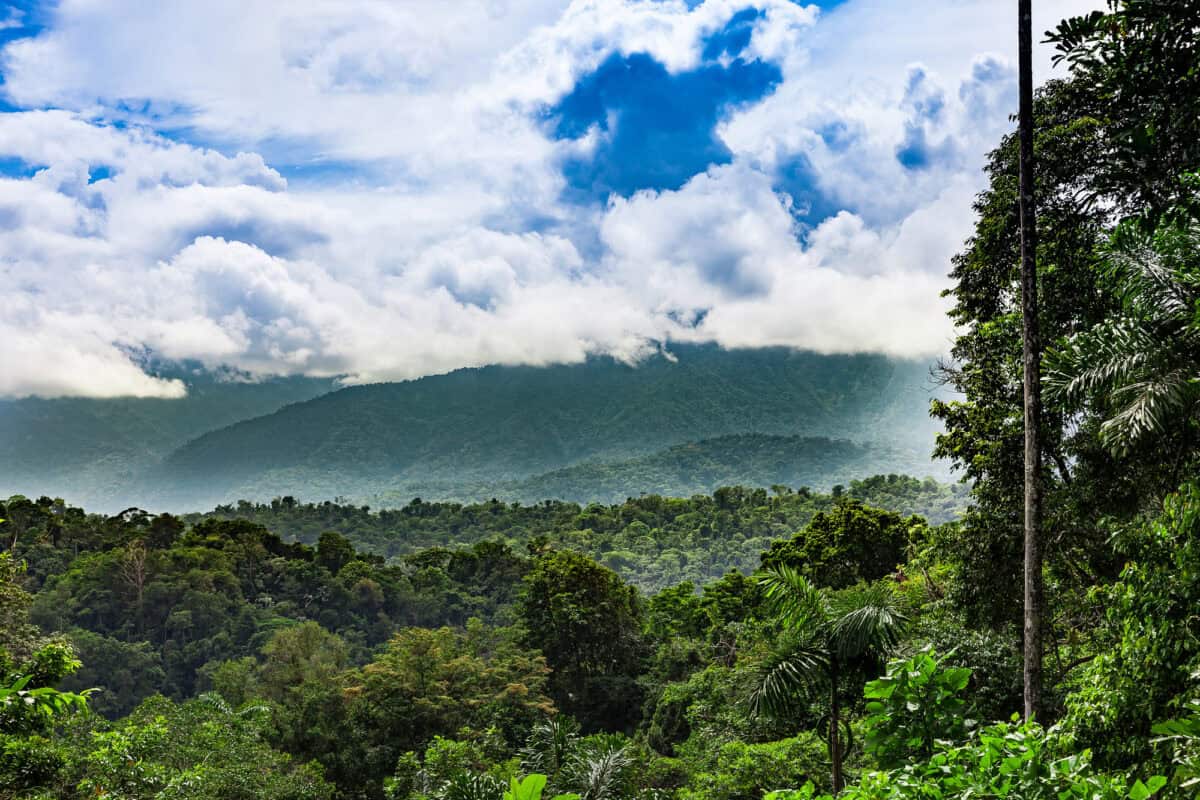
Nestled between the Pacific Ocean and the Caribbean Sea, Costa Rica is renowned for its extraordinary biodiversity. Despite covering only 0.03% of the earth’s surface, this small Central American nation is home to approximately 4% of the planet’s species. Among the diverse array of wildlife, sloths hold a special place in the hearts of both locals and tourists. These slow-moving creatures have become iconic symbols of the country’s vast and vibrant ecosystem. But what makes Costa Rica the best place to spot these fascinating mammals? The answer lies in a combination of geography, conservation efforts, and a rich understanding of sloth ecology.
Geographical and Climatic Advantages

Costa Rica’s geographical positioning is a pivotal factor in its suitability as a habitat for sloths. The country’s location within the tropical region ensures a warm and humid climate year-round, conducive to the vegetation that sloths thrive on. Costa Rica boasts diverse environments, from lush rainforests and cloud forests to mangroves and coastal regions that provide the perfect conditions for both the two-toed sloth (Choloepus hoffmanni) and the three-toed sloth (Bradypus variegatus).
The rich, evergreen forests provide the dense canopy sloths rely on for food, safety, and mobility. The myriad tree species native to Costa Rica, such as the Cecropia, are essential to the sloth’s diet and lifestyle. These trees not only provide nourishment but also serve as natural highways for sloths to move about while remaining largely concealed from potential predators.
Conservation Initiatives and Awareness

Conservation is at the heart of Costa Rica’s national agenda, making it an exemplar in wildlife preservation and protection. Over a quarter of the country’s land is designated as protected areas, including national parks, reserves, and wildlife refuges. This proactive approach to conservation ensures habitats are preserved and thrive, providing a haven for sloths.
Several organizations are dedicated to the rescue, rehabilitation, and research of sloths in Costa Rica, further supporting their population. The Sloth Conservation Foundation and the Toucan Rescue Ranch are notable entities that focus on the well-being and understanding of these unique animals. These organizations not only educate the public about sloth conservation but also contribute significantly to the research that informs global efforts to protect sloths.
The Ecological Importance of Sloths
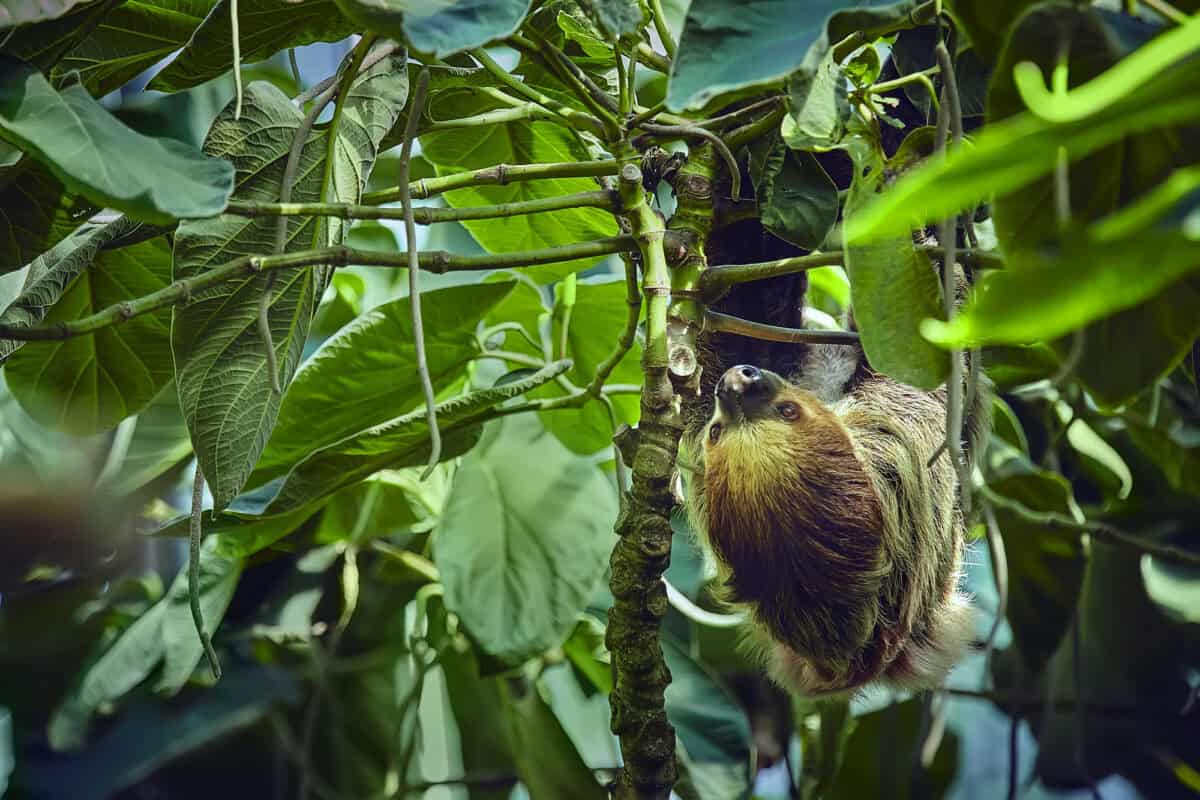
Understanding why Costa Rica is ideal for sloth sightings also includes recognizing the role sloths play in their ecosystems. Sloths are vital contributors to their environment, acting as tree gardeners. As they move slowly from tree to tree, they promote the health of the forest by creating spaces for sunlight to assist in the growth of various plant species. Their fur also hosts a unique ecosystem, offering a home to algae and various insects and further contributing to the richness of the forest biodiversity.
Opportunities for Eco-Tourism
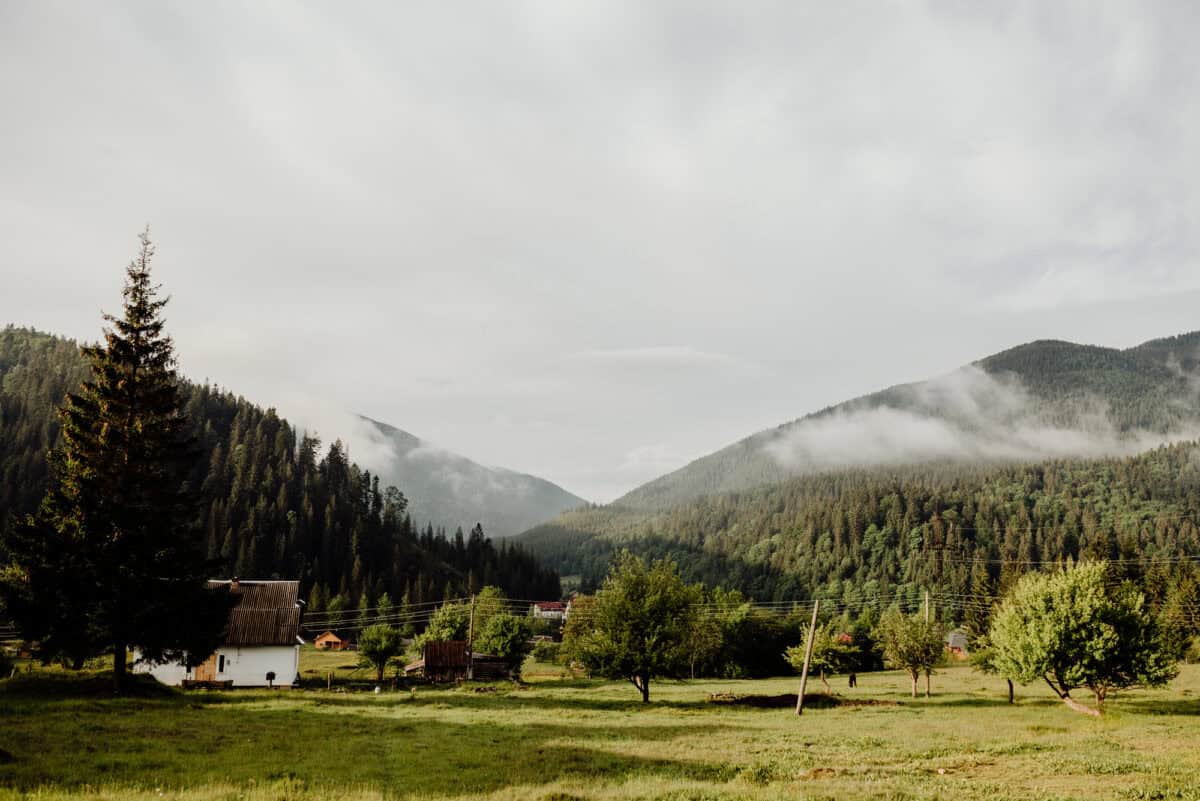
Costa Rica’s thriving ecotourism industry is another draw for those hoping to observe sloths in their natural habitat. Tourists from across the globe flock to Costa Rica specifically to see these gentle creatures up close, often in places like Manuel Antonio National Park, Corcovado National Park, and Tortuguero National Park. Guided tours, led by knowledgeable local guides, provide educational experiences that highlight the importance of preserving Costa Rica’s natural wonders for future generations.
Conclusion A Haven for Sloth Lovers

Costa Rica, with its unique combination of climate, geography, and conservation efforts, stands out as the world’s premier destination for observing sloths. The country’s commitment to environmental preservation and its thriving biodiversity offers a model for other nations. For anyone with a love for these endearing creatures or an interest in animal science and conservation, Costa Rica provides an unparalleled opportunity to experience sloths in their natural splendor, reminding us of the intricate connections between species and their habitats.

As a little kid, I fell in love with nature, wildlife, and animals. Living in the USA, South Africa, Italy, China and Germany gave me the opportunity to discover the world's Wildlife. My favorite animals are Mountain Gorillas, Siberian Tigers, and Great White Sharks.
I'm a certified PADI Open Water Diver, went to Everest Base Camp and Trekked Gorillas in Uganda. I hold a Master of Science in Economics and Finance.
Please send any feedback to feedback@animalsaroundtheglobe.com
- 12 Animals Found in the Mariana Trench - July 28, 2026
- 14 Earthquakes That Altered the U.S. Landscape - July 28, 2026
- The 12 Loudest Animals in the World Ranked - July 28, 2026