
Worried about unexpected vet bills?
Pet insurance can cover thousands in unexpected vet costs. Get a free quote from Lemonade in under 2 minutes.
Get My Free Quote →Sponsored · Opens Lemonade.com
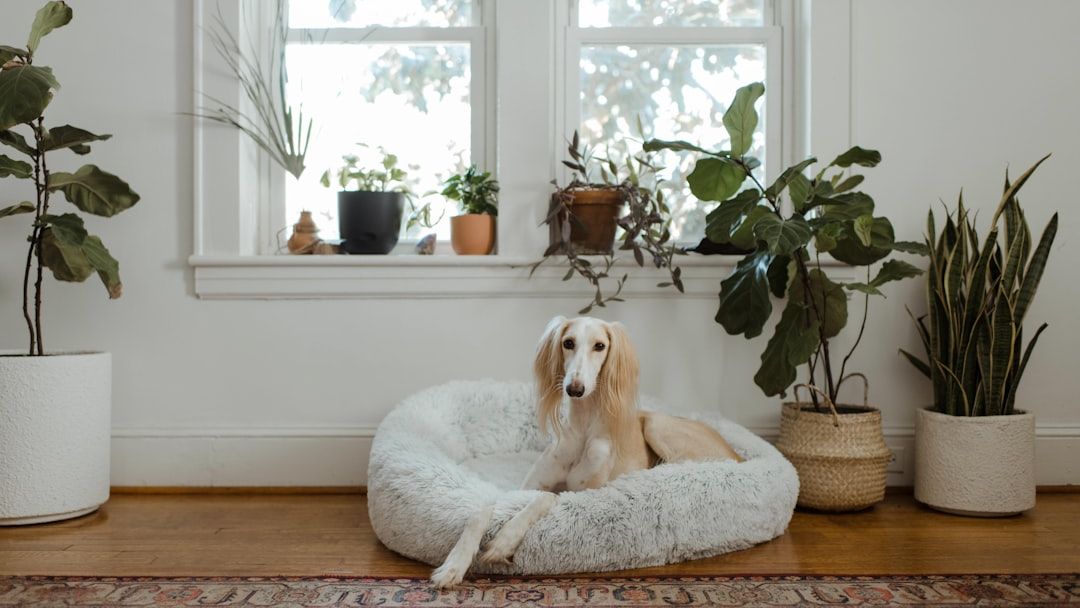
You’ve probably noticed it a million times. Your dog prepares to settle down for a nap, but instead of just flopping onto the floor or their bed, they engage in this peculiar little dance. Round and round they go, sometimes once, sometimes three times or more, before finally curling up in their chosen spot. It’s adorable, sure, but what’s really happening here? Is your dog just being quirky, or is there something deeper at play?
Turns out, this seemingly random bedtime ritual has roots that stretch back thousands of years. From survival instincts inherited from wild ancestors to genuine comfort seeking behavior, the reasons behind this spinning routine are more fascinating than you might expect. Let’s dive in.
An Ancient Instinct From Wild Ancestors
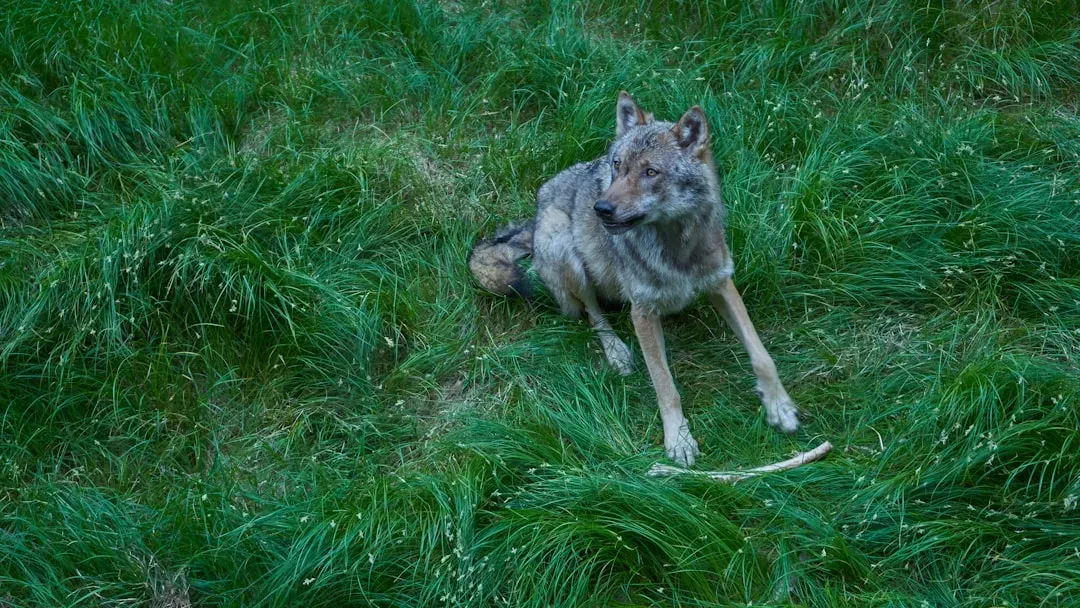
This circling behavior is a genetic holdover from dogs’ wild ancestors, particularly wolves, who performed the same ritual before settling down to rest. Think about it. Long before plush dog beds and cozy living rooms existed, wild canids had to create their own sleeping arrangements in harsh, unpredictable environments.
Wild dogs had to pat down tall grass and underbrush to make a comfortable bed for themselves and their pups, and the easiest way to prepare that sleeping area was by walking around in a circle. Honestly, it’s kind of brilliant when you think about it. These ancestors didn’t have the luxury of manufactured comfort, so they improvised with what nature provided. Modern dogs still carry this deeply embedded behavior, even though they’re now resting on memory foam instead of forest floors.
Creating a Comfortable Nest
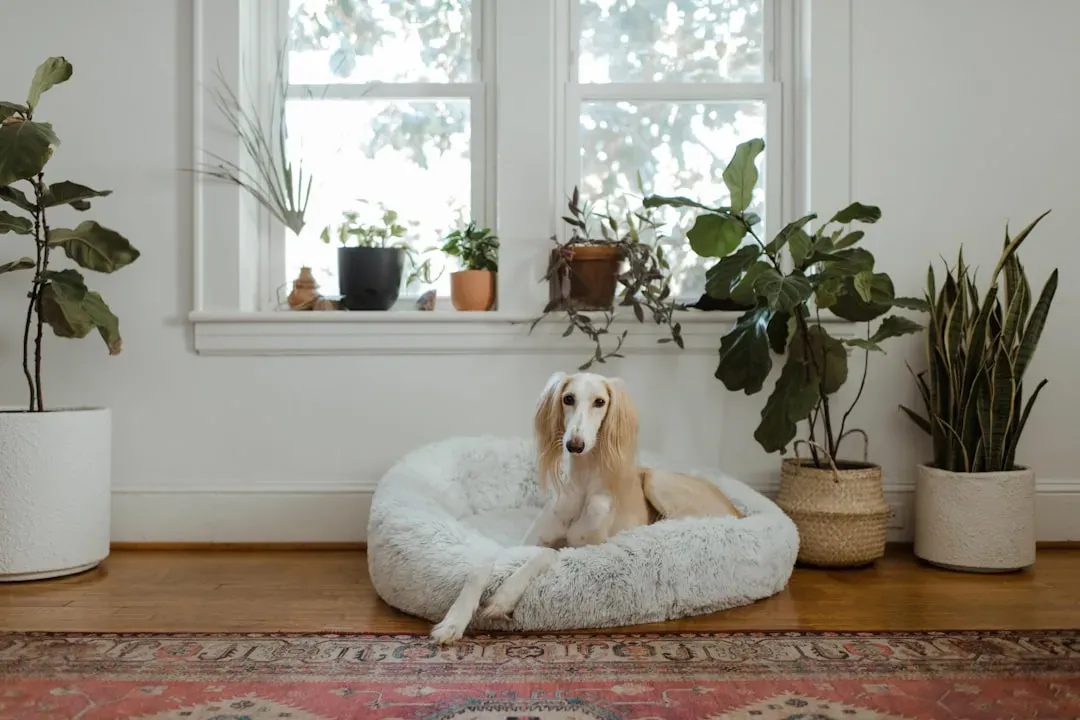
When dogs are presented with a soft, uneven surface, they are more likely to turn in circles before they lie down, suggesting that one reason dogs spin is to make themselves a more comfortable temporary nest. Research has actually tested this theory in controlled settings, comparing how dogs behave on smooth versus uneven surfaces.
The results were pretty compelling. On smooth surfaces, roughly one out of every five dogs turned at least one full circle before laying down, but on uneven surfaces, more than half of the dogs turned at least one full circle, meaning dogs were nearly three times more likely to circle on uneven surfaces. So your dog isn’t just being dramatic. They’re genuinely trying to arrange their bedding to suit their needs, much like you might fluff a pillow or adjust your blankets before sleep.
Detecting and Removing Potential Dangers
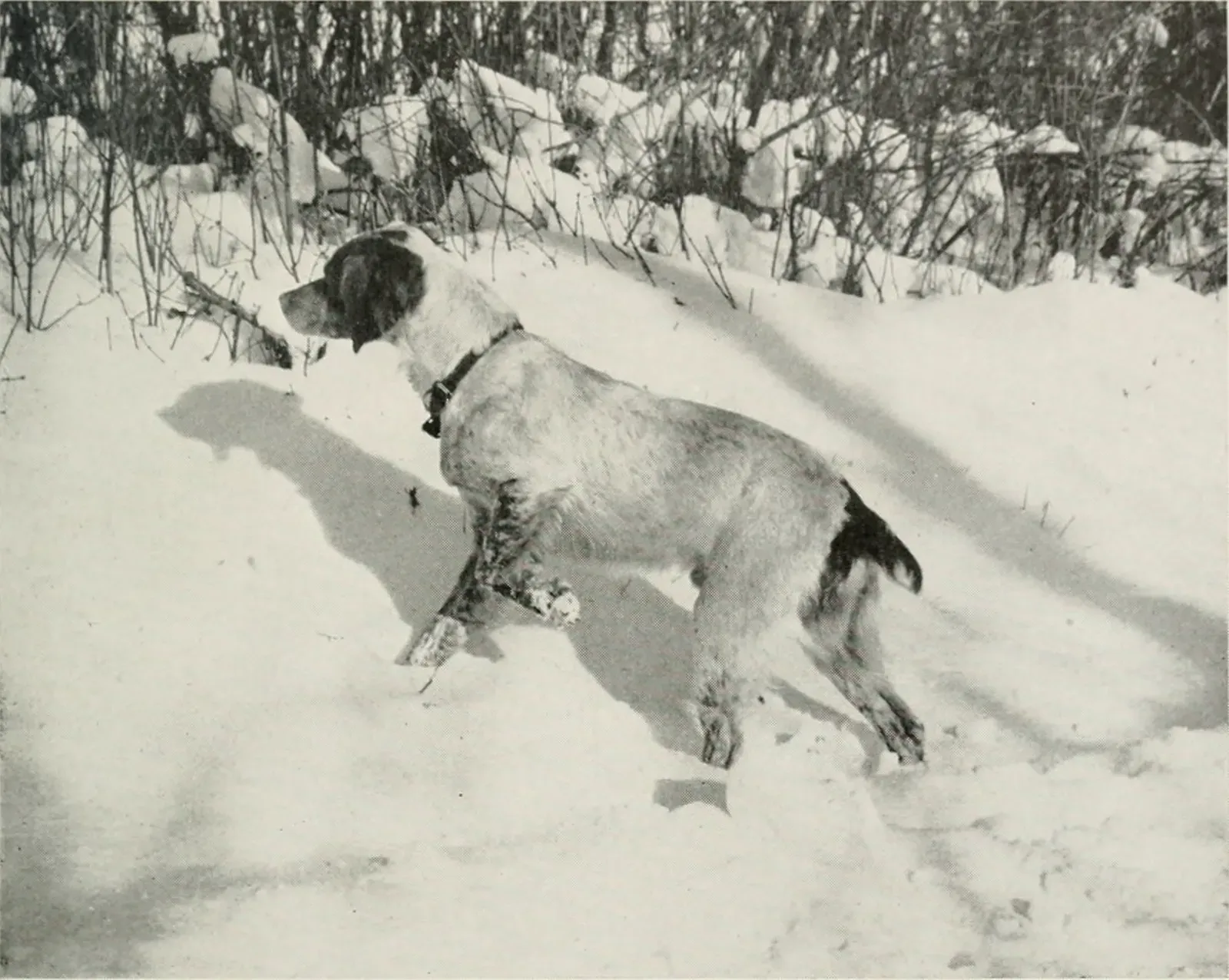
Circling not only tamped down vegetation and smoothed the ground to create a comfortable bed, but it also drove away or crushed insects and other potentially harmful creatures, and by probing the ground with their feet, wolves could detect and remove protruding rocks, sticks, and thorns. Imagine trying to sleep in tall grass that could be hiding snakes, spiders, or sharp objects. Circling served as both a clearing mechanism and a safety inspection.
In the wild, the circling would flatten grasses or snow and would drive out any snakes or large insects. It’s hard to say for sure, but even though your living room doesn’t harbor many threats, your dog’s DNA still tells them to check. This automatic behavior persists even in the safest of environments because evolution doesn’t just switch off overnight.
Temperature Regulation and Body Heat Conservation
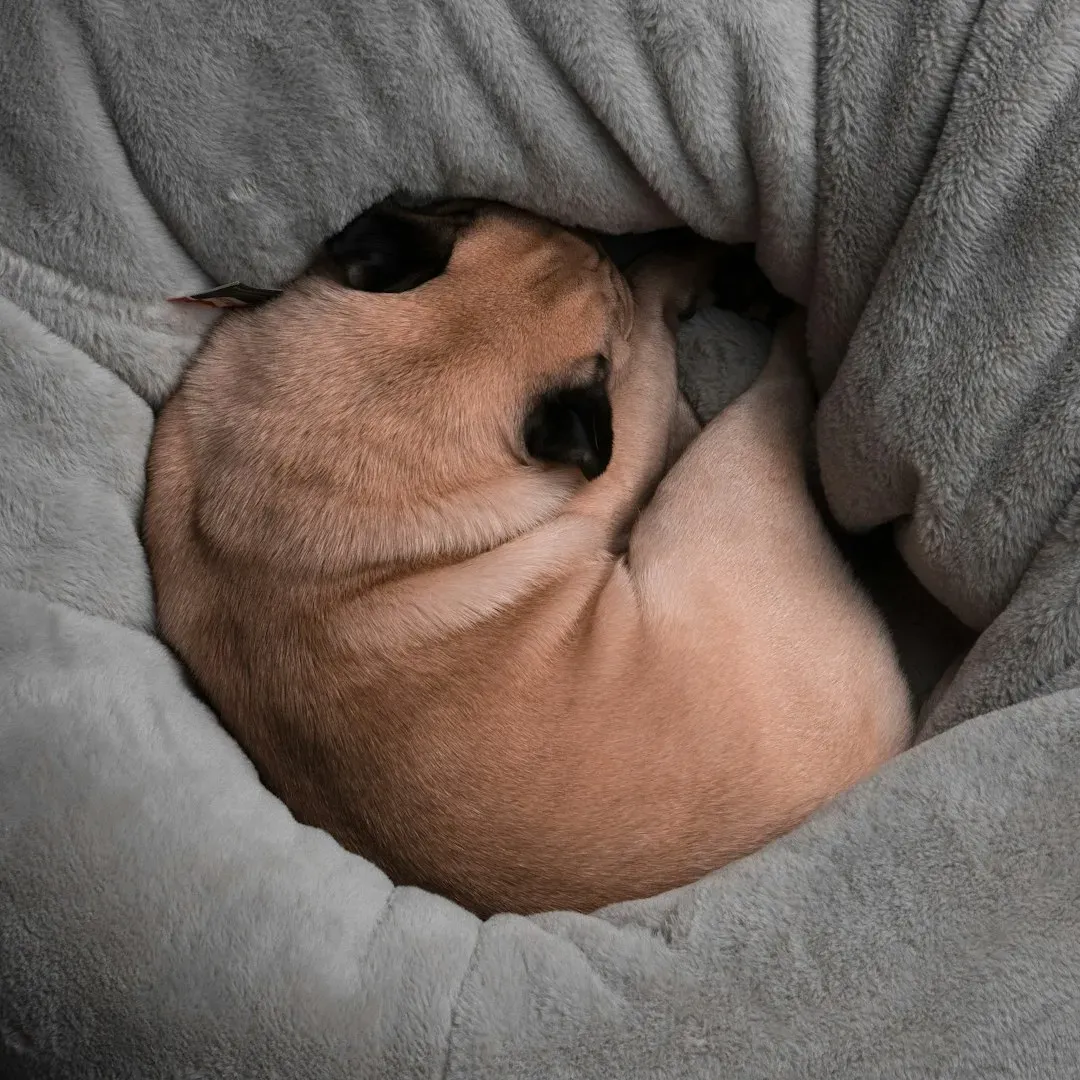
Here’s something you might not have considered. Wild dogs in colder climates circled to wind themselves into tight balls to conserve personal body heat, and the tighter the tuck, the warmer the dog. Circling helped them position their bodies in ways that minimized heat loss, which could mean the difference between surviving a freezing night and not.
After circling, many dogs choose to lie curled up rather than stretched out, and this position helps them regulate their body temperatures and conserve heat around the core of their bodies, especially in cold climates. Even dogs living in temperature controlled homes continue this behavior because it’s instinctive. Your dog might not need to conserve warmth on your heated floor, but their body doesn’t know that.
Scanning for Threats and Pack Awareness
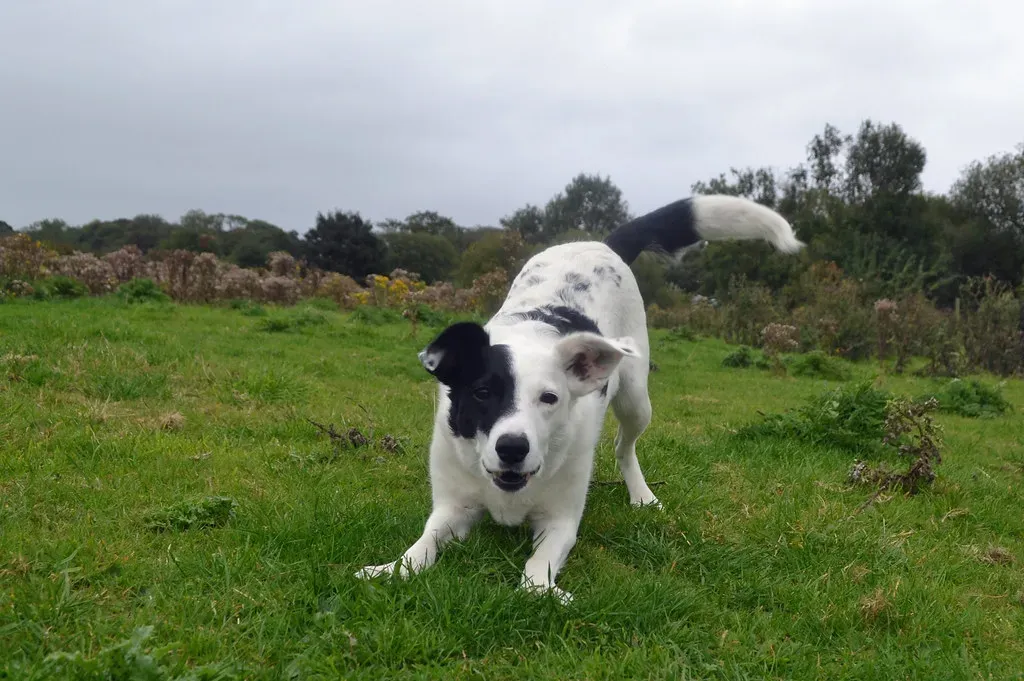
Circling may have evolved in wolves as a means to check the locations of other pack members, to check for predators, or to point their noses upwind to better detect the approach of other animals. This theory suggests circling was less about nest building and more about situational awareness. Before settling down, a vulnerable state for any animal, wild dogs needed one last comprehensive look at their surroundings.
Dogs’ ancestors could have circled to scan the environment and ensure their pack members were accounted for before going to sleep, or it could have been one last look out for approaching danger. Let’s be real, your Labrador probably isn’t worried about predators sneaking up while they nap on the couch. Still, the ritual remains hardwired. Some experts are skeptical of this theory compared to the comfort explanation, but it’s likely that multiple factors played a role throughout canine evolution.
A Transition Ritual and Mental Preparation

There may also be an unwinding component to the behavior, as it is often displayed when a dog transitions from a higher arousal awake state to lower arousal resting. Think about your own bedtime routine. Maybe you brush your teeth, read a few pages, or check your phone one last time. These rituals signal to your brain that it’s time to wind down.
Dogs are highly intuitive and often use this ritual to signal a transition from wakefulness or activity to rest, and by walking in circles, they mentally prepare themselves for relaxation. It’s fascinating how similar we are to our canine companions in this regard. That spinning motion might serve as a psychological cue, helping your dog shift gears from playtime to naptime. Dogs are creatures of habit, after all, and this little dance is their way of saying goodnight to the world.
Conclusion: A Window Into Canine History
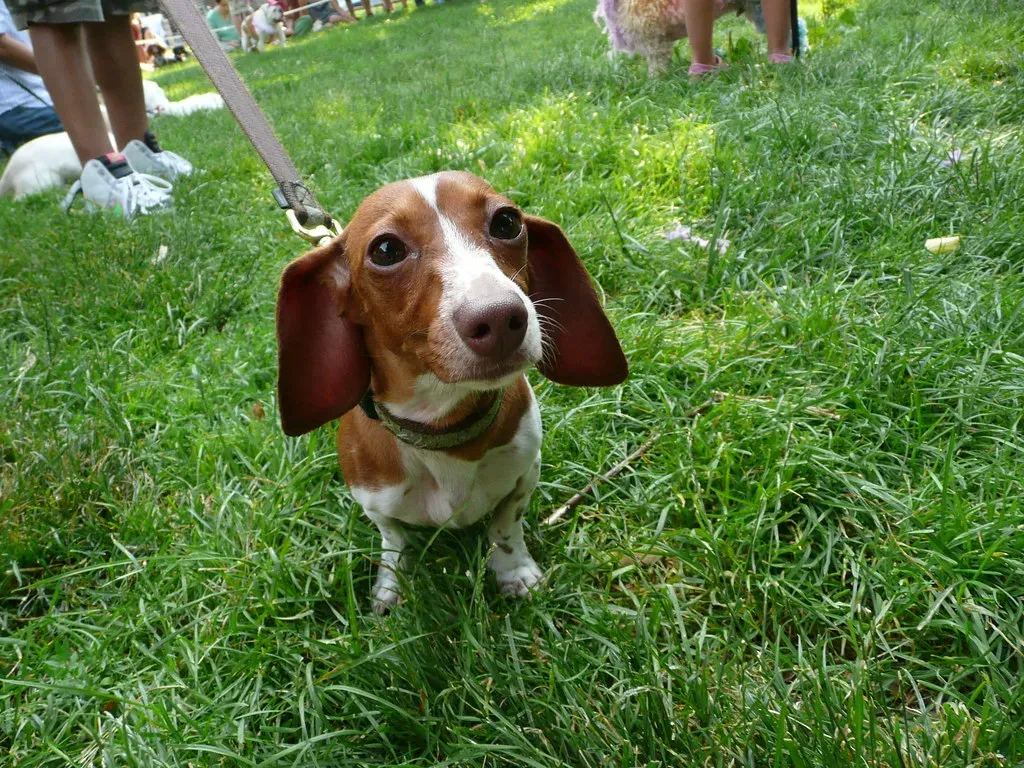
So the next time you watch your dog perform their pre sleep spin, you’re witnessing a behavior that connects them directly to their wild past. Whether they’re flattening an imaginary patch of grass, checking for threats that don’t exist, or simply getting comfortable, this ancient ritual has survived thousands of years of domestication. It’s a reminder that beneath the wagging tail and goofy grin, your dog still carries the instincts of their wolf ancestors.
If your pup circles once, twice, or even three times before settling down for a nap, there’s no need to worry, as it’s very normal and predictable canine behavior. Just keep an eye out for excessive circling or signs of distress, which might indicate discomfort or pain. Otherwise, enjoy the show. What quirky bedtime habits does your dog have? Share your stories in the comments below.
Worried about unexpected vet bills?
Pet insurance can cover thousands in unexpected vet costs. Get a free quote from Lemonade in under 2 minutes.
Get My Free Quote →Sponsored · Opens Lemonade.com

- 15 Dog Breeds Vets Say Have Become Nearly Impossible to Keep Healthy Past Age 6 - June 4, 2026
- 13 Dog Breeds Vets Refuse to Recommend Even When Owners Specifically Ask for Them - June 4, 2026
- Psychology Says Dogs Are More Likely to Act Out When They Sense Their Owner Is Suppressing Rage - June 4, 2026