

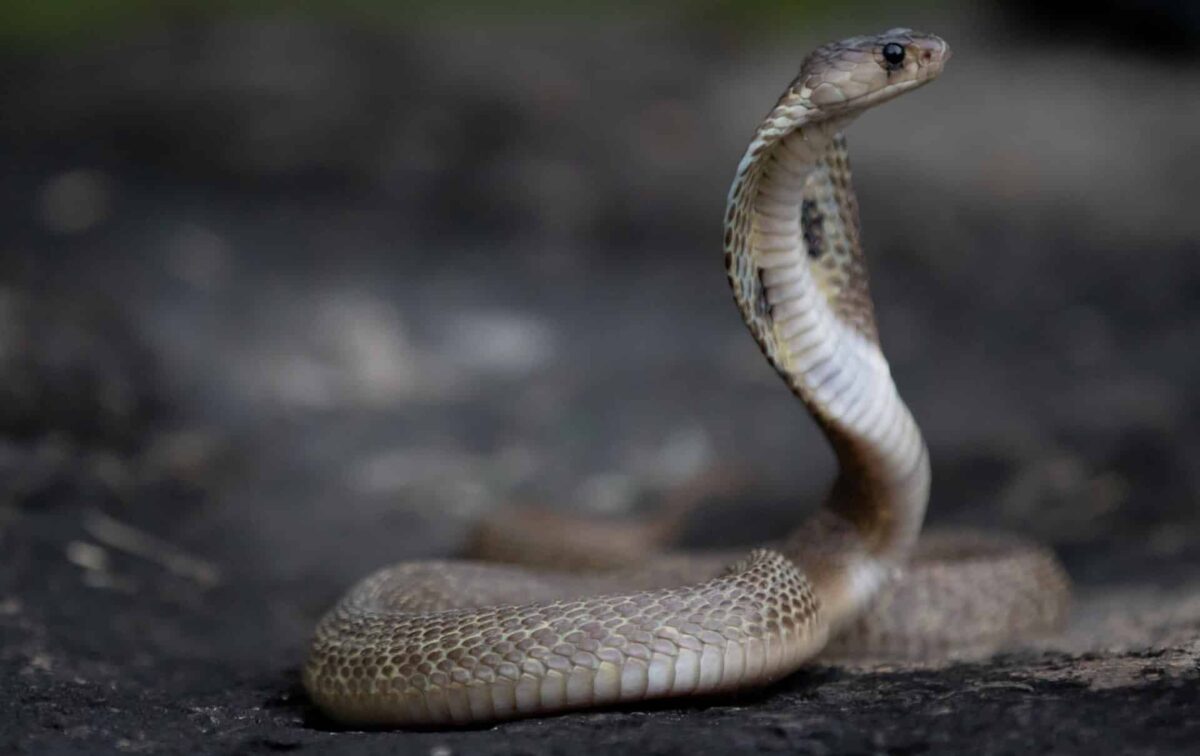
In the wildlife tapestry of North Carolina, venomous snakes have become one of the most talked-about inhabitants, especially their surprising thrive in urban areas. This intriguing phenomenon sheds light on the adaptability of these reptiles and the changing dynamics of urban ecosystems. Let’s embark on a journey to understand why venomous snakes in North Carolina are not just surviving but thriving amidst the hustle and bustle of city life.
Understanding North Carolina’s Venomous Snakes

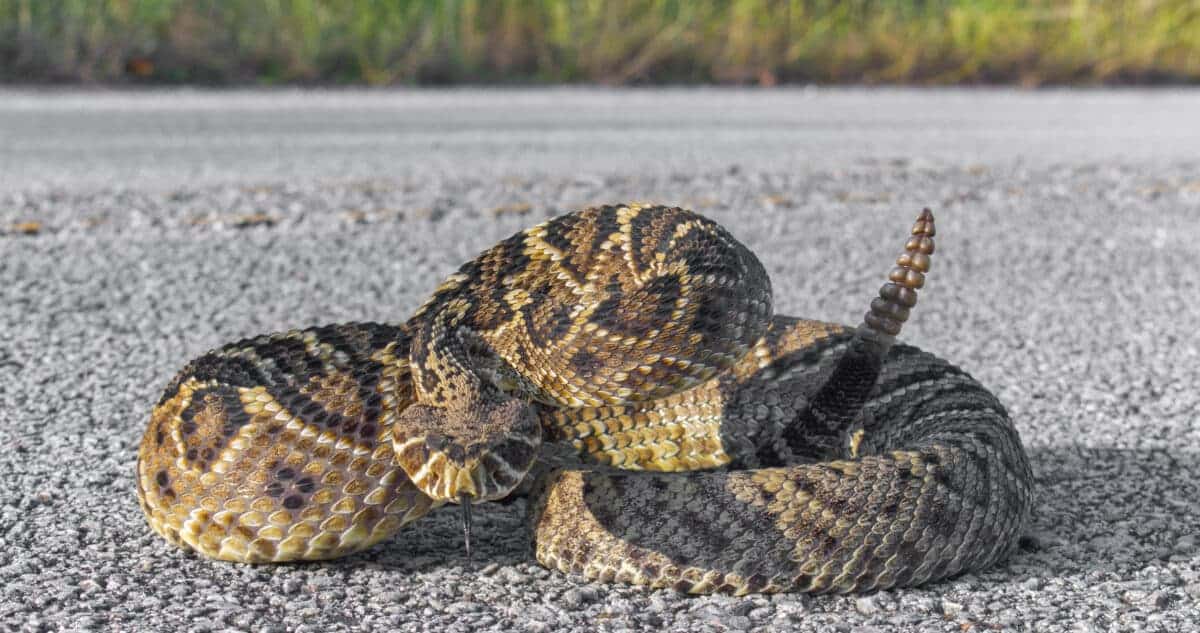
North Carolina is home to several venomous snake species, including the Copperhead, Eastern Diamondback, and Cottonmouth, among others. These species are known for their adaptability to various environments, a trait that significantly contributes to their success in urban areas.
The Lure of Urban Environments

Urban areas, surprisingly, offer a variety of attractive features for venomous snakes. From abundant prey to fewer natural predators, cities can provide a safer and more bountiful life than more traditional, wild habitats.
Increased Prey Availability
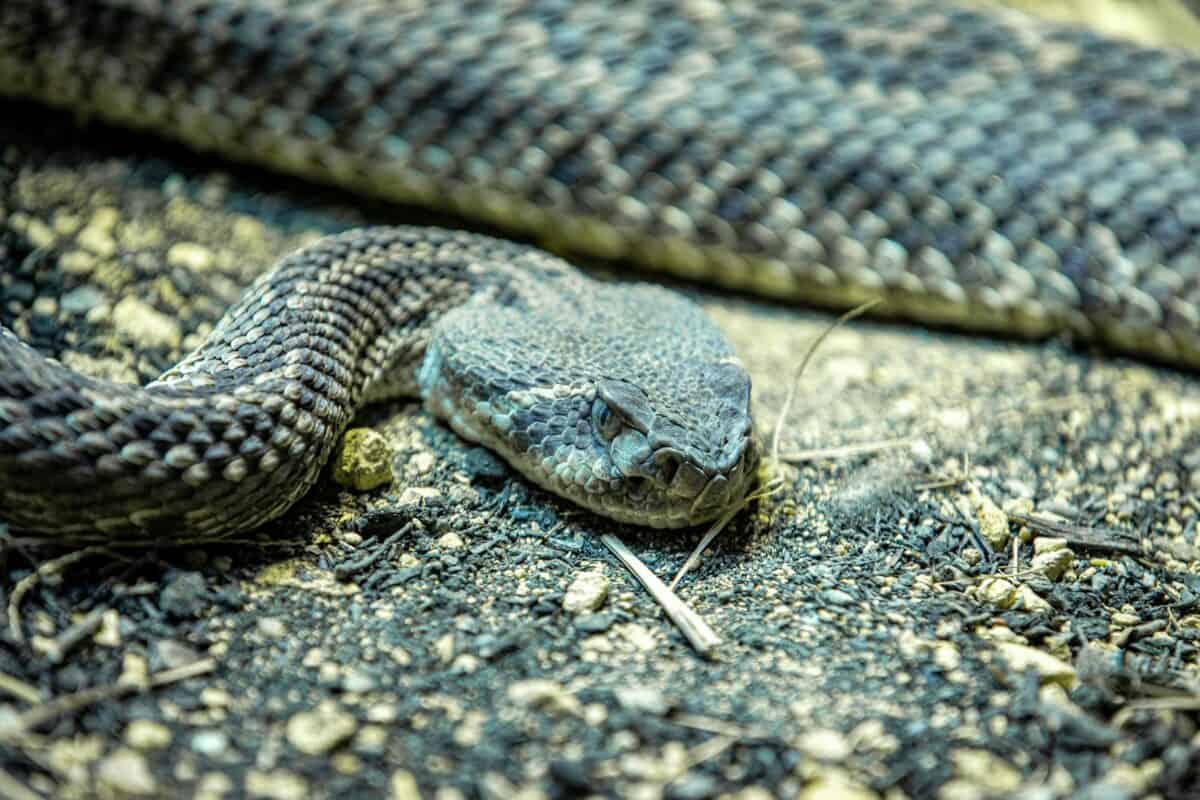
Urban areas tend to have higher populations of rodents and other small animals, thanks to human waste and the storage of food. This increase in potential prey attracts venomous snakes, providing them with plenty of feeding opportunities.
Decline in Natural Predators

In the city, many of the natural predators of venomous snakes are less common, giving snakes a survival advantage. Without the threat of predators, venomous snakes can thrive in greater numbers.
Warmer Urban Climates

Cities often experience the “urban heat island” effect, where urban regions are significantly warmer than their rural counterparts. Warmer temperatures can be beneficial for cold-blooded venomous snakes, aiding in their metabolism and extending their active periods.
Habitat Creation Through Urbanization

As cities expand, they inadvertently create environments conducive to snake habitation. Piles of debris, gardens, and even unkempt lawns can provide perfect shelters for venomous snakes.
Reclaimed Wildlands and Urban Fringe
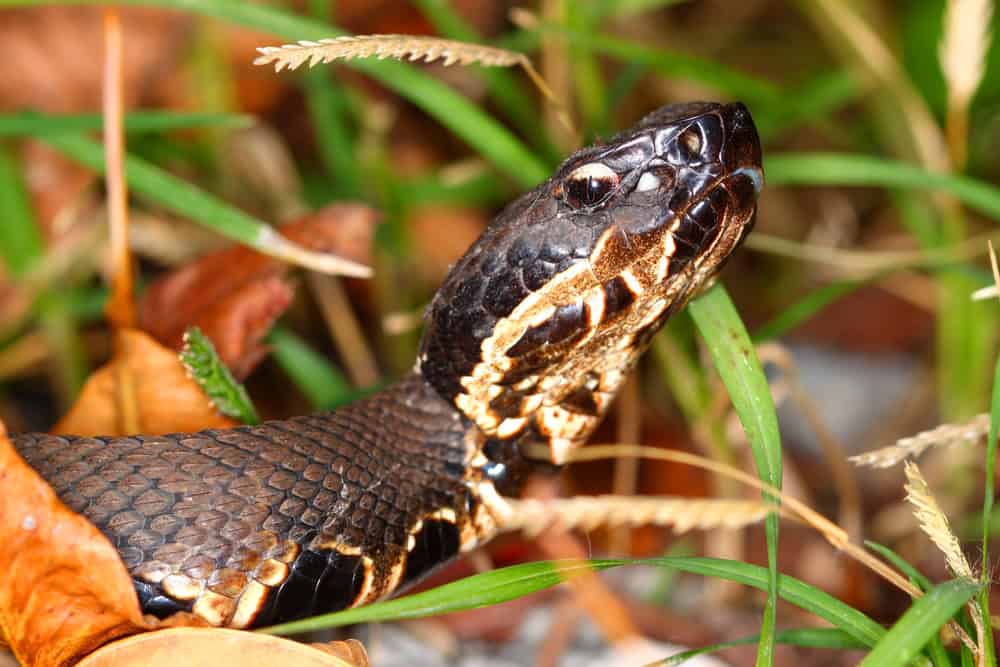
As development encroaches on natural environments, many venomous snakes find themselves living in closer proximity to human habitations. This overlap between urban and natural environments has fostered a unique cohabitation scenario.
Snakes in the Suburbs
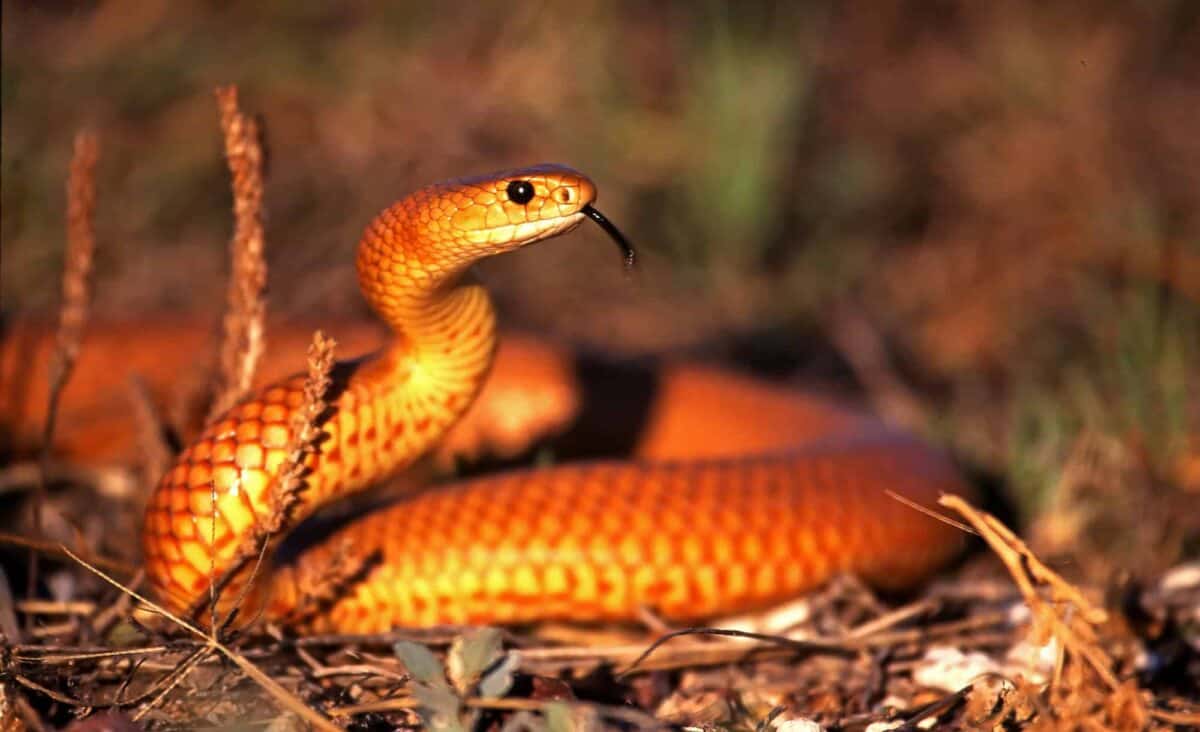
The suburban areas, with their mix of human homes and natural landscapes, offer an ideal setting for venomous snakes. Gardens, parks, and yards mimic the natural environment while providing safety from many predators.
Public Perception and Awareness
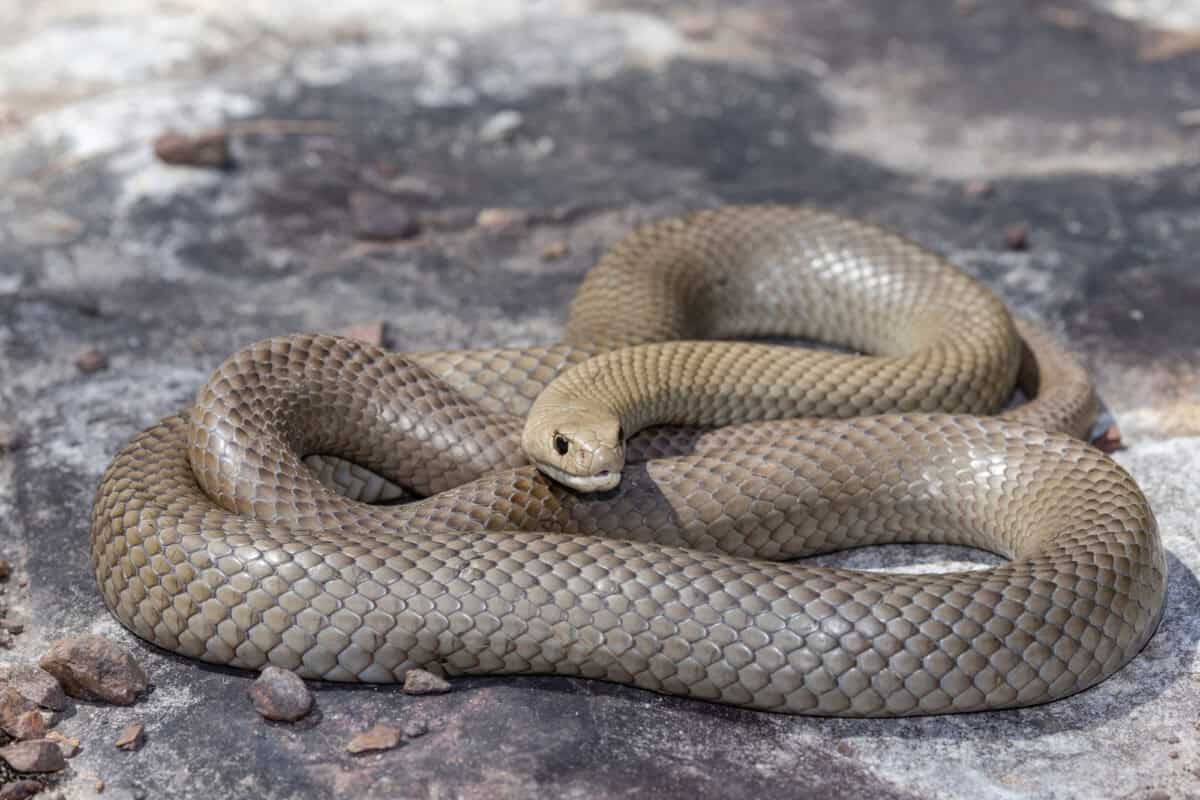
Increased sightings of venomous snakes in urban areas have heightened public awareness and curiosity. This also creates an opportunity for education about the role of snakes in controlling rodent populations and maintaining ecosystem balance.
Conservation Efforts

Conservation groups in North Carolina are working to protect venomous snakes and their habitats. By educating the public and implementing protective measures, they aim to ensure survival in urban landscapes.
The Role of Citizens
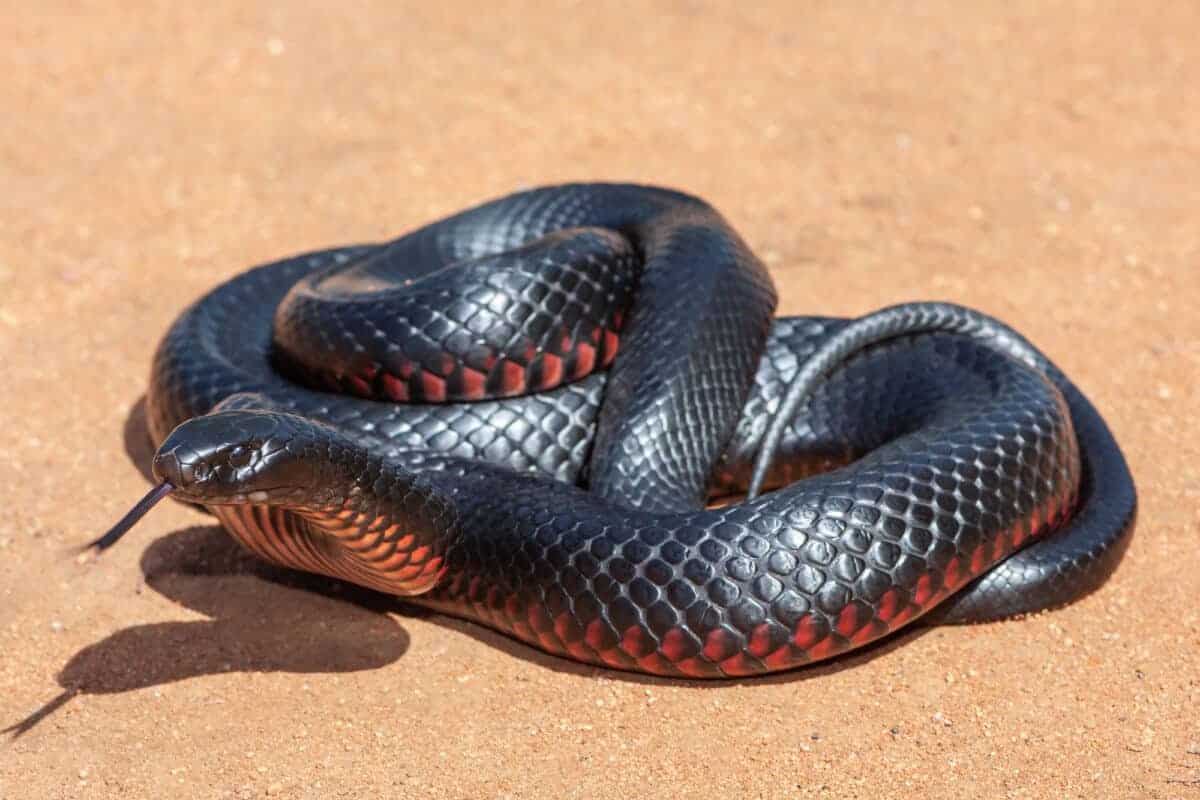
Residents play a crucial role in the coexistence with venomous snakes. By learning to identify these snakes, understanding their behavior, and knowing what to do in an encounter, humans can safely share their urban spaces with these reptiles.
Encounters and Safety Measures
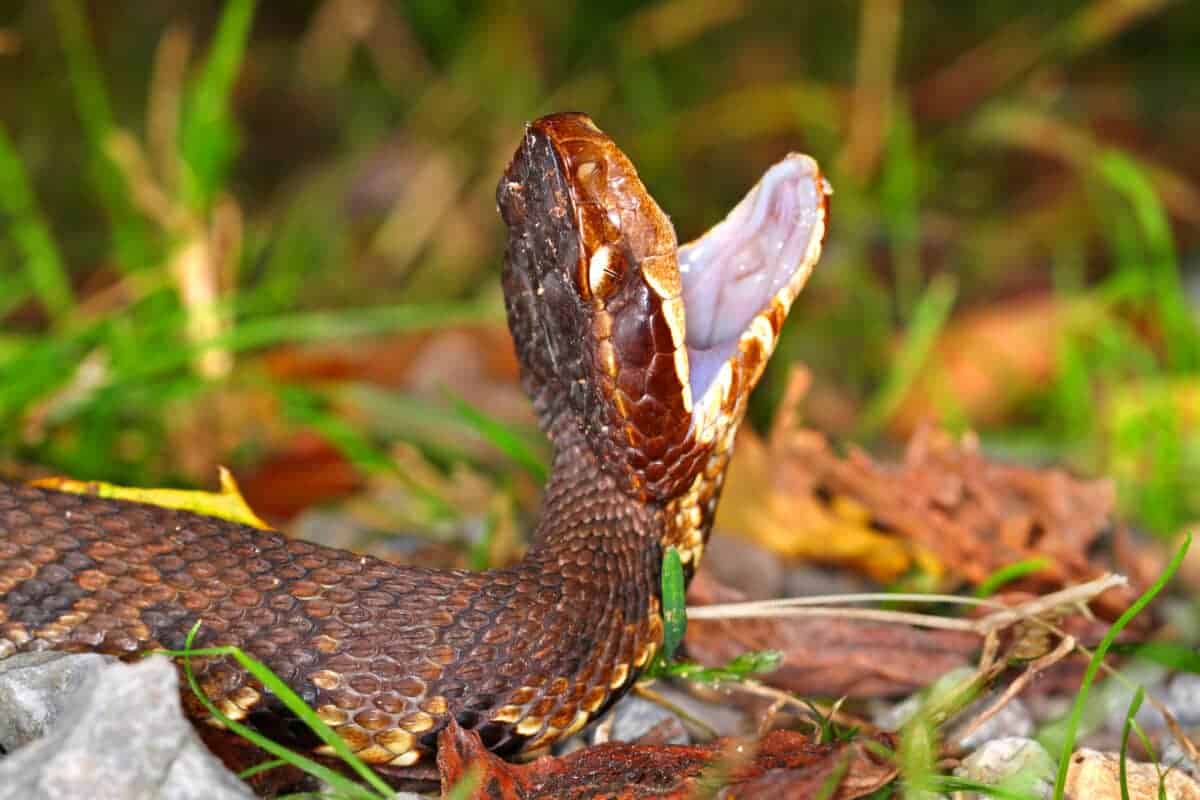
Understanding how to react when encountering a venomous snake is vital for safety. Keeping a distance, not attempting to handle the snake, and calling local wildlife control are important steps to take.
The Future of Urban Snakes
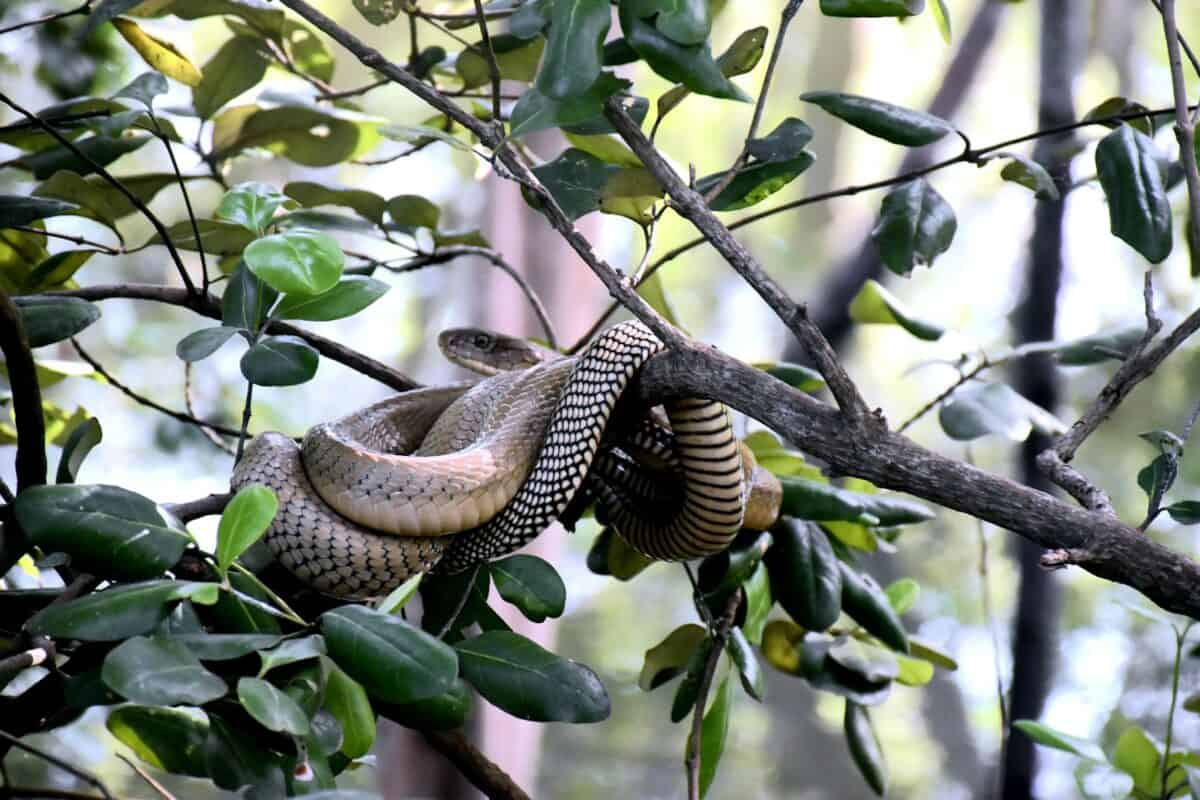
The thriving of venomous snakes in urban areas of North Carolina is a complex issue that reflects broader themes of wildlife adaptation to human environments. Their presence challenges us to consider our role in the natural world and how we share our spaces with other species.
Summary
Venomous snakes are an integral part of North Carolina’s biodiversity, and their success in urban areas is a testament to their adaptability. By understanding and respecting these creatures, we can ensure a balanced coexistence. The thriving population of venomous snakes in urban North Carolina not only illustrates the resilience of nature but also signals our responsibility toward creating harmonious environments where humans and wildlife can flourish side by side.

As a little kid, I fell in love with nature, wildlife, and animals. Living in the USA, South Africa, Italy, China and Germany gave me the opportunity to discover the world's Wildlife. My favorite animals are Mountain Gorillas, Siberian Tigers, and Great White Sharks.
I'm a certified PADI Open Water Diver, went to Everest Base Camp and Trekked Gorillas in Uganda. I hold a Master of Science in Economics and Finance.
Please send any feedback to feedback@animalsaroundtheglobe.com
- Top 10 Endangered Animals in Scotland - June 4, 2026
- 10 Weird Things Dogs Do and What They Really Mean - June 4, 2026
- Top 10 Fiercest Animal Predators on the Planet - June 4, 2026