
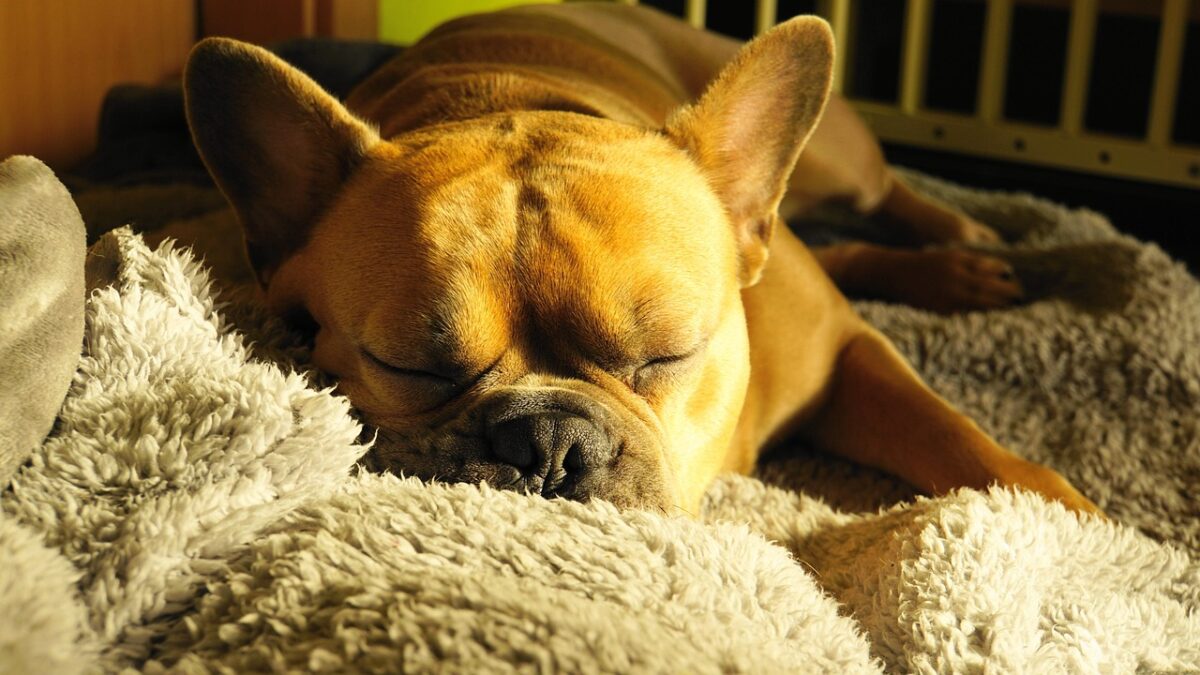

Certain Breeds Turn Snoozing into a Noisy Affair (Image Credits: Pixabay)
Dogs often fill homes with unexpected sounds during sleep, turning quiet evenings into symphonies of gentle rumbles and wheezes.
Certain Breeds Turn Snoozing into a Noisy Affair
Short-nosed dogs frequently lead the pack when it comes to snoring, as their unique facial structure narrows airways and creates vibrations during rest. Breeds like pugs, bulldogs, and Boston terriers possess what veterinarians term brachycephalic features, where the skull compresses the nasal passages. This setup forces air to push through tighter spaces, producing those familiar snorts and snuffles. Owners of these dogs report the sounds starting early in life, often noticeable during puppy naps. While endearing at first, the persistent noise stems from basic anatomy rather than any discomfort in most cases.
Studies from veterinary sources highlight how selective breeding over generations shortened muzzles in these popular companions, prioritizing appearance over airflow. As a result, even mild relaxation in sleep exacerbates the issue. Pet parents might notice louder episodes when the dog lies on its back, fully exposing the soft palate to flap against the throat. Though harmless for many, monitoring helps distinguish normal patterns from emerging problems.
Allergies and Irritants Stir Up Unexpected Noises
Environmental triggers can transform a peaceful sleeper into a serial snorer overnight, as allergens inflame nasal passages and disrupt breathing. Dust mites in bedding, pollen from outdoor adventures, or even household cleaners contribute to this swelling, forcing dogs to mouth-breathe more during slumber. Veterinary experts note that seasonal changes often correlate with increased snoring in sensitive pups. A dog that wheezes only in certain rooms might react to specific irritants like smoke or strong scents.
Addressing these factors proves straightforward in many instances; regular cleaning of sleeping areas reduces exposure and eases symptoms. Owners observe quieter nights after switching to hypoallergenic fabrics or air purifiers. However, persistent cases warrant a vet visit to rule out chronic conditions. Simple adjustments often restore calm to both dog and household alike.
Lifestyle Choices Amplify the Snore Volume
Extra weight adds pressure on airways, making snoring more pronounced as fat deposits around the neck compress breathing routes. Overweight dogs struggle more with air intake, especially when curled up or deeply relaxed. Exercise routines and balanced diets help mitigate this, with many owners seeing improvements after gradual weight management. Sleep positions play a role too; sprawling on the back invites louder sounds by allowing the tongue to fall backward.
Daily habits influence outcomes significantly. Pups that overheat from heavy coats or warm environments pant excessively before settling, leading to congested snores. Elevating the head slightly with a supportive bed offers relief, promoting smoother airflow. These tweaks, combined with routine check-ups, keep lifestyle-related snoring in check without major interventions.
Health Concerns That Demand Attention
Beneath occasional rumbles lie potential signals of underlying issues, such as respiratory infections or dental problems obstructing passages. Swollen tonsils from infections or elongated soft palates in certain breeds heighten the risk, turning snores into labored gasps. Vets recommend watching for changes like sudden onset or accompanying coughs, which point to infections needing antibiotics. Dental buildup irritates gums and throats, indirectly worsening the noise.
Obstructive sleep apnea, though rarer in dogs, mirrors human versions with pauses in breathing that jolt the animal awake. Brachycephalic breeds face higher odds here, prompting surgical options in severe scenarios. Early detection through annual exams prevents escalation. Owners who track patterns report better outcomes when addressing root causes promptly.
- Brachycephalic anatomy in short-nosed breeds narrows airways.
- Allergens like pollen or dust cause inflammation and congestion.
- Obesity compresses the neck, intensifying vibrations.
- Sleep positions, such as lying flat, allow tissues to obstruct flow.
- Infections or dental issues create blockages needing medical care.
- Overheating leads to panting that evolves into snoring.
Key Takeaways
- Most snoring arises from benign factors like breed traits or environment, but track changes for peace of mind.
- Simple home adjustments, from weight control to cleaner air, often quiet things down effectively.
- Consult a vet if snoring pairs with fatigue, coughing, or breathing pauses to catch issues early.
Dog snoring, while often just a quirky trait, reminds owners of the delicate balance in pet health; staying vigilant ensures those nighttime concerts remain harmless entertainment. What causes your dog’s snores, and have you noticed any patterns? Share in the comments below.

- 13 Tender Signs a Horse Is Grieving a Rider It Lost - July 28, 2026
- 11 Small Ways a Rescue Horse Shows It Has Finally Let a Human In - July 28, 2026
- 14 Quiet Ways a Horse Keeps Watch Over the Person It Has Claimed - July 28, 2026