
Worried about unexpected vet bills?
Pet insurance can cover thousands in unexpected vet costs. Get a free quote from Lemonade in under 2 minutes.
Get My Free Quote →Sponsored · Opens Lemonade.com
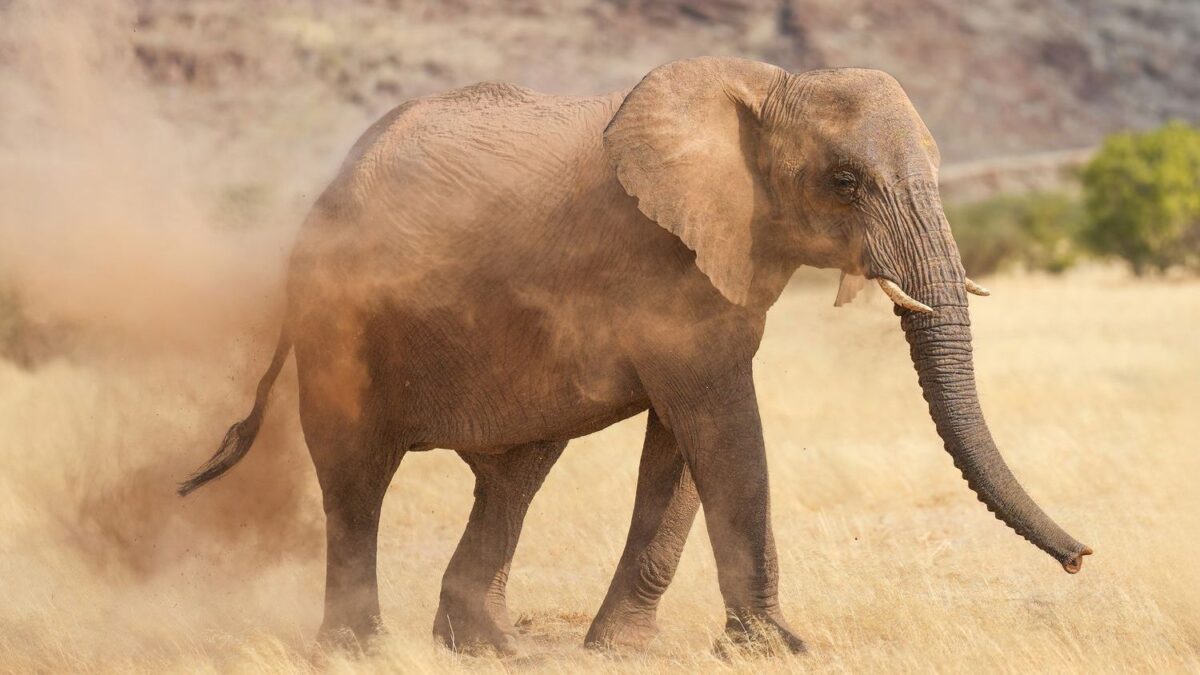
Picture this: a massive African elephant, standing tall under a blazing sun, curling its trunk downward, scooping a cloud of dry earth, and launching it dramatically over its own back. To any human bystander, it might look like playful, almost silly behaviour. Like watching a giant trying to scratch an itch it can’t quite reach. But here’s the thing – there is nothing random or accidental about it at all.
Elephants are among the most intelligent creatures on Earth, and almost everything they do carries purpose. This ancient ritual of throwing dust over their bodies is no exception. It is, in fact, a masterclass in biological self-preservation. The science behind it is surprising, layered, and honestly a little humbling when you consider that these animals figured it out long before humans invented sunscreen. Let’s dive in.
The Remarkable Skin That Makes Dust Bathing Necessary
Before understanding why elephants dust-bathe, you need to appreciate what kind of skin they’re actually working with. Elephant skin can measure approximately one inch thick across most of the body, yet it can be up to one hundred times thicker than the equivalent layer in human skin in specific areas like the trunk. That sounds invincible, right? Honestly, it’s not.
Despite its tough appearance, the skin is highly sensitive, containing numerous nerve endings that make the elephant responsive to touch, temperature changes, and insect irritation. The iconic wrinkles and folds are not merely creases but an intricate network of microscopic channels and fissures in the outermost layer.
Unlike most mammals, the elephant’s skin is not covered with hair or fur. However, they have a very thick outer skin layer which is said to be fifty times thicker compared to that of humans. Think of it as armour that, paradoxically, needs constant maintenance to stay effective. Without the right care, it becomes a liability rather than a shield.
With little body hair and no sweat glands, elephants struggle to regulate their temperature. Their thick, wrinkled skin is sensitive to sunburn, dehydration, and insect bites. This is exactly where the dust bath steps in, doing a job that evolution never gave their skin the tools to do alone.
Nature’s Sunscreen: How Dust Shields Elephants From UV Rays
Here’s a fact that might genuinely surprise you. Surprisingly, elephants are susceptible to sunburn despite their thick appearance. Their skin can be damaged by prolonged exposure to harsh sunlight, particularly in areas with less hair coverage. For an animal that spends its entire life outdoors in some of the world’s most sun-drenched landscapes, that is a serious problem.
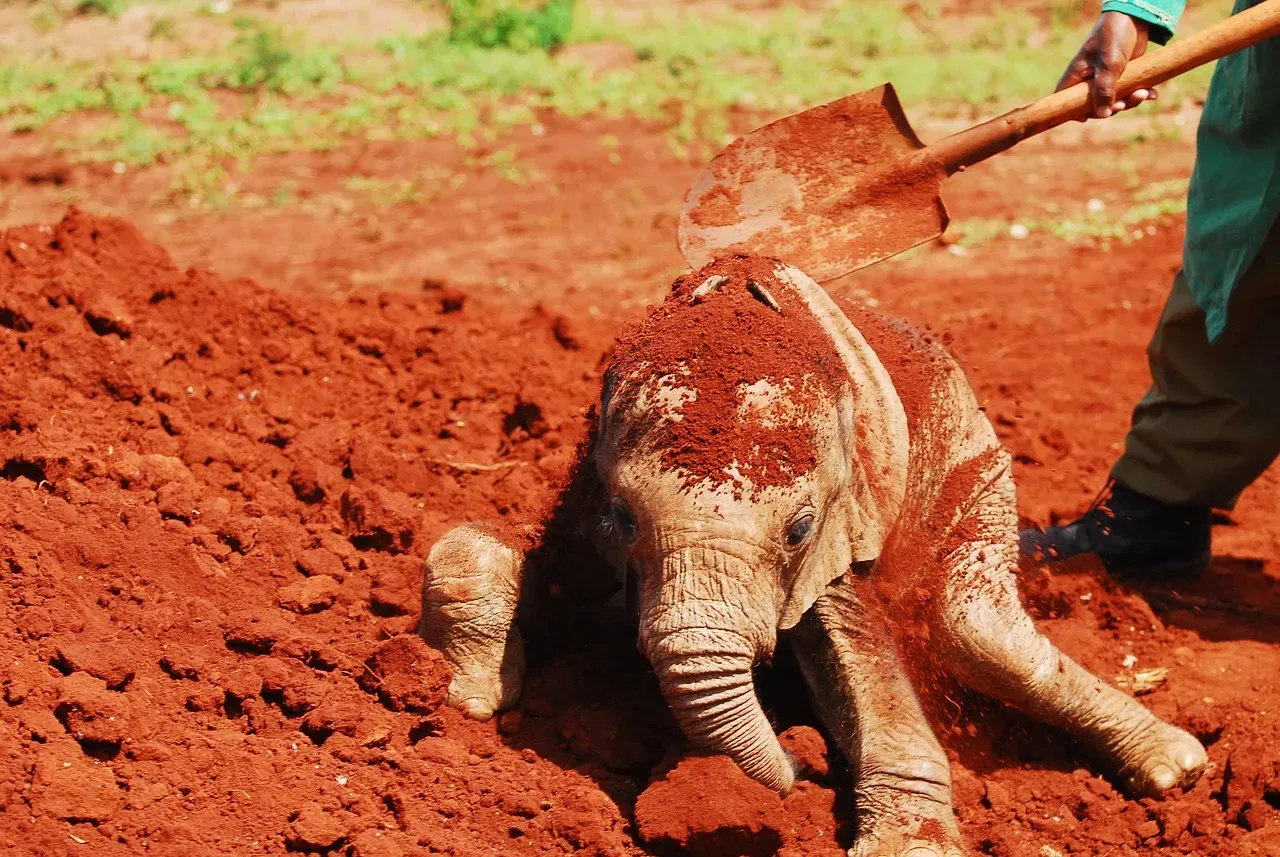
The mud and dust that elephants apply acts as a natural sunscreen, creating a physical barrier between their skin and the sun’s harmful ultraviolet rays. This protective layer is especially important for young elephants whose skin is even more vulnerable.
What makes this even more fascinating is the chemistry involved. The minerals in certain types of mud may also provide additional protection against UV radiation. Some mud contains natural minerals like zinc and iron oxides, which have sun-blocking properties. Over time, wild elephants learn which mud sources provide the best protection, often traveling considerable distances to access particular mud holes with ideal consistency and mineral content for maximum sun protection.
In elephants, dust bathing involves throwing dry soil onto the body using the trunk, a practice observed in both African and Asian species. This behaviour increases in response to elevated environmental radiation, aiding in ultraviolet protection and preventing sunburn on sensitive skin. In other words, when the sun gets stronger, they dust more. Simple, elegant, effective.
The Cooling Science: Thermoregulation Without Sweat Glands
Let’s be real – managing body heat when you weigh over five tons and have essentially no sweat glands is a genuinely extraordinary challenge. One of the primary reasons elephants cover themselves in mud is for temperature regulation. With their massive body size and limited sweat glands, elephants face significant challenges in keeping cool, especially in tropical and subtropical environments. When temperatures soar, elephants can struggle to dissipate body heat effectively. Their large body mass generates substantial internal heat, while their relatively small surface area-to-volume ratio makes heat loss difficult.
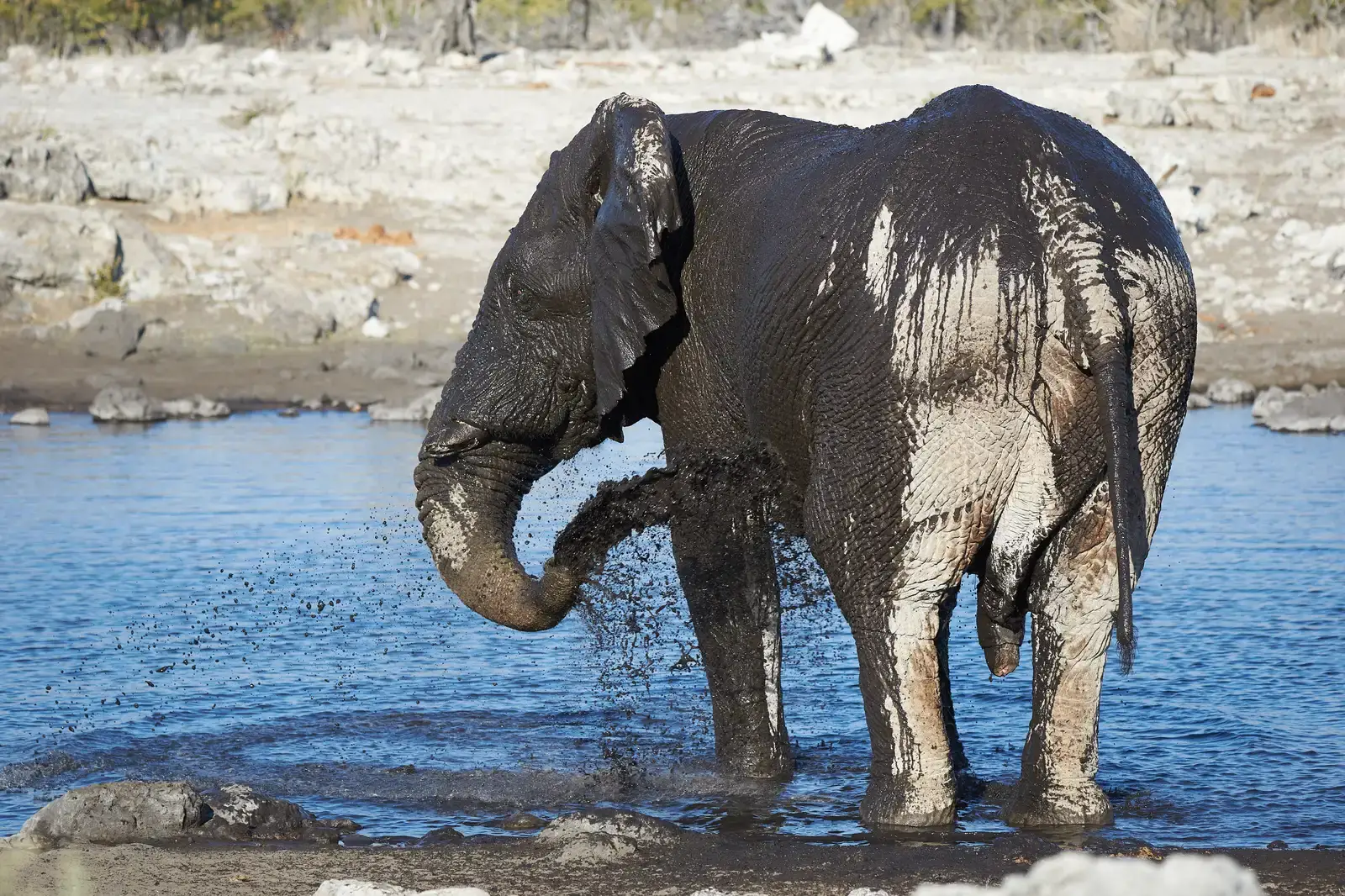
Mud provides an elegant solution to this thermal challenge. When elephants apply wet mud to their skin, the evaporation of water from the mud creates a cooling effect, much like sweating does in humans. Research has shown that this mud coating can lower skin temperature by several degrees, helping elephants maintain their optimal body temperature.
The microscopic network of cracks in the skin plays a direct role in evaporative cooling by acting as a reservoir for water and mud. When an elephant bathes or sprays itself, these micro-channels trap moisture, allowing the skin to retain between five and ten times more water than a smooth surface would. The slow, continuous evaporation of this trapped liquid provides a prolonged cooling effect, which is the elephant’s main form of thermoregulation.
Scientific research has confirmed the temperature link directly. A captive herd of Asian elephants exhibited dusting behaviour when the maximum daily temperature exceeded approximately thirteen degrees Celsius, and dusting frequency increased directly with the environmental temperature. Individual animals showed variation in dusting frequency, but this was not related to body mass. That last finding is genuinely interesting – it hints that temperature control alone may not be the whole story.
The Bug Barrier: Keeping Parasites and Insects at Bay
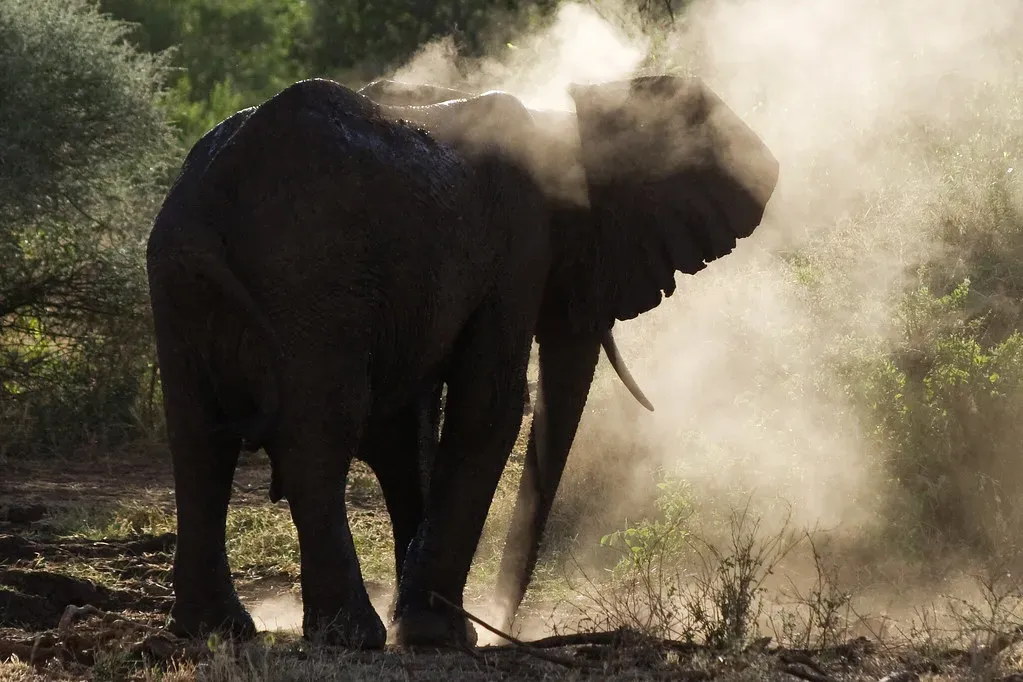
If you’ve ever been caught outside during mosquito season, you’ll have some sympathy for what elephants deal with daily. Elephants live in areas that have lots of insects – bugs like mosquitoes, ticks, and flies. Many of these insects bite elephants and can spread diseases. Their bites are also itchy and painful.
To keep bugs off of their skin, elephants will cover themselves in the dirt. The dust and soil particles create a layer that makes it hard for the insects to reach the elephant’s skin. The dirt essentially acts like bug spray. A natural, free, constantly renewable bug spray. I think that’s one of the most underrated survival innovations in the animal kingdom.
Dust bathing involves elephants using their trunks to gather dry soil, which they then throw over their bodies. This technique is more focused on parasite control than cooling, as the fine particles can penetrate into skin folds and crevices where parasites hide. Dust bathing is also more common in drier habitats or seasons when mud sources may be scarce.
This layer also serves as a physical repellent against biting insects and parasites, which are constant irritants in their natural habitat. As the mud dries and flakes off, it helps to physically remove any ticks, mites, or other external parasites attached to the skin. The dust literally drags the pests off as it falls away. It’s like a self-cleaning system, built right into the daily routine.
The Exfoliant Effect: Dust Bathing as Elephant Skincare
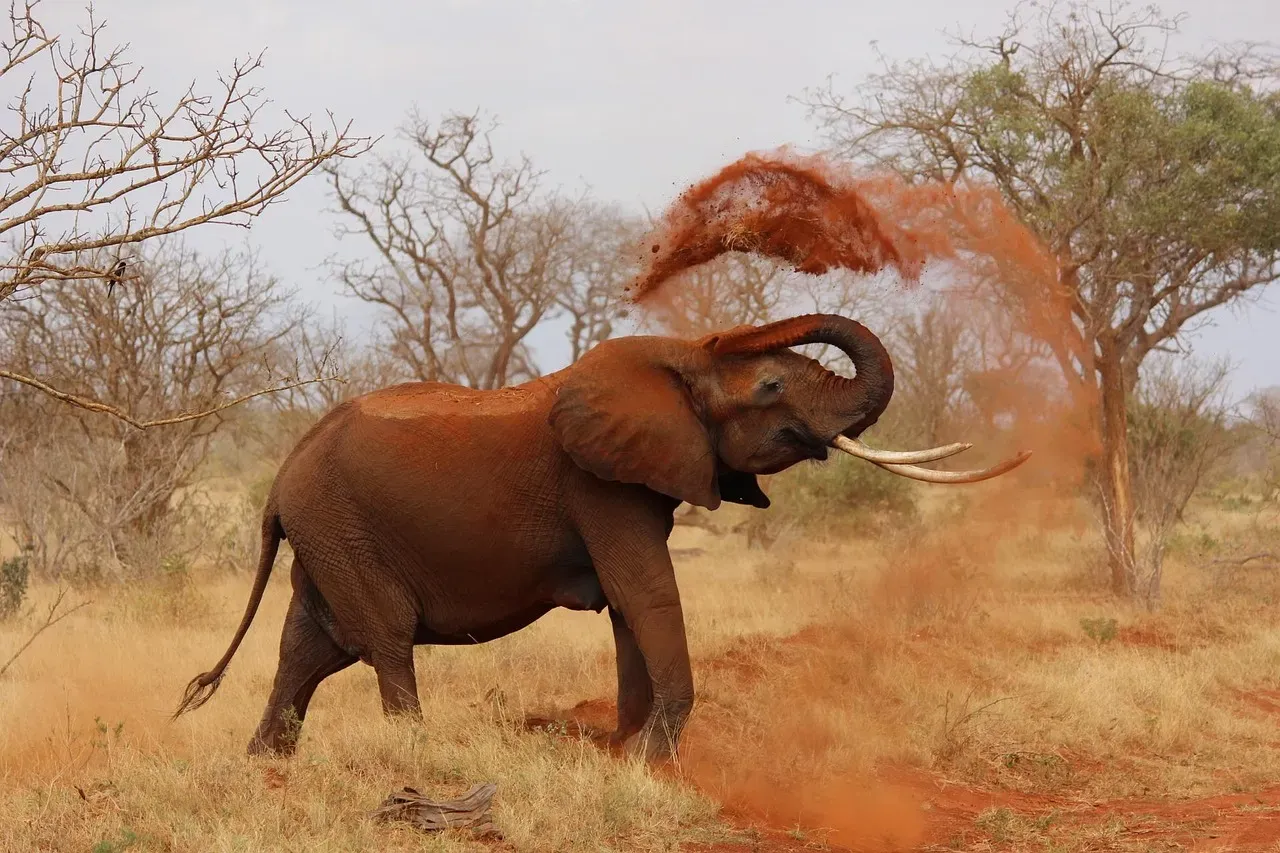
It sounds counterintuitive – throwing dirt on yourself to stay clean. It may seem ironic that elephants clean themselves by throwing dust into their bodies. However, it’s scientifically proven that this action is efficient for the giant mammals to maintain their hygiene.
The gravel and sand particles in the soil act as an exfoliant, something that removes dead skin cells and other accumulated particles from the skin. Therefore, the dirt they throw on their bodies enables them to shed off all unwanted residues from their skins by making them dry and easy to peel off. The result is healthy and clean skin with open pores. Think of it as nature’s version of a spa scrub, just on a much grander scale.
Dusting was the only temperature-correlated behaviour in elephants; the behaviour increased with increasing temperatures but was seen in all temperature ranges. Although an elephant’s skin is thick, the blood vessels and nerves are relatively close to the skin and they have few sweat glands for heat dissipation. Dusting and mudding help to protect the skin from sun and insects, assist with temperature regulation, and encourage the shedding of dead skin cells.
A general skin care function has also been proposed since sand and gravel particles in soil may act as abrasives and promote the shedding of the hard keratinised flakes in the skin. This is a peer-reviewed observation, not just a guess. The ritual is, at its core, as much about skin health as it is about temperature or pest control.
The Social Dimension: Dust Bathing as a Bonding Ritual
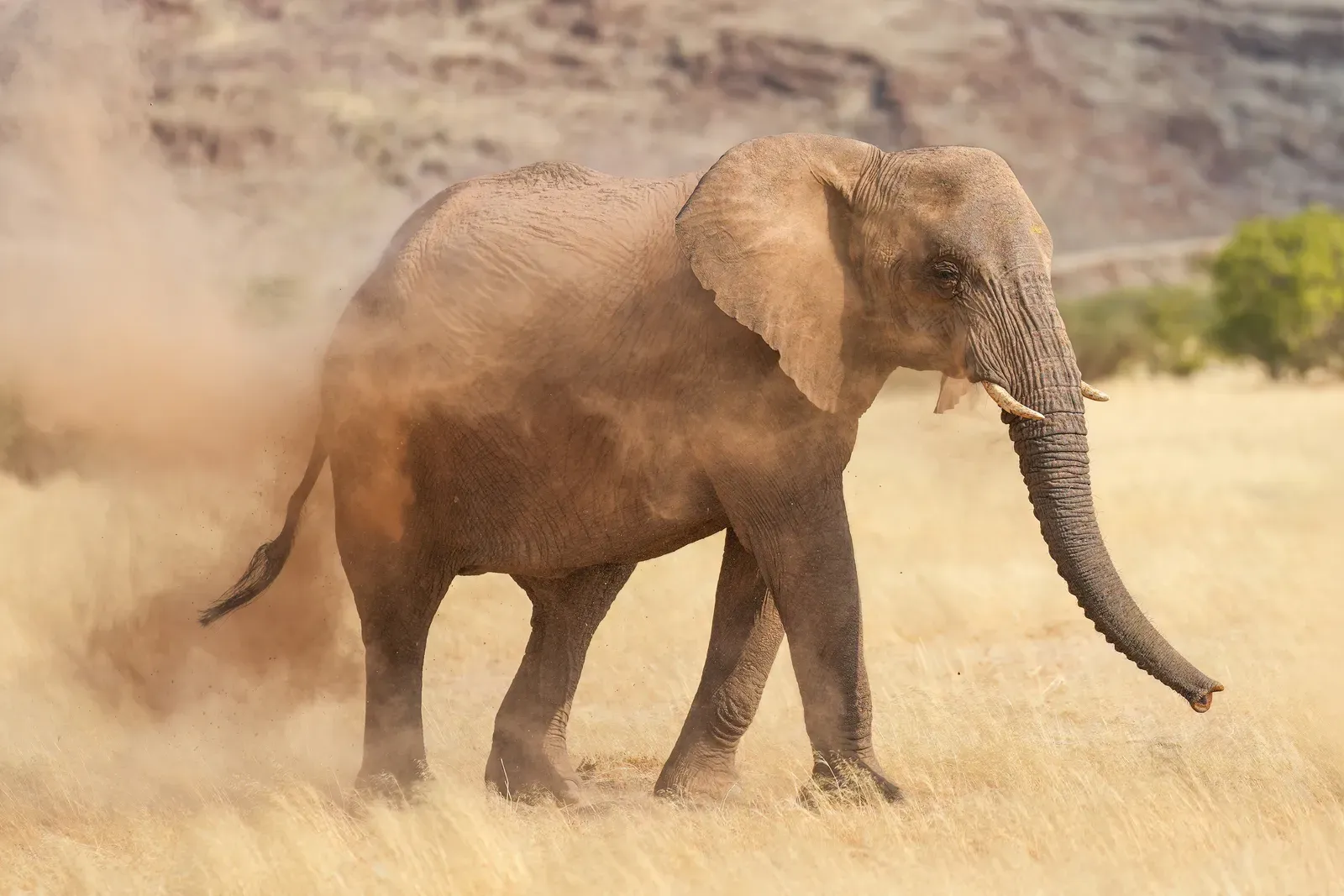
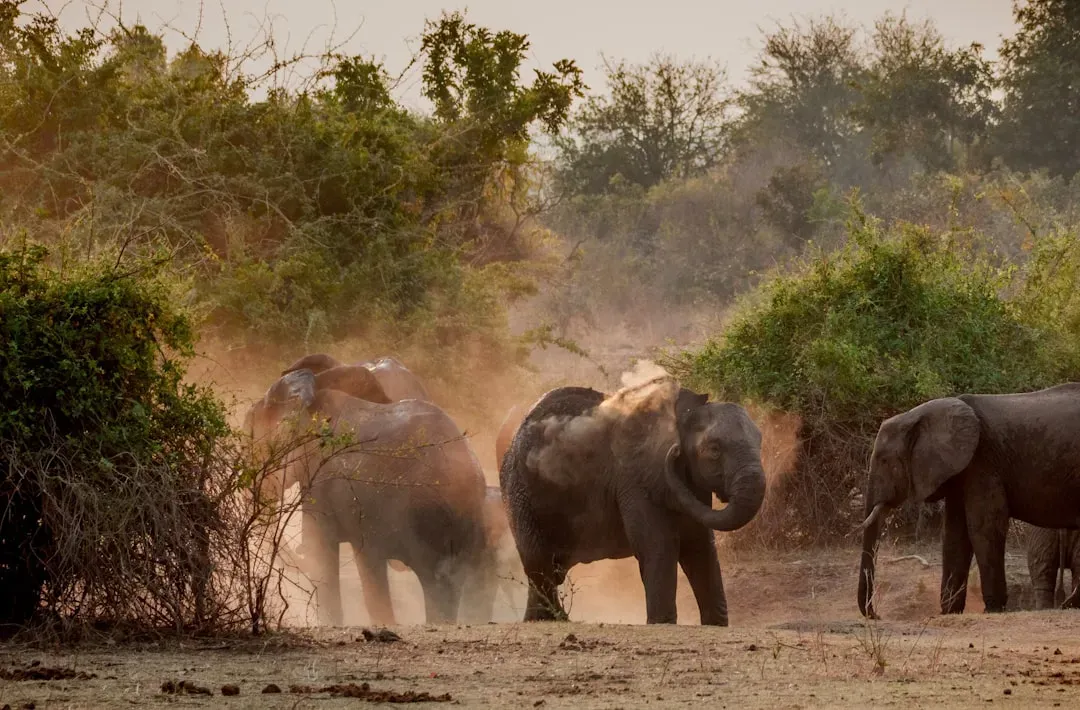
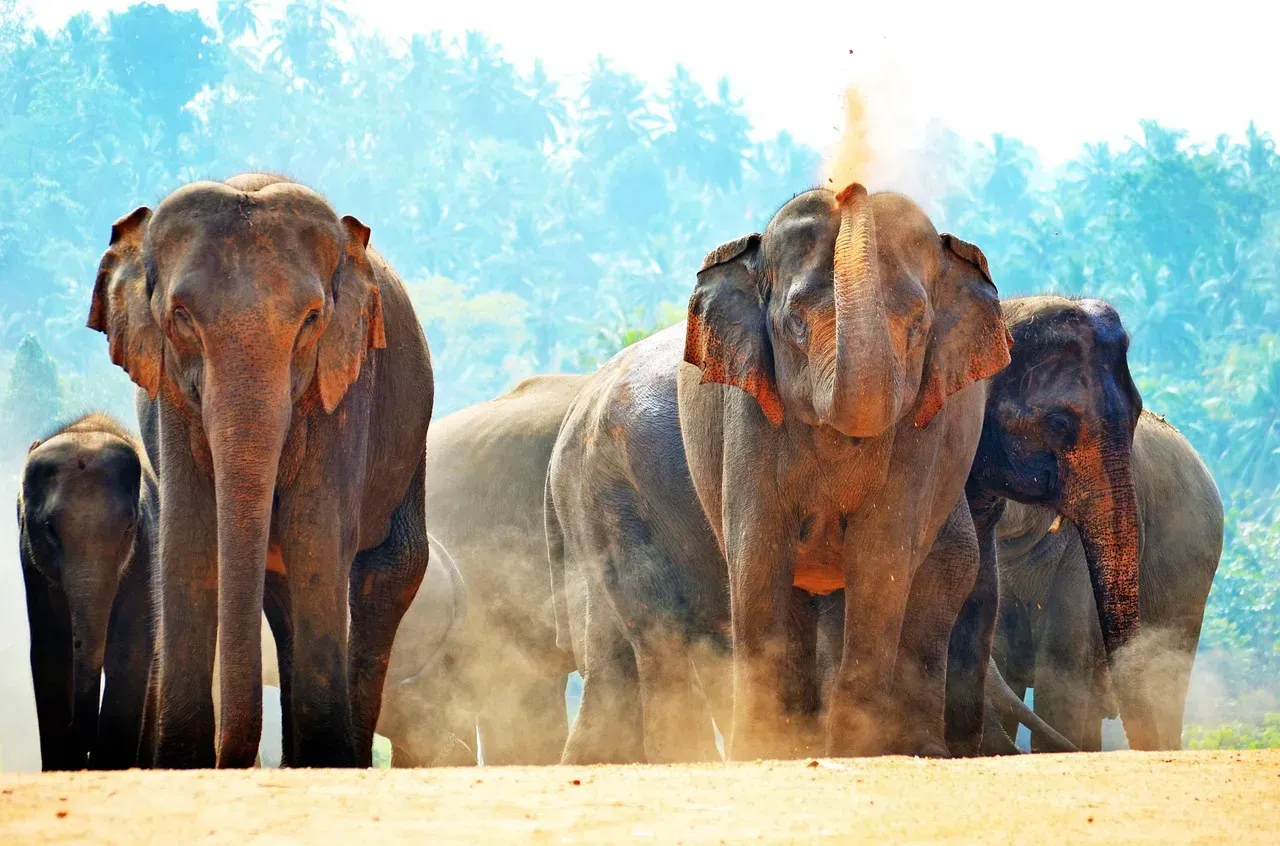
Perhaps the most surprising layer to this behaviour is the social one. Elephants don’t always dust-bathe alone. Dust bathing is not just about survival – it’s also a social activity within elephant herds. Elephants often dust-bathe together, helping each other cover hard-to-reach areas.
Elephants are social creatures that live in groups led by the oldest female in a social unit called a clan. Mothers with young calves are commonly seen performing this act on their offspring for various purposes, such as to bathe them, protect them from insects and scorching heat, or as a playful activity. Regardless of the reason for doing so, the overall objective is to bond with each other and establish a strong connection between members of the same clan.
Young elephants observe and mimic dust-bathing behaviours from adults. Mothers care for their calves by applying dust to ensure they are properly protected. Herd members assist each other by dusting one another, reinforcing social bonds within the group. It’s knowledge passed down, generation to generation, from mother to calf.
Synchronisation in the timing of dusting behaviour within the herd suggests that it may have a function in the maintenance of social cohesion. The function of dusting behaviour could not be determined from the data presented alone, but it may be involved in skin care, protection from insects or other parasites, temperature control, protection from radiation, or some combination of these. Scientists are still piecing together the full picture – and I think that’s what makes it so compelling.
Conclusion
What looks like a messy, almost clumsy habit is actually one of the most refined survival strategies in the natural world. Elephants throw dust over themselves to block UV radiation, regulate body temperature, repel parasites, cleanse their skin, and strengthen the social fabric of their herds. All at once. With a single trunk-full of earth.
This behaviour, far from being merely playful or random, serves multiple crucial functions for these majestic mammals. From temperature regulation to skin protection, the practice of mud and dust bathing represents a sophisticated adaptation that has evolved over millions of years.
There is something quietly wonderful about realising that the largest land animal on Earth relies on something as simple as dirt to survive. No technology, no pharmacy, no complex chemistry – just the ground beneath their feet, used brilliantly. Next time you reach for your sunscreen or your insect repellent, you might just think of the elephant. It had the right idea long before we did. What other “odd” animal behaviours do you think are hiding a remarkable science? Tell us in the comments.
Worried about unexpected vet bills?
Pet insurance can cover thousands in unexpected vet costs. Get a free quote from Lemonade in under 2 minutes.
Get My Free Quote →Sponsored · Opens Lemonade.com

- Did You Know Tigers Mimic The Calls of Their Prey - June 7, 2026
- Eagles in Alaska Are Changing Their Migration Routes - June 7, 2026
- 7 Ways to Create a Wildlife-Friendly Backyard Habitat - June 7, 2026