
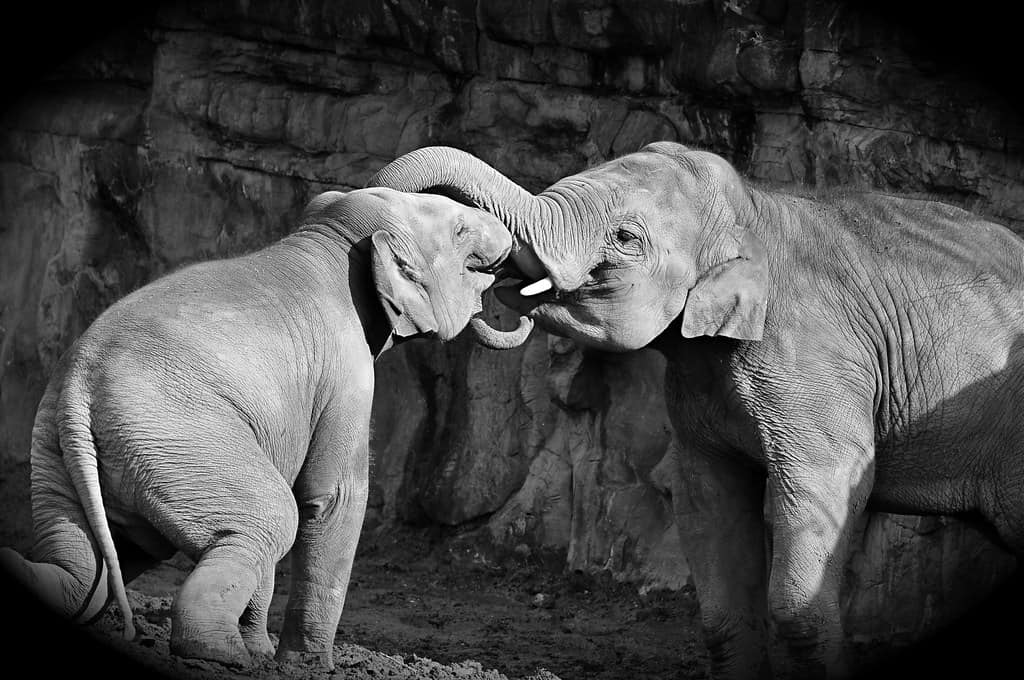
Elephants stand as living monuments in Southeast Asian culture, embodying far more than their physical presence suggests. These magnificent creatures have been woven into the spiritual and cultural fabric of countries like Thailand, Myanmar, Cambodia, and Laos for millennia. Unlike the Western view of elephants as simply magnificent animals, Southeast Asian traditions elevate them to divine status, connecting heaven and earth through their very existence. Their sacred nature extends beyond religious symbolism to influence governance, warfare, agriculture, and daily life across the region. This profound reverence has shaped architecture, art, literature, and spiritual practices, creating a unique relationship between humans and elephants that continues to define Southeast Asian identity despite modernization pressures. The elephant’s journey from worshipped deity to endangered species tells a compelling story about changing values and environmental challenges in a region where tradition and progress often stand in tension.
The Divine Origins of Elephant Veneration
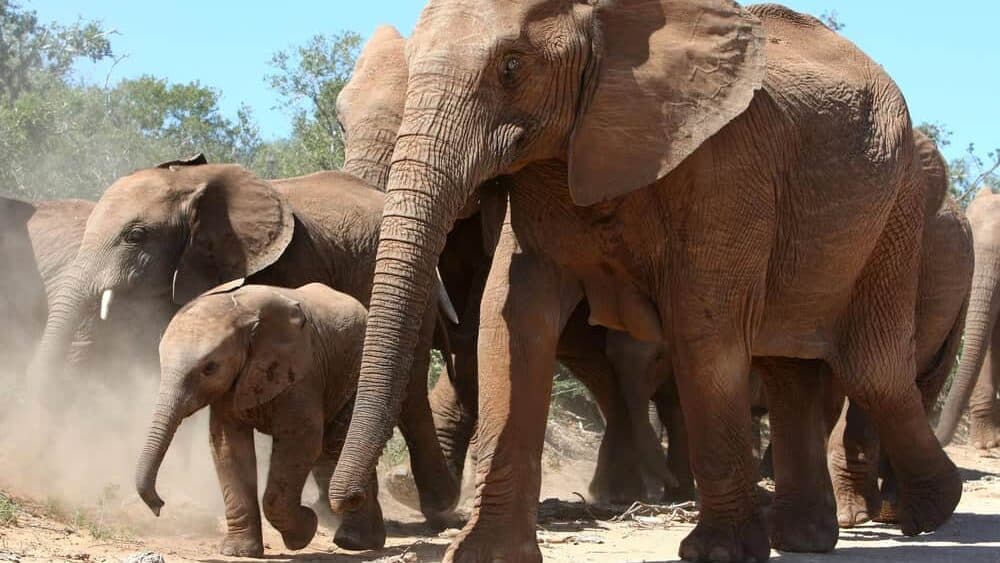
The sacred status of elephants in Southeast Asia traces back thousands of years to ancient Hindu and Buddhist cosmologies. In Hindu tradition, the elephant-headed deity Ganesha represents wisdom, prosperity, and the removal of obstacles, bringing these divine qualities into physical form. When these religious traditions spread throughout Southeast Asia, they carried elephant veneration with them, embedding it deeply into local spiritual practices.
Buddhist cosmology further cemented the elephant’s divine status through the story of Queen Maya, who dreamed of a white elephant entering her side before giving birth to Siddhartha Gautama, who would become the Buddha. This auspicious white elephant became a symbol of purity, power, and fertility. In many Southeast Asian countries, white elephants were considered so sacred that their discovery would be celebrated with elaborate ceremonies, and they would become property of the king—a divine blessing upon the monarch and kingdom.
These foundational religious narratives established elephants not merely as animals but as vessels of divine energy, walking bridges between the heavenly and earthly realms. The elephant’s enormous physical presence, combined with its gentle nature and intelligence, made it the perfect embodiment of divine qualities that humans could witness in the natural world.
White Elephants and Royal Power
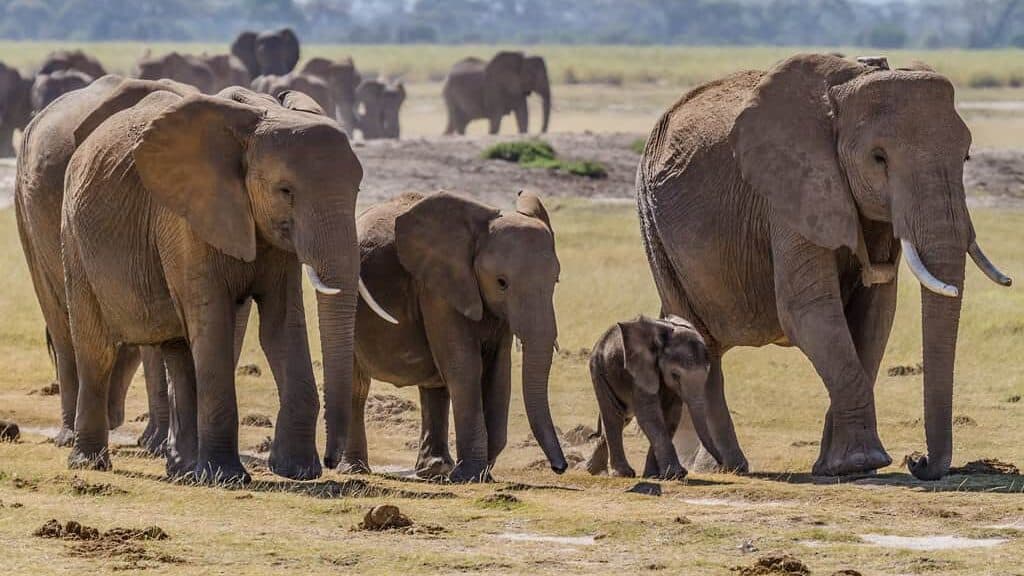
Throughout Southeast Asian history, white elephants held particular significance as symbols of royal legitimacy and divine favor. In Thailand, Myanmar, Cambodia, and Laos, the possession of white elephants was considered essential to rightful kingship. These rare animals were not truly albino but rather possessed certain lighter skin characteristics that set them apart from ordinary elephants.
The connection between white elephants and royalty was so strong that the monarchs of these nations were known as “Lords of the White Elephant,” with the number of white elephants in a king’s possession directly correlating to his perceived power and divine blessing. When a white elephant was discovered, elaborate ceremonies would take place to bring it to the royal court, where it would live in luxurious conditions, fed special diets and attended by dedicated caretakers.
This royal association had practical political implications as well. Wars were sometimes fought over the possession of white elephants, and the gift of a white elephant to a neighboring kingdom represented the highest diplomatic honor. Conversely, the term “white elephant” came to represent an expensive burden in Western culture precisely because these sacred animals required extensive care and could not be put to work like ordinary elephants—a concept that completely misunderstands their spiritual significance in Southeast Asian contexts.
Elephants in Buddhist Cosmology and Jataka Tales
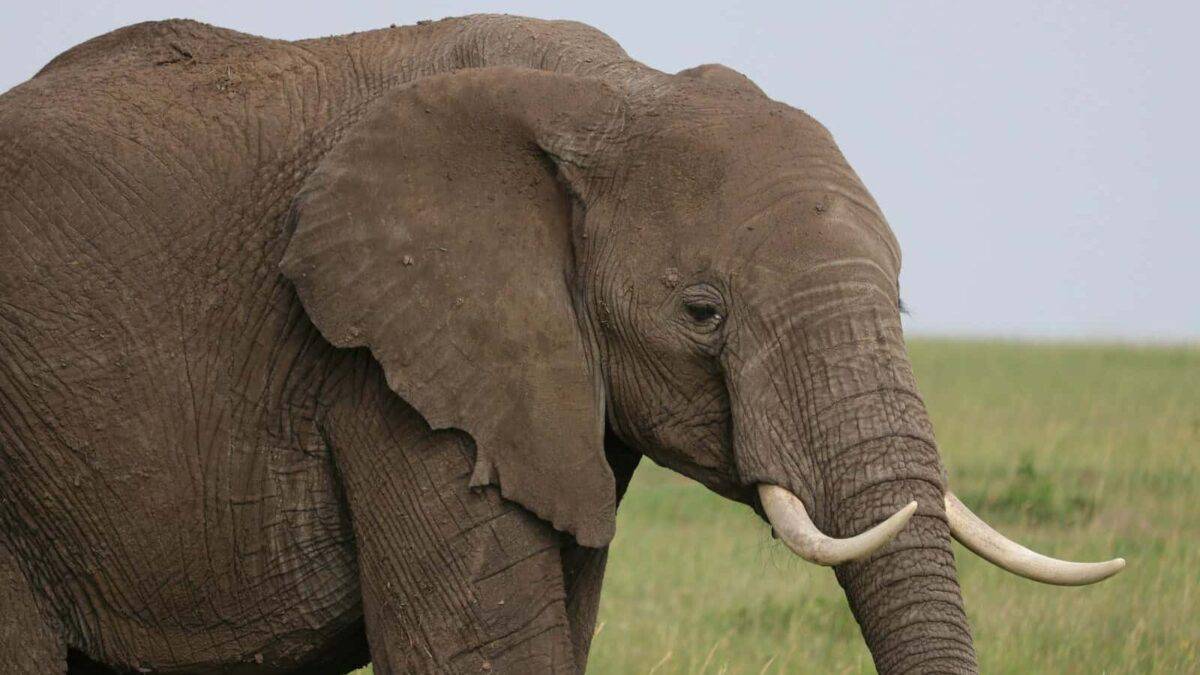
Buddhist literature and cosmology extensively feature elephants as symbols of mental strength, steadfastness, and spiritual power. The Jataka Tales—stories of the Buddha’s previous lives—frequently depict the Buddha incarnated as an elephant, demonstrating virtues such as patience, wisdom, and self-sacrifice. Perhaps the most famous is the story of the six-tusked elephant who willingly sacrificed his tusks to save others, representing the Buddhist virtue of selfless giving (dana).
In Buddhist cosmology, elephants support the universe in various forms. The direction guardians (lokapalas) who protect the four quarters of the universe are often depicted riding elephants. The earth itself is sometimes described as being supported by elephants standing on the back of a cosmic turtle. These mythological roles highlight the elephant’s perceived strength and endurance as cosmic pillars.
Temples throughout Southeast Asia feature elephant imagery in their architecture and decoration, with elephant statues often guarding temple entrances as protectors of sacred spaces. The famous Angkor Wat in Cambodia includes the Terrace of the Elephants, demonstrating how central these animals were to religious architecture and royal ceremony. These artistic and architectural representations reinforce the elephant’s role as a mediator between the divine and human worlds.
Erawan and the Mythical Celestial Elephants
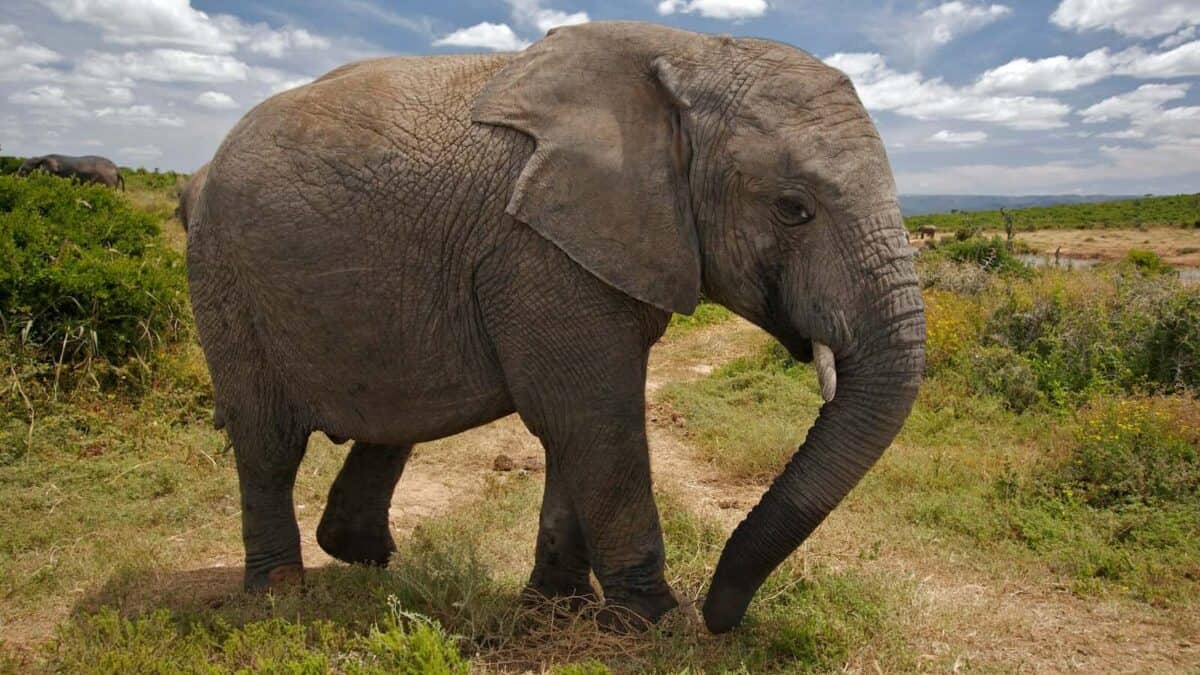
In Thai and Laotian mythology, Erawan (derived from the Hindu Airavata) stands as the most significant mythical elephant. This magnificent creature is depicted as a pure white elephant with three or sometimes thirty-three heads, each adorned with tusks. As the mount of Indra, king of the gods, Erawan represents divine power, fertility, and rain-bringing capabilities.
The multi-headed depiction of Erawan symbolizes the elephant’s all-seeing nature and connection to multiple dimensions of reality. In Bangkok, the famous Erawan Shrine attracts thousands of devotees seeking blessings and good fortune, demonstrating the enduring power of elephant symbolism in contemporary Southeast Asian life.
Beyond Erawan, Southeast Asian mythology includes numerous other celestial elephants. The divine elephant Uposatha was believed to be one of the seven treasures that would appear during the reign of a universal monarch (chakravartin). The eight direction-guarding elephants (dig-gaja) who support the universe represent both cosmic order and the elephant’s role in maintaining harmony between heaven and earth. These mythical beings continue to appear in religious art, literature, and ceremony throughout the region.
Elephants as Vehicles of the Gods
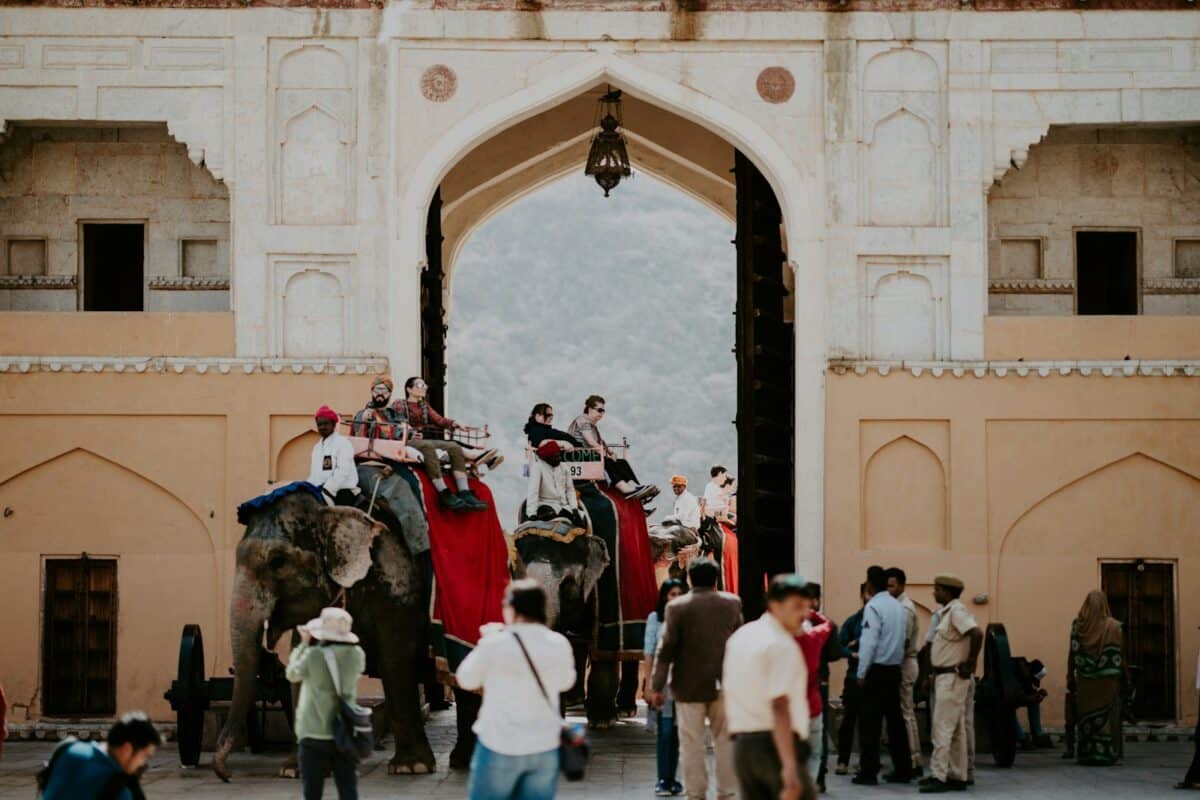
Across Southeast Asian religious traditions, elephants serve as vahanas (vehicles) for various deities, literally carrying divine energy into the human realm. The most significant is Indra, the king of gods in Hindu cosmology, who rides the white elephant Airavata. This association transferred into Southeast Asian Buddhist traditions, where elephants continued to serve as mounts for celestial beings.
This concept of elephants as divine vehicles extends beyond mythology into ritual practice. During religious festivals in Thailand, Myanmar, and Cambodia, elaborately decorated elephants often participate in processions, symbolically carrying gods among the people. The elephants themselves become temporary embodiments of divine presence, blessed and adorned with gold, flowers, and ceremonial cloths.
The relationship between deities and their elephant vahanas reflects a deeper philosophical understanding of how divine energy manifests in the material world. The elephant’s physical strength coupled with its gentle nature makes it the perfect bridge between heavenly power and earthly existence—strong enough to bear divine energy yet gentle enough to exist among humans without causing harm.
The Sacred Elephant in Royal Ceremonies

Throughout Southeast Asian history, elephants played central roles in royal ceremonies that affirmed the divine right of kings and connected royal power to cosmic order. The royal elephant corps of kingdoms like Siam (Thailand), Burma (Myanmar), and Cambodia served both practical and symbolic functions in court ritual.
Coronation ceremonies often featured white elephants prominently, with the new monarch demonstrating mastery over these divine animals as proof of legitimate rule. Annual royal ceremonies like the Royal Plowing Ceremony in Thailand and Cambodia traditionally incorporated elephants as symbols of fertility and agricultural prosperity, connecting royal power to the well-being of the land and people.
War elephants served in military campaigns but also appeared in royal processions, displaying the monarch’s might while reinforcing the connection between elephants and royal authority. The elaborate decorations used for ceremonial elephants—including gold headpieces, embroidered cloths, and jeweled adornments—reflected their status as living embodiments of royal and divine power. Many of these ceremonial traditions continue today in modified form, particularly in Thailand, where royal elephants maintain their sacred status.
Elephant Guardians and Protective Spirits

Beyond their associations with major deities, elephants in Southeast Asian folklore often appear as guardian spirits and protective entities. Village traditions throughout the region include beliefs in elephant spirits that protect communities from natural disasters, disease, and malevolent supernatural forces.
In parts of Thailand and Laos, carved wooden elephant posts traditionally protected village boundaries, serving as physical representations of these protective elephant spirits. Farmers would sometimes place elephant images in their fields to ensure good harvests and protection from crop-destroying pests and weather.
This protective aspect extends to personal talismans as well. Elephant amulets remain popular protective charms throughout Southeast Asia, believed to provide safety during travel, success in business, and protection from harm. The elephant’s perceived qualities of strength, loyalty, and intelligence make it an ideal protective spirit in the complex spiritual landscape of Southeast Asian folk beliefs, where animism, Hinduism, Buddhism, and indigenous traditions intermingle.
Elephants in Southeast Asian Creation Myths
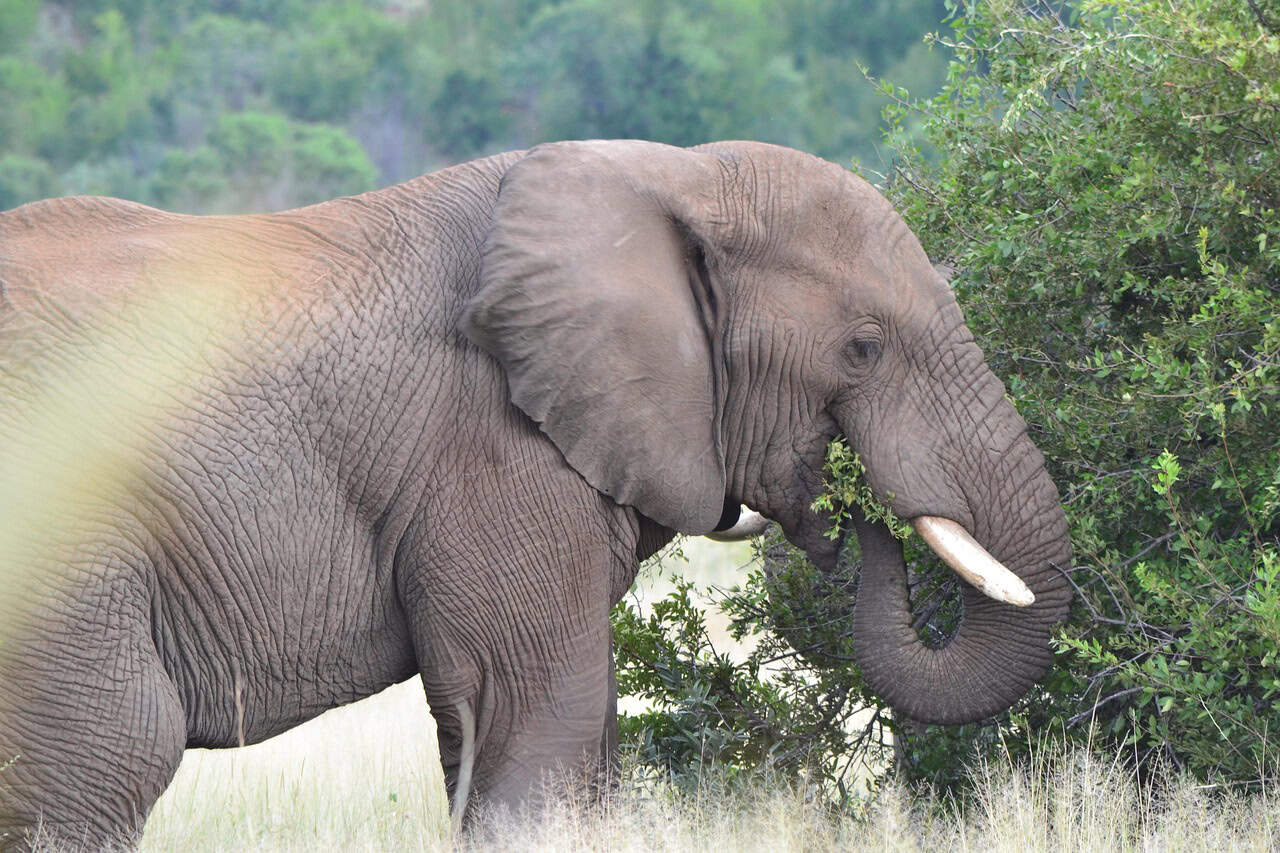
Various ethnic groups across Southeast Asia feature elephants prominently in their creation myths, highlighting these animals’ fundamental importance to how these cultures understand the world’s origin. Among certain hill tribes in northern Thailand and Myanmar, elephants appear as primordial beings who helped shape the earth’s landscape, creating mountains with their tusks and valleys with their footprints.
In some Cambodian folk traditions, the first humans were believed to have been created from clay packed around elephant tusks, establishing a blood relationship between humans and elephants. This mythological kinship explains the deep reverence for elephants as ancestral beings rather than merely animals.
These creation myths reflect an understanding of elephants as not simply inhabitants of the natural world but as fundamental shapers of that world—beings whose existence precedes and enables human life. Such narratives helped establish cultural taboos against harming elephants and reinforced practices of elephant veneration that transcended formal religious boundaries, becoming embedded in cultural identity.
The Cultural Impact of Sacred Elephants
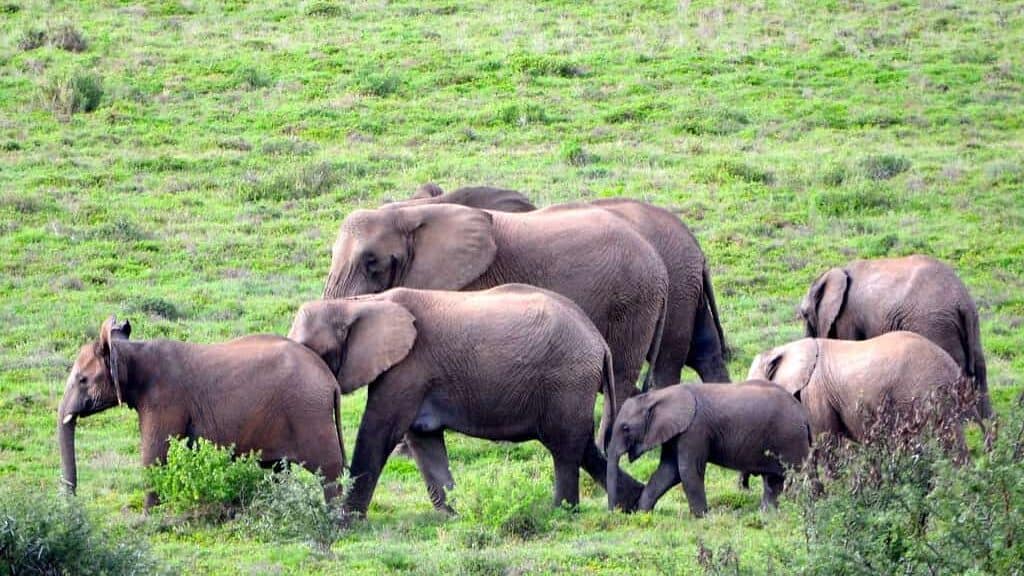
The sacred status of elephants has profoundly influenced Southeast Asian cultural expressions beyond religious contexts. Literature throughout the region abounds with elephant tales, proverbs, and metaphors that draw on the animal’s perceived qualities of wisdom, memory, and patience. These literary traditions reinforce cultural values while keeping elephant reverence alive in popular consciousness.
Visual arts from traditional temple murals to contemporary paintings frequently feature elephants in styles that emphasize their sacred qualities. Traditional dance forms in Thailand, Cambodia, and Myanmar include elephant-inspired movements that mimic the animal’s gentle swaying and dignified presence. Music and musical instruments sometimes incorporate elephant imagery or even elephant sounds, particularly in ceremonial contexts.
Perhaps most visibly, elephant imagery appears throughout Southeast Asian countries on everything from national flags and government insignia to corporate logos and tourist souvenirs. Thailand’s former national flag featured a white elephant, and elephant symbols continue to appear on official documents and currency throughout the region. This ubiquitous presence in everyday visual culture ensures that even as traditional religious practices evolve, the elephant maintains its status as a central cultural symbol.
Human-Elephant Relationships in Legend
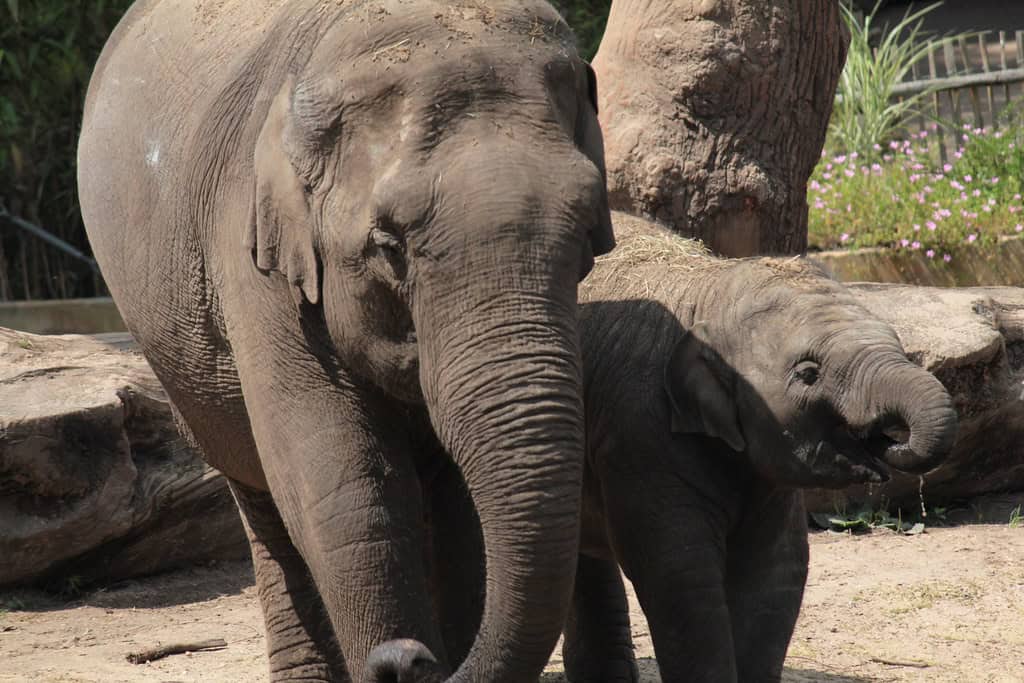
Southeast Asian folklore contains countless stories of special relationships between humans and elephants that transcend ordinary animal-human interactions. Legendary mahouts (elephant handlers) were believed to possess magical abilities to communicate with elephants through specialized languages and rituals passed down through generations. These tales often feature elephants recognizing and protecting virtuous humans or punishing those who violate moral or spiritual laws.
Stories of elephants rescuing children, guiding lost travelers, or bringing messages from the spirit world appear throughout regional folklore. In some traditions, particularly skilled mahouts were believed to be reincarnations of previous elephant handlers, maintaining their relationship with specific elephants across multiple lifetimes.
These legendary human-elephant relationships reflect a worldview where the boundaries between human and animal are more fluid than in Western traditions. They suggest that elephants possess spiritual discernment and moral agency, capable of recognizing human virtue and vice. Such beliefs encouraged respectful treatment of elephants while establishing ethical guidelines for human behavior toward these sacred animals.
Modern Challenges to Sacred Elephant Traditions

Despite their sacred status, elephants in Southeast Asia face serious threats in the modern era. Habitat loss, poaching, and the decline of traditional religious practices have undermined the protected status elephants once enjoyed. Deforestation for agriculture, logging, and development has dramatically reduced elephant habitat throughout the region, leading to human-elephant conflicts that sometimes result in elephant deaths.
The traditional elephant-based economies that once employed mahouts in royal services, religious ceremonies, and logging operations have largely disappeared. While tourism has created new economic opportunities for some elephant owners, it has also led to welfare concerns about the conditions in which some elephants are kept and the types of activities they are forced to perform for visitors.
Conservation efforts face the challenge of balancing traditional cultural perspectives on elephants with scientific approaches to wildlife management. Some conservation initiatives have successfully incorporated traditional Buddhist and animist values into their work, establishing elephant sanctuaries on temple grounds or involving Buddhist monks in anti-poaching education. These approaches recognize that the future of elephants in Southeast Asia depends on honoring their sacred status while adapting to modern environmental and economic realities.
Conclusion: The Enduring Sanctity of Elephants

The sacred status of elephants in Southeast Asian legends represents one of the world’s most enduring examples of reverence for a non-human species. Unlike many religious and cultural traditions that place humans in dominion over animals, Southeast Asian elephant veneration recognizes these magnificent creatures as beings worthy of respect and protection due to their divine connections and inherent qualities. This perspective offers valuable insights for modern conservation efforts seeking to protect endangered elephant populations throughout the region.
The rich tapestry of myths, legends, and religious practices surrounding elephants demonstrates how deeply intertwined these animals are with Southeast Asian cultural identity. From ancient Hindu-Buddhist cosmologies to local animist traditions, elephants have consistently been recognized as mediators between worlds—physical and spiritual, human and divine, earthly and cosmic.
As Southeast Asian societies navigate the challenges of modernization and environmental change, their relationship with elephants continues to evolve. Tourist experiences with elephants, conservation initiatives, and the use of elephant imagery in contemporary art and media all represent modern adaptations of ancient reverence. While the specific forms of elephant veneration may change, the underlying recognition of elephants as special beings worthy of protection remains a powerful cultural force.
Perhaps the most important legacy of Southeast Asia’s sacred elephant traditions is the model they provide for human-animal relationships based on respect rather than exploitation. In a world facing biodiversity loss and ecological crisis, these ancient perspectives on the sacred nature of elephants offer timely wisdom about the value of non-human life and our responsibility to protect it for future generations.

- The Comeback of the Bald Eagle: What Made It Work - June 3, 2026
- Top 10 Animals and Wildlife in Oklahoma - June 3, 2026
- Do Conservation Efforts Favor ‘Cute’ Animals Over Ecologically Important Ones? - June 3, 2026