
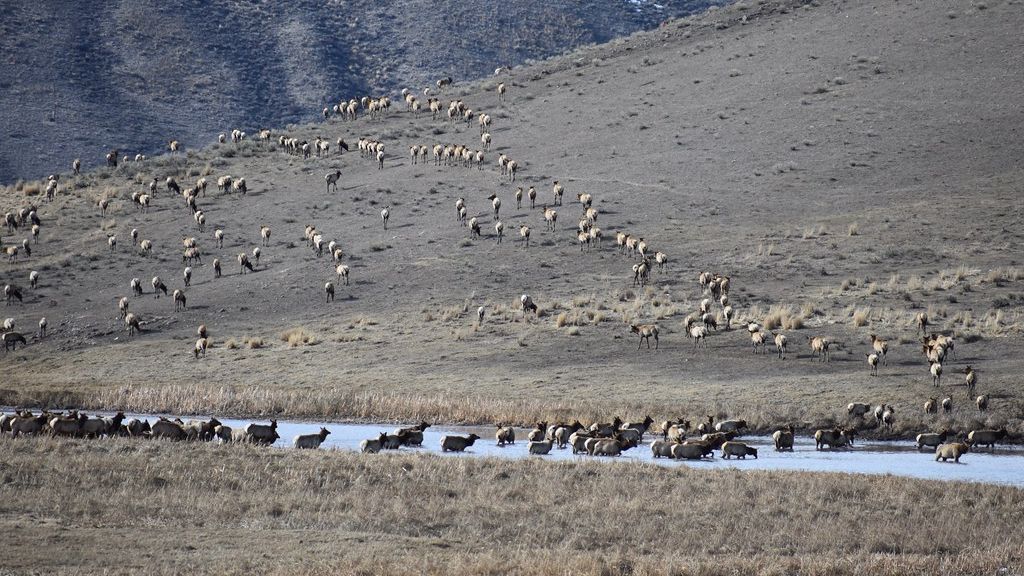
Every spring, something quietly extraordinary unfolds across the Colorado Rockies. Vast herds of elk, some numbering in the hundreds, begin their upward journey from low-elevation winter valleys toward the high mountain meadows where summer forage awaits. It’s a movement that has played out for thousands of years, driven by snow, grass, and instinct. What’s changed is the calendar.
Researchers and wildlife managers have noticed that these migrations, once timed reliably to late spring snowmelt, are now happening noticeably earlier. The shift is subtle enough that a casual observer might not catch it, but for scientists with GPS collar data and decades of baseline records, the pattern is hard to ignore. Something is pushing these animals up the mountain sooner. The reasons are layered, and the consequences may reach much further than most people realize.
A Warming Rocky Mountain Baseline
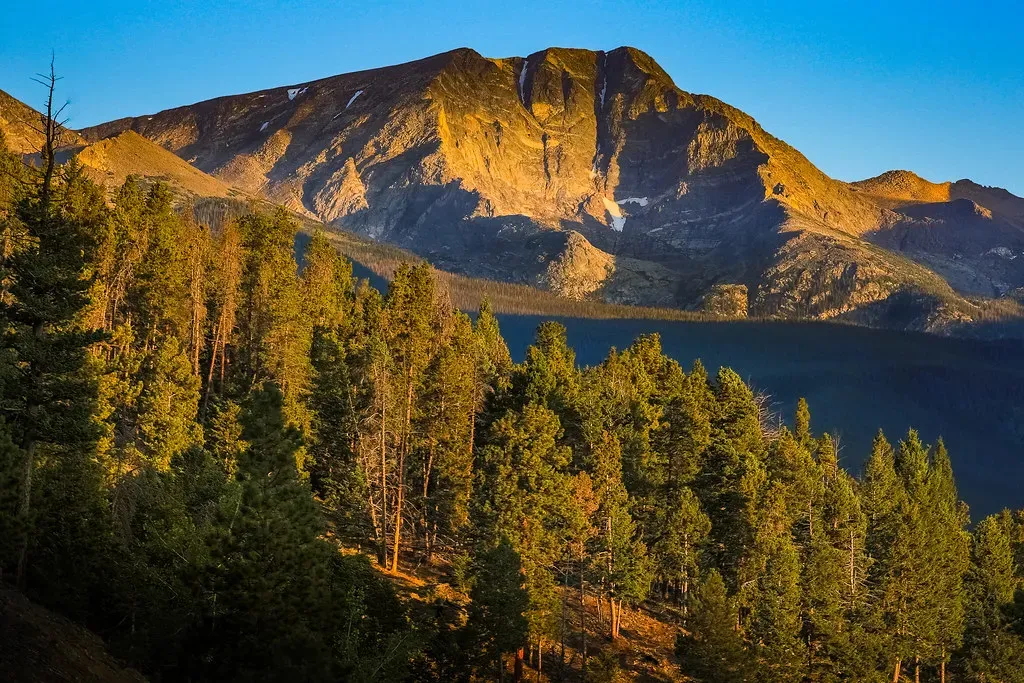
Colorado’s climate has shifted in ways that are tangible to anyone who spends real time in the mountains. Colorado’s average temperatures have warmed by nearly 2°C since the 1980s, shifting seasonal snowpacks up in elevation, reducing the amount of snow, and initiating earlier snowmelt. That kind of sustained warming over four decades is not background noise. It’s a fundamental restructuring of the seasonal rhythms that wildlife, including elk, have evolved around.
This shift correlates directly with rising average temperatures, which have increased by approximately 2°F across the Rocky Mountain region since the 1970s. The warming climate triggers earlier snowmelt and vegetation green-up at high elevations, signaling elk to begin their upward journey sooner. For elk, the mountain doesn’t just look different at the start of spring. It genuinely is different, and these animals are responding accordingly.
Snow Is the Trigger, and It’s Changing Fast
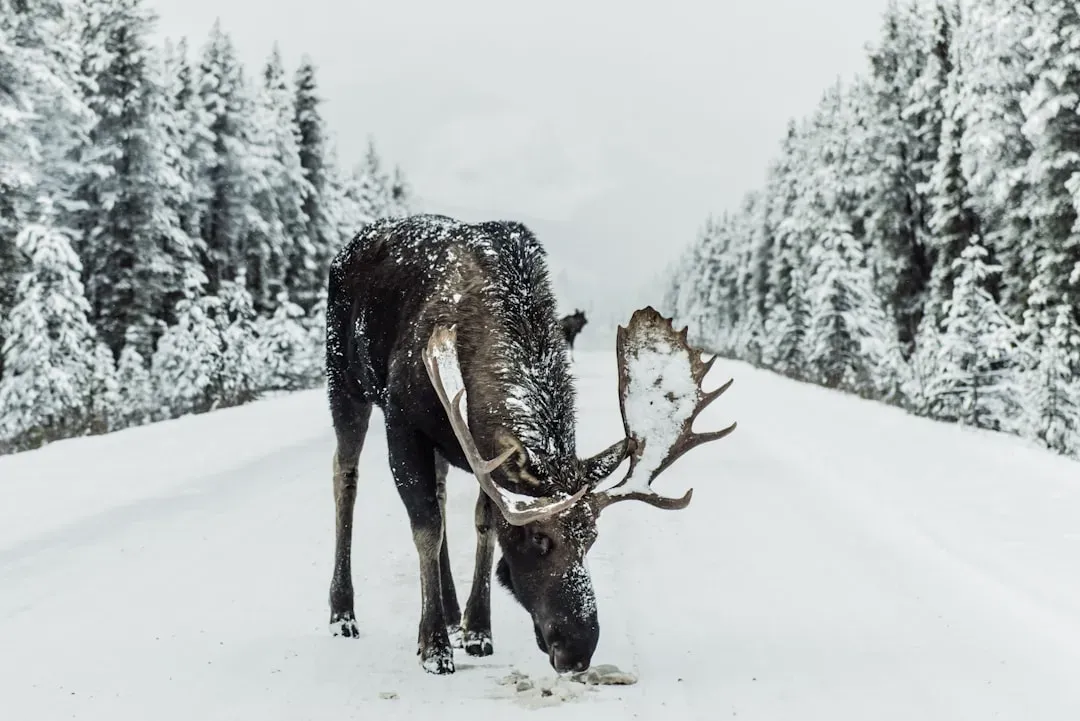
Animals like elk and deer have yearly migrations, following traditional paths between different seasonal areas, usually based on plant growth and weather. In Colorado, wildlife usually move from higher to lower elevations as winter comes. The reverse journey, from low winter range back to summer pasture, has always been keyed to when mountain snow retreats. That trigger is now being pulled weeks earlier than it once was.
Thinner snowpack means elk can navigate mountain passes that once remained impassable until late spring. GPS tracking reveals herds crossing high-elevation barriers weeks ahead of schedule. What once served as a natural barrier, deep mountain snow that forced herds to wait in lower valleys, is thinning and disappearing earlier each season. Warming winter and spring temperatures across the Western United States has contributed to more winter precipitation falling as rain than snow and earlier spring snowmelt. As a result of warming temperatures, snowpack has declined across much of western North America since the 1950s and is projected to continue to decrease throughout the 21st century.
The Green Wave and Why Elk Follow It
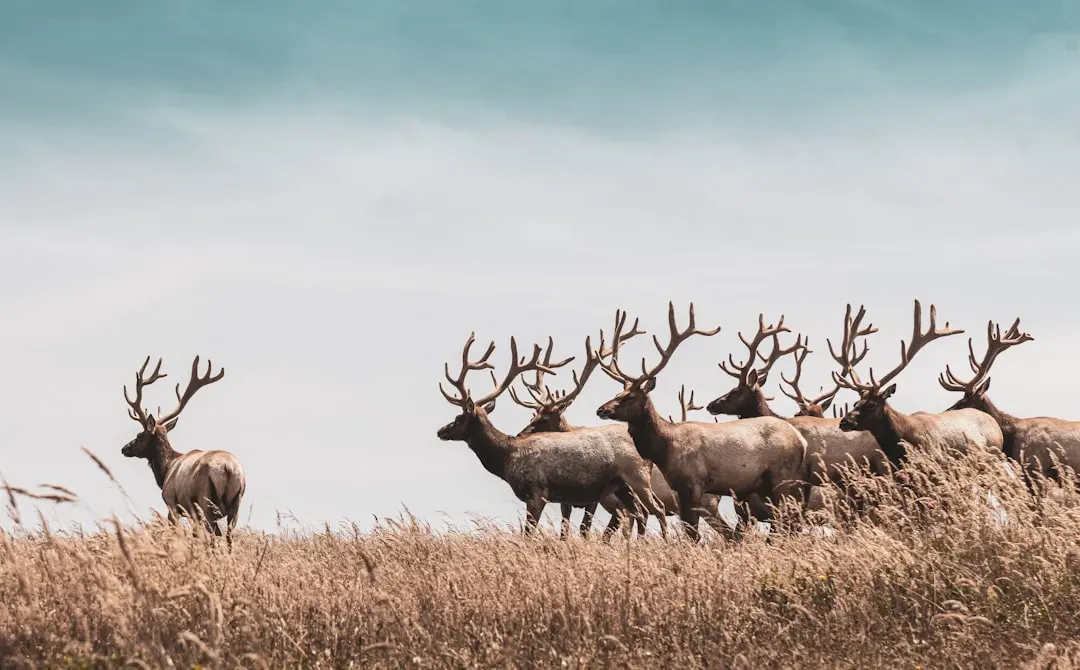
There’s a phenomenon ecologists call the “green wave,” and elk are remarkably good at riding it. Elk migrations are intimately connected to plant phenology, the timing of key plant life cycle events. As temperatures rise, vegetation green-up occurs earlier across elevation gradients, creating a “green wave” that elk follow to access nutrient-rich new growth. This isn’t random wandering. It’s a finely tuned pursuit of peak nutrition, calibrated over millennia.
Research using satellite imagery to track the normalized difference vegetation index has shown that peak green-up in many Rocky Mountain ecosystems now occurs two to three weeks earlier than in the 1980s. Elk have evolved to synchronize their movements with this wave of nutritional opportunity, and they’re adjusting their migratory timing accordingly. The science coming out of Colorado’s own herd data reinforces this. Specifically, researchers investigated the timing and duration of spring migration in four Colorado elk herds to test how forage quality and snow dynamics influenced elk departure from winter range. Their analyses revealed significant heterogeneity among and within herds. Overall, spatiotemporal dynamics in forage and snow emerged as critical drivers influencing migratory phenology.
What This Means for Calves, Corridors, and Habitat
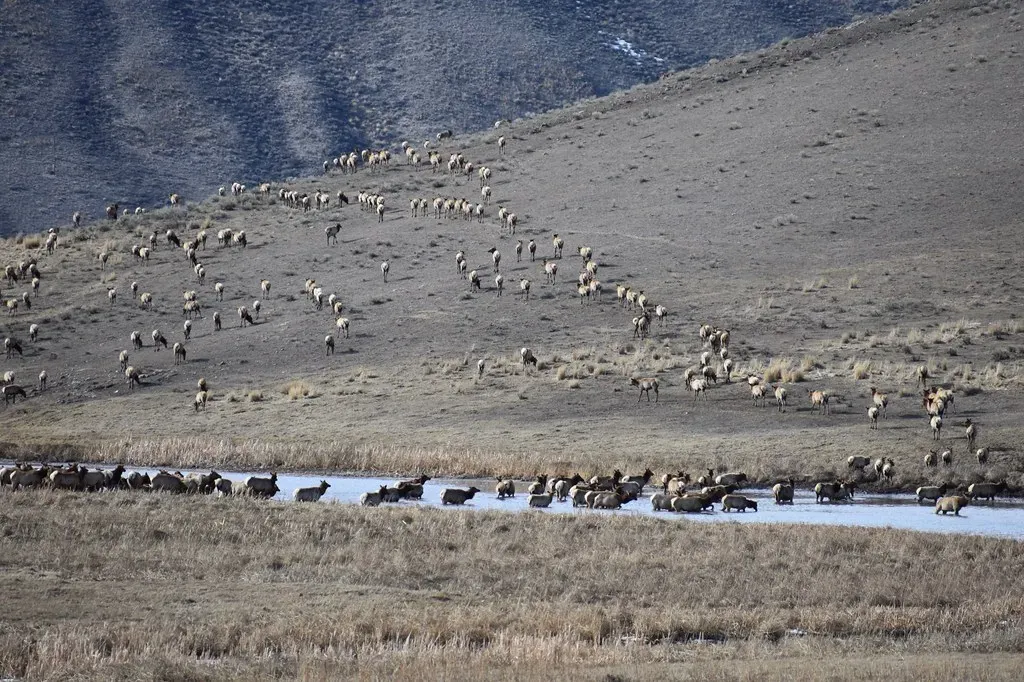
Earlier migration is not simply a rescheduled commute. It carries real biological stakes. Earlier spring migrations often mean elk are traveling through deeper snowpack at higher elevations, increasing energy expenditure and predation risk. These combined stressors can weaken individual animals and potentially affect population dynamics over time. Timing matters enormously when cows are pregnant or newly calved, and a mismatch between movement and available forage can quietly undermine herd health.
Though most elk in these systems appear to optimize forage quality to a heightened degree, their ability to adjust and maintain this optimality in shifting conditions is uncertain. If elk cannot respond to changing conditions, it may have consequences for individual fitness and population viability. Meanwhile, human infrastructure increasingly cuts across these migration corridors. When new trails bisect well-established migration routes, or if trails in elk seasonal habitat become busy all year round, it can inhibit elk use of these habitats and negatively affect the herds’ ability to successfully raise offspring. The pressure isn’t coming from one direction. It’s converging from several at once.
Looking Ahead: A Shifting Future for Colorado’s Herds
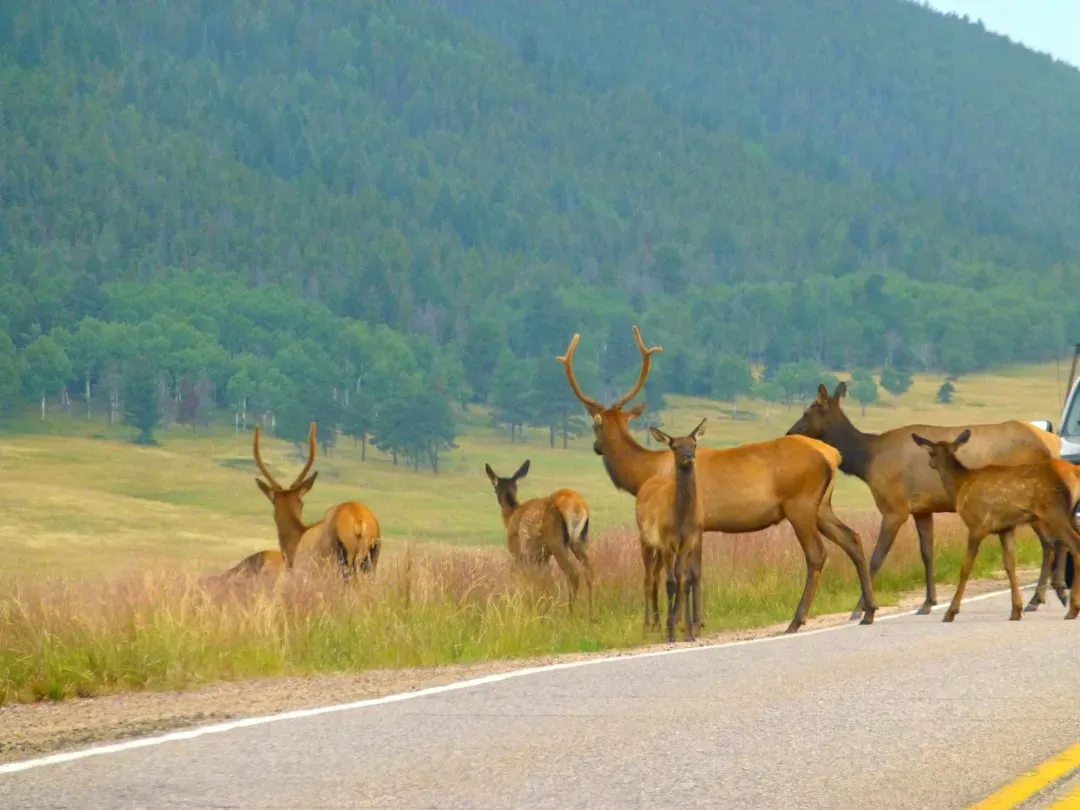
Wildlife migration routes in the Western United States are likely to change significantly in the coming years because of the changing climate. The severity of these changes is likely to require substantial human intervention and assistance. Projections paint a picture that is more complicated than simply “elk migrate earlier.” The shape of migration itself is expected to change. Researchers found migrating elk could be more spread out in the winters as their range expands because of shrinking snowpacks. In the summers, however, herds could be more compacted as their suitable range is cut in half because of declining summer rainfall and increasing human development.
Looking ahead, scientists project that elk migration timing will continue to advance as climate change accelerates. Climate models suggest that by 2050, spring temperatures across the Rocky Mountain region could increase by an additional 2 to 5°F, potentially advancing migration timing by up to a month compared to historical patterns. Some adaptation is already happening, but there are limits. Some research suggests there may be genetic and physiological limits to how much elk can adjust their migratory timing, as these behaviors evolved over thousands of years. The question isn’t just whether elk can keep pace with a shifting climate. It’s whether the landscape they depend on will remain connected enough to give them a real chance.
A Reflection Worth Sitting With
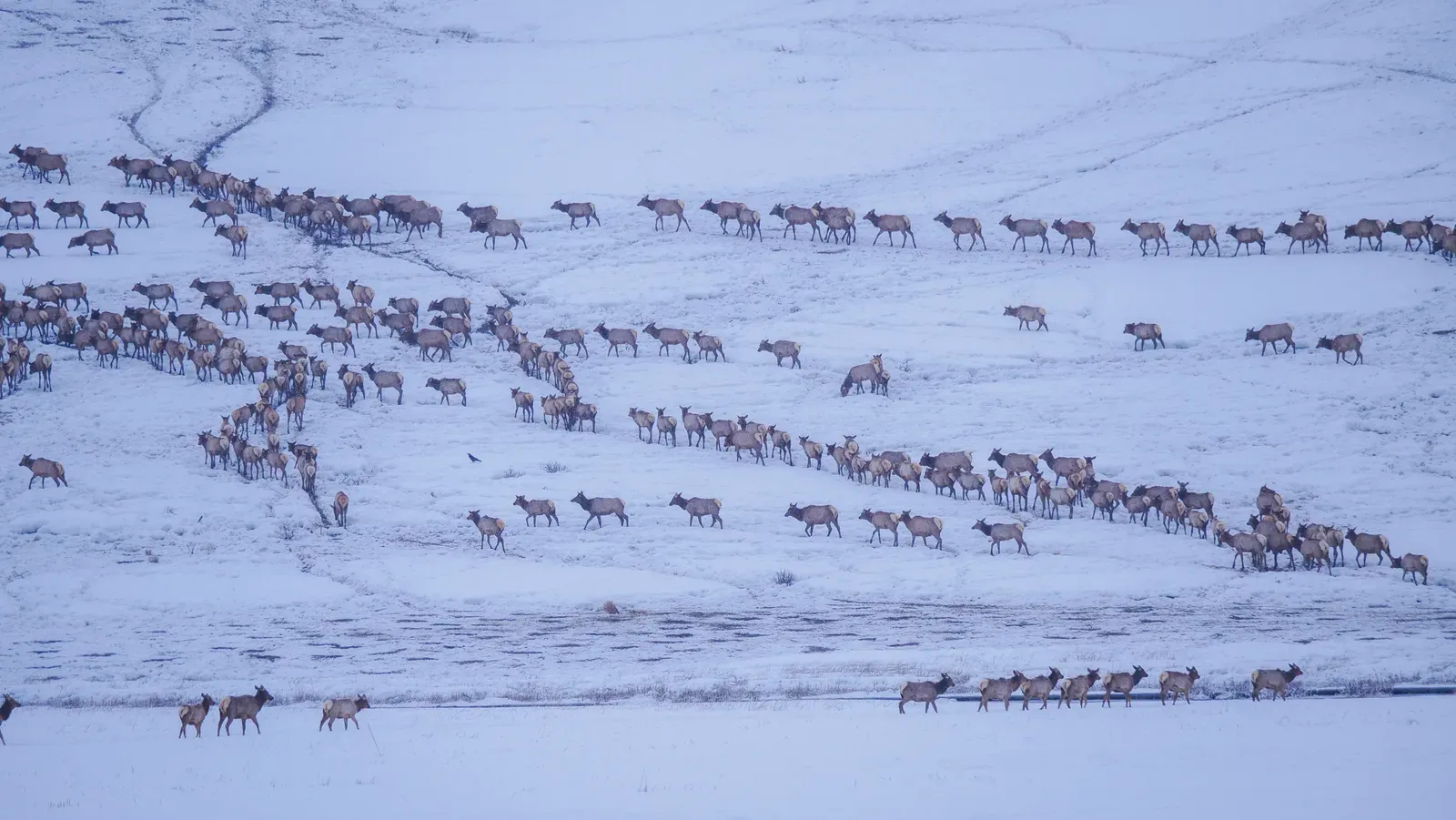
Colorado still holds the largest elk population in North America, and watching a herd move through an aspen grove at first light is one of those experiences that stays with you. That much hasn’t changed. What has changed is the timing, the terrain, and the pressures these animals navigate every single year.
The science is clear enough to take seriously. Migration as a behavior is declining globally, and encroachment on migratory routes due to increasing habitat loss and fragmentation has resulted in population crashes of ungulates traditionally dependent on the fitness benefits of migration. Mapping migratory routes can inform current conservation efforts by identifying the intersection of corridors and potentially harmful human features. Colorado’s elk are doing what they have always done: reading the mountain and moving. The honest, uncomfortable truth is that the mountain is changing faster than any elk, or any wildlife management plan, was designed to handle. Paying close attention to that fact now is not alarmism. It’s basic ecological responsibility.

- 7 Scents That Help Keep Ants Out of Your Kitchen Naturally - June 27, 2026
- 8 Native Plants That Naturally Attract Monarch Butterflies - June 27, 2026
- 10 Signs Your Cat Sees Your Home as Safe Territory - June 27, 2026