


In a striking ecological phenomenon, American flamingos have been making unexpected appearances in New Jersey’s salt marshes, capturing the attention of birdwatchers, conservationists, and scientists alike. These vibrant pink birds, typically associated with the tropical environments of the Caribbean and Florida, have increasingly been spotted along New Jersey’s coastal wetlands, creating a spectacle that has both delighted observers and raised important questions about changing migration patterns and environmental conditions. This unusual northward movement represents a fascinating case study in how wildlife responds to shifting climate patterns, habitat availability, and other environmental factors. Let’s explore why these iconic birds are appearing in the Garden State and what this means for both the flamingos and New Jersey’s ecosystem.
The Unexpected Arrivals: Documenting Flamingo Sightings

Since around 2018, there have been increasing reports of American flamingos (Phoenicopterus ruber) in New Jersey’s coastal areas, particularly in the extensive salt marshes of Cape May and Atlantic counties. What began as rare, isolated sightings has evolved into more consistent observations, with small groups of flamingos appearing during late summer and early autumn months.
The Edwin B. Forsythe National Wildlife Refuge, Heislerville Wildlife Management Area, and areas around Cape May have recorded multiple sightings, with some birds staying for weeks rather than days. Wildlife photographers and birders have documented these visits with increasing frequency, providing valuable data for ornithologists studying this unexpected range expansion of a typically tropical species.
Hurricane Influence: Weather Systems as Avian Transport
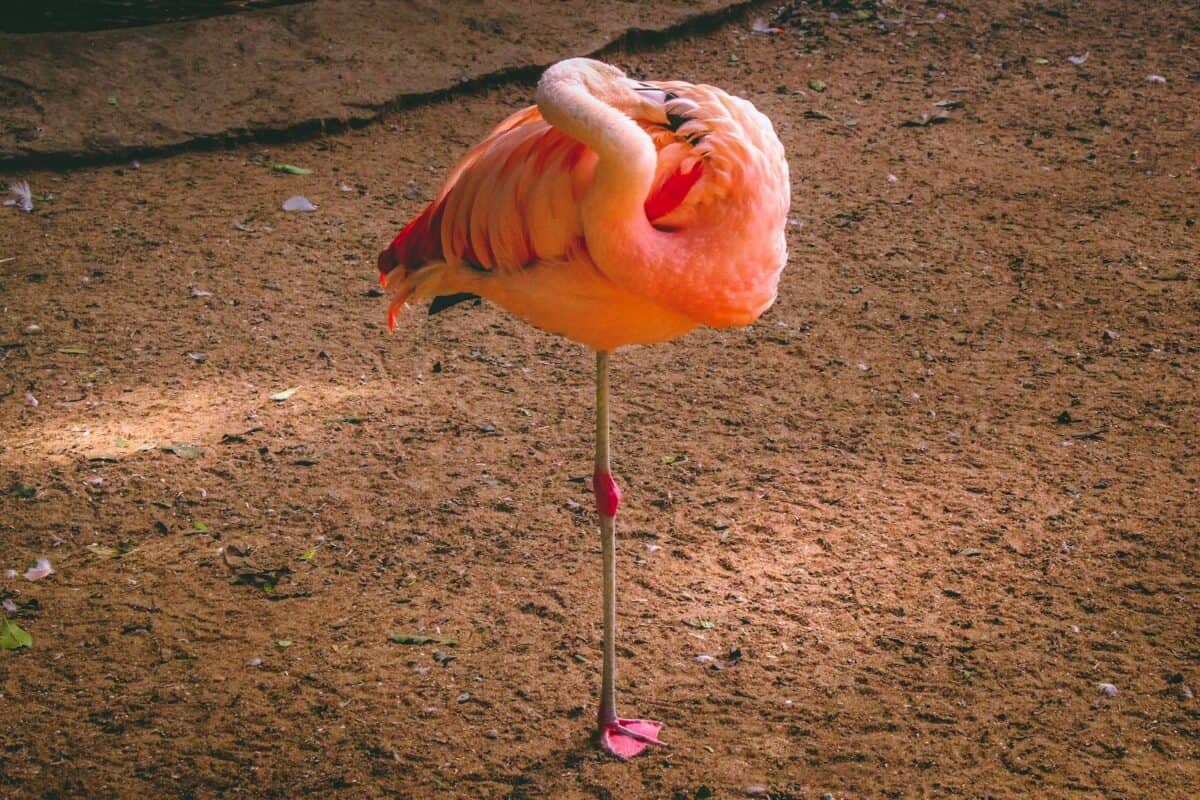
One of the primary explanations for the flamingos’ appearance in New Jersey involves hurricane activity in the Atlantic. Scientists have observed a correlation between major hurricane events in the Caribbean and subsequent flamingo sightings in more northerly locations. For example, after Hurricane Dorian in 2019 and Hurricanes Idalia and Lee in 2023, there were notable increases in flamingo observations along the Eastern Seaboard, including New Jersey.
These powerful storms can displace birds from their native habitats, carrying them hundreds of miles on strong wind currents. Once displaced, flamingos may find New Jersey’s salt marshes sufficiently similar to their native habitats to temporarily settle. This weather-driven displacement represents an important mechanism for how tropical species occasionally appear well outside their normal range.
Climate Change Impacts on Flamingo Distribution

Beyond the immediate effects of hurricanes, climate change appears to be playing a significant role in the flamingos’ northern appearances. As global temperatures rise, coastal habitats are shifting, with traditionally tropical conditions gradually extending further north. New Jersey’s salt marshes have experienced warming trends, with average water temperatures increasing approximately 2°F over the past few decades.
This warming creates more hospitable conditions for species typically limited to southern latitudes. Flamingos, with their specific habitat requirements, may be responding to these changing conditions, expanding their range as northern environments become more similar to their traditional habitats. While not yet breeding in New Jersey, their increased presence suggests the possibility of further range expansion as climate patterns continue to evolve.
Ideal Habitat: Why Salt Marshes Appeal to Flamingos

New Jersey’s extensive salt marsh ecosystems share important characteristics with the flamingos’ native habitats, making them suitable temporary homes. Salt marshes offer shallow, brackish waters rich in the microorganisms that flamingos feed on, particularly brine shrimp and blue-green algae that contain carotenoid pigments responsible for the birds’ pink coloration.
The Edwin B. Forsythe National Wildlife Refuge alone encompasses over 47,000 acres of coastal habitat, with extensive mudflats and shallow waters perfect for flamingos’ specialized feeding behavior. These areas provide both food resources and relative protection from predators, with sufficient open space for the birds’ comfort. The structural similarity between New Jersey’s coastal wetlands and the birds’ traditional Caribbean lagoons and coastal flats means displaced flamingos can find suitable temporary habitat during their unexpected northern sojourns.
Food Availability: Dining in the Garden State

Flamingos have remarkably specialized feeding habits, using their uniquely shaped bills to filter feed in shallow waters. Their primary diet consists of small crustaceans, mollusks, insects, and the blue-green algae that give them their distinctive pink color. New Jersey’s salt marshes, especially during late summer and early fall, host abundant populations of small invertebrates that align well with the flamingos’ dietary needs.
Studies of coastal wetland productivity in New Jersey have documented high biomass of microorganisms in these ecosystems, particularly during warmer months when the flamingos tend to appear. Water quality testing in areas where flamingos have been observed shows appropriate salinity levels (between 15-70 parts per thousand) and algal communities that support the birds’ specialized feeding strategy. This food availability is crucial for flamingos that may need to recover from the energy demands of being displaced by storms before potentially returning south.
Historical Context: Are Flamingos Really New to New Jersey?

While the recent flamingo sightings have generated excitement, historical records suggest this might not be entirely unprecedented. Ornithological archives contain scattered reports of flamingo sightings along the Atlantic coast dating back to the early 20th century, though these were extremely rare and often dismissed as escaped captive birds. The New Jersey Audubon Society’s records include a handful of documented sightings from the 1950s and 1960s, particularly following major hurricane seasons.
However, the frequency and duration of current flamingo visits appear to be increasing compared to historical patterns. Early observers lacked the photographic technology and communication networks that allow modern birdwatchers to document and share sightings so effectively. This improved documentation, combined with actual increases in flamingo presence, helps explain why the phenomenon seems new to many observers despite having some historical precedent.
Conservation Implications: What Flamingos Tell Us About Ecosystem Health

The appearance of flamingos in New Jersey carries significant implications for conservation efforts. As indicator species, flamingos require specific environmental conditions to thrive, making their presence a potential barometer for salt marsh health. New Jersey’s coastal wetlands have faced numerous threats from development, pollution, and sea-level rise, losing approximately 20% of historical salt marsh acreage over the past century.
Conservation organizations like The Wetlands Institute in Stone Harbor have noted that areas maintaining high ecological integrity are more likely to attract and temporarily support flamingos. The birds’ appearance highlights the importance of preserving these ecosystems not only for traditional native species but also for changing wildlife distributions in response to climate shifts. Their presence underscores the interconnectedness of ecosystems across wide geographic ranges and the importance of international conservation approaches.
Cultural Impact: Public Response to Pink Visitors

The flamingos’ appearance has sparked considerable public interest, creating both opportunities and challenges. When news breaks of flamingo sightings, local wildlife viewing areas often see dramatic increases in visitation, with some locations reporting visitor numbers increasing by 300% during flamingo events. This surge in nature tourism provides economic benefits to coastal communities and opportunities for environmental education. However, it also creates potential disturbance to the birds and other wildlife.
Wildlife management agencies have had to implement viewing protocols, including maintaining minimum distances of 300 feet from flamingo feeding areas. The birds’ charismatic appearance has also created valuable opportunities for public engagement with broader conservation messages, with New Jersey Audubon reporting increased membership applications and support for wetland conservation initiatives following highly publicized flamingo sightings.
Scientific Study: Research Efforts Tracking the Phenomenon

The unexpected appearance of flamingos has catalyzed new research initiatives. Ornithologists from institutions including Rutgers University and the Wetlands Institute have initiated monitoring programs to document flamingo behavior, duration of stay, and habitat use in New Jersey. Some birds have been observed with bands or tags from Caribbean breeding colonies, allowing researchers to confirm their origins and movement patterns.
Advanced techniques including environmental DNA sampling of feeding areas and satellite tracking of individual birds are being employed to better understand this emerging phenomenon. Collaborative research networks spanning from the Caribbean to the Mid-Atlantic are working to establish whether these movements represent temporary displacements or the beginning of more permanent range shifts. This research connects to broader studies of how climate change is affecting bird migration and distribution patterns across North America.
Practical Management: Supporting Flamingo Visitors

Wildlife management agencies have developed protocols for responding to flamingo appearances in New Jersey. These include monitoring programs, public viewing guidelines, and in some cases, habitat management strategies to support the birds. The New Jersey Division of Fish and Wildlife has worked with federal partners to maintain appropriate water levels in managed wetlands where flamingos have appeared, ensuring these areas remain suitable for the birds’ specialized feeding techniques.
Temporary closures of certain areas may be implemented to reduce disturbance during flamingo visits. Unlike with some other displaced species, wildlife officials generally do not intervene to capture or relocate flamingos, as they are capable of eventually returning to more traditional ranges on their own when conditions are right. This hands-off management approach recognizes the birds’ mobility while still providing protection during their stay.
Future Predictions: Will Flamingos Become Regular Residents?

While flamingos are not yet breeding in New Jersey, scientists are considering whether their increased presence might eventually lead to more permanent establishment. Climate modeling suggests that by mid-century, New Jersey’s coastal climate could more closely resemble today’s North Carolina coast, potentially creating conditions that could support year-round flamingo populations. However, significant barriers remain, including cold winter temperatures that would likely drive the birds south during colder months.
The pattern observed so far suggests a more likely scenario of increasing seasonal visitation rather than immediate establishment of breeding colonies. Ecological modeling based on habitat requirements, climatic conditions, and food availability indicates that within the next 30-50 years, temporary flamingo presence may become regular enough to consider them seasonal visitors rather than rare vagrants, particularly if Caribbean populations remain healthy enough to support this range expansion.
Conservation Needs: Protecting Critical Habitat

For flamingos to continue visiting New Jersey’s coastal wetlands, preservation of these ecosystems is essential. Salt marshes face numerous threats, including coastal development, pollution from agricultural and urban runoff, sea-level rise, and invasive species. Conservation organizations emphasize that protecting large, contiguous tracts of salt marsh habitat benefits not only potential flamingo visitors but also the entire ecological community and human interests through flood protection and water filtration.
The Jacques Cousteau National Estuarine Research Reserve has documented that healthy salt marshes can adapt to sea-level rise if given sufficient space and protection from other stressors. Current conservation efforts focus on marsh restoration, living shoreline creation, and strategic land acquisition to ensure these ecosystems can continue providing habitat in a changing climate. These actions may determine whether flamingo appearances remain occasional curiosities or become more integrated into New Jersey’s ecological future.
Conclusion: The Pink Horizon for New Jersey

The appearance of flamingos in New Jersey’s salt marshes represents a fascinating ecological story still in development. Their presence highlights the dynamic nature of wildlife distributions in response to changing environmental conditions and extreme weather events. As climate change continues to reshape ecosystems, the line between expected and unexpected wildlife encounters will likely continue to blur.
For New Jersey, flamingos serve as both beautiful visitors and important indicators of broader environmental changes affecting coastal ecosystems worldwide. Whether they remain occasional visitors or eventually establish more permanent seasonal patterns, their pink presence against the green salt marshes offers a vivid reminder of nature’s adaptability and the importance of protecting habitat corridors that allow species to respond to our changing planet. Conserving New Jersey’s coastal wetlands ensures these ecosystems remain viable not just for traditional native species but also for new arrivals responding to our rapidly changing world.

From exploring the marine wonders in the Azores and witnessing the vast savannas of Kenya, to delving deep into the rich biodiversity of South Africa and traversing iconic landscapes in Australia and the US like Yellowstone, Chris's experiences are vast.
With a penchant for diving alongside sharks, the ocean holds a special place in his heart.
Through his academic insights, he champions wildlife conservation, striving with 'Animals Around The Globe' to cultivate a profound connection between humans and animals, enhancing our mutual appreciation.
Connect with him at Feedback@animalsaroundtheglobe.com.