
Flamingos are among the most fascinating and visually striking birds on the planet. With their dazzling pink plumage and iconic stance, these birds captivate observers worldwide. Yet, one of the most curious behaviors of flamingos, standing on one leg, has puzzled scientists and bird enthusiasts alike for generations. This article delves into why flamingos engage in this peculiar behavior and unpacks the latest research surrounding this remarkable phenomenon.
The Mesmerizing Pink Phenomenon

The very first thing that draws attention to flamingos is often their vibrant pink color. This unique hue is attributed to carotenoid pigments found in their diet, primarily from eating algae, crustaceans, and plankton. But beyond their striking appearances, it’s their characteristic pose—standing on one leg—that intrigues observers just as much.
History of the Enigma: Observations Over Time
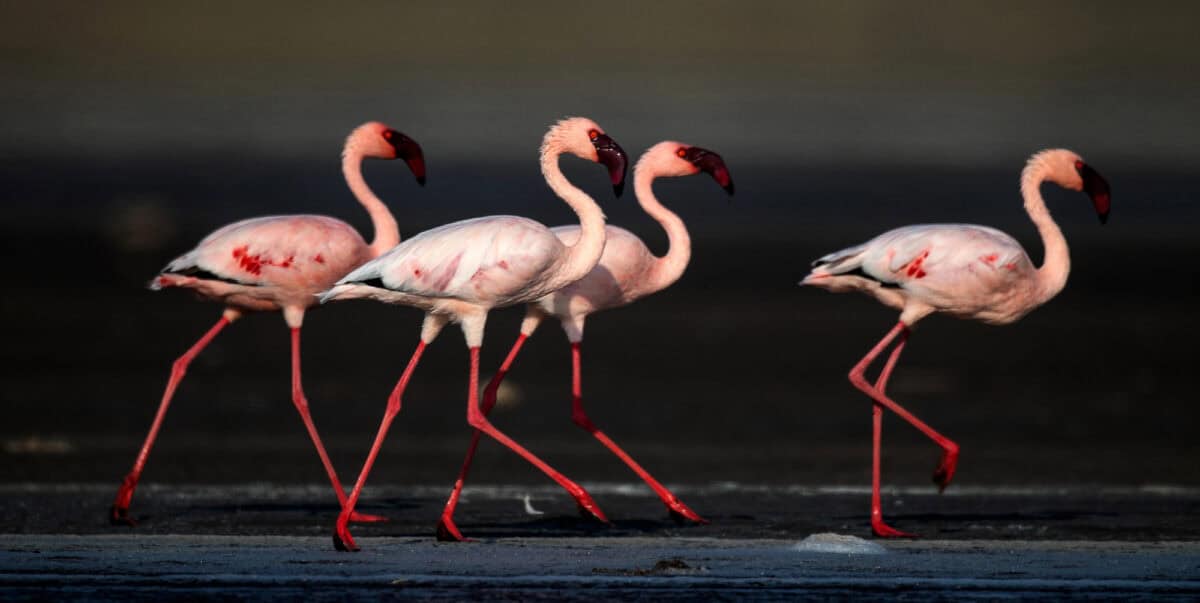
The classic “one-legged stance” has been depicted in art and documented in natural histories for centuries. From ancient Egyptian murals to contemporary wildlife documentaries, flamingos have shown this behavior, prompting speculation and study from scientists. Early theories ranged from balance exercises to bizarre evolutionary leftovers.
Anatomical Marvels: Flamingo Physiology

To understand why flamingos stand on one leg, it’s crucial to appreciate their unique anatomical features. Flamingos have specialized locking mechanisms in their knee joints (which actually bend in the opposite direction, as what appears to be the knee is the ankle), allowing them to reduce muscle fatigue and energy usage while resting.
Thermoregulation: Keeping Warm Efficiently

One of the most widely accepted explanations for this behavior is thermoregulation. Standing in cold water can drain body heat rapidly. By tucking one leg up against their body, flamingos potentially minimize heat loss and conserve energy, an essential survival tactic for these birds that often inhabit cooler environments.
Energy Conservation: A Restful Repose
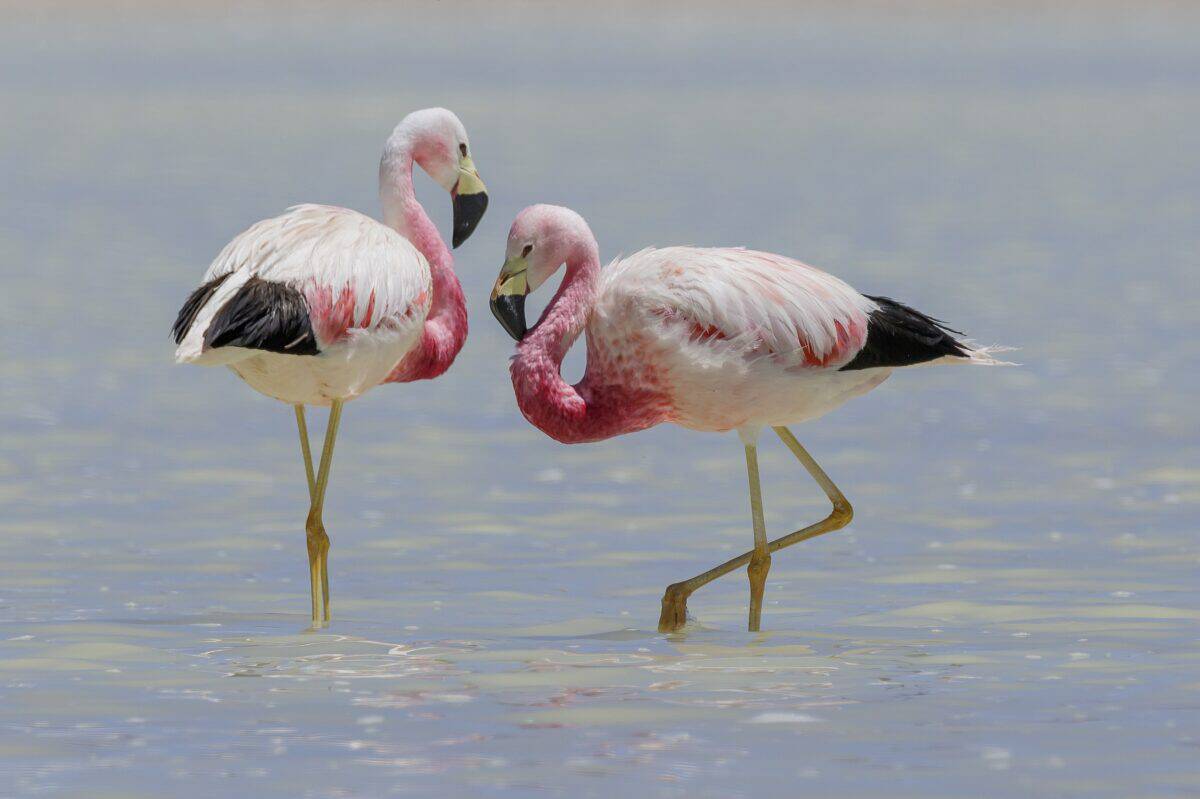
Flamingos are masters of conserving energy. By standing on one leg, they may enter a more restful state with reduced muscle activity, which might outweigh any instability this posture induces. Studies have shown that flamingos using both legs display balanced activity, suggesting energy is indeed conserved when one leg is tucked away.
Are Flamingos Asleep?

Research suggests that this stance might be linked to sleep cycles. Flamingos can sleep on one leg, maintaining balance through their specialized anatomy, which effectively keeps them upright and potentially reducing the chance of predation as they rest in shallow waters.
Social Signals: Communicating Through Posture

While primarily functional, standing on one leg might also serve as a social signal within flocks. Observing flamingo flocks reveals a display of synchronized movements, which is thought to play a role in social interactions, mating displays, and establishing hierarchies.
Juvenile Habits: Learning to Stand
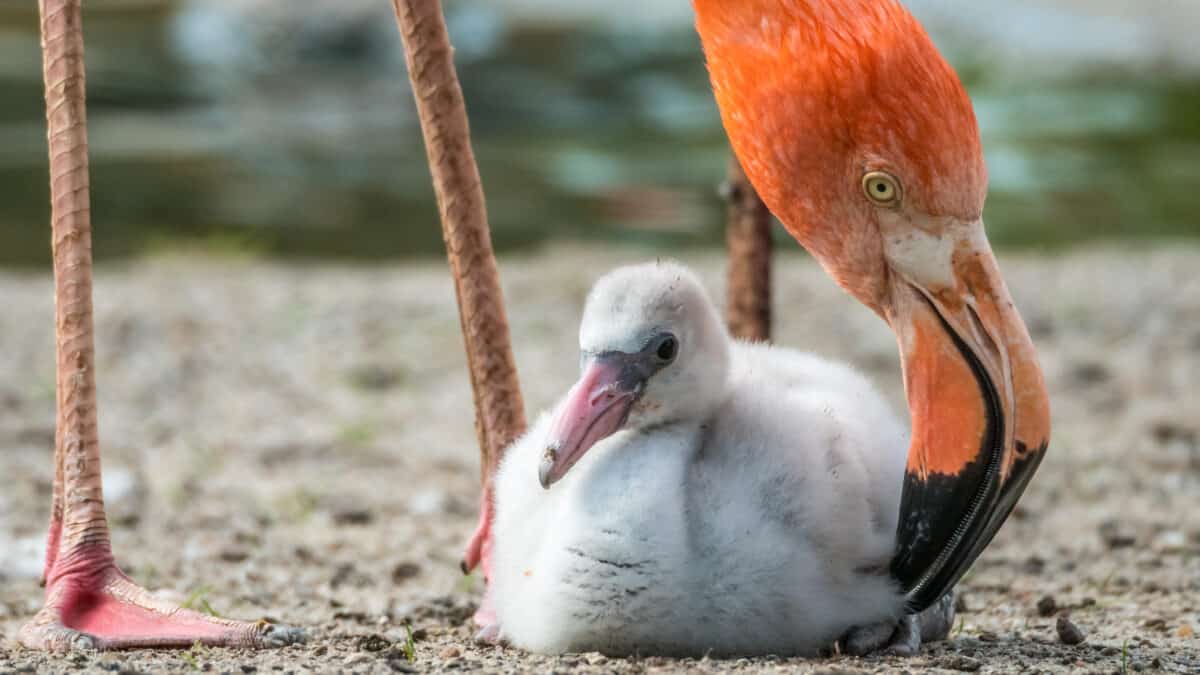
Interestingly, flamingo chicks don’t start off with this behavior. It is something they grow into, which indicates its complex balance requirement. Young flamingos gradually learn to adopt this stance as they mature, evolving from wobbly-legged chicks into the graceful adults they become.
Beyond the Birds: Broader Implications

The study of why flamingos stand on one leg has implications beyond ornithology, impacting fields such as bio-inspired robotics, architecture, and ergonomics. The efficiency of their posture has inspired researchers to develop new structures and mechano-responsive systems.
Not Just Flamingos: Other Balancing Acts

Remarkably, flamingos are not the only creatures famed for unilateral postures. Herons, storks, and various other avian species exhibit similar behaviors. While the environments and specific anatomical features differ, the principle of energy conservation and efficiency remains a common thread.
Myths and Misunderstandings

There’s been much myth and fanciful storytelling about flamingos over the years. Some myths suggest the pose is related to meditation, while others propose entirely inaccurate anatomical interpretations. However, with modern research and observations, these misconceptions are slowly being dispelled.
The Future of Flamingo Research

Research into flamingo behavior continues to progress, with increasing attention to the neurological aspects of their motor skills and potential evolutionary advantages. Innovations in tracking technology and increased funding in ecological studies promise deeper insights into not only their leg-standing habits but also their overall ecology and adaptation strategies.
Conclusion: Graceful Mysteries

Flamingos, with their stunning colors and unique behavior, continue to charm both scientists and the public. While standing on one leg might seem a simple eccentricity, it’s a complex behavior grounded in evolutionary necessity, physiological design, and social interaction—making these birds not just icons of the natural world but also exemplars of adaptation and efficiency. As research advances, we will likely uncover more about their fascinating lives, but for now, the mystery of the flamingo’s one-legged stance is a beautifully balanced blend of art and science.

- 10 Animals That Can Predict Disasters Before They Happen - August 6, 2026
- This Bird Can Dive Deeper Than Most Fish - August 6, 2026
- Why Hedgehogs Self-Anoint With Foam - August 6, 2026