


The mystery of why Great White Sharks, the apex predators of the ocean, largely avoid the coastal waters of New Jersey, is intriguing. Despite appearing in other nearby locations, these formidable creatures seem to shun this particular swath of the North Atlantic. This article dives into the possible reasons for their absence, from environmental factors to human activity, offering a comprehensive look at these majestic animals and their habits.
Understanding the Habitat of Great White Sharks

Great White Sharks prefer coastal and offshore waters with temperatures ranging from 54 to 75 degrees Fahrenheit. These conditions are optimal for their survival, allowing them to effectively hunt and thrive. The New Jersey coastline, however, presents a set of environmental factors that might not align with these preferences, making it less attractive for these predators.
The Historical Presence of Great White Sharks in the Area

Historically, the New Jersey shoreline has not been a popular site for Great White Sharks, unlike regions such as Cape Cod or South Africa. Historically, sightings have been rare, hinting at either an intrinsic avoidance or deterrents unique to this geography.
Temperature Variations and Environmental Conditions

The waters off New Jersey experience significant temperature shifts through the seasons, potentially creating an inhospitable environment for Great Whites. While these sharks can adapt to a range of temperatures, erratic changes can disrupt their patterns and deter them from establishing a presence in these coastal waters.
The Role of Prey Availability

A critical factor in shark habitation is the availability of prey. While the New Jersey waters hold a variety of fish, they may not provide an adequate or constant food source for Great White Sharks, who prefer seals, sea lions, and other larger prey often found in richer, more predictable environments.
Impact of Human Activity

Human activities such as fishing, boating, and pollution contribute to altering the natural habitat, potentially deterring Great White Sharks. Moreover, increased submarine noise and maritime traffic along this coast might interfere with shark navigation and hunting strategies.
The Influence of Ocean Currents

Major ocean currents, such as the Gulf Stream, can affect shark distribution by influencing water temperature and prey movement. The Gulf Stream steers warm, nutrient-rich waters away from the New Jersey coast, potentially limiting the appeal of these habitats to Great Whites.
Shark Migration Patterns

Migration patterns of Great Whites typically follow a route that offers abundant food and favorable conditions. These patterns often avoid areas like New Jersey in favor of locations with more reliable ecosystems supporting their dietary and environmental needs.
Preservation Efforts and Conservation

Efforts to protect shark populations have sometimes resulted in shifts in their habitats. Conservation areas tend to be where sharks are frequently seen, improving those ecosystems but also potentially reducing shark visitation elsewhere, including New Jersey’s waters.
Comparative Analysis with Nearby Regions

Interestingly, areas like Cape Cod and Long Island have seen increases in Great White sightings, attributed to thriving seal populations and conservation efforts promoting an inviting ecosystem. In contrast, New Jersey lacks comparable draws and ecological setups.
Climate Change Factors

Climate change effects, such as rising sea temperatures and changing marine ecosystems, can impact shark habits, possibly explaining their preference for other coastal areas over the New Jersey shoreline.
Potential Risks and Benefits of Shark Presence
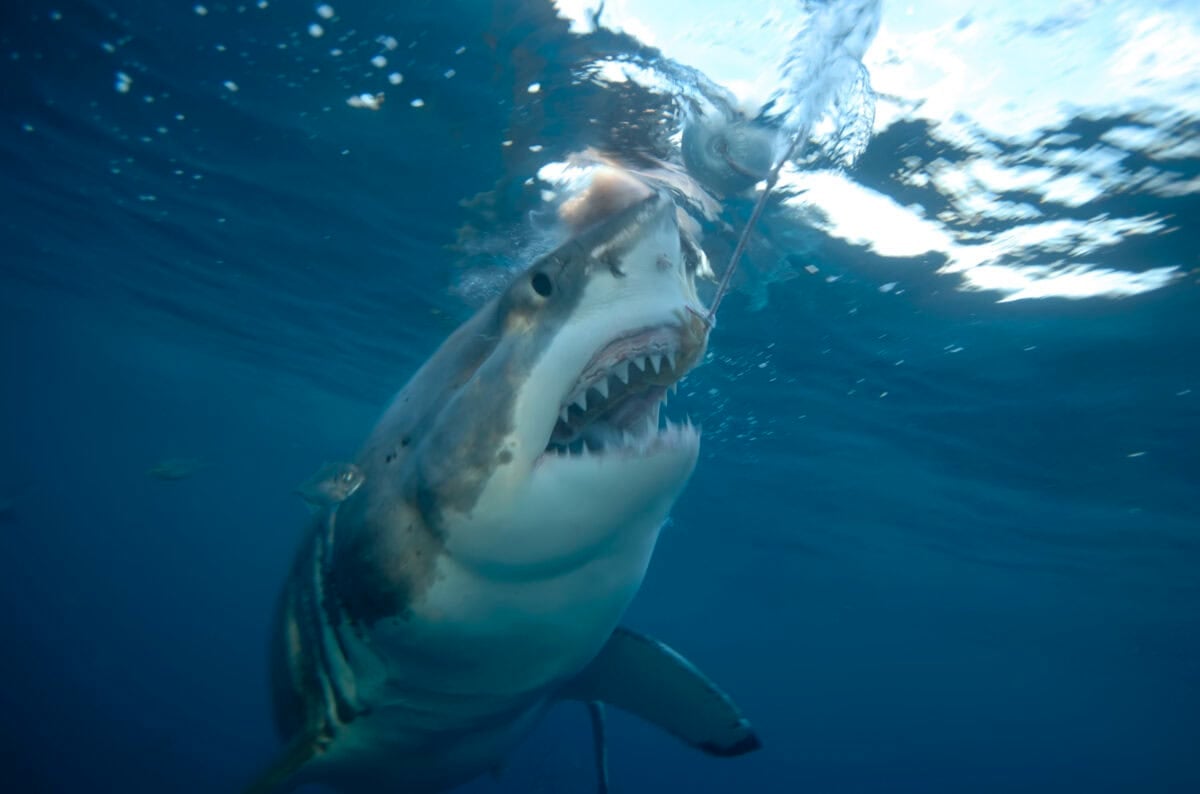
The presence of Great White Sharks could alter marine ecosystems and affect local economies reliant on tourism and fishing. Conversely, their absence helps maintain current ecological and human activity balances, thereby preventing potential conflicts or ecological shifts.
Future Research Directions
Further research into Great White Sharks’ behavior and environmental preferences could provide deeper insights into their absence from certain habitats like New Jersey’s coast. Developing sophisticated tracking and mapping technologies may help better understand these movements and inform conservation strategies.
Conclusion

In conclusion, the sparse visitation of Great White Sharks to New Jersey’s coastline is a complex interplay of environmental conditions, prey availability, human activity, and migratory habits. While they captivate our imagination and incite both fear and fascination, their patterns remind us of the delicate balance within marine ecosystems that must be understood and respected. Awareness and continued research can guide conservation efforts and help maintain this equilibrium, preserving both the ecosystems and the extraordinary creatures that inhabit them.

From exploring the marine wonders in the Azores and witnessing the vast savannas of Kenya, to delving deep into the rich biodiversity of South Africa and traversing iconic landscapes in Australia and the US like Yellowstone, Chris's experiences are vast.
With a penchant for diving alongside sharks, the ocean holds a special place in his heart.
Through his academic insights, he champions wildlife conservation, striving with 'Animals Around The Globe' to cultivate a profound connection between humans and animals, enhancing our mutual appreciation.
Connect with him at Feedback@animalsaroundtheglobe.com.
- The Anatomy of a Spider: What Makes It So Unique? - July 19, 2026
- The Largest Wolf Pack Ever Tracked in the Wild - July 19, 2026
- Saving Manatees in Florida’s Warming Waters - July 19, 2026