


Natural disasters have always commanded awe and fear, but tsunamis, in particular, bear a special gravity due to their immense power and sudden emergence. One tsunami, in recent history, stands out for its unparalleled destructiveness, embodying the very definition of terrifying. Understanding why this tsunami is considered the most terrifying can help us appreciate the raw force of nature, as well as the importance of disaster preparedness.
The Unpredictable Nature of Tsunamis
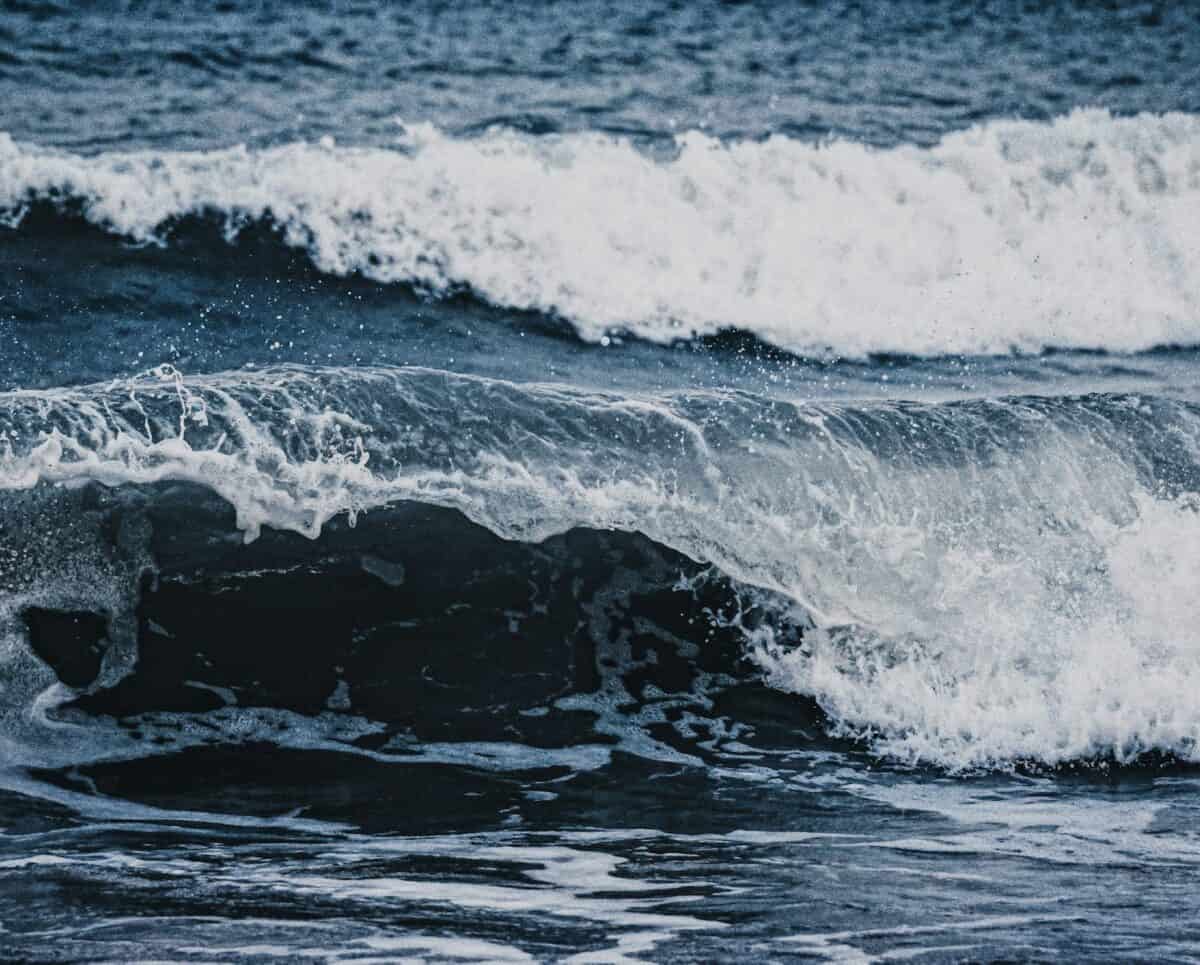
The terror of tsunamis largely stems from their unpredictability. Unlike hurricanes or storms, tsunamis offer no visible saturation on the horizon to warn coastal dwellers. They rise from the ocean depths, triggered by undersea earthquakes, volcanic eruptions, or landslides, often without any forewarning. This particular tsunami was no exception, catching residents completely off guard despite modern monitoring technologies.
The Impact Zone
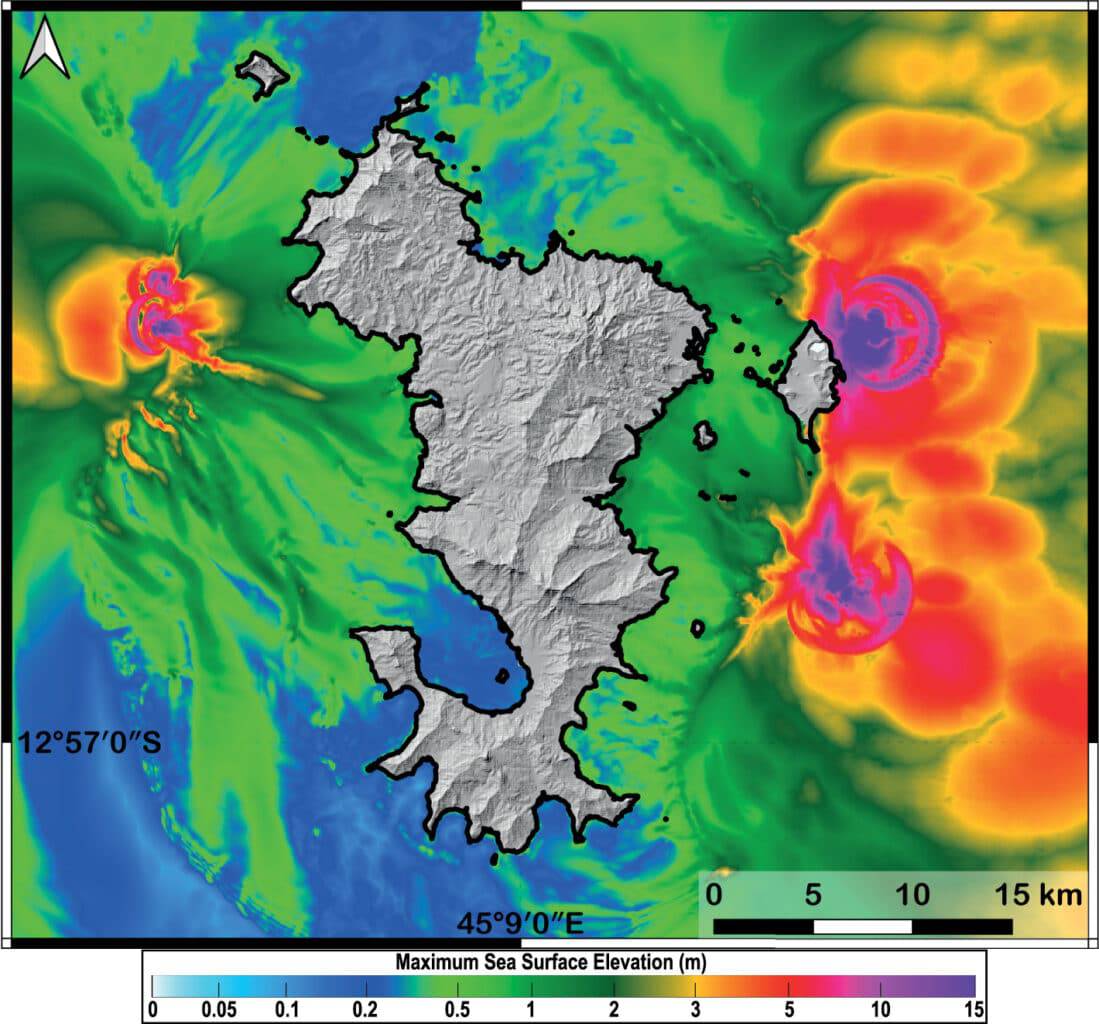
Central to the horror of this tsunami was its extensive impact zone that spanned across several countries. While tsunamis are known to be widespread, affecting large stretches of coast, this event was catastrophic due to the sheer number of communities it touched, causing unforetold devastation over a vast area and highlighting the challenge of providing rapid assistance to all those in need.
Swiftness of Onset
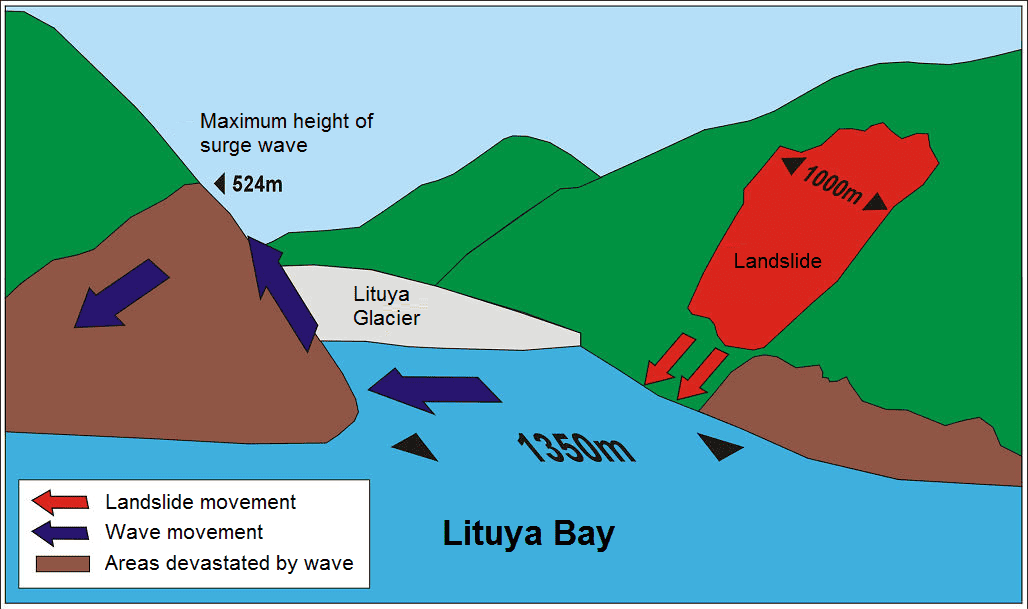
This tsunami’s terrifying swiftness was a key factor in its destructive power. Moving at breakneck speeds, the wave struck shortly after the earthquake that triggered it, leaving residents with barely any time to react. Such speed exacerbates the chaos and makes evacuation efforts nearly impossible to organize efficiently.
The Monumental Wave Heights

One of the most terrifying aspects was the immense height of the waves. This specific tsunami saw waves reaching heights that swallowed multi-story buildings. Witnesses described walls of water blotting out the sky, a sight both awe-inspiring and horrifying, as entire communities were washed away within moments.
The Damage to Infrastructure
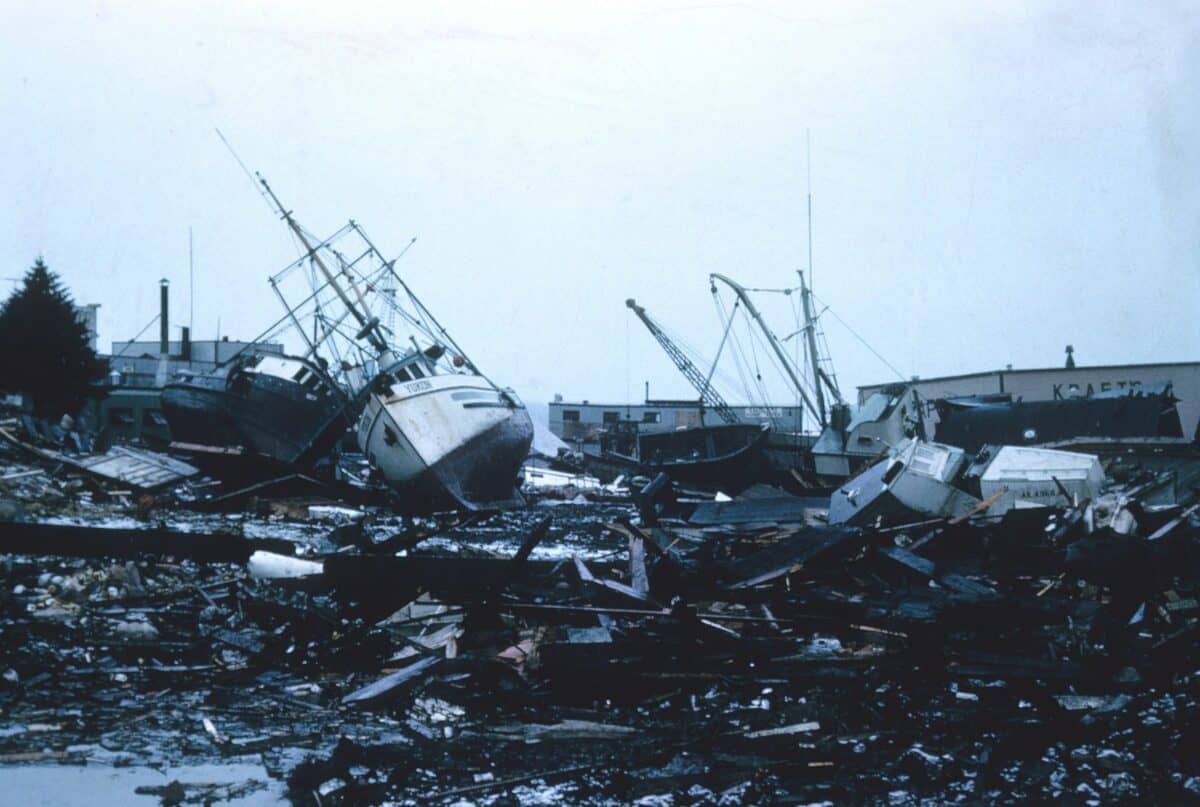
The overwhelming might of the tsunami obliterated critical infrastructure, severing communication and transportation links critical in the immediate aftermath of the disaster. Roads, bridges, and telecommunication lines were decimated, greatly hindering rescue operations and relief efforts, thereby amplifying the catastrophe.
Loss of Life

Perhaps the most tragic aspect was the substantial loss of life. With thousands lost in a matter of hours, families were shattered, and communities were altered forever. The sheer number of casualties underscores not only the tsunami’s immediate impact but also the subsequent challenges in dealing with the aftermath.
The Environmental Toll

Beyond human loss, this tsunami had a lasting impact on the environment, devastating coastal ecosystems that take decades to recover. This environmental destruction also impacted local economies reliant on fishing and tourism, compounding the human tragedy with economic ruin.
The Psychological Impact
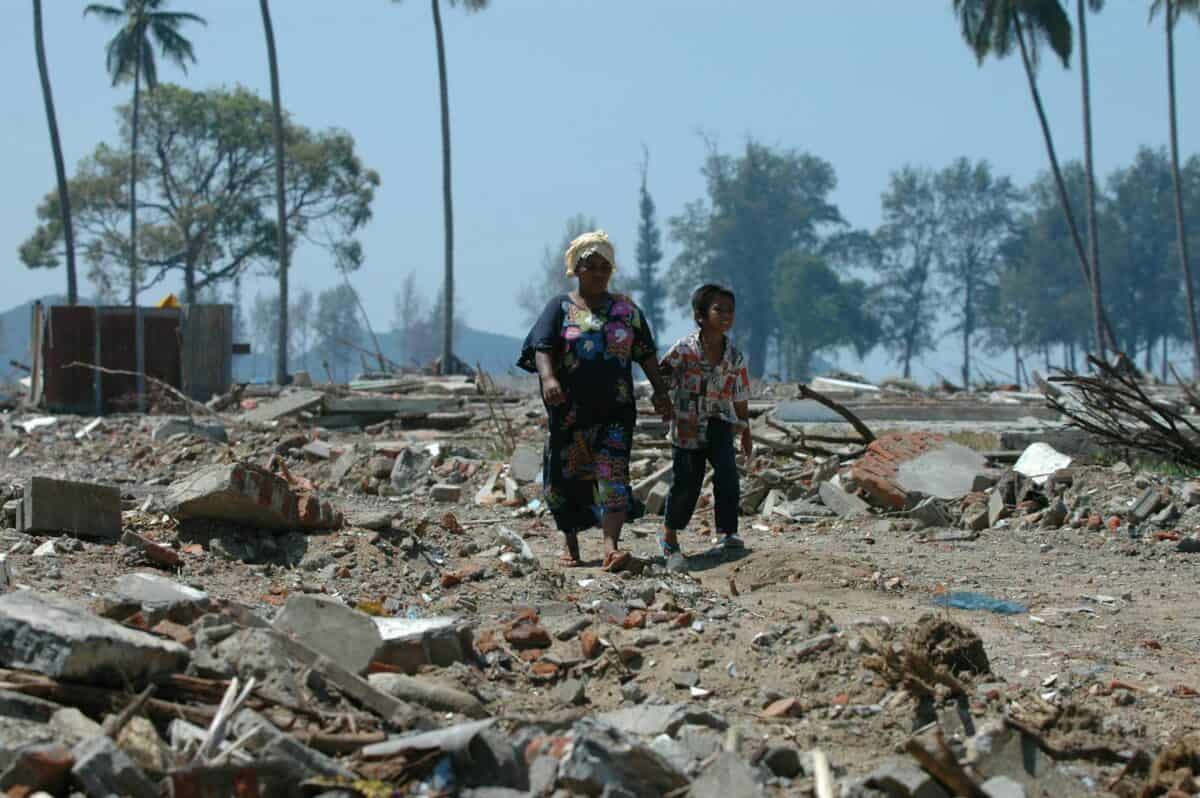
The psychological toll on survivors was immense. Experiencing such a disaster left deep scars, with many dealing with post-traumatic stress disorder (PTSD) and haunting memories of the event. The collective trauma of this tsunami added another layer of tragedy to an already harrowing event.
Global Humanitarian Response
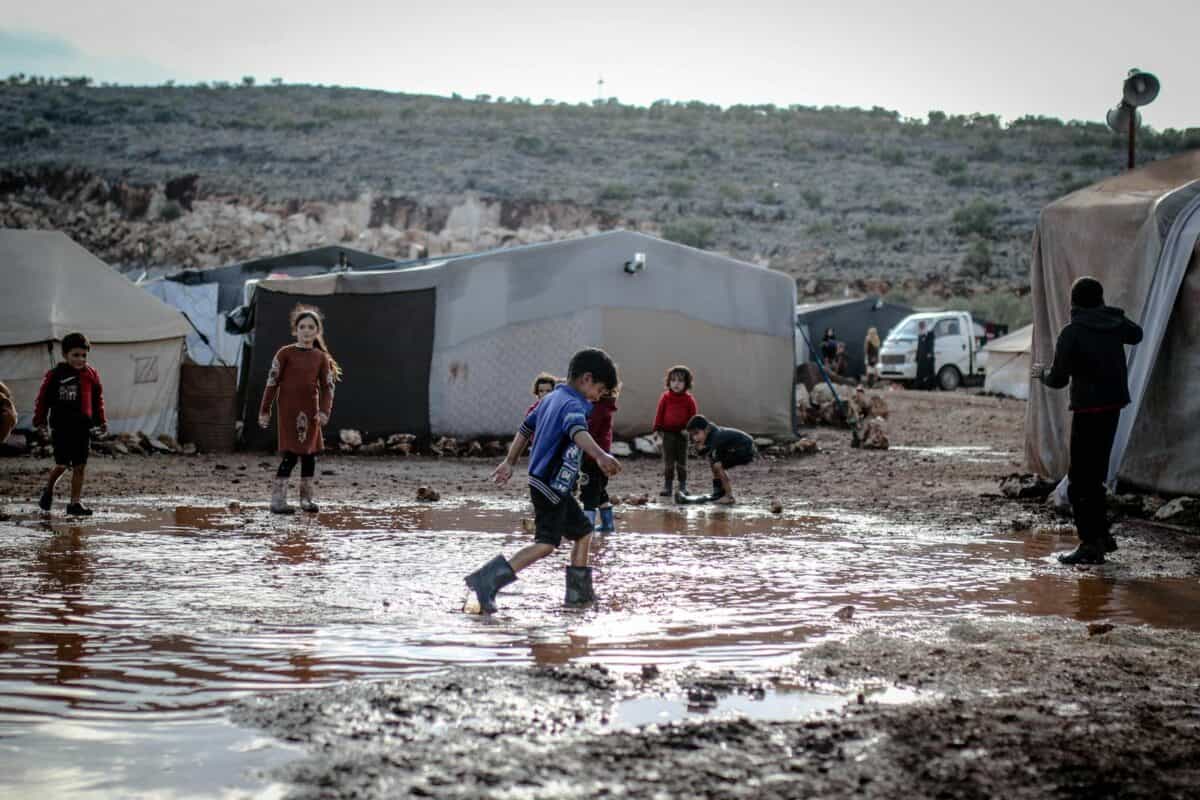
In response to the devastation, there was an unprecedented global humanitarian effort. Aid poured in from across the world, showcasing humanity’s ability to unite in the face of unspeakable disaster. However, despite the massive outpouring of support, the scope of the disaster made recovery a monumental challenge.
Lessons Learned in Tsunami Preparedness
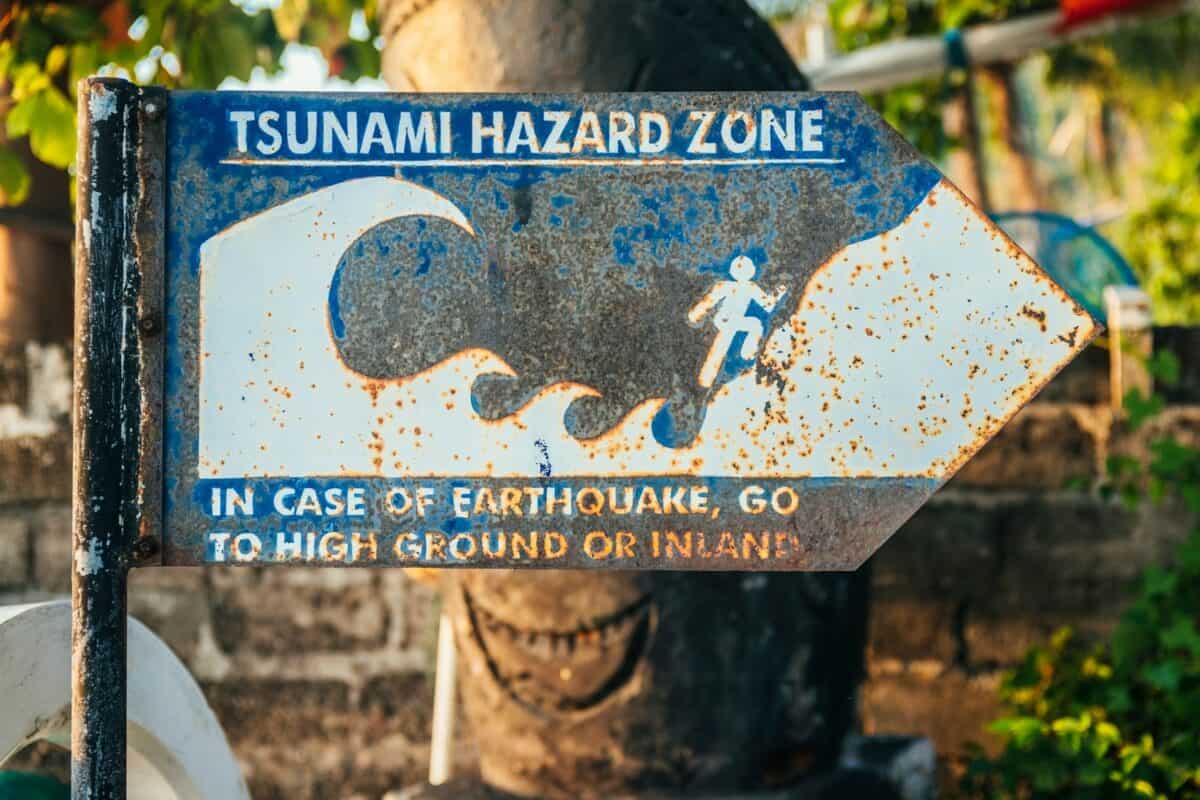
This event led to significant advancements in tsunami preparedness and mitigation strategies. Improved early warning systems and education programs have been developed to better protect vulnerable regions in the future. These measures aim to ensure faster evacuations and save lives when the next tsunami strikes.
Technological Advancements in Detection
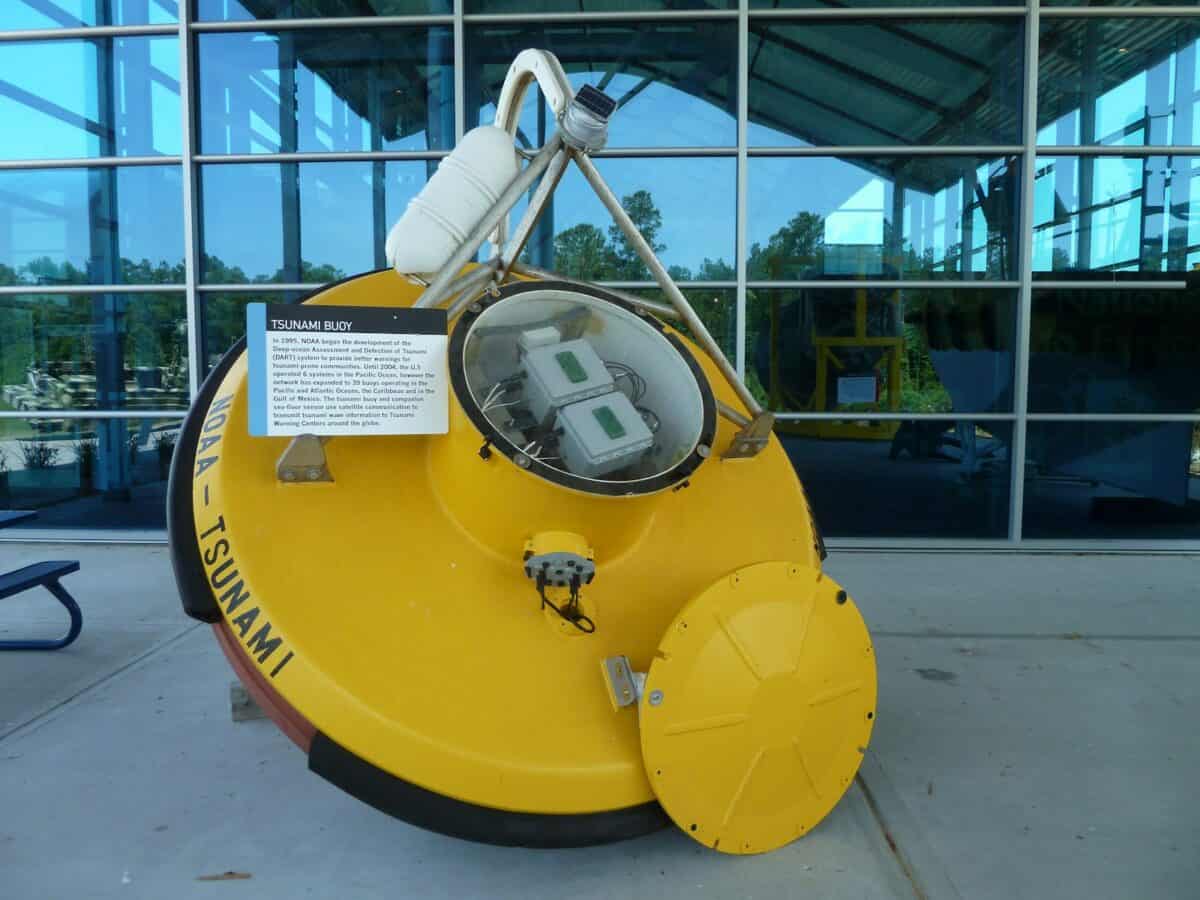
Post-disaster technological advancements have improved the ability to detect and analyze seismic activity, contributing to earlier tsunami warnings. These developments are critical, as they provide precious minutes for evacuations that can ultimately save countless lives.
Rebuilding and Resilience
The process of rebuilding in the aftermath has been slow but demonstrates the resilience of the affected communities. New infrastructure is often constructed with future disasters in mind, incorporating lessons learned from this event to better withstand nature’s fury.
In summary, the most terrifying tsunami in history serves as a stark reminder of the power of nature and the importance of preparedness. By studying and understanding the factors that made this event so devastating, we can work towards better protecting vulnerable regions and communities, ensuring that the lessons learned translate into lives saved.

- 21 Scary Creatures You Might Run Into While Hiking In The U.S - June 3, 2026
- The Difference Between Turtles and Tortoises—Explained - June 3, 2026
- What Makes Owls the Silent Predators of the Night? - June 3, 2026