


As cities expand and wild habitats shrink, urban foxes have become increasingly common sights in metropolitan areas worldwide. These adaptable canids aren’t just surviving in human environments—they’re thriving and evolving in remarkable ways. Research suggests that urban foxes are becoming more intelligent with each passing generation, developing problem-solving abilities and behavioral adaptations that their rural counterparts lack. This fascinating phenomenon reflects not only the remarkable adaptability of these creatures but also provides a living laboratory for studying rapid evolution in response to human-dominated landscapes.
The Urban Fox Phenomenon

Urban fox populations have exploded across cities worldwide in recent decades. London alone hosts an estimated 10,000 foxes, with similar concentrations in cities like Bristol, Toronto, and Sydney. Unlike their rural relatives who primarily hunt small mammals in fields and forests, urban foxes navigate a complex landscape of streets, gardens, and waste disposal systems.
This shift from natural to human-made environments has created intense selection pressures, favoring foxes with higher cognitive abilities and innovative behaviors. Researchers from the University of Glasgow found that urban fox densities can reach up to 12 foxes per square kilometer—far higher than the 2-4 foxes typically found in equivalent rural areas, indicating their remarkable success in human environments.
Cognitive Demands of City Life

City living presents foxes with cognitive challenges that their rural ancestors never encountered. Urban foxes must navigate traffic, interpret human behavior patterns, locate food sources that change frequently, and avoid various human-created hazards. A 2019 study published in Animal Cognition found that urban foxes showed significantly enhanced problem-solving abilities compared to rural foxes when presented with puzzle boxes containing food rewards.
The urban specimens completed the puzzles on average 43% faster and with fewer errors, suggesting that city life selects for foxes with superior cognitive flexibility and learning capabilities. These mental demands essentially create a continuous intelligence test where smarter foxes are more likely to survive and reproduce.
Dietary Adaptations Driving Intelligence

Urban foxes have dramatically shifted their diets from the primarily rodent-based menu of their rural cousins. City-dwelling foxes derive up to 50% of their diet from human food sources, according to research from the University of Brighton. This dietary flexibility requires sophisticated foraging strategies and memory. Foxes must remember which restaurants discard food at certain times, which households leave pet food outdoors, and when garbage collection occurs in different neighborhoods.
These complex foraging patterns demand enhanced spatial memory and temporal awareness. Dr. Kevin Baker’s research at Edinburgh University demonstrated that urban foxes can remember the locations of up to 15 different food caches across their territory and the optimal times to visit each—cognitive abilities that closely resemble those seen in more traditionally “intelligent” animals like corvids.
The Garbage Bin Challenge

Perhaps nothing illustrates urban fox intelligence better than their evolving relationship with garbage bins. Over the past two decades, cities have increasingly introduced fox-proof garbage containers with complex locking mechanisms. In response, foxes have developed sophisticated techniques to access these bins. A long-term study in Bristol documented the spread of bin-opening behaviors through fox populations, with techniques becoming more refined over generations.
Initially, foxes would simply knock over bins, but now many urban foxes can operate simple latches, push in flexible lids, and even collaborate to access food waste. In some London boroughs, wildlife cameras have captured foxes using stepping behaviors to open pedal-operated bins—a technique that requires understanding cause and effect relationships. This evolutionary arms race between human container design and fox ingenuity provides clear evidence of increasing vulpine intelligence.
Social Intelligence in Urban Settings

Traditional fox social structures involve territorial pairs or small family groups, but urban environments have pushed foxes toward more complex social arrangements. Research from the University of Zurich has documented urban fox groups sharing territories and resources in ways rarely seen in rural populations. These more complex social dynamics require enhanced social intelligence, including recognition of more individuals, understanding of hierarchical relationships, and cooperative behaviors.
Urban foxes have been observed engaging in coordinated hunting strategies, with some individuals distracting domestic pets while others access food bowls—behavior that requires planning and role division. The increased social complexity of urban life appears to be selecting for foxes with superior social cognition, similar to the evolutionary pressures that drove primate intelligence.
Human Interaction and Learning

Urban foxes interact with humans far more frequently than their rural counterparts, creating selection pressure for foxes that can accurately interpret human behaviors and intentions. A groundbreaking study from the University of Cambridge revealed that urban foxes can distinguish between different human emotional states and attitudes toward them.
Foxes approached humans displaying friendly cues (sitting, offering food) but avoided those showing hostile cues (standing tall, making direct eye contact). Even more remarkably, the research showed that juvenile foxes raised in urban environments learned these distinctions faster than fox kits from rural areas, suggesting both genetic and cultural transmission of human-reading skills. This ability to “read” humans represents a sophisticated form of social intelligence that continues to develop in urban fox populations.
Brain Size and Structure Changes

Physical evidence of increasing fox intelligence comes from comparative anatomical studies. Research published in the Proceedings of the Royal Society B in 2018 examined the brains of urban and rural fox specimens collected over a 30-year period. The findings were striking: urban fox brains showed an average 6.1% increase in overall brain volume relative to body size, with particularly notable enlargement in areas associated with problem-solving and decision-making.
The hippocampus—a brain region critical for spatial memory—was on average 8.2% larger in urban foxes. These physical changes mirror what evolutionary biologists call an “encephalization trend,” similar to the brain size increases seen in the evolution of humans and other highly intelligent species. The speed of these changes—occurring over mere decades rather than millennia—demonstrates the powerful selection pressures of urban environments.
Technological Adaptation

One of the most fascinating aspects of urban fox intelligence is their rapid adaptation to human technologies. Traffic represents a major mortality risk for urban wildlife, yet foxes have developed sophisticated strategies for navigating roads safely. Research from Toronto’s Urban Wildlife Research Project found that established urban fox populations use pedestrian crossings significantly more often than newly urbanized foxes, waiting for gaps in traffic or even utilizing the rhythm of traffic lights.
Similarly, urban foxes have learned to avoid certain technologies while exploiting others. They typically avoid areas with motion-sensor lighting but have learned that home security cameras pose no actual threat. In perhaps the most striking example of technological adaptation, foxes in several European cities have been documented using subway and light rail systems for more efficient movement through their territories, boarding at one station and disembarking at another—behavior that requires map-like spatial understanding.
Genetic Changes Supporting Intelligence
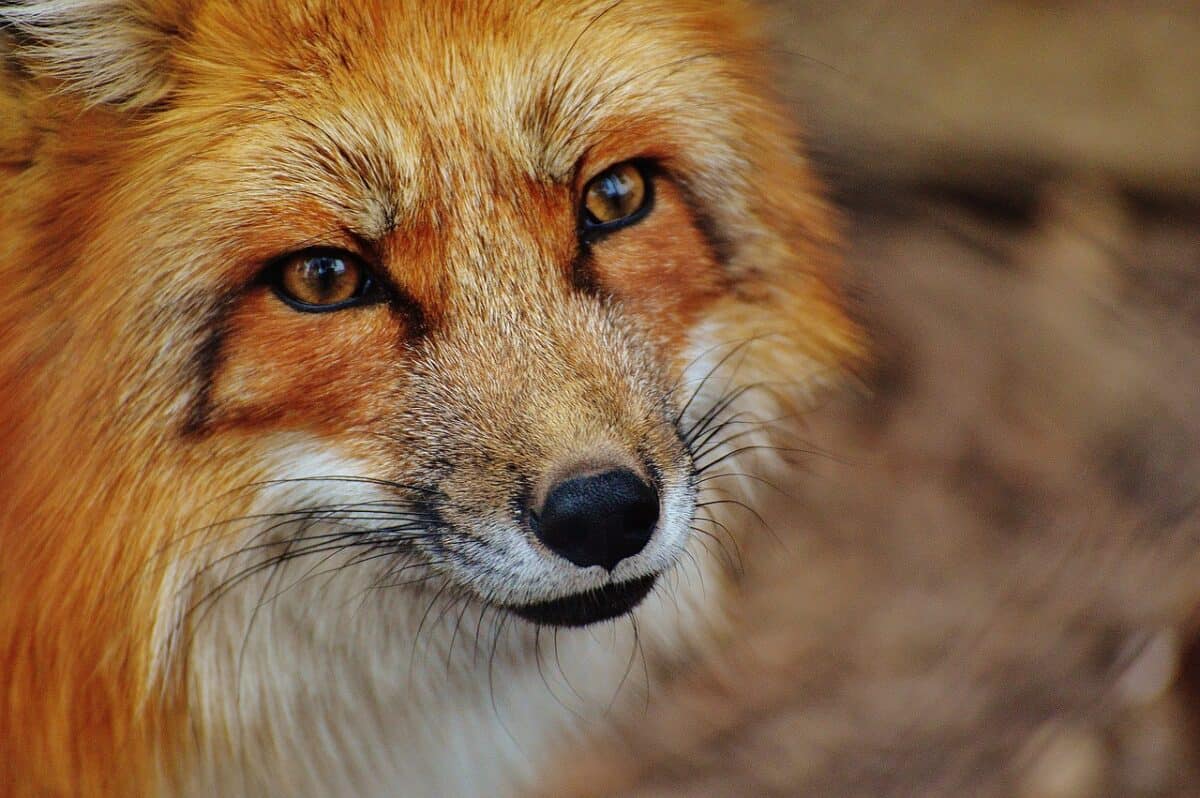
The increasing intelligence of urban foxes isn’t merely behavioral—it’s becoming encoded in their DNA. Genetic analysis conducted by researchers at Glasgow University compared gene expression patterns between urban and rural fox populations. They identified significant differences in genes associated with cognitive development, particularly those regulating brain growth and neural connectivity. Urban foxes showed upregulation of genes associated with synaptic plasticity—the ability to form new neural connections in response to experience—which is considered a fundamental mechanism of learning.
Perhaps most significantly, urban foxes exhibited genetic changes in the FOXP2 gene, which plays a crucial role in cognitive development across mammals. These genetic shifts suggest that the cognitive changes in urban foxes represent true evolutionary adaptation rather than simply learned behaviors, indicating that each generation of urban foxes is being born with greater cognitive potential than the last.
Cultural Transmission of Knowledge
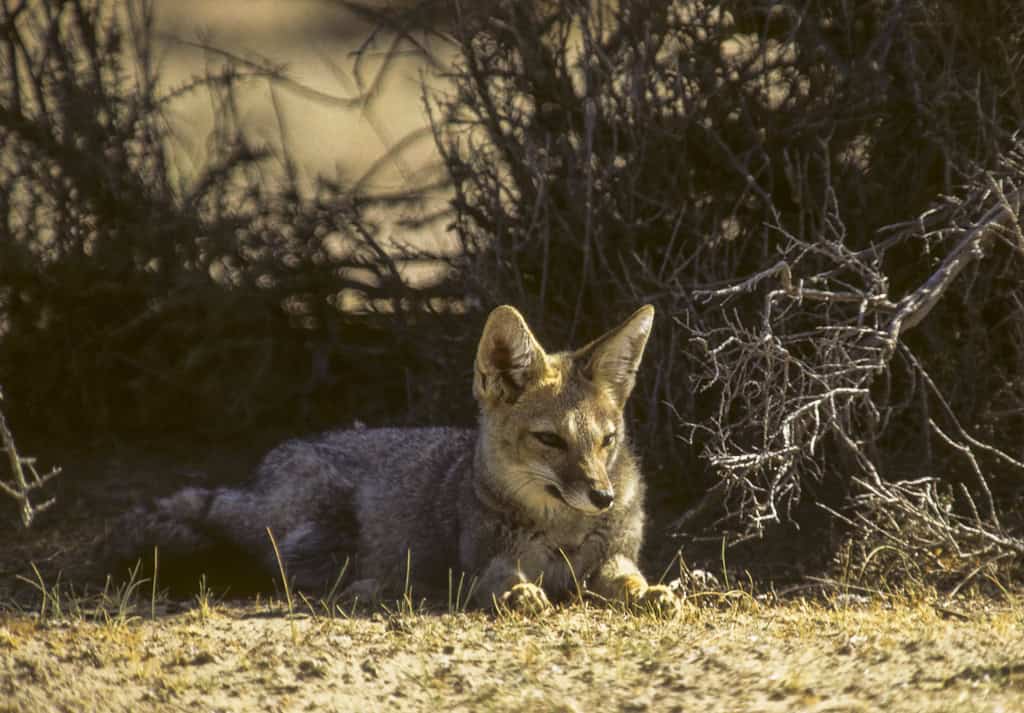
While genetics plays a crucial role in increasing fox intelligence, cultural learning—the transmission of knowledge between individuals and across generations—appears equally important. A landmark study from Bristol University tracked fox families over multiple generations and documented clear evidence of cultural knowledge transmission. Young foxes learned territory navigation, food acquisition techniques, and human-avoidance strategies directly from their parents through observation and guided practice.
When orphaned fox kits were raised by different adults, they adopted the specific techniques of their new caregivers rather than developing strategies independently. This cultural transmission allows beneficial innovations to spread rapidly through fox populations without waiting for genetic changes. In London’s Hampstead Heath, researchers documented how a novel technique for extracting food from a particular type of container spread through the local fox population in just three years—much faster than genetic adaptation alone would allow.
Play Behavior and Intelligence Development

Fox kits raised in urban environments engage in more complex play behaviors than their rural counterparts, and these differences appear to directly impact cognitive development. Researchers from York University documented play sessions of both urban and rural fox families over three breeding seasons. Urban fox kits spent 44% more time engaged in object manipulation play—interacting with diverse items found in human environments like balls, containers, and discarded household items.
This exploratory play closely resembles the developmental patterns seen in highly intelligent species like corvids and primates. The complexity and diversity of play materials available in urban environments provide a form of cognitive enrichment, stimulating neural development during critical growth periods. Adult urban foxes that had engaged in more complex play as juveniles demonstrated superior problem-solving abilities, suggesting that urban environments provide a form of “cognitive playroom” that enhances intelligence development.
Future Trajectory of Urban Fox Intelligence
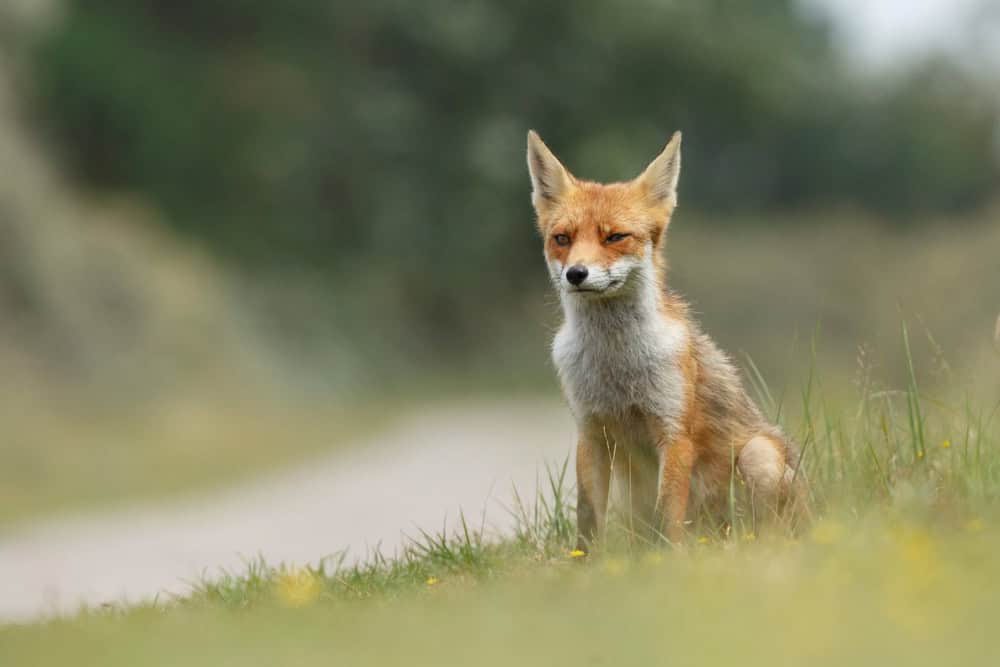
The trajectory of urban fox intelligence shows no sign of plateauing. As cities become more complex and human technologies evolve, selection pressures favoring smarter foxes will likely intensify. Wildlife biologists at University College London predict that over the next century, the cognitive gap between urban and rural fox populations will continue to widen. Computer modeling suggests that urban foxes may develop abilities approaching those of domestic dogs in certain cognitive domains, particularly in understanding human cues and solving mechanical problems.
Some researchers speculate that urban environments may be creating the conditions for the emergence of specialized “fox cultures” with unique problem-solving traditions passed down through generations. The rapid evolution of urban fox intelligence represents one of the most dramatic examples of contemporary evolution driven by human activity and offers a glimpse into how intelligence evolves under intense selection pressure.
Conclusion

The increasing intelligence of urban foxes represents a remarkable example of rapid adaptation to human-modified environments. Through a combination of genetic changes, cultural learning, and developmental factors, each generation of city foxes appears better equipped to navigate the cognitive challenges of urban life than the last. This phenomenon provides valuable insights into the evolution of intelligence itself, demonstrating how complex cognitive abilities can develop rapidly under the right selection pressures.
As cities continue to expand and evolve, the fascinating co-evolutionary relationship between humans and urban foxes will undoubtedly continue, potentially creating one of the most intelligent wild canid populations on the planet. The story of urban fox intelligence reminds us that evolution continues to shape species in real-time, even—and perhaps especially—in the seemingly artificial environments of our modern cities.

From exploring the marine wonders in the Azores and witnessing the vast savannas of Kenya, to delving deep into the rich biodiversity of South Africa and traversing iconic landscapes in Australia and the US like Yellowstone, Chris's experiences are vast.
With a penchant for diving alongside sharks, the ocean holds a special place in his heart.
Through his academic insights, he champions wildlife conservation, striving with 'Animals Around The Globe' to cultivate a profound connection between humans and animals, enhancing our mutual appreciation.
Connect with him at Feedback@animalsaroundtheglobe.com.
- How Tigers Mark Their Territory Using Scent and Scratches - July 29, 2026
- The Deadly Volcano That Erased a Town Is Now Active Again - July 29, 2026
- 12 Deep Sea Animals With Terrifying Adaptations - July 29, 2026