


Yellowstone National Park, America’s first national park, is renowned for its geothermal features, stunning landscapes, and diverse wildlife. While many visitors come to see the iconic geysers and charismatic megafauna like bears and wolves, Yellowstone offers an extraordinary yet often overlooked opportunity for bird enthusiasts. With nearly 300 species documented within its boundaries, the park represents one of North America’s premier birding destinations. From majestic raptors soaring above the Lamar Valley to tiny songbirds flitting through the lodgepole pine forests, Yellowstone presents a birder’s paradise that changes with each season. Whether you’re a seasoned ornithologist or a curious beginner with a pair of binoculars, 2025 is the perfect year to experience the avian wonders of this remarkable ecosystem.
The Remarkable Diversity of Yellowstone’s Bird Population
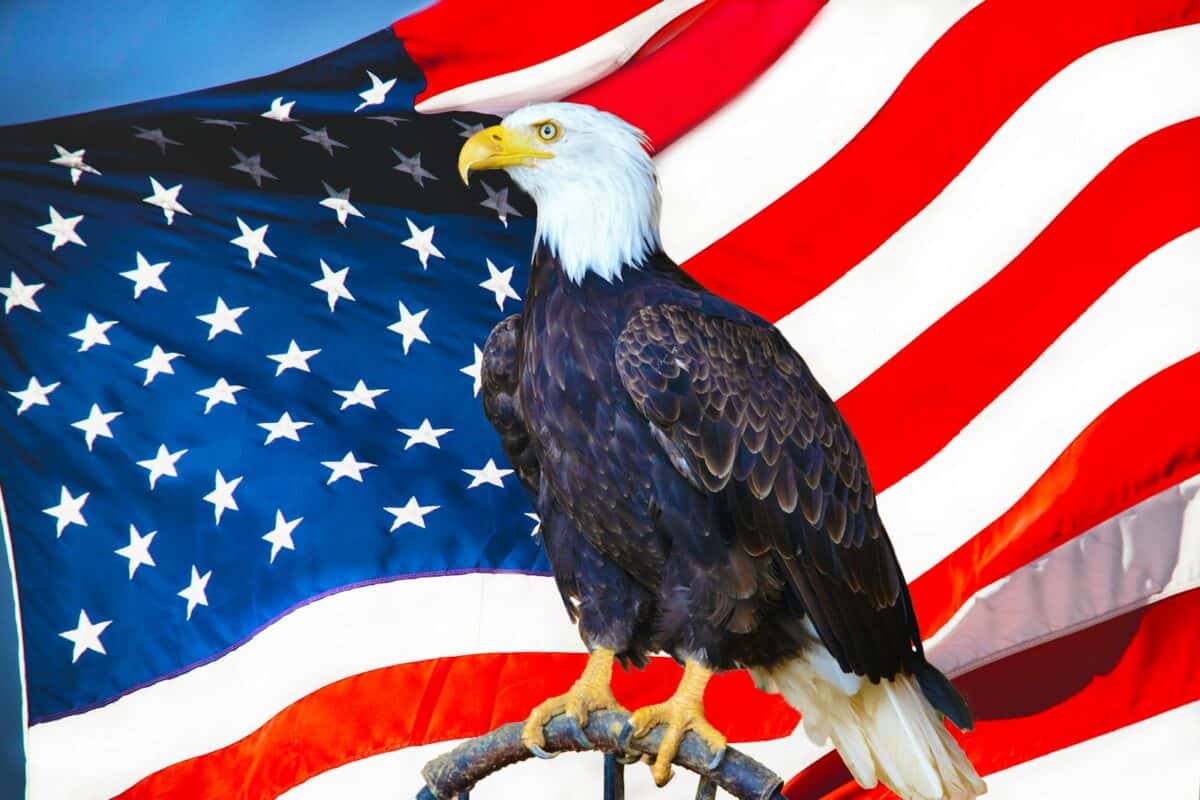
Yellowstone National Park hosts approximately 285 documented bird species, creating a paradise for bird enthusiasts of all experience levels. This remarkable diversity stems from the park’s varied habitats spanning over 2.2 million acres, from alpine meadows to sagebrush steppes, dense forests to wetlands. Among these species, roughly 150 nest within the park boundaries, while others pass through during migration, creating seasonal viewing opportunities that change throughout the year.
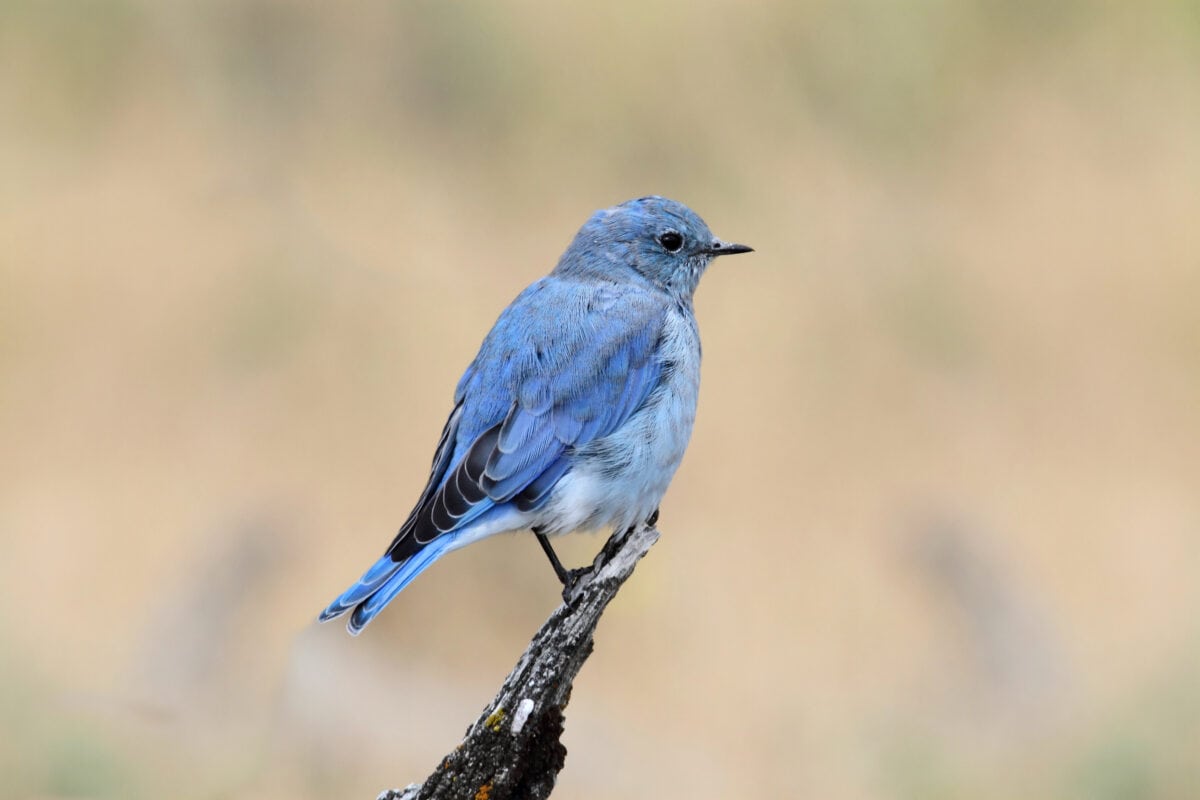
The park’s elevation gradient—ranging from about 5,300 to 11,000 feet—contributes to this diversity by creating multiple ecological zones, each supporting different bird communities. Some notable species include the charismatic Trumpeter Swan, the elusive Great Gray Owl, the striking Mountain Bluebird, and the park’s symbol, the American Bald Eagle. This incredible variety ensures that birders will discover new species and behaviors with each visit, making Yellowstone a destination that rewards repeated exploration.
Seasonal Birding Opportunities in Yellowstone

Each season in Yellowstone offers unique birding experiences that showcase different aspects of avian life. Spring (May-June) brings a spectacular influx of migratory birds returning to their breeding grounds, filling the air with songs and courtship displays. Summer (July-August) presents opportunities to observe nesting behaviors and fledglings as they learn to navigate their world. Fall (September-October) migration offers chances to spot species passing through on their southward journey, while winter (November-April) showcases hardy year-round residents and occasional winter specialties like the Bohemian Waxwing.
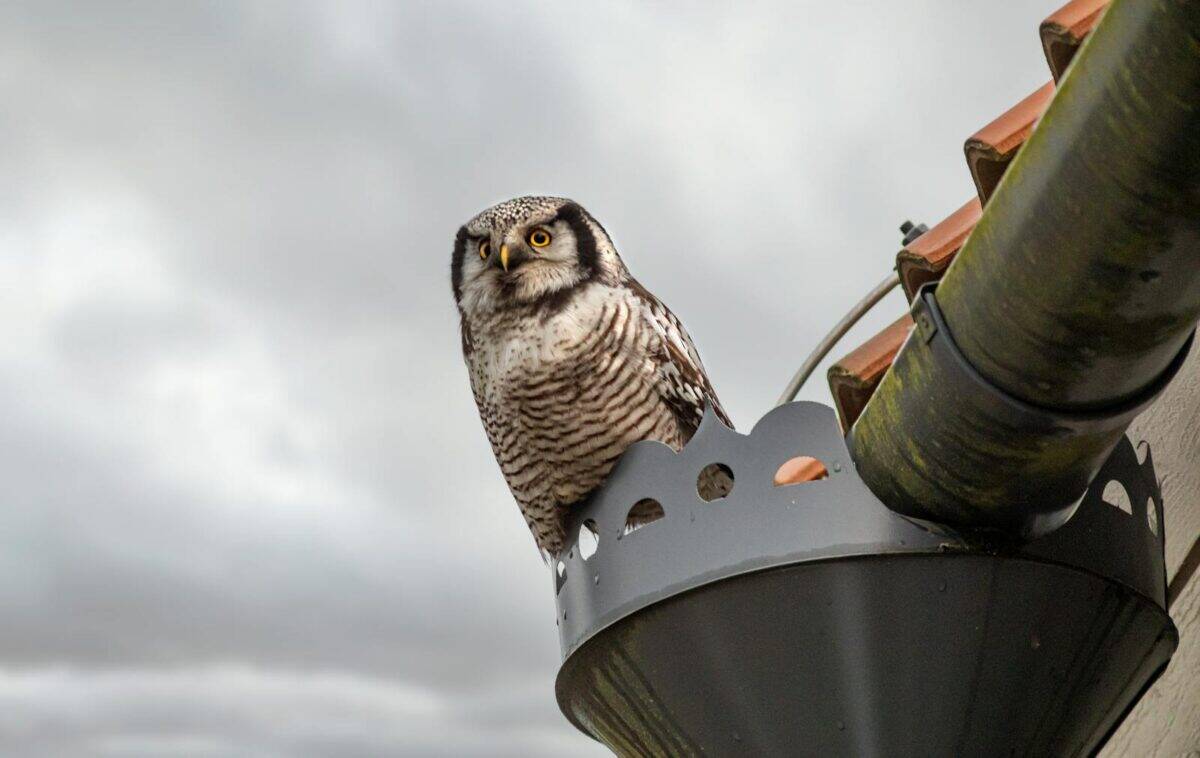
Waterfowl viewing is exceptional during spring and fall migrations around lakes and wetlands, while summer provides the best conditions for observing songbirds in subalpine meadows. Winter birding, though more challenging due to access limitations, rewards persistent observers with sightings of birds adapted to Yellowstone’s harsh conditions, including Common Ravens, Clark’s Nutcrackers, and occasionally, Northern Hawk Owls. Understanding these seasonal patterns allows birders to plan visits that align with their specific interests and target species.
Prime Birding Locations Within the Park

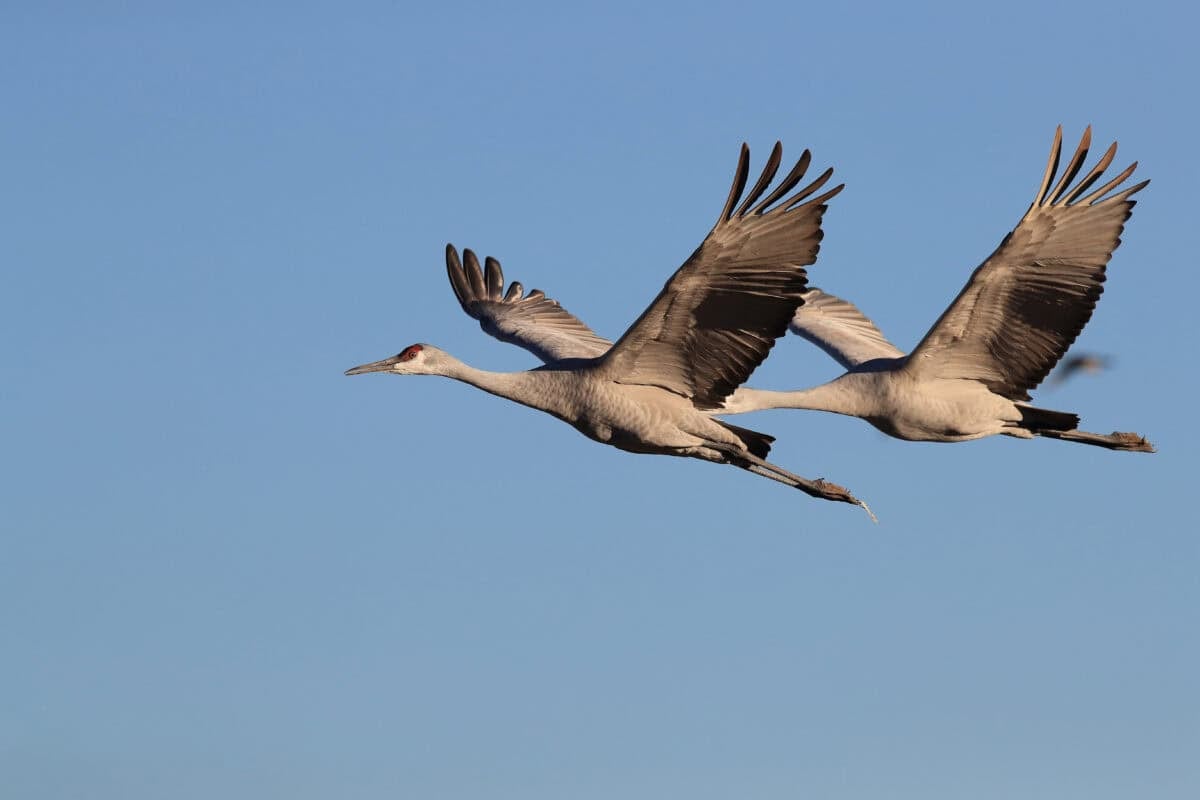
Yellowstone offers numerous birding hotspots, each with unique habitat features that attract different species. Hayden Valley, with its expansive grasslands and Yellowstone River access, provides excellent opportunities for viewing waterfowl, Sandhill Cranes, and raptors including Bald Eagles and Ospreys. The Lamar Valley, often called America’s Serengeti, offers prime habitat for grassland species and raptors, including Golden Eagles and Prairie Falcons.
Wetland areas like Floating Island Lake and Blacktail Ponds attract waterfowl, while the forested regions around Canyon Village harbor woodpeckers, nuthatches, and owls. For alpine species like Black Rosy-Finches and White-tailed Ptarmigan, the higher elevations near Dunraven Pass prove rewarding. Mammoth Hot Springs combines thermal features with a mix of habitats that support diverse species, including Williamson’s Sapsuckers and Townsend’s Solitaires. The geyser basins, particularly during morning hours before crowds gather, offer opportunities to spot American Dippers along thermal streams and swallows feeding on insects above the steaming waters. Each location has its own birding personality, encouraging exploration throughout the park.
Rare and Notable Bird Species to Seek

While Yellowstone hosts many common bird species, the park also provides habitat for several rare or noteworthy birds that make any birding trip especially memorable. The charismatic Harlequin Duck, with its striking blue-gray and chestnut plumage, can occasionally be spotted in fast-moving streams during summer months. The Great Gray Owl, North America’s largest owl by length, inhabits the park’s mature forests and meadow edges, though spotting this masterful hunter requires patience and often local knowledge.
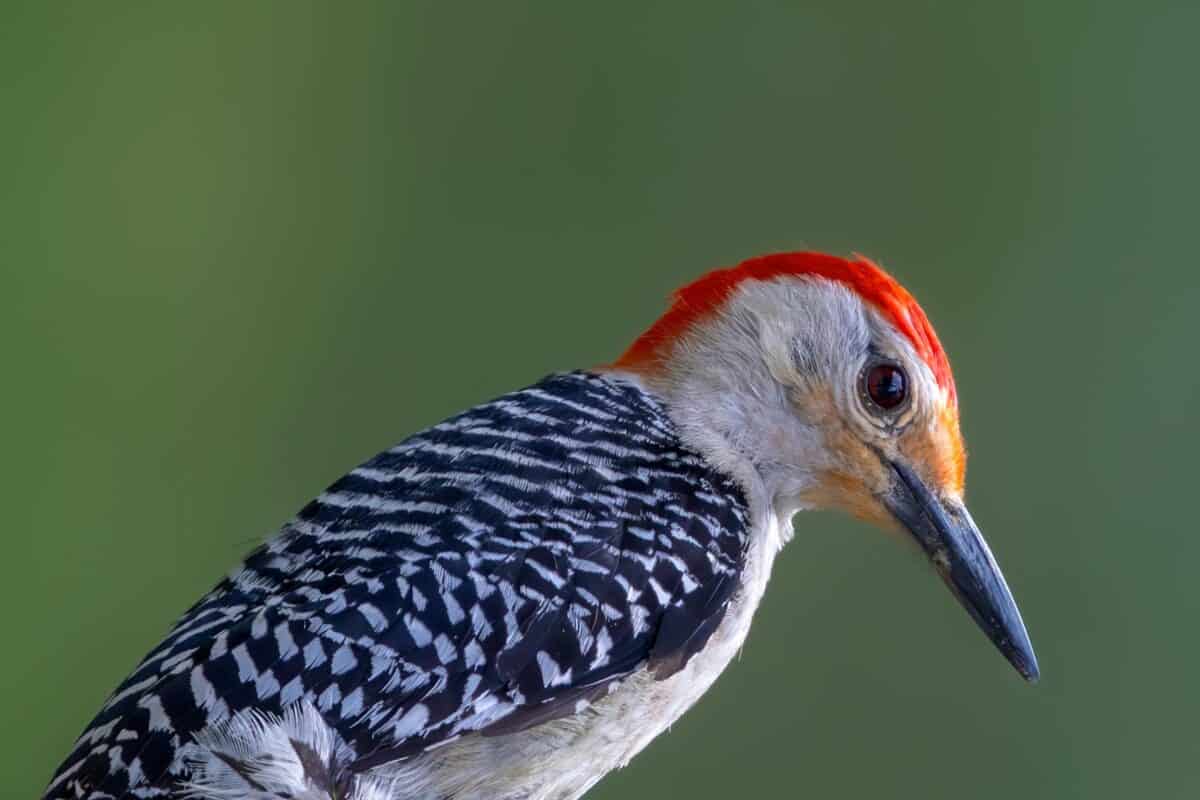
Peregrine Falcons, having recovered from near-extinction, now nest on cliff faces throughout the park, thrilling observers with their spectacular high-speed hunting dives. The American Three-toed Woodpecker, a specialist of beetle-killed forests, offers opportunities to observe its unique foraging behavior as it flakes off bark to reach insect prey. Trumpeter Swans, North America’s largest waterfowl, maintain a small but important breeding population within the park. For those willing to venture to higher elevations, the Black Rosy-Finch represents a true prize, as this alpine specialist is found only in limited mountain habitats across the western United States. Each of these species adds a special dimension to the Yellowstone birding experience.
Conservation Success Stories Among Yellowstone’s Birds
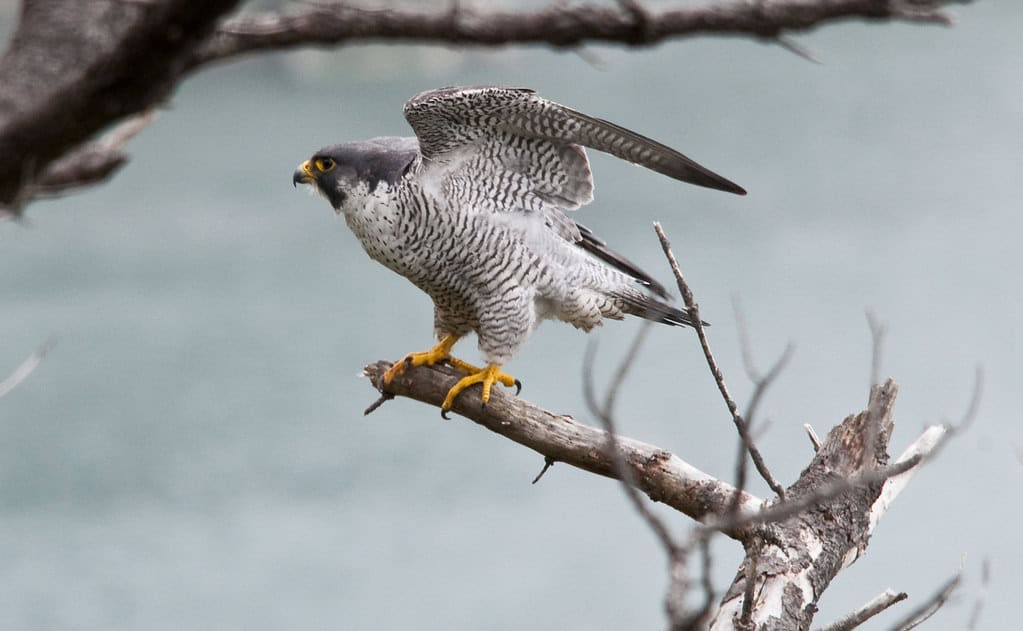
Yellowstone has played a crucial role in several avian conservation success stories worth celebrating. The Peregrine Falcon’s recovery represents one of the most dramatic comebacks in conservation history. After populations crashed due to DDT exposure in the mid-20th century, intensive management efforts, including captive breeding and release programs, have helped this magnificent raptor reestablish breeding territories throughout the park. Similarly, Bald Eagles have rebounded from endangered status, with their population in the Greater Yellowstone Ecosystem showing steady growth since DDT was banned in 1972.
Trumpeter Swans, nearly extirpated from the lower 48 states by the early 1900s due to market hunting and habitat loss, found refuge in Yellowstone, which has served as an important sanctuary during their recovery. The park’s commitment to maintaining natural ecological processes—including allowing wildfires to fulfill their ecological role—has benefited species like Black-backed Woodpeckers that depend on post-fire habitats. These conservation successes demonstrate how protected areas like Yellowstone serve as critical havens for bird populations, offering inspiration to birders concerned about declining species elsewhere.
Essential Gear for Yellowstone Birding

Successful birding in Yellowstone requires appropriate equipment to enhance the experience while ensuring comfort and safety in the park’s variable conditions. Binoculars remain the most essential tool—8×42 or 10×42 models offer an ideal balance of magnification and light-gathering capability for diverse viewing situations. A spotting scope proves invaluable for observing waterfowl on distant lakes or raptors perched on far ridgelines. A field guide specific to Western birds or a birding app with offline capabilities helps with identification, as cell service is limited throughout the park.
Weather in Yellowstone can change rapidly; layered clothing, rain gear, sun protection, and sturdy hiking footwear are essential regardless of season. For tracking observations, a small notebook or digital device for recording sightings helps document the experience. Don’t forget a camera—even a smartphone with a modest zoom can capture memorable bird encounters. Additional recommended items include bear spray (required in backcountry areas), insect repellent, sufficient water, and high-energy snacks to sustain longer outings. This well-prepared approach allows birders to focus on the wildlife rather than personal discomfort.
Combining Birding with Yellowstone’s Other Attractions
One of the joys of birding in Yellowstone is the ability to integrate this activity with the park’s many other natural wonders. Morning birding sessions pair beautifully with afternoon geyser viewing in the Upper, Midway, or Lower Geyser Basins, where thermal features operate on their own schedules throughout the day. The Yellowstone Lake area offers excellent waterfowl observation combined with fishing, boating, or simply enjoying the spectacular mountain views.
Grand Canyon of the Yellowstone provides opportunities to spot Peregrine Falcons and White-throated Swifts while taking in the breathtaking scenery of the canyon and its magnificent waterfalls. Many of the park’s designated hiking trails serve double duty as excellent birding routes—the Storm Point Trail, Mount Washburn Trail, and Trout Lake Trail are particularly productive for bird diversity while showcasing different aspects of Yellowstone’s landscapes. Wildlife watching for mammals often complements birding naturally, as areas like Lamar and Hayden Valleys attract both birds and larger wildlife. This multifaceted approach to experiencing Yellowstone allows visitors to maximize their time while gaining a deeper appreciation for the park’s intricate ecological connections.
Tips for Responsible Bird Observation

Practicing ethical birding in Yellowstone ensures both the welfare of the birds and the preservation of the experience for future visitors. Always maintain appropriate distances from all wildlife—use binoculars or a spotting scope rather than approaching birds, particularly during sensitive nesting periods from May through July. Stay on established trails and boardwalks to minimize habitat disturbance and protect yourself from thermal areas. The use of bird call recordings or apps to attract birds is discouraged in national parks, as it can disrupt natural behaviors and breeding patterns.
If you discover a nest or sensitive location, avoid sharing precise coordinates on public platforms; instead, use general descriptions that won’t lead to overcrowding. Early morning birding not only provides optimal lighting and bird activity but also allows observation before popular areas become crowded with other visitors. Respect closures implemented to protect nesting areas, particularly around lakes and wetlands where waterfowl breed. Following these guidelines contributes to conservation efforts while modeling responsible wildlife viewing practices for other park visitors.
Connecting with the Yellowstone Birding Community

Engaging with the community of birders who know Yellowstone well can significantly enhance your experience. The Yellowstone Forever Institute offers field seminars specifically focused on birds, led by expert naturalists who share their intimate knowledge of the park’s avian residents. The annual Yellowstone Bird Program, conducted by park biologists, welcomes volunteer participation in bird surveys and monitoring projects during summer months—an unparalleled opportunity to contribute to science while improving identification skills.
Local chapters of the Audubon Society in gateway communities often organize field trips into the park, providing both expertise and camaraderie for visiting birders. Online resources like eBird feature hotspot data for Yellowstone locations, offering current information about recent sightings and species distribution. The park’s visitor centers frequently post recent notable bird observations and can connect you with ranger-led programs that include bird watching. Social media groups dedicated to Yellowstone wildlife watching often share up-to-date information about interesting sightings. These connections not only improve your chances of finding target species but also enrich the experience through shared knowledge and enthusiasm.
Planning Your Visit: Logistics and Timing
Strategic planning enhances any Yellowstone birding trip, particularly regarding timing and accommodations. For serious birders, May through early July offers peak diversity as migratory species arrive and breeding activities reach their height. Reservations for in-park lodging should be secured 12-18 months in advance for this popular period. Alternative accommodation in gateway communities like West Yellowstone, Gardiner, and Cooke City provides access to different regions of the park. The park’s five entrances offer varied birding opportunities: the Northeast Entrance provides immediate access to the wildlife-rich Lamar Valley, while the West Entrance leads directly to geyser basins with their unique bird communities.
Early morning birding yields the best results, so consider your driving distances when planning daily itineraries. Park entrances open to regular vehicles at varied times seasonally, with winter access limited primarily to snowcoaches and snowmobiles from mid-December through mid-March. Spring birding may involve navigating snow-covered trails at higher elevations, while summer brings more accessible conditions but larger crowds. Fall offers fewer visitors and continued bird activity, though services begin to reduce by mid-October. This careful consideration of timing and logistics maximizes birding opportunities within the constraints of park operations.
Birding as a Gateway to Deeper Ecological Understanding
Beyond the joy of species identification, birding in Yellowstone provides a window into the park’s broader ecological systems and environmental health. Birds serve as indicator species, their presence and behavior reflecting the condition of their habitats and the impacts of environmental changes. Observing the relationship between woodpeckers and forest health, for instance, reveals how these birds control insect populations while creating nesting cavities later used by numerous other species. Wetland birds demonstrate the critical importance of riparian habitats that occupy a small percentage of park area but support disproportionate biodiversity.
The seasonal movements of migratory birds connect Yellowstone to ecosystems throughout the Western Hemisphere, illustrating the park’s role in continental conservation. Climate change impacts become tangible when observing shifts in arrival dates, breeding behaviors, or range expansions of certain species. For many visitors, birds provide an accessible entry point to ecological awareness—their visibility, behaviors, and vocalizations attract attention and spark curiosity that can develop into deeper environmental stewardship. This educational dimension adds significant value to the birding experience, transforming a recreational activity into an opportunity for meaningful ecological connection.
Conclusion: Why 2025 Is Your Year for Yellowstone Birding
As we’ve explored throughout this article, Yellowstone National Park offers an exceptional birding experience that combines remarkable species diversity with breathtaking landscapes and unique ecological contexts. The park’s nearly 300 bird species, ranging from iconic raptors to tiny songbirds, provide endless opportunities for discovery regardless of your experience level or specific interests.
The 2025 season presents a particularly opportune moment to experience Yellowstone’s avian wonders, as the park continues to implement its post-pandemic visitor management strategies that help distribute crowds more effectively throughout its vast acreage. Whether you’re seeking to add lifers to your birding list, photograph elusive species, contribute to citizen science projects, or simply connect more deeply with the natural world, Yellowstone’s birds offer a gateway to unforgettable experiences that will enhance your appreciation of this remarkable protected landscape. As you plan your visit, remember that each bird observed represents part of an intricate ecological tapestry that has been preserved for generations—and your participation in observing and cherishing these creatures helps ensure they’ll continue to thrive for generations to come.

From exploring the marine wonders in the Azores and witnessing the vast savannas of Kenya, to delving deep into the rich biodiversity of South Africa and traversing iconic landscapes in Australia and the US like Yellowstone, Chris's experiences are vast.
With a penchant for diving alongside sharks, the ocean holds a special place in his heart.
Through his academic insights, he champions wildlife conservation, striving with 'Animals Around The Globe' to cultivate a profound connection between humans and animals, enhancing our mutual appreciation.
Connect with him at Feedback@animalsaroundtheglobe.com.