

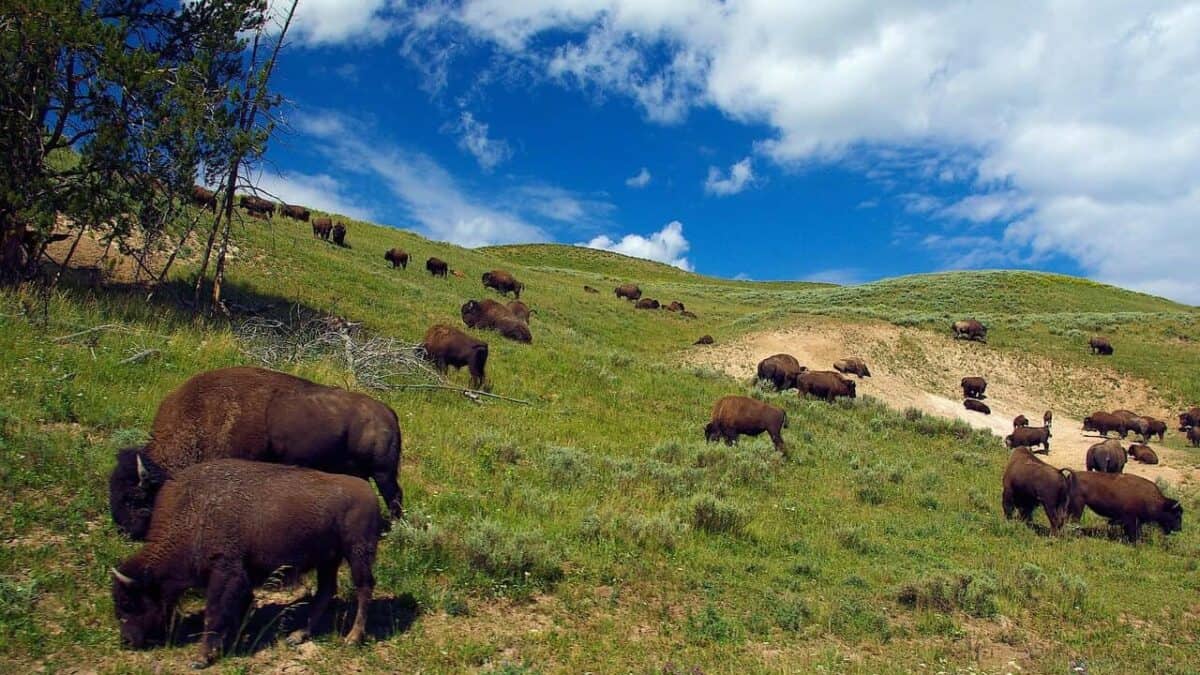
During summer months, visitors to places like Yellowstone National Park often notice an interesting phenomenon: bison seem to congregate near roadways more frequently than in other seasons. This behavior isn’t random but is deeply connected to bison ecology and their adaptation to changing environmental conditions. As temperatures rise, bison engage in strategic movement patterns that have evolved over thousands of years to maximize their access to resources while minimizing energy expenditure.
Unlike winter, when bison typically move to lower elevations seeking shelter and limited forage, summer brings a different set of priorities. The warmer months trigger upslope migrations and expanded range utilization that frequently intersect with human infrastructure like roads. Understanding this seasonal behavior helps explain why summer travelers are more likely to encounter these magnificent animals alongside highways and park roads, creating both spectacular wildlife viewing opportunities and potential safety concerns.
Roads as Migratory Corridors

One of the primary reasons bison are frequently spotted near roads during summer is that many roadways were constructed along traditional bison migration routes. Long before asphalt and automobiles, bison established efficient travel corridors through challenging terrain, following paths of least resistance through mountains, valleys, and across rivers. When modern roads were built, engineers often utilized these same natural pathways, creating an unintentional overlap between ancient animal highways and modern human transportation networks.
These historical migration routes remain encoded in bison behavior, with herds instinctively following ancestral pathways despite human development. Roads that wind through mountain passes, follow river valleys, or cut across open plains often mirror the exact routes that bison have traveled for centuries. During summer migrations when bison are more actively moving across their range, this overlap becomes more pronounced, increasing the likelihood of roadside sightings for park visitors and travelers.
The Energy Conservation Hypothesis

Bison are massive animals weighing up to 2,000 pounds, which means energy conservation is a constant priority. Roads and roadside areas offer a significant energy-saving advantage: they’re typically flatter and require less exertion to traverse than surrounding terrain. Research has demonstrated that bison can reduce their energy expenditure by up to 20% when walking on level, unobstructed surfaces compared to navigating through rough terrain with varying elevation.
During summer, when bison are actively building fat reserves for the coming winter, this energy conservation becomes even more critical. A study in Yellowstone National Park found that bison using road corridors for travel saved significant calories, allowing them to allocate more energy toward feeding and reproduction rather than movement. This energy-saving strategy becomes particularly pronounced during summer months when bison are covering more territory in search of optimal grazing conditions.
Roadside Vegetation Dynamics
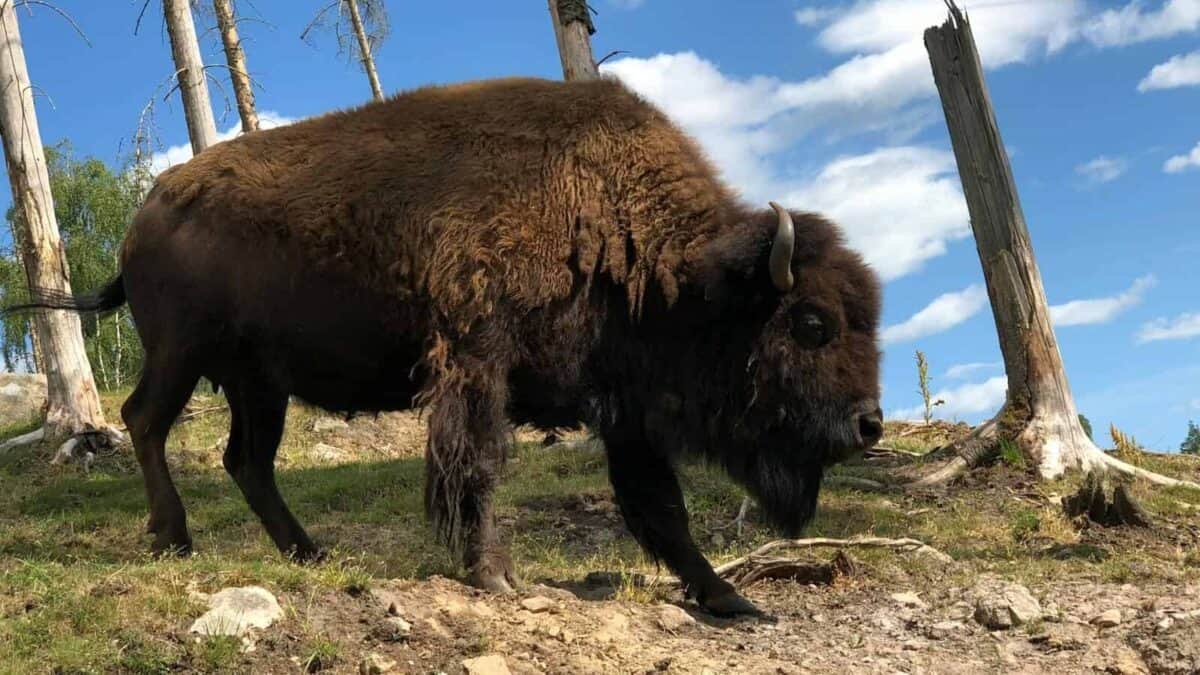
The areas immediately adjacent to roads often feature unique vegetation patterns that prove highly attractive to bison during summer months. Road construction and maintenance create disturbed soil conditions that frequently produce earlier green-up of grasses and forbs. Additionally, road drainage systems can channel water to roadside areas, creating moisture-rich micro-environments that support lush vegetation even as surrounding areas begin to dry out during summer heat.
Research conducted in several national parks has documented that roadside vegetation can contain up to 50% higher protein content than plants found in more remote areas during certain summer periods. Bison, with their keen ability to detect nutritional differences in forage, are naturally drawn to these protein-rich feeding zones. This roadside “buffet” becomes particularly valuable during late summer when protein content in vegetation typically declines across their range, making roads even more attractive to hungry bison.
Insect Avoidance Behaviors
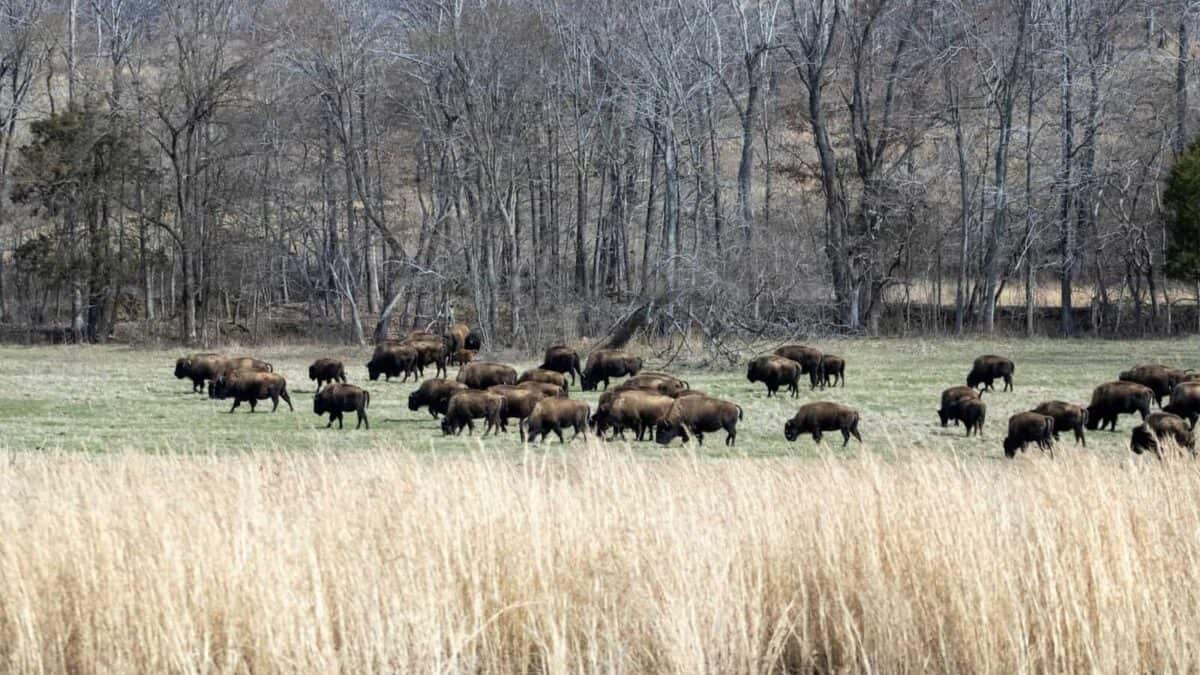
Summer brings not only warm weather but also peak insect activity, particularly biting flies that torment large mammals like bison. These insects, including horse flies and deer flies, can cause significant distress and blood loss when present in large numbers. Bison have developed several strategies to minimize insect harassment, and road utilization is one of their most effective tactics. Open roadways and their immediate surroundings typically experience higher wind speeds and lower humidity than forested or densely vegetated areas.
These conditions significantly reduce flying insect activity, providing bison with relief from relentless biting. Researchers have observed that during peak insect seasons in July and August, bison spend up to 40% more time near roads and in other open areas where insect pressure is reduced. The animals will often stand facing into the wind on exposed roadside areas, a behavior that effectively prevents flies from landing on their faces and bodies. This insect avoidance strategy is another key reason summer travelers encounter more bison near roads.
Thermal Regulation Advantages

Bison, with their massive bodies and thick fur, face significant challenges regulating body temperature during hot summer days. Roads and their adjacent clearings often provide thermal advantages that help bison manage heat stress. Elevated roads catch cooling breezes, while road cuts through forested areas create ventilation corridors that allow air movement. Additionally, paved surfaces retain heat differently than natural terrain, sometimes creating cooling microclimates in roadside ditches and shaded areas.
During particularly hot periods, bison have been observed utilizing road-associated features like culverts, bridges, and shaded embankments as cooling stations. A study in Badlands National Park found that during peak afternoon heat, bison were up to three times more likely to be found near road structures that provided shade compared to similar natural features further from roads. This thermoregulatory advantage becomes increasingly important as climate change brings more extreme summer temperatures to bison habitat.
Mineral Access Along Roadways
An often-overlooked factor drawing bison to roads in summer is access to essential minerals. In many regions, particularly in mountainous areas, natural salt licks and mineral deposits are relatively scarce. Road construction frequently exposes mineral-rich soil layers that would otherwise remain inaccessible. Additionally, in northern regions where roads are treated with de-icing agents during winter, residual salt can persist in roadside soil throughout the summer months, creating artificial mineral licks that attract wildlife.
Bison require significant mineral intake, particularly sodium, calcium, and magnesium, to support their massive skeletal systems and physiological functions. These needs increase during summer months when females are lactating and males are preparing for the upcoming rut. Research has documented bison actively licking road surfaces and consuming soil from roadside areas with elevated mineral content. This mineral-seeking behavior peaks during early and mid-summer, coinciding with the period when travelers are most likely to encounter bison near roads.
Predator Avoidance Strategy
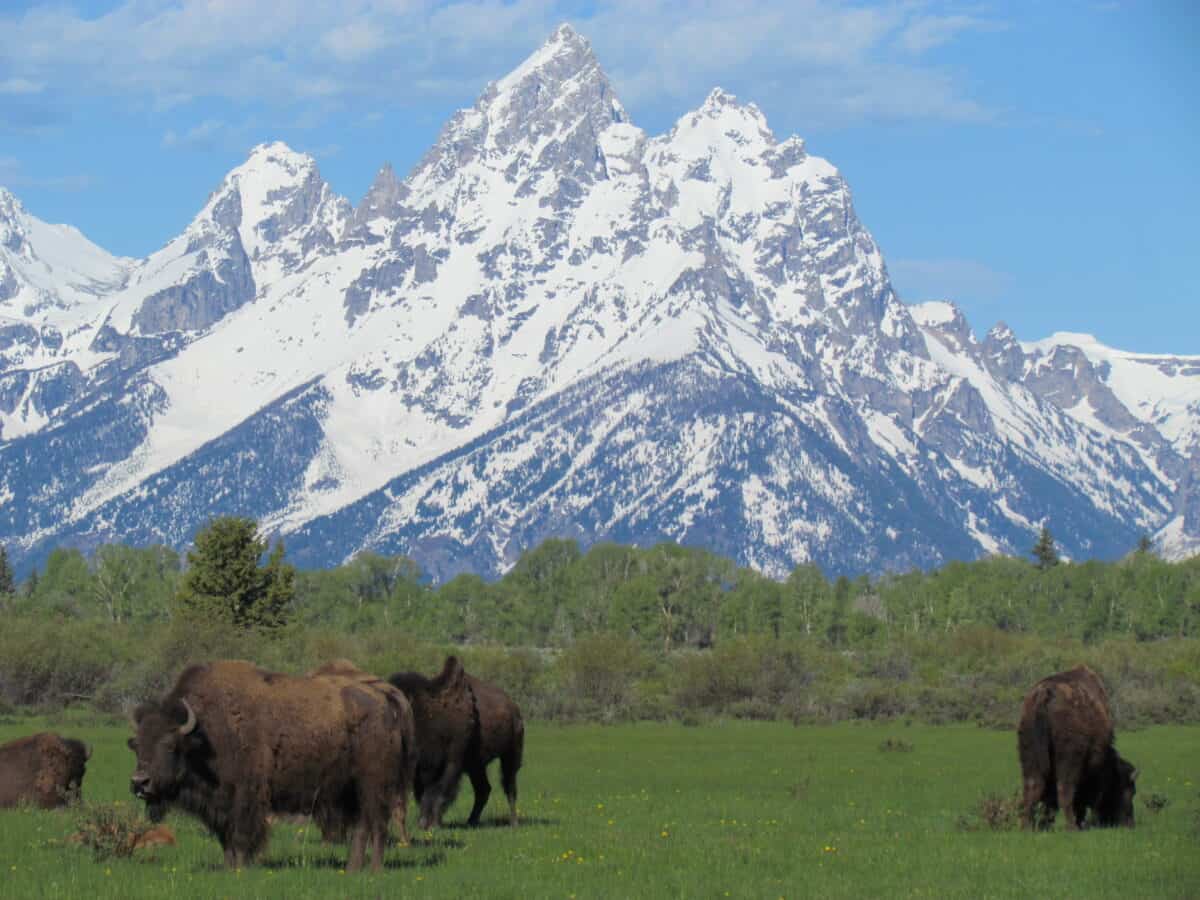
While adult bison have few natural predators due to their size and defensive capabilities, vulnerable calves and injured individuals remain at risk from wolves and bears. Roads provide a strategic advantage in predator detection and avoidance, particularly during summer when calves are still developing. The open sightlines along roadways allow bison to spot approaching predators from greater distances, providing crucial extra seconds to organize defensive formations or initiate escape.
Research tracking predator-prey interactions has shown that wolf success rates on bison drop significantly in open areas near roads compared to ambush scenarios in dense vegetation or complex terrain. Additionally, some predators, particularly wolves, show greater reluctance to approach roads with regular human traffic, creating what ecologists call a “landscape of fear” effect. During summer calving and early rearing periods, maternal herds often position themselves strategically near roads to leverage these predator avoidance advantages.
Human Activity Influences

The relationship between bison and roads is further complicated by human activity patterns that intensify during summer months. National parks and wildlife areas see peak visitation during summer, creating both positive and negative influences on bison behavior. Some bison populations have developed a level of habituation to vehicles and human presence, reducing their flight response and allowing them to take advantage of roadside resources despite nearby tourism activity. This habituation can make roadside bison appear more numerous simply because they remain visible rather than retreating when vehicles approach.
Conversely, increased human activity can also influence bison distribution through intentional and unintentional feeding, wildlife harassment, or management actions designed to keep bison away from high-traffic areas. Park rangers often report that despite management efforts, bison consistently return to roadside areas during summer, suggesting that the ecological advantages of these locations outweigh the disadvantages of human presence. This complex relationship continues to evolve as both bison behavior and human tourism patterns adapt to changing conditions.
Seasonal Range Expansion
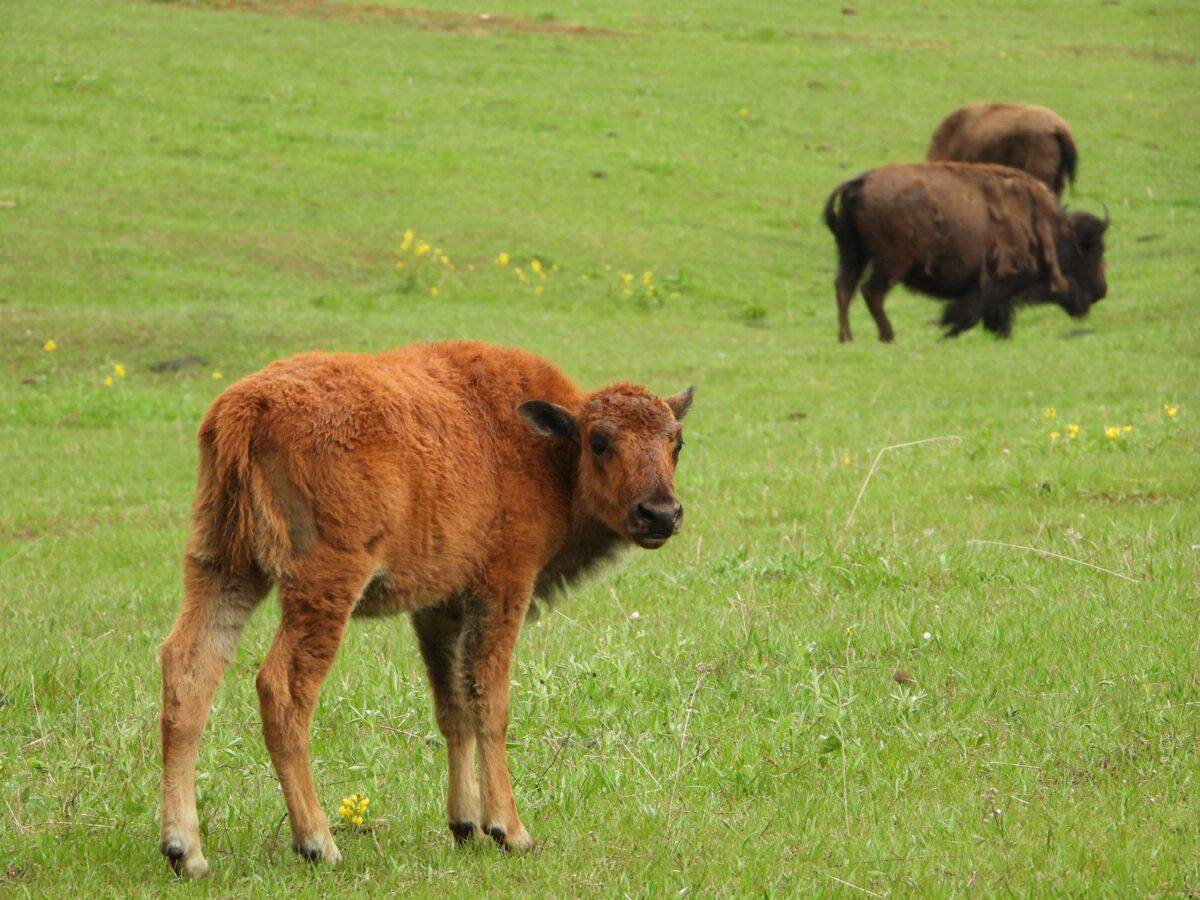
Summer brings a dramatic expansion in the total range utilized by bison herds. Unlike winter, when deep snow and limited food resources concentrate bison in smaller areas, summer allows these animals to disperse widely across their habitat. This expanded movement naturally increases the likelihood of road crossings and roadside activity. GPS collar studies from Yellowstone and Grand Teton National Parks have documented that individual bison may cover three to five times more territory during summer months compared to winter ranges.
This seasonal range expansion coincides with peak tourism season, creating a perfect scenario for increased bison-human encounters near roadways. As bison move between different feeding areas, seeking optimal vegetation at various elevations throughout the summer, they inevitably interact with the road networks that fragment their habitat. These movement patterns aren’t random but follow predictable ecological gradients as bison track the phenological waves of plant growth from lower to higher elevations throughout the summer season.
The Impact of Climate Change
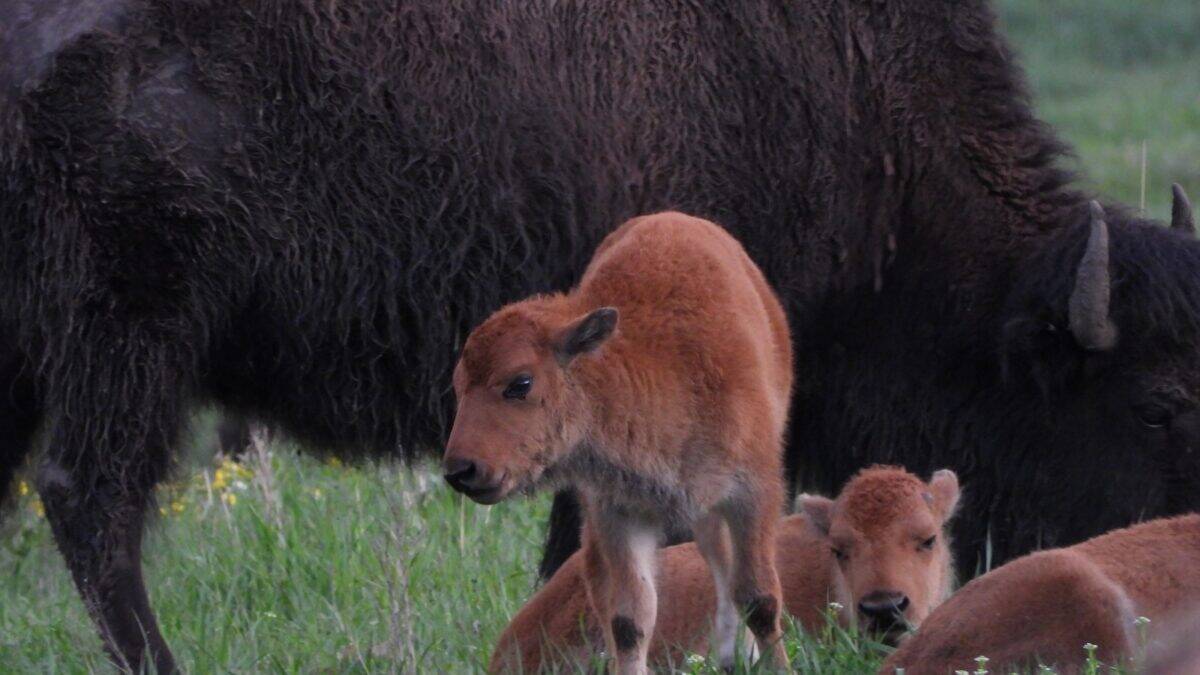
Climate change is increasingly influencing bison behavior near roadways during summer months. As warming temperatures alter vegetation patterns and water availability, bison must adapt their movement strategies to find adequate resources. In many regions, roadside areas with their altered hydrology and vegetation communities may provide refuge during increasingly hot and dry summer conditions. Research indicates that during drought years, bison spend significantly more time near roads and developed areas where water sources are more reliable.
Scientists studying bison populations across North America have documented shifts in seasonal road usage that correlate with changing climate patterns. These shifts include earlier spring appearance near high-elevation roads, increased mid-summer clustering near water sources adjacent to roads, and more frequent road crossings as animals adjust their movements to changing resource availability. As climate change continues to alter the ecosystems bison inhabit, their relationship with roads and human infrastructure will likely continue to evolve in ways that may further increase summer roadside sightings.
Safety Considerations and Conservation Implications
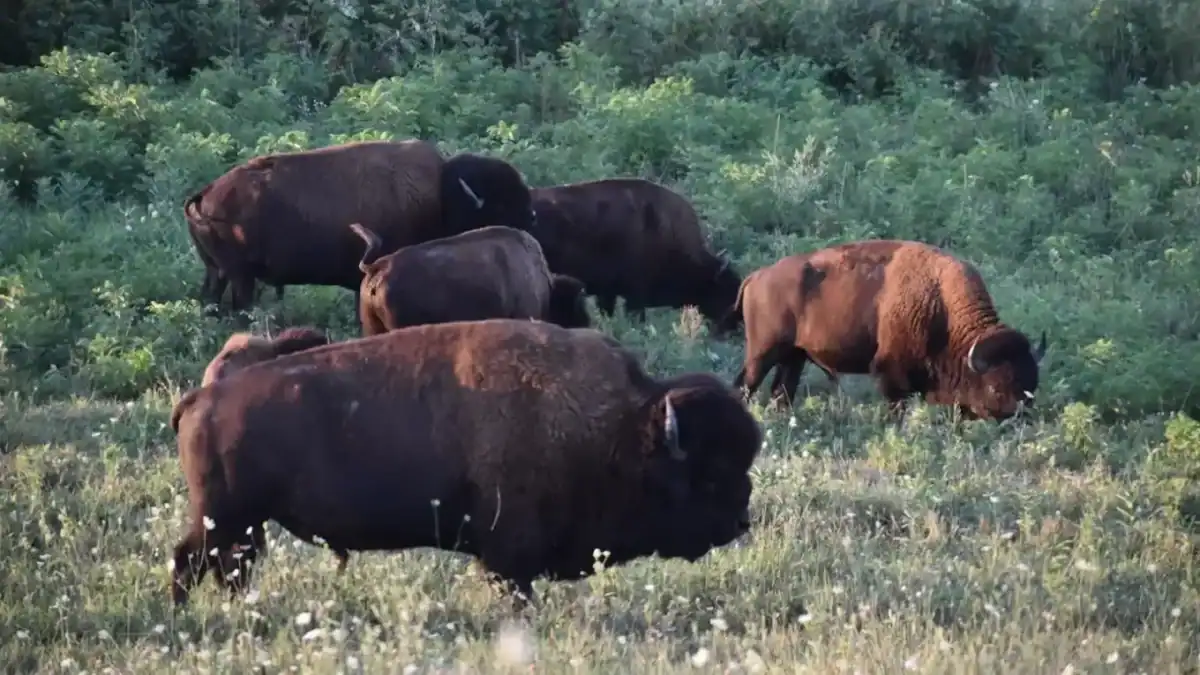
Understanding why bison frequent roadways during summer has important implications for both human safety and bison conservation. Despite their calm appearance, bison are wild animals capable of running at speeds up to 35 mph and displaying aggressive behavior when threatened. Each year, multiple visitors are injured in national parks after approaching bison too closely, often while attempting to photograph animals near roads. Management agencies recommend maintaining a distance of at least 25 yards (23 meters) from bison at all times, regardless of how docile they may appear.
From a conservation perspective, the attraction of bison to roads creates both challenges and opportunities. Vehicle collisions represent a significant mortality risk for bison, particularly during low-visibility conditions. However, the predictable nature of roadside bison activity allows for targeted conservation measures, including strategic wildlife crossing structures, seasonal speed reductions, and focused habitat enhancement away from high-risk road segments. By understanding the ecological factors driving bison to roads in summer, conservation planners can develop more effective strategies to protect both these iconic animals and the humans who travel through their habitat.
Conclusion: A Complex Ecological Relationship
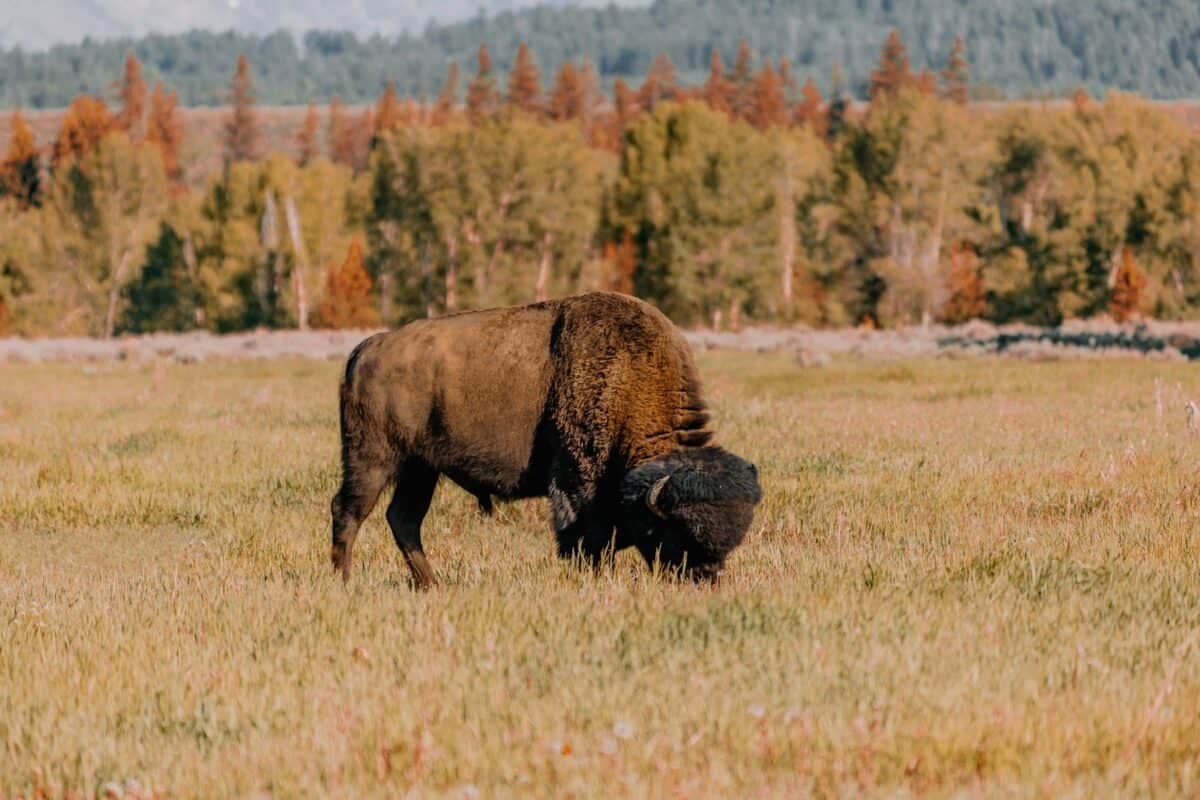
The increased presence of bison near roads during summer months represents a fascinating intersection of natural history, ecological adaptation, and human infrastructure. Far from random, this behavior reflects sophisticated decision-making by bison as they navigate the complex tradeoffs between resource access, energy conservation, predator avoidance, and thermal regulation. Understanding these patterns not only enhances our appreciation of bison ecology but also provides practical knowledge for wildlife management and visitor safety in areas where humans and bison coexist.
As climate change and habitat fragmentation continue to reshape the landscapes bison inhabit, monitoring their relationship with roads and other human infrastructure becomes increasingly important for conservation efforts. The next time you encounter a bison near a roadway during your summer travels, remember that you’re witnessing not just a random occurrence but the result of thousands of years of evolutionary adaptation intersecting with modern human development. This knowledge should inspire both appreciation for these magnificent animals and appropriate caution when sharing their space.

From exploring the marine wonders in the Azores and witnessing the vast savannas of Kenya, to delving deep into the rich biodiversity of South Africa and traversing iconic landscapes in Australia and the US like Yellowstone, Chris's experiences are vast.
With a penchant for diving alongside sharks, the ocean holds a special place in his heart.
Through his academic insights, he champions wildlife conservation, striving with 'Animals Around The Globe' to cultivate a profound connection between humans and animals, enhancing our mutual appreciation.
Connect with him at Feedback@animalsaroundtheglobe.com.