

Picture yourself watching a dolphin navigate murky waters with such precision that it can locate a buried fish instantly, or observing birds that somehow know exactly where they are on our planet despite being thousands of miles from home. The natural world continuously serves up behaviors so sophisticated they leave even the brightest scientific minds scratching their heads. These aren’t just impressive tricks – they represent levels of intelligence and sensory abilities that challenge our understanding of what animals are truly capable of achieving.
From octopuses that seem to defy everything we know about brain organization to ants that solve complex problems without any central leader, animal intelligence manifests in ways that often surpass human capabilities. So let’s get started exploring these remarkable mysteries that continue to baffle researchers worldwide.
Dolphin Echolocation Creates Mental Images Beyond Human Understanding
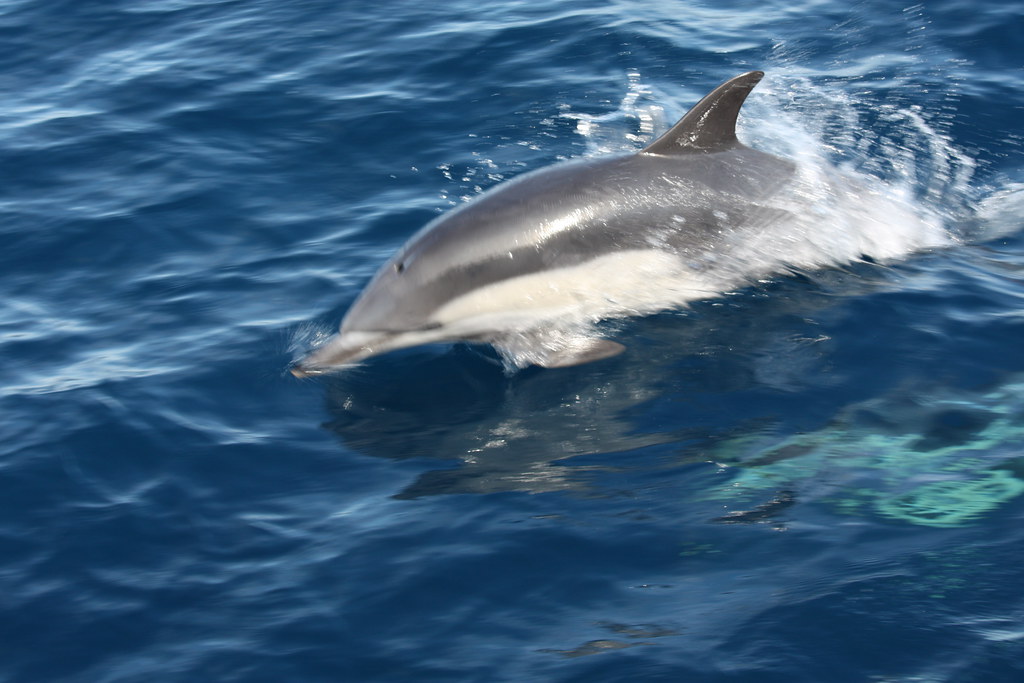
We know that the changes in the structure of the click echoes are what a dolphin uses to form this mental image, although it is still an unsolved mystery exactly how they manage to accomplish it. This echolocation ‘image’ is unlikely to be something that a human being could imagine simply because we lack this extraordinary sensory ability. The precision is staggering – Bottlenose dolphins are capable of distinguishing an object the size of a ping-pong ball from a football field away. This exploratory process is so efficient that they are capable of determining what an object consists of.
What truly baffles scientists is how dolphins process the massive amount of acoustic information they receive. The findings suggest that dolphin echolocation is more like “touching” with sound than “seeing” with sound. Recent groundbreaking research has revealed that dolphins showed much stronger connections than the sei whale was in descending pathways going down from the inferior colliculi to the cerebellum. This offers a tantalizing clue about how dolphins echolocate.
Octopus Intelligence Defies Brain Organization Logic
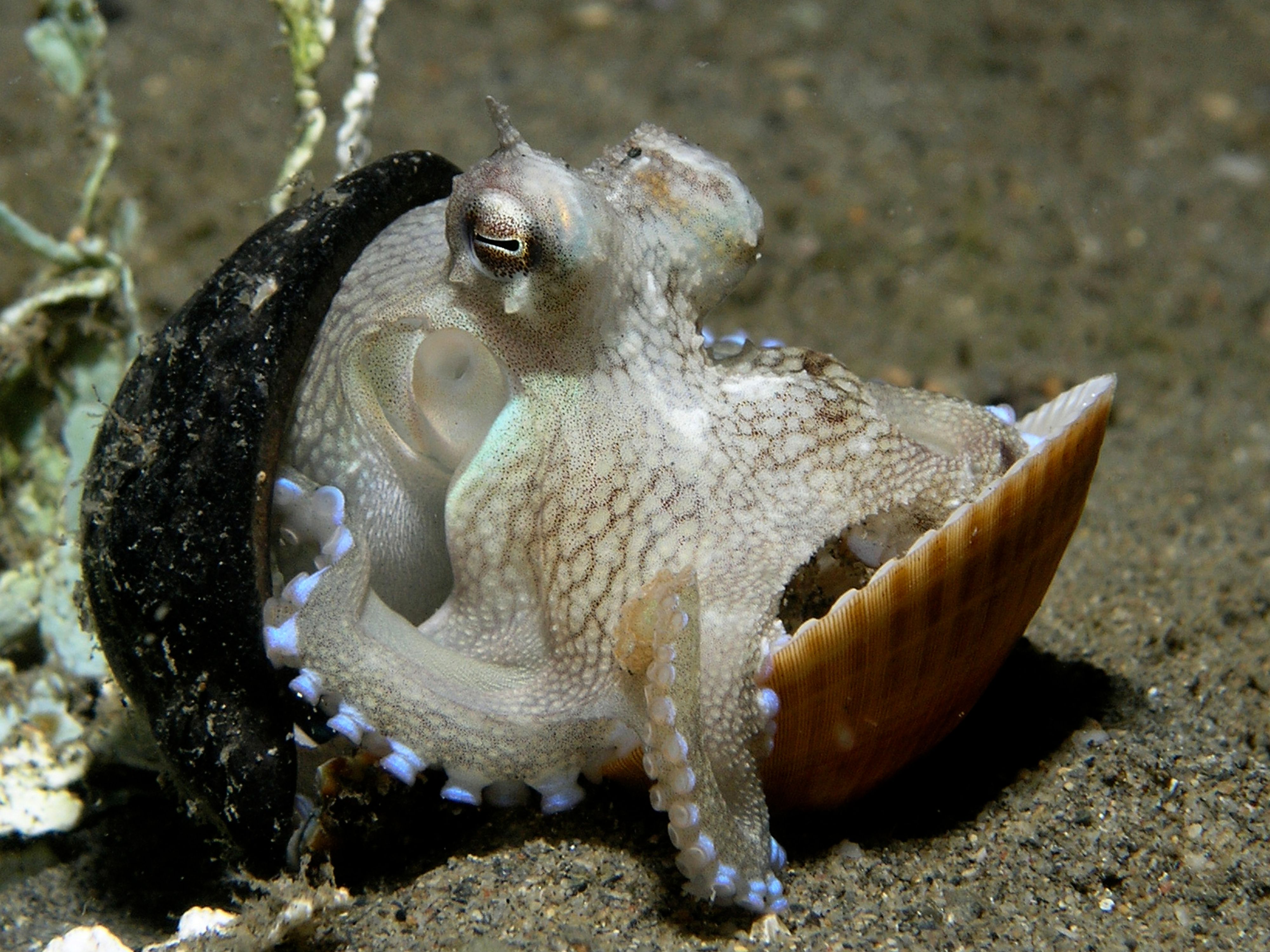
Octopuses are renowned for their intelligence, capable of solving complex puzzles and using tools. Despite their remarkable cognitive abilities, the source of their intelligence is not fully understood. With neurons distributed throughout their bodies, octopuses challenge traditional notions of brain organization. Their short lifespans and solitary nature make them unique subjects for studying intelligence.
Unlike vertebrates that centralize intelligence in their brains, octopuses have taken a completely different evolutionary path. Their distributed nervous system means each arm can taste, touch, and even react independently. This creates a form of intelligence so alien to our own that scientists struggle to even comprehend how it functions. The fact that these creatures can learn, problem-solve, and use tools with such an unconventional neural setup continues to challenge fundamental assumptions about how intelligence emerges.
Ant Colonies Achieve Superorganism Intelligence Without Leadership
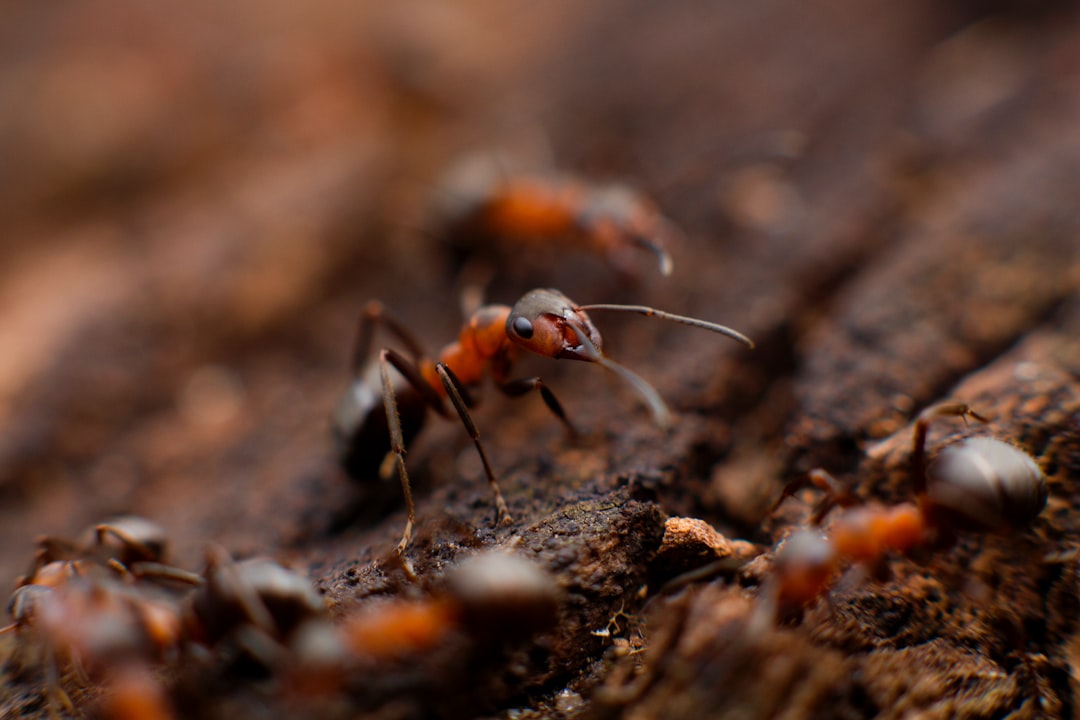
Ant colonies exhibit remarkable collective intelligence, coordinating complex tasks such as building, foraging, and defending their nests. Despite lacking centralized control, they achieve efficiency that rivals human-engineered systems. Scientists study the algorithms and communication methods ants use to understand this emergent behavior. The decentralized nature of their decision-making and problem-solving processes remains a topic of intrigue. Insights into ants’ collective intelligence could inform advancements in robotics and artificial intelligence, yet the full extent of their capabilities continues to elude researchers.
The mystery deepens when you consider that no single ant understands the colony’s overall plan. Each individual follows simple rules, yet together they create sophisticated infrastructure, optimize foraging routes, and adapt to changing conditions. This emergence of complex behavior from simple interactions represents a form of intelligence that operates at an entirely different level than individual cognition, leaving scientists wondering how such coordination is possible without any central command structure.
Bird Migration Navigation Defies Conventional Understanding

Our experimental evidence suggests something extraordinary: a bird’s compass relies on subtle, fundamentally quantum effects in short-lived molecular fragments, known as radical pairs, formed photochemically in its eyes. That is, the creatures appear to be able to “see” Earth’s magnetic field lines and use that information to chart a course between their breeding and wintering grounds. Recent research has revealed that migratory birds rely on inclination and declination to determine their location, even when these cues conflict with other magnetic field components. “What’s interesting is that these findings reveal that the birds don’t necessarily need all components of the Earth’s magnetic field to determine their position,” said Professor Richard Holland, who specializes in animal behavior and led the study. “They can rely solely on inclination and declination, which are also used in compass orientation, to extract their location.”
Now, our new study of Eurasian reed warblers has found that this remarkable ability involves a “magnetic map” that works like our human system of coordinates. Surprisingly, our study found that these birds understand the magnetic field of places thousands of miles into territory they’ve never before visited – suggesting some birds could possess a “global GPS system” that can tell them how to get home from anywhere on Earth. This implies a level of spatial understanding that seems almost supernatural in its precision and scope.
Raven Problem-Solving Rivals Primate Intelligence
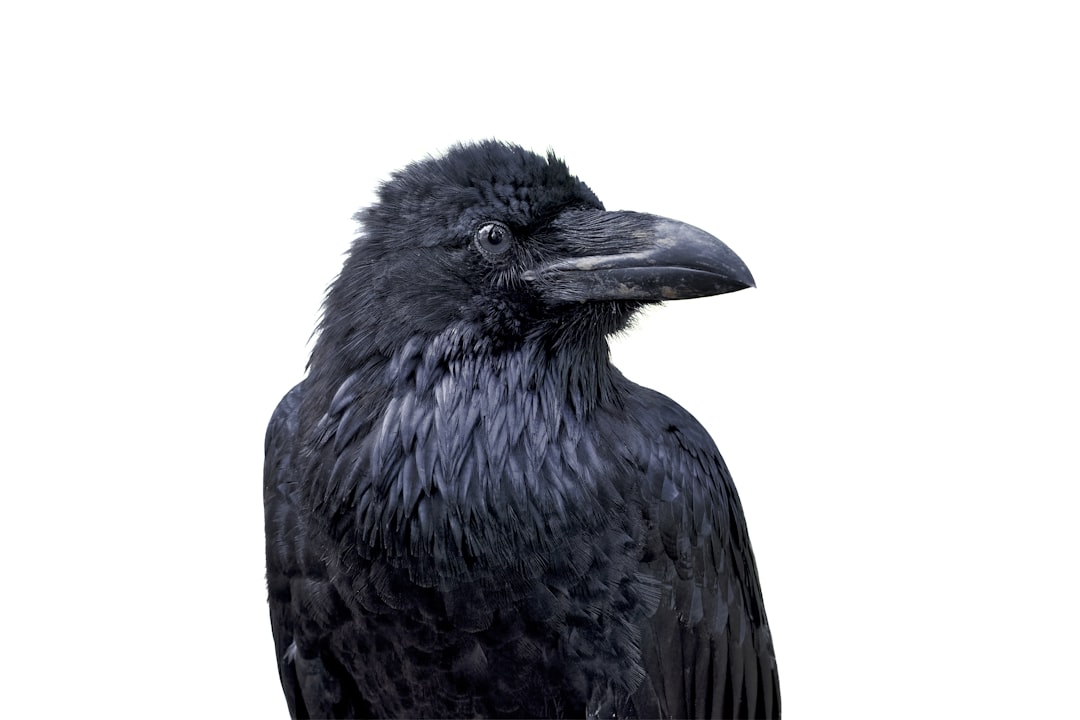
Ravens are incredibly intelligent birds, known for their problem-solving skills and tool use. Observations have shown that ravens can solve complex puzzles, outperforming even some primates in cognitive tests. What drives this intelligence in ravens remains an open question. Ravens have been observed using tools in the wild, and they display behaviors that suggest a high level of social intelligence.
What makes raven intelligence particularly puzzling is how it emerged in a brain structured so differently from mammalian brains. Ravens can plan for future events, engage in deceptive behavior, and even appear to hold grudges. They’ve been observed sliding down snowy hills seemingly for fun, suggesting a capacity for play that indicates sophisticated cognitive processing. Scientists remain baffled by how a brain the size of a walnut can produce behaviors that rival those of much larger-brained primates.
Cat Purring Contains Hidden Healing Properties

The soothing sound of a cat’s purr is familiar to many, but its potential healing properties remain a subject of intrigue. Cats purr at a frequency between 25 and 150 Hz, which is believed to stimulate healing processes in both cats and humans. This behavior has baffled scientists, as the exact mechanisms are not fully understood. Research suggests that purring may promote bone density, relieve pain, and reduce stress. It’s hypothesized that the vibrations have a therapeutic effect, but definitive proof is lacking, leaving room for speculation.
The mystery extends beyond just the healing effects. Cats purr for various reasons, such as contentment or stress, yet the exact purpose and mechanism behind this behavior remain unclear. Some theories suggest that purring has healing properties, aiding in bone growth and pain relief. Despite its soothing sound, the physiological process of purring is still a subject of scientific curiosity. Unlike vocal sounds, purring involves the rapid movement of laryngeal muscles. Understanding why cats purr in such diverse contexts continues to intrigue researchers and feline enthusiasts alike.
The Immortal Jellyfish Reverses Aging to Achieve Biological Immortality
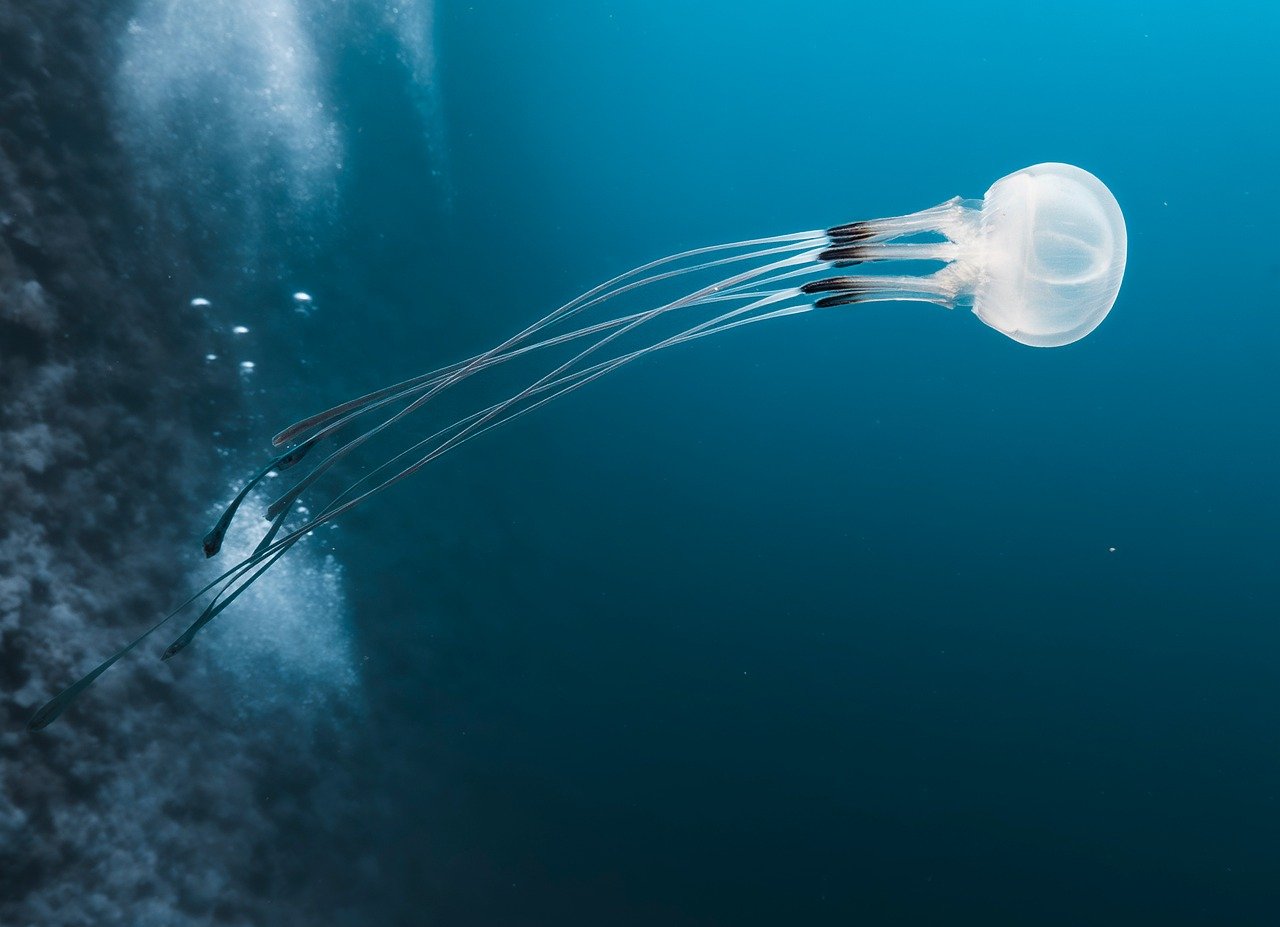
The Turritopsis dohrnii, known as the “immortal jellyfish,” can revert to its juvenile form after reaching maturity. This cycle of regression and regeneration allows it to essentially live indefinitely under the right conditions. While most animals have a defined life span, this jellyfish defies the natural order. Scientists are fascinated by this regenerative process, which resembles a biological fountain of youth. The mechanism behind this transformation remains largely a mystery, leaving researchers puzzled.
Think about it – this creature has essentially solved death. When faced with physical damage, starvation, old age, or disease, it simply hits the biological reset button and returns to its polyp stage. Scientists understand that it involves cellular reprogramming, but the exact triggers and mechanisms that allow this jellyfish to reverse the aging process remain one of biology’s most tantalizing mysteries. If we could decode this process, it might revolutionize our understanding of aging itself.
Cattle Magnetic Alignment Puzzles Agricultural Scientists

Cows possess an uncanny alignment with Earth’s magnetic field, a behavior that has baffled scientists. Observations reveal that cows tend to face north or south while grazing or resting, a mysterious preference that defies explanation. This behavior is seen worldwide, regardless of environmental factors. The mechanism behind this alignment is still unknown, with researchers exploring possible magnetic sensitivity similar to that seen in migratory birds. Understanding this behavior could offer insights into magnetic perception across different species. Despite technological advancements, the reasons for this alignment remain speculative, inviting further scientific inquiry. Cows’ compass alignment challenges our understanding of animal behavior and the subtle influences of Earth’s magnetic field. It serves as a reminder of the untapped mysteries that still exist in the natural world.
The phenomenon becomes even more intriguing when you realize that this isn’t just random behavior. Satellite imagery studies have confirmed this magnetic orientation occurs consistently across different continents and climates. What makes this discovery particularly fascinating is that it suggests cattle possess a magnetic sense we never knew existed, opening questions about what other domestic animals might have similar hidden abilities.
Whale Communication Spans Ocean Basins with Mysterious Precision
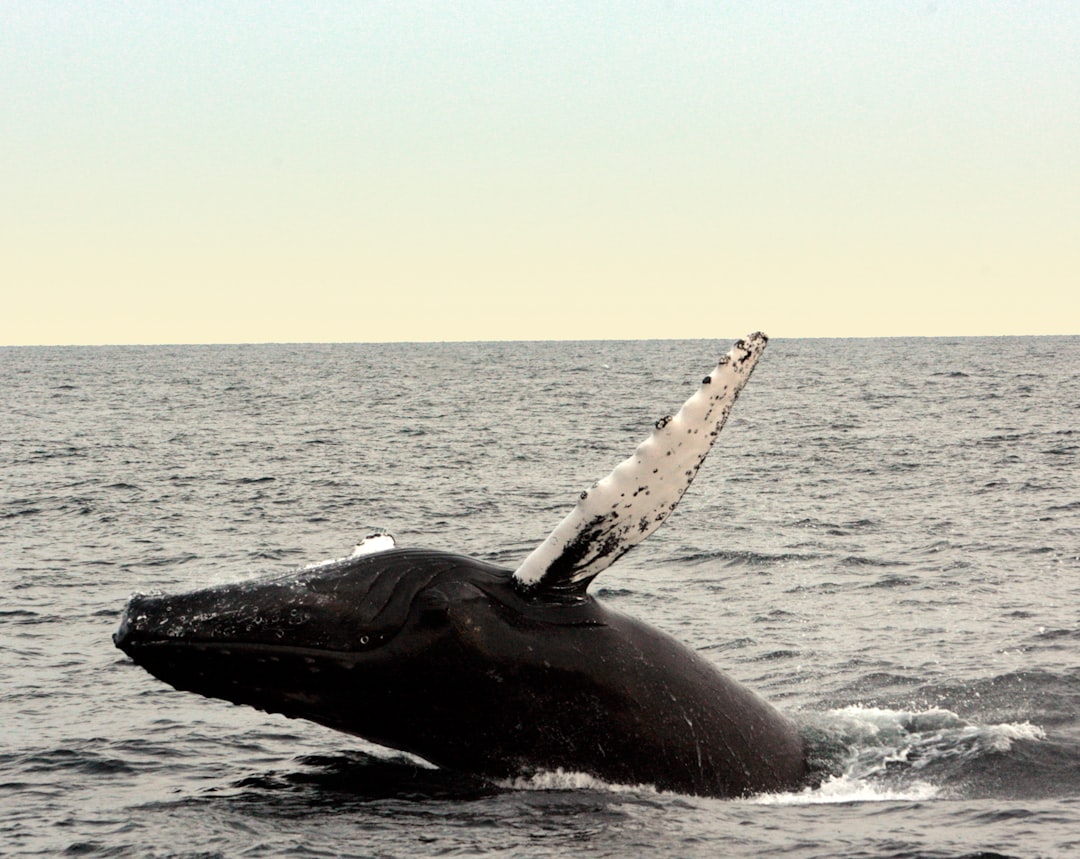
Large whales can communicate over huge distances (across entire ocean basins) using very low frequencies. Dolphins and porpoises however, usually use higher frequencies, which limits the distance their sounds can travel. Recent research has uncovered that Humpback whales have been observed blowing bubble rings during friendly interactions with humans, a fascinating behavior that researchers continue to study. This surprising display may be more than play; it could represent a sophisticated form of communication we’re only beginning to understand.
Researchers have found that their acoustic ‘language’ is incredibly complex, including signature whistle sounds for individual animals (aka names), and variances in stereotypical calls between social groups akin to having a different ‘dialect’. They have even categorised sequences of calls specific to family groups which get passed down culturally. This presumably allows individuals to recognise and greet relatives if/when they cross paths in far corners of the world. This complexity reflects a vast capacity for learning and communication, which again suggests intelligence levels we’re still struggling to fully comprehend.
Shark Sleep Patterns Defy Biological Necessity
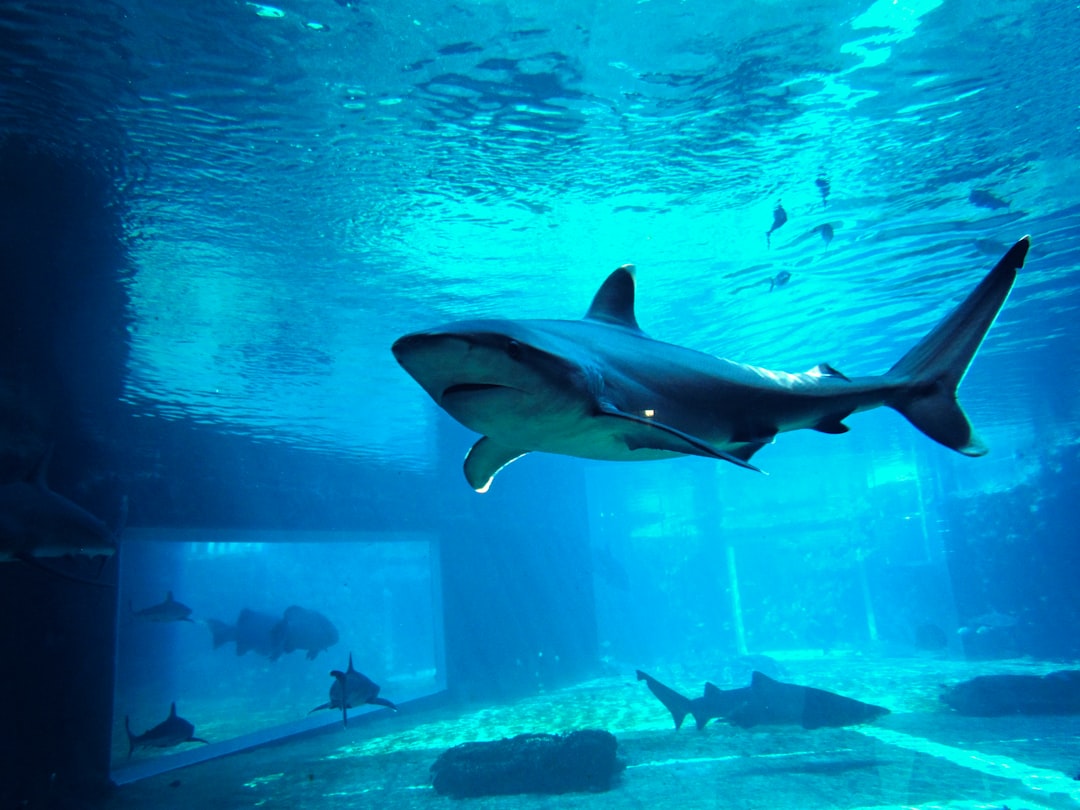
Sharks display unusual sleeping patterns, often continuing to swim while seemingly at rest. This behavior is necessary for some species to maintain water flow over their gills. However, the mechanisms that allow sharks to rest parts of their brain while remaining active are not fully understood.
What makes this behavior so puzzling is how sharks manage to shut down brain functions while maintaining the complex motor coordination needed for swimming. Unlike dolphins, which alternate brain hemisphere rest, sharks seem to have developed an entirely different solution to the sleep-swimming paradox. Scientists are still trying to understand how these ancient predators balance the physiological need for rest with the mechanical requirement of constant movement. This unique adaptation represents millions of years of evolutionary problem-solving that we’re only beginning to decode.
Conclusion

These ten behavioral mysteries remind us that despite centuries of scientific advancement, the natural world still holds secrets that challenge our understanding of intelligence, consciousness, and biological possibility. From quantum navigation systems in bird eyes to the distributed intelligence of octopuses, animals continue to demonstrate capabilities that seem almost magical in their sophistication.
Perhaps most humbling is the realization that these behaviors evolved through natural selection, suggesting that the solutions to complex problems often emerge through processes we don’t fully comprehend. Each mystery solved seems to reveal ten more questions, keeping scientists busy for generations to come.
What fascinates you most about these incredible animal abilities? Did any of these behaviors completely surprise you?
