
Ever wonder what keeps our planet from being overrun by waste and decay? Nature has assembled the most efficient cleaning crew on Earth, working around the clock to maintain the delicate balance of life. These remarkable animals transform death into life, turning putrid remains into vital nutrients that fuel entire ecosystems.
Think of them as nature’s recycling specialists, each equipped with unique skills to tackle different types of organic waste. Without their relentless efforts, our world would be buried under mountains of decomposing matter, breeding disease and chaos. These creatures rarely receive the spotlight, yet they’re arguably the most essential workers in every ecosystem on the planet.
Vultures: The Ultimate Sky Janitors
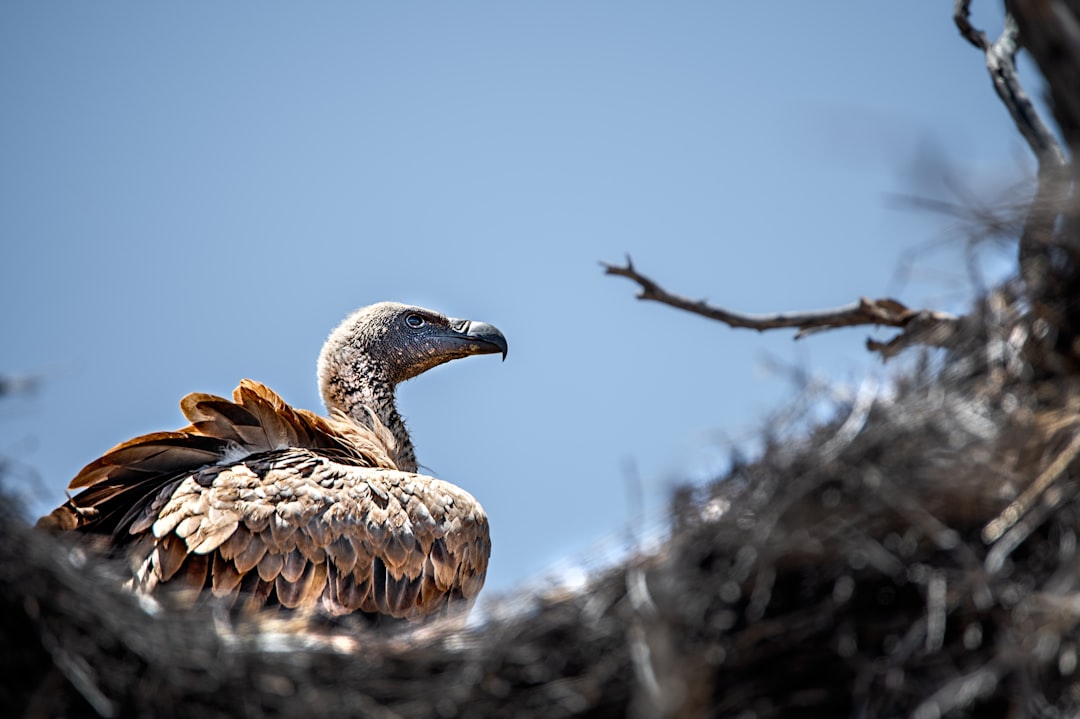
Vultures are the most notable and specialised scavenging birds that help clean dead and decaying animals from the environment. Vultures are full-time true scavengers that survive on carrion. They soar up in the sky with a wing span of about six feet and can easily locate a carcass from a great height because they have very sharp eyesight. These magnificent birds can turn a rotting body into bones in a matter of few minutes.
Vultures, which exclusively eat dead animal carcasses, are particularly effective at removing pathogens and toxins in the environment because they rapidly consume carrion before it decays, and they are usually bald, which also protects them from sticking germs on their neck. Moreover, they have highly acidic stomach and the bacteria they eat with the rotten meat are killed in the stomach. When vulture populations decline, the consequences can be catastrophic for human health and ecosystem balance.
Dung Beetles: The Master Recyclers
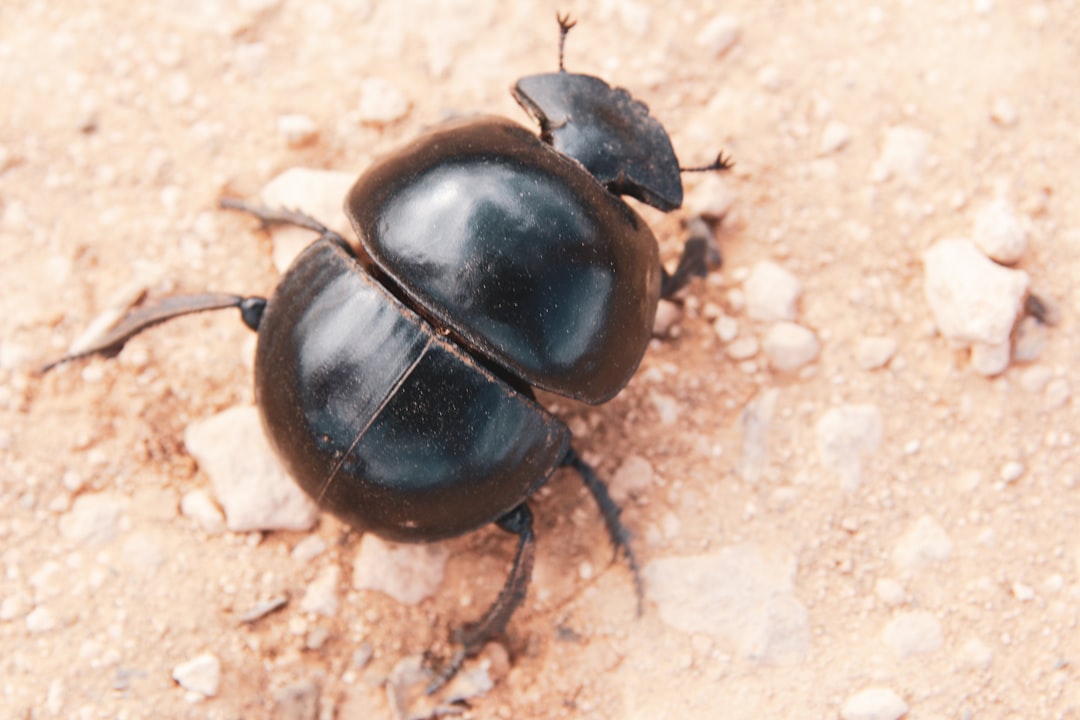
Dung beetles are detritivores that specialize in consuming animal feces. They play a crucial role in nutrient cycling by breaking down and recycling nutrients from dung piles. Dung beetles are known for their impressive ability to roll dung into balls and bury it underground for feeding and reproduction. These industrious insects perform a service that might sound disgusting but is absolutely critical.
They are considered valuable in agriculture and livestock management, as they help control fly populations and improve soil fertility. Dung beetles can reduce the spread of parasites of humans, livestock, and wildlife. By eating the dung, dung beetles kill many parasites that are normally spread by dung, such as internal worms. Furthermore, by reducing the amount of dung, dung beetles reduce the reproduction of many problematic fly species that lay their eggs or larvae in dung.
Earthworms: The Soil Transformers
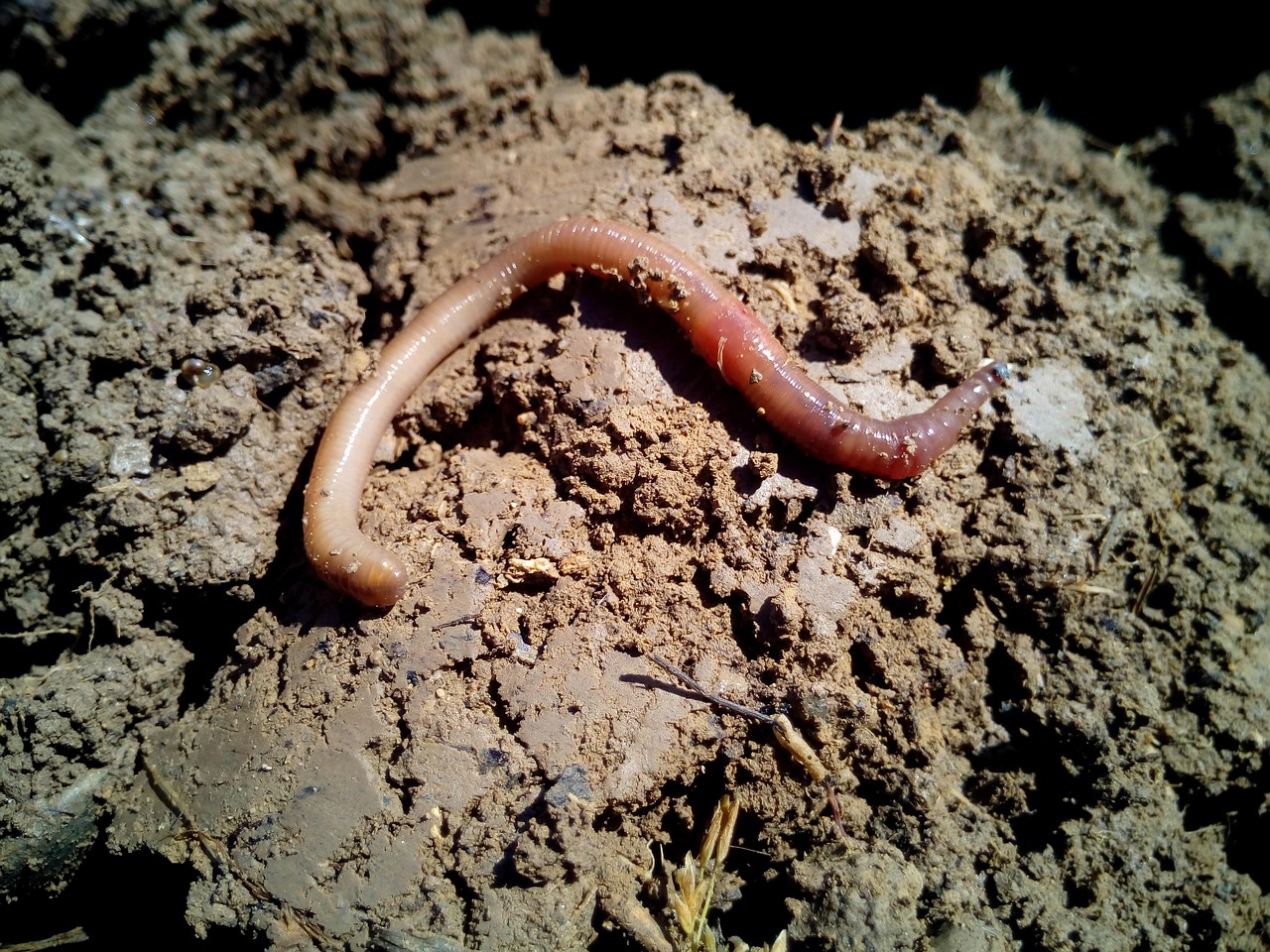
The vast diet of earthworms allows them to break down plant matter and bacteria. Ringed worms and segmented worms are members of the Phylum Annelida. Earthworms are the best example of decomposers because they live inside the soil and are easy to find, especially after it rains. These humble creatures are the unsung heroes beneath our feet.
These wriggly creatures might not be the first that comes to mind, but they are vital decomposers. By consuming dead plant material, they aerate and enrich the soil. The earthworm is the most common example of an animal decomposer. They feed on dead animals and plants as well as fecal waste, and in their intestine, litter reacts with enzymes resulting breakdown of litter. The end product is expelled into the soil, and its mix with soil helps in soil fertility. Many farms and farmers use worms for the decomposition of various organic matter to produce compost, which improves soil fertility.
Hyenas: The Bone Crushers
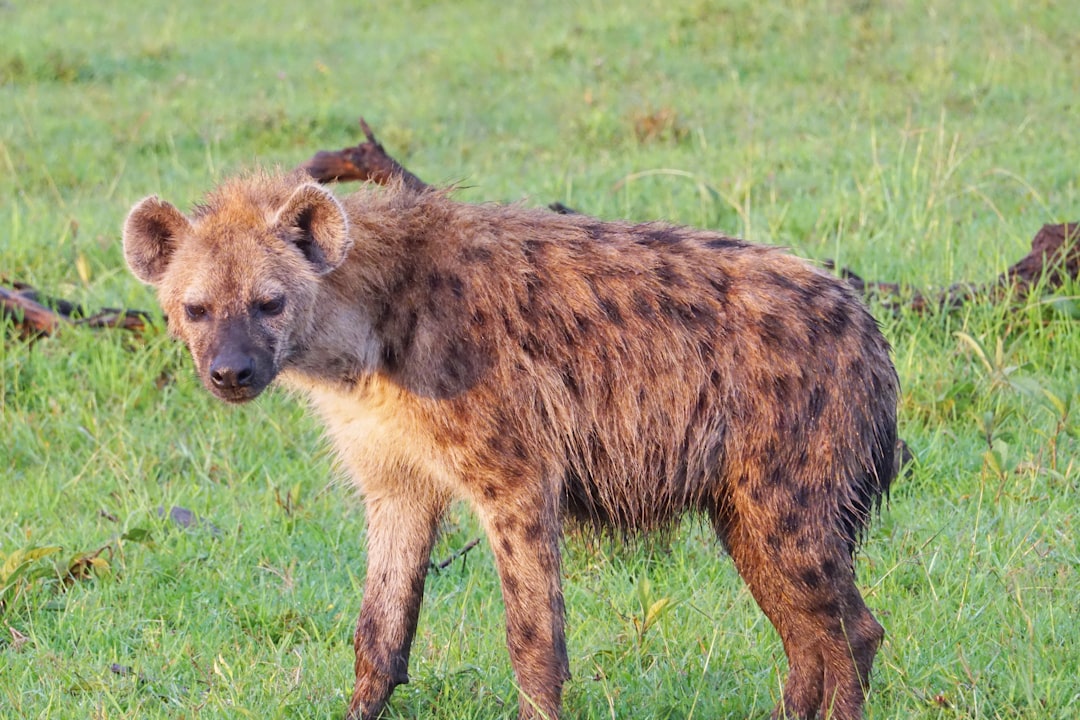
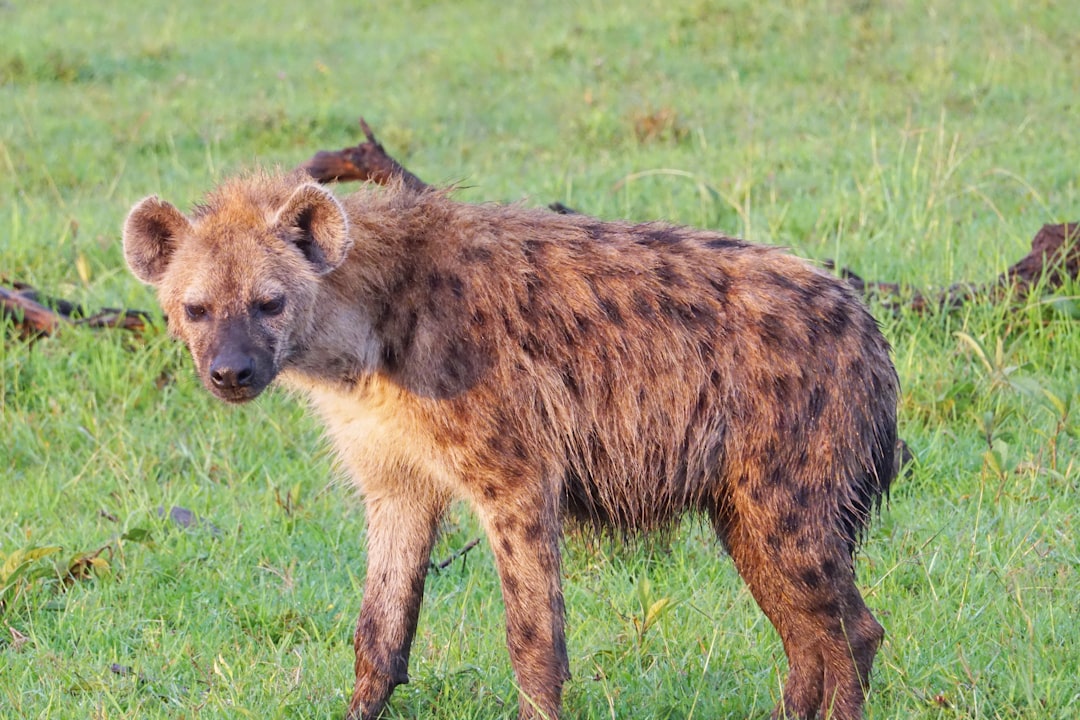
Hyena is the most noticeable scavenger among mammals. When in a group, they would consume large dead animals very quickly, so much so that they consume their bones with the help of their stout teeth and their powerful stomach easily breaks down bones and digests them. These powerful predators possess incredibly strong jaws capable of crushing through thick bones that other scavengers cannot handle.
With the help of their strong sense of smell, hyenas are able to detect carrion from as far as four kilometres. They are so powerful that a pack of hyena would snatch the carrion from other carnivores such as lions. Despite their fearsome reputation, hyenas serve as essential waste management specialists in African ecosystems, ensuring that nothing edible goes to waste.
Sea Cucumbers: The Ocean Floor Cleaners
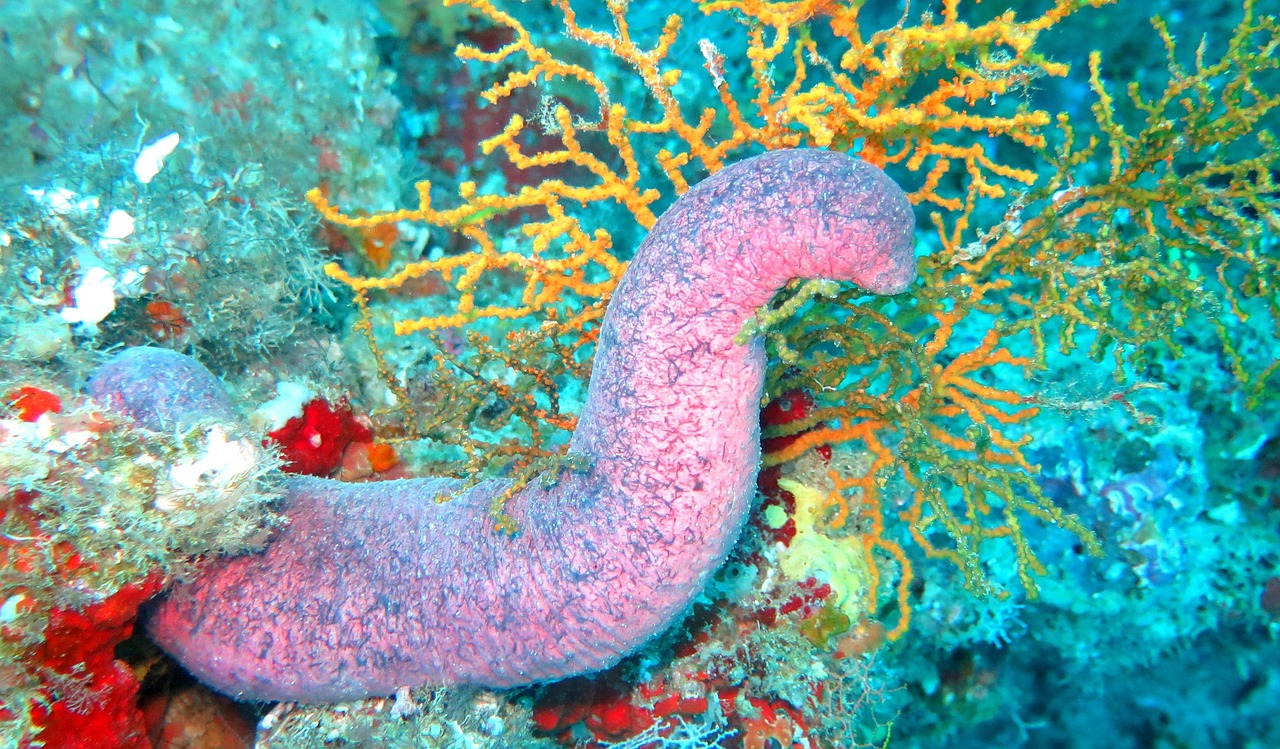
Sea cucumbers are detritivores that inhabit ocean habitats worldwide. They have a cylindrical body and often move by extending and retracting long tube feet. Sea cucumbers – they consume detritus and organic sediment that resides on the sea bottom. These fascinating marine creatures serve as the ocean’s vacuum cleaners.
Cushion stars are detritivores found in marine environments. They have a flattened body and numerous tube feet, which they use to crawl on the seafloor and feed on small particles of organic matter. Cushion stars play a role in nutrient cycling and help maintain the health of marine ecosystems. Together, these bottom-dwellers ensure that organic matter doesn’t accumulate on the seafloor, preventing oxygen depletion in marine environments.
Millipedes: The Forest Floor Specialists
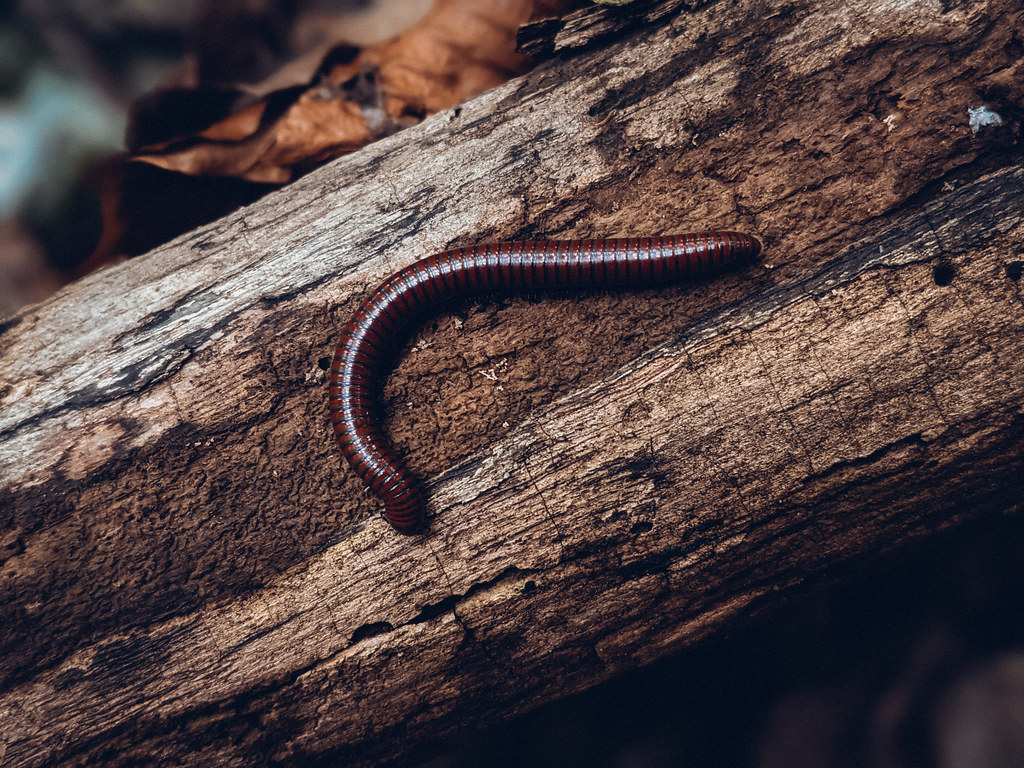
Millipedes are detritivores with long, segmented bodies and multiple pairs of legs. They feed on decaying plant material and help break down dead leaves, contributing to the decomposition process in forest ecosystems. Millipedes are most active at night and can be found in various habitats around the world. These gentle giants of the invertebrate world are perfectly designed for their cleanup duties.
Typical detritivorous animals include millipedes, springtails, woodlice, dung flies, slugs, many terrestrial worms, sea stars, sea cucumbers, fiddler crabs, and some sedentary marine Polychaetes such as worms of the family Terebellidae. Their numerous legs allow them to navigate through leaf litter with remarkable efficiency, breaking down organic matter that would otherwise accumulate in forests.
Crabs: The Marine Scavengers
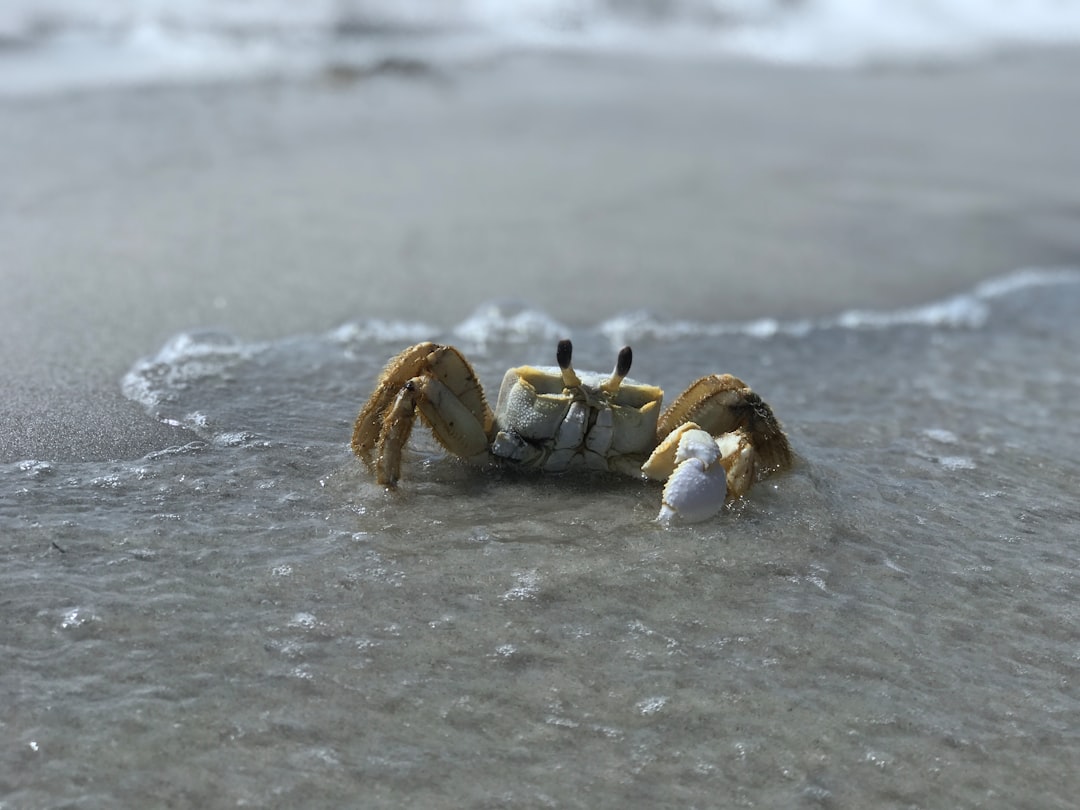
Crabs – are Paid cleaners removing remains of the fish and algae. Lobsters – renowned for eating carrion. These armored crustaceans patrol both coastal areas and deep ocean floors, clearing away dead marine life with their powerful claws. Their scavenging activities are crucial for maintaining healthy marine ecosystems.
Sea creatures, including crabs, lobsters, eels and white sharks, also go scavenging. Some opportunistic feeders, like crabs, can act as either scavengers or detritivores, depending on the type of food available in their environment. This adaptability makes them exceptionally efficient cleaners, capable of handling various types of organic waste in marine environments.
Termites: The Wood Recycling Experts
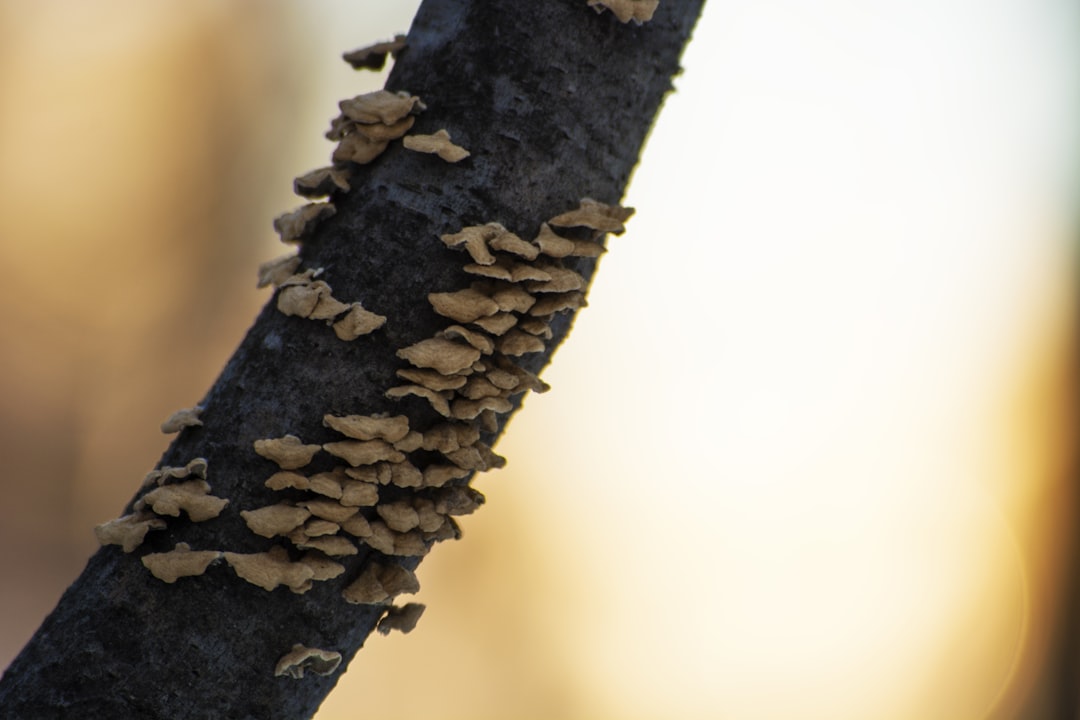
Termites are very specialized detritivores, as they only consume rotting wood. Termites are one of the most commonly known detritivores. However, they actually have a symbiotic relationship with fungi, which helps them break down the tough cellulose found in wood. Without the fungi, the termites wouldn’t be able to efficiently breakdown wood like they do.
Termites, for example, consume wood to get cellulose, the main component of plants’ cell walls. Termites are unable to digest the cellulose and access the nutrients without help, however. Specialized bacteria, fungi, and protozoa live inside the digestive tracts of these insects, where they break down the cellulose. The termites are then able to absorb the nutrients. This remarkable partnership allows them to transform dead trees into soil nutrients, preventing forests from becoming clogged with fallen timber.
Carrion Beetles: The Professional Undertakers
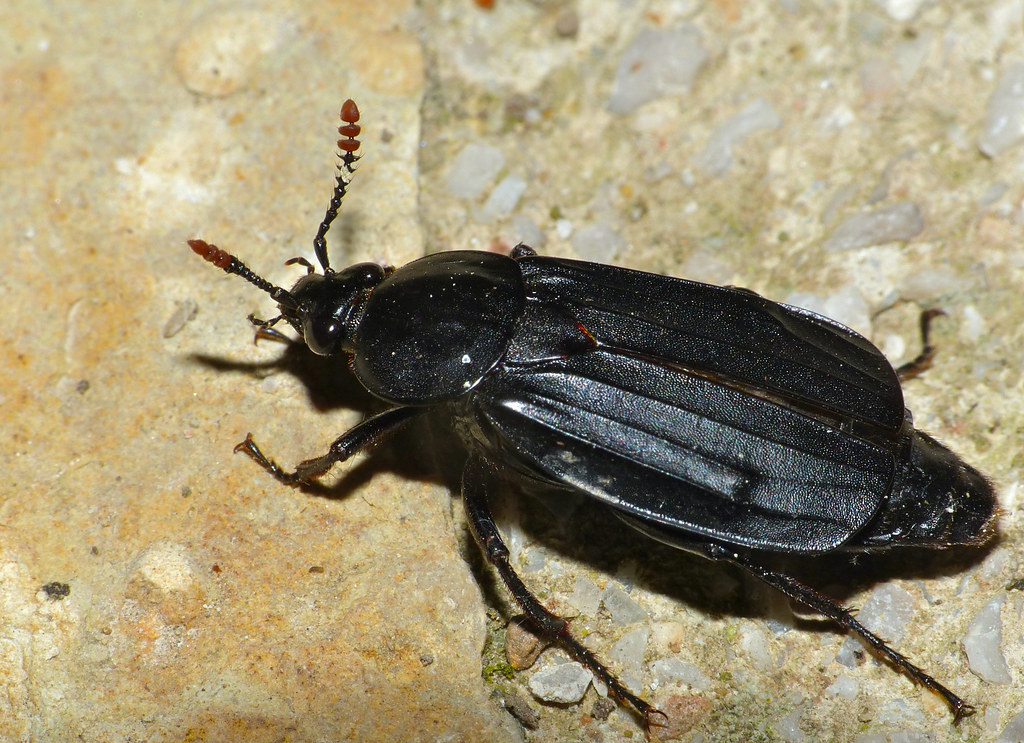
Beetles arrive and begin scavenging on the flesh, followed by vultures, opossums, crows, raccoons and other carrion eaters. As the name suggests, carrion beetles eat animal carcasses. However, these beetles are also known for locating and burying dead animals, preventing the spread of diseases. These insects possess an extraordinary ability to detect death from impressive distances.
Depending on the species, beetles have different roles in the carrion food web. Many beetles feed on the remains, some are predators that feed on fly eggs and larvae that have colonized the carcass, and others feed on both. Beetles that feed on the remains are referred to as decomposers, while species that feed across multiple trophic levels (i.e., on the remains and on the other invertebrates) are called omnivores. Some species even bury entire small carcasses, creating underground nurseries for their young while simultaneously fertilizing the soil.
Slugs: The Gentle Giants of Decomposition
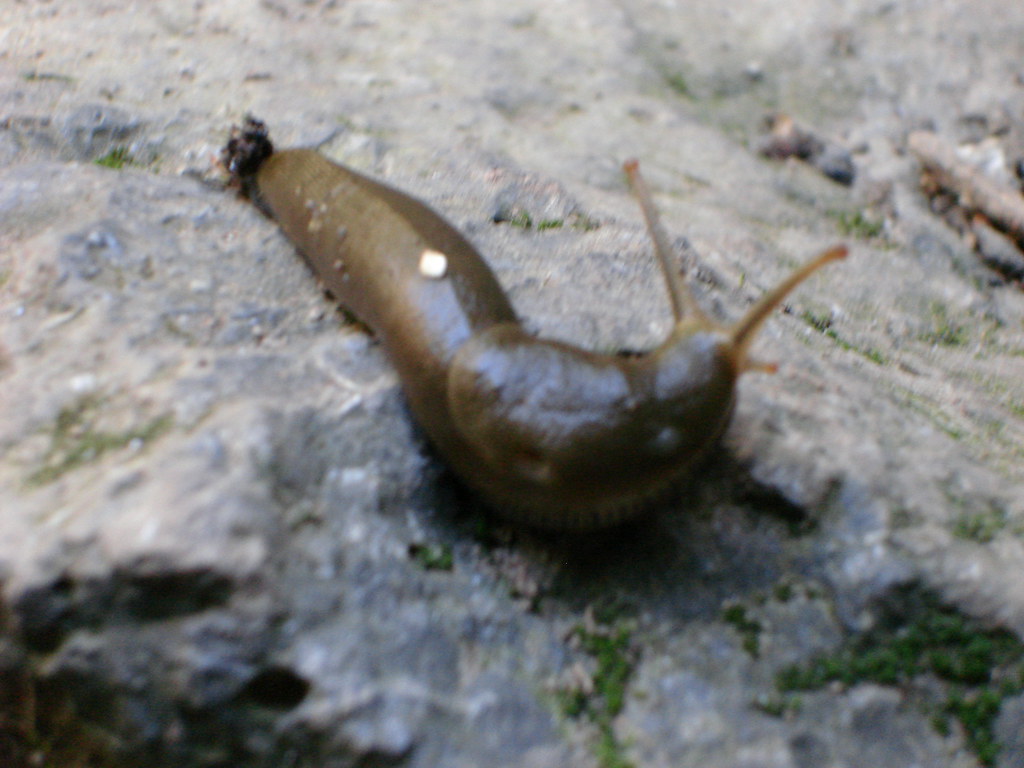
Slugs are known for being slimy and slow. The word “sluggish” means to be lazy and slow like a slug. But slugs, particularly banana slugs, are important animal decomposers in the ecosystem. These gastropods, which resemble shell-less snails, prefer damp or moist soil to maintain a layer of mucus on their bodies and feed on dead plant matter, moss, mushroom spores, and animal droppings.
Banana slugs are the largest slugs in North America and are named for their yellow color, although they can also be green, brown, or white, with some sporting brown spots, making them look like ripe bananas. Despite their unassuming appearance, these mollusks play a vital role in forest ecosystems by processing organic debris that other decomposers might struggle with, particularly in moist woodland environments where their unique physiology gives them an advantage.
Conclusion
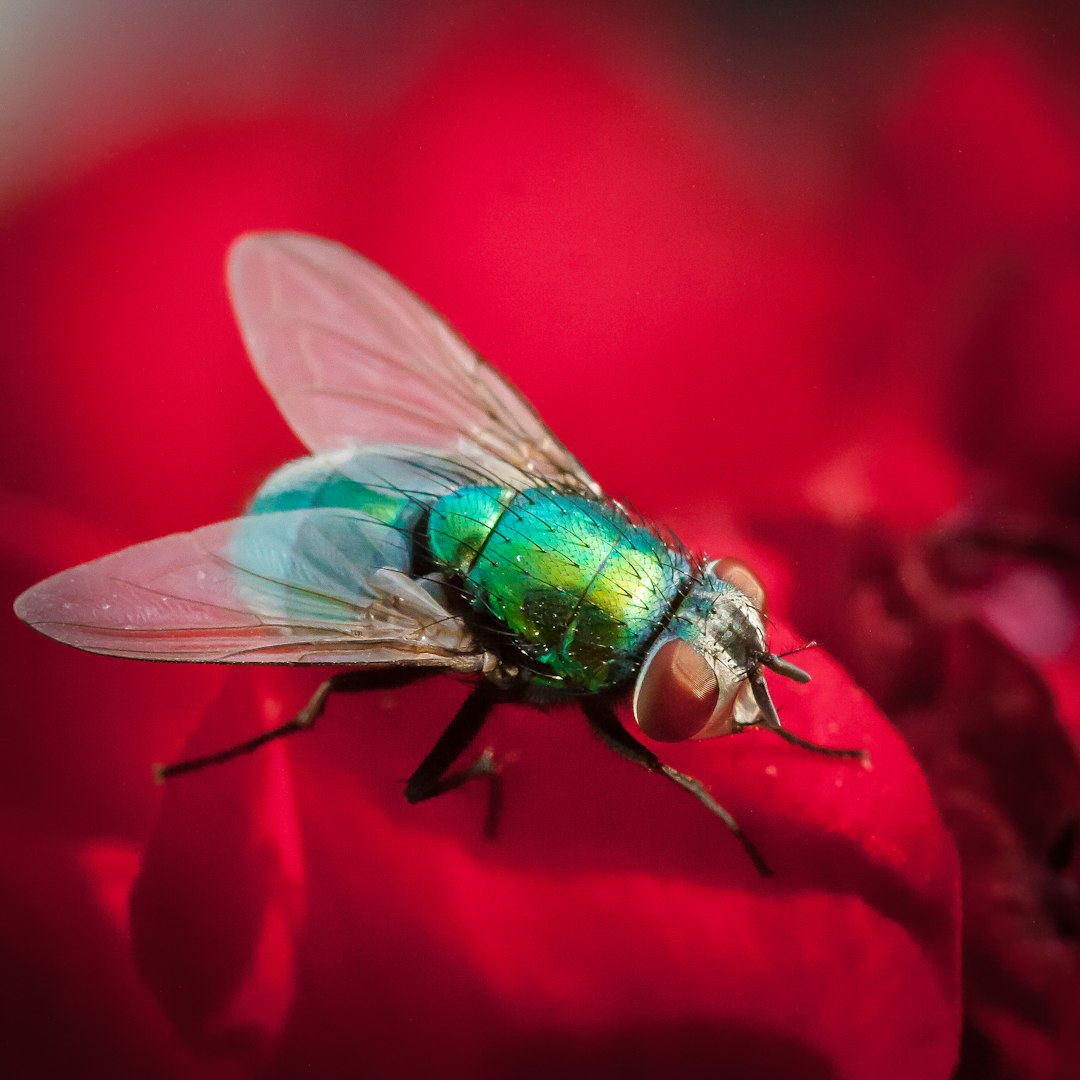
Without decomposers, our world would be covered in slowly decaying bodies and vegetation. While the idea of maggots may seem disgusting, they perform an essential duty. Without a diverse and healthy clean-up crew, plants and all of the animals that feed on them could not survive. These remarkable creatures remind us that beauty often lies in function rather than appearance.
All scavengers that perform the clean up duty should be appreciated as they make our world a cleaner place, because they are serving as ecosystem guardians. The next time you encounter one of these at work, take a moment to appreciate their vital contribution to keeping our planet healthy and balanced. What would our world look like without these tireless environmental heroes? Tell us what you think in the comments.
