
Picture a creature that blends into the ocean floor in seconds, or one that turns snowy white just as winter hits. Nature packs full of surprises when it comes to color-shifting animals. These adaptations help with everything from hiding from predators to snagging a meal.
While chameleons grab the spotlight, plenty of other species pull off equally stunning tricks. Some switch hues in a flash, others take their time with the seasons. Let’s meet ten that might catch you off guard.
Cuttlefish: Millisecond Masters of Disguise
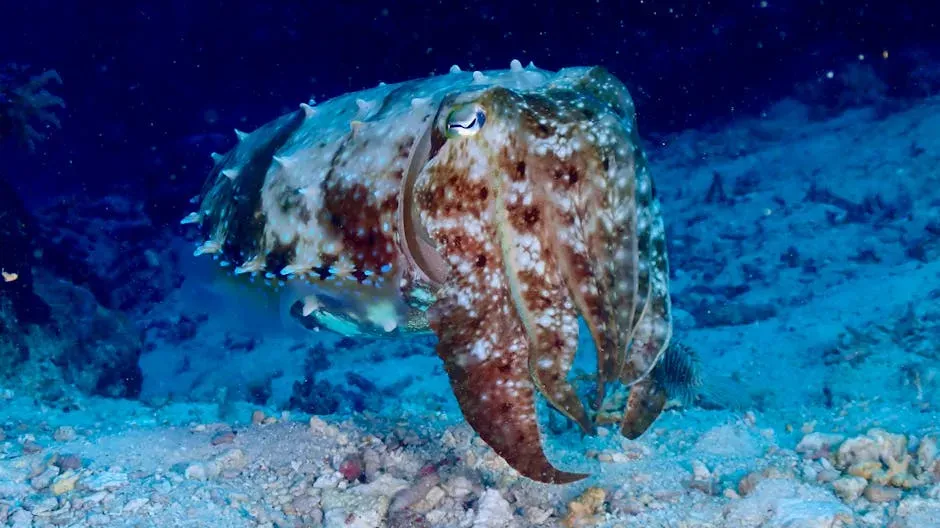
Cuttlefish shift colors, patterns, and even textures in mere milliseconds. They rely on special cells called chromatophores that expand or contract under brain control. This lets them vanish against coral or sand almost instantly.[1][2]
The changes serve camouflage first, dodging predators like dolphins. They also use flashes of color for hunting or chatting with others. No wonder researchers call their skin like a living high-definition screen.
Peacock Flounder: The Flatfish That Fools the Seabed
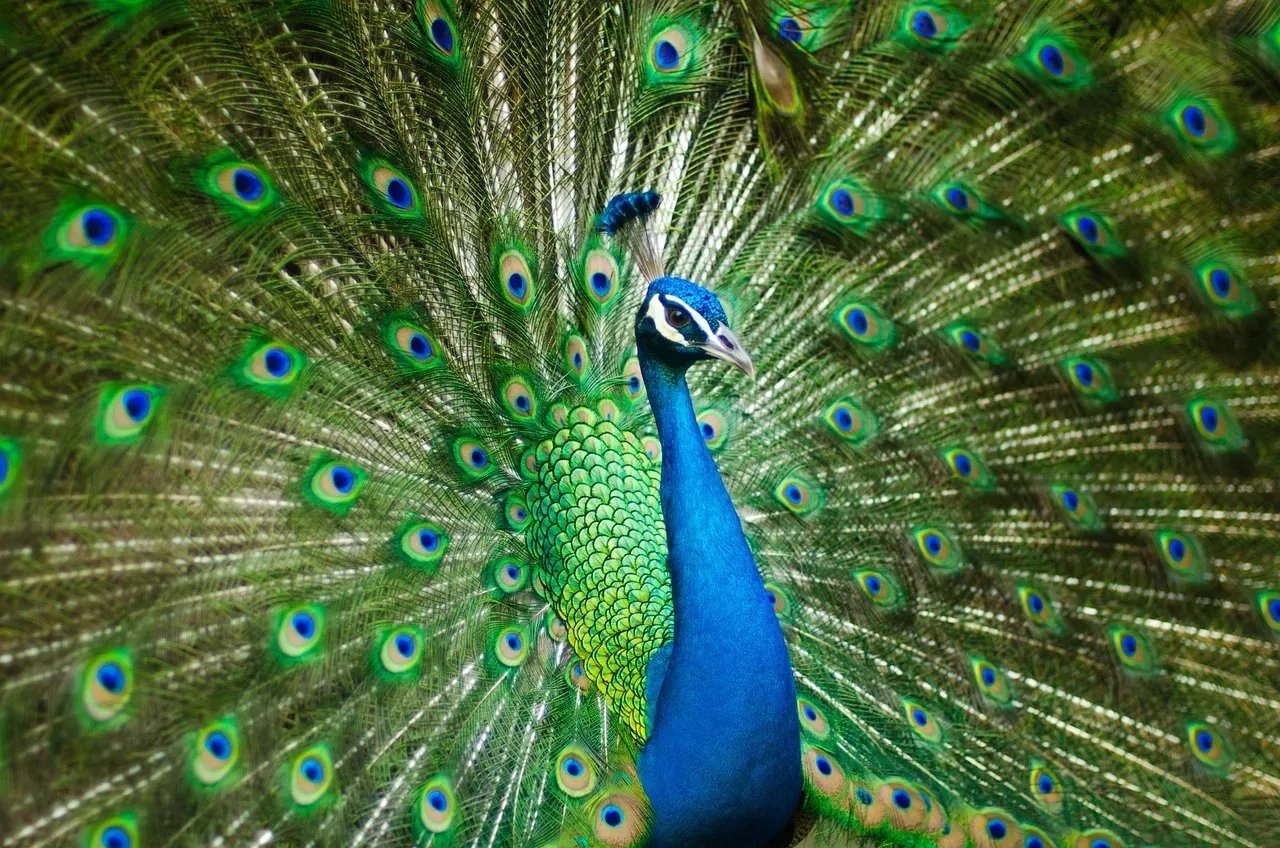
Peacock flounders tweak their hues from sandy neutrals to bold blue spots in seconds. Their eyes scan the surroundings, triggering hormones that shuffle pigments across the skin. This quick match-up turns them into seafloor ghosts.[1][3]
Hunters themselves, they lie in wait for smaller fish to pass by. The disguise isn’t always perfect, but it buys them precious time. Living deep in the ocean demands such clever survival moves.
These flatfish show how eyes and hormones team up for rapid redesigns. Their talent rivals any lizard you might think of first.
Golden Tortoise Beetle: From Gold to Scarlet in a Flash
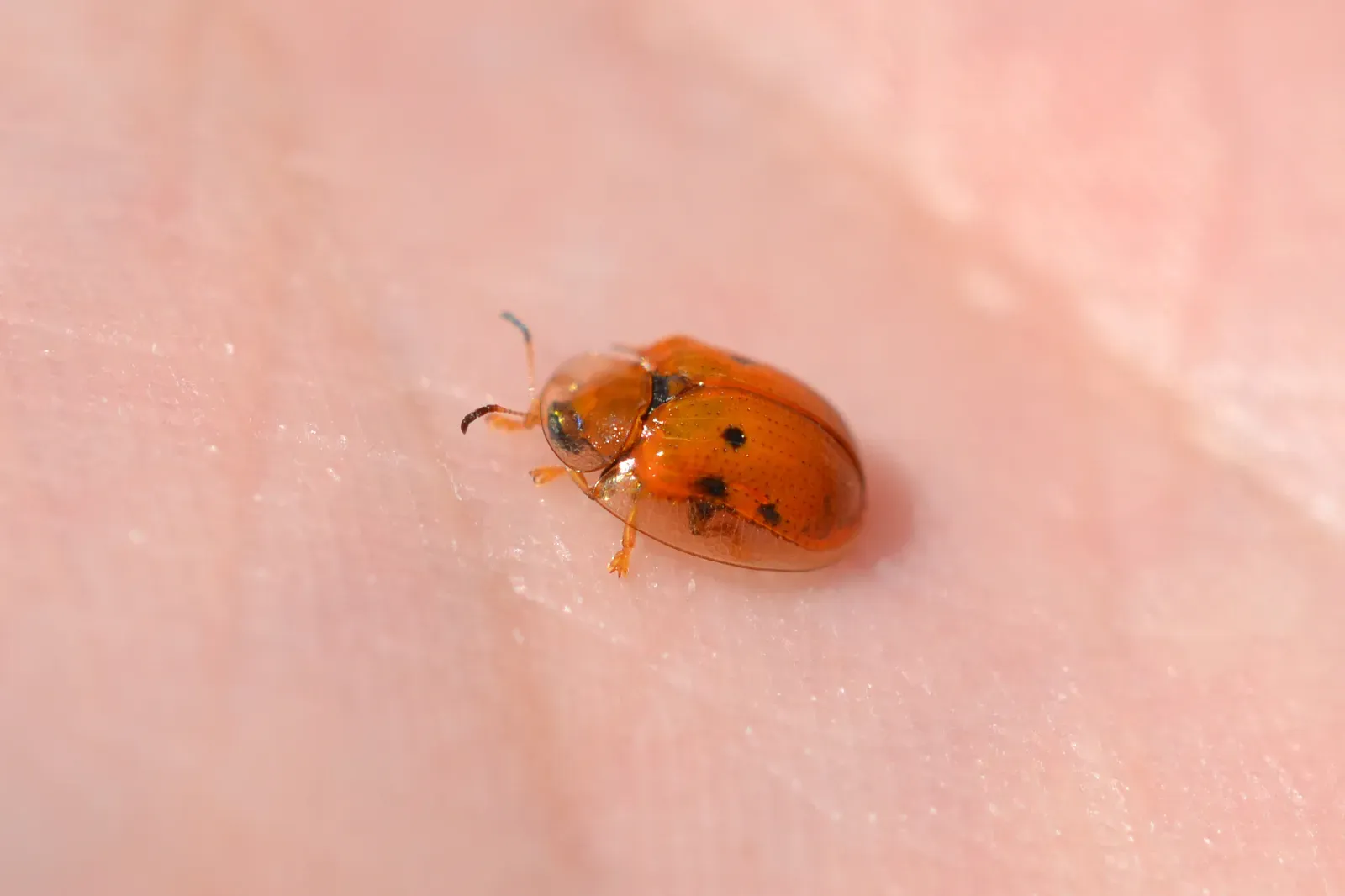
Golden tortoise beetles gleam like tiny jewels until something startles them. They flip from shiny gold to deep red or orange-spotted shades. This happens when fluids shift in their shell layers, breaking the metallic shine.[3][2]
The red warns predators to back off, mimicking something toxic. During mating, couples glow scarlet together. Found across eastern North America, they prove insects can dazzle too.
Goldenrod Crab Spider: Flower-Matching Hunters
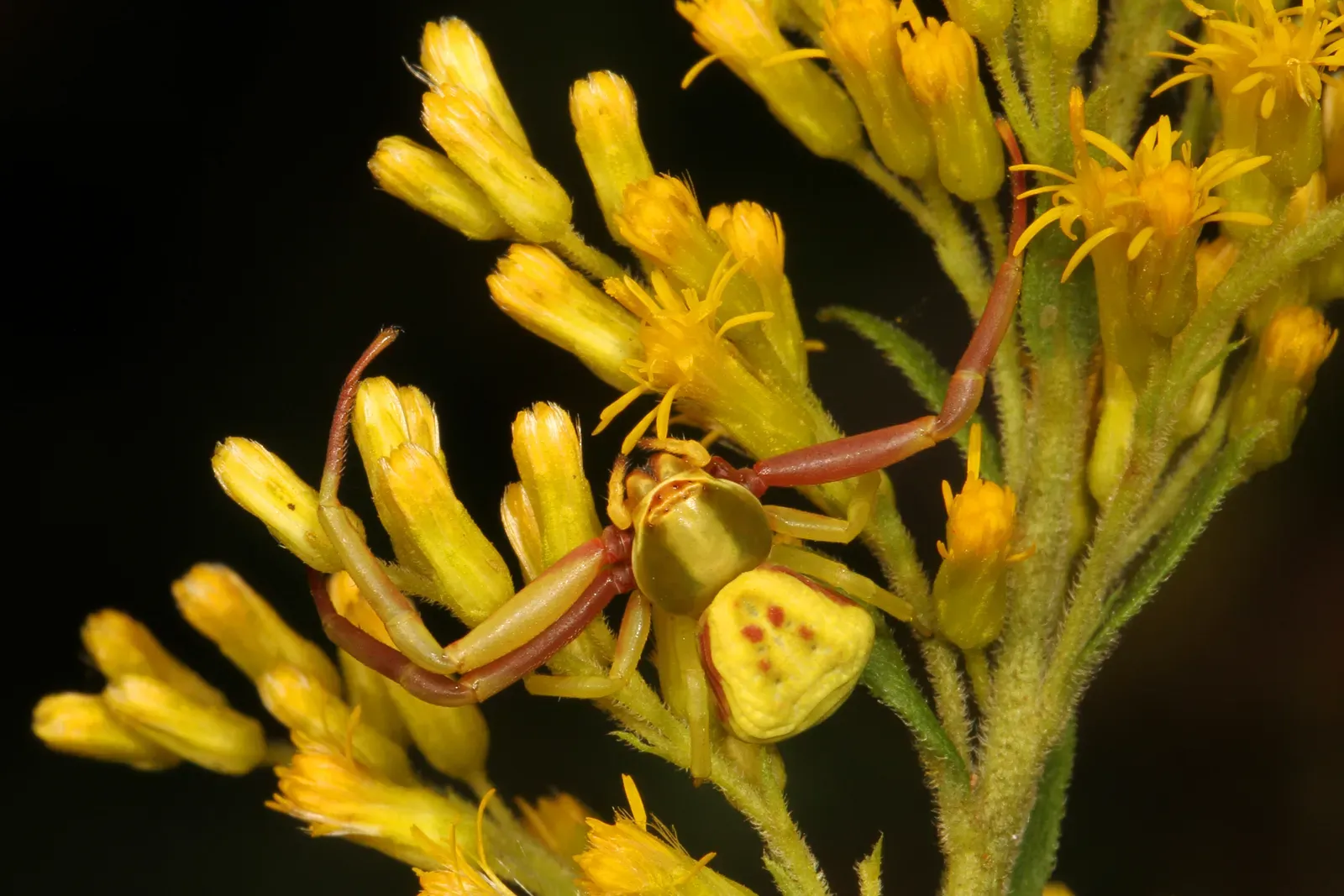
These spiders swap between white and yellow to blend with petals. Females take days to shift yellow to white, or quicker the other way. It matches flowers like goldenrods, setting up ambushes for bees and flies.[1]
The change drains energy, especially one direction. They perch still, invisible to pollinators. North American fields hide these patient predators perfectly.
Such slow precision highlights hunting over escape. Their choice of backdrop decides dinner.
Arctic Fox: Seasonal Snow Camouflage Expert
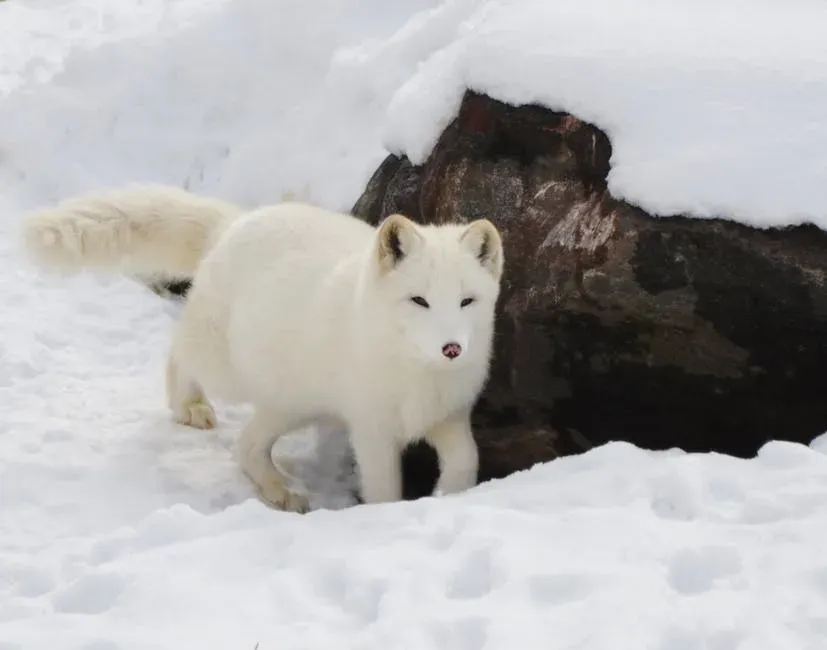
Arctic foxes sport brown or gray fur in summer among tundra rocks. Come winter, they molt into thick white coats that match the snow. Day length cues the gradual swap for perfect blending.[1]
This hides them from wolves and owls while stalking prey like lemmings. The white also traps heat in brutal cold. They roam vast icy lands, always in sync with the landscape.
Rock Ptarmigan: Three-Time Yearly Transformer
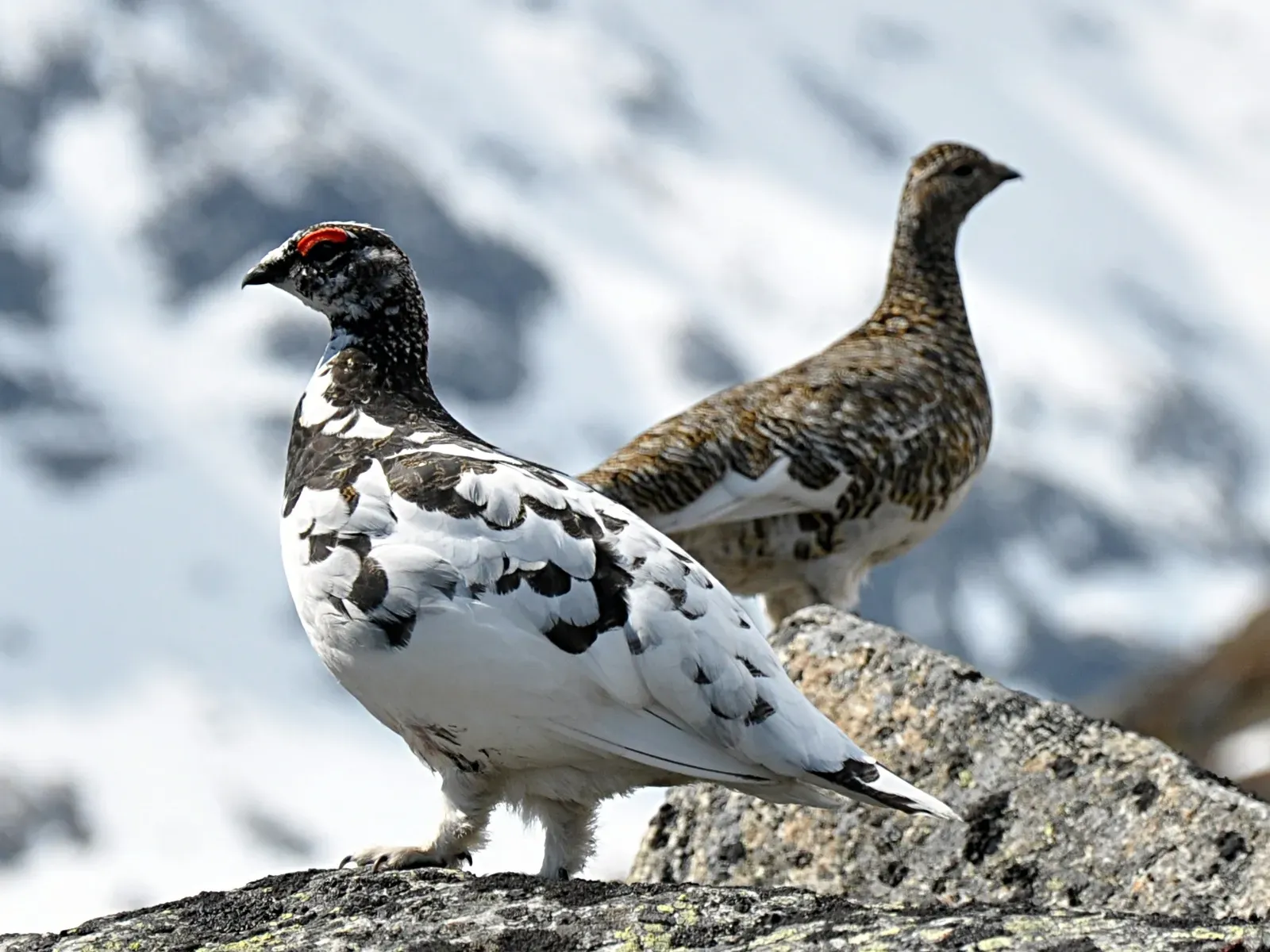
Rock ptarmigans molt plumage three times a year. Summer brings mottled brown and gray for rocky terrain. Autumn mixes brown with white, then full white coats winter in, even on legs and feet.[1][4]
Arctic ground-dwellers, they rarely fly to save energy. The shifts keep them hidden year-round. Feathers on toes act like snowshoes too.
Stoat: The White Winter Warrior
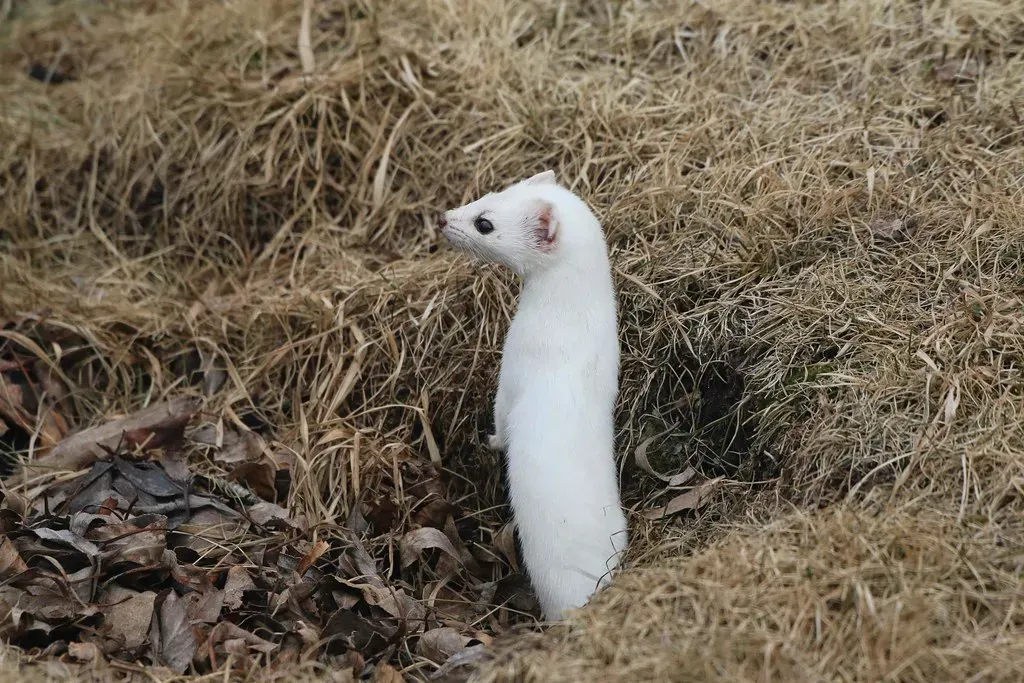
Stoats turn from brown summer coats to bright white in winter, keeping a black tail tip. Molting aligns with colder months for snow camouflage. They hunt rodents under the drifts.[1]
That tail tip stands out, maybe signaling others. Prized for fur, they’ve bounced back from heavy trapping. Small but fierce across northern lands.
The change suits their speedy pursuits perfectly. Winter hunts demand invisibility.
Seahorse: Moody Ocean Chameleons
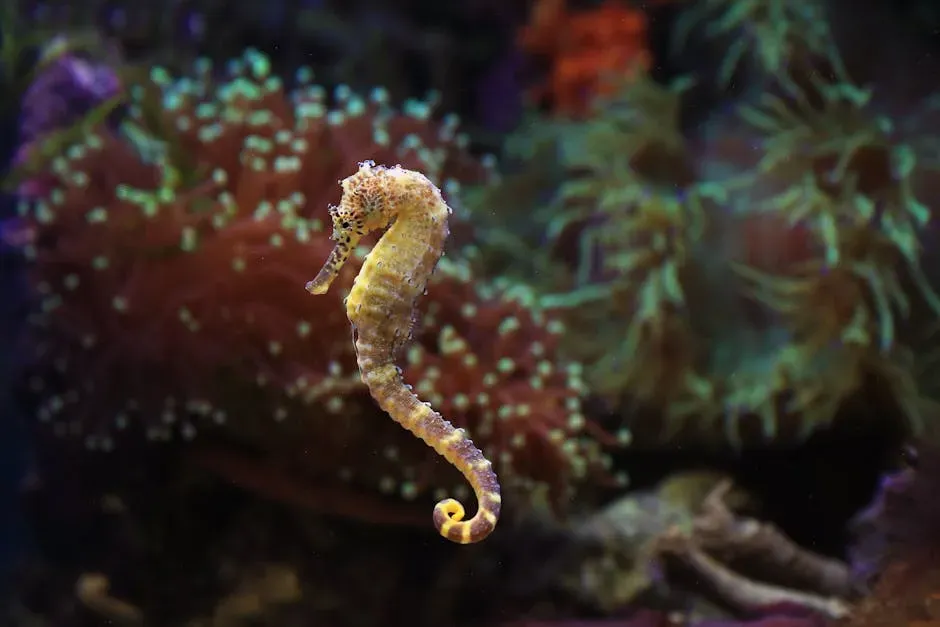
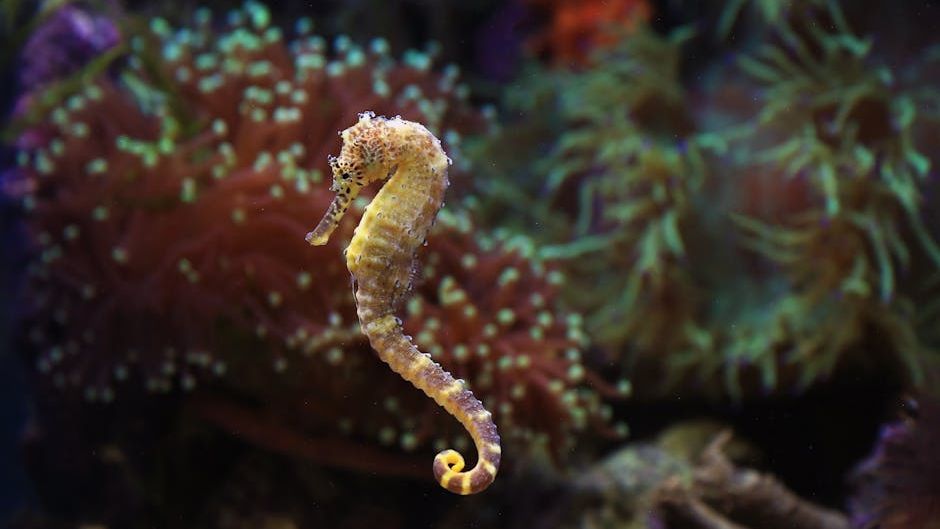
Seahorses alter colors based on mood, temperature, or stress. Quick shifts dodge predators, while slower ones signal mates or territory. They match sea grasses or corals seamlessly.[3]
Males carry babies, adding to their quirks. Over 40 species drift worldwide. Color helps express what words can’t in their silent world.
Caribbean Reef Squid: Flashing Communicators
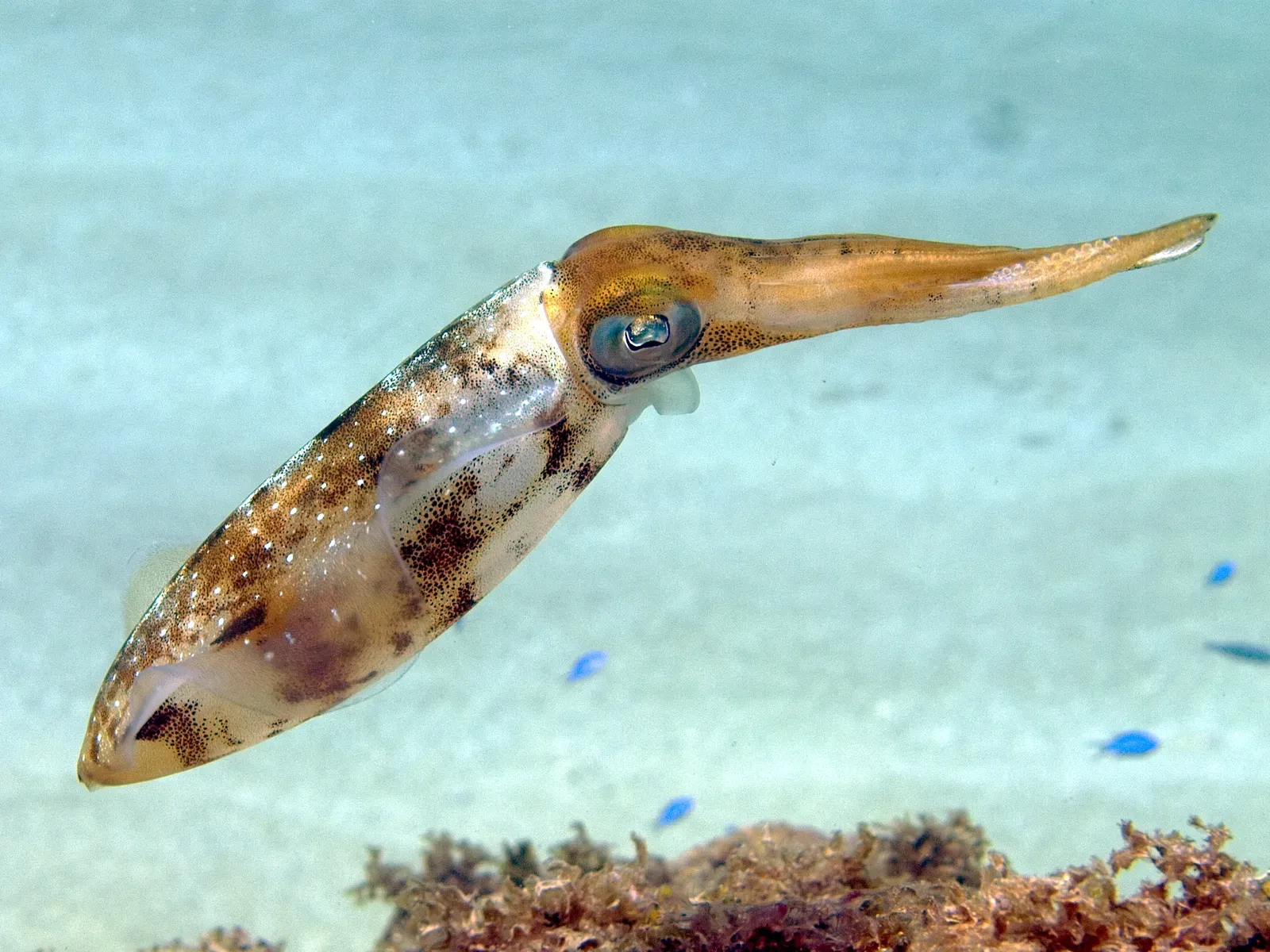
These squid pulse through greens, browns, and iridescent spots rapidly. Chromatophores handle camouflage or bold signals. They flash warnings, mating cues, or identity pulses.[5]
Ink jets back up the show if needed. Reef life buzzes with their silent talks. Complex societies thrive on these light shows.
Hogfish: The Sea’s Skin-Sensing Shifter
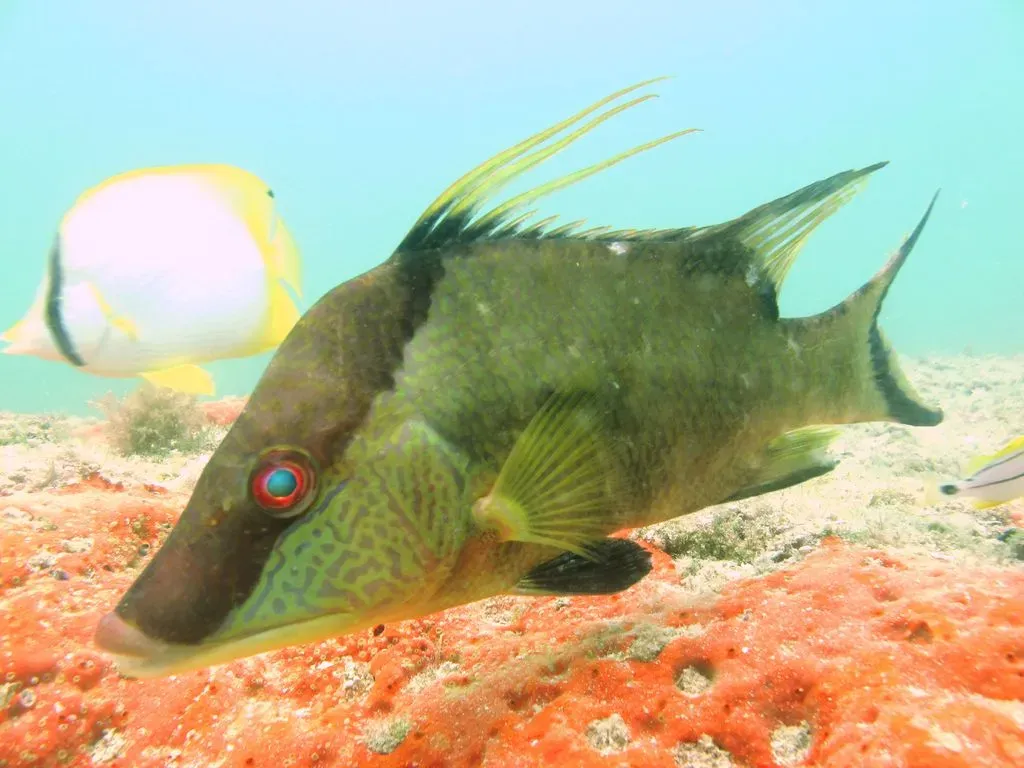
Hogfish change colors using skin that senses light like eyes. Chromatophores adjust for mates, rivals, or hiding. They flip phases from female-like to male boldly.[5]
Often called ocean chameleons, their full trick remains a puzzle. Genes hint skin filters hues directly. Coral reefs host these shape-shifting swimmers.
Next time you spot a hogfish, watch for the glow-up. It might just snag a partner.
Nature’s Palette of Survival
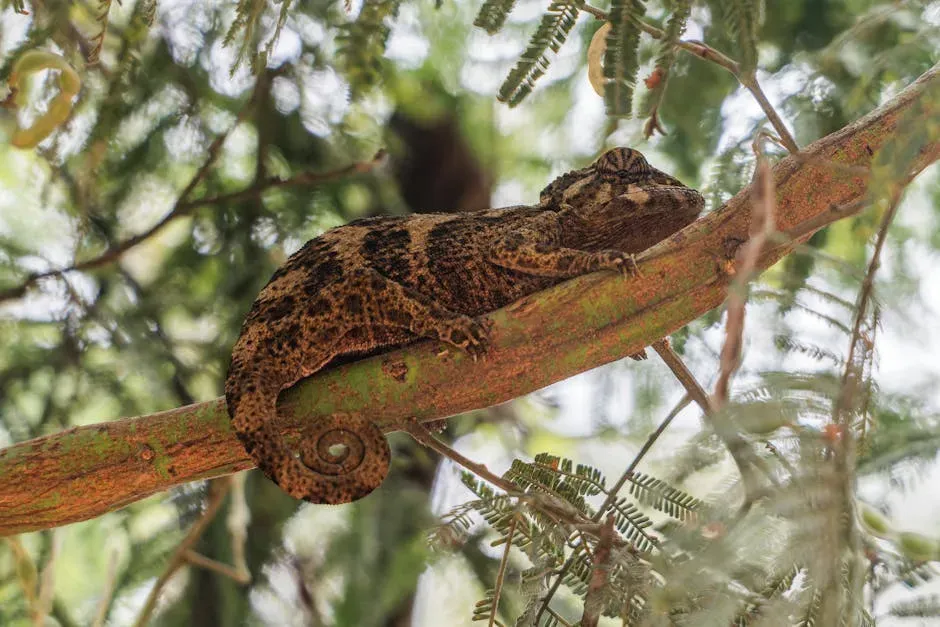
From ocean depths to frozen tundras, these animals reshape themselves to thrive. Color changes demand energy but pay off in safety and success. They remind us how wild the world stays, even in plain sight.
Keep an eye out on your next hike or dive. You might catch one switching shades right there.
