
Most of us know what lives on land. We’re pretty comfortable with lions, elephants, and the occasional spider. But head downward, past the sunlit shallows, past the dim twilight zone, and into the absolute crushing blackness of the deep ocean – and you enter a world that defies imagination. Honestly, if someone showed you pictures of these animals without context, your first instinct would probably be to assume they came from a science fiction film.
The ocean is still one of the biggest mysteries on Earth, and the deeper you go, the stranger it gets. Far below the surface, where sunlight can’t reach, lives a world full of creatures that look more like aliens than animals we know. What’s even more staggering is that between 2017 and 2025, the percentage of the ocean floor that had been mapped rose sharply from 6% to 26% – and the things we’ve found in that short time have left scientists genuinely speechless. So let’s dive in.
The Anglerfish – Nature’s Most Diabolical Fisherman
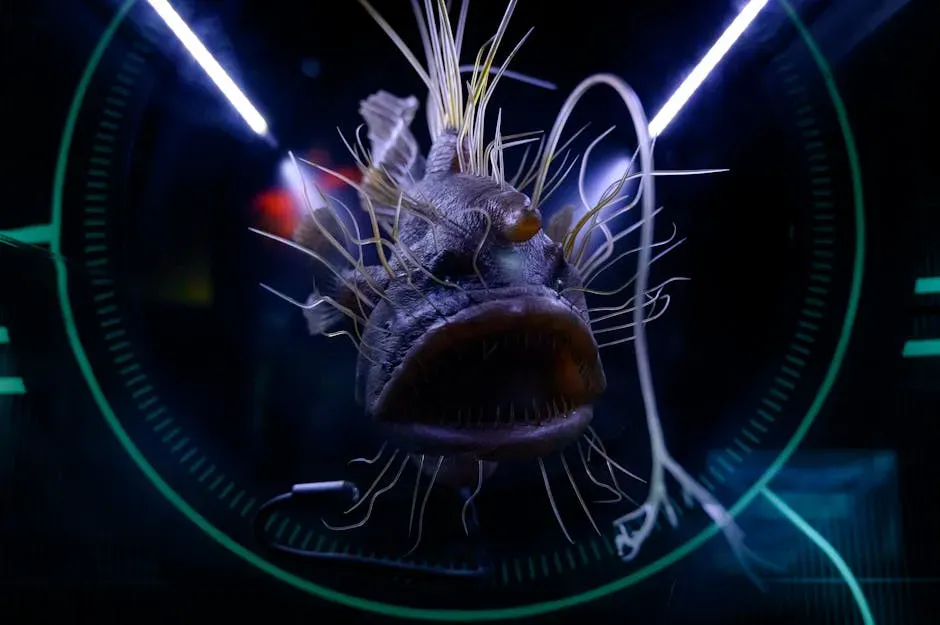
Picture this: total, suffocating darkness. No light, no warmth, and food is almost nowhere to be found. Now imagine evolving a glowing lamp that dangles from your forehead to lure unsuspecting prey directly to your jaws. That’s the anglerfish, and it’s as nightmarish as it sounds.
Instead of chasing down prey, the deep-sea anglerfish goes fishing. The first ray of its dorsal fin is modified into a filament like a fishing pole, and at the tip is a sac of glowing bacteria, called an esca. Its dark skin absorbs light, an ultra-black camouflage that helps mask its presence, while the luminous lure entices small fish and crustaceans to come closer, then the anglerfish’s massive mouth and sharp teeth snap shut for a meal.
Bioluminescence is a sexually dimorphic trait in anglerfish – only females have the glowing lure, which allows males to easily distinguish females in the dark, vast environment. The males, by the way, are tiny creatures that attach themselves permanently to the female’s body in one of nature’s most bizarre reproductive strategies. I think most people, if they truly understood that, would find it both horrifying and oddly poetic.
The Colossal Squid – A Giant Finally Filmed Alive
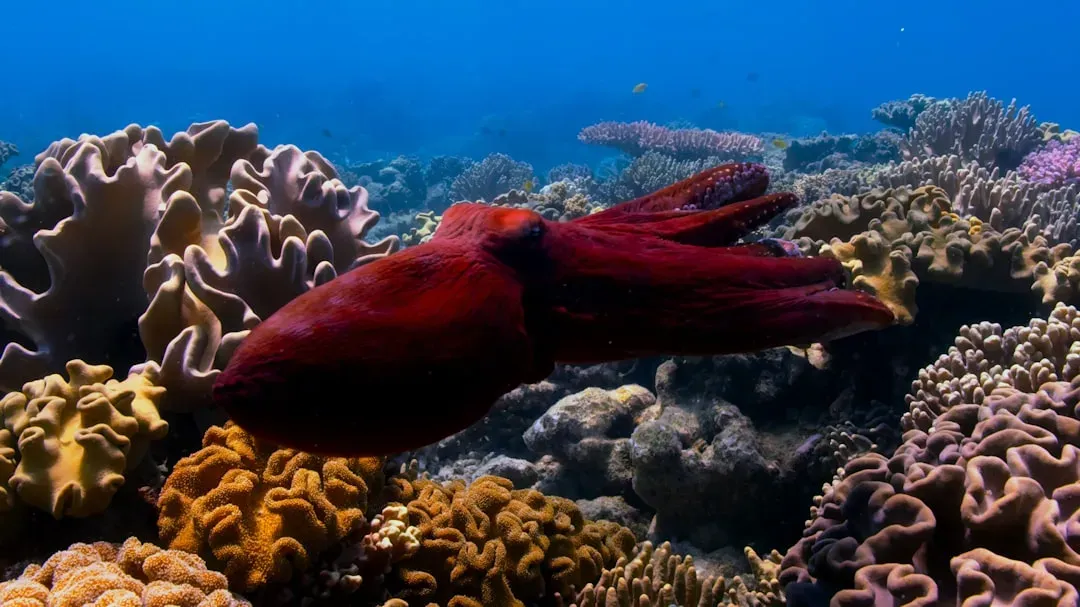
For most of modern science, the colossal squid was a creature of rumor. Scientists knew it existed, mostly because they found its beaks inside the stomachs of sperm whales, but actually seeing one alive? That was considered nearly impossible. Then, in 2025, that changed.
The first confirmed footage of a colossal squid was captured in April 2025 by an international team of scientists and crew aboard Schmidt Ocean Institute’s research vessel Falkor (too), who filmed the colossal squid (Mesonychoteuthis hamiltoni) in its natural habitat. The video and images reveal a small, translucent squid swimming in the dark waters with a bioluminescent glow around its tentacles. Adult colossal squids can grow up to 23 feet long and weigh 1,100 pounds.
Watching it swim alive through the water gave scientists new clues about its behavior – for example, seeing the high-resolution footage revealed color-changing cells on the squid’s mantle. It is a known prey of sperm whales and was rarely seen alive before this discovery – most specimens had been recovered from whale stomachs or deep-sea fishing nets. That footage is still considered one of the most significant marine biology achievements in recent memory.
The Goblin Shark – A Living Fossil with a Slingshot Jaw
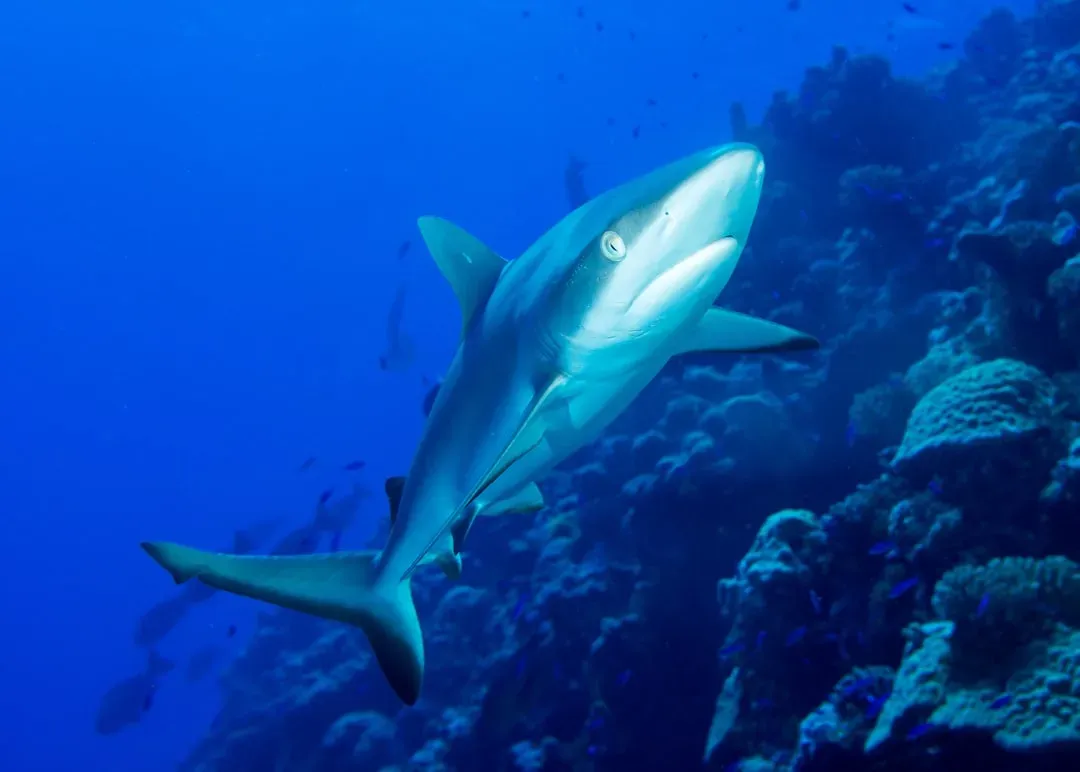
Here’s the thing about the goblin shark – it looks like it was designed by someone who had never seen a regular shark and was just given a rough description. The goblin shark is a rare species of deep-sea shark, sometimes called a “living fossil.” It is the only extant representative of the family Mitsukurinidae, a lineage some 125 million years old, with a distinctive profile featuring an elongated, flat snout and highly protrusible jaws containing prominent nail-like teeth.
Its long snout is covered with ampullae of Lorenzini that sense minute electric fields produced by nearby prey, which it can then snatch up by rapidly extending its jaws. Think of it like a spring-loaded trap hidden behind an otherwise sluggish, ghostly face. With its translucent pink skin and flabby body, the goblin shark is perfectly designed for the deep sea’s slow, cold environment, drifting in darkness at depths of up to 4,000 feet.
Whether you’ve seen goblins around Halloween or not, this super-rare shark has only been documented about 250 times since a fisherman in Japan first spotted it in 1898. That’s an almost unbelievably slim sighting record for an animal that presumably has been swimming around for over a century of scientific documentation.
The Vampire Squid – The Creature That Turns Itself Inside Out
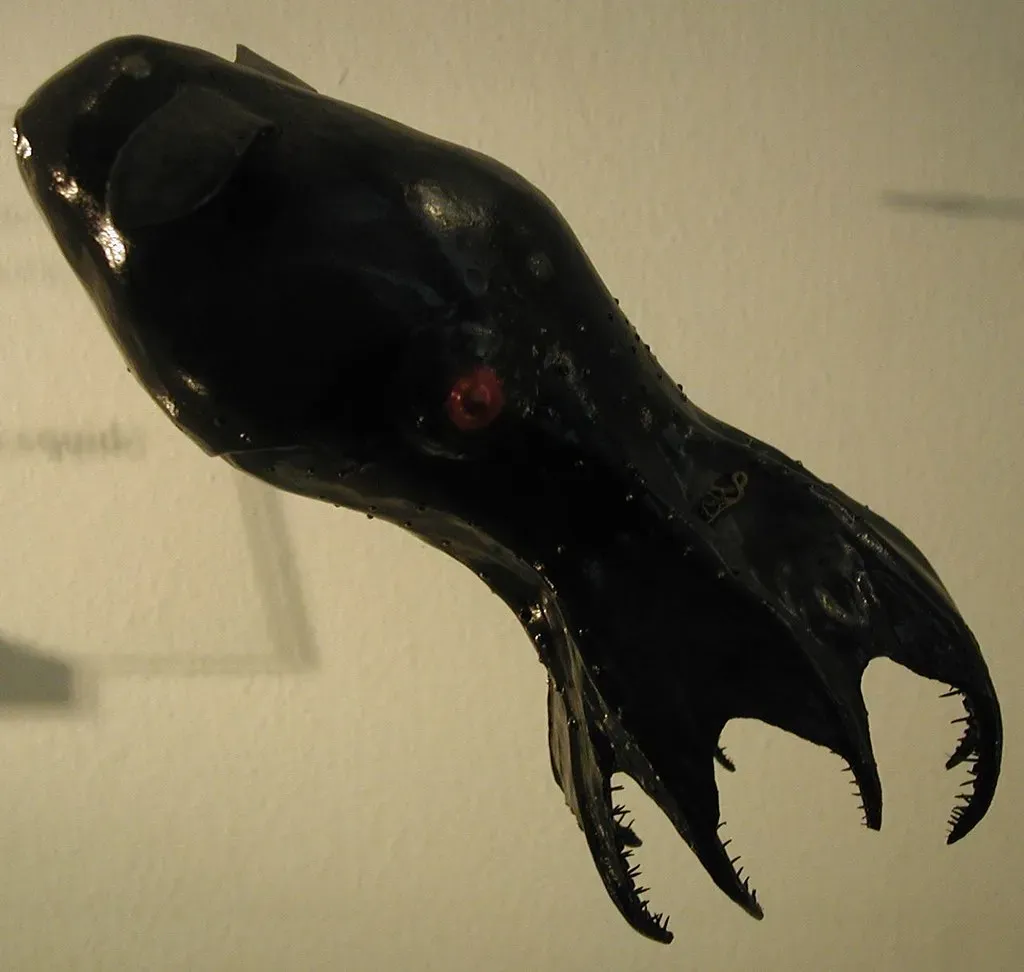
Despite the dramatic name, this one is far more eerie than dangerous. The Vampire Squid (Vampyroteuthis infernalis) is more mysterious than monstrous. Its Latin name means “vampire squid from hell,” but this gentle creature feeds not on blood, but on marine snow, a delicate rain of organic particles drifting from above.
Living in the oxygen minimum zone of the deep ocean where few creatures can survive, the vampire squid thrives in near-anoxic waters. Its gelatinous body glows with bioluminescence, and its cloak-like webbing between its arms gives it the eerie appearance of a creature from gothic fantasy. When threatened, it turns itself inside out, revealing glowing blue lights along its arms.
Two thin, sticky tentacles collect drifting bits of dead plankton, mucus, and other organic material sinking from the waters above. By scavenging on the “marine snow” sinking from the surface, the vampire squid and many other deep-sea animals help capture carbon and lock it away in the ocean’s depths. So this gothic, glowing oddity is secretly helping regulate the planet’s climate. That’s a plot twist.
The Frilled Shark – The Sea Serpent That Actually Exists
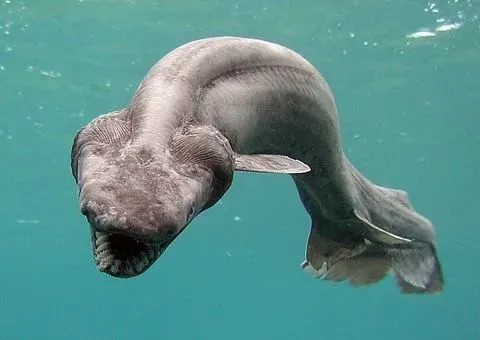
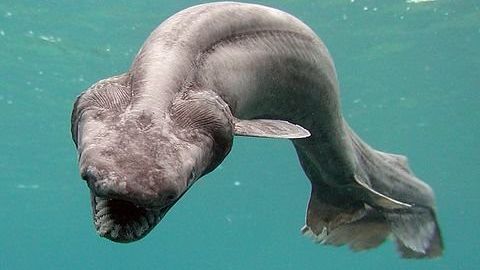
When sailors throughout history claimed they had seen enormous serpents undulating through dark water, they may not have been exaggerating as much as we thought. When the frilled shark was first discovered, scientists thought it was a sea serpent. With its eel-like body and prehistoric features, it’s easy to see why. This ancient predator dates back 80 million years and looks like it swam straight out of the fossil record.
The frilled shark hunts by lunging forward and swallowing prey whole, using over 300 backward-facing teeth arranged in rows. It can strike with incredible speed despite its sluggish appearance, capturing fish and squid that drift too close.
Frilled sharks have large livers that make them neutrally buoyant in deep water. They have 25 rows of 300 backward-facing, trident-shaped teeth – a really unusual tooth structure, unique to frilled sharks. Only one frilled shark has ever been captured in captivity, and it died within hours. The deep is where it belongs, and the deep is where it stubbornly stays.
The Barreleye Fish – The Creature with a See-Through Head
![The Barreleye Fish - The Creature with a See-Through Head ([https://archive.oceanexplorer.noaa.gov/explorations/24skq-ak-seamounts/gallery/gallery.html#Exploring Pelagic Biodiversity of the Gulf of Alaska and the Impact of Its Seamounts], Public domain)](https://nvmwebsites-budwg5g9avh3epea.z03.azurefd.net/aatg/19bf7fc0f9b8775b717c0c5a5f34100c.webp)
Exploring Pelagic Biodiversity of the Gulf of Alaska and the Impact of Its Seamounts], Public domain)
I know it sounds crazy, but this fish has a completely transparent skull. Not metaphorically. Literally. You can see its brain. The Barreleye Fish (Macropinna microstoma) seems like a creature from science fiction. Its head is transparent, revealing a pair of green, tubular eyes that rotate inside its skull. This adaptation allows it to stare upward through the darkness, watching for prey silhouetted against the faint light from above.
When it spots food, often drifting jellyfish or small crustaceans, it rotates its eyes forward to capture them precisely. The Barreleye’s delicate body and haunting beauty make it one of the most surreal creatures ever filmed. Discovered in the 1930s, it remained a mystery until modern deep-sea cameras revealed its mesmerizing translucent dome.
It’s a bit like having built-in binoculars that can swivel on command. Evolution essentially gave this fish a superpower, tucked inside a bubble of transparent flesh. It’s hard not to find that genuinely wonderful.
The Giant Sea Spider – Legs that House Its Organs
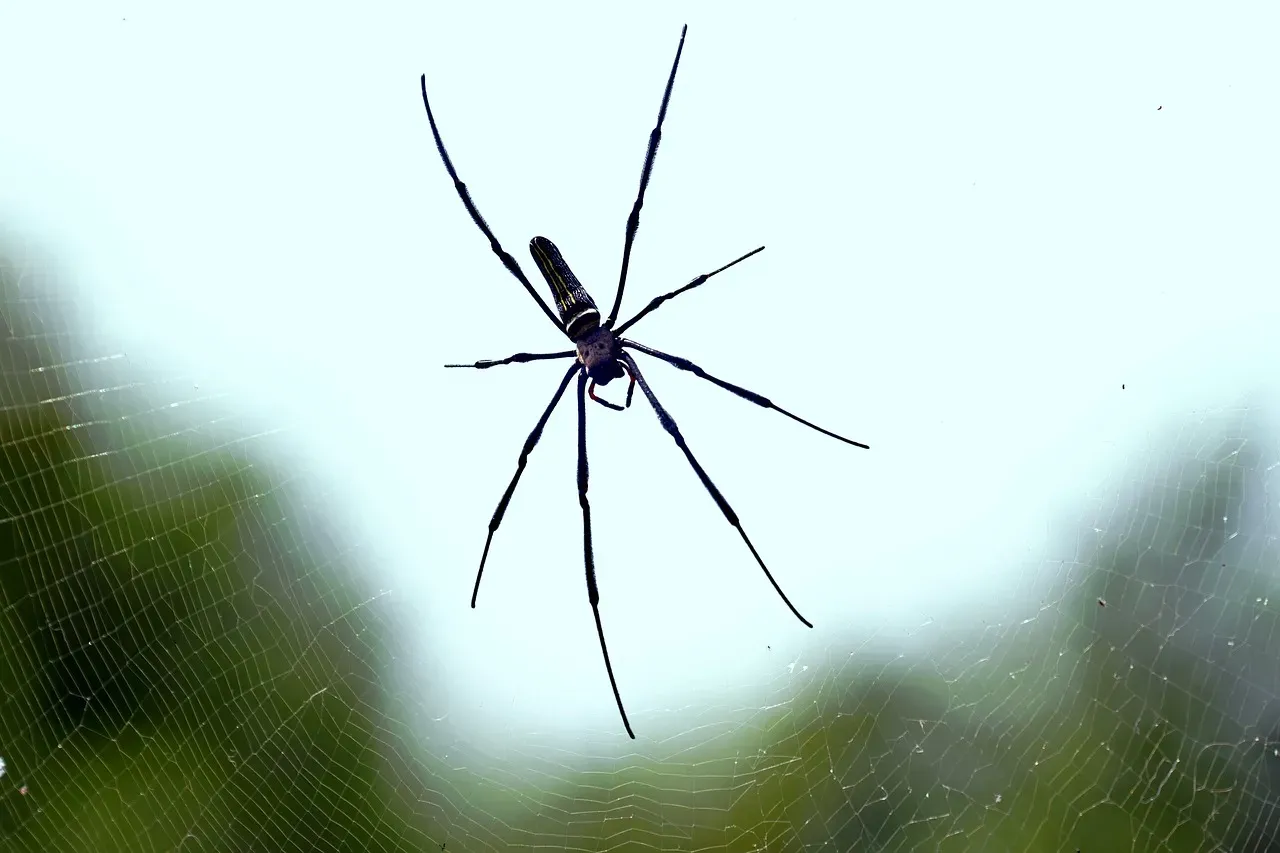
Most of us have a complicated relationship with spiders. Now imagine one the size of a dinner plate, lurking on the ocean floor in total darkness. Welcome to the giant sea spider, a creature that makes the word “unsettling” feel like an understatement.
Giant sea spiders (Colossendeis) have spindly legs that can stretch wider than a dinner plate. They live on the Arctic and Antarctic ocean floor down to depths of 13,100 feet, where they lumber along in search of food and mates. Like other sea spiders, they share a common ancestor with spiders and crabs but have been evolving as a separate group for hundreds of millions of years.
Giant sea spiders house their vital organs, including their breathing apparatus, in their stilt-like legs. Instead of spinning a web as terrestrial spiders do, they use a long, tubelike mouthpart to slurp up prey, including anemones, worms, jellies and sponges. Their organs live in their legs. Their legs are their lungs. If that doesn’t make your brain do a brief short-circuit, honestly, nothing will.
The Antarctic Gonate Squid – Filmed Alive for the Very First Time
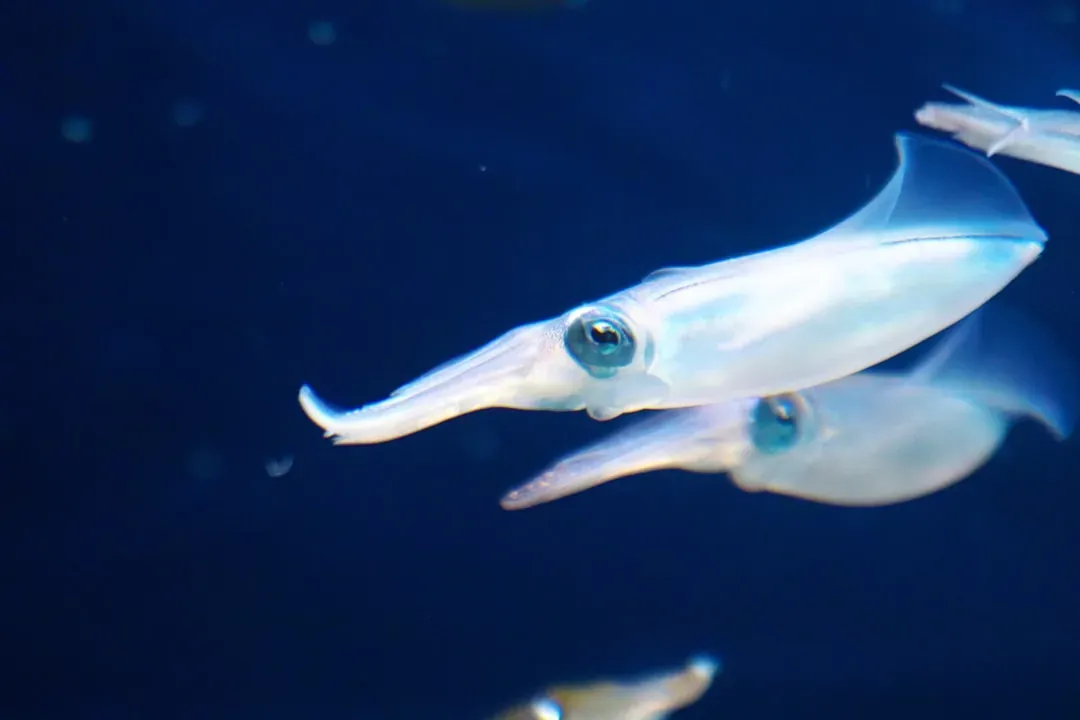
This one is a story as much as it is a creature. The Antarctic gonate squid thrives in the icy depths of the Southern Ocean. Its tentacles end in sharp hooks, and it can even release clouds of green ink, making it appear almost alien.
The species was first filmed on Christmas Day 2024 by a remotely operated vehicle from the Schmidt Ocean Institute during a National Geographic expedition, where scientists spotted the three-foot squid gliding 7,000 feet beneath the frigid surface. Before this footage, the squid was known only from individuals found in fishing nets or in the stomachs of whales and seals, making this truly historic.
Think about that for a second. An animal that most scientists had never seen alive was swimming around in total darkness on Christmas Day while most of the world was opening presents. Red light is absorbed and scattered by water, causing red objects to appear black and blend into dark surroundings, making red-colored sea creatures nearly invisible to predators. Even at extreme depths of thousands of metres below any sunlight, scientists still regularly encounter many red creatures, because red pigmentation is more energy-efficient to produce than other colors.
The Giant Isopod – The Deep-Sea Woodlouse That Can Wait for Years
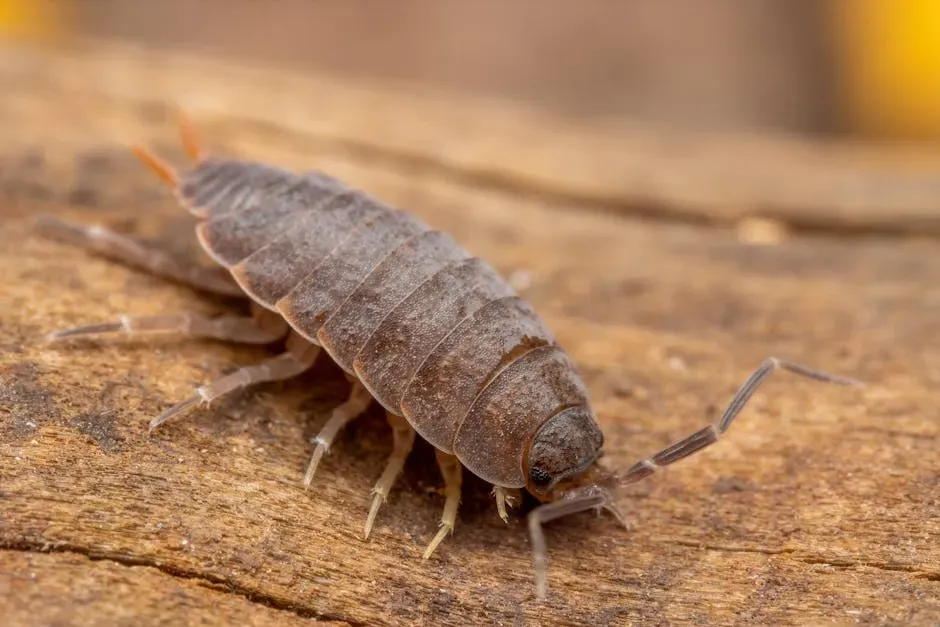
You know those little pill bugs you find under rocks in the garden, the ones you roll into a ball with your finger? Now imagine one roughly the size of a football, plated like medieval armor, and staring back at you from the bottom of the ocean. That’s essentially a giant isopod.
The Giant Isopod (Bathynomus giganteus) is one of the ocean’s most bizarre scavengers. These crustaceans live in the cold depths of the Atlantic and Pacific, crawling across the seafloor like armored tanks. Giant isopods survive by scavenging the remains of dead whales, fish, and squid that sink to the bottom. They can go years without food, entering a state of near hibernation.
A newer species, Bathynomus yucatanensis, was discovered in the Gulf of Mexico, caught in a baited cage trap set at about 2,000 to 2,600 feet below sea level. Researchers initially thought it was a specimen of the closely related Bathynomus giganteus, but DNA analysis revealed it was a never-before-seen species. Proof that even within creatures we already knew, there are entire species hiding right under our noses. Or rather, right under the ocean floor.
The Deep-Sea Chiton – Named by the People, for the People
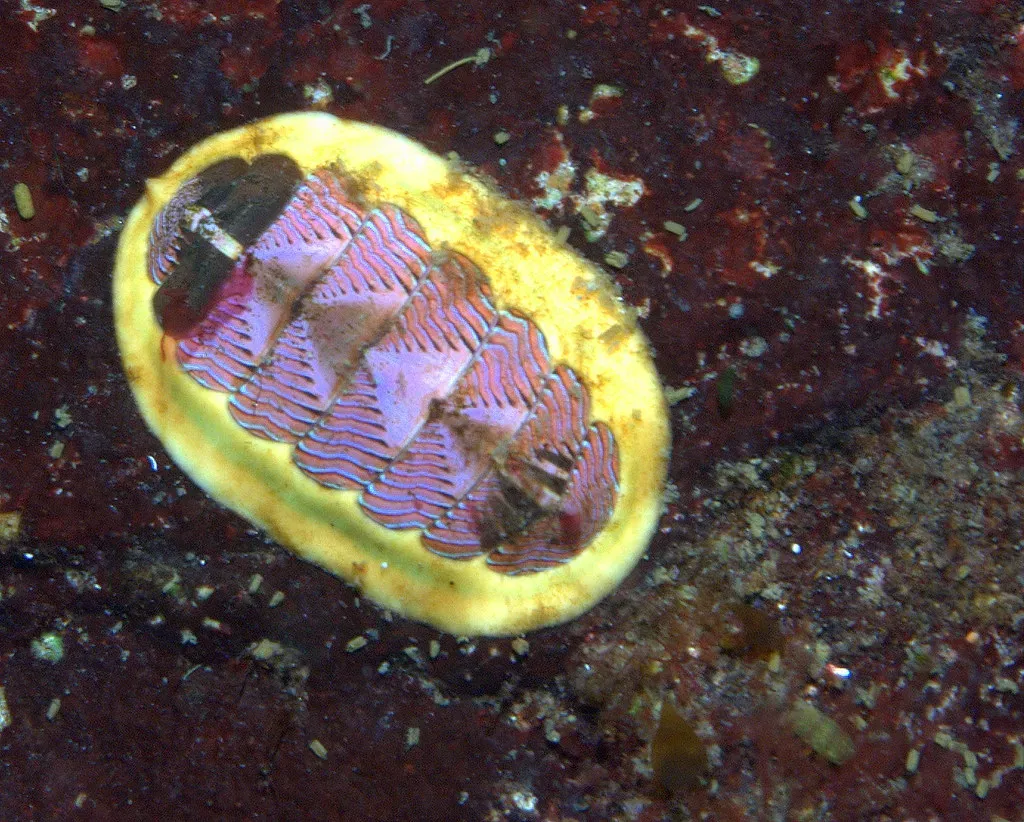
This last creature might be the most unusual story on our list, not just because of what the creature is, but because of how it came to be named. After appearing in a popular YouTube video, a rare chiton found nearly three miles beneath the ocean surface sparked a global naming effort, drawing more than 8,000 suggestions from people around the world.
The species was first found in 2024 in the Izu-Ogasawara Trench at a depth of 5,500 meters. Ferreiraella populi belongs to the genus Ferreiraella, a rare group of mollusks known for living only on sunken wood in the deep sea. The animal has eight armored shell plates and an iron-clad radula, which is a rasping tongue-like feeding structure.
Chitons are often described as resembling a mix between a snail and a beetle. Unlike most mollusks that have a single shell, chitons have eight separate shell plates. This structure allows them to curl into a protective ball or cling tightly to uneven surfaces such as deep-sea wood-falls. The name “populi” is a Latin genitive meaning “of the people,” and it was chosen because 11 independent participants independently arrived at the same suggestion during the naming effort. A creature from the deepest dark, named by collective human curiosity. There’s something deeply moving about that.
The Ocean Still Has Secrets – And That’s the Best Thing About It
If these ten creatures prove anything, it’s that our planet still holds genuine wonder. Not the polished, packaged kind you find in a gift shop, but raw, astonishing, sometimes unsettling wonder. The deep ocean is, in many ways, more alien than outer space – and it’s right here on our own world.
The Clarion-Clipperton Zone alone stretches across six million square kilometers between Hawaii and Mexico and remains one of the least understood ecosystems on Earth. Such painstaking work is par for the course in deep-sea biology, where entire ecosystems remain unexplored. Discovering multiple candidate new species in such a short exploration window is not unusual in deep-sea research, precisely because these ecosystems remain so poorly sampled.
We’ve barely scratched the surface of what lives down there. Every new expedition brings creatures that reshape what scientists thought was possible. The anglerfish with its glowing lure, the goblin shark with its slingshot jaw, the vampire squid turning itself inside out in the dark – none of this is fiction. All of it is real, waiting in the deep. Honestly, the scariest thought isn’t what we’ve found. It’s everything down there that we still haven’t.
What do you think is still waiting to be discovered in the deep ocean? Drop your thoughts in the comments below.
