
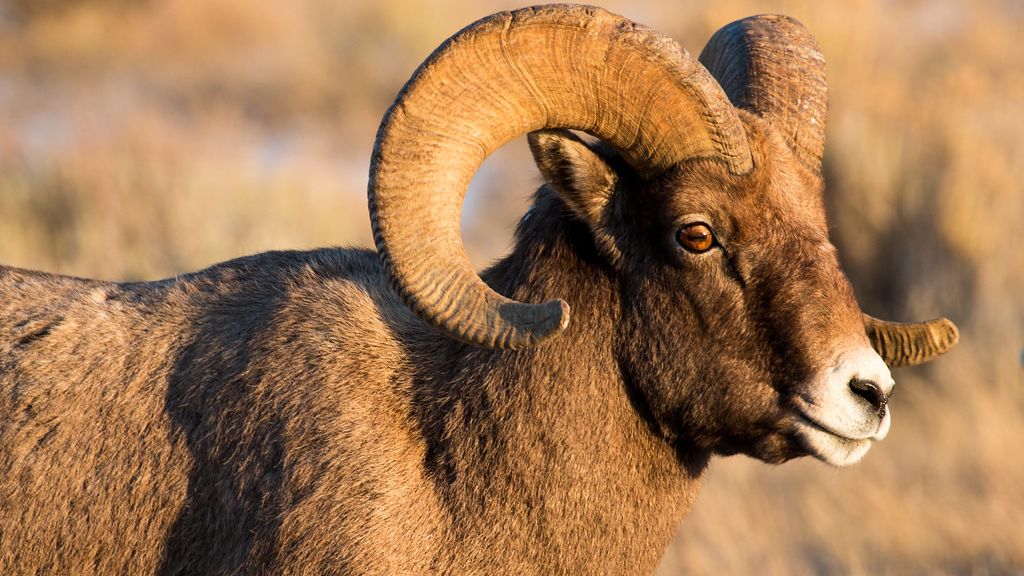
There’s something almost mythical about spotting a desert bighorn sheep perched on a rocky cliff face, surveying the harsh landscape below. These remarkable creatures embody survival against the odds in one of North America’s most unforgiving environments. In Nevada and Arizona, where scorching temperatures and scarce water define the terrain, these animals have evolved into true masters of adaptation.
The desert bighorn sheep holds a special place in the American Southwest. It’s more than just wildlife; it represents resilience and the delicate balance between nature and human impact. So what makes these creatures so extraordinary? Let’s dive in.
They’re Nevada’s Official State Mammal
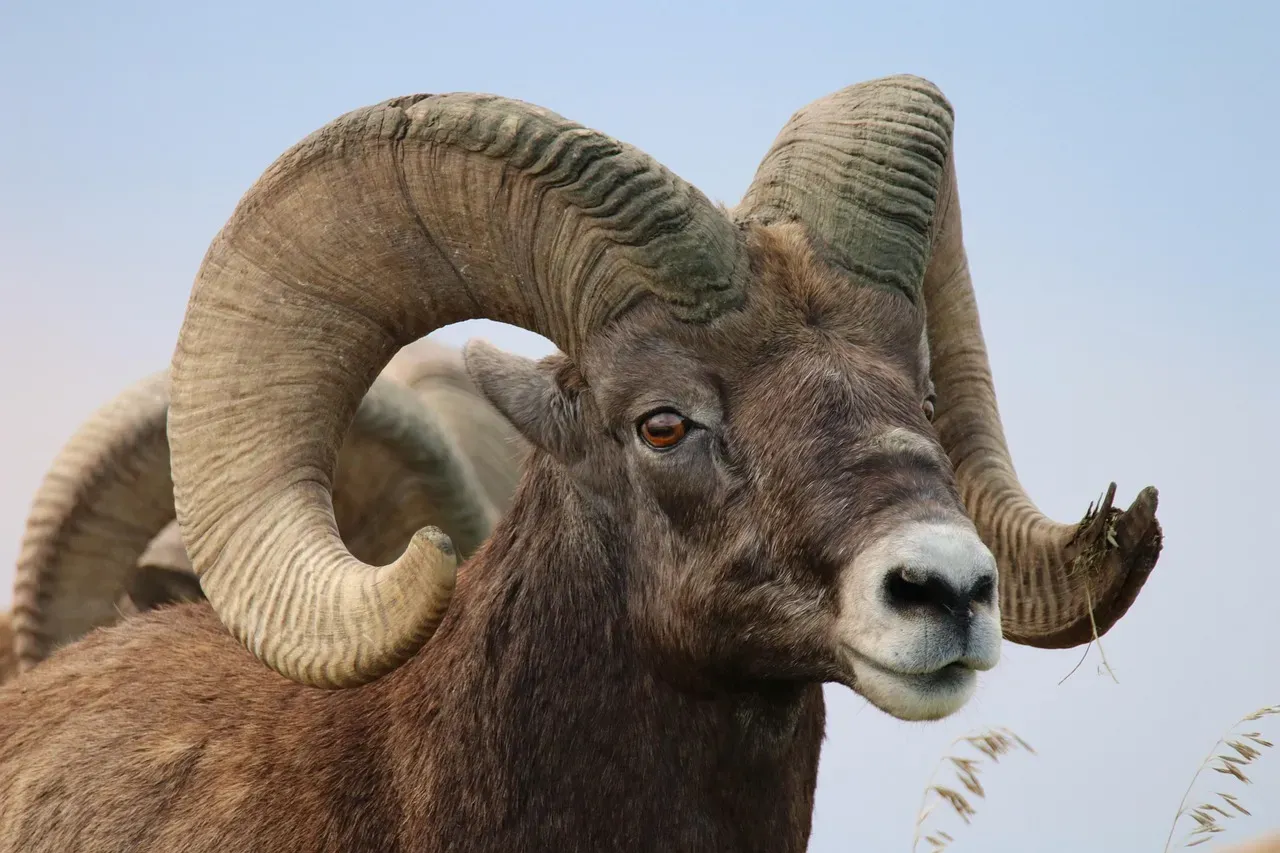
The majestic desert bighorn sheep was chosen as the state mammal of Nevada, cementing its iconic status in the Silver State. This wasn’t just a random choice. The animal has roamed Nevada’s mountains long before modern settlers arrived, becoming deeply woven into the region’s natural heritage.
Bighorn sheep have lived in Nevada long before modern day settlers came here, with many petroglyphs depicting the horned animal alongside the native peoples who relied on them for food and resources. The designation in 1973 represented more than symbolic recognition. It reflected a growing awareness of conservation needs after the species faced severe population declines.
Today, encountering a desert bighorn in Nevada feels like witnessing a piece of living history. These animals continue to capture the imagination of residents and visitors alike, serving as ambassadors for the wild landscapes of the Great Basin and Mojave deserts. Their presence reminds us of the region’s untamed character, even as human development expands.
Masters of Water Conservation in Extreme Conditions
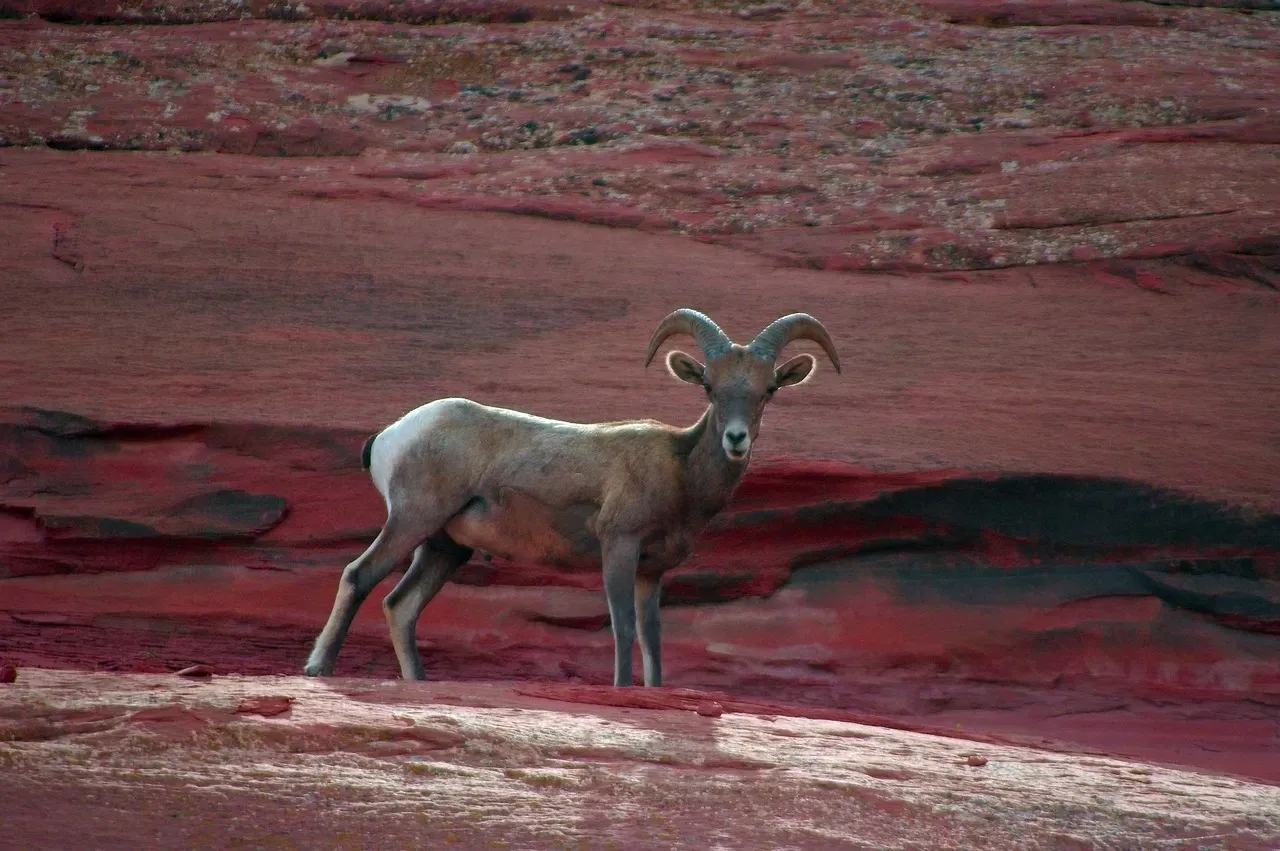
Here’s where things get truly remarkable. Desert bighorn sheep may go without visiting water for weeks or months, and they may have the ability to lose up to 30% of their body weight and still survive. Think about that for a moment. While most mammals would perish after losing just ten percent of their body weight to dehydration, bighorns push the boundaries of what seems biologically possible.
How do they manage this feat? The desert bighorn diet includes natural electrolytes, like those in barrel cactus, which helps them maintain critical mineral balance even when water is scarce. They extract moisture from the vegetation they consume, making every plant a potential water source.
After drinking water, they quickly recover from their dehydrated condition, demonstrating an extraordinary physiological resilience. During summer months, however, even these hardy animals need more regular access to water. During the summer months they visit waterholes at least every three days, making permanent water sources essential to their survival during peak heat.
Incredible Climbing Abilities That Defy Gravity
If you’ve ever watched a desert bighorn sheep navigate a cliff face, you’d swear they’re defying physics. Desert Bighorn sheep are capable of establishing a firm grip on a 2-inch ledge, leaping across ledges separated by 20 feet, and sprinting up mountainsides covered in gravel at speeds of 15 miles per hour. That’s not a typo. A two-inch ledge.
Due to their unique concave elastic hooves, bighorn are able to climb the steep, rocky terrain of the desert mountains with speed and agility. These specialized hooves work like natural climbing shoes, gripping surfaces that would send most other animals tumbling down. The concave shape creates suction and increases friction on smooth rock surfaces.
Their climbing prowess isn’t just impressive; it’s a survival mechanism. Mountainous areas are escape terrain for bighorn sheep where they can get away from predators, such as mountain lions and coyotes. When a predator approaches, bighorns simply go where their pursuers cannot follow, scaling vertical terrain with an ease that seems almost casual. It’s their ultimate defense strategy, honed over millennia.
They Nearly Disappeared From the American Southwest
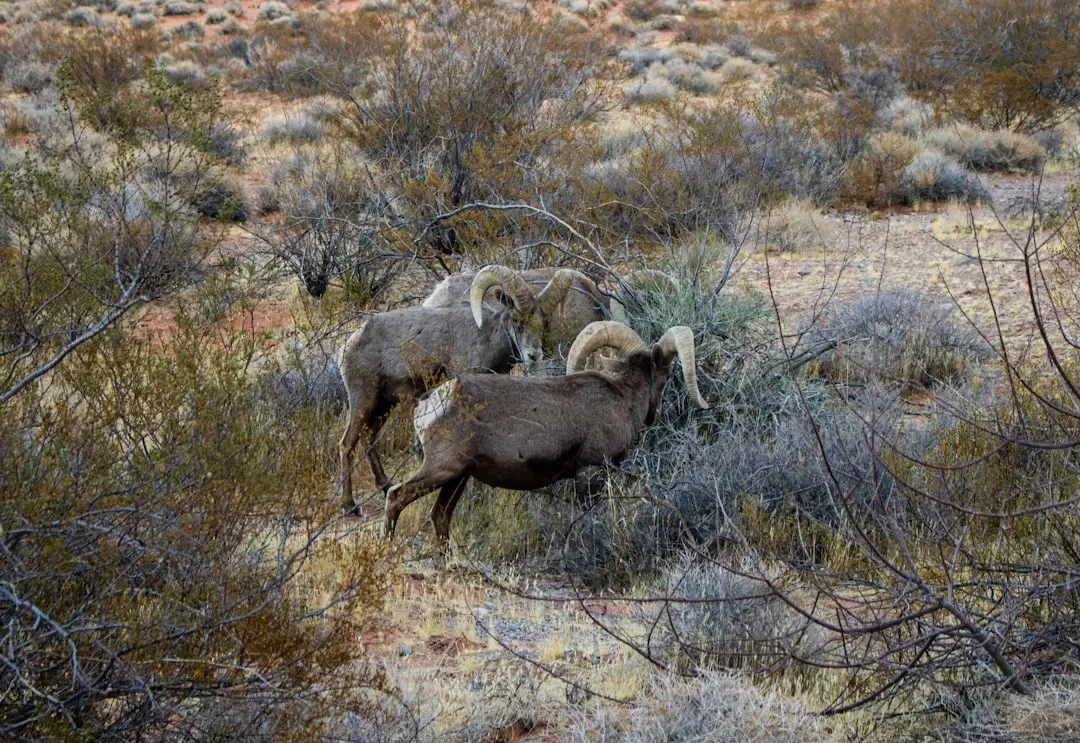
The desert bighorn’s survival story reads like a conservation thriller. The number of desert bighorn sheep in North America in prehistoric times was most likely in the tens of thousands, but by the 1960s, the population had dwindled to 6,700-8,100. That’s a catastrophic decline.
These declines were attributed to excessive hunting; competition and diseases from domestic livestock, particularly domestic sheep; usurpation of watering areas and critical range by human activities; and human-induced habitat changes. European colonization brought devastating consequences for these animals, who had no immunity to diseases carried by domestic sheep.
The turnaround came through dedicated conservation efforts. In 1939, after intense lobbying by Frederick Russell Burnham and the Arizona Boy Scouts, President Franklin D. Roosevelt signed a proclamation to establish two desert areas in southwestern Arizona: Cabeza Prieta National Wildlife Refuge and the Kofa National Wildlife Refuge, with San Andres National Wildlife Refuge in New Mexico added in 1941. This marked a turning point.
Desert bighorn sheep populations have trended upward since the 1960s, though challenges persist today. The species’ comeback represents one of the great conservation success stories of the American West. It’s proof that with sufficient will and resources, we can reverse even severe population declines.
Those Massive Horns Are More Than Just Impressive
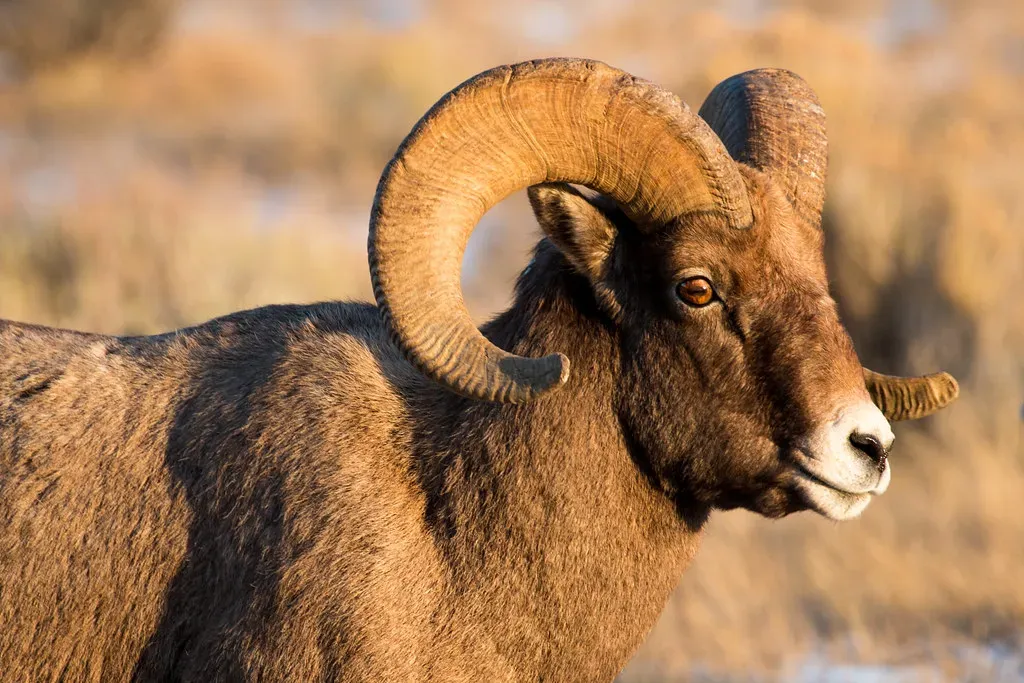
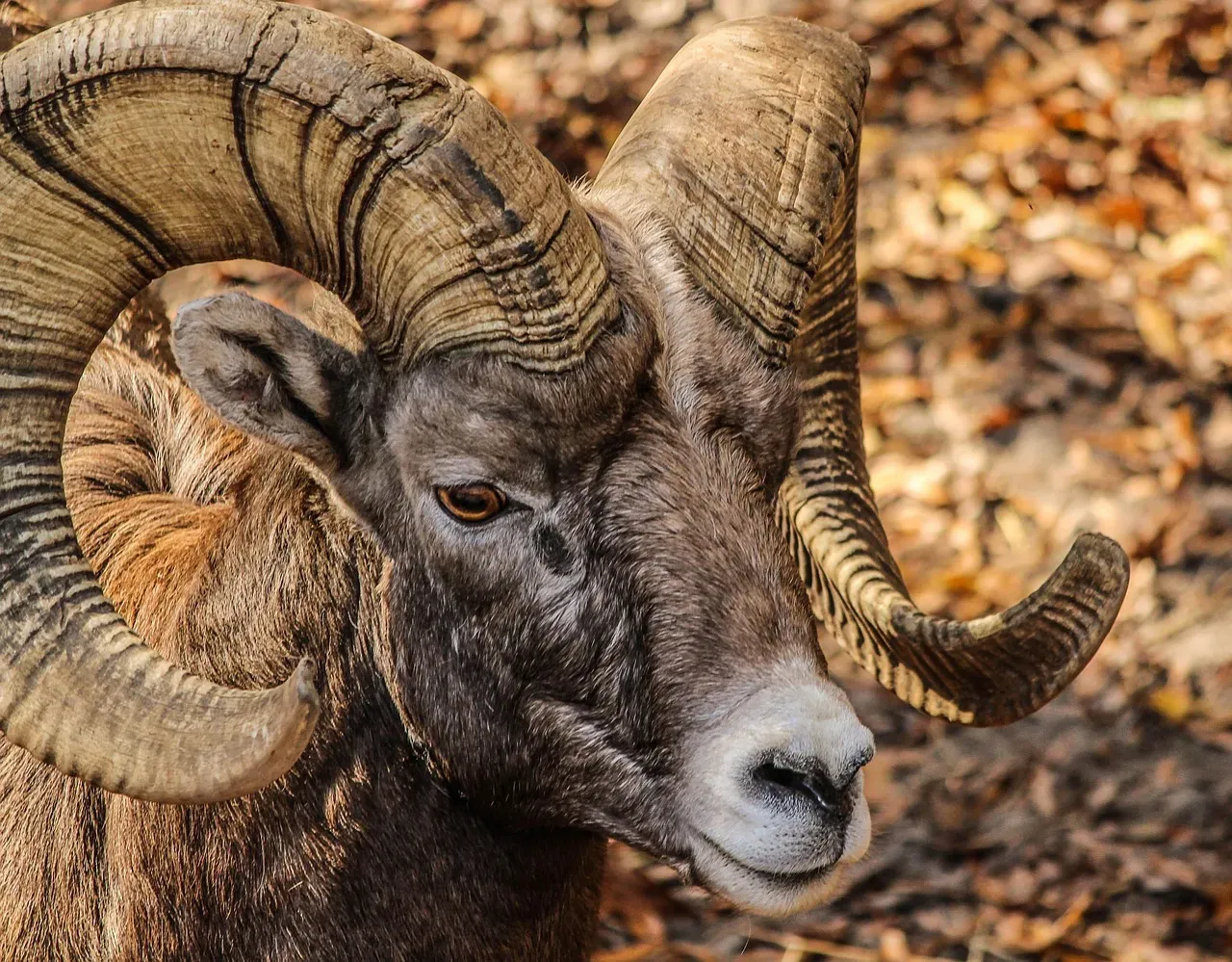
The rams’ curling horns are the bighorn’s most distinctive feature, and they’re far more than decorative. Older rams have curling horns measuring over three feet long with more than one foot of circumference at the base, and after eight years of growth, the horns of an adult ram may weigh more than 30 pounds. That’s as much as all the other bones in a ram’s body combined.
Both sexes develop horns soon after birth, with horn growth continuing more or less throughout life, and annual growth rings indicate the animal’s age. Like tree rings, you can literally read a bighorn’s life history in its horns. Female horns are much smaller and lighter, without the dramatic curl of the males.
Rams use these massive appendages in spectacular head-to-head combat during mating season. Mating competition involves two rams running toward one another at speeds around 40 miles per hour and clashing their curled horns, which produces a sound that can be heard a mile away. The clash echoes through canyon walls like thunder. Combat between rams has been observed to last for longer than 24 hours, demonstrating the intensity of competition for breeding rights.
Arizona Has Reached Record Population Numbers

While many regions still struggle with bighorn populations, Arizona tells a different story. Through aggressive translocation and augmentation efforts over the past couple of decades, Arizona has reached record high population numbers and distribution through native bighorn sheep range. This success didn’t happen by accident.
The state’s wildlife management approach has been proactive and science-based. Arizona has been the source population for augmentations in multiple locations within Colorado, New Mexico, Texas, and Utah, essentially becoming a bighorn sheep exporter. When a state has enough healthy animals to share with neighbors, you know the conservation program is working.
Arizona’s success provides a blueprint for other states. The combination of habitat protection, careful monitoring, disease management, and strategic translocations has proven effective. Still, the work never ends. Maintaining these gains requires constant vigilance and adaptation as environmental conditions change, particularly with ongoing drought concerns affecting the region.
Drought Poses a Modern Threat to Nevada’s Herds
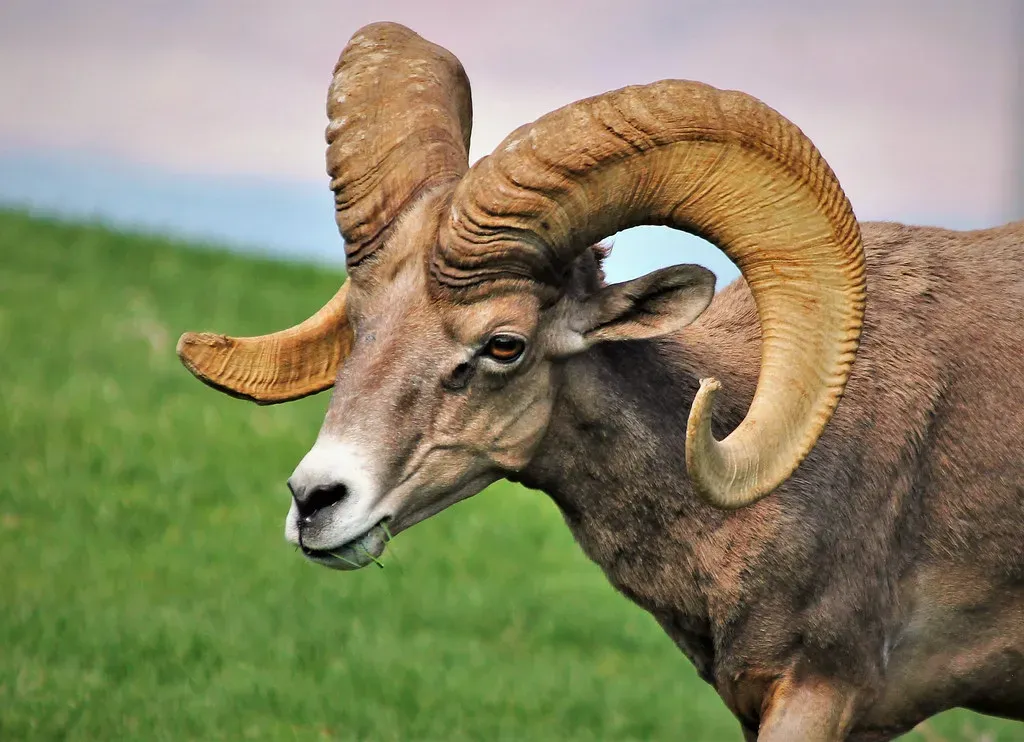
Conservation success stories can be fragile, as Nevada discovered recently. Nevada’s state animal may see its herds thinned by starvation because of drought, with no measurable rain falling in Southern Nevada in the last 200 days as of early 2025. The monsoonal rains that generally drench the ground in late summer never materialized in 2024.
Wildlife officials have responded with emergency measures. In late December, NDOW and its partners hauled 37,000 gallons of water to 10 existing guzzling stations in the mountains of Southern Nevada. It’s a stark reminder that even well-adapted animals have limits when conditions become extreme.
Officials warn that if they don’t take action, hundreds of animals will definitely die. The situation underscores climate change’s real-world impacts on wildlife populations. Even species magnificently adapted to desert conditions can’t survive indefinitely without the seasonal moisture patterns they’ve evolved to depend upon. Dropping hay isn’t a solution, as bighorn sheep can’t digest it because it’s too rich, limiting intervention options.
They Form Surprising Social Groups Throughout the Year
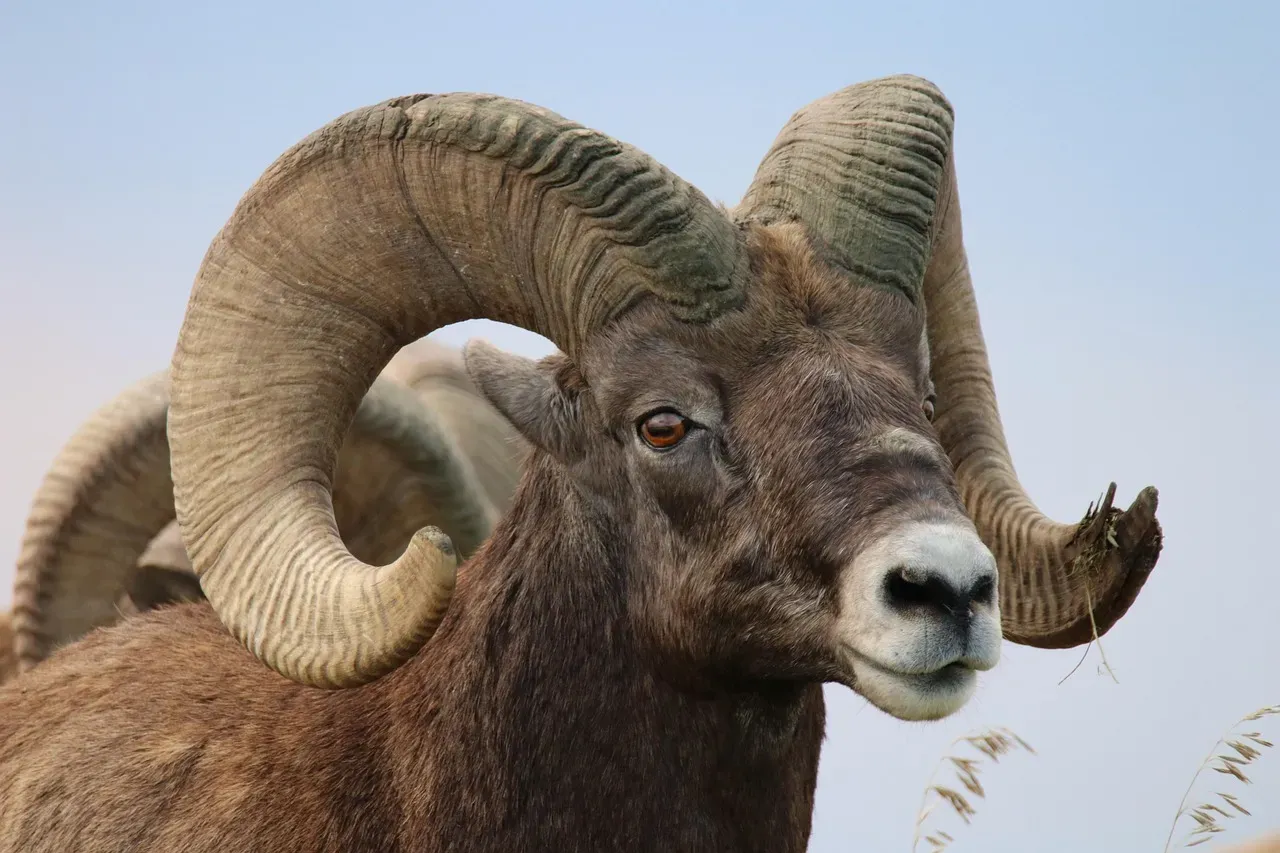
Desert bighorn sheep are social animals and form herds that are usually 8–10 sheep, though group dynamics shift seasonally. The social structure is more complex than simple herd behavior. Rams and ewes typically maintain separate groups for much of the year, only coming together during breeding season.
Mating season, called the “rut,” occurs in the fall when rams will compete to mate with females, and later in the season, rams will join females and female groups. This seasonal integration creates dramatic social shifts, with competition among males intensifying.
In the winter, bands of ewes may join together and form large groups of up to 100 sheep. These larger aggregations likely provide better predator detection and social learning opportunities, particularly important for young sheep learning to navigate their challenging environment. The social flexibility demonstrates sophisticated behavioral adaptation to seasonal resource availability and reproductive cycles.
Lamb Survival Remains Challenging Despite Population Gains
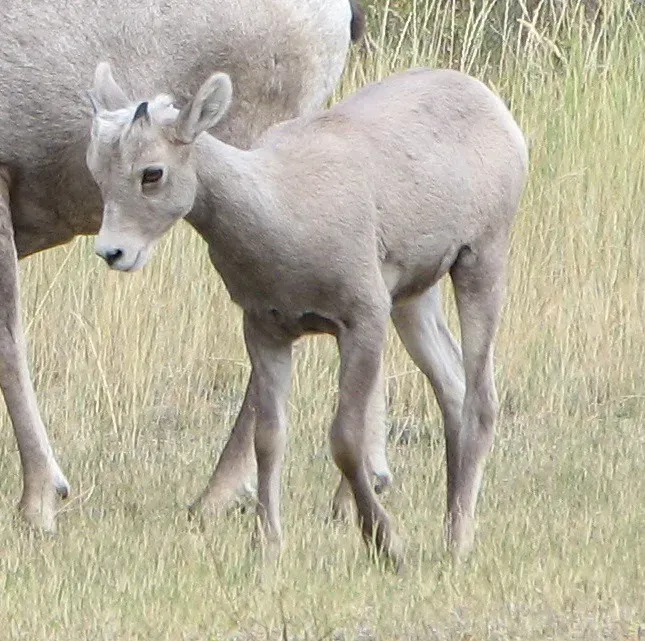
Even in favorable conditions, young bighorns face daunting odds. Even in favorable conditions, a bighorn lamb has less than a 50 percent chance of surviving its first summer. That’s a sobering statistic, reflecting the harsh realities of desert life.
In the desert, only about one-third of the lambs will survive their first summer, and a lamb born late in the season stands little chance of survival, since temperatures reach over 100 degrees F in May and often reach 120 F by June. Timing is everything. Lambs born even a few weeks late miss the critical window when conditions are most favorable.
Once pregnant, the ewe’s gestation period is six months and the timing coincides with the greening of plants during spring months, demonstrating evolutionary synchronization with seasonal resource availability. Yet despite this timing, predation, disease, heat stress, and insufficient nutrition take a heavy toll on young animals. If lambs are fortunate enough to survive into adulthood, they will live an average of ten to fourteen years old, making that first summer the critical survival bottleneck.
Their Range Spans Multiple Desert Ecosystems
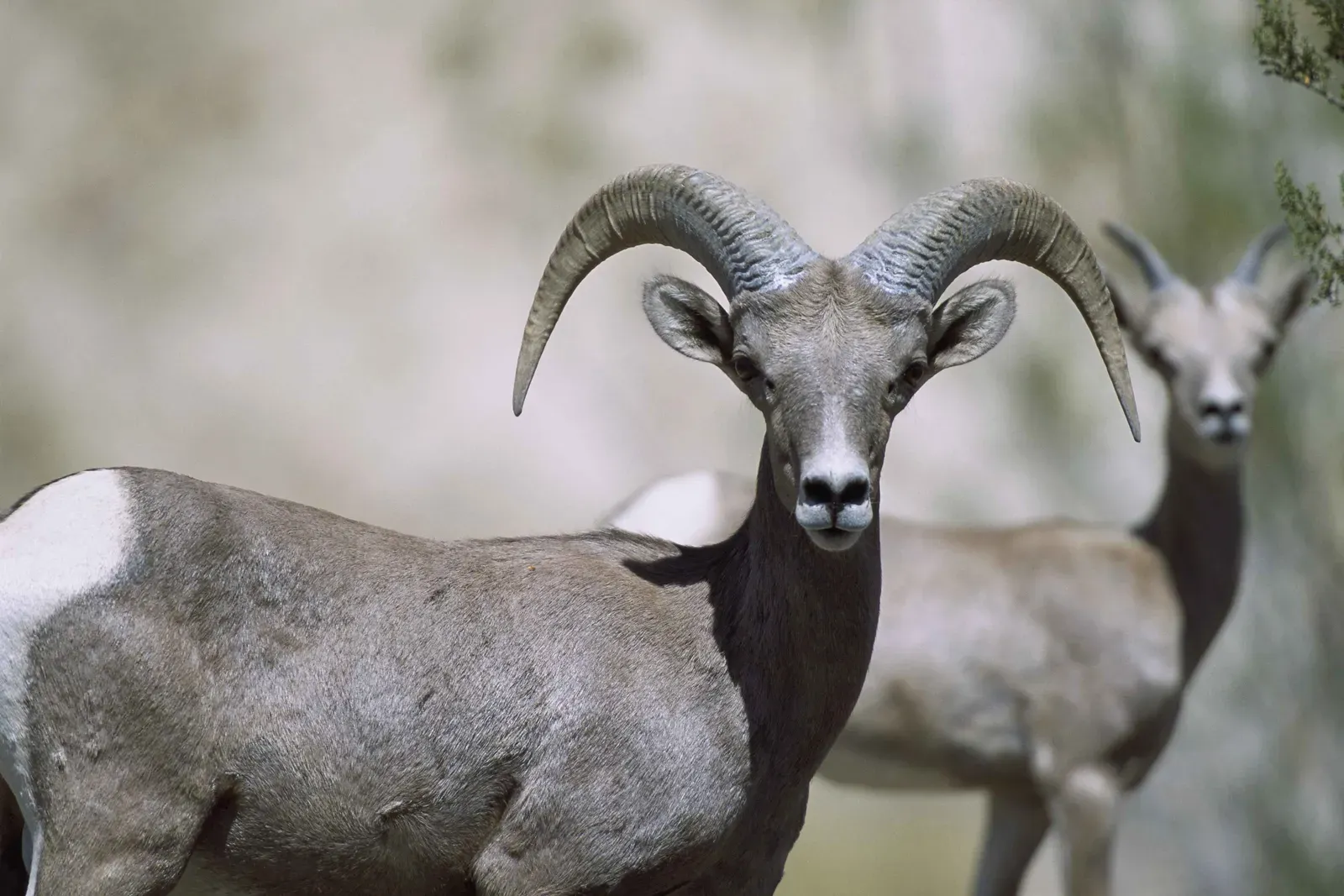
The range of the desert bighorn sheep includes habitats in the Mojave Desert, Sonoran Desert, Great Basin Desert, and Chihuahuan Desert, as well as the Colorado Plateau. This isn’t a single environment but rather a mosaic of distinct desert types, each with unique characteristics.
Anza-Borrego Desert State Park, Joshua Tree National Park, Death Valley National Park, Kofa National Wildlife Refuge, Cabeza Prieta National Wildlife Refuge, Zion National Park, Capitol Reef, and Mojave National Preserve all offer protected habitat for these animals. These protected areas create a network of safe havens across the Southwest.
The geographic diversity of their range demonstrates remarkable adaptability. From the low, hot basins of Death Valley to the higher elevations of Zion’s sandstone cliffs, desert bighorns navigate vastly different microclimates and vegetation communities. This distributional breadth suggests the species can potentially adapt to changing conditions, though rapid climate shifts may challenge even their considerable flexibility. The connectivity between these protected areas remains crucial for genetic diversity and long-term population viability.
Conclusion
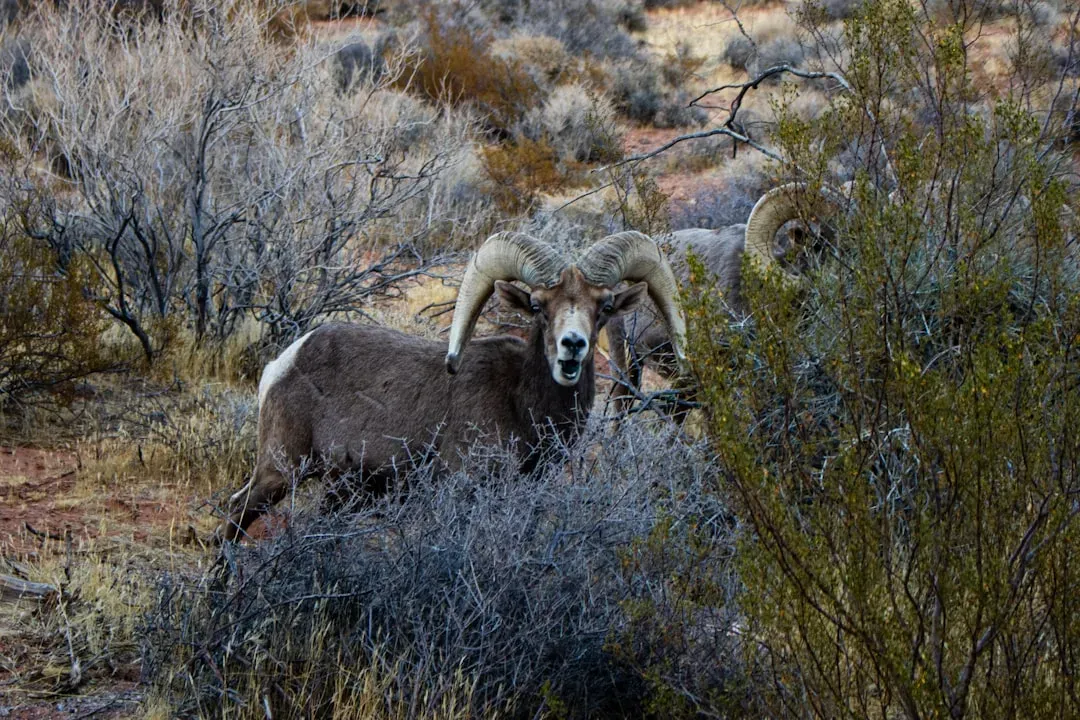
The desert bighorn sheep represents far more than an impressive set of horns or an acrobatic climber. These animals embody the resilience of life in harsh environments and the ongoing challenges of wildlife conservation in our changing world. From near extinction to cautious recovery, their story reflects both our capacity to harm and our ability to heal.
Nevada and Arizona’s bighorn populations face an uncertain future. Drought, habitat fragmentation, disease transmission from domestic livestock, and climate change continue threatening hard-won population gains. Yet these same challenges have mobilized scientists, wildlife managers, and conservation organizations to develop innovative solutions, from water hauling during droughts to careful translocation programs that spread genetic diversity.
What’s your take on desert wildlife conservation? Should more resources go toward protecting these iconic animals?
