
Worried about unexpected vet bills?
Pet insurance can cover thousands in unexpected vet costs. Get a free quote from Lemonade in under 2 minutes.
Get My Free Quote →Sponsored · Opens Lemonade.com
Nature is running a magic show that never stops. Somewhere right now, a gecko is pressed flat against a tree trunk, totally invisible. A venomous fish is lying on the ocean floor, patiently waiting for an unsuspecting shrimp to wander past. A snow-white fox is ghosting through an Arctic blizzard, essentially invisible to predators and prey alike. The world is teeming with these extraordinary illusions, and most of us walk right past them every single day.
Camouflage is a form of adaptation that allows animals to hide in plain sight. By changing their appearance to match their environment, they reduce the chances of being seen by predators or prey. Camouflage can involve changes in color, pattern, shape, and even behavior. Honestly, when you start looking at how wildly sophisticated these strategies really are, it makes a simple magic trick look embarrassingly amateur. Let’s dive in.
The Master of Instant Transformation: Cuttlefish and Their Skin Sorcery
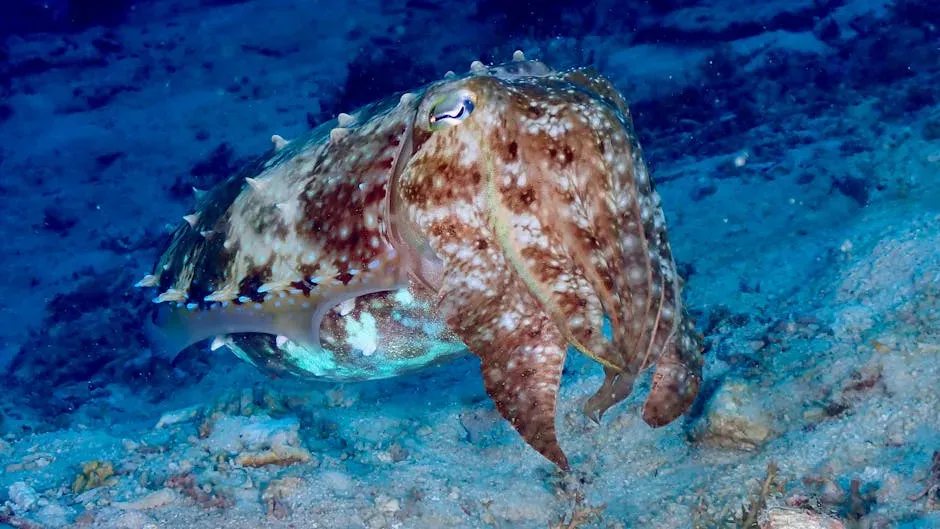
Here’s a fact that still blows my mind every time I think about it. Cuttlefish are amazing animals. They are unparalleled in their ability to change color and texture almost instantaneously. Like the chameleon, they use chromatophores, iridophores, and leucophores to create complex patterns and colors to match their surroundings or communicate with other cuttlefish. Their dynamic capabilities allow them to blend into a variety of environments, from sandy seabeds to vibrant coral reefs.
The octopus, a close relative, can change its color and skin texture to hide in various underwater environments within seconds. Think about that for a moment. Within seconds. That is not slow, gradual evolution at work in real-time. That is a living creature actively repainting itself like a biological LCD screen.
Cuttlefish are also highly intelligent, which makes their camouflage even more remarkable. It isn’t purely instinct. There is something almost deliberate about the way they read their surroundings and respond.
Seasonal Disguise: The Arctic Fox’s Two-Wardrobe Trick
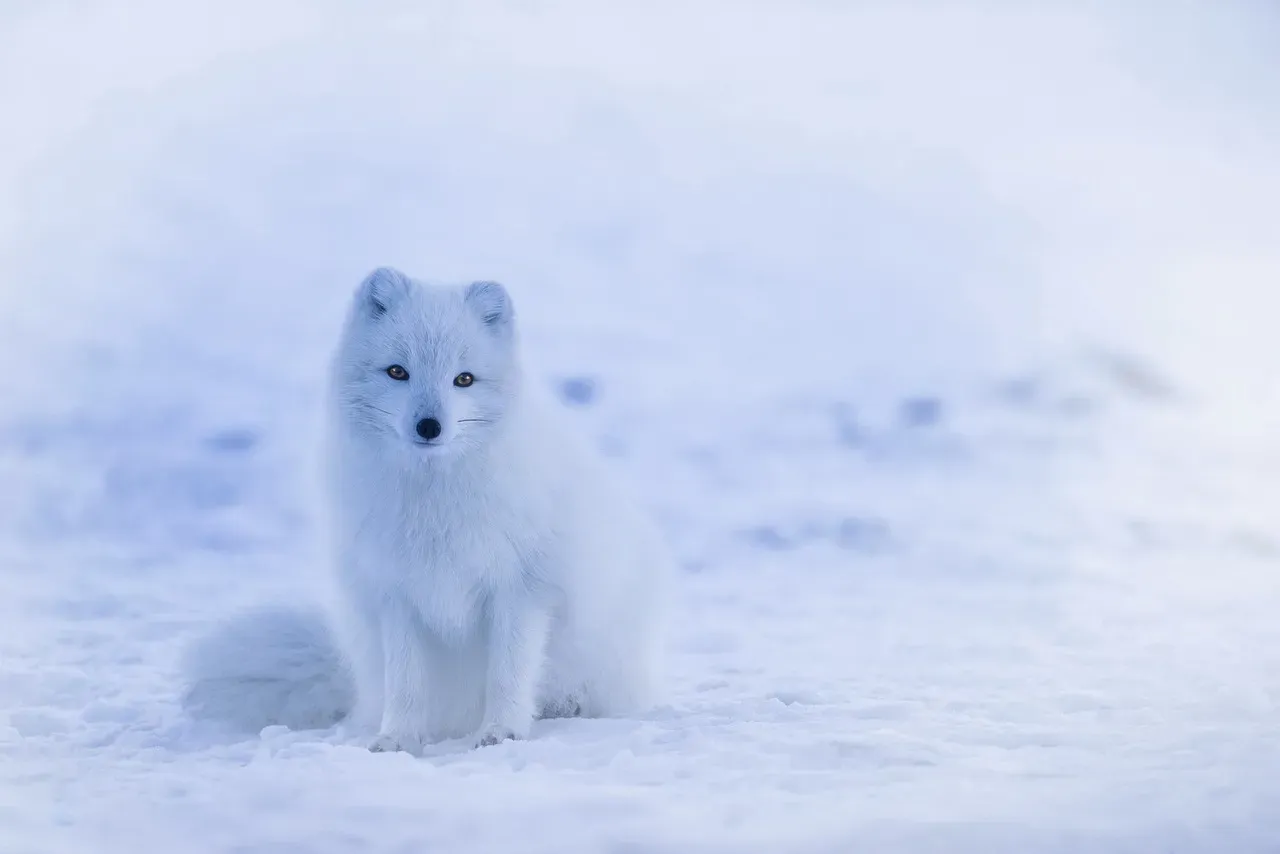
Most animals are stuck with one look for life. The Arctic fox, however, essentially gets two entirely different outfits per year, and both are perfectly engineered for survival. The Arctic fox demonstrates seasonal camouflage. Its coat turns pure white in winter to blend with snow, and brown or gray in summer to match the tundra landscape.
Arctic foxes’ winter coat survives multiple purposes. It’s thick enough to keep them warm in temperatures that can fall to negative 50 Celsius, it helps them stay hidden against the white snow while hunting for prey, and it protects them from predators like wolves and polar bears.
Its coat turns white in winter to blend into snow and brown in summer to match soil and foliage. This transformation is triggered by changes in daylight and temperature. Nature essentially gave this animal a built-in seasonal wardrobe refresh, no personal stylist required.
Body Sculpted Like a Dead Leaf: The Madagascar Leaf-Tailed Gecko
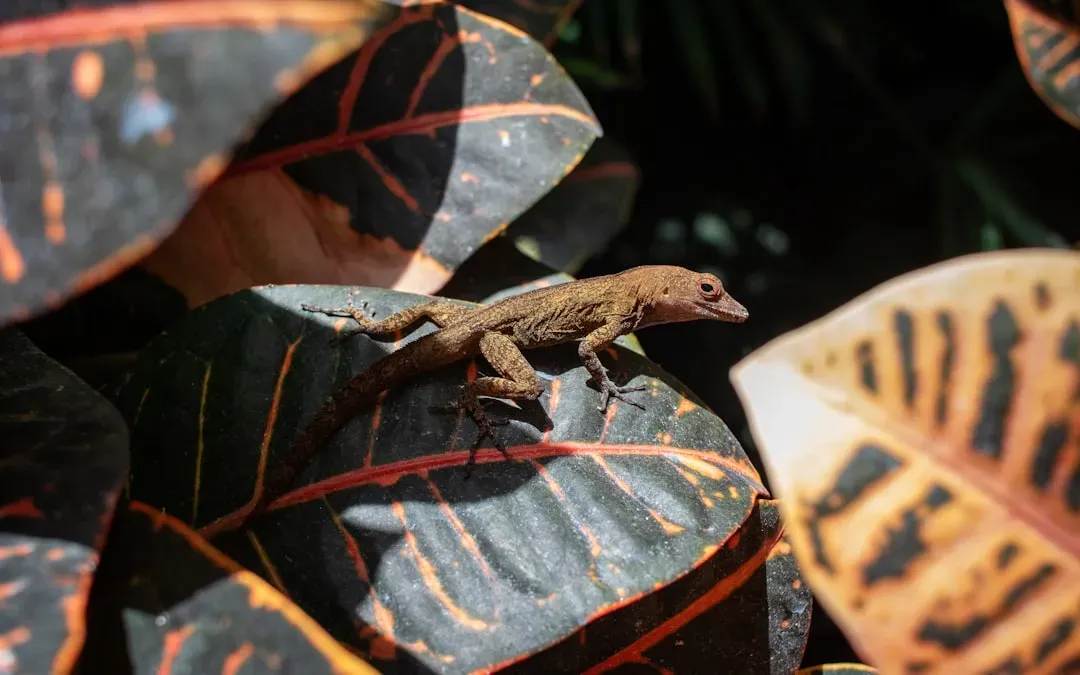
Native to Madagascar, this gecko’s body perfectly mimics a dead leaf. As an animal that can camouflage, it can remain motionless for hours. The leaf-tailed gecko is a prime example of how evolution has crafted some of the most incredible animals that camouflage.
In the mysterious rainforests of Madagascar, a true master of disguise lurks in the shadows, the Mossy Leaf-Tailed Gecko. With its incredible camouflage abilities, this remarkable creature has evolved to become virtually invisible against the backdrop of moss-covered trees and decaying foliage. Its body, adorned with intricate patterns and textures, mimics the rough bark of tree trunks, while its flattened tail closely resembles a decaying leaf. By aligning its body with its surroundings and remaining completely motionless, this gecko becomes nearly indistinguishable from its arboreal habitat.
Cryptic camouflage is when animals mimic specific elements of their environment, such as texture, color, or pattern. This can be seen in species like the leaf-tailed gecko, which boasts skin textures resembling tree bark, allowing them to blend into their arboreal habitats seamlessly. It’s the difference between wearing camouflage and actually becoming part of the scenery.
Disruptive Coloration: How Stripes and Spots Shatter Your Vision
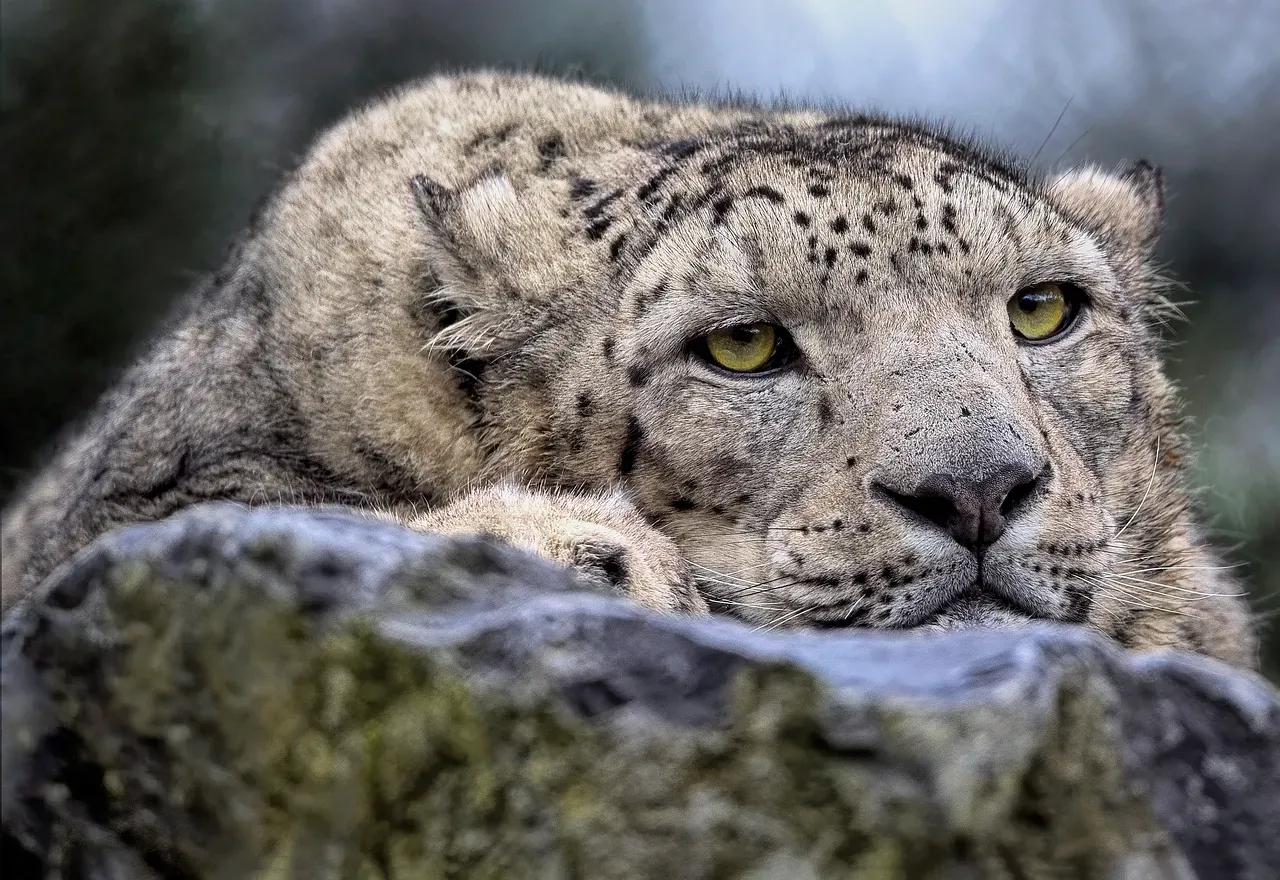
Let’s be real. When most people think about a leopard, they picture an extraordinarily beautiful animal, not necessarily an invisible one. Yet that’s exactly what those stunning spots are designed to achieve. Leopards are actually great at blending into their surroundings, whether that be trees, rocky cliffs, or grasslands. Found across Africa and Asia, there are a number of leopard subspecies that each have their own camouflage adaptations depending on their unique habitats. Their fur varies from shades of pale beige to darker gold, but all these big cats have the black rosette pattern that makes their camouflage so effective. Rosettes help them blend in with their surroundings as they mimic the appearance of shadows and leaves.
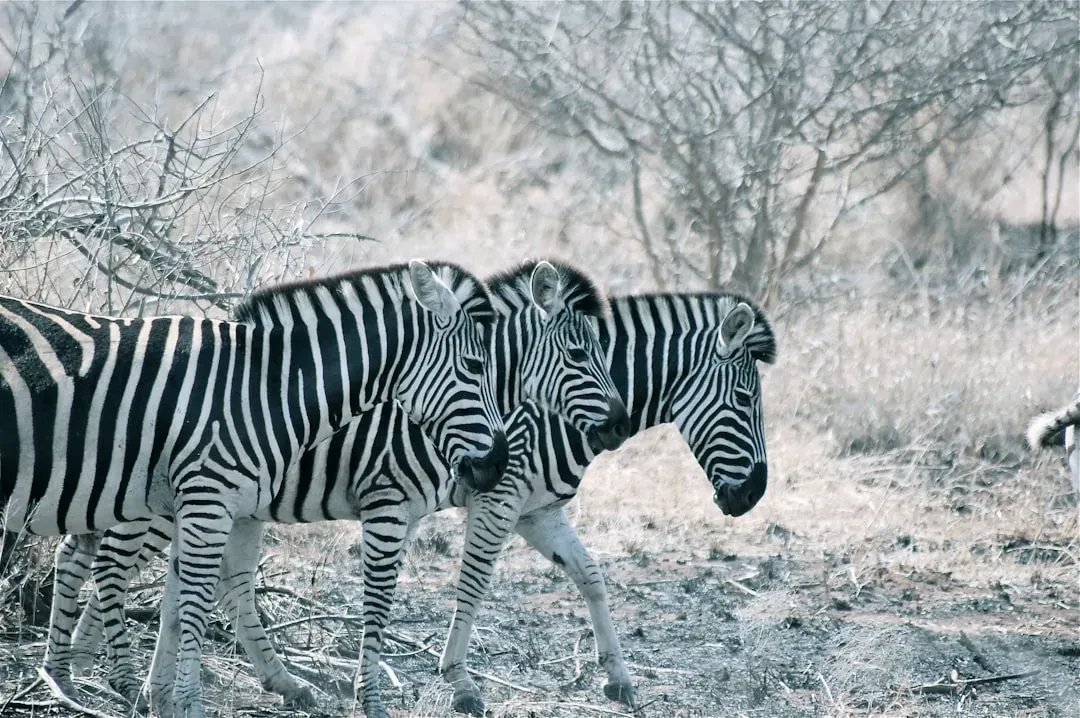
Some animals have patterns like spots, stripes, or mottling that break up their outline and make it harder to detect their shape against the background. Zebras, for example, have stripes that can confuse predators by disrupting their visual perception, especially when the zebras are moving as a herd.
When groups of disruptively colored animals are in a herd, it can make them more difficult to catch. A predator may lose sight of which animal it had chosen to attack and could get lost in the movement of the group. In other words, the pattern isn’t just about hiding. It’s about creating visual chaos.
Living Twigs and Sticks: The Walking Stick Insect’s Extreme Body Disguise
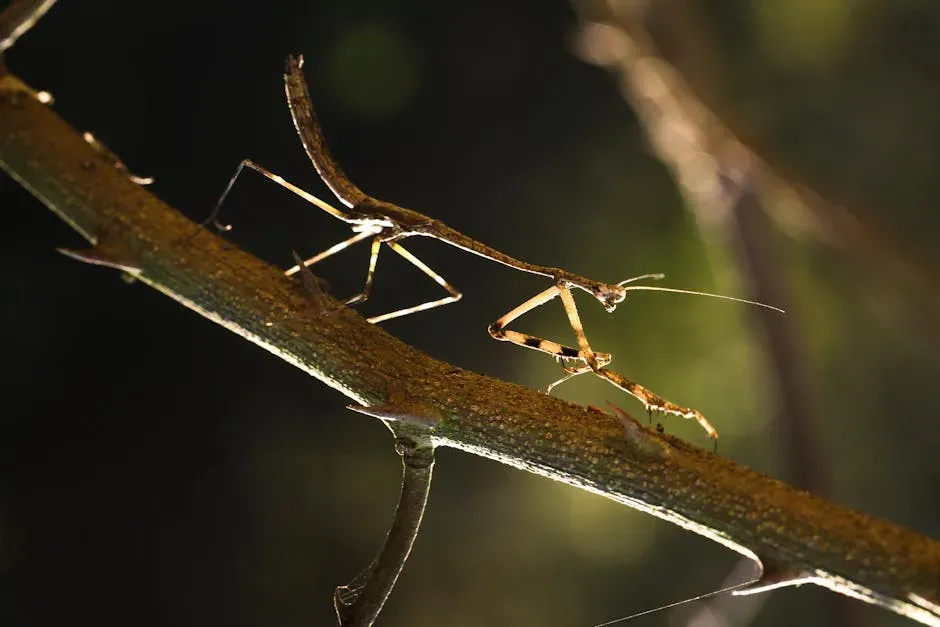
Walkingsticks, or stick insects, are so well camouflaged they even act like sticks. As their name suggests, these insects of the order Phasmatodea resemble twigs or sticks, and some species that live in the tropics resemble leaves. They are found everywhere on earth except Patagonia and Antarctica. When they stop moving, as they do when they sense a predator nearby, they are almost impossible to see.
One insect, the walking stick, so closely resembles a twig that it is possible for you to look directly at a motionless one and not be able to see that it is not a twig. The insect’s long slender body actually has spines and knobs that look like the buds and bumps on a small twig.
Mimicry can also extend to behavioral adaptations, such as the movement of a stick insect swaying like a twig in the wind. This is next-level stuff. Not just looking like a twig, but moving like one too. At that point, you’re not hiding. You’ve entirely become something else.
Countershading: The Clever Lighting Trick Used by Ocean Predators
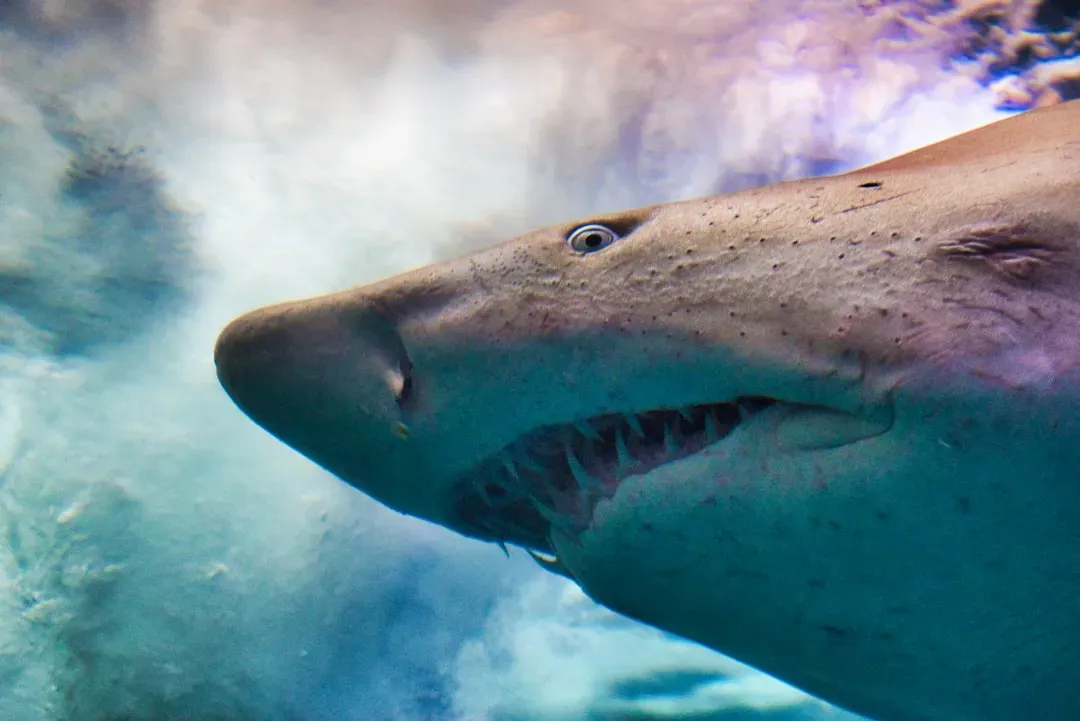
Here’s a concept that sounds almost too clever to be natural. Background matching involves animals blending with specific aspects of their habitat. Countershading, a common form of background matching, involves animals being darker on their upper side and lighter on their underside. This gradient of coloration helps them blend in with the environment when viewed from different angles.
Sharks, dolphins and many other sea creatures have a grayish-blue coloring, which helps them blend in with the soft light underwater. From above, their dark backs blend with the deep dark ocean. From below, their pale bellies merge with the lighter surface above. It’s essentially a two-directional invisibility coat built right into the animal’s biology.
Think of it like nature’s version of a two-sided mirror. Every angle covered. Every predator or prey fooled. It’s one of the most elegantly simple adaptations in the entire animal kingdom, and nearly half the ocean uses it.
Mimicry and the Art of Pretending to Be Something Dangerous
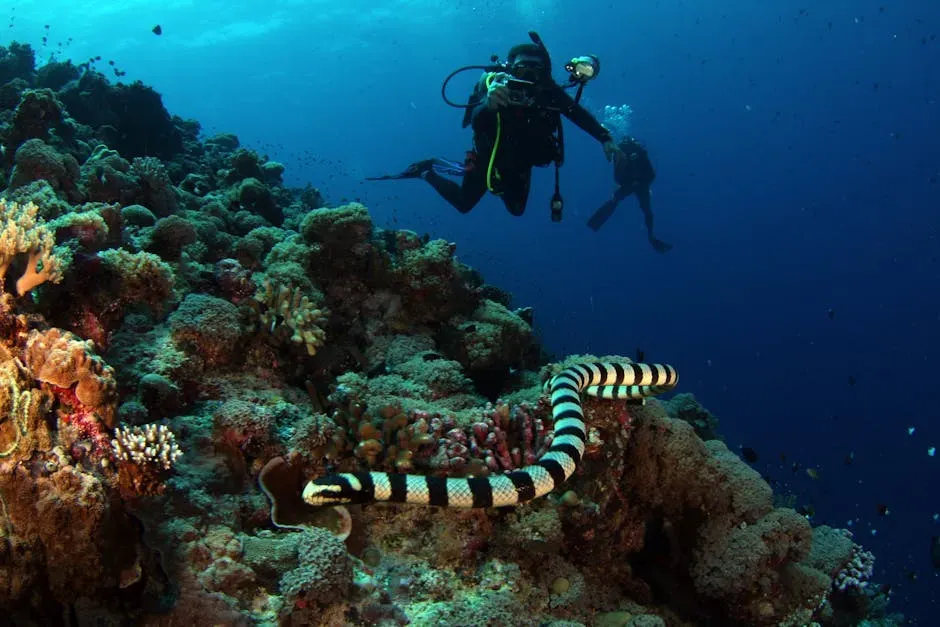
I think this one might be the most audacious strategy on the whole list. Rather than simply blending in, some animals fake danger entirely. Some animals mimic the appearance of dangerous or unappetizing creatures, such as the harmless king snake that looks like a venomous coral snake. This form of mimicry discourages predators from attacking, giving the mimic an advantage in survival.
Mimicry is the tactic of an animal copying another animal in form and color. It may not seem like a form of camouflage, but it is still a way to avoid detection or to avoid being eaten by fooling the predator. Some creatures pretend that they are dangerous by mimicking the look of a venomous, poisonous, or dangerous animal.
Batesian mimicry occurs when a harmless species evolves to imitate the appearance of a harmful or toxic species, gaining protection from predators. It’s essentially living a lie for survival purposes. Honestly, you have to admire the strategy. No venom required. Just a convincing costume.
Sloths and the Living Algae Coat: Camouflage You Grow Yourself
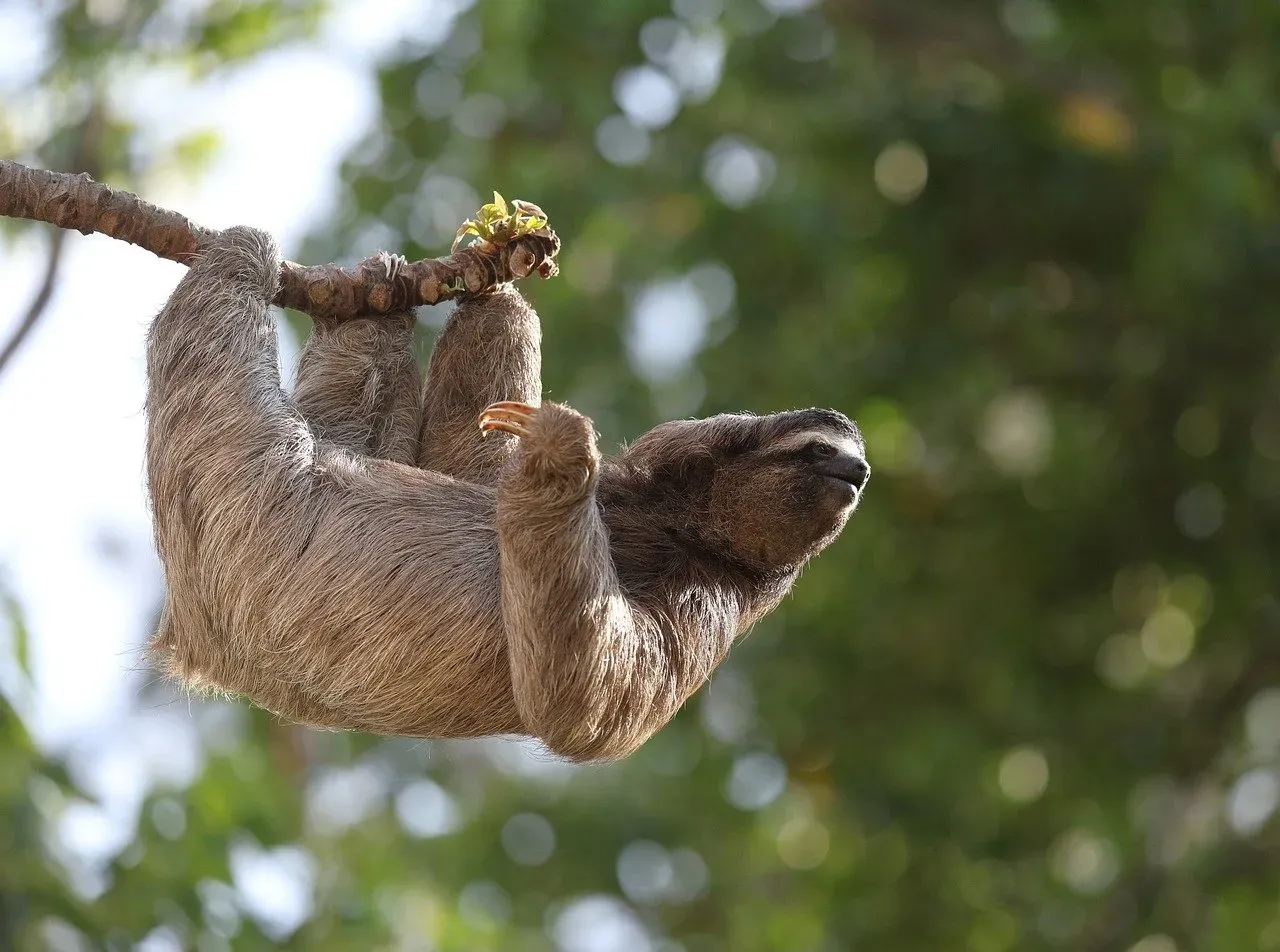
Now here’s a truly bizarre one that most people don’t know about. Sloths are masters of slow-motion camouflage. Their fur often hosts algae, which gives them a greenish tint that blends perfectly with their forest home. This fact about sloths makes them nearly invisible to predators.
It’s not a coat they were born with exactly. It’s something they cultivate by simply moving slowly through a humid, green environment and letting nature do the rest. Think of it as the animal equivalent of outsourcing your wardrobe to the ecosystem. Slow movement is not a weakness here. It’s part of the strategy.
Animals develop camouflage through evolutionary adaptations driven by natural selection, where those with better camouflage survive longer and reproduce more. Over generations, these traits become ingrained via genetic inheritance. The sloth’s entire lifestyle, from slowness to passivity, is perfectly calibrated to make the camouflage work.
The Scorpionfish: Deadly Camouflage on the Ocean Floor
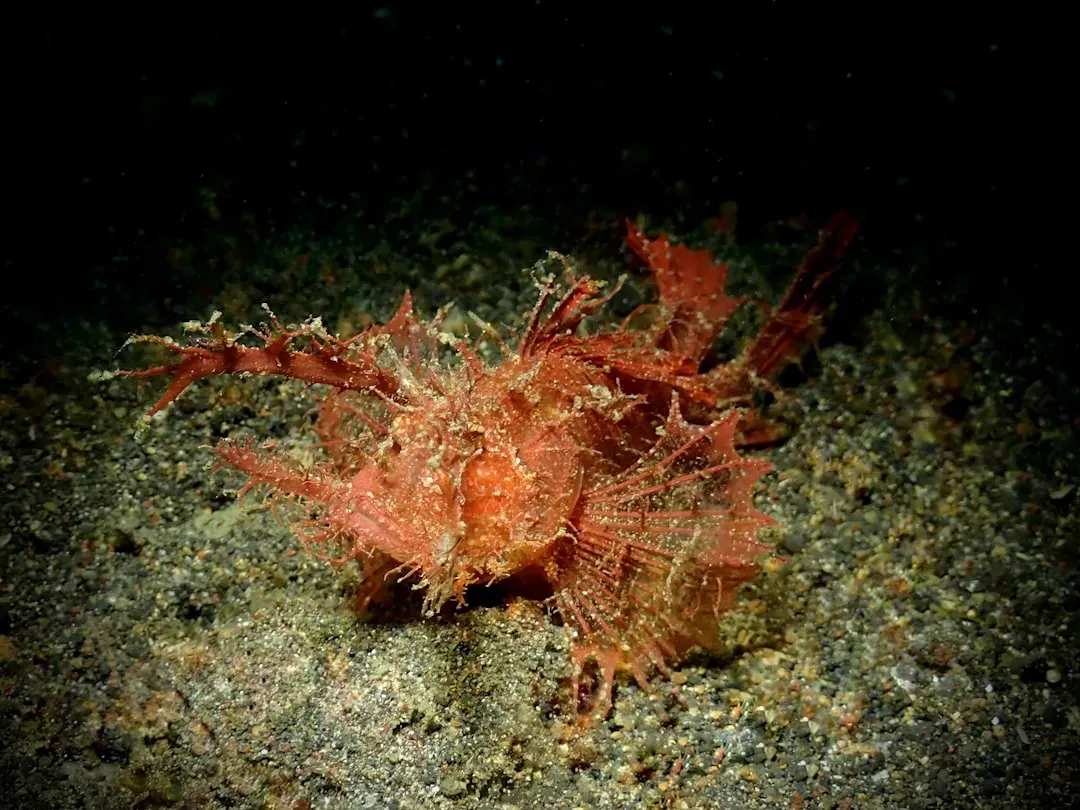
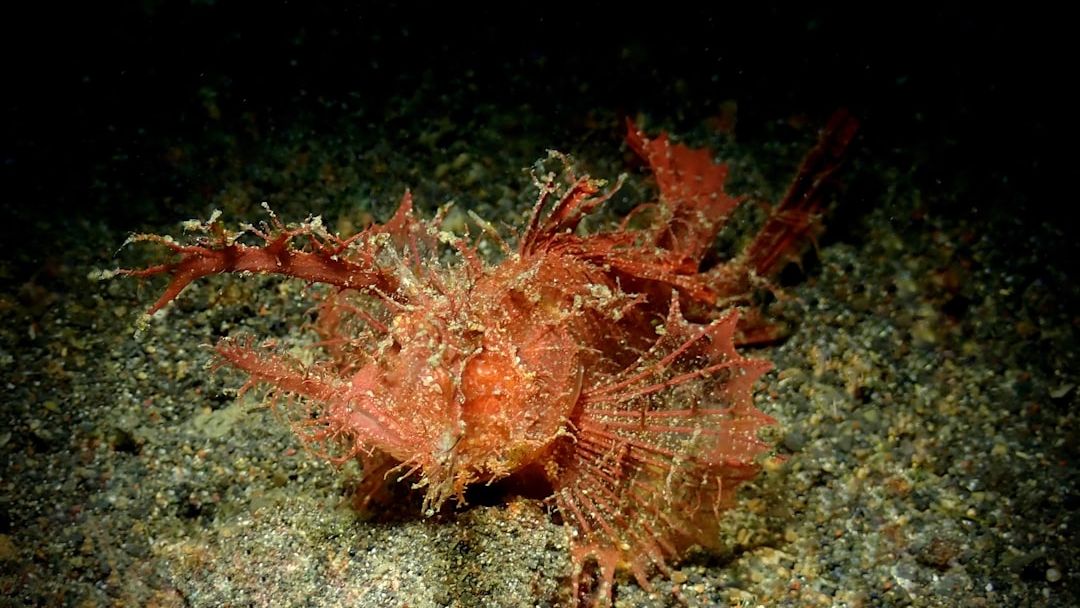
Scorpionfish are some of the most venomous fish in the world. Mostly found in the Indo-Pacific region, the more than 450 species of scorpionfish are sit-and-wait predators, meaning they stay concealed in one place until they get the opportunity to attack their prey.
Scorpionfish get their name because of the dangerous stinging spines found on their body, especially in their dorsal fin. The spines are covered in venomous mucus and protect the animals from predators, but their coloring helps to hide the fish from potential prey.
The stonefish is especially adept at this, for as its name says, it resembles a stone lying on the floor of the sea. Because a lot of scorpionfish live in shallow waters, this makes them something of a hazard for scuba divers and snorkelers. It’s hard to say for sure which is more dangerous: an animal that chases you, or one that simply waits, completely invisible, for you to step on it.
Scent Camouflage: The Animal That Smells Like Its Own Predator
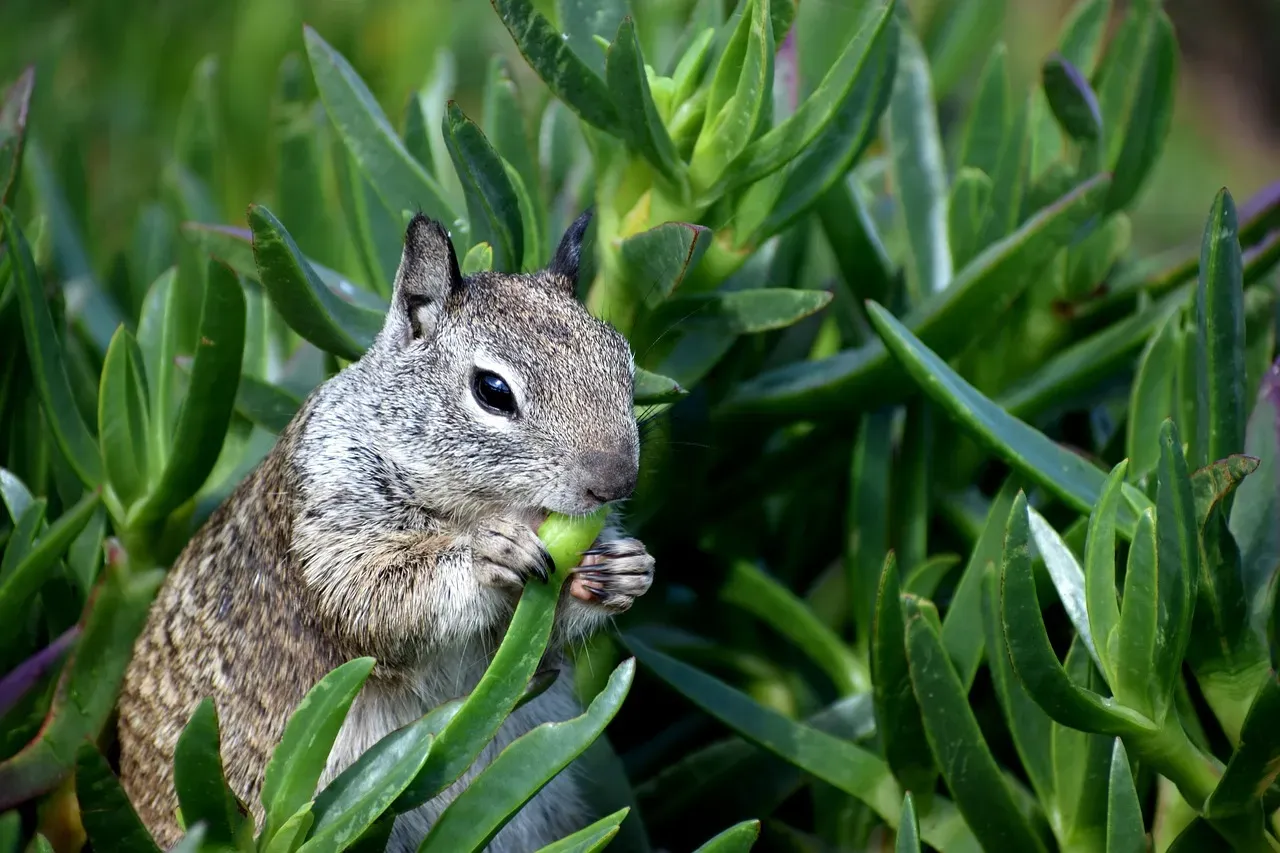
Most people think camouflage is purely visual. Here’s the thing, though. Some animals have taken disguise to a completely different sensory level. Some animals use scent camouflage. This means they disguise their normal smell with a different one. They might mimic the smell of another organism to trick their predators or prey.
The California ground squirrel uses this form of trickery by covering their own smell with that of their main predator: the rattlesnake. The squirrel will chew up and spit out old rattlesnake skins and then apply the paste to their own bodies by licking their fur.
I know it sounds crazy, but this is real. A small furry squirrel deliberately makes itself smell like the very creature that wants to eat it. The predator approaches, sniffs, and gets confused. The squirrel lives another day. It’s disgusting, brilliant, and one of the most creative survival strategies the natural world has ever produced.
Conclusion: Nature’s Invisible Art Show
Camouflage is an example of an adaptation many species have thanks to millions of years of evolution. Over time, the individuals with the best camouflage have survived and passed their traits down to the next generation, giving these modern-day species the key to staying safe or being successful hunters.
What makes all of this genuinely astonishing is the sheer variety of the approaches. Color, shape, texture, behavior, scent. As animal species evolve, they become more and more in tune with their environment. Often, these sorts of adaptations are more effective survival tools than an animal’s more aggressive weapons of defense such as teeth, claws, and beaks. After all, being entirely overlooked by a predator is preferable to having to put up a fight.
Nature has essentially been running the world’s most sophisticated art installation for millions of years, and most of the exhibits are completely invisible to the naked eye. The next time you walk through a forest, a garden, or stand at the edge of the ocean, pause for a second. Something near you is probably already watching. You just can’t see it yet.
What creature’s camouflage surprised you the most? Drop your thoughts in the comments below.
Worried about unexpected vet bills?
Pet insurance can cover thousands in unexpected vet costs. Get a free quote from Lemonade in under 2 minutes.
Get My Free Quote →Sponsored · Opens Lemonade.com

- How Muskrat Behavior Can Indicate Climate Change in The Carolinas - June 6, 2026
- What Ancient Animal Symbolizes Prosperity for Your Zodiac Sign? - June 6, 2026
- The US States With the Most Elk - June 6, 2026