
Worried about unexpected vet bills?
Pet insurance can cover thousands in unexpected vet costs. Get a free quote from Lemonade in under 2 minutes.
Get My Free Quote →Sponsored · Opens Lemonade.com
We tend to think of tool use as our defining superpower. The thing that separated us from the beasts. Ancient humans shaping flint, building wheels, forging steel. For a long time, scientists and philosophers agreed: tools equal humanity. Full stop.
Then the animals started proving everyone wrong. One by one, species across forests, oceans, and skies began showing researchers something deeply humbling. The line between human ingenuity and animal intelligence? It is blurrier than most of us ever imagined.
Some of these creatures will surprise you. Some will flat-out shock you. Let’s dive in.
1. Chimpanzees: The Original Toolmakers
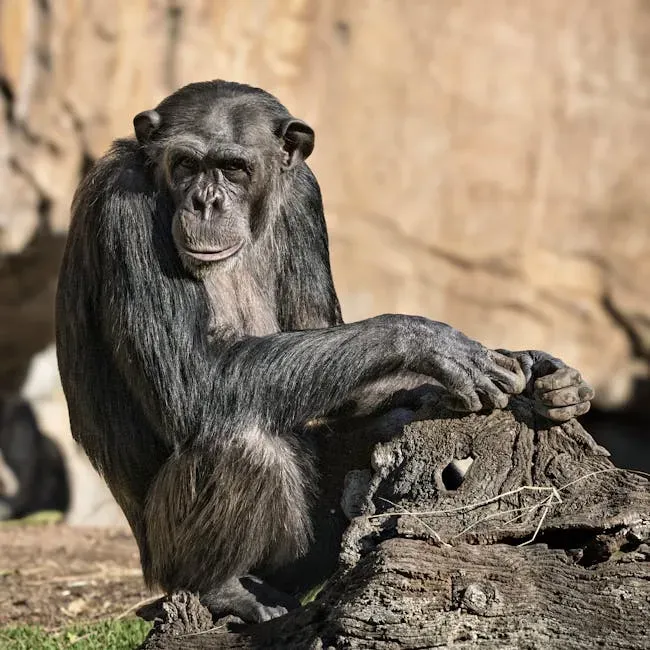
Chimpanzees have often been the object of study in regard to tool use, most famously through Jane Goodall’s research, and are closely related to humans. Honestly, they deserve the top spot simply because they changed everything we thought we knew about ourselves as a species.
Chimps fashion fishing sticks by stripping leaves from branches to extract termites from mounds and ants from nests, and in West Africa, they use stone and wooden hammers with anvils to crack nuts, a behavior that requires significant strength and precision.
Recent research has even documented chimps creating spears for hunting bushbabies, sharpening the ends with their teeth before thrusting them into tree hollows. Some chimp communities have also been observed using natural sponges made from chewed leaves to collect drinking water from tree hollows, and even creating leaf umbrellas during rainstorms.
Perhaps most remarkably, these tool-using traditions vary between communities, suggesting cultural transmission of knowledge, a trait once thought to be exclusively human. Think about that for a second. Different chimp tribes pass down their own tool cultures, like regional cooking traditions in humans.
2. New Caledonian Crows: The Bird Engineers
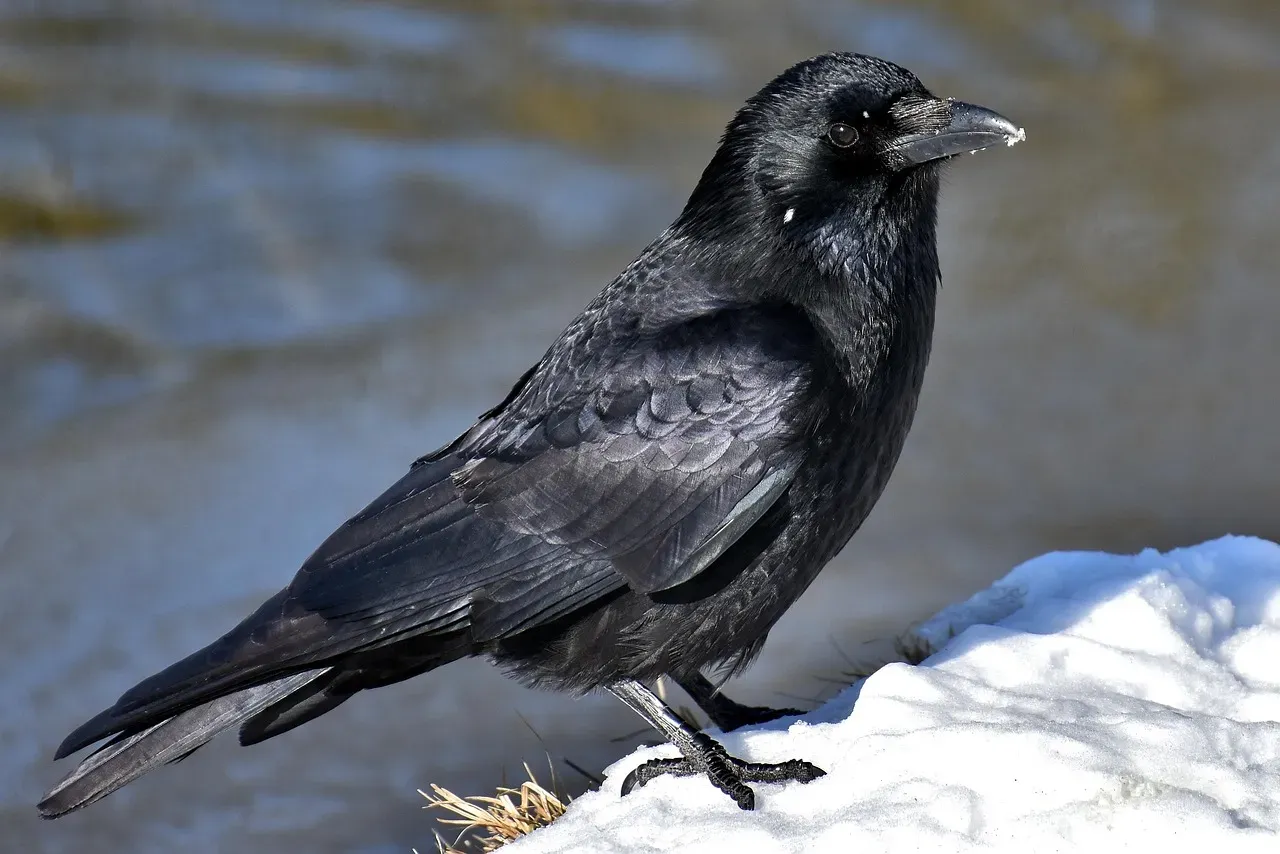
The corvid family, particularly crows and ravens, exhibits some of the most sophisticated tool use among non-primates. New Caledonian crows are the standout performers, crafting hooked tools from twigs and serrated leaf edges to probe for insect larvae, a skill that requires complex manufacturing steps.
These birds not only create tools but can solve multi-step problems, understand physical causality, and even improve their tools over time. I think that last part deserves a moment. They improve their tools. That is iterative design. That is basically engineering.
New Caledonian crows will spontaneously use a short tool to obtain an otherwise inaccessible longer tool that then allows them to extract food from a hole. Using a tool to get another tool. Scientists call this “meta-tool” use. It is the kind of thinking we barely credit animals with, and yet here we are.
3. Bottlenose Dolphins: Sponge-Wearing Foragers
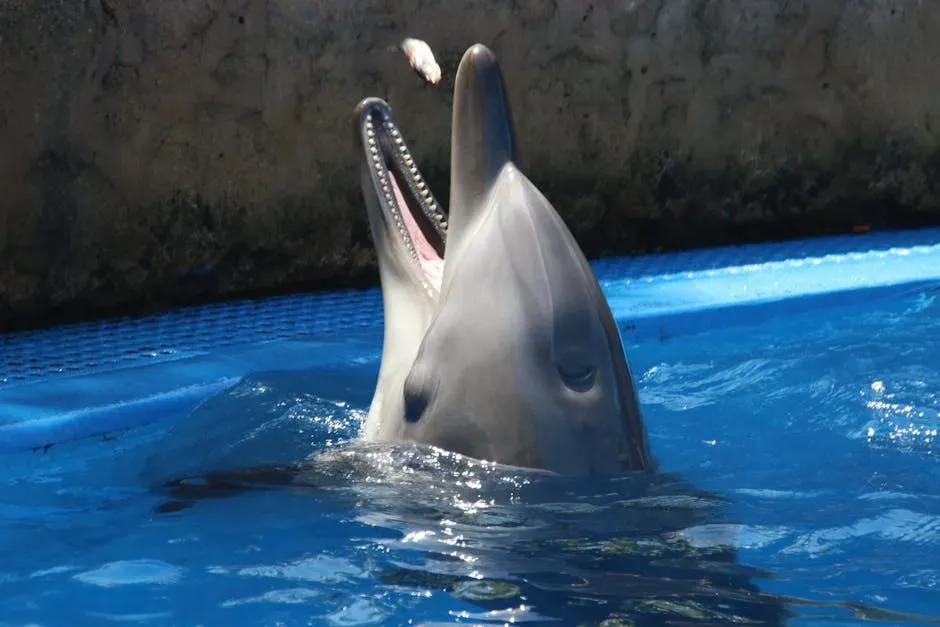
Bottlenose dolphins have surprised marine biologists with their sophisticated tool use, despite lacking hands or opposable thumbs. In Australia’s Shark Bay, scientists have documented dolphins using marine sponges as protective shields for their rostrums while foraging along the rough ocean floor. This behavior, known as “sponging,” allows them to search for fish hidden in the sediment while preventing injuries.
What’s particularly remarkable is that this behavior appears to be culturally transmitted, primarily from mother to daughter, creating a distinct “sponging culture” within certain dolphin communities. It is basically a family tradition, passed down through generations like a treasured recipe.
Recent observations have also revealed dolphins using shells to catch fish – they carry the shells in their mouths, wait for fish to seek shelter inside, then bring the shell to the surface and shake out the prey. That is not just tool use. That is a trap. A deliberate, planned trap.
4. Sea Otters: The Stone-Age Shellfish Crackers

Back in 1938, off the coast of Monterey County, California, a naturalist named Edna Fisher observed that some sea otters would dive to the bottom of the sea, surface carrying a stone, and then use the stone to crack open mussels. The following year, Fisher reported in the Journal of Mammalogy that the otters were using tools, a behavior previously thought to be the sole province of humans. For decades, nobody listened.
In a 2019 paper published in Scientific Reports, researchers described a ten-year study at a single site off the California coast where otters have learned to use stationary rocks as anvils to open mussels. The animals’ behavior has led to consistent patterns of wear on the rocks accompanied by characteristic accumulations of broken mussel shells.
Sea otters even use tool composites, meaning one rock as an anvil and another as a hammer. Picture a small, furry creature floating on its back in the Pacific, carefully selecting the right stone from its personal collection. That is what’s happening. Every single day.
5. Orangutans: The Quiet Innovators
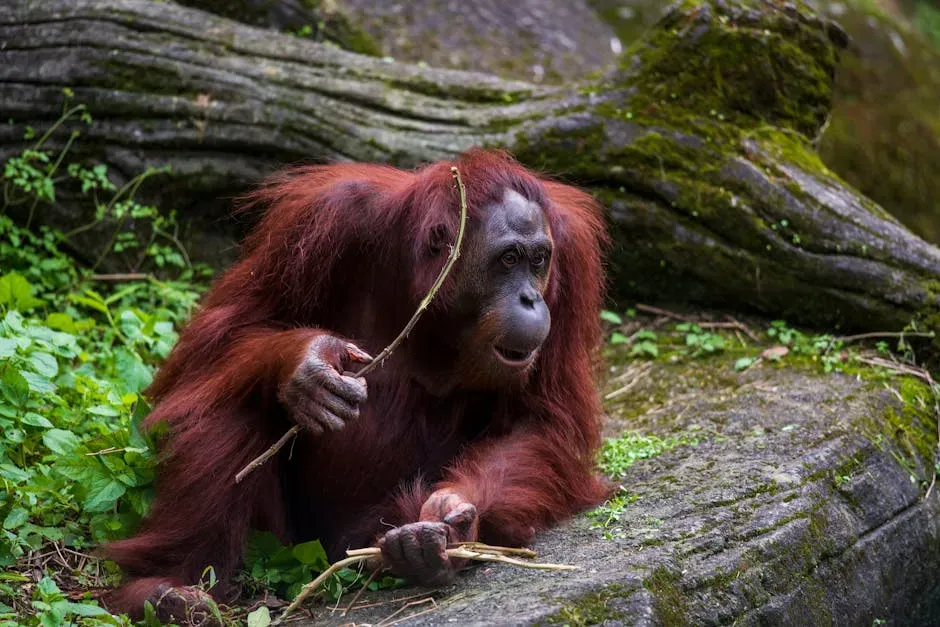
Orangutans, sharing a remarkable portion of their DNA with humans, are sophisticated tool users in their native forests of Borneo and Sumatra. These arboreal apes use sticks to extract seeds from fruits like the spiny Neesia, whose protective coating would otherwise make the nutritious seeds inaccessible. They also fashion umbrellas from large leaves during tropical downpours and construct protective gloves from leaves when handling thorny food.
Captive orangutans have demonstrated even more impressive abilities, using sticks to test water depth before crossing, fashioning tools to extract honey from artificial hives, and even attempting to use human tools they’ve observed. Here’s the thing: copying a tool you have never used before requires serious imagination.
Orangutans in the wild have also developed and passed along a way to make improvised whistles from bundles of leaves, which they use to help ward off predators. This marks the first known case of an animal using a tool to help it communicate, mounting evidence that culture is not unique to humans.
6. Capuchin Monkeys: Tiny Bodies, Big Brains
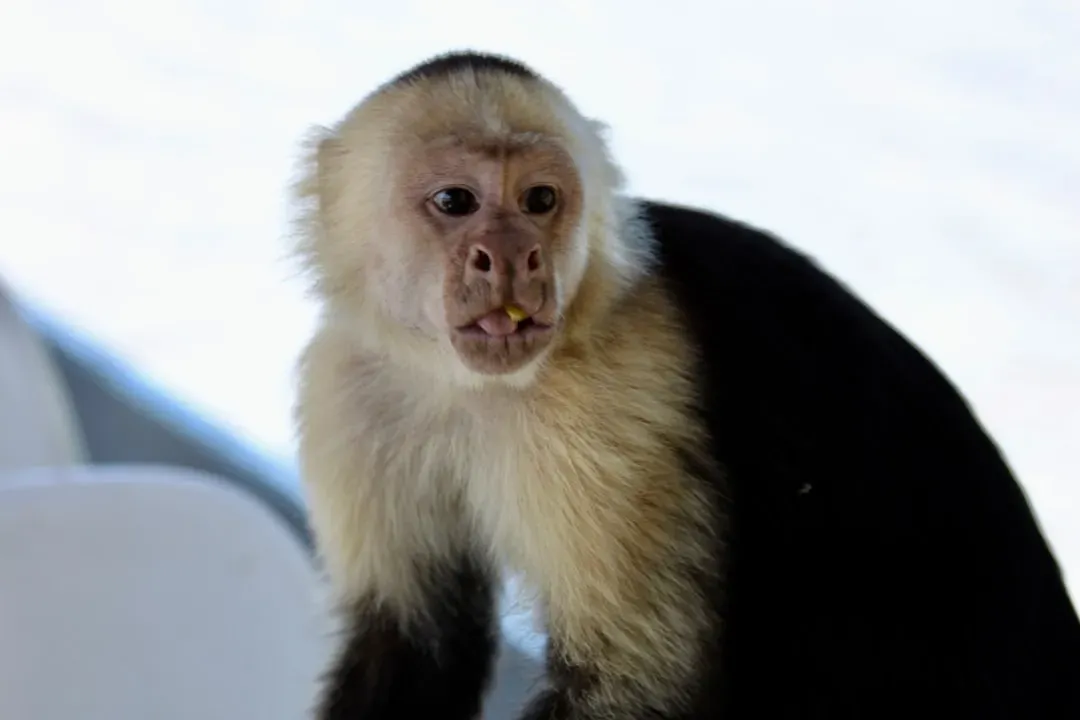
Among monkeys, capuchins are particularly skilled tool users. They frequently use rocks to smash open hard fruit and nuts, selecting the best tools for the job based on weight and durability. This ability to think about the properties of tools in relation to the food that needs to be cracked reveals especially good problem-solving abilities.
Capuchins also use sticks to extract insects from tree crevices, displaying a keen ability to adapt objects in their environment to aid in foraging. These are small monkeys, roughly the size of a house cat. Yet their toolkit would make some primates jealous.
Bearded capuchin monkeys will even use smaller stones to loosen bigger quartz pebbles embedded in conglomerate rock, which they then use as tools. In some cases, they use one tool followed by another, such as stones and sticks. Sequential tool use. That is a multi-step plan executed by an animal with a brain the size of a walnut. Jaw-dropping stuff.
7. Elephants: Nature’s Thoughtful Giants
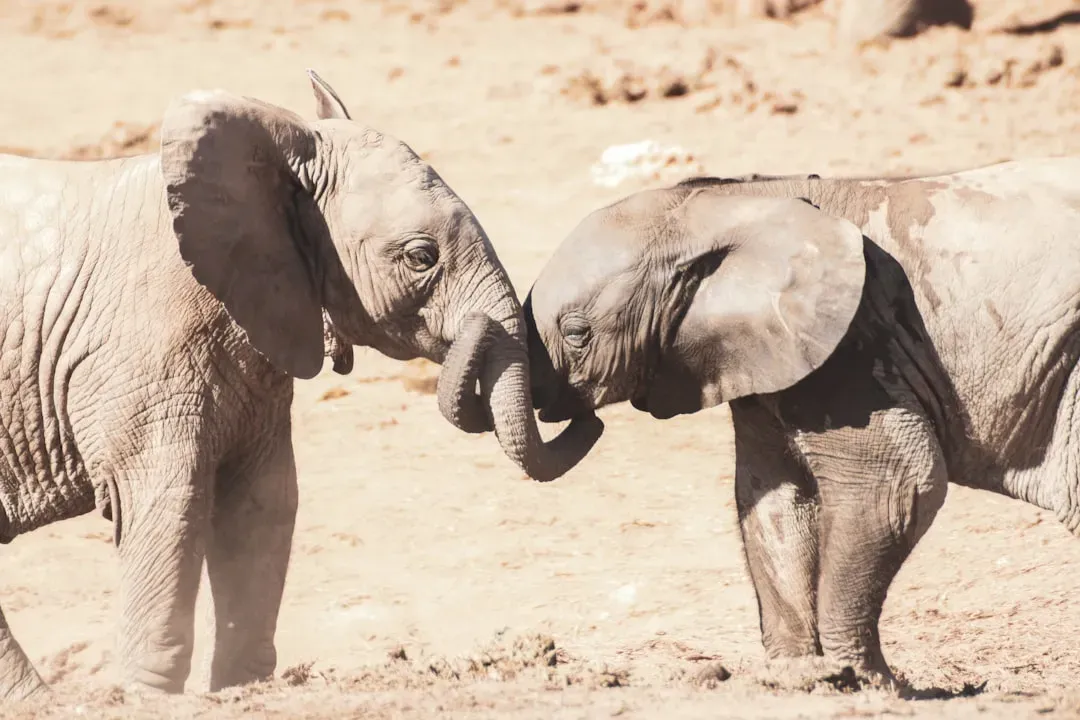
Elephants have big brains to match their big bodies, and they put them to remarkable use in developing new types of tools. The trunk of an elephant provides them with a deft means of manipulation, making them especially well-equipped to wield tools.
Anecdotes suggest elephants can intentionally drop logs or rocks on electric fences to short them out, and plug up water holes with balls of chewed bark to keep other animals from drinking. Asian elephants are even known to systematically modify branches to swat at flies, breaking them down to ideal lengths for attacking the insects.
Elephants in captivity are capable of solving puzzles involving stacking objects to reach objectives above them, and emptying water into a basin to make a treat rise within reach of their trunks. That last one is essentially applied physics. The elephant figured out fluid dynamics to get a snack. Let that sink in.
8. Octopuses: The Invertebrate Surprise
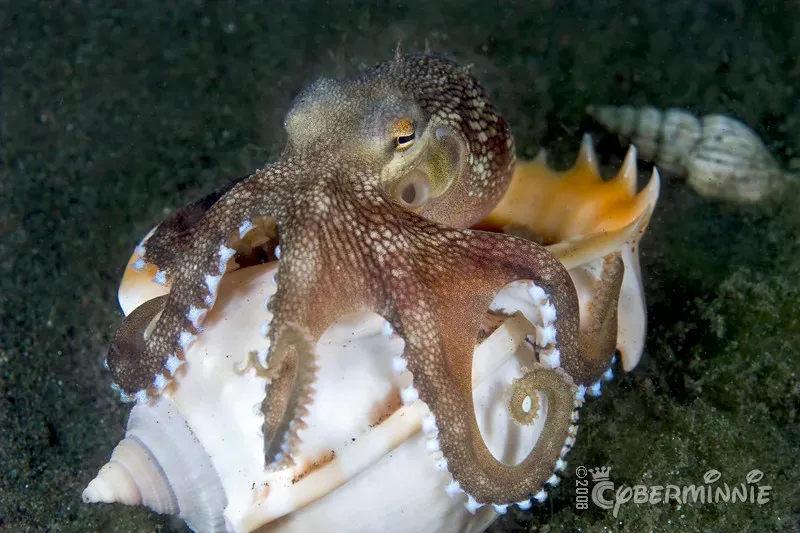
Until very recently, tool use was considered to be restricted to vertebrates like primates and birds. That was until researchers documented octopuses carrying around coconut shell halves and using them as handy shelters and lairs. The animal kingdom threw a curveball nobody saw coming.
At least four coconut octopus individuals were witnessed retrieving coconut shells, manipulating them, stacking them, transporting them up to 20 metres, and then reassembling them to use as a shelter. The octopuses use coconut shells discarded by humans that have eventually settled in the ocean. They probe their arms down to loosen the mud, rotate the shells out, and after turning them so the open side faces upwards, blow jets of mud out of the bowl before extending their arms around the shell.
The shells are cumbersome and ungainly to carry, making movement inefficient and the animals more vulnerable to predators. The fact that they do this implies that they are planning for the future use of the shells for a particular purpose, a sophisticated cognitive feat that sets the behavior apart from simple object manipulation. Planning for the future. From an invertebrate with no spine, literally or evolutionarily speaking.
9. Humpback Whales: Masters of Aquatic Engineering
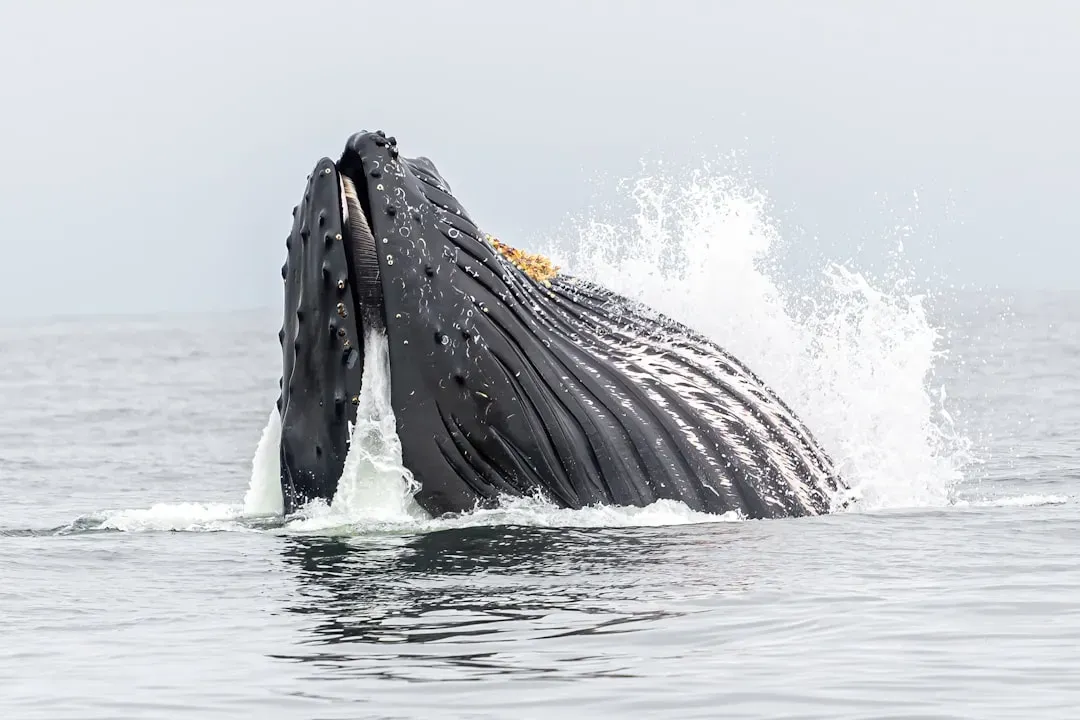
Humpback whales have been found to use tools. In southeast Alaska, scientists discovered the whales create and modify tools to help them hunt prey. The tools are “bubble nets,” krill-catching devices described in a study published in Royal Society Open Science as wholly unique to humpback whales.
The team observed the whales blowing bubbles in patterns, forming nets with internal rings; the number of rings, the size and depth of the net, and the spacing between bubbles were skillfully controlled by the humpbacks. Think of it like weaving an invisible fishing net out of thin air, except underwater, and with your breath. Remarkable does not even begin to cover it.
Humpback whales singly and collectively expel bubbles to create nets that encircle, contain, and concentrate schooling prey for easy gulping. This is cooperative tool use. Multiple animals coordinating to build something together. Sound familiar?
10. Carrion Crows: Urban Innovators
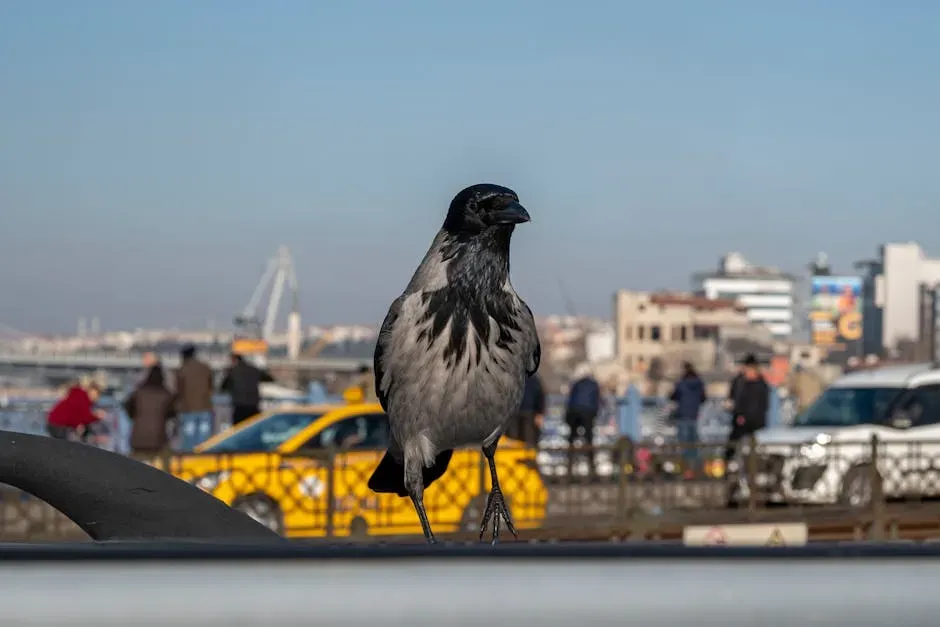
In Japan, carrion crows have been observed placing walnuts on roads for cars to crack open, then waiting for traffic lights to change before safely retrieving their food. Let that image fully form in your mind. A crow, standing at a pedestrian crossing, waiting for the walk signal, because it knows the traffic pattern. That is not instinct. That is strategy.
American crows have been documented fashioning tools from wire and other human-made materials, showing remarkable adaptability. These birds can also remember human faces for years and teach tool-using techniques to their offspring, demonstrating cultural transmission of knowledge, a cognitive ability once thought unique to humans and great apes.
The crows essentially figured out how to outsource the hard labor of cracking nuts to passing vehicles, and then taught it to their children. Honestly, if that is not intelligence, I do not know what is.
11. Gorillas: Reluctant but Capable
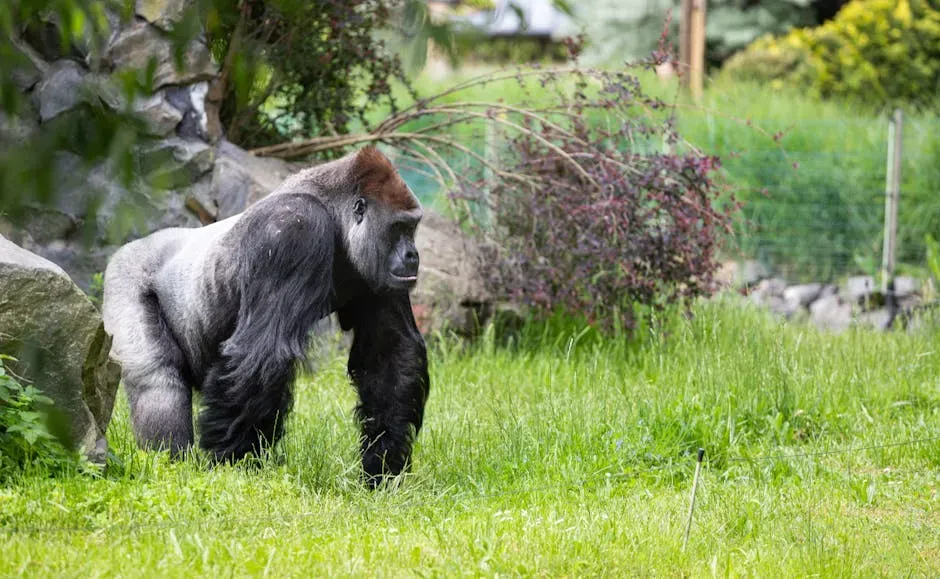
Gorillas may use tools less frequently than other primates, but they are known to display unique behaviors. They are a bit like that extremely capable student who rarely puts their hand up, but when they do, they nail it.
A western lowland gorilla at the San Diego Wild Animal Park was observed throwing sticks into the foliage of trees to knock down leaves and seeds for consumption. Gorillas in a zoo in Gabon spontaneously used sticks to reach objects outside of their enclosure and coconut fibers as sponges to absorb water, demonstrating behavioral forms similar to chimpanzees and other primates.
Despite rarely showing tool-use behaviors in the wild, gorillas have demonstrated a surprisingly extensive ability to innovate and reinnovate various tool-use behaviors. These reports demonstrate that gorillas are capable of spontaneously using tools when motivated. They have the skill. They simply prefer not to show off.
12. Crocodiles and Alligators: Ancient and Cunning
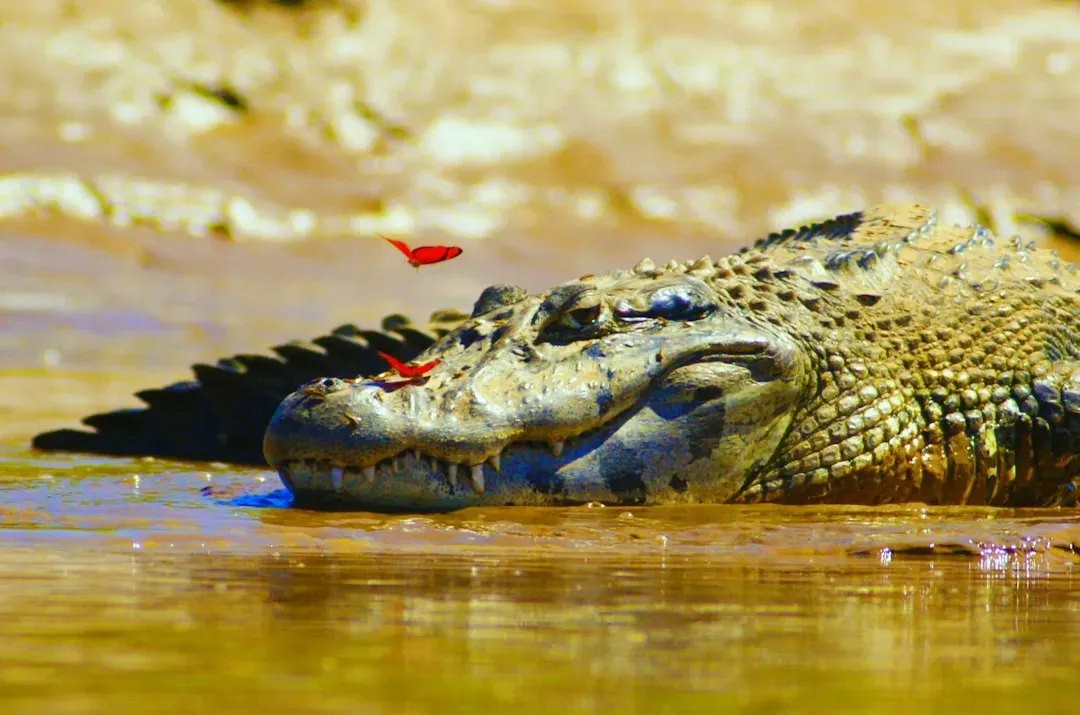
Recent observations have revealed surprising tool use in crocodilians that challenges our perception of these ancient reptiles as mere instinct-driven predators. Both crocodiles and alligators have been documented using sticks as bait to catch birds during nesting seasons, a behavior that demonstrates a sophisticated understanding of other animals’ behaviors and motivations.
These reptiles deliberately position sticks on their snouts and partially submerge themselves near bird colonies. When birds approach to collect nesting material, the crocodilians strike with remarkable precision. It is a calculated ambush. The crocodile is essentially a living, breathing, prehistoric lure.
What makes this behavior particularly impressive is that it appears to be seasonally specific, with crocodilians employing the technique primarily during bird nesting seasons, suggesting they understand the temporal patterns of their prey’s behavior. Seasonal awareness in a reptile. That is a long way from mindless instinct.
13. Woodpecker Finches: The Galapagos Toolsmiths
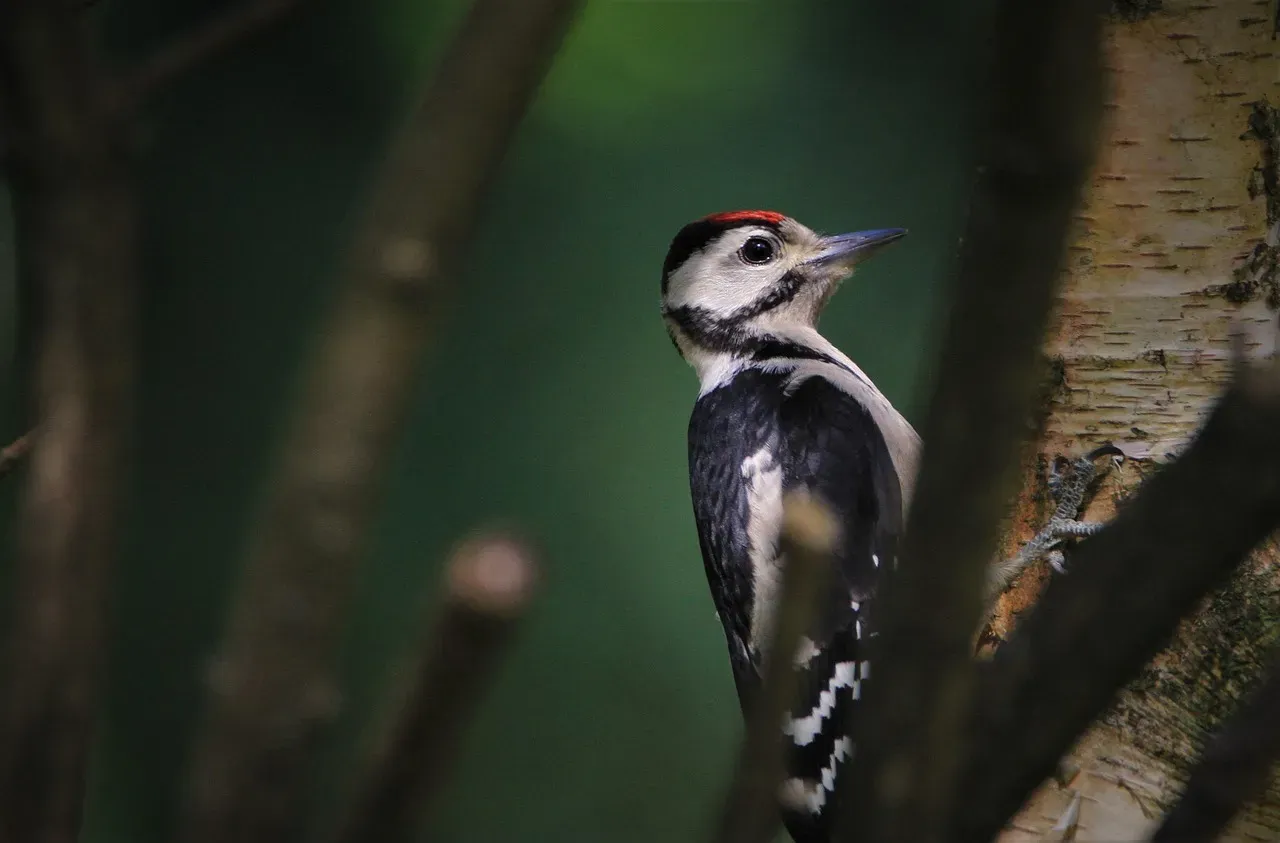
Woodpecker finches are native to the Galapagos Islands and exhibit impressive tool use. They skillfully use cactus spines or twigs to extract insects from tree bark. This behavior is particularly fascinating because these birds select and modify tools to fit specific needs, revealing a deep understanding of their environment and prey.
Woodpecker finches insert twigs into trees in order to catch or impale larvae. These birds essentially evolved a substitute beak. They cannot drill into wood like a real woodpecker, so they fashioned a probe to do the job instead. Evolution gave them curiosity where it withheld anatomy.
It is hard to say for sure exactly how this behavior first emerged, but it is one of the clearest examples of a bird filling an ecological gap not through physical adaptation but through learned tool use. Charles Darwin would have had a field day with modern research on these birds.
14. Egyptian Vultures: Precision Stone Throwers
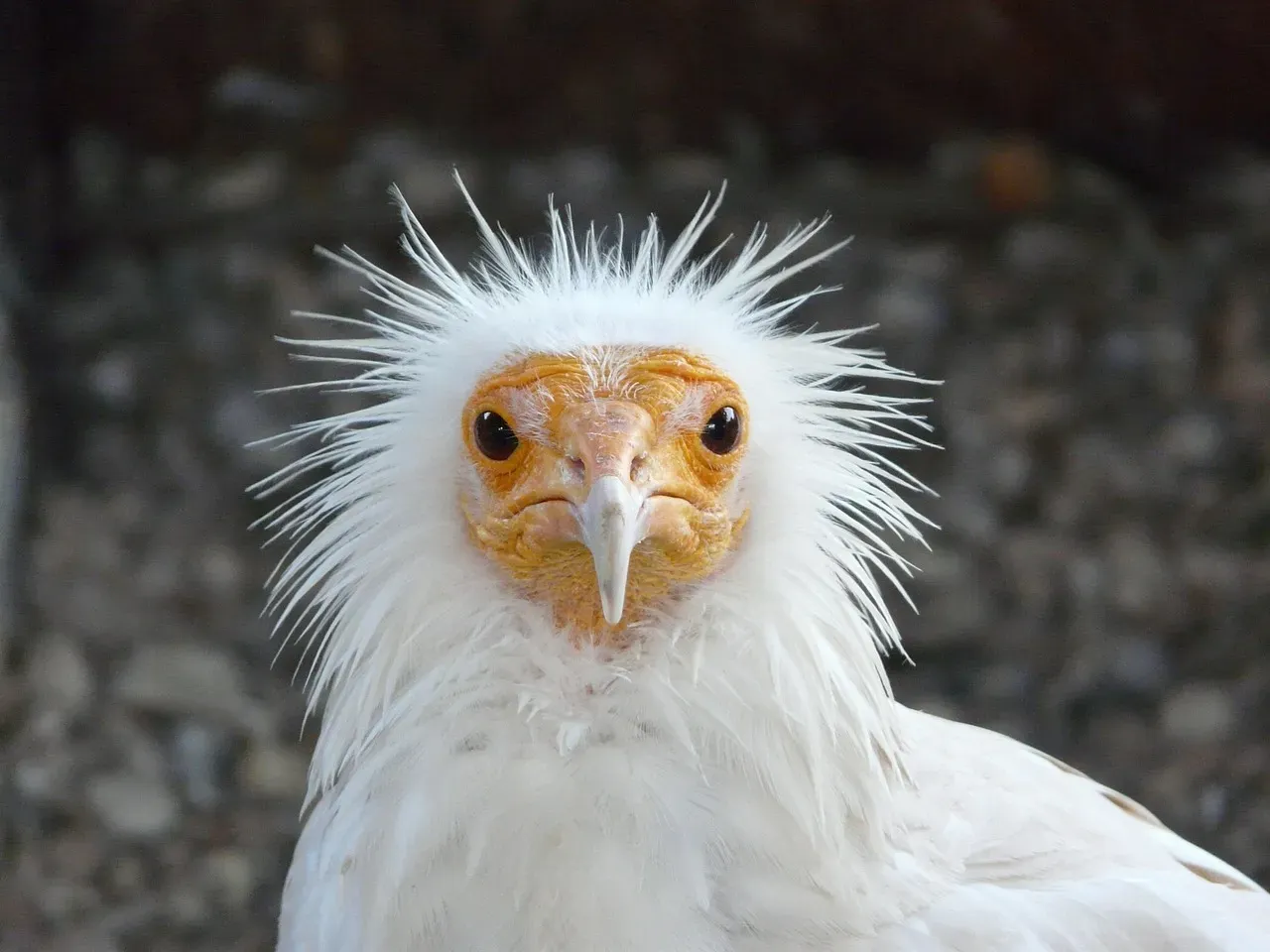
Egyptian vultures demonstrate tool-use behavior by throwing stones to crack open tough ostrich eggs. They select stones of specific sizes and shapes, indicating an understanding of which tools will be most effective for the task. A bird. Selecting the right tool. For a specific job. This is the kind of behavior that once felt exclusively human.
Think of it like a chef picking the right knife for the right cut. The vulture does not just grab the nearest rock. It evaluates, selects, and then throws with accuracy. That level of deliberate tool selection places this bird firmly in elite cognitive territory.
The work on these kinds of animals underscores the message that complex behavior is not simply a habit of big-brained species. Researchers note that we only tend to look for higher cognitive function in animals we perceive as intelligent. Egyptian vultures are a perfect example of what happens when we look a little harder.
15. Wolves: The Newest Member of the Club
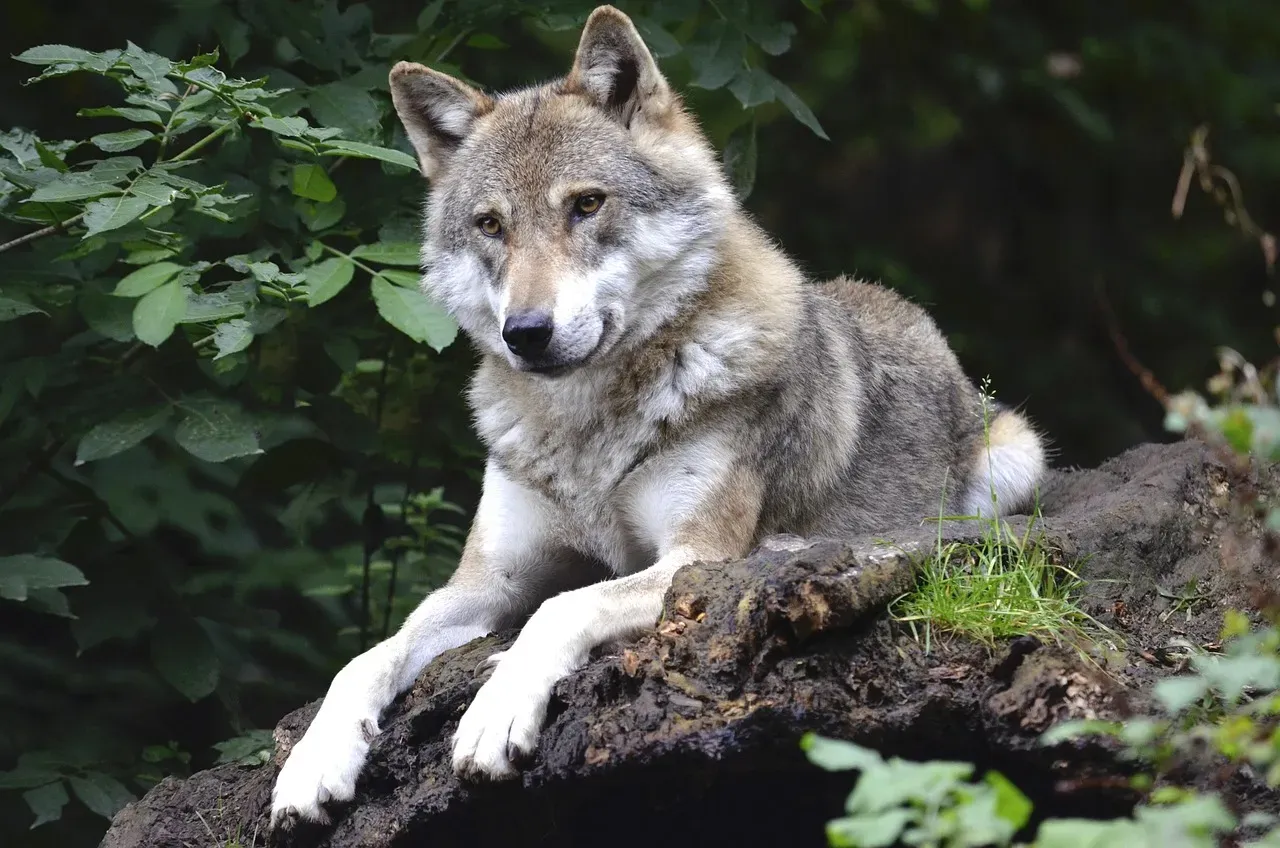
A 2025 field report in British Columbia, Canada, documented a wolf pulling a crab trap’s buoy and line to bring the submerged trap to shore and access its bait cup, which the authors described as potential tool use suggesting “a sophisticated understanding of the multi-step connection between the floating buoy and the bait within the out-of-sight trap.”
While the researchers did not expect to see tool behavior because other researchers who had spent countless hours watching wild wolves had not previously reported or filmed anything like it, we now know wolves are candidates to become members of the “nonhuman tool behavior arena.” This discovery is fresh. We are talking about 2025 footage that rewrote what we thought about wolf cognition.
Future research will answer questions about whether other wolves also learn to use a rope and whether this behavior becomes culturally transmitted within this population. It is the beginning of what could be a fascinating new chapter in our understanding of wolf intelligence. If it spreads through the pack, we may be witnessing the birth of a new animal culture in real time.
Conclusion: The Line Between Us and Them Is Getting Thinner
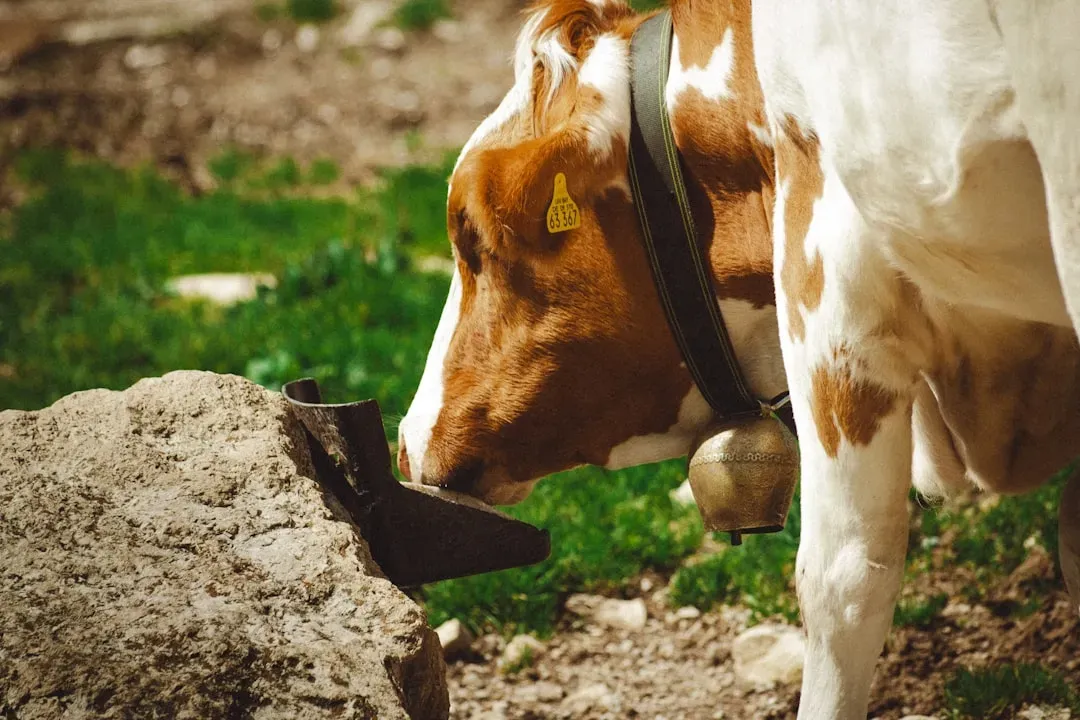
The sight of an animal making and using a tool captivates scientists and laypeople alike, perhaps because it forces us to question some of our ideas about human uniqueness. Does the animal know how the tool works? These are not just scientific questions. They are deeply philosophical ones.
Scientists once thought of tool use as a defining feature of humans, but increasingly research is showing adept tool users on land, air, and sea throughout the animal kingdom. Investigating how such behavior developed in this diverse mix promises to shed light on how tool use might have originated in humanity itself.
The more we study flexible tool use in large-brained animals, like crows and primates, the more it seems that certain complex cognitive processes, like physical reasoning and planning, may have originated deeper in the evolutionary tree than we thought. We are not as unique as we once believed. Maybe that is not a threat to human identity. Maybe it is just a reminder that intelligence, in all its forms, is one of nature’s most extraordinary experiments.
From a wolf pulling a rope in Canada to a crow waiting at a traffic light in Japan, the animal kingdom keeps nudging us to rethink what it means to be clever. Which of these fifteen surprised you the most? Let us know in the comments below.
Worried about unexpected vet bills?
Pet insurance can cover thousands in unexpected vet costs. Get a free quote from Lemonade in under 2 minutes.
Get My Free Quote →Sponsored · Opens Lemonade.com

- How Muskrat Behavior Can Indicate Climate Change in The Carolinas - June 6, 2026
- What Ancient Animal Symbolizes Prosperity for Your Zodiac Sign? - June 6, 2026
- The US States With the Most Elk - June 6, 2026