
Ever wonder what makes a building immortal? It’s hard to say for sure, but ancient temples have that quality. These structures hold something more than stone and mortar. They’re frozen in time, radiating the energy of civilizations that once thrived and created beauty for the gods, their people, or perhaps for eternity itself.
Think about it. These places survived wars, natural disasters, neglect, and the passage of thousands of years. There’s a raw power in standing before one of these monuments. Let’s dive into ten of the most majestic ancient temples scattered across our planet.
Angkor Wat: Cambodia’s Crown Jewel
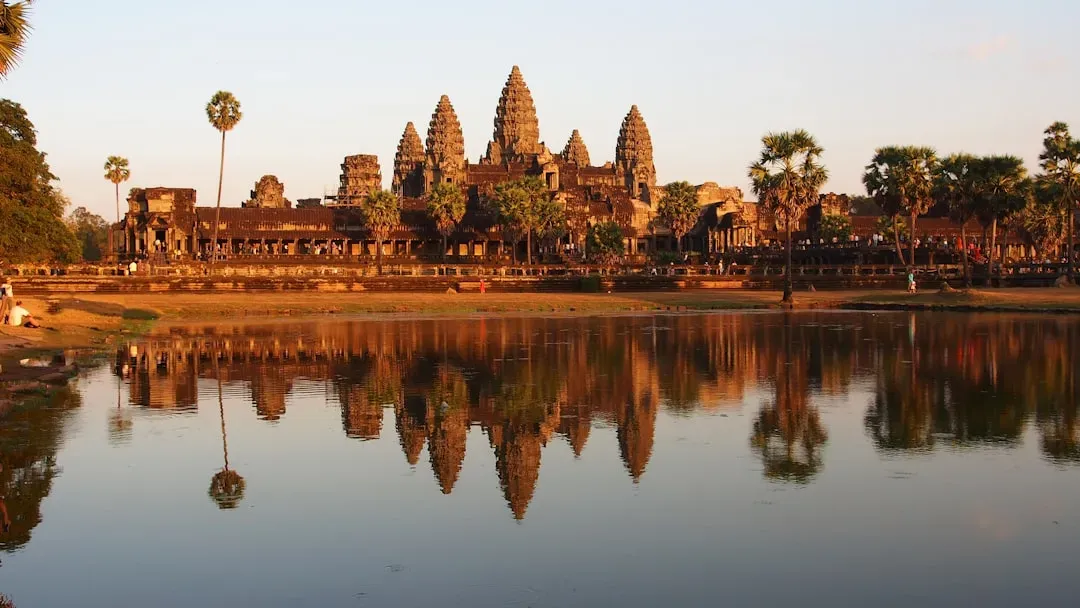
Angkor Wat, spanning over 400 acres, holds the title as the largest religious monument in the world. Built by Khmer King Suryavarman II around 1110-1150 CE, the temple is almost 900 years old. Originally constructed as a Hindu temple dedicated to Vishnu, it gradually transformed into a Buddhist temple by the end of the 12th century.
The five central towers symbolize the peaks of Mount Meru, the mythical dwelling place of the gods, while the enormous moat suggests the oceans at the edge of the world. Walking through its corridors, you’re surrounded by intricate bas-reliefs depicting Hindu epics. French explorer Henri Mouhot rediscovered it in the 1840s and declared it “grander than anything left to us by Greece or Rome”. The temple remains a pilgrimage site today, continuing its spiritual legacy across centuries.
Borobudur: Indonesia’s Buddhist Monument
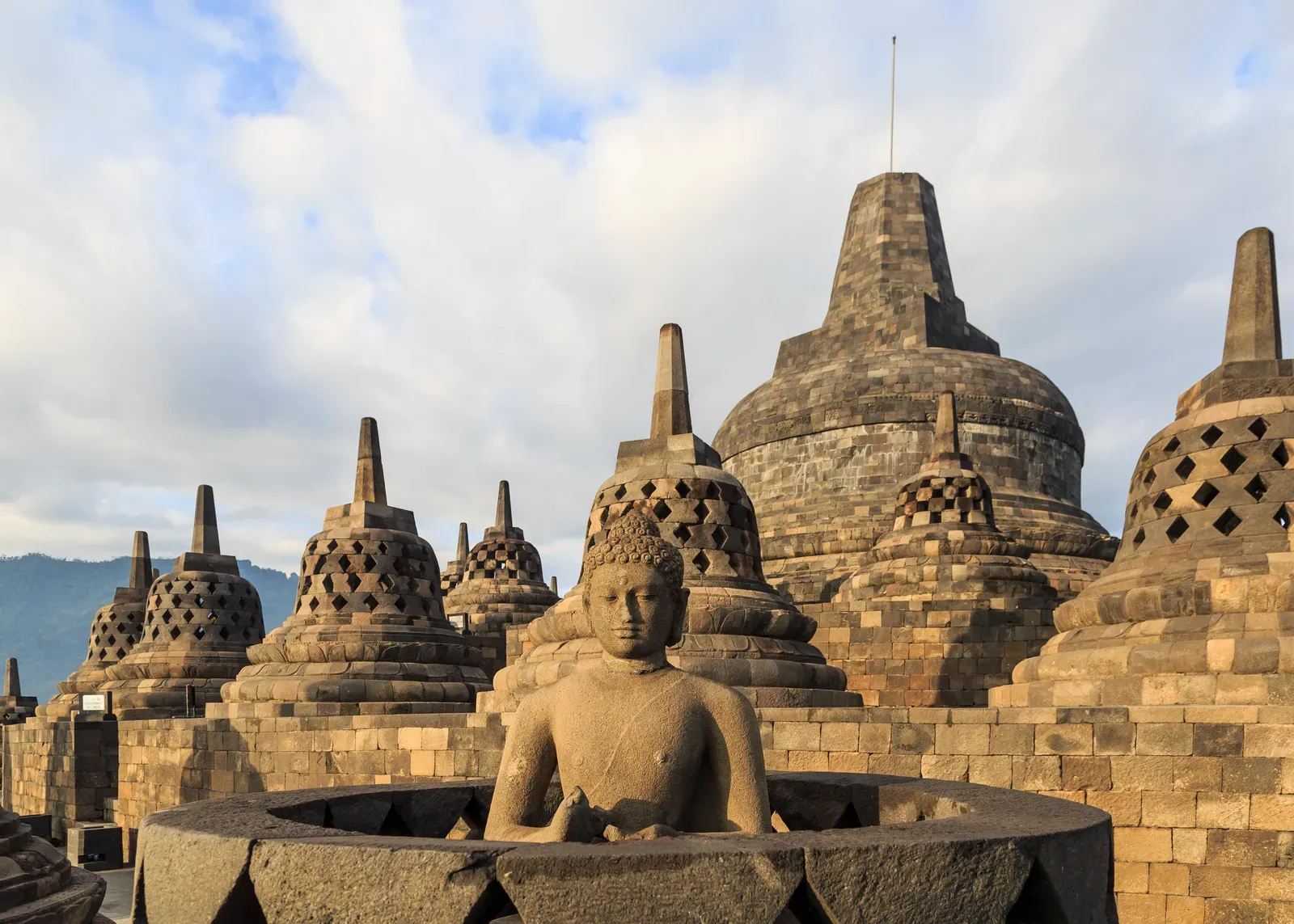
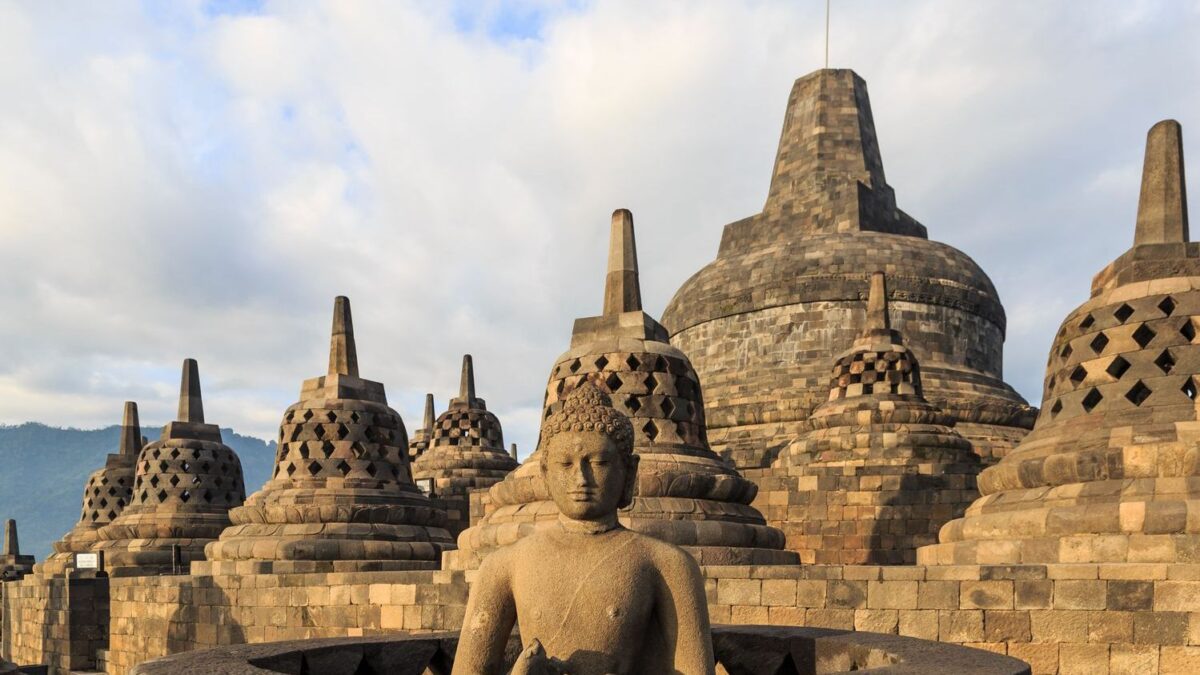
Borobudur is a 9th-century Mahayana Buddhist temple in Central Java, Indonesia, constructed between about 778 and 850 CE under the Sailendra Dynasty. It ranks with Angkor Wat and Bagan as one of the great archaeological sites of Southeast Asia. The temple consists of nine stacked platforms, six square and three circular, topped by a central dome, and is decorated with 2,672 relief panels and originally 504 Buddha statues, with 72 Buddha statues surrounding the central dome.
This isn’t just a temple. It’s a three-dimensional mandala, a spiritual journey carved in stone. Borobudur was buried under volcanic ash from about 1000 CE and overgrown with vegetation until Thomas Stamford Raffles discovered it in 1814. The largest restoration project was completed in 1983 by the Indonesian government and UNESCO, bringing this masterpiece back to its former glory.
Karnak Temple Complex: Egypt’s Monumental Marvel
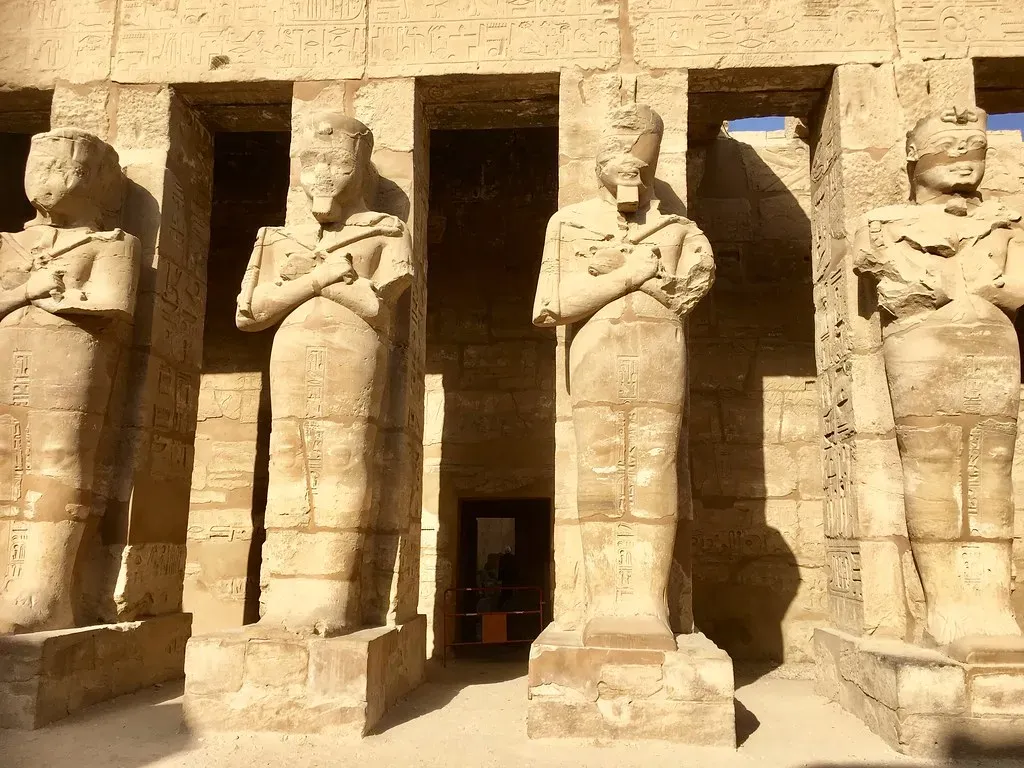
Karnak’s grand temple construction began during the reign of Senusret I around 1971 BCE and took fifteen hundred years to complete, making it the largest temple construction in the world. The key difference between Karnak and most other temples in Egypt is the length of time over which it was developed, with approximately thirty pharaohs contributing to the buildings.
One of Karnak’s most spectacular sights is the Great Hypostyle Hall, comprised of 134 massive columns with some almost 70 feet tall. For much of the temple’s early history, Karnak was an island with channels of the Nile flowing on either side, and these river channels shaped how the temple could develop. Let’s be real, nothing really prepares you for the sheer scale of this place. It’s overwhelming in the best possible way.
The Parthenon: Athens’ Iconic Masterpiece
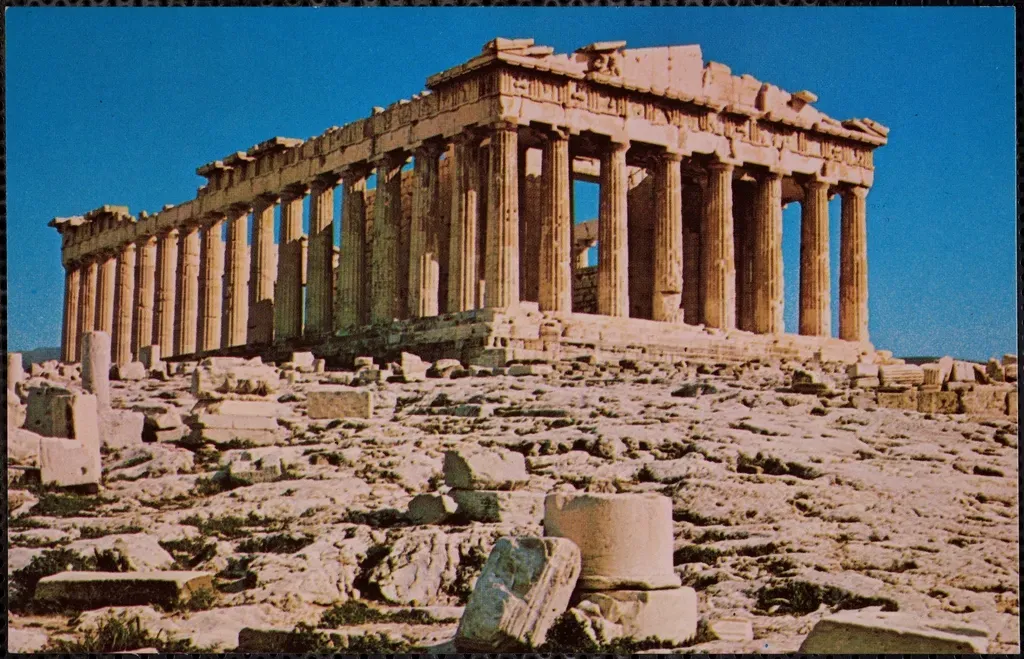
The Parthenon is a resplendent marble temple built between 447 and 432 BCE during the height of the ancient Greek Empire, dedicated to the Greek goddess Athena and sitting high atop the Acropolis of Athens. Work began in 447 BCE under architects Ictinus and Callicrates with supervision of sculptor Phidias.
A shrine within the Parthenon housed an extraordinary statue of Athena Parthenos sculpted by Phidias, thought to have stood about 12 meters high (39 feet). The temple remained intact until 1687 when, during the bombardment by Venetians fighting the Turks, a powder magazine stored in the temple exploded and destroyed the centre of the building. Despite its damaged state, the Parthenon remains a symbol of Western civilization and democracy.
Göbekli Tepe: The World’s Oldest Temple
Here’s the thing about Göbekli Tepe – it changed everything we thought we knew about human civilization. Dating back 11,500 years, Göbekli Tepe in southeastern Turkey is one of the oldest monumental structures in the world, dating to around 9000 BCE. Its T-shaped stone pillars are up to 18 feet tall and have carvings depicting wild animals such as snakes, foxes, gazelles, ducks, cranes and boars.
Many scholars believe this temple demonstrates that ancient people developed communal religious sites before they developed agriculture, challenging the belief that temples weren’t constructed until societies began farming. I know it sounds crazy, but imagine hunter-gatherers building something this complex. Studies of obsidian from the site indicate that people were traveling to it from across the region.
Temple of Luxor: Egypt’s Timeless Beauty
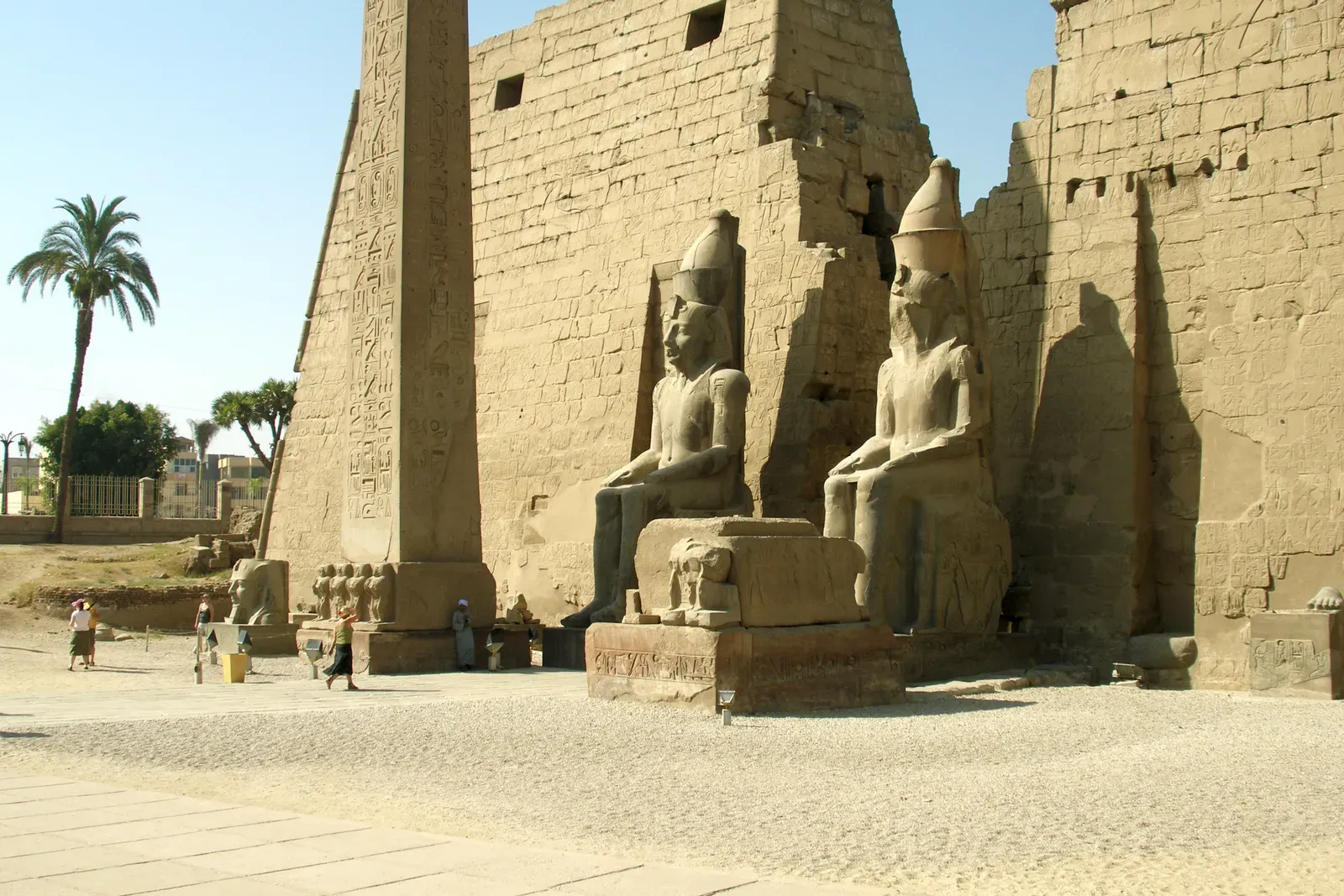
The Temple of Luxor was built between 1400 and 1000 BC by pharaohs Amenhotep III and Ramses II in honor of the deity Amun. Located on the east bank of the River Nile in ancient Thebes, the temple was dedicated to the three Egyptian gods Amun, Mut, and Chons. The temple was the center of the festival of Opet, Thebes’ most important festival, which lasted 11 days during the 18th Dynasty but grew to 27 days by the reign of Ramesses III.
Luxor along with Karnak, located a little less than two miles away, were once connected by the Avenue of the Sphinxes, a corridor framed by over 600 sphinxes. The temple stands as a testament to the power and religious devotion of ancient Egypt’s rulers.
Ġgantija Temples: Malta’s Ancient Wonder
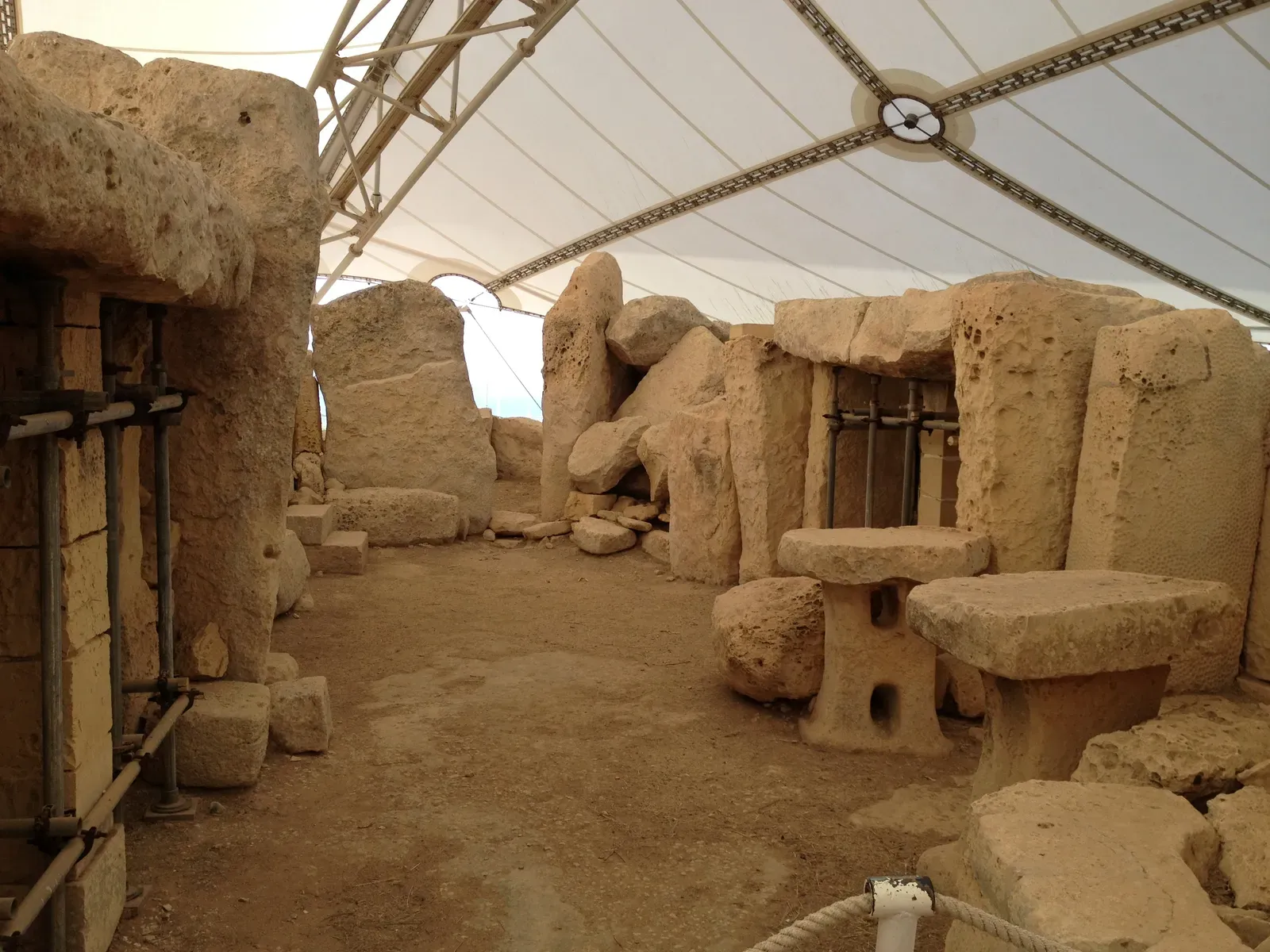
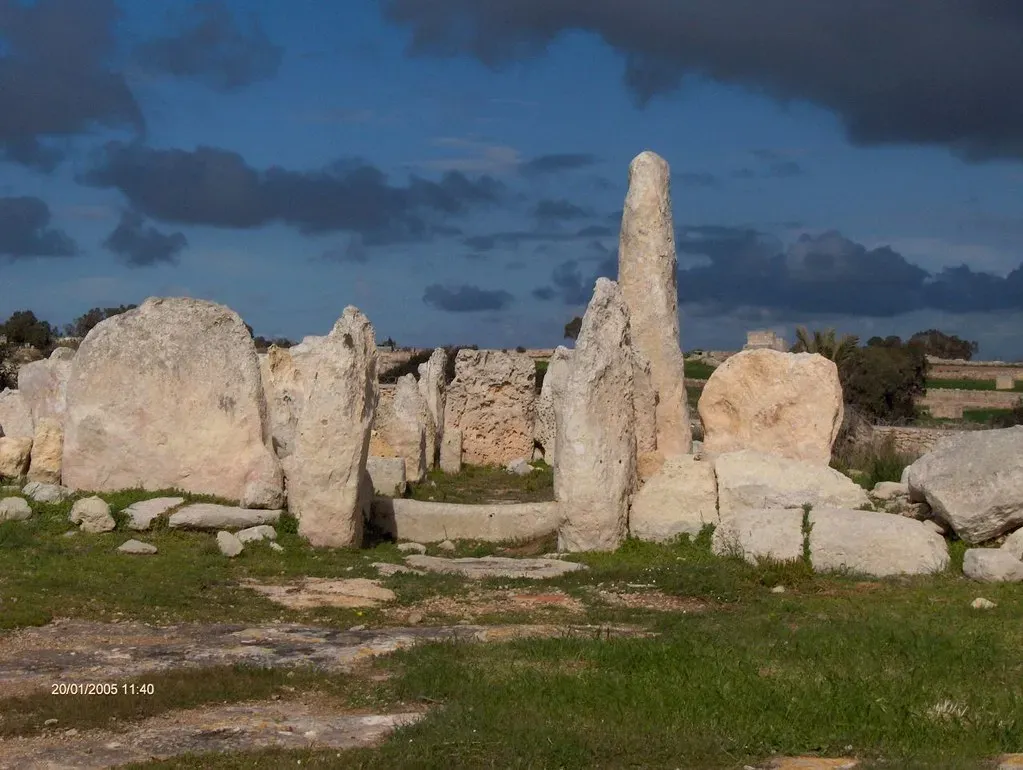
Located on the island of Gozo in Malta, Ġgantija is a temple built during the Neolithic era over 5,500 years ago, making it older than the Egyptian pyramids and the second oldest temple in the world. These two temples, located only 1,640 feet apart, are believed to date back to between 3700 and 3200 BC. Before the discovery of Göbekli Tepe, they held the record for the oldest known temples in the world.
According to myth, it was constructed by a giantess who, carrying the child she bore from a human, built the temple where she worshiped. The temples boast an impressive monolith weighing at least twenty tons and are believed to have been built to worship the sun and celebrate the changing of the seasons. The precision and scale achieved without modern technology remains astonishing.
Abu Simbel: Ramesses II’s Grand Vision
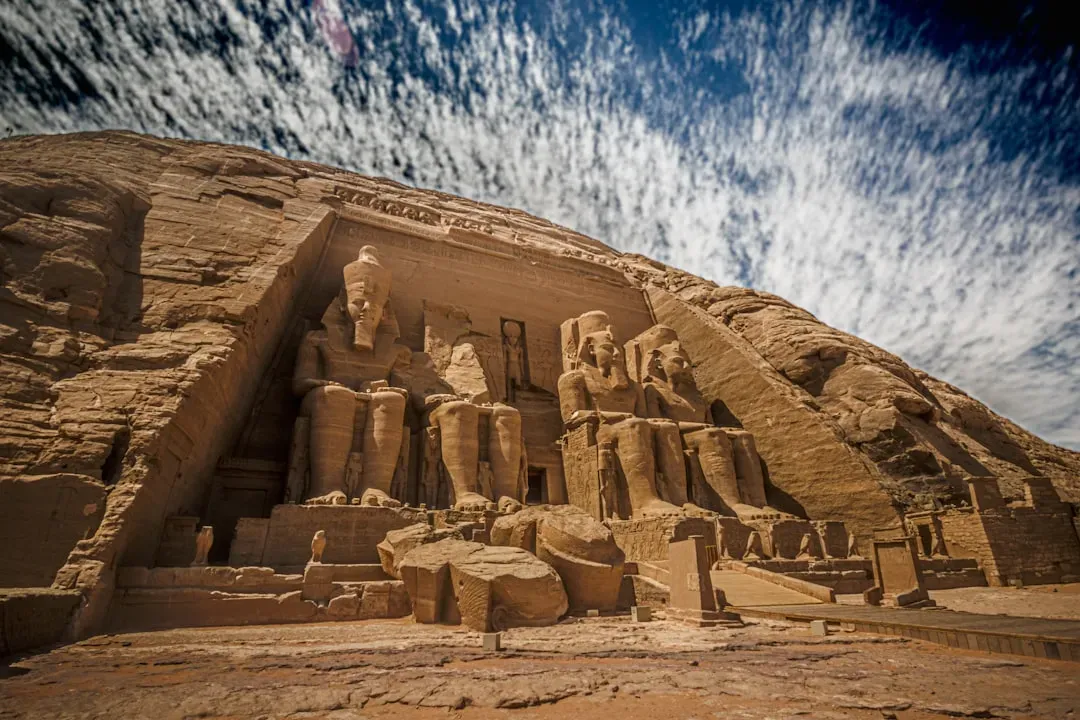
Carved into sandstone cliffs, the twin temples of Abu Simbel are iconic landmarks of ancient Egypt, commissioned by Pharaoh Ramesses II in the 13th century BCE to honor the gods Amun, Ra-Horakhty, and Ptah. The four colossal statues of Ramesses II at the entrance exude power and majesty. These statues, each standing over 60 feet tall, were meant to intimidate and impress anyone approaching from the Nile.
What’s equally fascinating is their relocation in the 1960s to avoid submersion under Lake Nasser, a feat of modern engineering that preserved this ancient wonder. Honestly, moving an entire temple complex block by block to save it from flooding is one of the most remarkable preservation efforts in history.
Stonehenge: England’s Mysterious Circle
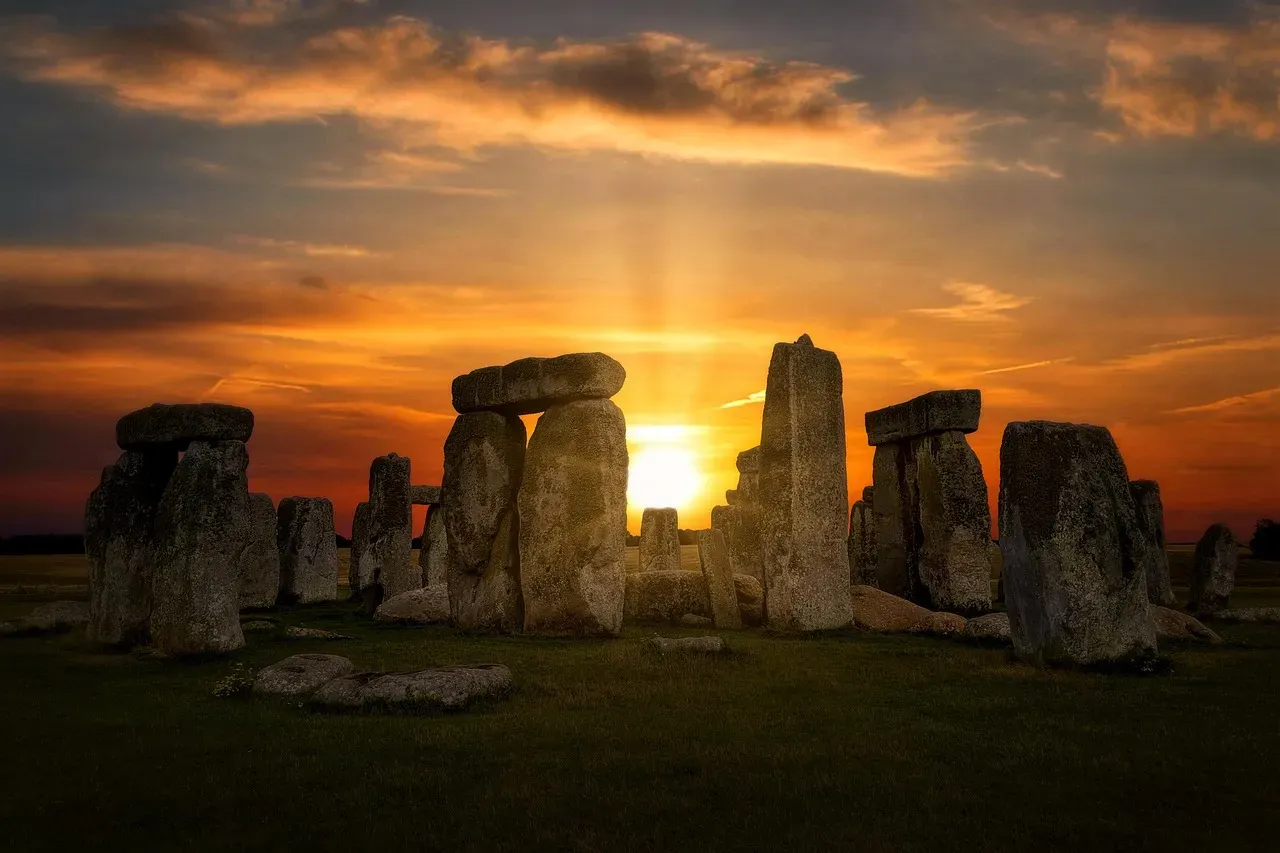
Stonehenge is undoubtedly one of the most iconic structures to survive from the ancient world, built between 3000 and 2000 BCE and consisting of two stone rings with large standing stones topped by horizontal lintel stones. Those in the outer ring are massive at 13 feet high and seven feet wide. The construction began 5000 years ago, making it one of the oldest temples in the world, located on a British hill on the outskirts of Salisbury with many mysteries surrounding the place.
The purpose of Stonehenge has puzzled archaeologists for centuries. Was it a religious site, an astronomical observatory, a healing temple, or a burial ground? Maybe all of the above. The mystery adds to its mystique. Walking among those ancient stones, you can’t help but feel connected to something much larger than yourself.
Ħal Saflieni Hypogeum: Malta’s Underground Sanctuary
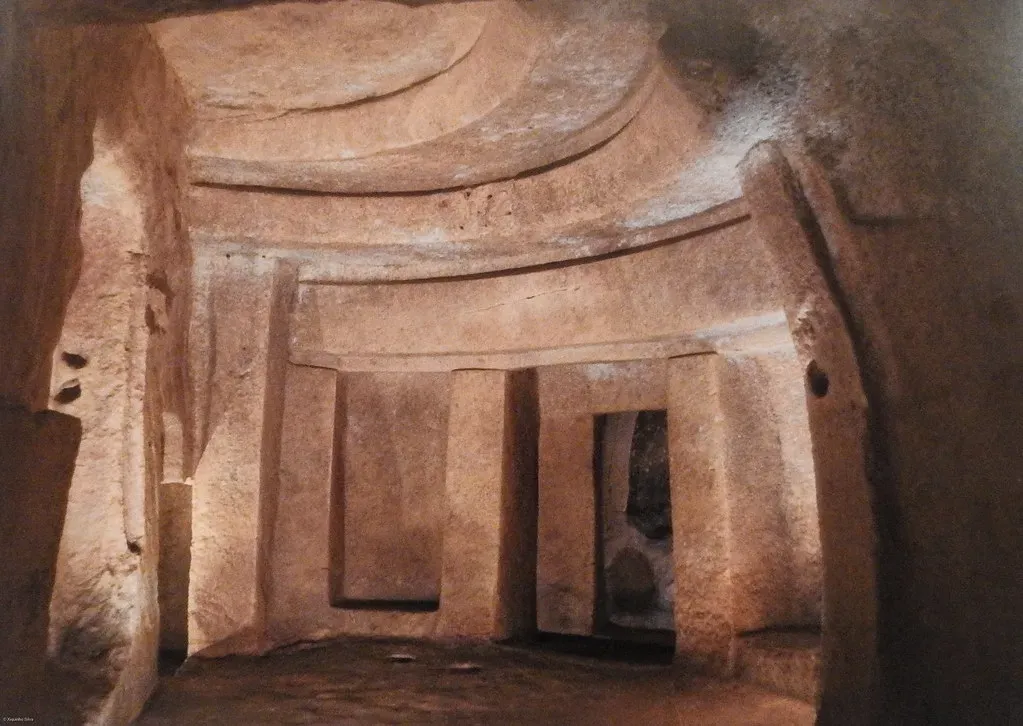
The Ħal-Saflieni Hypogeum is the oldest underground temple in the world and the only prehistoric underground temple. Built around 2500 BC, some parts are perhaps as early as 4000 BC. The site includes a necropolis that historians believed once held the remains of at least 7,000 people, along with a temple and a sanctuary.
The temple was accidentally uncovered in 1902 by builders who initially tried to cover up their discovery to avoid falling behind, but thankfully did not do too much damage. Due to its underground nature and the fact it was hidden for so long, the Hypogeum is one of the best preserved of all ancient temples and is now a UNESCO World Heritage Site. The acoustics inside are remarkable, creating an otherworldly experience.
Conclusion
Ancient temples hold stories that transcend time. They represent humanity’s eternal quest to connect with something greater, to build monuments that outlast mortal lives. Each temple on this list carries the fingerprints of the people who conceived, designed, and constructed them without modern machinery or technology.
These structures teach us about ingenuity, faith, and the power of collective human effort. They remind us that beauty and purpose can endure for millennia if built with intention and care. Standing before any of these temples, you realize that the ancients weren’t so different from us. They sought meaning, they honored their beliefs, and they created lasting legacies.
What strikes you most about these ancient marvels? Does knowing their age make them feel more precious? Tell us in the comments.
