
Have you ever stood in a place where people walked thousands of years ago, where traders bartered goods before kingdoms rose and fell? Some cities on Earth don’t just hold ancient ruins. They’re still alive, still breathing, still bustling with life today.
It’s kind of crazy when you think about it. While entire civilizations vanished into dust, a handful of cities kept going. They survived wars, invasions, earthquakes, and the endless march of time. So let’s dive in and discover which cities have been home to humans for longer than we can almost imagine.
Jericho – The City That Refuses to Die
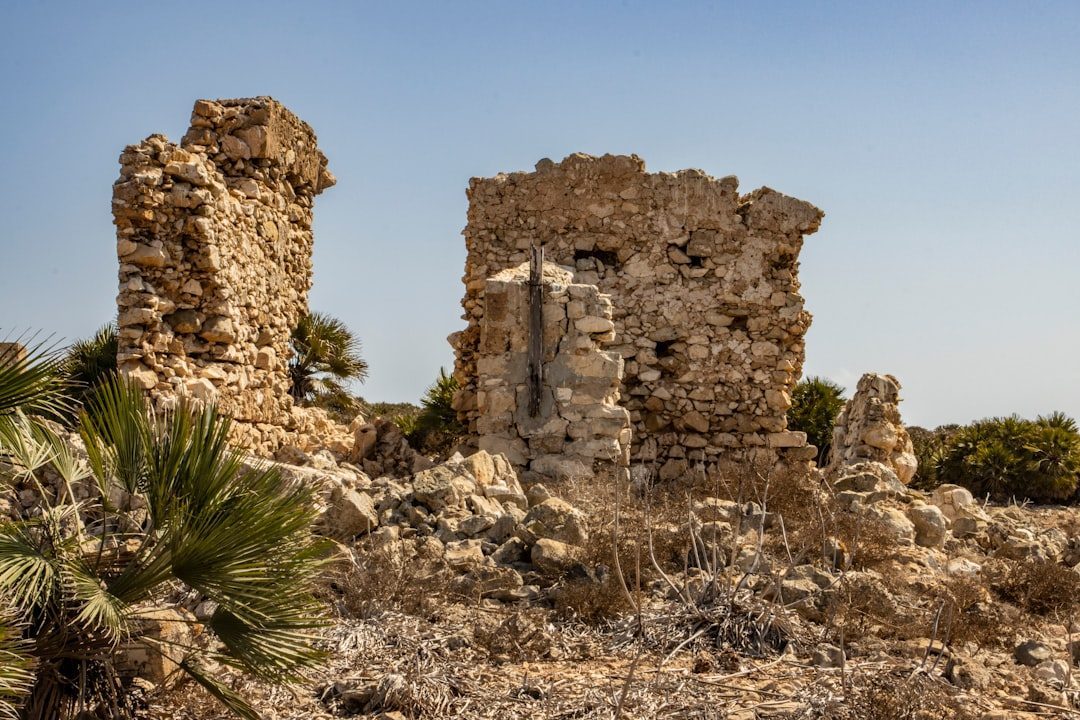
Jericho is believed to be the oldest city in the world, with evidence showing that the earliest settlement in the area dates back sometime between 9,600 and 9,000 BCE, or even earlier. Just picture that for a moment. We’re talking about a city that’s been around for roughly eleven thousand years.
Archaeological finds in Jericho are pivotal in understanding the transition from nomadic lifestyles to permanent settlements, including traces of Mesolithic hunters and the remnants of a Neolithic community that constructed a massive stone wall and tower. One of the biggest reasons that Jericho has been settled by humans for so long is that the city is surrounded by numerous natural springs, providing a fresh source of water. Honestly, when you have water in the middle of a desert, you’ve got everything. Today, roughly twenty thousand people call Jericho home, making it not just ancient but very much alive.
Damascus – Where Empires Left Their Fingerprints
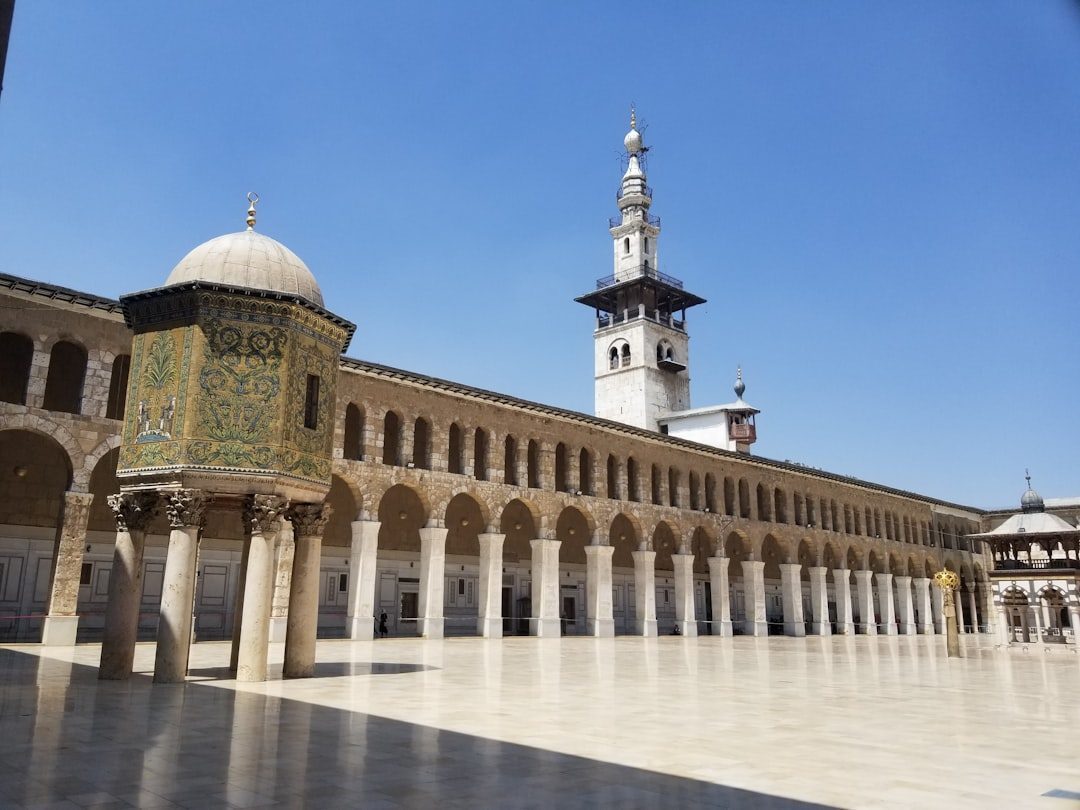
Damascus, Syria, founded in 3000 BCE, is one of the oldest continuously inhabited cities in the world. It became an important cultural center and major trading city because of its position at the crossroads of Asia and Africa, and was part of the Hellenistic, Roman, Byzantine and Islamic civilizations.
Think about how many rulers walked these streets. How many languages were spoken here. Damascus isn’t just old, it’s layered with history like a palimpsest you can’t quite erase. The city’s layout, a grid which dates back to Greek and Roman times, and the Great Mosque at its heart, served as a model for other Arab and Islamic cities, and today modern Damascus has a population of approximately 2.6 million. Despite conflict and hardship in recent years, Damascus continues to pulse with life.
Aleppo – The Merchant’s Paradise
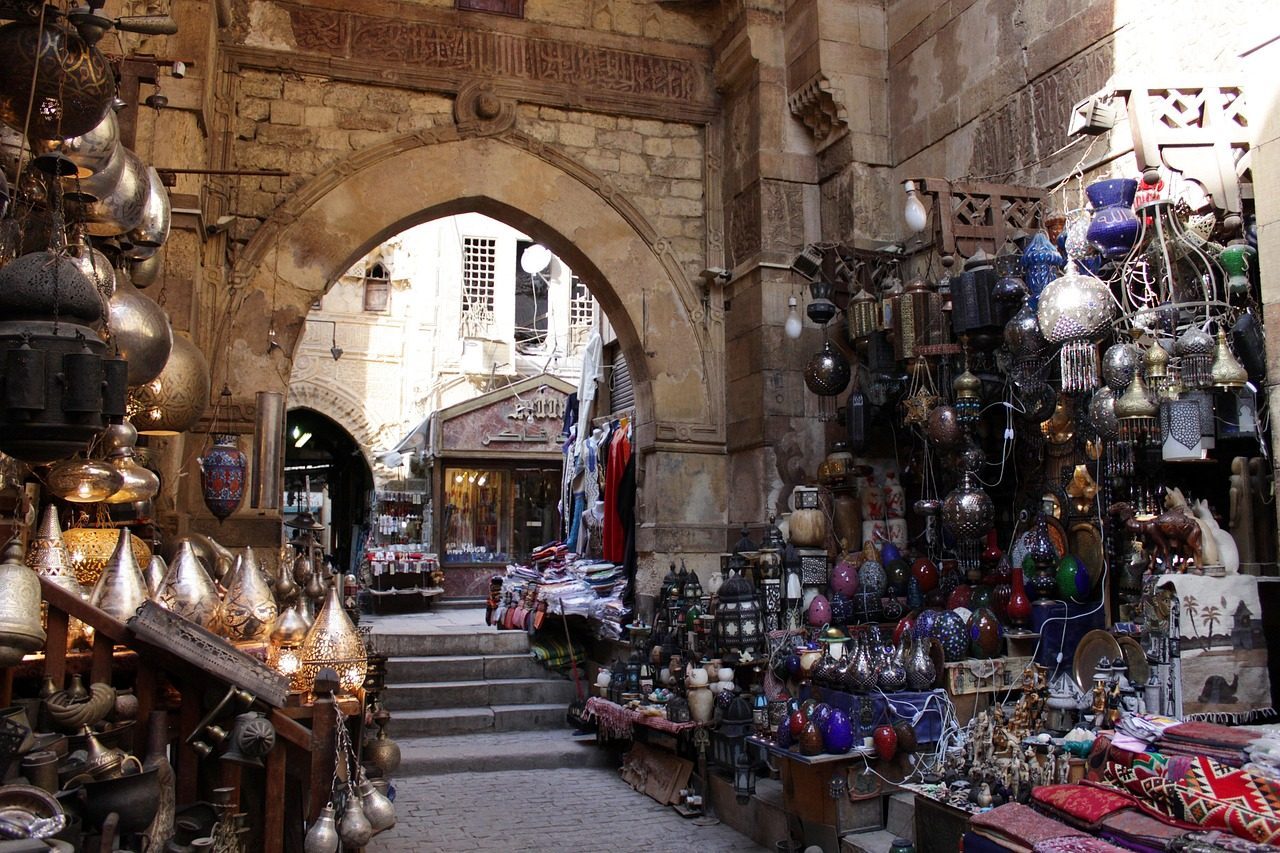
Although the city’s exact age is unknown, the area has most likely been inhabited since 5000 BCE, with the first recorded mention of Aleppo in the Ebla tablets dating to around 2500 BCE. Aleppo rose to prominence in the ancient world because it was a trading center halfway between the Mediterranean Sea and Mesopotamia.
This Syrian city witnessed merchants from across the known world exchange silk, spices, and stories. Let’s be real, Aleppo was basically the Amazon of the ancient world. Sadly, recent conflict has scarred this magnificent city, yet hope remains as rebuilding efforts continue. The citadel, the souks, the deep cultural roots refuse to vanish completely.
Byblos – Where the Alphabet Was Born
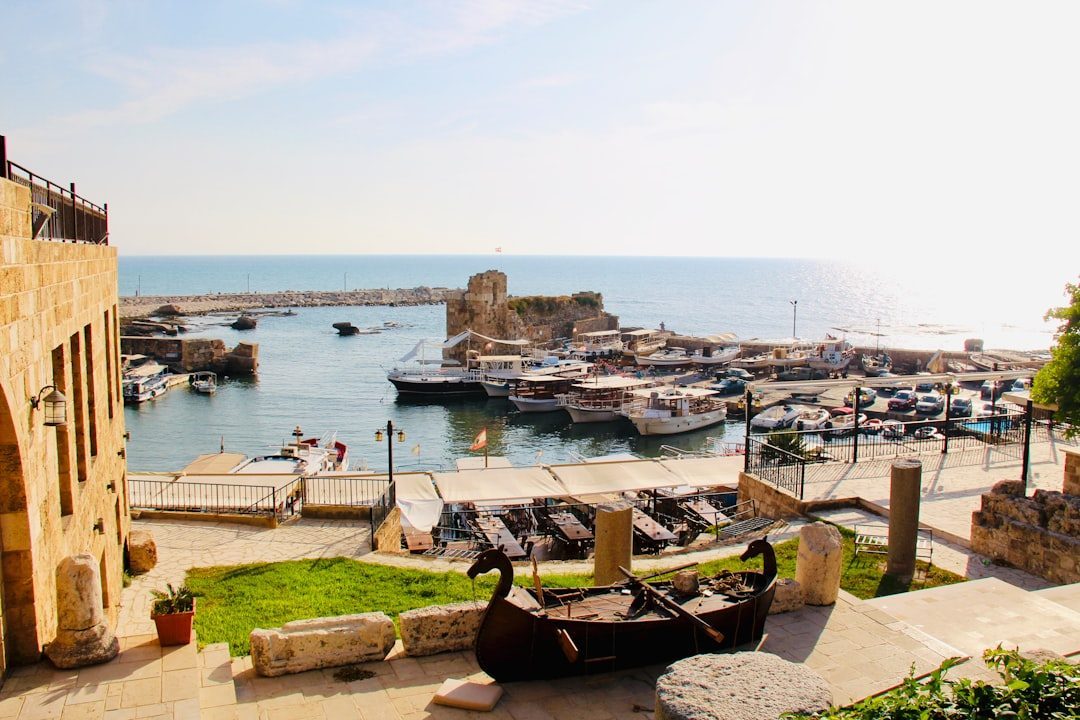
Byblos, known as Jbeil in Arabic, is one of the oldest continuously inhabited cities in the world located in Lebanon, with human activity in the area dating back as far as 8800 to 7000 BC. Byblos played a pivotal role in the development of the Phoenician alphabet, which is the precursor to modern Western alphabets, and the city’s significance is underscored by its designation as a UNESCO World Heritage Site.
Here’s the thing. Every time you read these words, you’re connected to Byblos. The Phoenicians gave us the letters we still use today. The city’s name even gave us the word “Bible” because the Greeks imported papyrus from here to write sacred texts. Tourists now wander through ancient temples, Crusader castles, and the harbor where Phoenician ships once set sail.
Athens – The Cradle of Western Thought
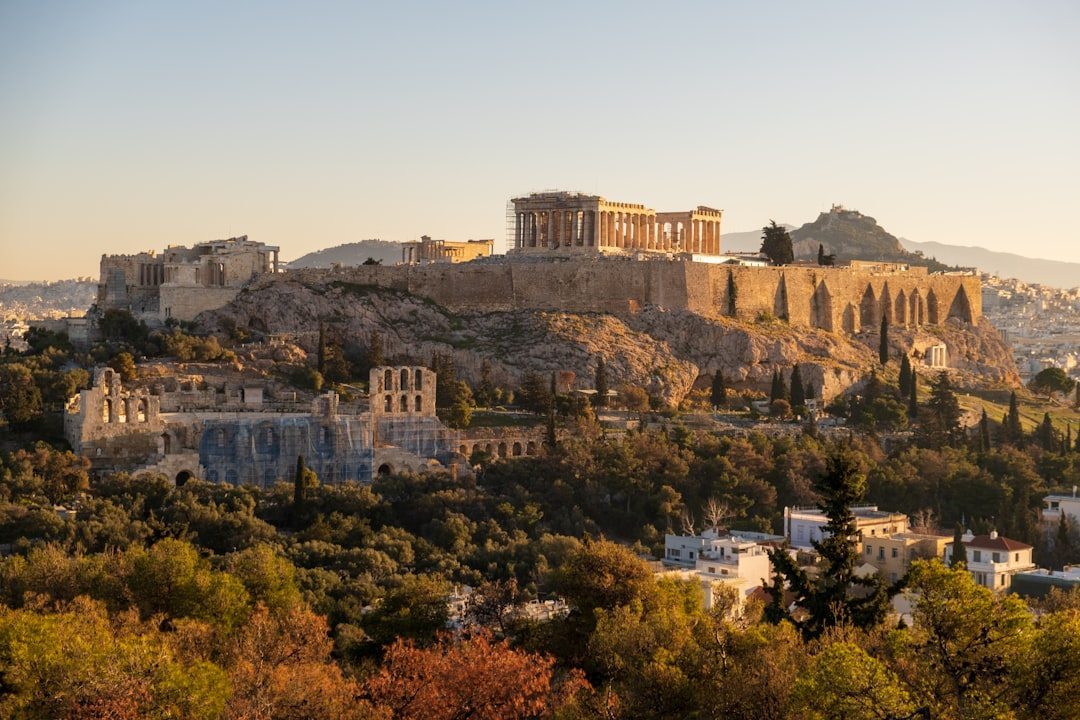
Athens proudly stands as Europe’s oldest capital city, with a history spanning over 5,400 years, where ancient ruins seamlessly merge with the bustling city. Democracy, philosophy, drama, the Olympics – all of them trace roots back to this Greek metropolis.
You can’t walk through Athens without bumping into history. The Parthenon sits atop the Acropolis like a crown, reminding everyone who passes that this was once the intellectual heart of the ancient world. Socrates questioned everything here. Plato pondered. Aristotle taught Alexander the Great. Athens stands out as one of the top 10 oldest continuously inhabited cities in the world, with the magnificent Acropolis and vibrant Plaka district evoking a sense of awe and wonder.
Varanasi – The Eternal City of Light
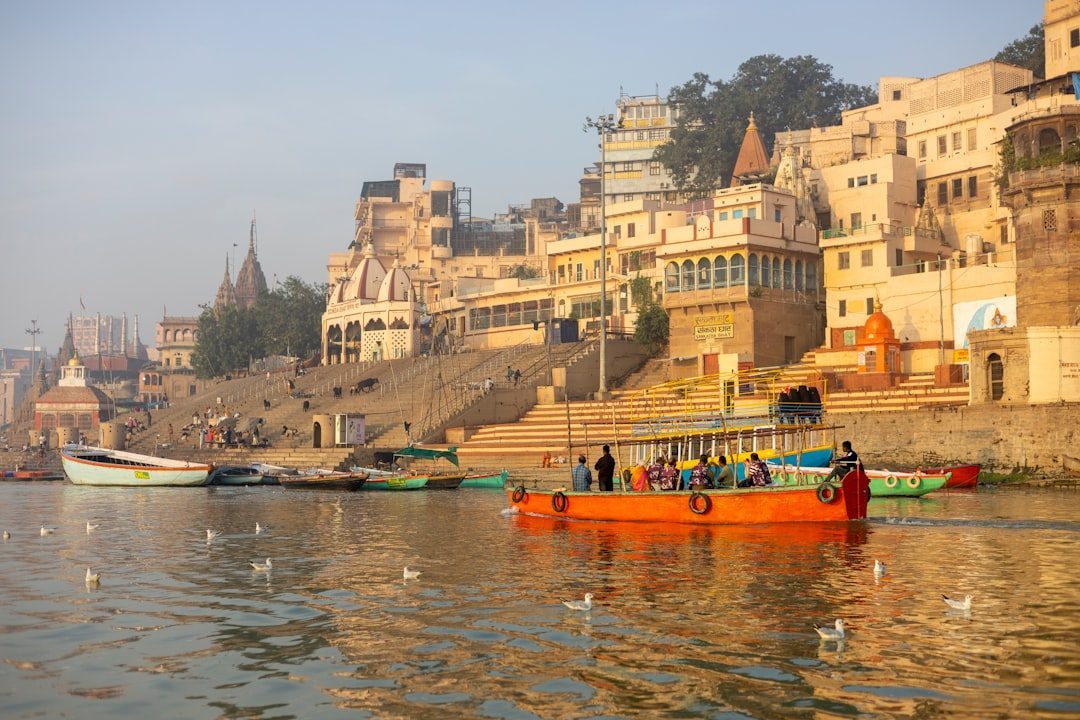
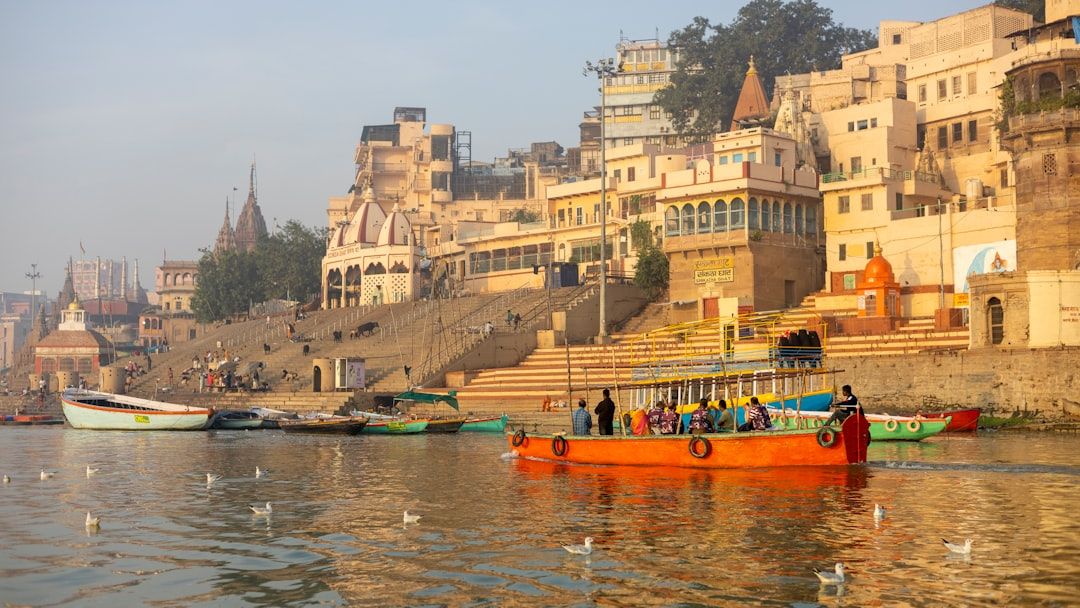
Varanasi is one of the oldest continuously inhabited cities in the world, and its history stretches over 3,000 years. Known also as Banaras or Kashi, this Indian city on the banks of the Ganges River has been a spiritual epicenter for millennia.
Mark Twain once said Varanasi looked twice as old as history itself, and honestly, he wasn’t exaggerating. Varanasi is known as the Oldest Living City. While other ancient cities adapted to modernity, Varanasi held onto its rituals, its ghats, its devotion. Pilgrims still bathe in the sacred waters at dawn, priests still chant ancient mantras, and the city refuses to let go of its soul.
Plovdiv – Europe’s Hidden Gem
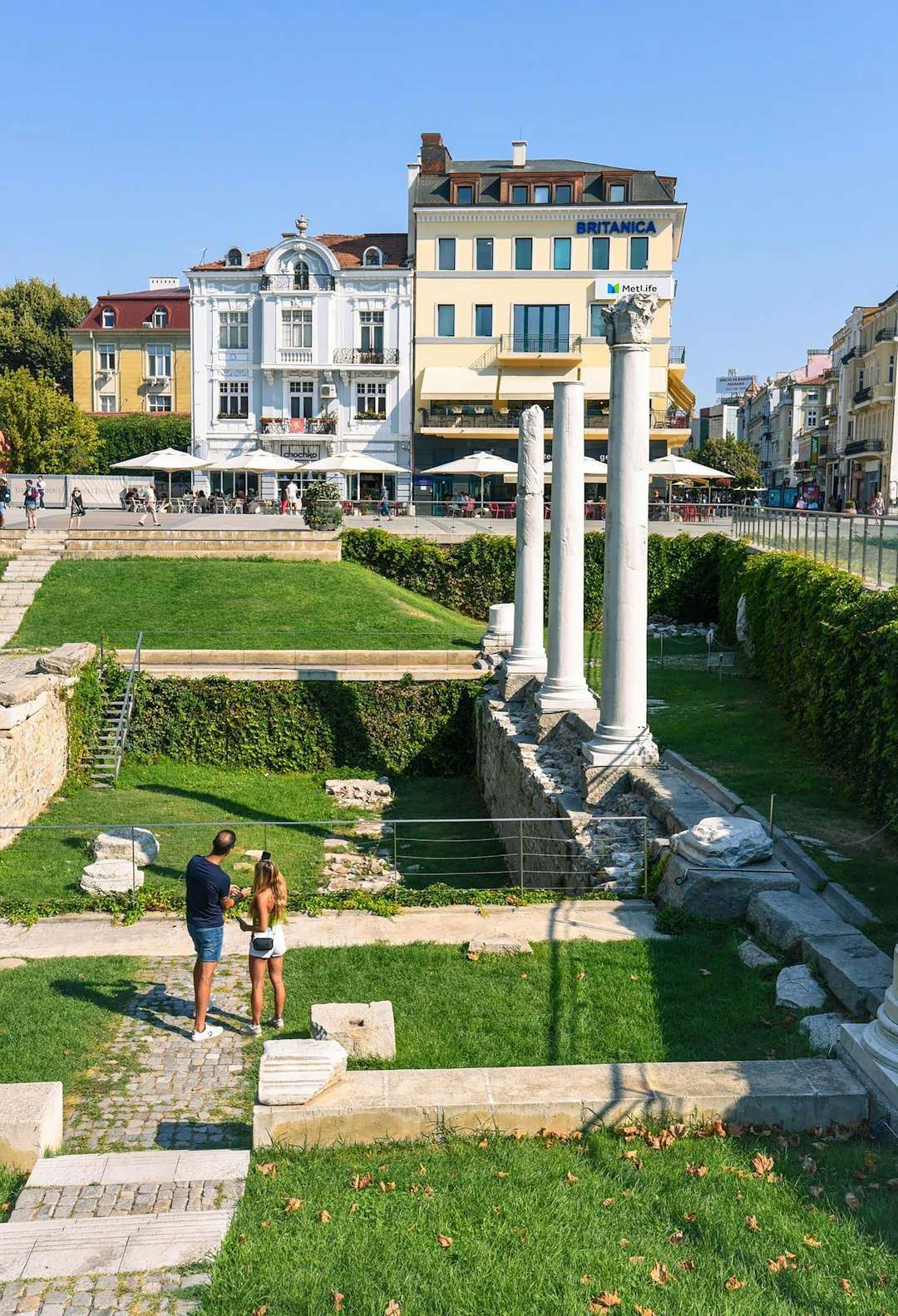
Plovdiv, Bulgaria, is Europe’s oldest city with 8,000 years of history, blending ancient charm with modern vibrance. This Bulgarian metropolis was inhabited as early as the sixth millennium BCE according to researchers, and the region was conquered by Philip II of Macedonia and named Philippopolis in 341 BCE.
What’s fascinating about Plovdiv is how layers of history stack up like a timeline you can literally walk through. Roman amphitheaters still host performances today. Ottoman baths sit alongside Thracian ruins. Many ruins from that time are still standing, including a second-century amphitheater that the residents of Plovdiv use today for theatrical and dance performances. It’s hard to say for sure, but few cities manage to blend the ancient and the modern quite so seamlessly.
Luxor – The Open-Air Museum
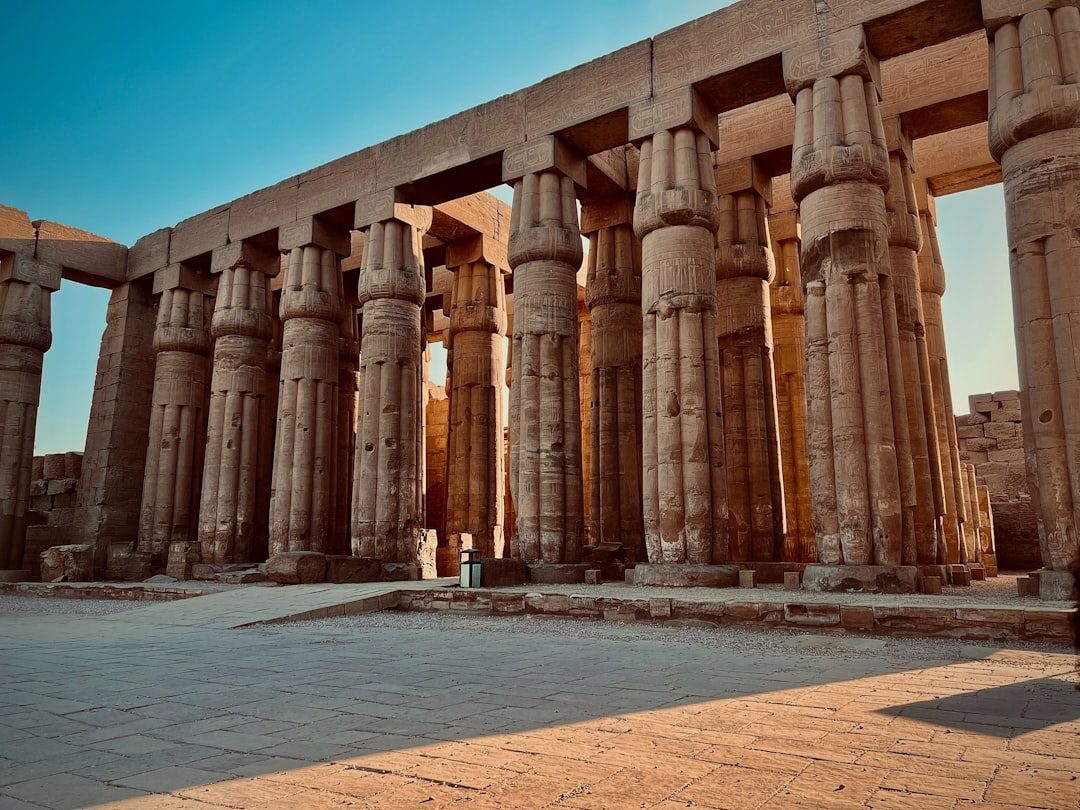
Luxor, originally known as Thebes when it was first inhabited in 3,200 BC, is often dubbed the world’s greatest open-air museum. The city itself is home to the four-millennia-old Karnak Temple Complex and the Luxor Temple Complex, which was founded in 1,400 BC as the place where many of ancient Egypt’s pharaohs were crowned, with some parts built by iconic pharaohs such as Tutankhamun and Ramesses II.
Walking through Luxor feels like stepping onto a movie set, except everything’s real. Massive columns tower overhead. Hieroglyphs whisper stories of gods and kings. The Valley of the Kings lies nearby, where pharaohs were entombed with treasures for the afterlife. Even now, with modern shops and hotels, you can’t escape the weight of history pressing down on every street corner.
Argos – Greece’s Mythical Stronghold
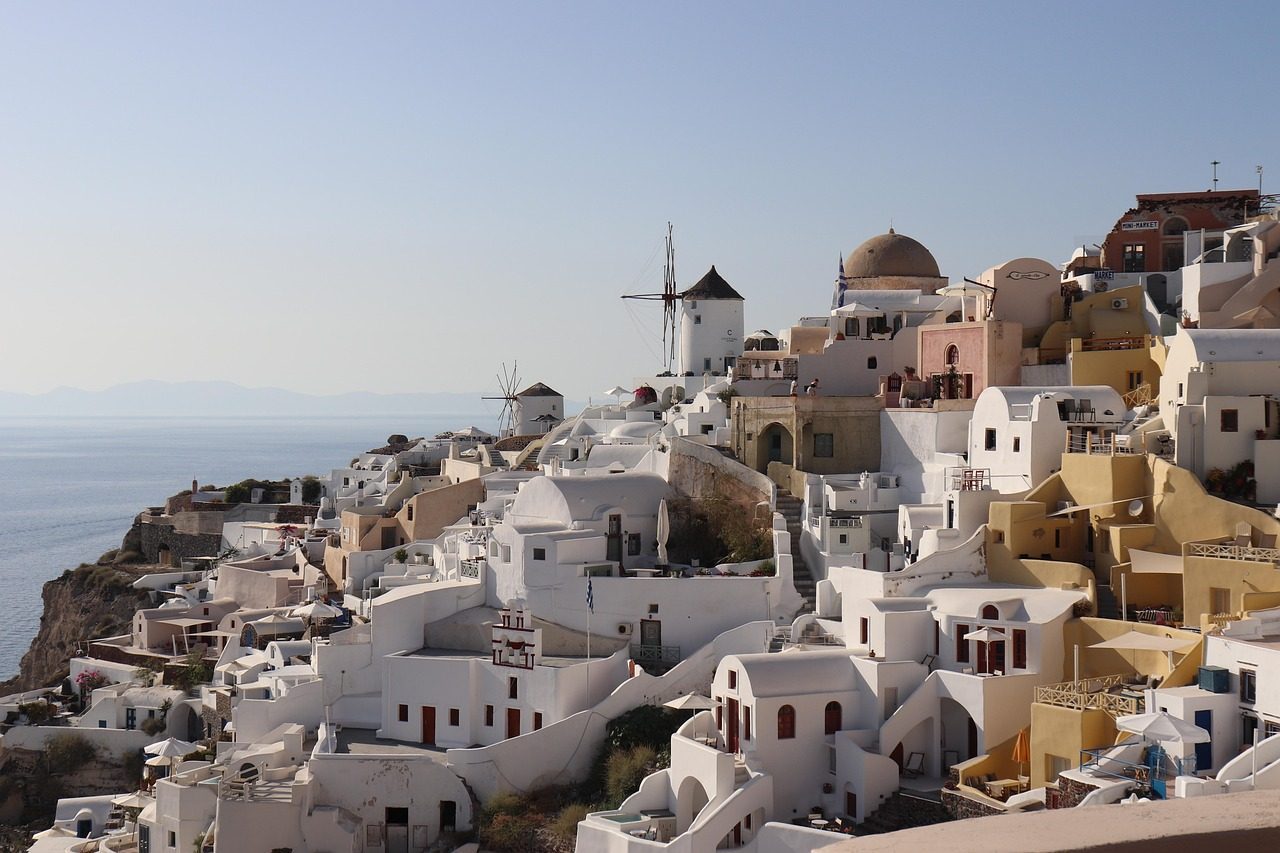
Argos has been continuously inhabited for the past 7,000 years and was used as a major stronghold during the Mycenaean era. The city of Argos is featured throughout several Greek myths and is believed to be the birthplace of Perseus, the son of the god Zeus.
The city was the dominant power of the Peloponnese until the rise of Spartan power, and the two city-states battled for control but sided with each other to fight common enemies. Today, roughly twenty-two thousand people live here, surrounded by ancient theaters, temples, and legends that refuse to fade. It’s a quieter kind of ancient, less touristy than Athens, but no less remarkable.
Jerusalem – The City of Three Faiths
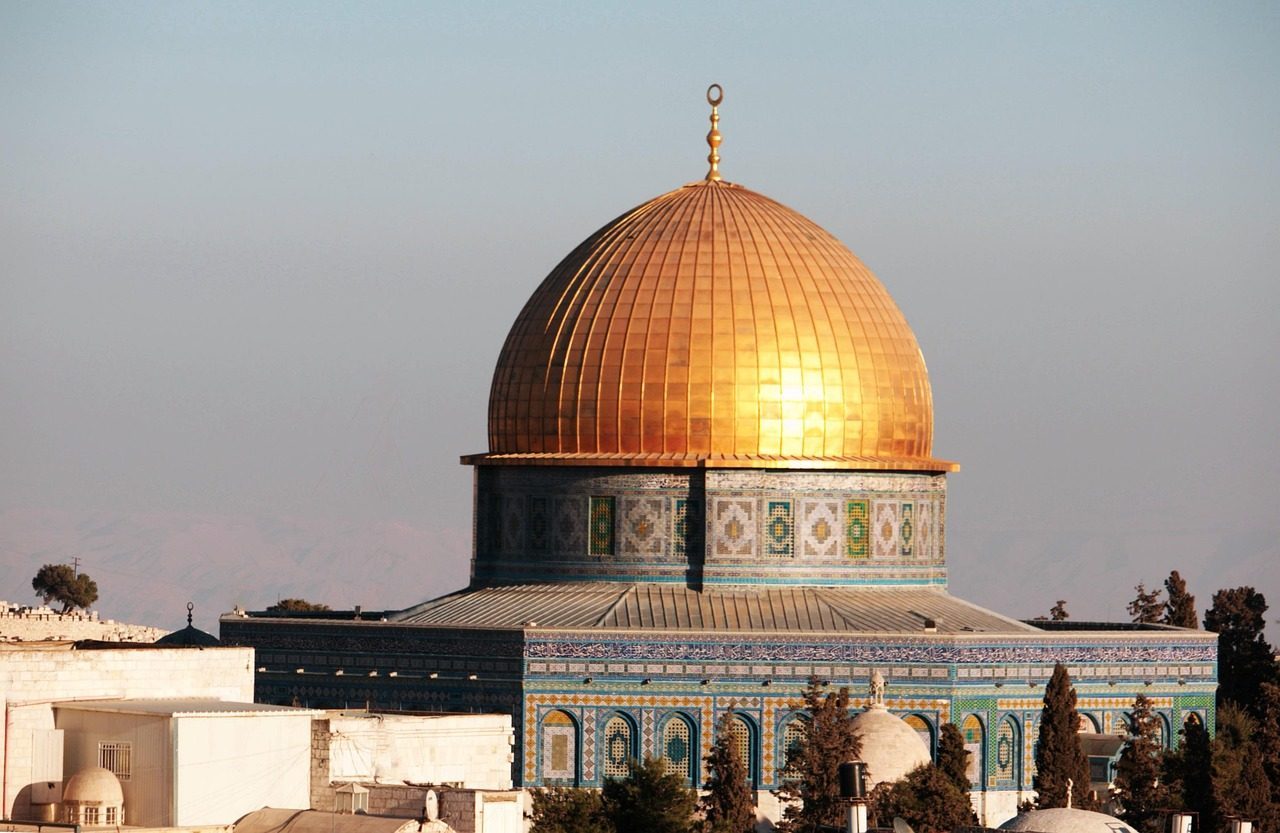
Jerusalem is one of the world’s oldest continuously inhabited cities, with archaeological evidence of settlement dating back to the 4th millennium BCE. Throughout its complex history, the city has been destroyed twice, besieged 23 times, and captured and recaptured 44 times, with the city’s name originally known as Urusalim on ancient Egyptian tablets.
Few cities carry the spiritual weight Jerusalem does. Sacred to Judaism, Christianity, and Islam, it’s a place where history and faith intertwine so tightly you can’t separate them. The Western Wall, the Dome of the Rock, the Church of the Holy Sepulchre – all of them pulse with devotion. Pilgrims travel from every corner of the globe just to walk its ancient stones. As an important holy city, Jerusalem has one of the highest densities of synagogues in the world.
Conclusion
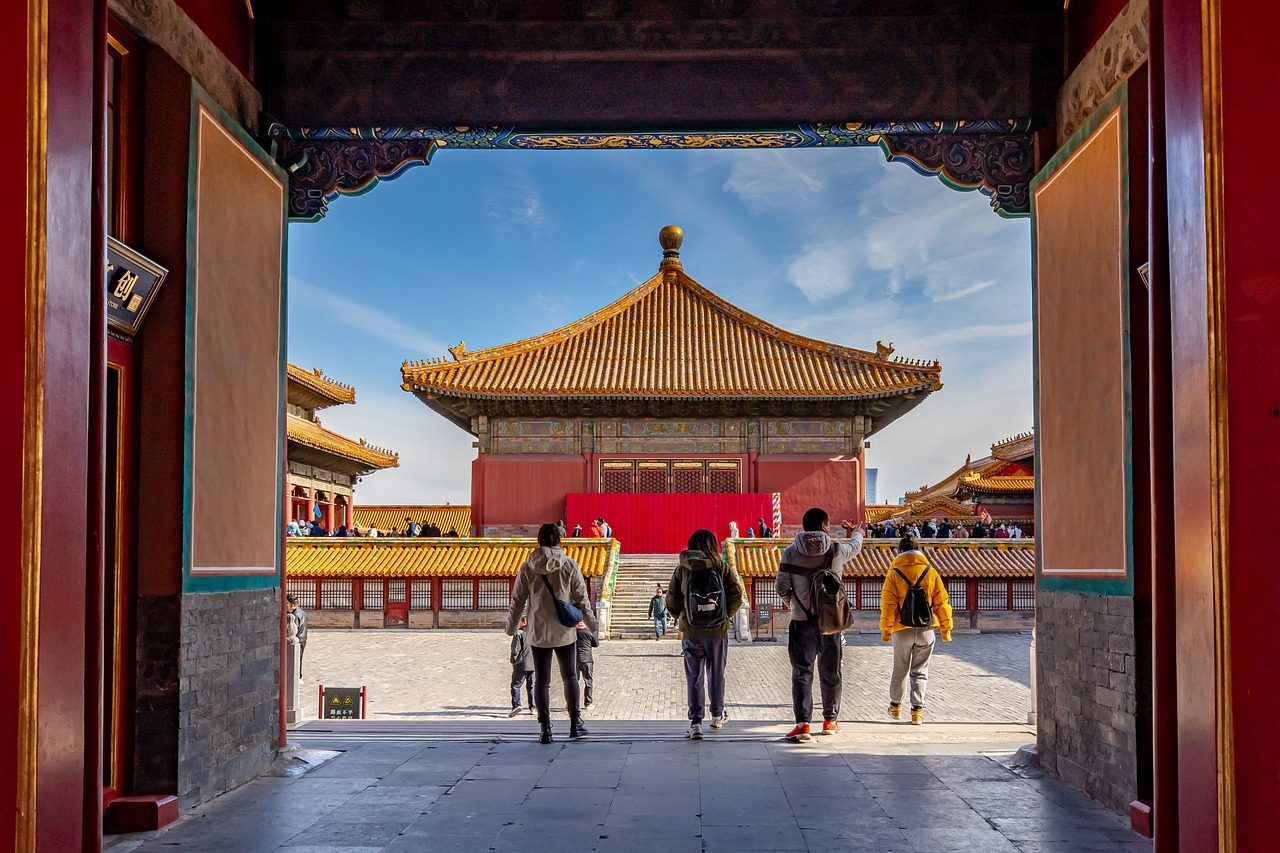
These ten cities aren’t just survivors. They’re witnesses to everything humanity has endured and achieved. They’ve watched empires collapse, languages evolve, and entire ages come and go. Yet somehow, people kept living there, kept building, kept praying, kept trading.
What strikes me most is how resilient human civilization really is. These cities prove that even when everything falls apart, we rebuild. We carry on. So which of these ancient cities surprised you the most? Did you expect Jericho to be older than the pyramids, or that Varanasi still practices rituals unchanged for thousands of years? What do you think about it? Tell us in the comments.
