
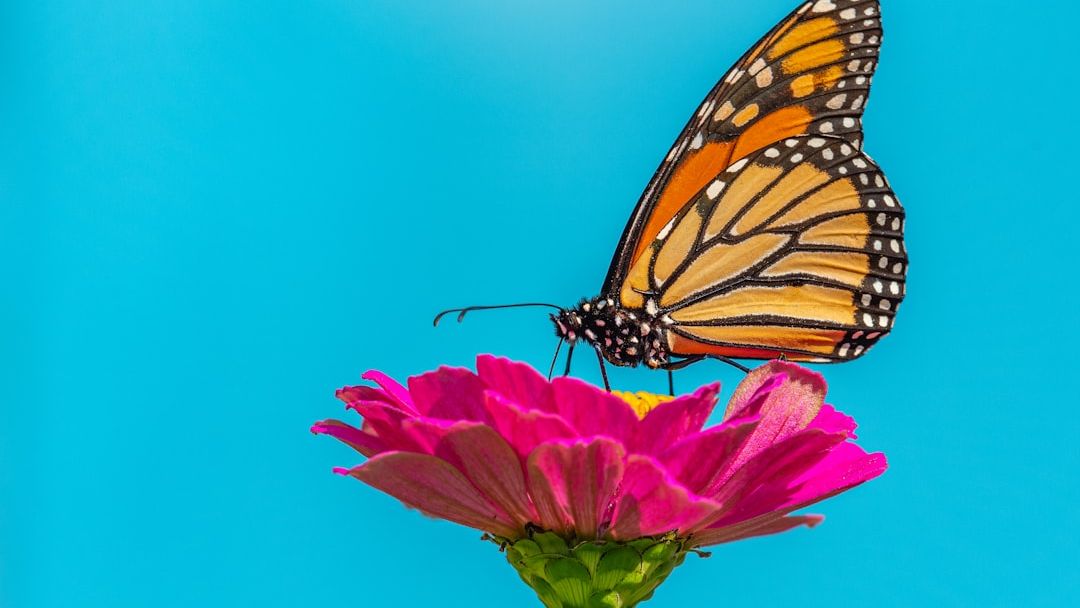
There’s something quietly remarkable about a yard that butterflies choose to visit. One moment the garden looks ordinary, and the next, wings the color of stained glass are drifting between blooms. It doesn’t happen by accident. To truly benefit your local butterflies, a garden needs two types of plants: nectar plants that entice adult butterflies to stop and feed, and host plants that give butterflies a place to lay their eggs and provide food for caterpillars once the larvae hatch.
Not all plants are created equal when it comes to feeding butterflies. Through evolution, individual butterfly species became highly selective with the types of plants they feed on, so while many varieties can attract butterflies, some are far better than others at providing essential nutrients. These ten plants are among the most reliable and rewarding choices you can make for your garden.
Milkweed: The Monarch’s Only Home
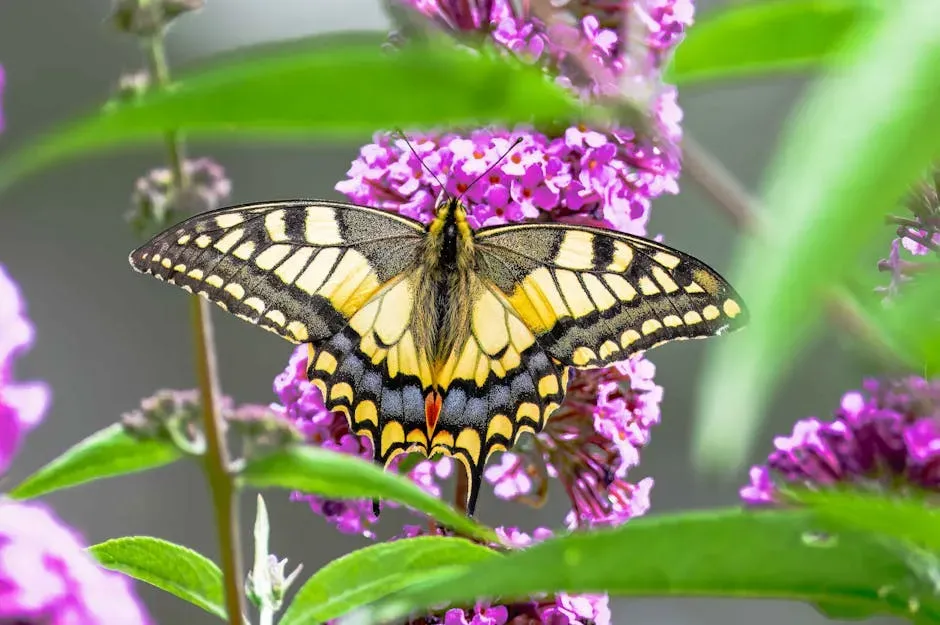
Few plants carry as much ecological weight as milkweed. Monarchs will only lay their eggs on milkweed. No other plant will do. That makes it arguably the single most important plant you can add if you want to support one of North America’s most recognizable butterflies.
There are over 100 milkweed varieties in North America, but butterfly weed (Asclepias tuberosa) and swamp milkweed (Asclepias incarnata) are especially well-suited to butterfly gardens. Beyond monarchs, butterfly weed also attracts coral hairstreaks, tiger swallowtails, spicebush swallowtails, black swallowtails, great spangled fritillaries, pearl crescents, and silver-spotted skippers.
Purple Coneflower: Tough, Beautiful, and Irresistible
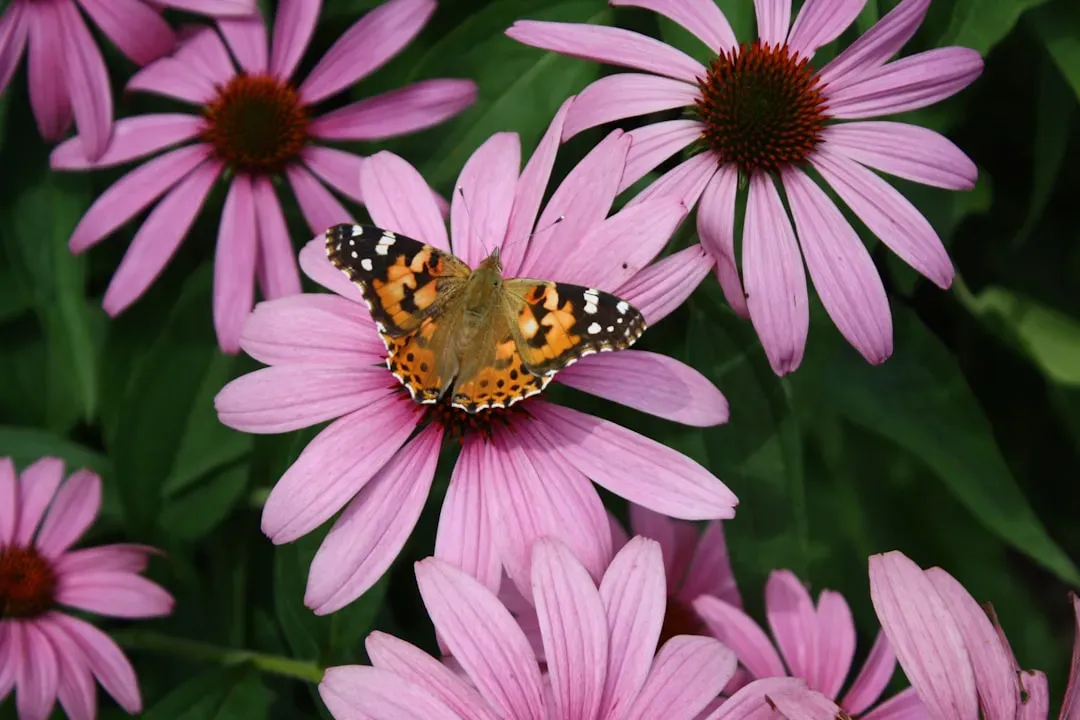
Coneflower (Echinacea purpurea) is one of the best flowers for attracting butterflies, and it adds a flashy touch of color to the late-summer landscape. This member of the Echinacea genus is one of the most attractive flowers to butterflies like the painted lady, and it blooms through late summer while being extremely heat and drought resistant.
The plants are consistently winter hardy throughout the country, standing up to harsh winters as well as mild ones, and once established they’re drought-tolerant and well-suited to water-conscious plantings. That combination of resilience and beauty makes coneflower a cornerstone plant for almost any butterfly garden, regardless of climate zone.
Lantana: A Rainbow of Tiny Blooms
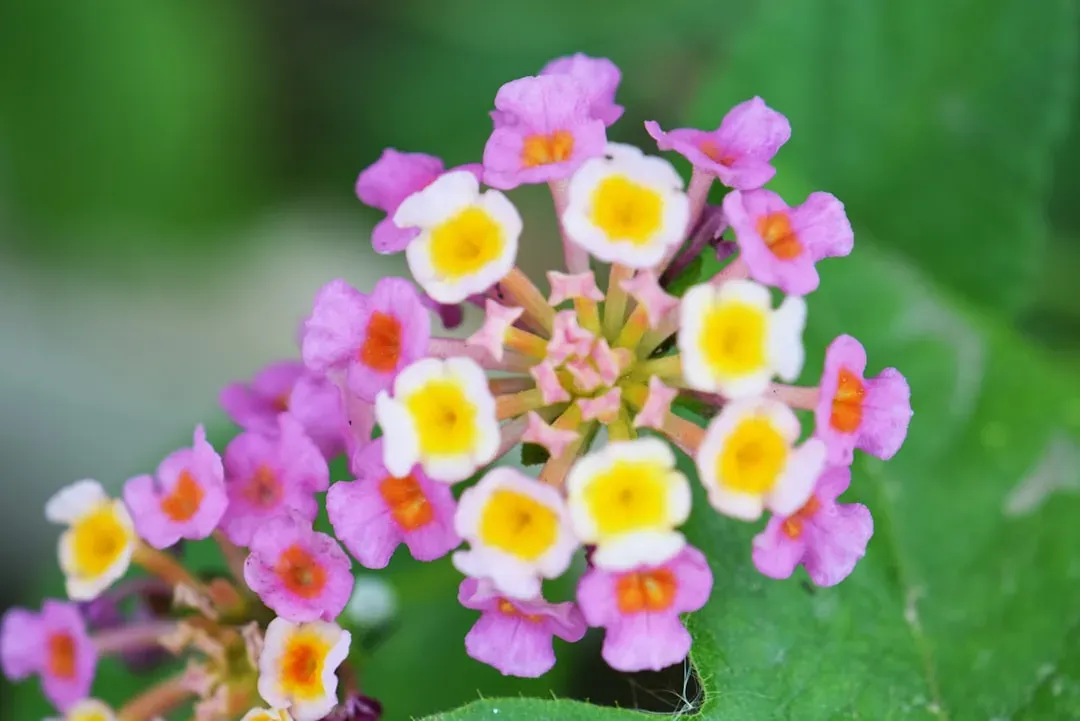
Lantana (Lantana camara) produces profuse color, showing off clusters of tiny, eye-catching blooms in a variety of hues. Typically grown as an annual, it makes an excellent low hedge or accent shrub. Butterflies love to drink its nectar, and as a bonus, lantana is deer and rabbit-resistant since its leaves are scratchy and unpleasant to browsing animals.
As a drought-tolerant low hedge plant, lantana is a great choice to edge walkways, and its blossoms attract spicebush swallowtails, red admirals, monarchs, skippers, and more. Water newly planted lantana regularly to ensure healthy root development, but once established, it’s drought tolerant and performs best with roughly one inch of water per week.
Blazing Star (Liatris): A Purple Spike Worth Growing
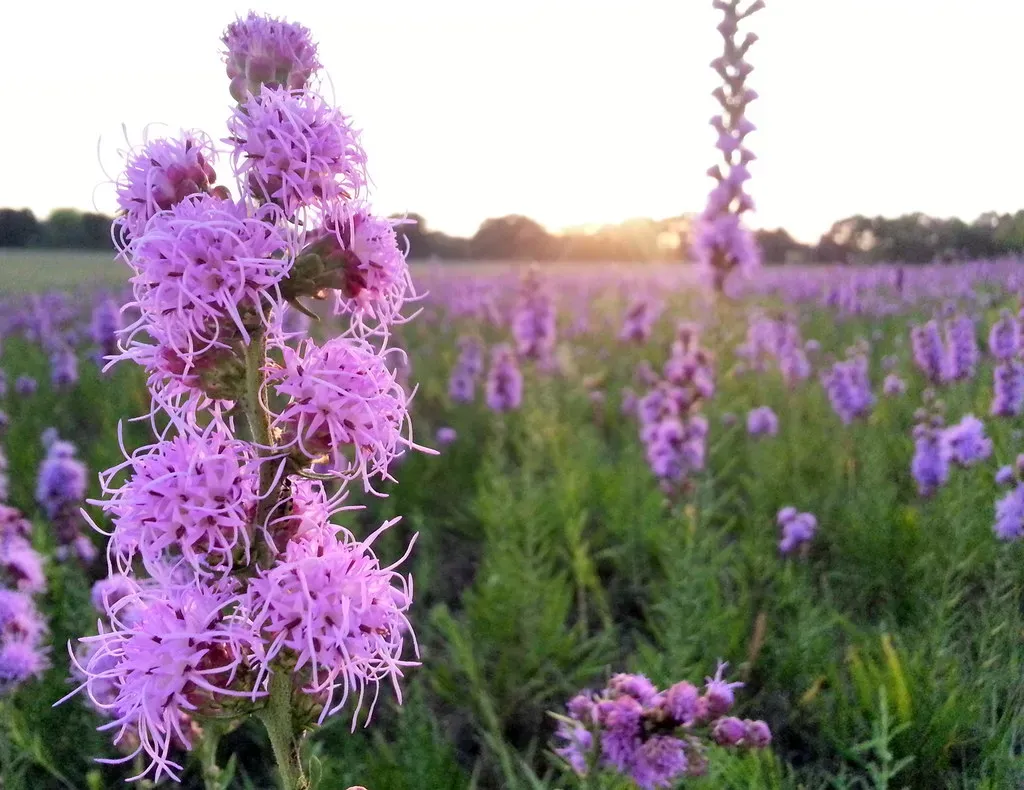
The blazing star (Liatris spicata) is an interesting perennial that produces one to three foot-tall spikes of bright purplish-pink or white flowers from late June into early fall, making it an ideal plant to grow in a butterfly garden. Its vertical form is visually distinctive and adds real structure to a planting bed.
Also known as gayfeather, this long-blooming perennial is a particular favorite of monarch butterflies. Pairing blazing star with milkweed creates a powerful combination that feeds monarchs and many other butterfly species throughout the season. It’s one of those plants that genuinely earns its space.
Black-Eyed Susan: The Wildflower That Works
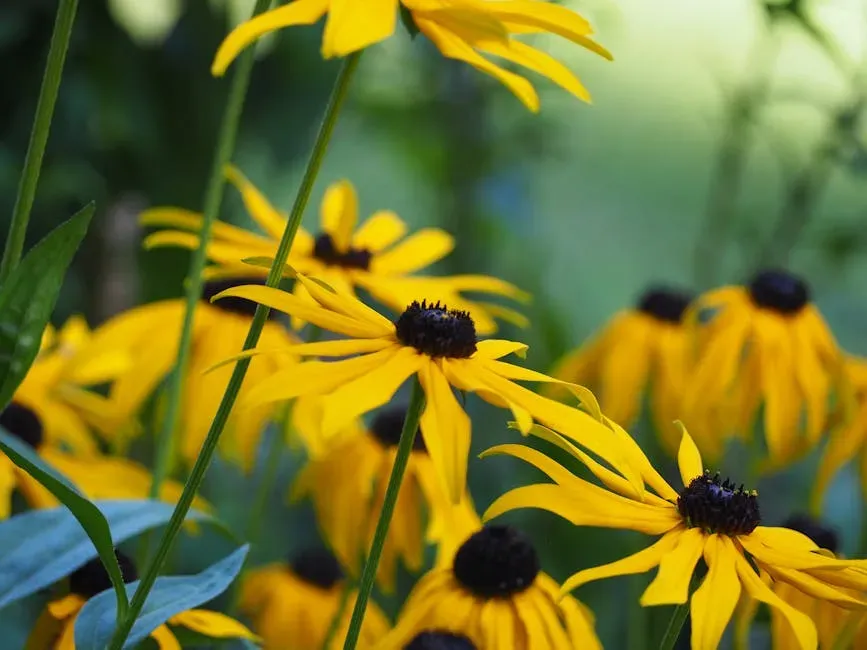
Native to open woodlands, prairies, meadows, and roadsides, this common wildflower has daisy-like flowers that appeal to many butterflies including great spangled fritillaries, pearl crescents, silvery checkerspots, and spring azures. Its warm golden petals are almost impossible to overlook in a summer garden.
Black-eyed Susan’s most common variety has a brown or black center surrounded by bright yellow flower petals, and once it blooms in midsummer, it attracts butterflies, hummingbirds, and beneficial pollinating insects. It grows from one to four feet tall and blooms in shades of bronze, gold, mahogany, orange, and yellow, thriving in zones 3 through 9.
Butterfly Bush (Buddleia): Nectar-Rich but Handle With Care
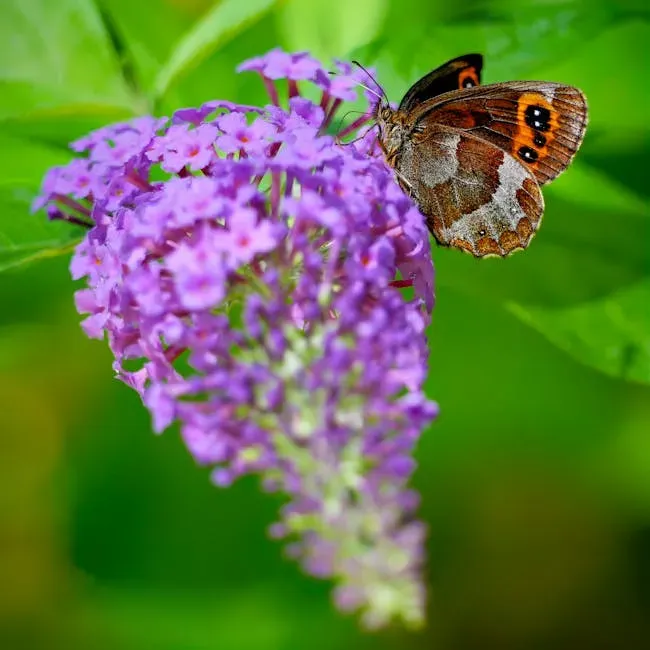
Butterfly bush is one of the top plants for attracting an array of butterflies, including various types of fritillaries, skippers, swallowtails, and painted ladies. Its long, arching flower panicles are genuinely hard to match for sheer butterfly activity on a warm afternoon.
Buddleias are easy-care plants that attract butterflies, but they’re invasive in some areas, so look for sterile cultivars which don’t set seed and therefore don’t spread into the wild. It’s great for nectar, but it does not serve as a host plant for caterpillars, so it works best alongside native host plants rather than as a standalone choice.
Aster: The Late-Season Lifeline
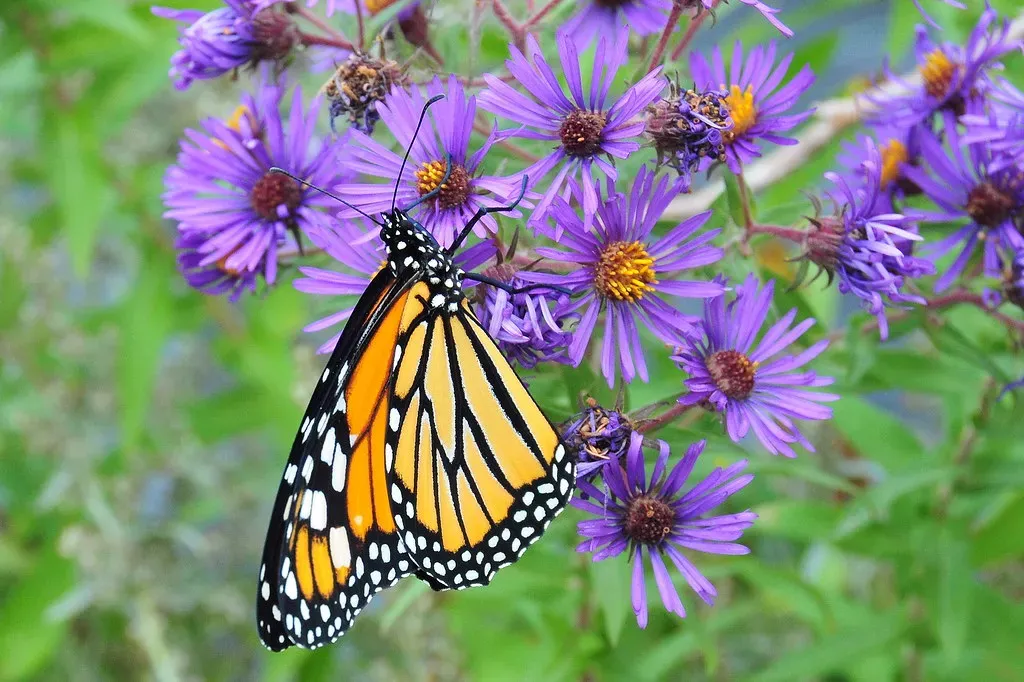
Among the most valuable butterfly plants, aster is a North American native that serves as a host plant for painted crescent and pearl crescent butterflies. Its prolific daisy-like blooms are an essential late-season food source for migrating monarchs, and buckeyes, skippers, admirals, and painted ladies love the flowers too.
Named after the ancient Greek word for “star,” these fall bloomers liven up the yard with an array of purple, blue, pink, and white flowers. Butterflies are active from spring into late fall, but mid-to-late-blooming season flowers are when butterflies are most active, which makes asters particularly well-timed for when butterflies need them most.
Goldenrod: The Underrated Pollinator Powerhouse
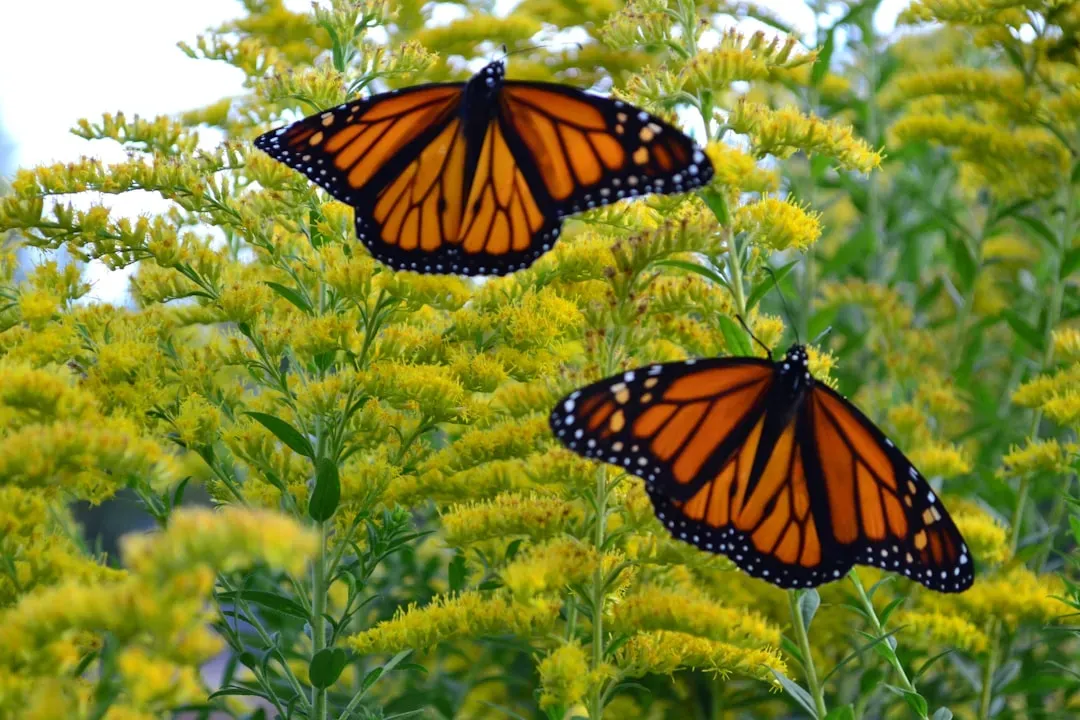
Goldenrod is a bright yellow, late-blooming flower full of nectar for butterflies, blooming in late summer and early fall. Many gardeners unfairly overlook it, sometimes confusing it with ragweed, but it’s a genuinely valuable and beautiful plant in its own right.
Late summer into fall, goldenrod provides much-needed nectar for butterflies and hummingbirds, and newer varieties are fantastic drought-tolerant, non-aggressive wildflowers that look great in a garden setting. Given how many butterfly species are active in late summer, goldenrod fills a seasonal gap that few other plants can match as reliably.
Bee Balm (Monarda): Bold Color, Rich Reward
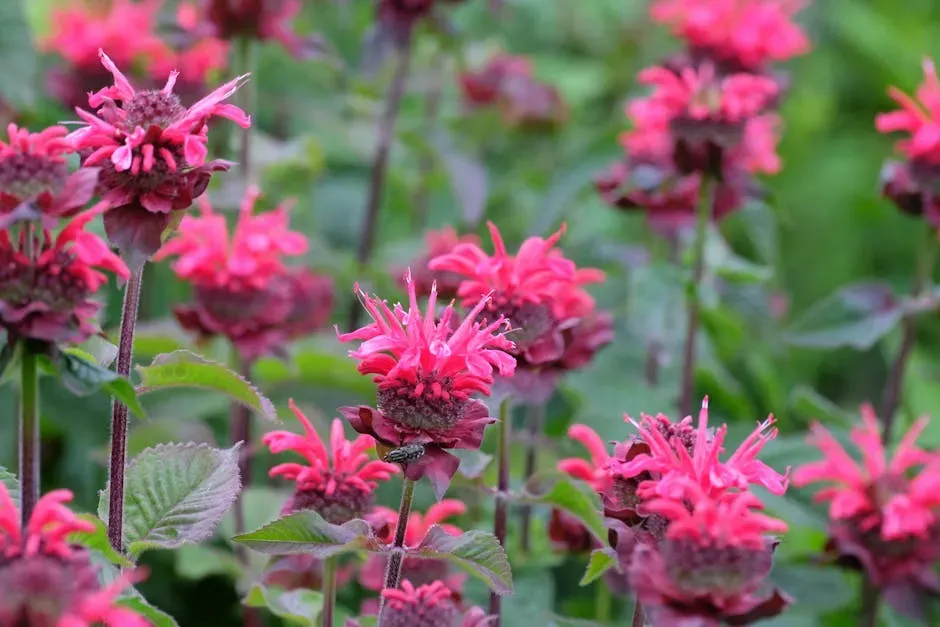
Also known as bee balm, Monarda is a nectar-rich flowering plant that comes in red, pink, and purple varieties. A wide variety of butterflies find bee balm an attractive source of nectar, and there are many new Monarda hybrids now on the market that are disease resistant, do not overrun the garden, and do not flop over.
Butterfly species attracted to Monarda include swallowtails, silver-spotted skippers, fiery skippers, red admirals, and variegated fritillaries. Flowers with multiple florets that produce abundant nectar are ideal for butterflies, and bee balm fits that description almost perfectly, offering an inviting landing surface alongside rich nectar production.
Zinnia: The Gardener’s Gift to Butterflies
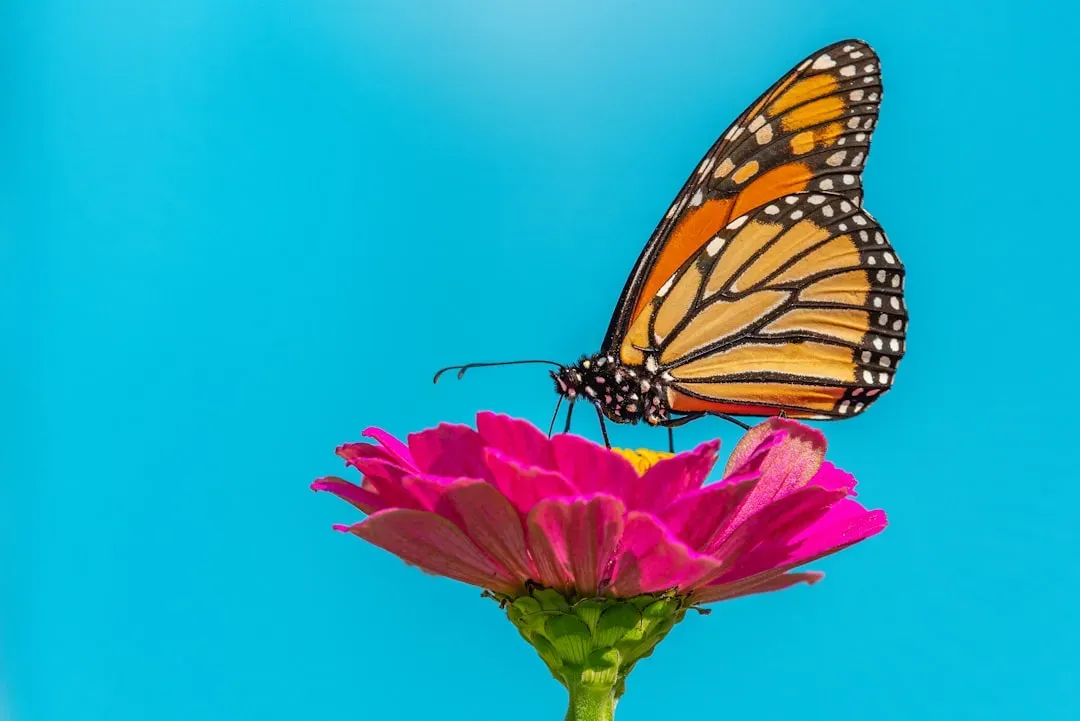
Many butterflies are attracted to easy-to-grow annuals such as zinnias, and it’s not hard to see why. Their bold, flat-topped flowers in shades of red, orange, pink, yellow, and white give butterflies a broad landing pad and easy access to nectar throughout the growing season.
Annuals are wonderful butterfly plants because they bloom continuously through the season, providing a steady supply of nectar. Zinnias in particular are among the easiest flowers a gardener can grow from seed, and they deliver exceptional returns in both color and wildlife activity. Plant them in generous masses so butterflies can locate them more easily from above.
Conclusion: A Garden Worth Coming Back To
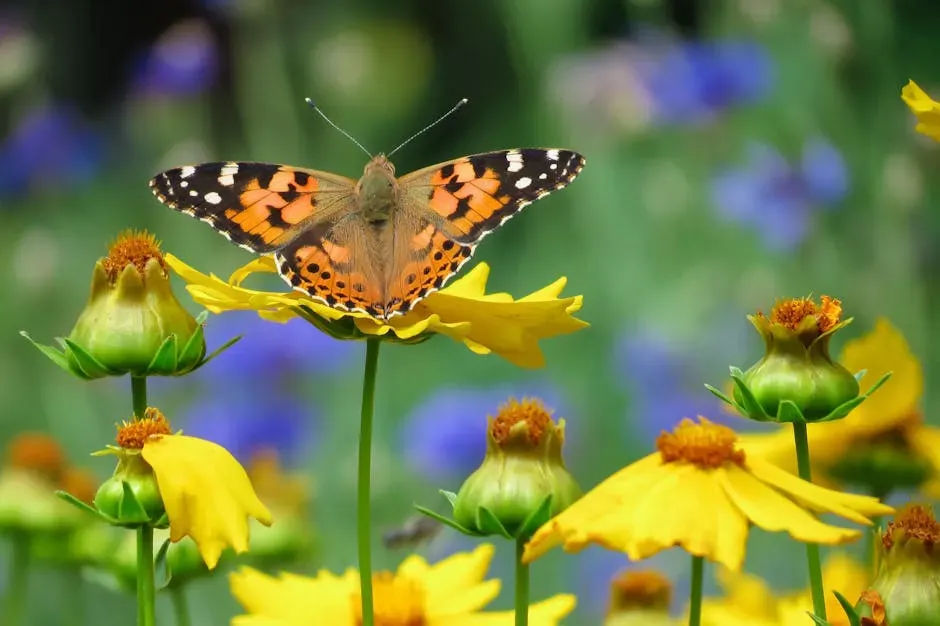
Building a butterfly-friendly yard isn’t a complicated project. It’s mostly about making thoughtful choices: create healthy habitats with plenty of water, shelter, and no insecticides, and then establish a variety of plants that serve as hosts for caterpillars while providing adult butterflies with a consistent stream of blooms and nectar throughout the growing season.
Use large swaths of color, since butterflies are attracted to flowers by their color and planting in masses makes it far easier for them to find a planting from a distance. The best way to help native butterflies is to grow native plants, since the pollinators of each region evolved alongside those plants to build mutually beneficial relationships.
Start with even two or three plants from this list and watch what begins to happen. The garden you build for butterflies tends to become the garden you enjoy most yourself. That’s rarely a coincidence.
