
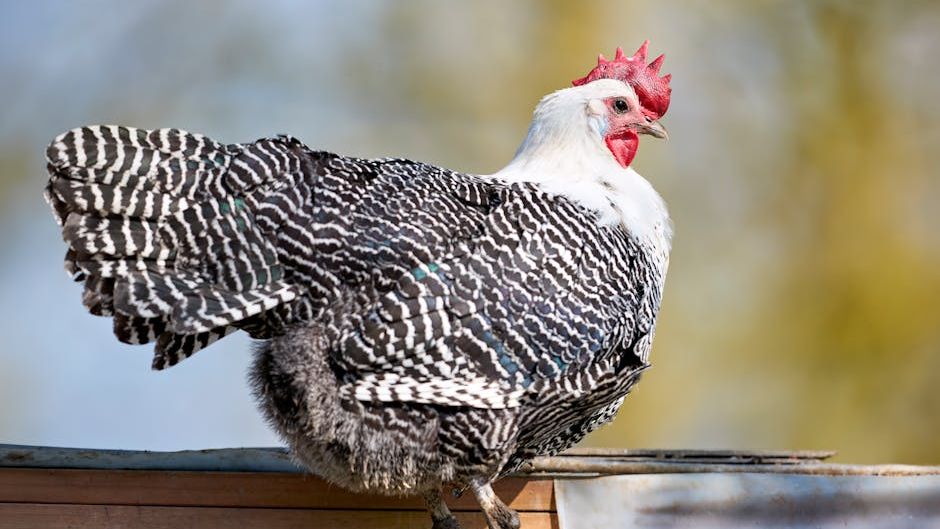
Most people picture a standard brown hen when they think of a chicken. Reliable, familiar, a little boring. But tucked away in the corners of American farms, backyard coops, and conservation programs, there are birds so extraordinary they seem like something out of a fairy tale. Some are completely jet-black, down to their bones. Others sport feathers so elaborate they look like they belong on a fashion runway.
A chicken breed is considered rare when it reaches “critical” status as determined by The Livestock Conservancy, which defines critical as fewer than 500 breeding individuals in the United States and a worldwide population of fewer than 1,000 birds. Honestly, when you learn just how close some of these breeds have come to vanishing forever, you start to understand why the people dedicated to saving them are, in many ways, unsung heroes. So let’s dive in.
1. The Holland: America’s Rarest Homegrown Chicken
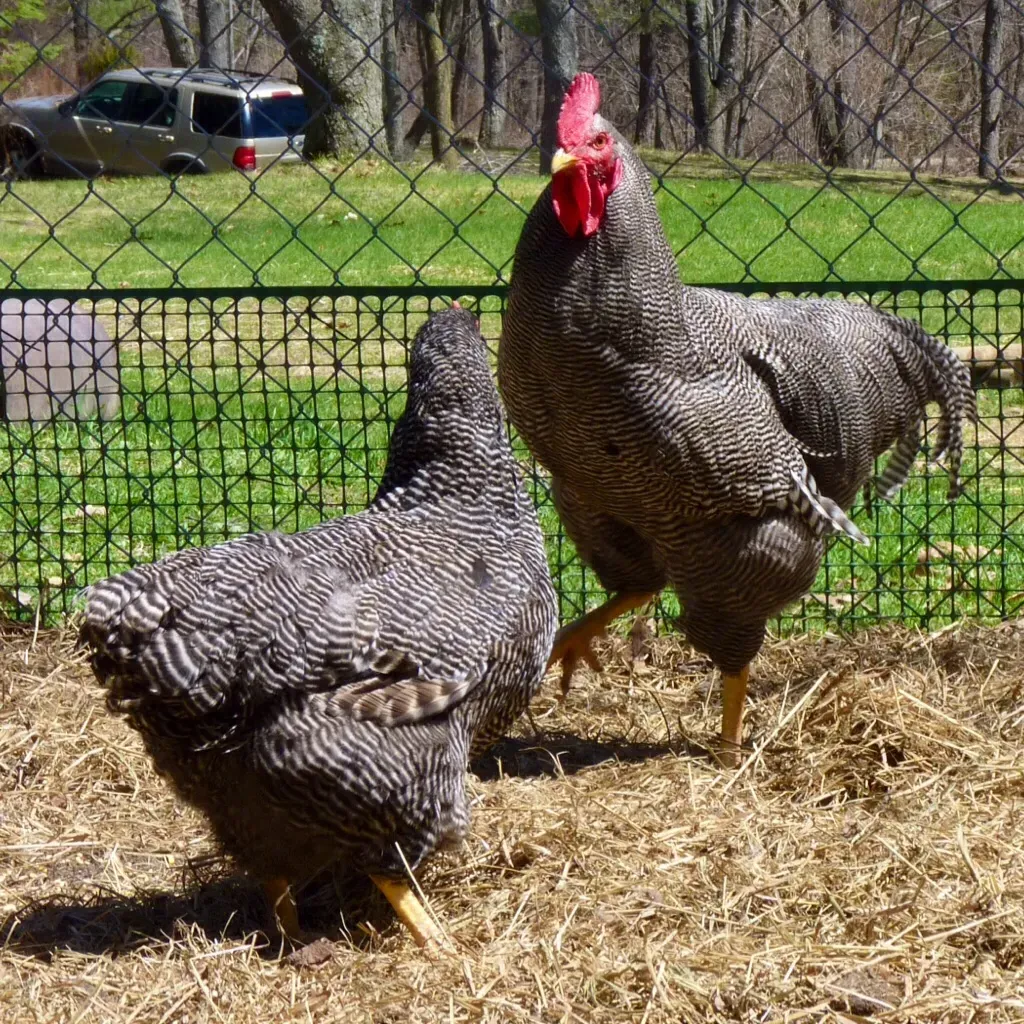
Here’s a fact that stops most chicken lovers in their tracks: the Holland breed is considered the rarest American-bred chicken breed, known for laying white eggs despite its American classification and its cold hardiness. Think about that. A breed born and developed on American soil, now teetering on the edge of extinction.
The Holland is the perfect bird for backyard flock owners. It is cheerful, calm, and friendly, and enjoys interacting with humans. Like the Orpington, it is cold-hardy but may suffer frostbite on its single comb in extreme weather. The Holland is low-maintenance, quiet, and forages well. Holland hens lay approximately 220 eggs each year and also tend to go broody. By raising Holland chickens, flock owners help conserve what is considered to be America’s rarest chicken.
2. The Java: A Living Piece of American History
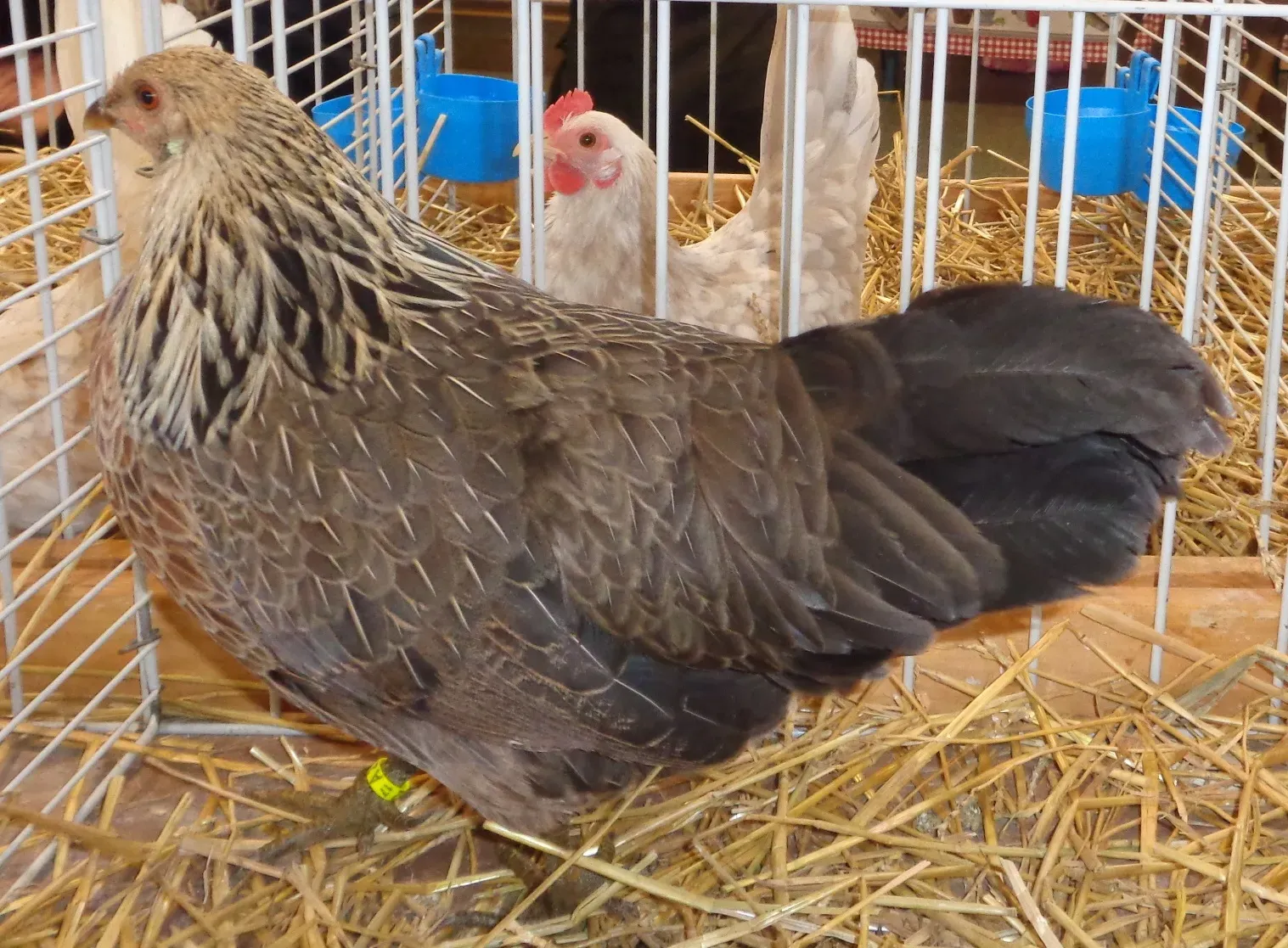
The Java is America’s second-oldest chicken breed, developed around or before 1835. That places this bird in a time before the Civil War, before the railroad connected the continent, before most of modern America even existed. I think that alone makes the Java worth saving.
Sadly, finding one is becoming extremely difficult. The Chicago Museum of Science and Industry and Garfield Farms stopped breeding Javas during the pandemic, and some dedicated breeders have reported being unable to find a single Java outside of a few struggling flocks. The Mottled Java variety in particular has become one of the hardest to locate, with Mottled Java and Buckeye listed among the rare American lines most valued by heritage breeders.
3. The Crevecoeur: The Broken-Hearted Beauty
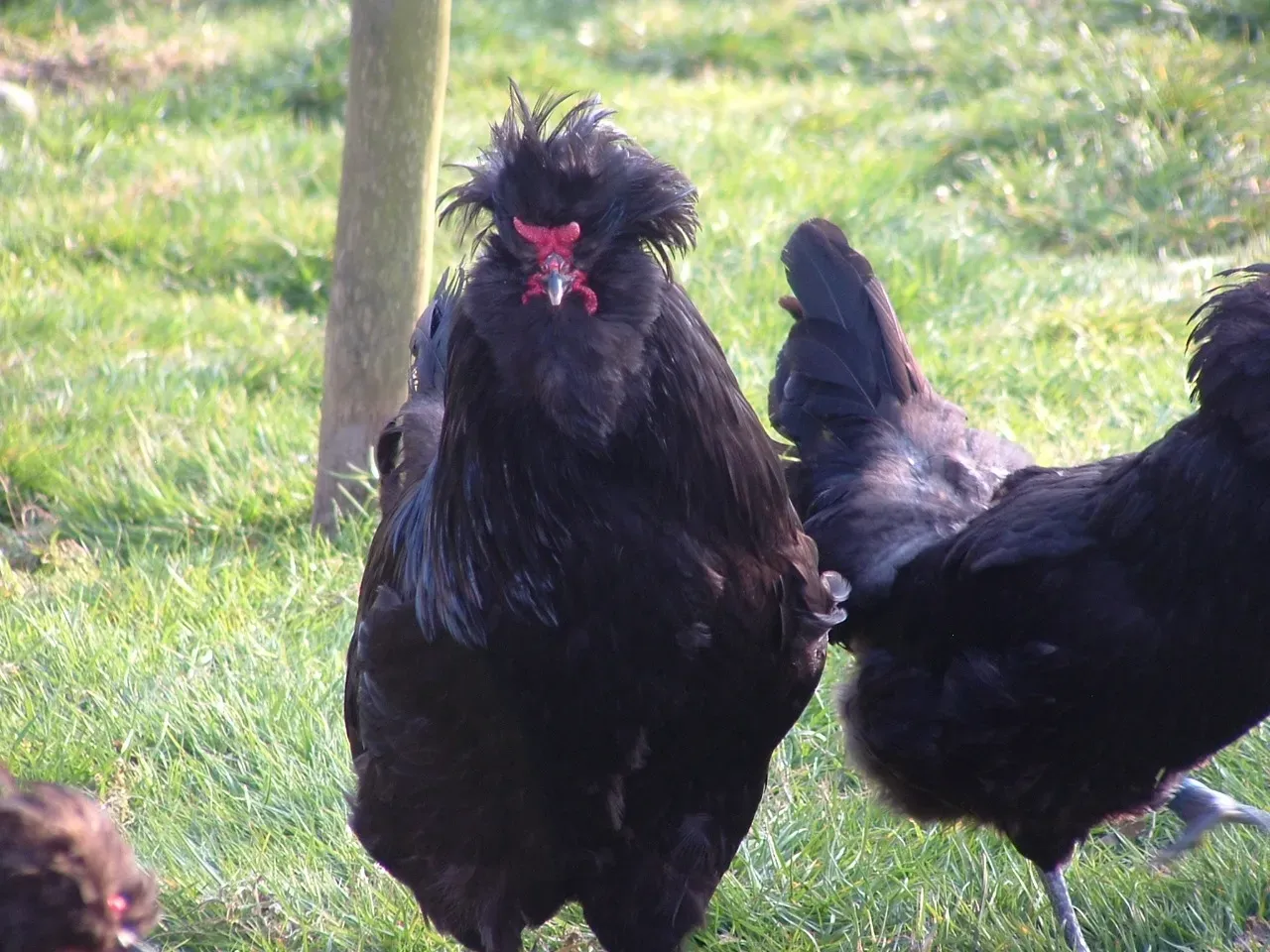
The Crevecoeur breed is a rare and continental breed of chicken originating from Normandy, France during the 17th century. The breed was named after a town, and the name also means “broken heart.” As beautiful as the bird is in appearance, the meaning of its name is equally dramatic in nature. There is something poetic about a bird this striking carrying such a melancholy name.
The Crevecoeur, affectionately called “Morticia” by enthusiasts, is both elegant and rare. Their black plumage and crest give them a gothic beauty, but their temperament is anything but dark. They are friendly, quiet, and enjoy human interaction. Though historically used for meat, they also lay a fair number of white eggs, and keeping Crevecoeurs helps preserve this heritage breed. Conservation efforts have recently moved the Crevecoeur from “critical” to “threatened” status, with a growing breeding population drawing renewed excitement among rare breed enthusiasts.
4. The Buckeye: The Bird a Woman Built
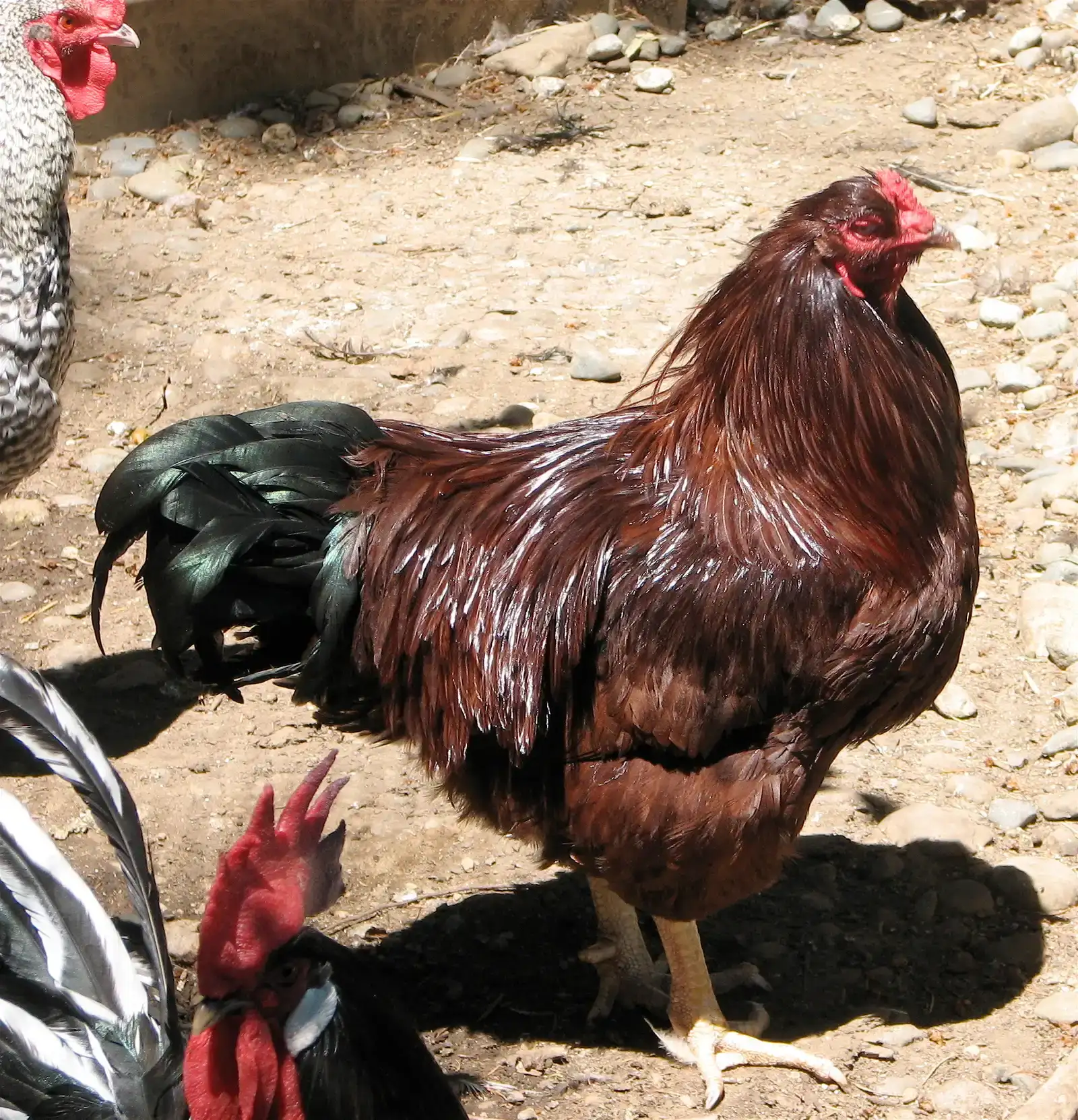
Here is a story that deserves far more attention than it gets. The Buckeye was first bred and developed in 1896 by Nettie Metcalf, a resident of Warren, Ohio. It is the only American breed of chicken known to have been developed by a woman. That is a remarkable distinction that seems almost forgotten in modern poultry circles.
The Buckeye is the only purely American breed to sport a pea comb, and this, combined with its stocky build, makes it a supremely cold-hardy chicken. With a unique slanted body, meaty thighs, and powerful wings, Buckeyes are active hunters, even compared to cats for their mouse-catching abilities. Friendly and fearless, the males are known for their dinosaur-like roars. Until fairly recently, Buckeye chickens were critically endangered according to The Livestock Conservancy. Their status has since been updated to “Watch,” but their numbers remain fragile.
5. The Sultan: A Bird Fit for an Ottoman Palace
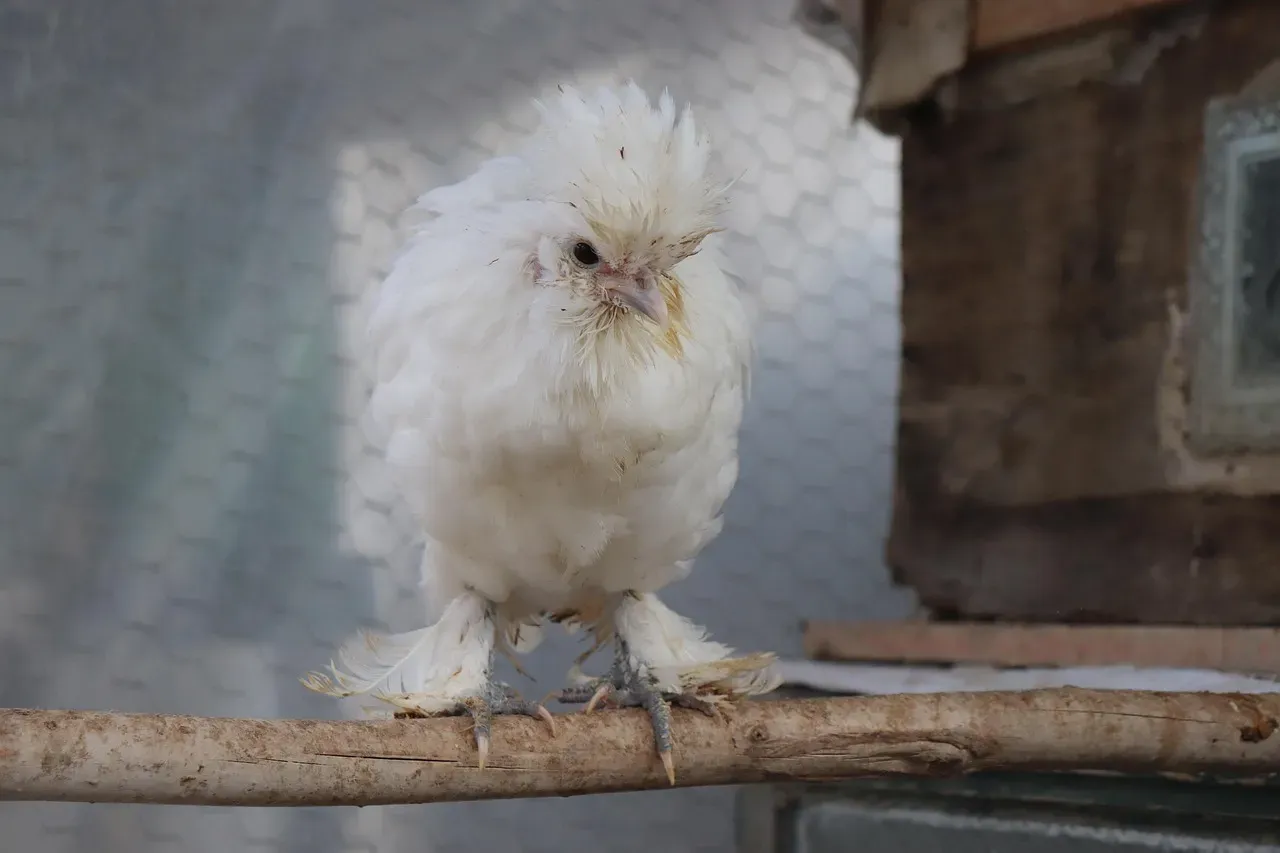
The Sultan is a Turkish breed of crested chicken. The name derives from the original Turkish name “Sarai-Tavuk,” which translates as “fowls of the palace.” They have always been primarily ornamental, having been kept in the gardens of the Ottoman sultanate. It is hard not to feel a sense of awe when you learn a chicken breed has that kind of history behind it.
Sultans have a great deal of decorative plumage, including large, puffy crests, beards, long tails, and profuse foot feathering. Their small, V-shaped combs are almost entirely hidden under feathering. Sultans are also one of a minority of breeds to have five toes on each foot. In temperament, Sultans are quite docile and friendly, and are content being kept in confinement. The Sultan appears on The Livestock Conservancy’s critical category list, alongside other endangered breeds like the Crevecoeur, Holland, and Nankin.
6. The Ayam Cemani: The All-Black “Lamborghini” of Poultry
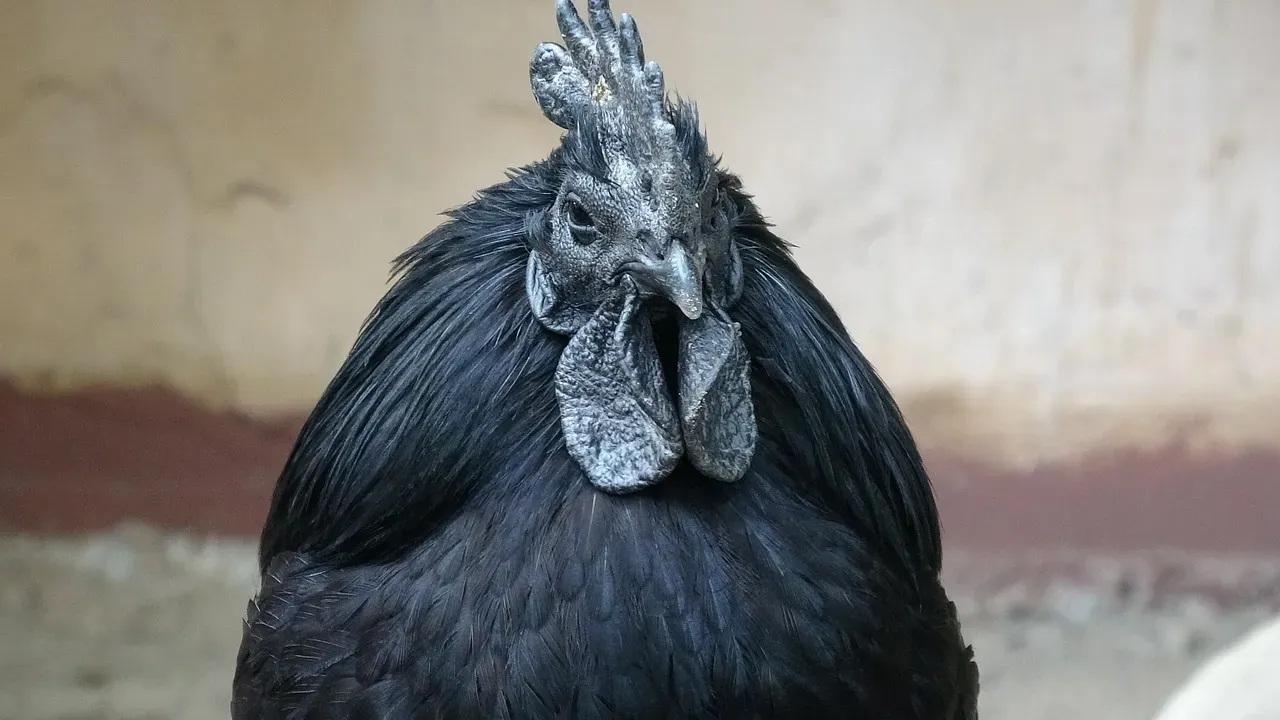
Nothing quite prepares you for seeing an Ayam Cemani in person. The Ayam Cemani is a breed of chicken that is totally black, and not just on the outside. Its feathers, skin, and even its internal organs and bones are all jet black in color. It sounds impossible, but it is entirely real.
Its black color extends beyond feathers to the beak, comb, and even internal organs. This rare bird is often referred to as the “Lamborghini of poultry” due to its exotic look and high value. The Ayam Cemani from Indonesia is famed for its fibromelanistic black feathers, skin, and internal tissues, making it one of the most striking rare chicken breeds available. While it originates from Indonesia, it has captured the imagination of American poultry enthusiasts like no other breed, making truly high-quality specimens extraordinarily hard to find in the US.
7. The Lakenvelder: Shadow on a Sheet
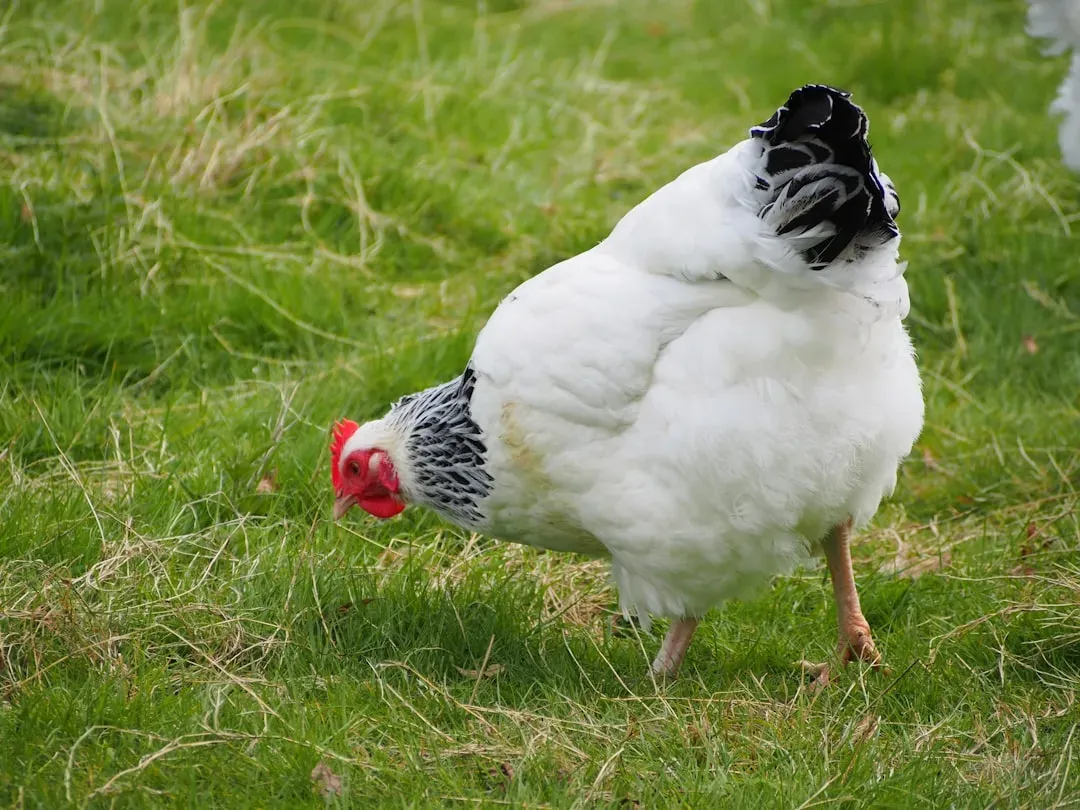
There is something almost magical about the way a Lakenvelder looks. Also known as “Shadow on a Sheet,” Lakenvelder chickens are as beautiful as they are useful. In Dutch, their name translates to “white spread over a black field,” with “laken” meaning sheet and “veld” meaning field. Their striking two-tone plumage is truly unlike anything else in the chicken world.
The Lakenvelder is a heritage breed and was registered as a rare breed by the Rare Poultry Society in 1939. Lakenvelder chickens were developed as meat and egg producers, and they lay about 150 to 200 small or medium white eggs per year. They are great foragers and very active, but this breed does not like to be confined, which may be part of the reason for their decline in popularity. Confined birds are not happy and may contribute to their reputation of being flighty.
8. The Dominique: The Breed That Almost Vanished Entirely
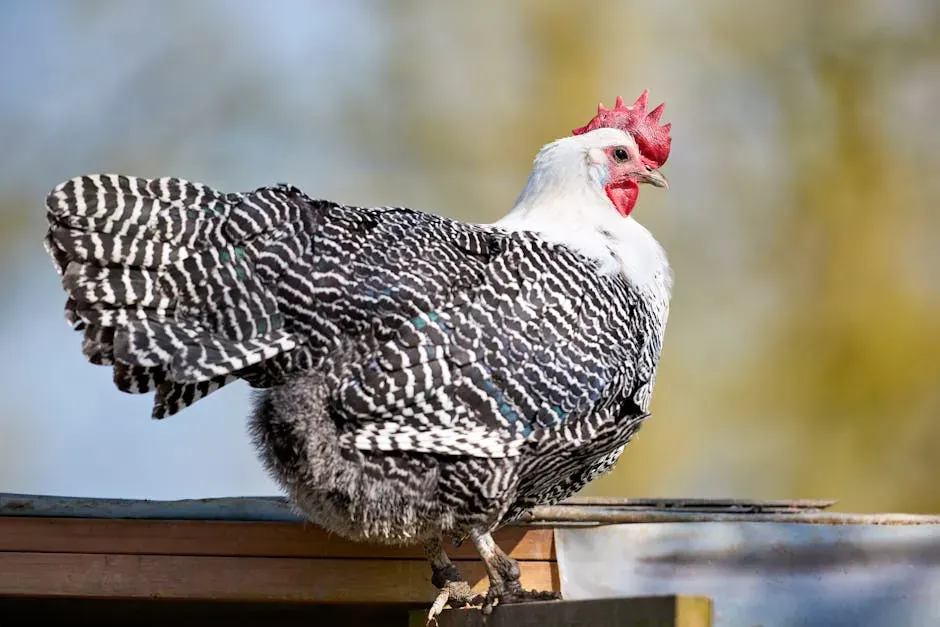
It does not get much more dramatic than a breed that was once declared extinct. The Dominique is considered to be the first American breed of chicken, but in the 1950s it was thought to have gone extinct entirely. That is not a close call. That is a full-on disappearing act, almost pulled off completely.
Thankfully, dedicated breeders managed to piece the population back together from a handful of surviving birds. Much like heirloom vegetable seeds preserve distinct colors, shapes, flavors, and nostalgia, heritage livestock mirrors the same paradigm of genetic preservation. The Dominique’s survival story is a testament to what passionate conservationists can accomplish. Today, while its numbers are recovering, it remains one of the rarer sights in American coops, and its distinctive rose comb and cuckoo-patterned plumage make it instantly recognizable to those in the know.
9. The Redcap: The Breed Almost Nobody Has Seen
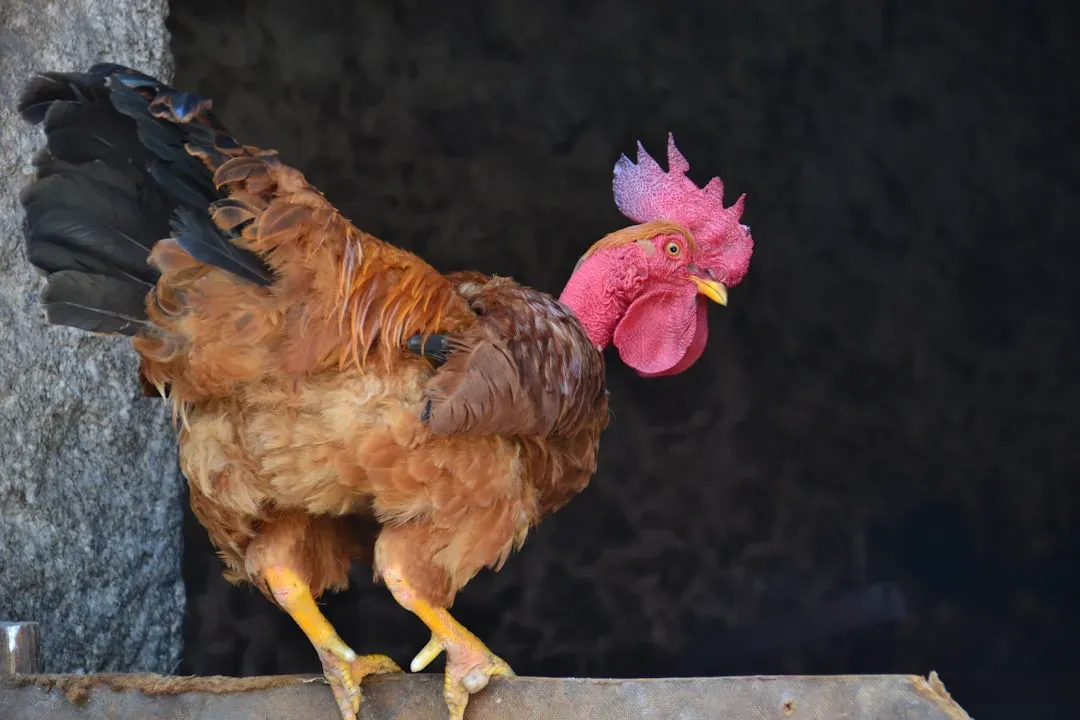
Ask even experienced chicken keepers about the Redcap, and you will likely get a blank stare. One of the rarest is the Redcap. It is the only breed in the APA Standard of Perfection that many seasoned enthusiasts have never personally seen. That is a staggering statement about just how invisible this breed has become.
The Redcap appears on The Livestock Conservancy’s critical category list, alongside breeds like the Holland, Sultan, and Crevecoeur. The Redcap is an old English breed, known for its signature enormous rose comb, which gives it its name. It is a hardy, active forager historically valued for both eggs and meat. The fact that it has slipped so far from public awareness is, honestly, a little heartbreaking. It is the kind of breed that deserves a comeback story, but whether that story will be written depends entirely on how many people choose to care.
10. The Cubalaya: A Tropical Fighter Turned Showstopper
The Wikimedia Foundation has received an e-mail confirming that the copyright holder has approved publication under the terms mentioned on this page. This correspondence has been reviewed by a Volunteer Response Team (VRT) member and stored in our permission archive. The correspondence is available to trusted volunteers as ticket #2013051010005415.
If you have questions about the archived correspondence, please use the VRT noticeboard.
Ticket link: https://ticket.wikimedia.org/otrs/index.pl?Action=AgentTicketZoom&TicketNumber=2013051010005415
Find other files from the same ticket:, CC BY-SA 3.0)
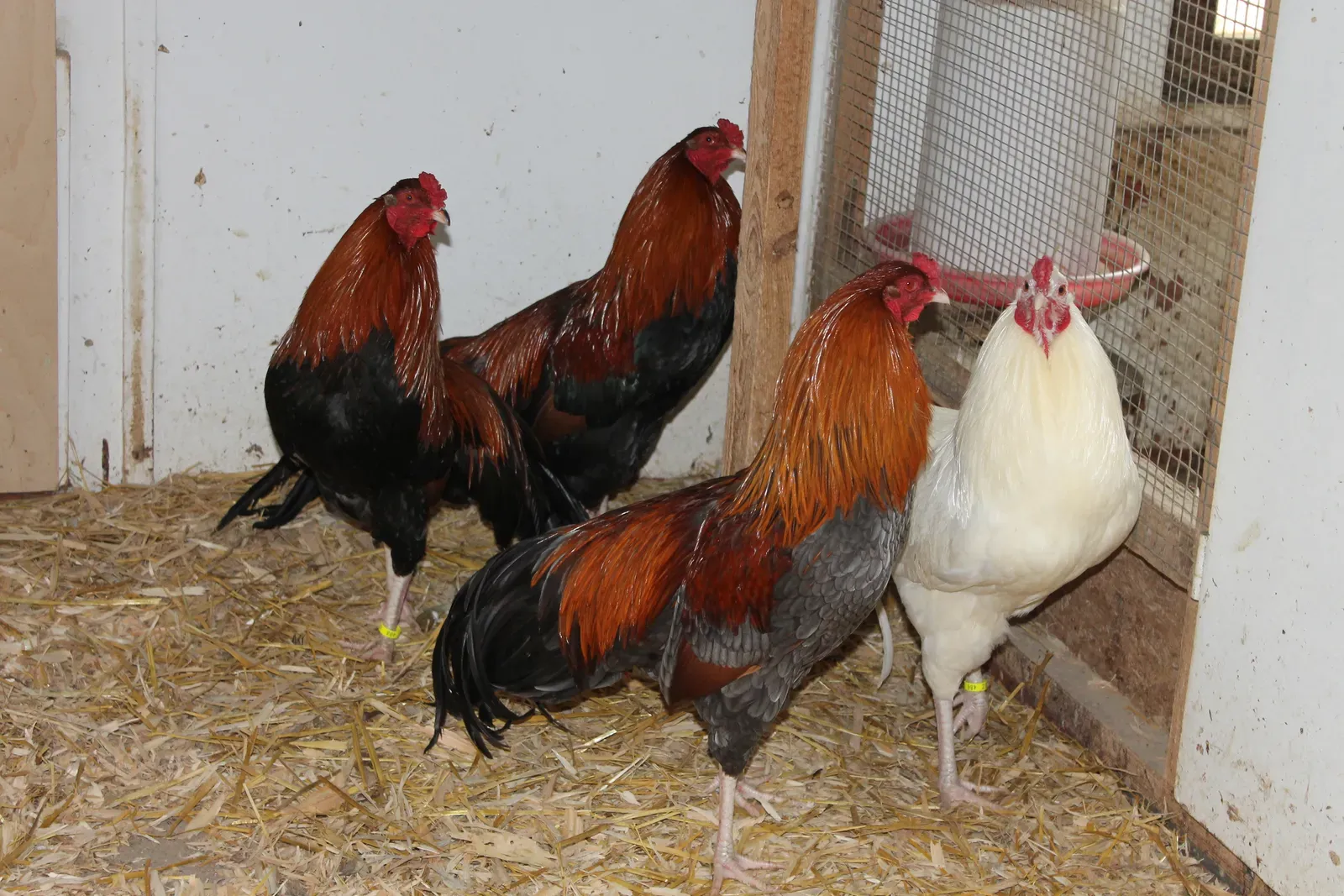
The Cubalaya is one of the most visually dramatic birds on this entire list. A hardy bird developed in Cuba, the Cubalaya resembles a Sumatra in shape. They exist in three varieties: Black, Black Breasted Red, and White, and are considered a strictly ornamental fowl. That said, their beauty is genuinely hard to put into words.
Preserving critically endangered chicken breeds like the Cubalaya, Holland, and Java is more than a nod to poultry history. It is an essential step in protecting genetic diversity and building resilient, sustainable flocks for the future. Each of these rare breeds offers unique traits, from temperament to foraging ability, and by choosing to raise and support these heritage birds, small-scale farmers and poultry keepers play a vital role in keeping these irreplaceable breeds from disappearing forever. The Cubalaya, in particular, carries a centuries-old story from a distant island, and every remaining bird in America is a living link to that heritage.
Conclusion: Why These Chickens Matter More Than You Think
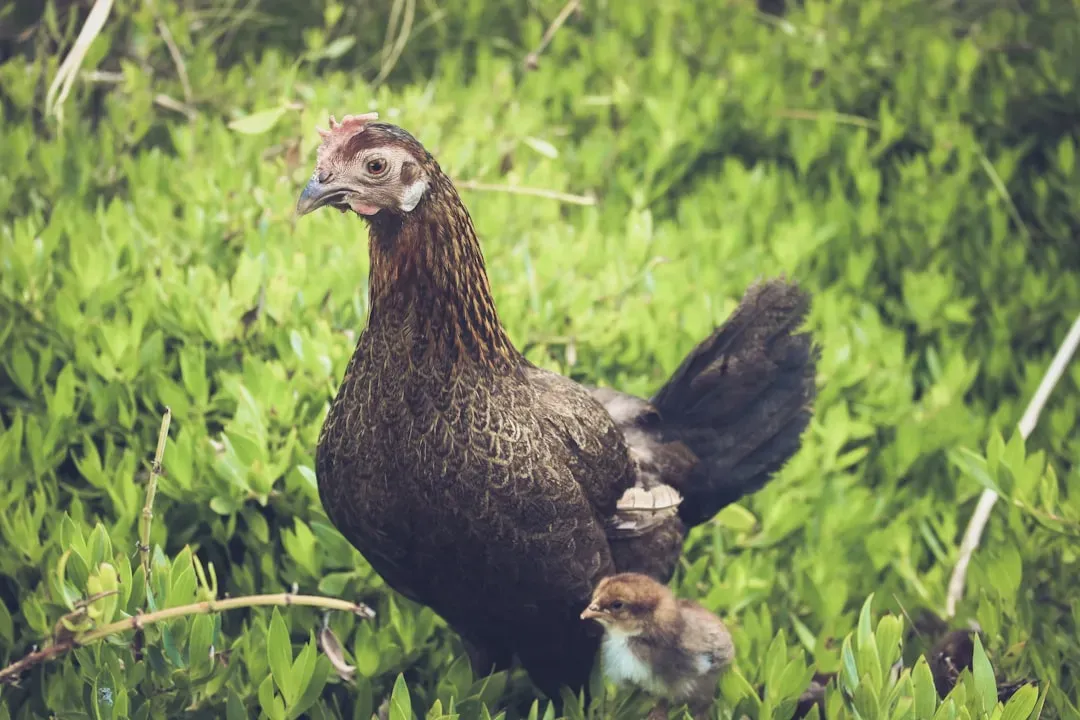
It would be easy to read this list and think of these birds as curiosities. Exotic, interesting, but ultimately niche. I think that would be a mistake. According to the Livestock Conservancy, before World War II there were 60 different breeds of chickens being raised in the US. Now there are only five being raised commercially. That collapse in diversity is not just a story about chickens. It is a story about what happens when we prioritize efficiency over everything else.
Some heritage breeds are so rare they are at risk of extinction. Each one that disappears takes with it thousands of years of adaptation, genetic resilience, and irreplaceable biological history. Backyard flocks play a significant role in the preservation of rare chicken breeds. By raising heritage breeds, backyard flock owners contribute to the conservation of genetic material and help maintain the diversity of poultry populations. Moreover, backyard flocks can serve as reservoirs for rare breeds, providing a safe haven for these birds to thrive.
The good news is that saving these birds does not require a farm or a fortune. Sometimes it just takes one person deciding that a Holland or a Buckeye or a Crevecoeur deserves a place in their backyard flock. Which of these ten extraordinary breeds surprised you the most? Drop your thoughts in the comments below.
