
Dogs bring real joy to older adults. The companionship, the routine, the feeling of being needed – it all genuinely matters. Yet not every dog is a good match, and the size of a breed tells only half the story.
Independent and stubborn dog breeds can present real challenges in terms of training and obedience, since these breeds often have a strong-willed nature and may require experienced, consistent training methods. For seniors especially, that combination can tip from charming to overwhelming very quickly. Small dogs in particular tend to get a pass on behavior that would never be tolerated in a larger breed, and that leniency can backfire.
The temperament of a dog is critical when making this choice. Some breeds are known for their calm and patient demeanor, making them excellent companions, while others may be more independent, stubborn, or energetic, which can pose real challenges. The ten breeds below are not bad dogs by any measure, but their personalities make daily life genuinely difficult for most seniors.
1. Chihuahua
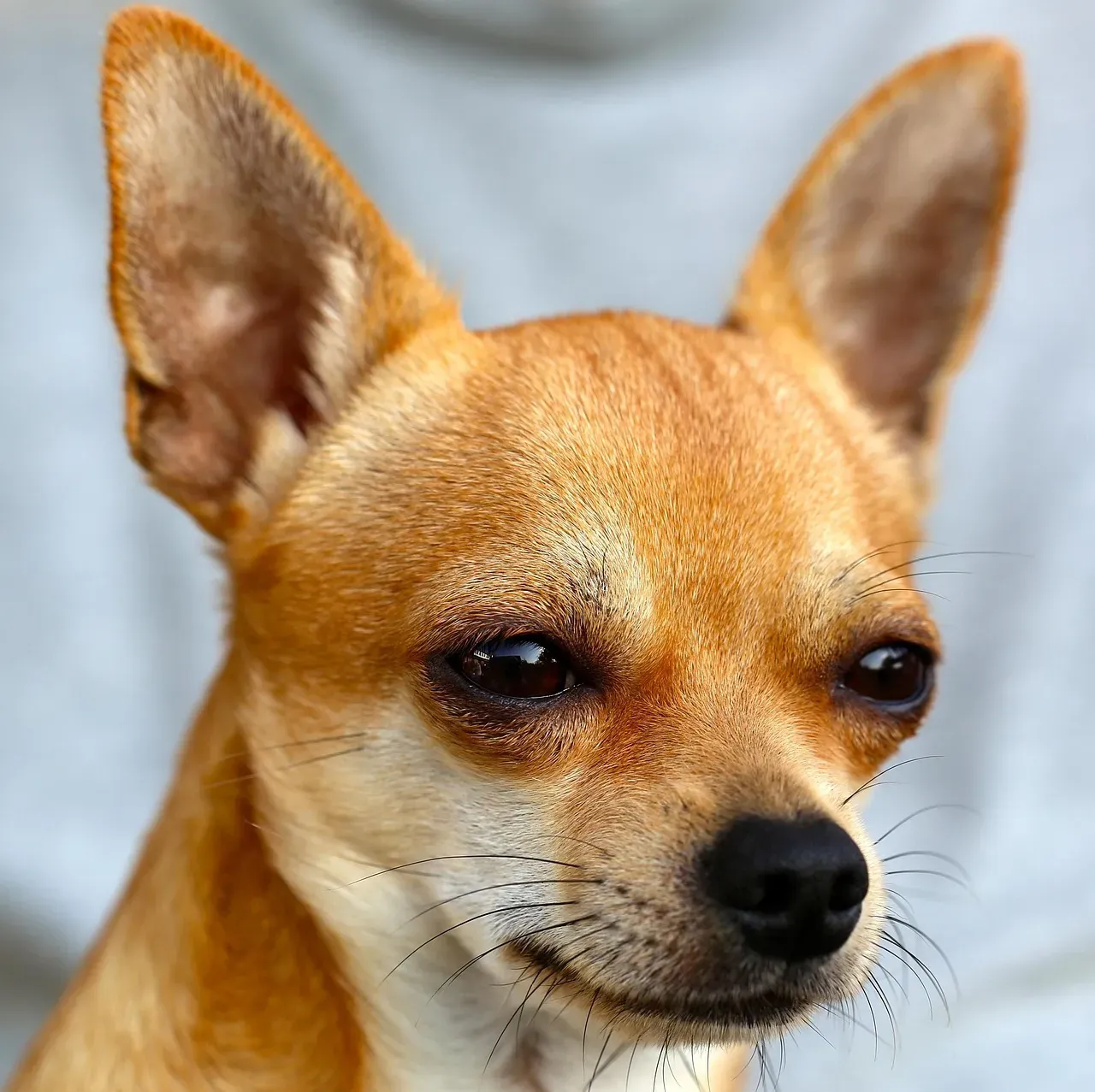
Chihuahuas are very small, weighing no more than 6 pounds, but they can be extremely difficult to house train, and many owners recommend keeping a litter box in the house just in case. That alone should give pause to a senior who values a calm, predictable home environment.
Chihuahuas surprisingly have gigantic personalities and are very loyal to their humans. Many dog specialists and pet owners consider them the alpha members of the family. They are also prone to excessive barking and inclined to show they are in charge.
Even with a Chihuahua’s miniature stature, they are very protective of their owners and will not hesitate to challenge strangers. Overall, they aren’t the best fit for first-time pet owners or households with small kids. For a senior managing this solo, the daily drama can be exhausting.
2. Jack Russell Terrier
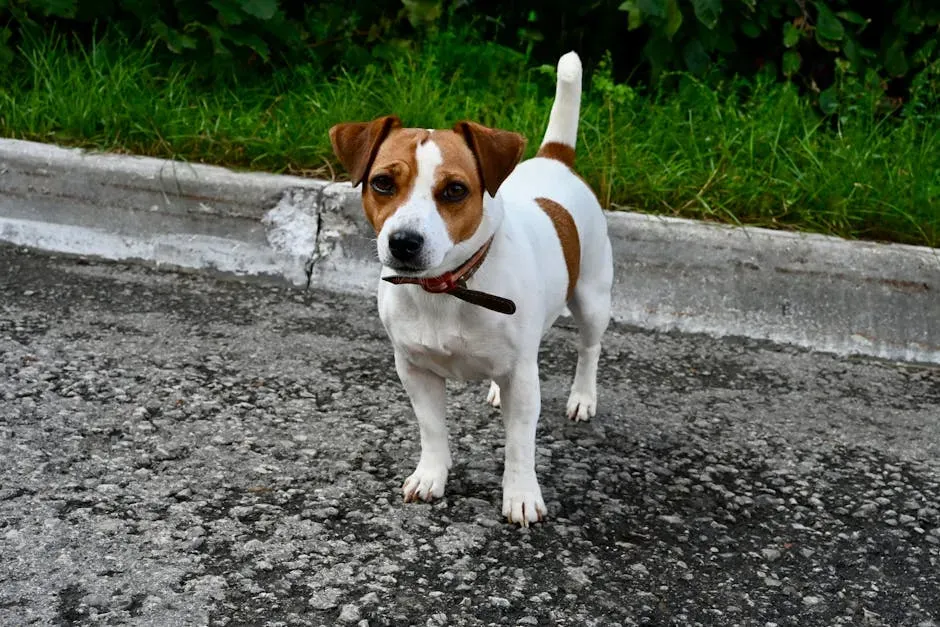
Jack Russell Terriers are small dogs with boundless energy. They require a substantial amount of physical exercise and mental stimulation to stay satisfied, and without proper outlets, these dogs can become restless, bored, and may engage in destructive behaviors.
Originally bred for hunting foxes, the Jack Russell Terrier is more determined and likes to be independent, which can be seen in their stubbornness when you try to make them obey. They are also extremely intelligent, which makes them entertaining but also harder to manage.
Training a Jack Russell Terrier can also be a significant challenge. They are known for their stubbornness and independent nature. That combination of high energy and low compliance is a difficult pairing for someone who wants a relaxed daily rhythm.
3. Dachshund
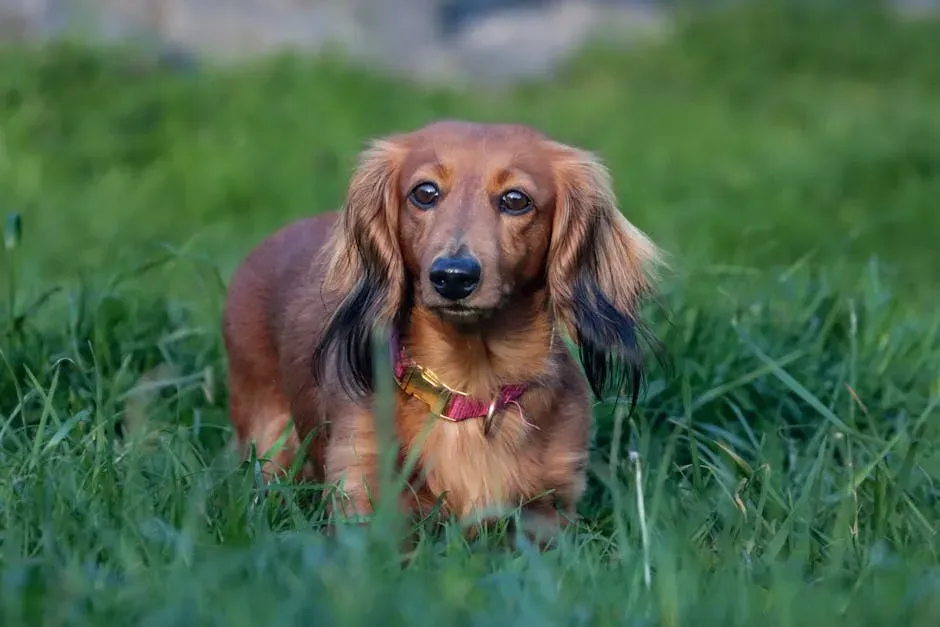
The short wiener dog is well-known for their lively and independent attitude, as well as their intelligence, hunting ability, and stubbornness. These traits weren’t accidental – they were bred for exactly this kind of tenacity.
Don’t get deceived by their cute appearance with tiny legs and appealing faces. Dachshunds have their own mind and are inclined to do things their way. The best way to deal with them is to channel their energy into interactions and playful activities, but for those reasons they are considered one of the most stubborn dogs on any breed list.
They are also known for digging holes, chewing on shoes, or chasing other pets. That instinctive, driven behavior can lead to frustration for a senior who doesn’t have the physical energy or patience for ongoing redirection.
4. Pekingese
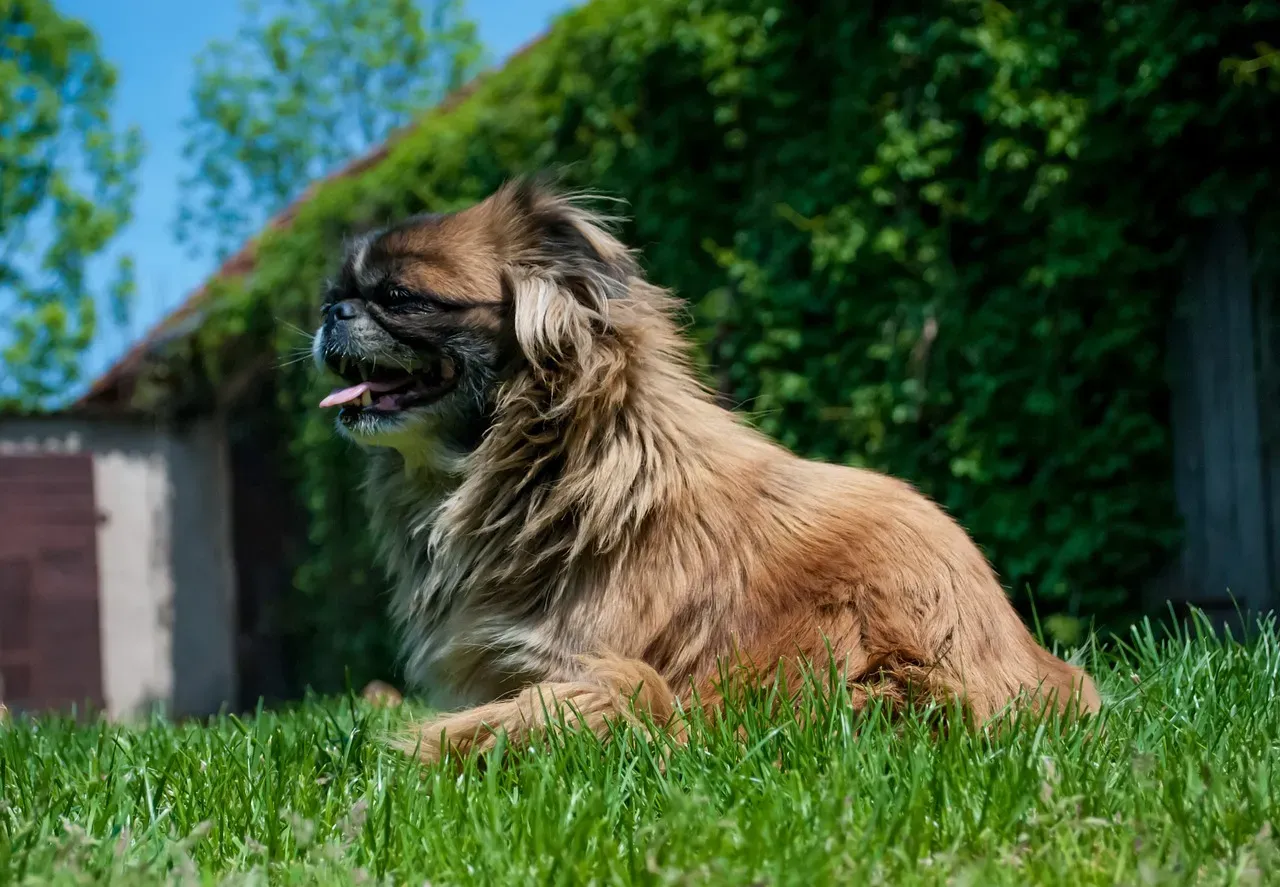
Pekingese are very intelligent little dogs, but with intelligence often comes a stubborn personality. They want to be the one in charge and decide when they choose to listen. This makes consistent training a real uphill task for less experienced handlers.
Without proper training, Pekingese can tend to get snappy, even with their own owner. They also prefer to be the focus of all attention and generally prefer a house to themselves over sharing space with other dogs or children.
The Pekingese is a regal breed but can be very stubborn. They are affectionate with their families but might not always listen to commands. In a senior’s home, that unpredictability and demand for constant attention can create more stress than companionship.
5. Beagle
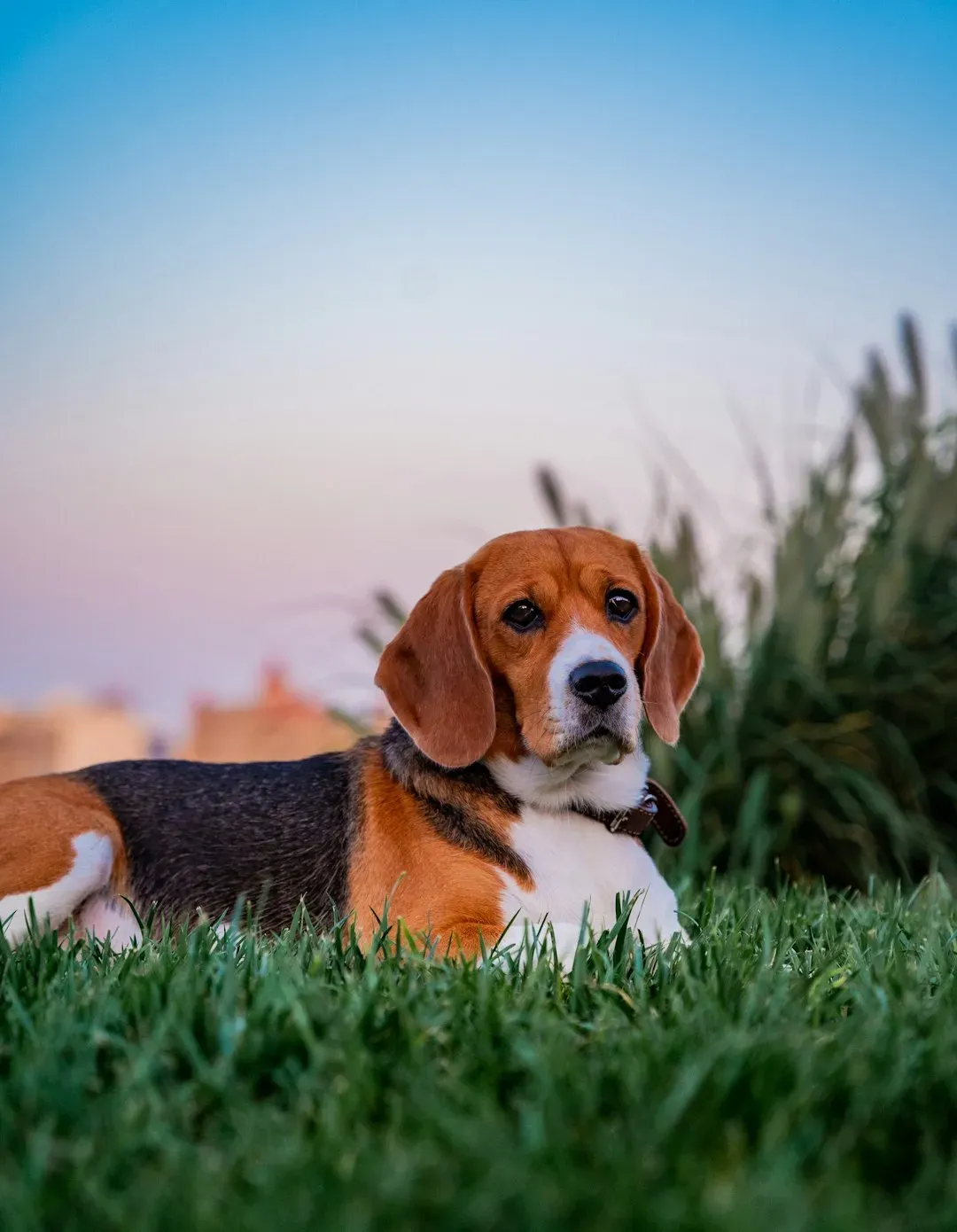
Beagles are fun-loving and happy, which makes them easy to be around family. However, these dogs are very vocal, which makes them one of the worst dogs for seniors. The loud noise can be irritating, especially for those with sensitive ears, and they could annoy surrounding neighbors in close quarters such as an apartment complex or senior living community.
Beagles are also famous for their independent and tenacious character, making them hard to please. They even tend to howl when left alone. Because of their deep-set hunting characteristics, Beagles need plenty of exercise and training sessions to keep themselves from getting bored and destructive.
That nose-first determination is admirable in a working dog. In a quiet senior’s home, it’s a recipe for a battle of wills that rarely ends well.
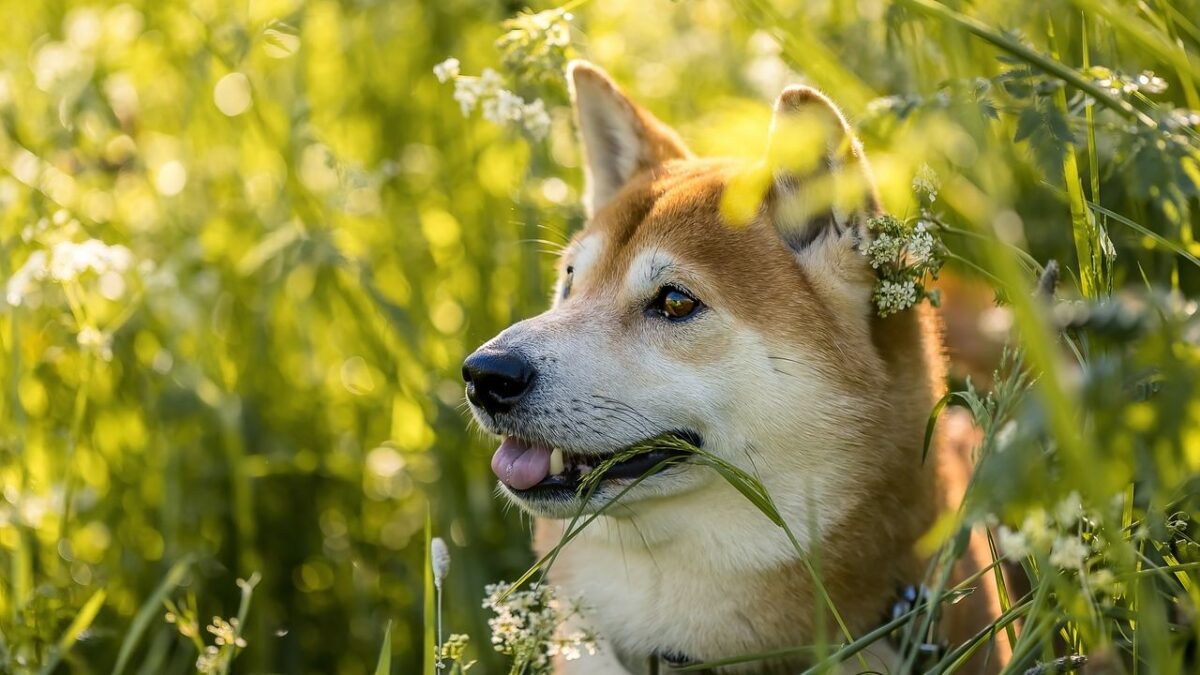
6. Shiba Inu
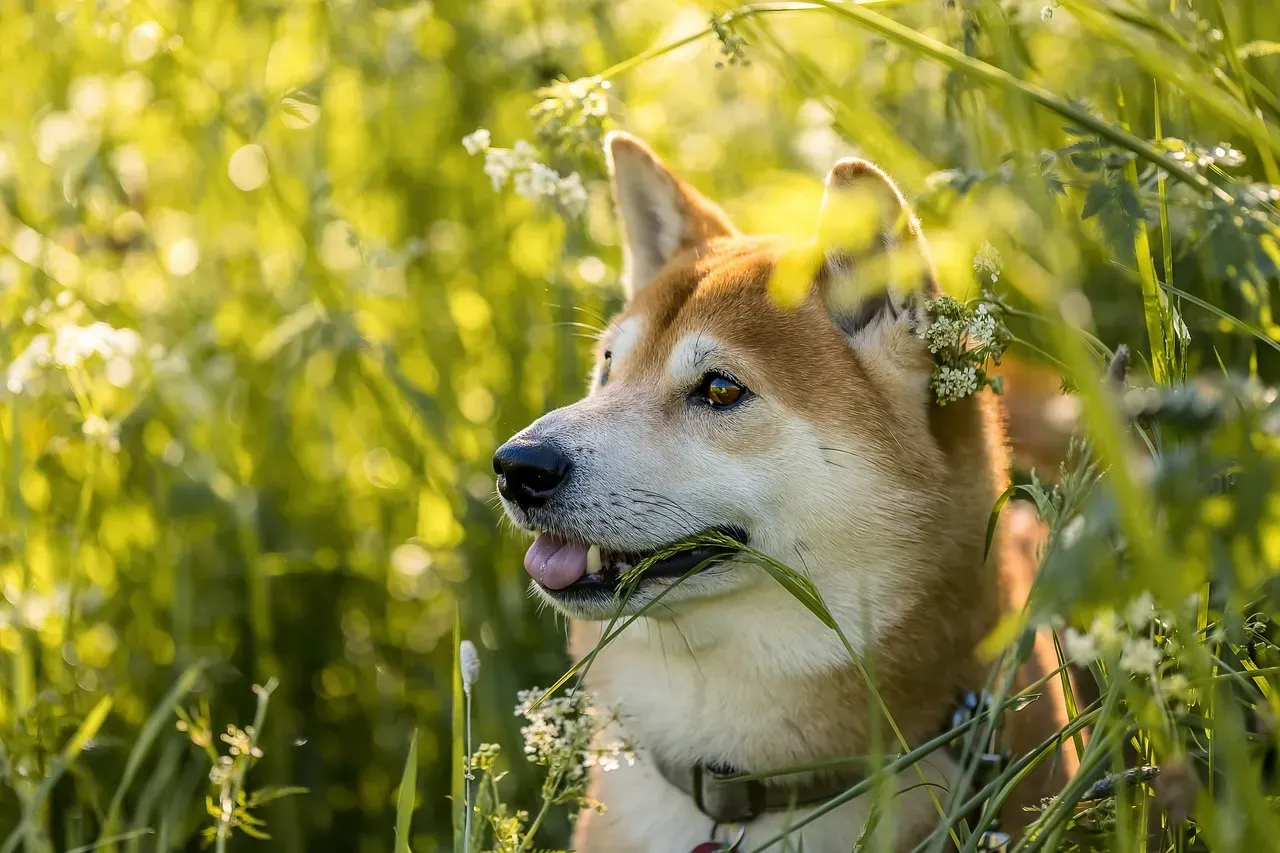
The Shiba Inu is known for its strong-willed temperament and dislike of following commands. While highly intelligent, its independent nature can make training a real challenge, and professional help may be necessary.
These dogs are also known for being aggressive if not properly trained at a young age. Shibas need an experienced owner full of patience, preferably those who have prior experience handling stubborn breeds.
The Shiba Inu is loving, friendly, independent, protective, alert, and attentive, but needs significant mental stimulation. That need for constant mental engagement is time-consuming and demanding, qualities that work against a relaxed senior lifestyle.
7. Lhasa Apso
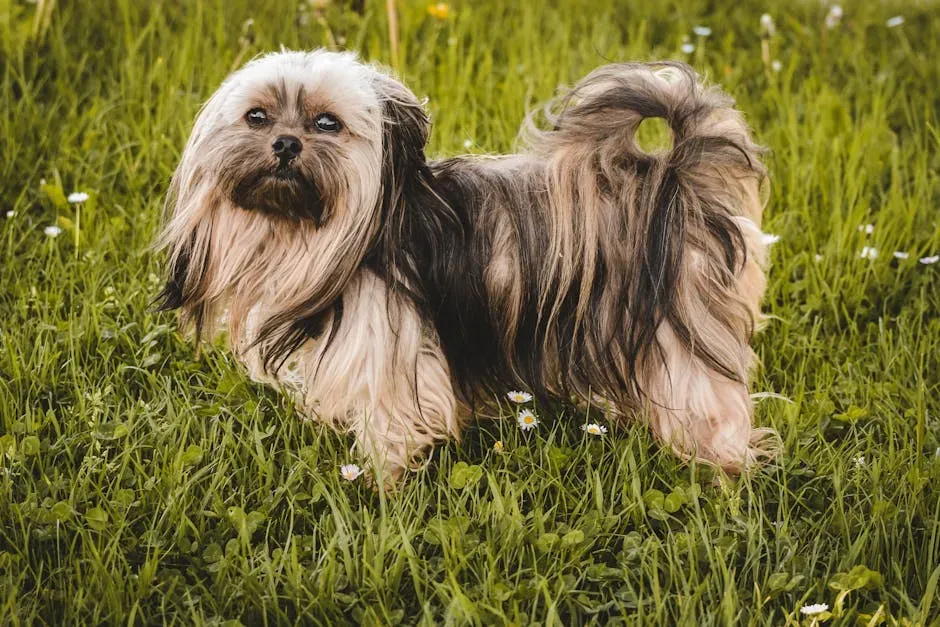
New Lhasa Apso owners can discover just how tricky they are to train because they are independent dogs with a real stubborn streak. Many seniors are drawn to them precisely because of their small size and dignified appearance, without realizing what lies beneath.
Lhasa Apsos are small dogs with big personalities. Intelligent, watchful, and affectionate, they often form a strong bond with one person. Originally from Tibet, this ancient breed has a relatively long lifespan of 13 to 14 years.
That loyalty to a single person sounds appealing, but the flip side is possessiveness and an unwillingness to take direction from anyone they haven’t personally approved. Seniors with visitors or family members in the home may find this particularly disruptive.
8. Scottish Terrier
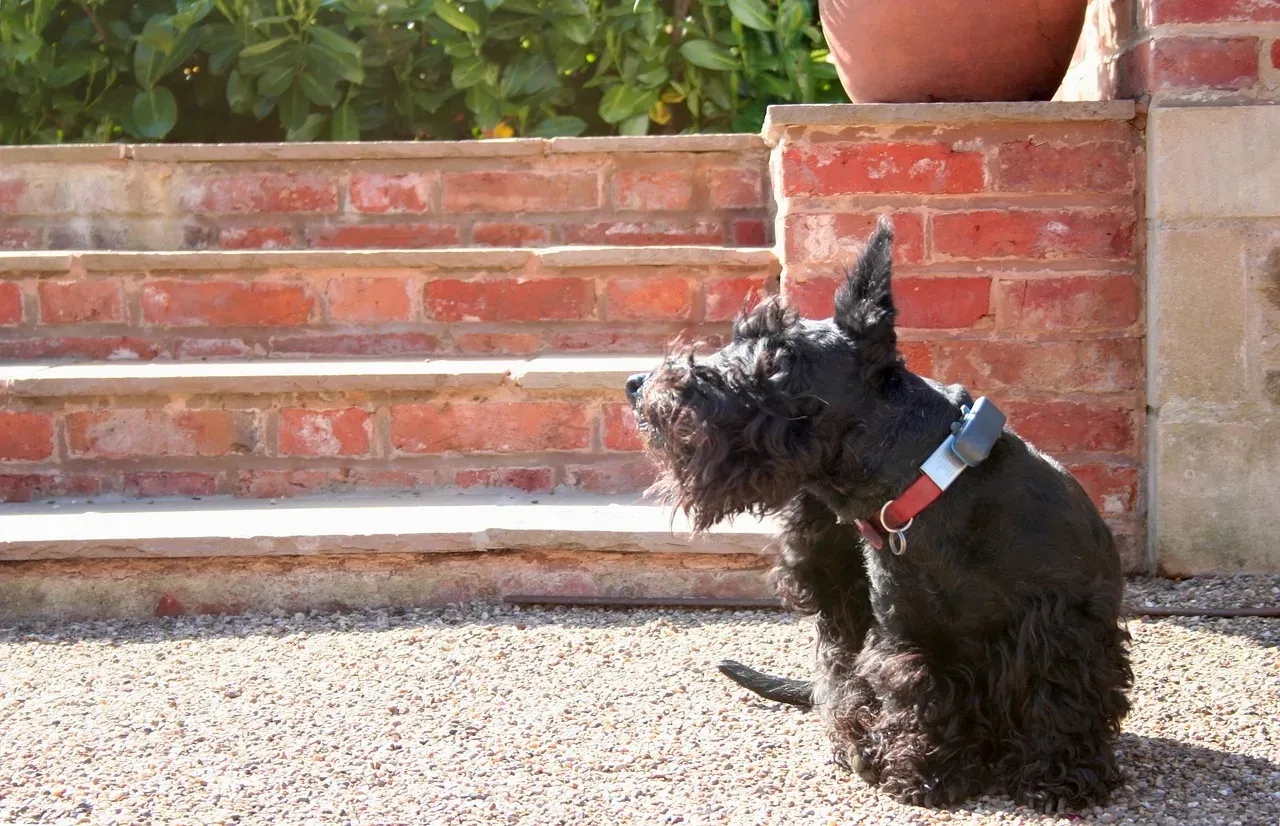
Scottish Terriers are tiny but have a big personality. They are known for being independent and stubborn, which can be genuinely challenging during training. The Scottie’s self-assuredness is a well-documented breed trait, not something that fades over time.
Independent and stubborn dog breeds can present challenges in terms of training and obedience. These breeds often have a strong-willed nature and may require experienced and consistent training methods, which can be particularly challenging for seniors who may have limited physical strength or mobility.
Scottish Terriers were bred to hunt independently underground, which means self-reliance is practically coded into their DNA. Asking one to consistently follow commands requires patience and firmness that goes beyond what casual pet ownership usually provides.
9. Miniature Pinscher
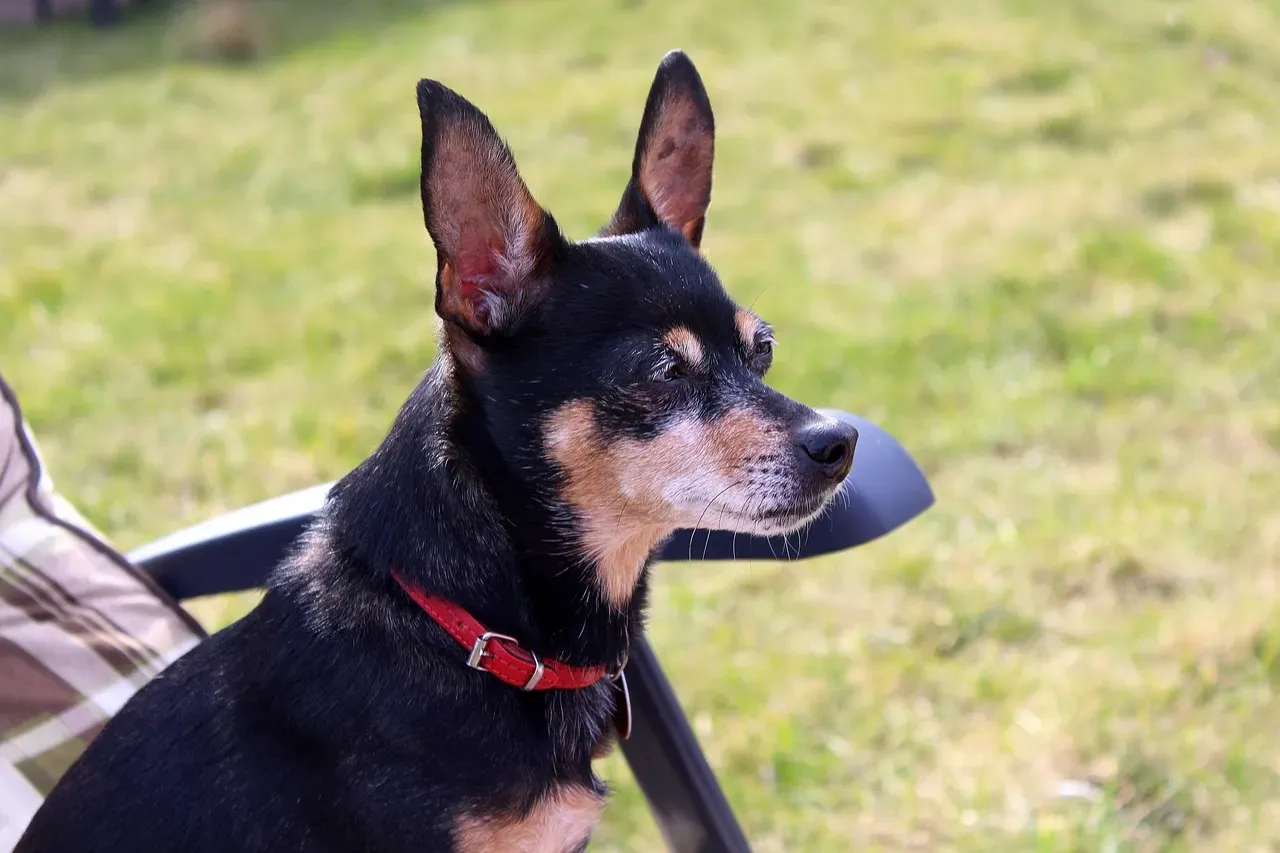
Miniature Pinschers are small but mighty. They are fearless and energetic, with a stubborn streak that can make them a handful to train. Their compact frame is deceiving. These dogs carry themselves with a boldness that far outpaces their actual size.
Independent and stubborn breeds can be more challenging to train, especially for seniors who may prefer a dog that is more easily trainable and obedient. These breeds may have a strong-willed nature and require consistent and patient training methods.
The Min Pin’s nickname is “King of the Toys,” and they seem to take that title seriously. Their insistent, alert temperament means they rarely switch off, and for a senior looking for a calm daily companion, that nonstop energy can wear thin fast.
10. Wire Fox Terrier
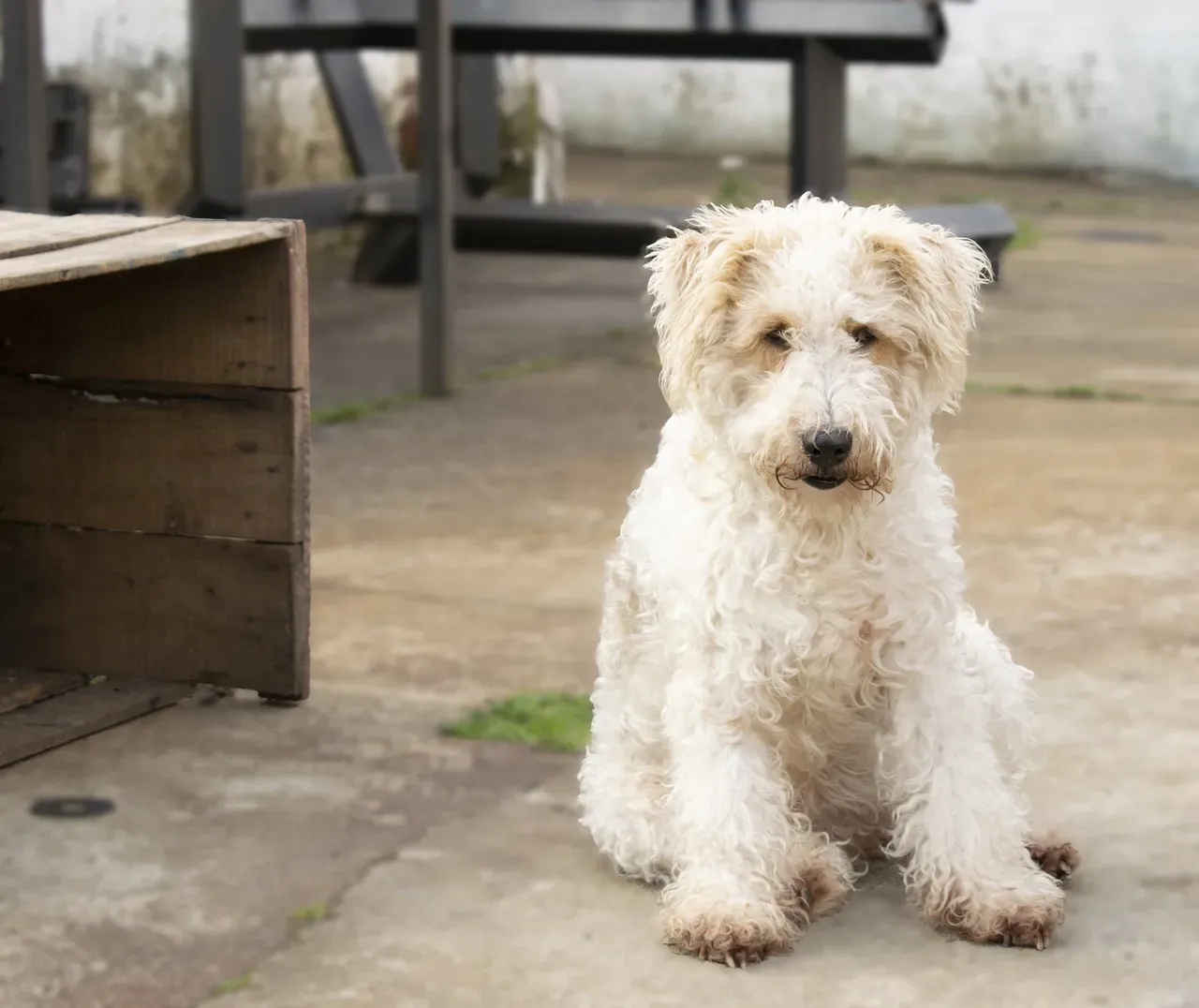
Despite their intelligence, Wire Fox Terriers have a stubborn and independent nature, meaning owners should include consistent obedience tasks as part of their training. Well-trained Wire Fox Terriers can perform fantastically at dog shows. Getting them to that point, however, takes real dedication.
Fox Terriers are dogs that know their worth and will not submit to aggressive interaction. This impulsive breed has a mischievous streak, boundless energy, and an eager attitude. As a consequence, Fox Terriers will likely not respect an inexperienced dog owner.
These terriers can reportedly get bored very easily when owners attempt to train them, so keeping their lessons diverse can be a useful strategy – though that creative effort may be more than a senior wants to sustain indefinitely.
A Final Thought Before You Choose
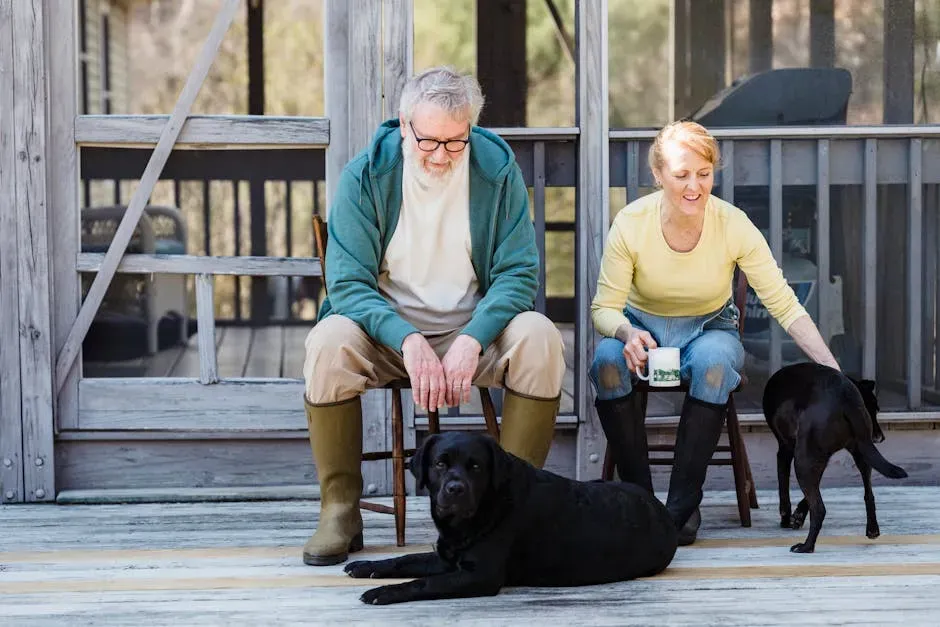
The important consideration when deciding whether to add a dog to your life isn’t age as much as lifestyle and physical ability to take care of a dog. That’s worth sitting with for a moment. The breeds above can be wonderful animals in the right hands – they’re just not ideal matches for most seniors seeking ease and calm.
The most stubborn dog breeds tend to be intelligent, independent, and occasionally infuriating. While stubborn dogs may be harder to train, they often make fiercely loyal and clever companions when handled with patience. The keyword there is patience, and in abundance.
Choosing the right dog breed is a must in order to receive the benefits of pet ownership rather than the downsides. Different dog breeds have different needs, routines, and personality types. Finding an alignment in lifestyle between you and a potential dog is very important.
A dog that suits your pace will reward you every single day. One that fights you for control of the household will not. The best match isn’t always the cutest one in the shelter window – it’s the one that still fits your life a year down the road.
