

You probably think you know your dog inside out. After all, you’ve spent countless hours together, and you can read their excitement when you grab the leash or their anticipation at dinner time. However, even the most attentive dog owners can miss the quiet, understated signals that something’s wrong.
Unlike us, dogs can’t simply tell us when they’re feeling off or unhappy. They communicate through behavior, body language, and subtle shifts in their daily routines. Sometimes these changes are so gradual that we barely notice them until they’ve become serious issues. Let’s dive into the often-overlooked signs that your furry friend might be struggling emotionally, and more importantly, what you can do to bring back that wagging tail and joyful spirit.
1. Withdrawing From Social Interaction

One of the most telling behavioral changes in an unhappy dog is reduced interest in normal activities. Think about your Golden Retriever who used to greet every family member like they’d been gone for years, now barely lifting their head when you walk through the door. Maybe your Border Collie, who once insisted on being part of every family gathering, now retreats to another room.
An unhappy dog might avoid attention, hide in corners, or separate themselves from the family. This withdrawal isn’t just your dog being tired or having an off day. This withdrawal represents a significant departure from normal social behavior, especially troubling in naturally social breeds. When your typically sociable companion suddenly craves solitude, it’s their way of telling you something feels wrong in their world.
2. Loss of Interest in Activities They Once Loved

Remember how your pup used to lose their mind over fetch? If your dog suddenly ignores toys they usually love, stops digging, exploring, sniffing, or chewing, or otherwise shows less engagement in species-typical behaviors, it may indicate dog depression or emotional distress. It’s one thing for your dog to occasionally decline playtime, but when the disinterest becomes a pattern, pay attention.
A sudden disinterest in toys or activities they once enjoyed can be a sign of unhappiness or even physical discomfort. Your dog might walk away after one throw of the ball when they used to play until you got tired first. It’s common for dogs to not want to play from time to time, but if this happens for an extended period of time, it may be worth looking into as this behavioral shift often indicates deeper emotional distress that requires attention.
3. Changes in Appetite and Eating Habits
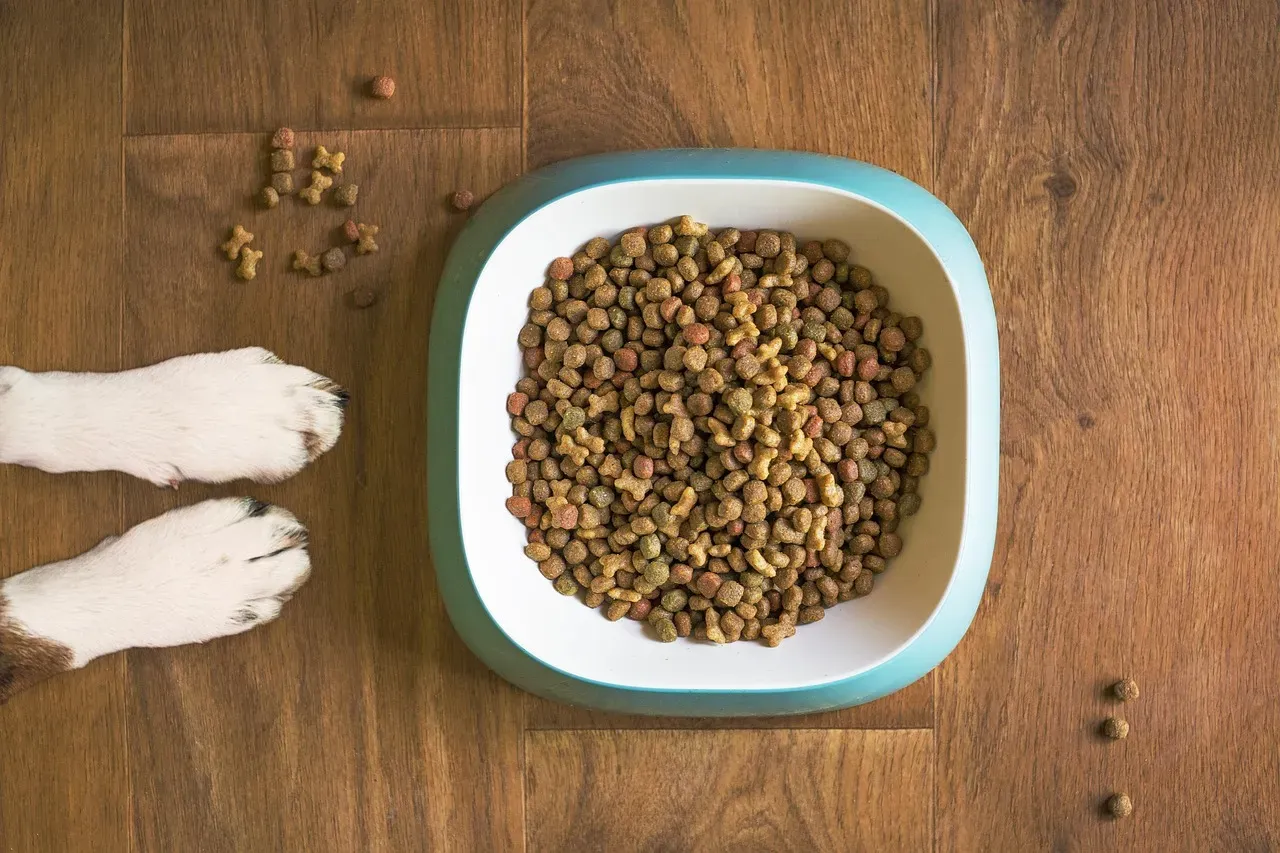
Food is usually a huge motivator for most dogs, right? So when that changes, something’s definitely up. Eating or drinking significantly more or less than usual may signal stress or a dislike for their food. Your pup might suddenly turn their nose up at meals they previously devoured or, conversely, start eating obsessively as a coping mechanism.
If your dog suddenly refuses to eat, skips meals, or shows less enthusiasm for food, it may indicate stress or discomfort, as food has always been a reliable motivator for most dogs. The shift can be dramatic or gradual. Stress can cause a dog to lose interest in food or overeat as a coping mechanism. Either extreme warrants your attention and possibly a vet visit to rule out medical issues.
4. Excessive Sleeping or Unusual Lethargy

Sure, dogs sleep a lot naturally, averaging somewhere around twelve to fourteen hours daily. However, there’s a difference between normal rest and the kind of exhaustion that comes from emotional distress. Sleeping more than usual or low energy can point to unhappiness or underlying health issues.
Your once energetic companion now seems perpetually tired, showing little enthusiasm for morning walks or evening play sessions. If your dog is sleeping more than usual and avoiding activities like playing, walking, or socializing, it could be feeling down. This isn’t just about being lazy. Excessive sleeping or lack of energy outside of normal patterns could be a red flag, signaling that something deeper is affecting their emotional well-being.
5. Excessive Grooming or Self-Soothing Behaviors
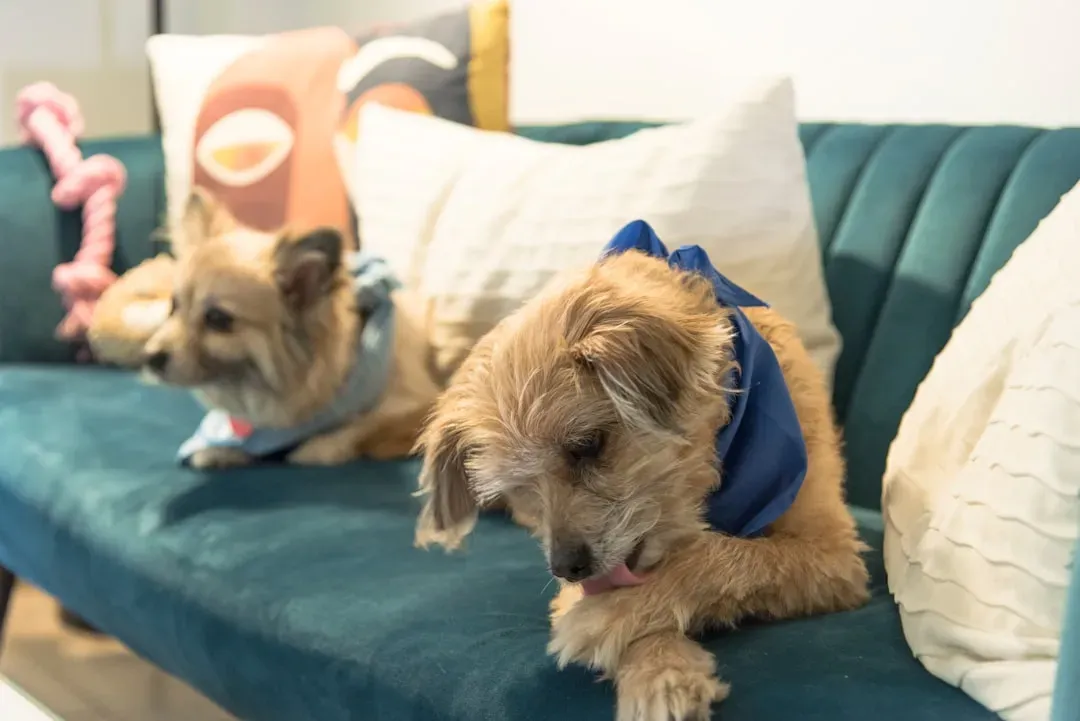
Dogs may lick or scratch themselves more than usual in response to stress, anxiety, or a skin condition. If you notice your dog constantly licking their paws or chewing on furniture, they’re likely trying to manage uncomfortable emotions. If your dog is constantly licking their paws or chewing on furniture, they might be trying to self-soothe.
This compulsive behavior serves as a distraction from whatever’s bothering them emotionally. Some dogs may compulsively lick or scratch themselves when they are feeling emotionally unsettled, and this behavior can sometimes lead to skin issues and should not be ignored. The repetitive nature of these actions provides temporary relief but can escalate into serious physical problems if the underlying emotional issue isn’t addressed.
6. Changes in Body Language and Posture
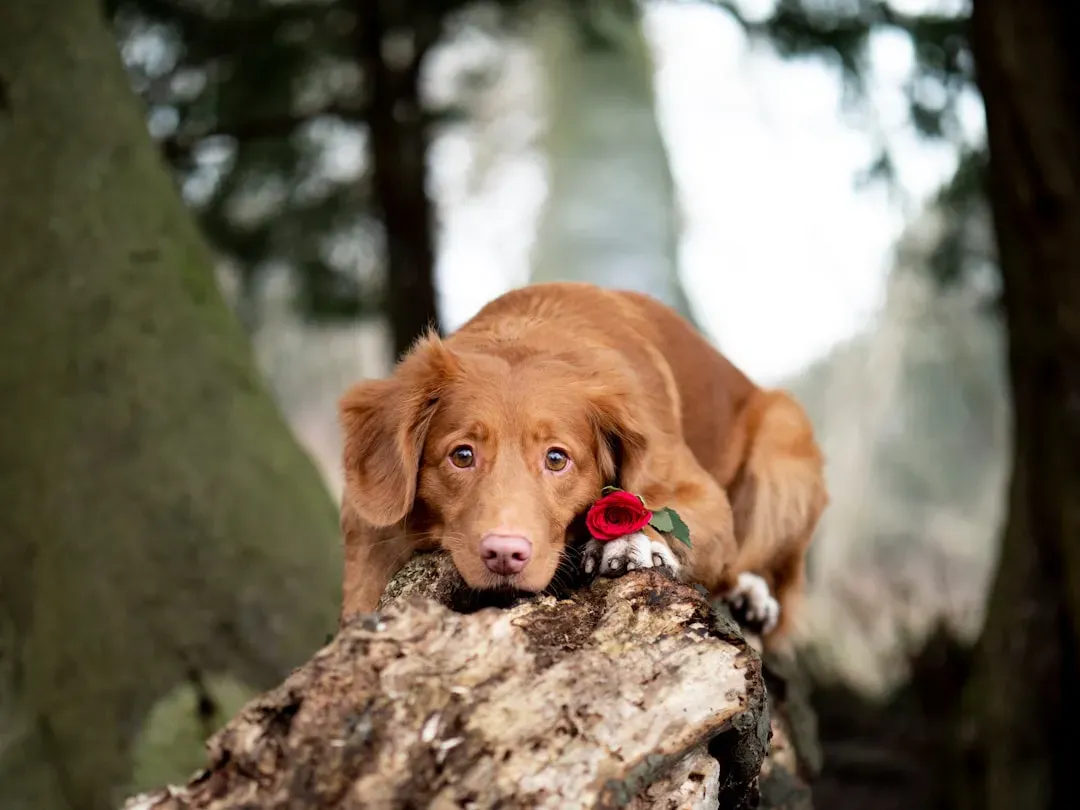
Pay attention to your dog’s posture and movements, as tucked tails, flattened ears, and avoiding eye contact can all be signs of discomfort or unhappiness. These physical cues are your dog’s vocabulary for expressing distress. You might notice their ears pinned back more often or their tail hanging low instead of wagging confidently.
A tail held low or between the legs often expresses fear or sadness, while ears drawn back can signal discomfort, anxiety, or submissiveness. Stress signs to look for include whale eye (when dogs reveal the whites of their eyes), tucked ears or tail, raised hackles, lip-licking, yawning, and panting. These signals are easy to miss if you’re not actively watching for them, yet they speak volumes about your dog’s emotional state.
7. Restlessness and Pacing
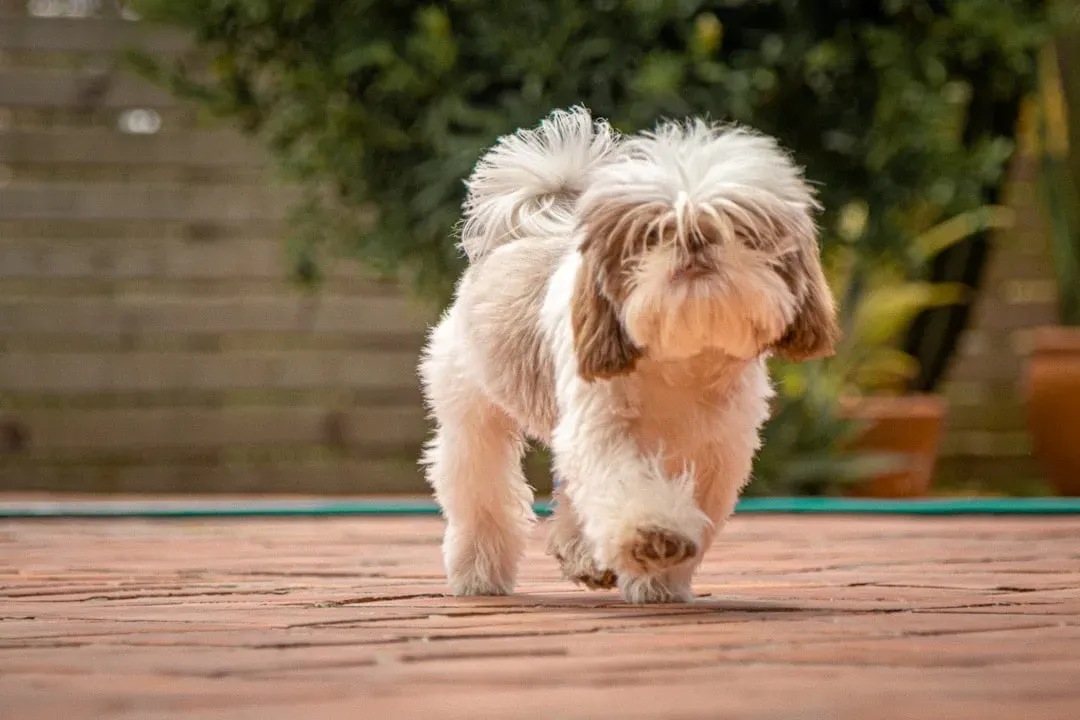
Restlessness or repetitive pacing can suggest agitation or nervousness. Your dog might walk back and forth along the same path, unable to settle down or find a comfortable spot. When dogs are pacing back and forth, it’s a sign they can’t settle down because something is stressing them, though if this happens during mealtimes or for short periods, it might not be a big deal, but noticing when your dog engages in this behavior can give you clues as to what’s triggering their anxiety.
Dogs who pace as if they can’t settle down are often expressing internal distress, anxiety, or boredom – all of which can be signs of unhappiness. This behavior differs from normal movement around the house. The pacing has a compulsive quality to it, almost as if your dog is searching for something they can’t find or trying to escape an invisible discomfort. Watch for patterns in when and where this happens.
8. Unusual Aggression or Irritability
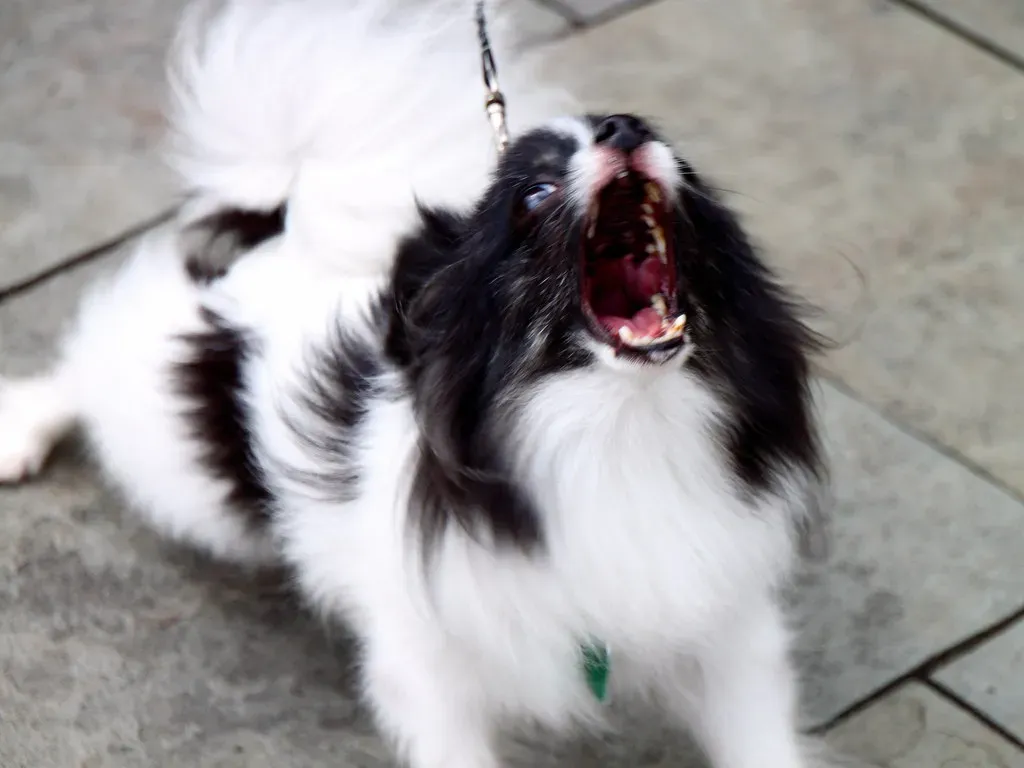
Growling, snapping, or other aggressive behaviors can signal frustration, stress, or discomfort. If your normally calm, patient dog suddenly becomes snappy or growls at situations they previously tolerated, something’s changed. This isn’t your dog being mean or difficult for no reason.
Uncharacteristic aggression can be a response to fear, pain, or stress, and if your dog starts growling, snapping, or acting out, it’s essential to assess the situation and seek guidance if needed. Changes in temperament, such as sudden aggression or signs of fear (cowering, tail tucking, shaking), can indicate stress or unhappiness. Think of it as your dog’s last-resort communication method when subtler signals haven’t been noticed or addressed.
9. House Training Accidents

An emotionally distressed dog may suddenly start urinating or defecating indoors despite being house-trained. This can be incredibly frustrating for owners, but it’s important to understand what’s really happening. Your fully trained dog isn’t being spiteful or forgetting their training overnight.
A stressed dog may start having accidents in the house or urinate or defecate inappropriately as this is one of the best ways your dog knows to get your attention, trying to communicate to you that they are anxious about something. Like people, nervous dogs may experience an increased urgency to urinate or defecate, and dogs may experience gastrointestinal (GI) upset that can include vomiting, diarrhea, and refusing food. The physical manifestation of stress affects their bodily functions in ways they simply cannot control.
10. Increased Clinginess or Neediness
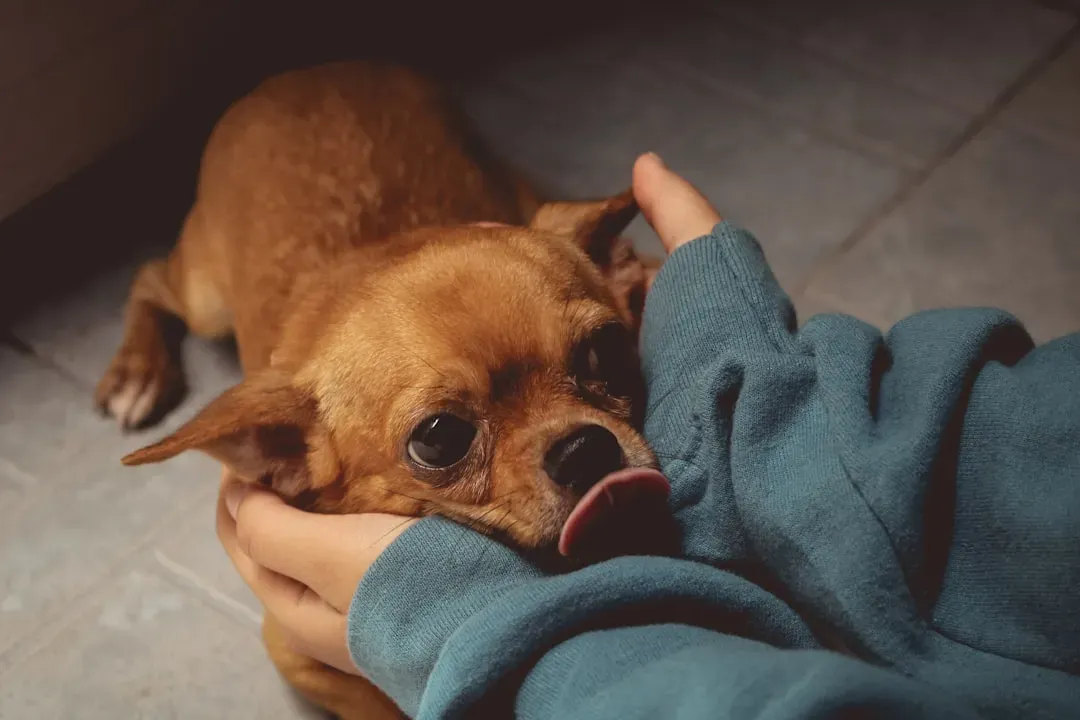
If your dog suddenly becomes unusually clingy, follows you everywhere, or insists on constant attention, it may be a sign they are feeling insecure or unhappy. Your independent pup now shadows your every move, becoming anxious when you leave the room even briefly. This dramatic shift in behavior reveals their emotional vulnerability.
Anxious dogs may also appear extra friendly and continually approach, jump on someone, and lick their face, or just be needier with the owner. While it might seem like your dog just wants more affection, this excessive neediness often masks deeper anxiety or insecurity. They’re seeking reassurance that everything’s okay, clinging to you as their source of safety in a world that suddenly feels uncertain to them.
Conclusion

Recognizing these subtle signs in your dog requires patience, observation, and a willingness to see beyond the obvious. Your dog relies entirely on you to understand their emotional needs and advocate for their well-being. Dogs can experience low moods due to common changes, from boredom to life transitions, and in most cases, unhappiness isn’t a medical emergency; however, it’s always important to trust your instincts and check in with your vet.
The good news is that many cases of canine unhappiness resolve with increased attention, environmental adjustments, consistent routines, and mental stimulation. Sometimes professional help from a veterinary behaviorist or anti-anxiety medications may be necessary for more severe cases. The most important step is simply paying attention and taking action when something seems off. Your dog gives you their entire world; noticing when they’re struggling is the least we can do in return. What changes have you noticed in your dog’s behavior lately? It might be time to take a closer look.
