
Think you understand the animal kingdom? The natural world is far more mysterious than textbooks lead us to believe. Right now, across the planet, animals are performing behaviors that leave even the brightest scientific minds scratching their heads. Some of these actions seem to defy logic, others appear almost supernatural.
Scientists have spent decades trying to unravel why certain creatures act the way they do. They’ve deployed satellites, underwater cameras, DNA analysis, and mathematical models. Yet nature keeps its secrets close. From synchronized movements involving millions of animals to bizarre rituals that appear to serve no survival purpose, these mysteries remind us that evolution still holds cards we haven’t seen.
Let’s be real – the more we discover about animal behavior, the more questions emerge. What follows are ten of the most perplexing animal behaviors that continue to baffle researchers worldwide.
Whale Mass Strandings
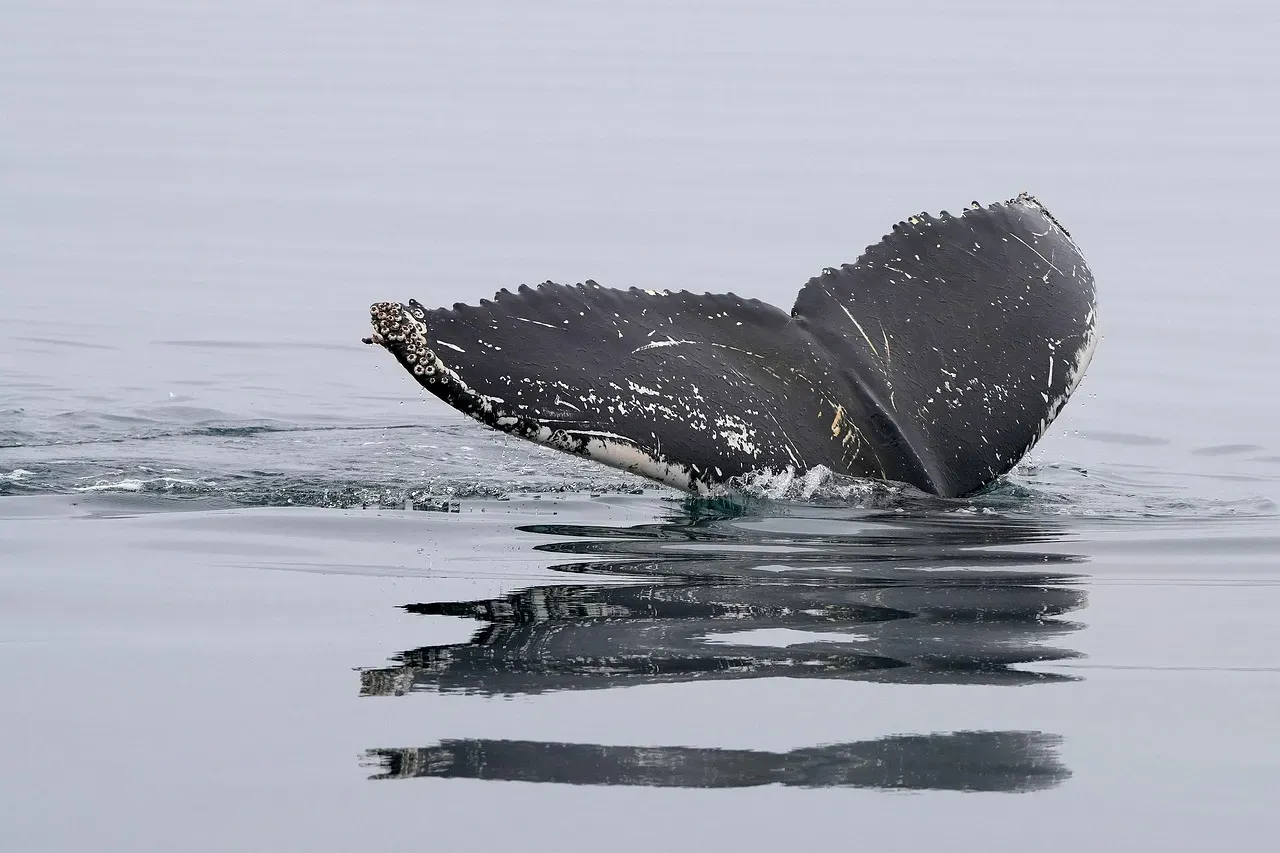
Whales and dolphins beach themselves in groups along coastlines worldwide, and despite extensive study, scientists cannot fully explain why certain locations experience far more strandings than others with similar geographical features, or why these mass events have been recorded throughout human history across all oceans. The sight of dozens of massive marine mammals dying on shore is heartbreaking. Researchers have proposed everything from naval sonar interference to magnetic field anomalies to parasitic infections affecting their navigation.
Here’s the thing – none of these theories account for all observed patterns. Rescued whales often refuse to leave, swimming back toward shore even when given the chance to escape. Even stranger, strandings occur in places with no obvious environmental triggers. Some beaches become repeat locations for these tragic events, while identical coastlines nearby remain untouched.
The social bonds of whales might play a role. When one whale beaches, others may follow out of loyalty or confusion. That still doesn’t explain why the first whale made that fatal decision. Scientists continue to monitor these events, searching for patterns in weather, ocean temperatures, and solar activity.
Honestly, after decades of research, we’re barely closer to understanding this phenomenon than we were fifty years ago.
Orca Boat Attacks in the Mediterranean
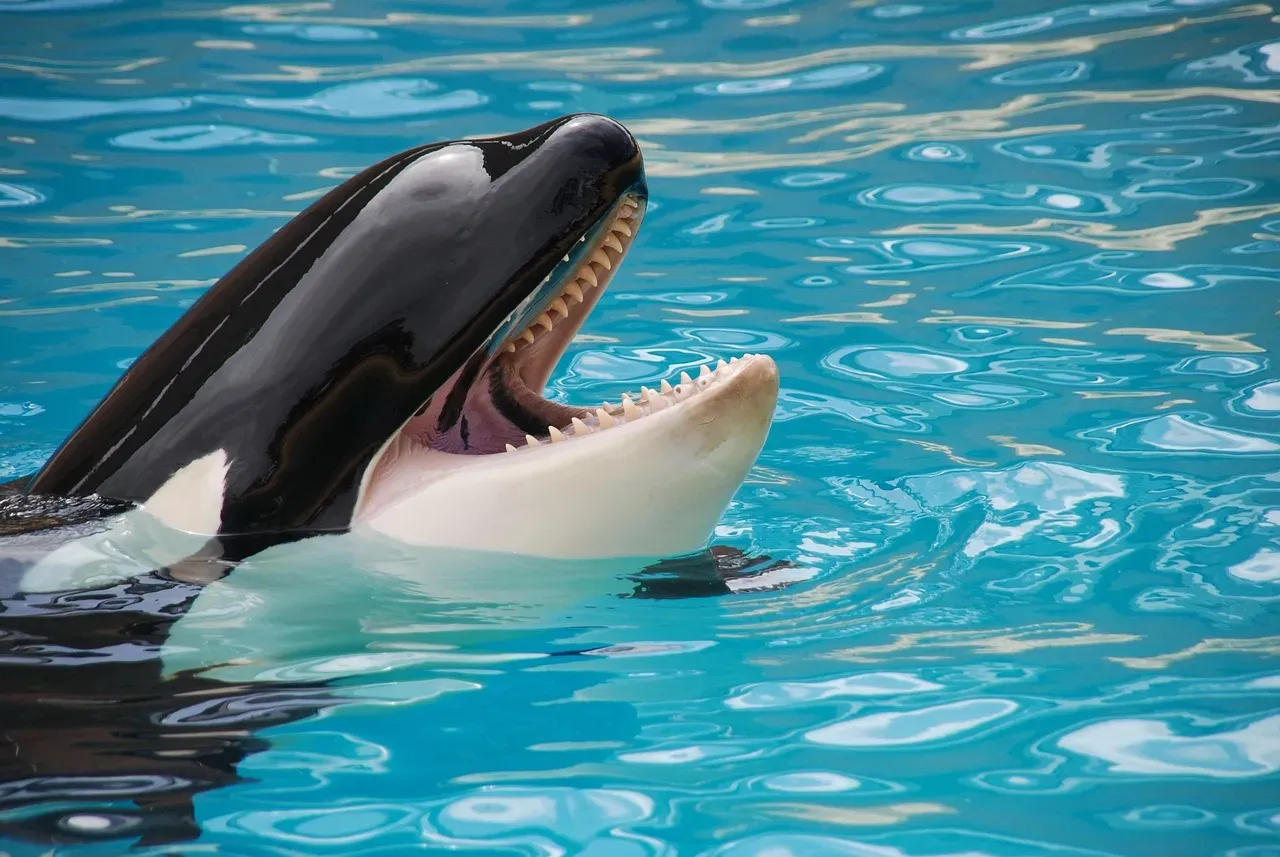
For the past five years, orcas have been spotted ramming into boats in the Mediterranean, with footage showing moments when orcas rammed into a sailing boat off Portugal that eventually sank, though scientists think the behavior might simply be a form of play. The attacks started around 2020 and intensified over the following years. These are coordinated assaults, not random encounters. Groups of orcas target boat rudders specifically, disabling vessels with surgical precision.
What makes this so puzzling is that it appears to be a learned behavior spreading through the population. Young orcas watch older ones perform these attacks and then replicate them. Some researchers speculate it started as a game that got out of hand. Others wonder if a traumatic event – perhaps a boat collision – triggered retaliatory behavior that became cultural.
The orcas seem to be teaching each other. They’re not hunting for food or defending territory. They’re just…attacking boats. The behavior shows intelligence and communication, but the motivation remains opaque. Are they bored? Angry? Playing an elaborate game?
Scientists used drones and underwater cameras to reveal orcas teaming up with white-sided dolphins to hunt down salmon, proving their capacity for complex social coordination. Yet the boat ramming continues without clear explanation. These apex predators are making choices we simply don’t understand.
Colony Collapse Disorder in Honeybees
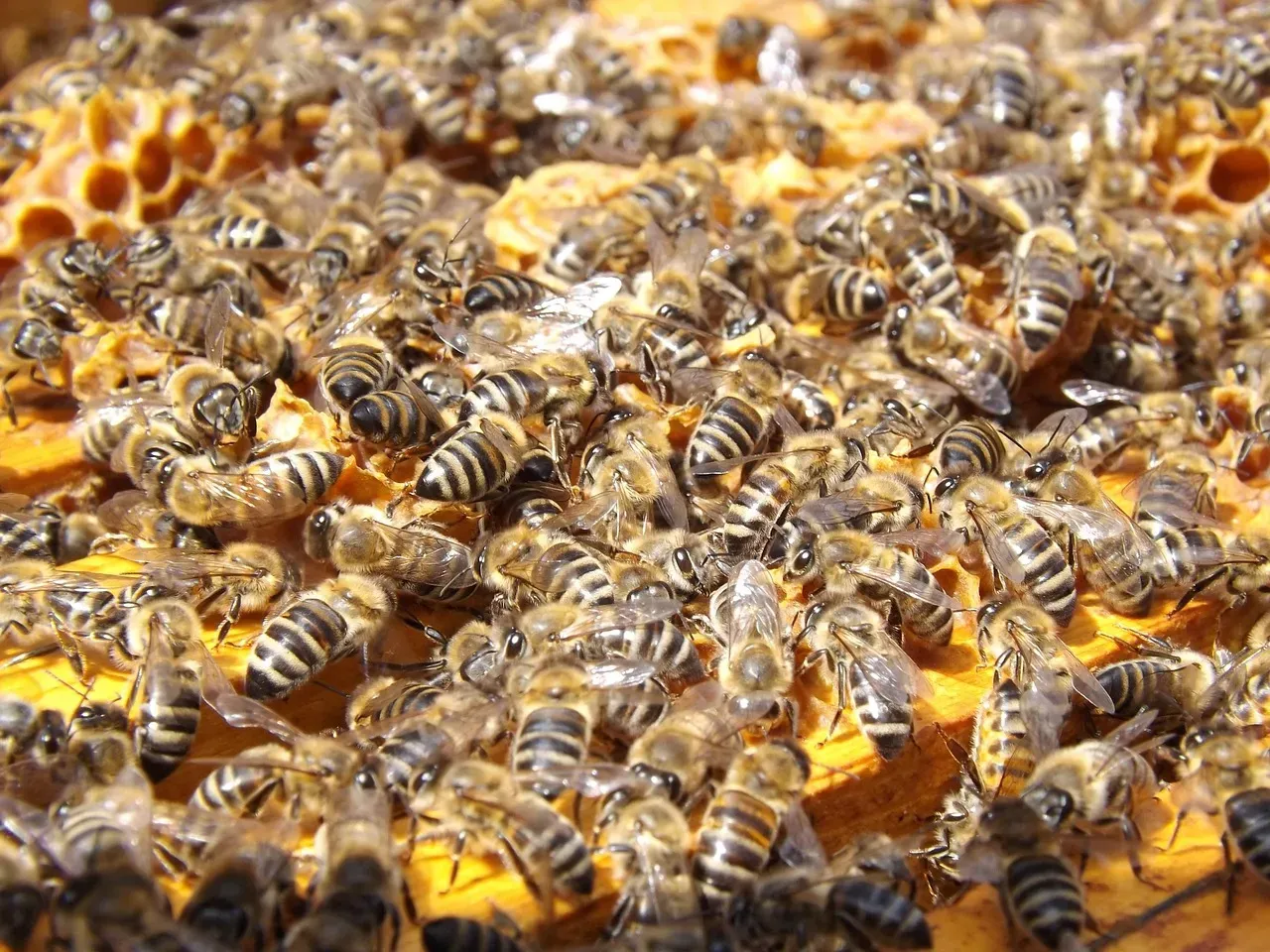
Since 2006, commercial beekeepers have reported losing thirty to ninety percent of their hives to Colony Collapse Disorder, and while researchers have identified multiple potential contributors including pesticides, parasites, and environmental stressors, no single factor fully explains the specific pattern of disappearance or why colonies show a unique signature of simultaneous stressors. Worker bees simply vanish, abandoning their queen and brood to certain death. It happens fast – a thriving hive becomes a ghost town within weeks.
What’s truly eerie is this: Hive predators like wax moths and small hive beetles avoid colonizing abandoned CCD hives for weeks after collapse, suggesting something unknown might be deterring these opportunistic invaders. Even opportunistic scavengers won’t touch these dead hives. What are they sensing that we can’t detect?
Pesticides were the initial suspect, particularly neonicotinoids. Then researchers pointed to Varroa mites, fungal infections, and nutritional stress from monoculture farming. Each factor contributes, but none creates the distinctive signature of CCD. It’s like the bees are fleeing from something invisible.
Despite intensive research efforts and the critical importance of honeybees to global food security, why bees continue to vanish in this distinctive pattern. Agricultural systems depend on these pollinators. Every year without a definitive answer puts food supplies at greater risk.
The mystery deepens because healthy colonies can withstand each identified stressor individually. It’s the combination that kills, but we don’t know why that specific combination proves lethal.
Starling Murmurations
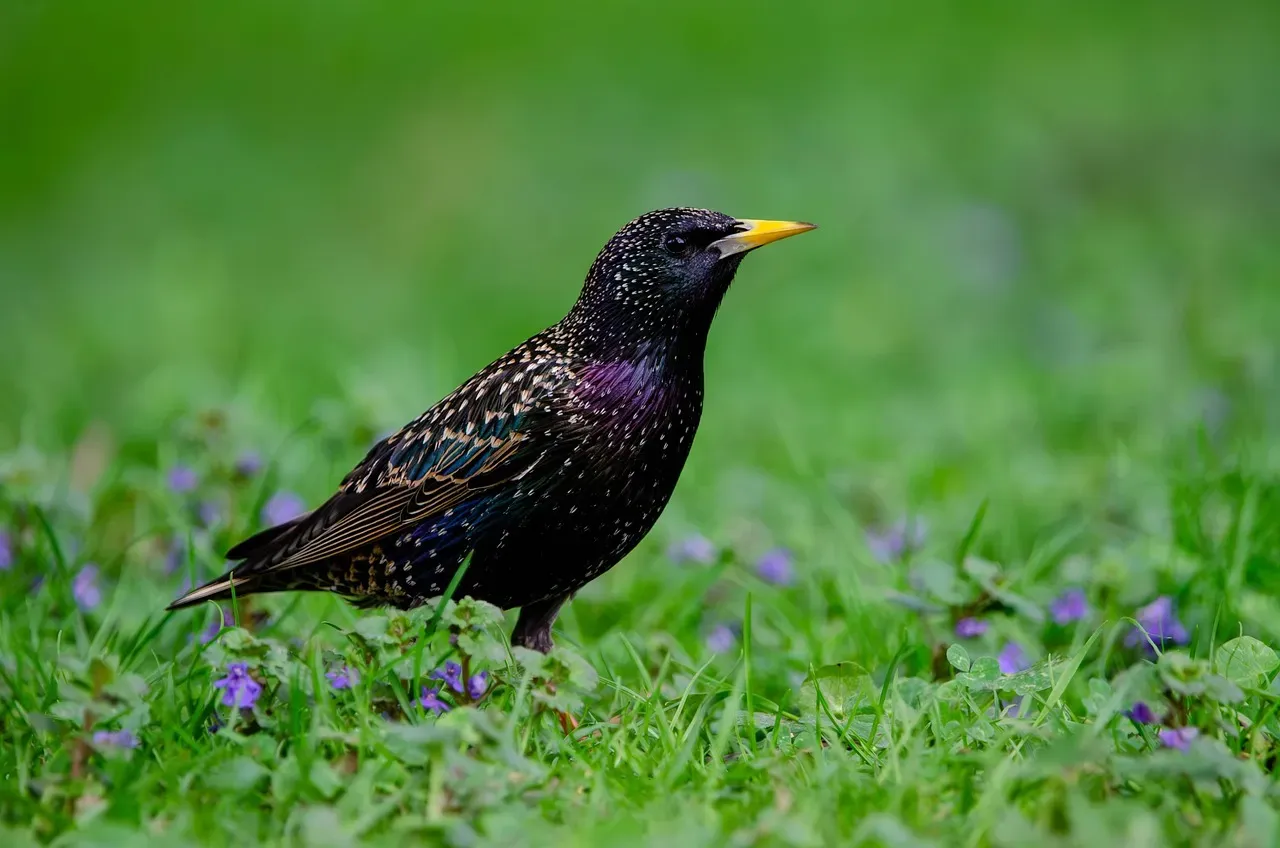
Starling murmurations, where thousands to millions of birds fly in coordinated, fluid formations that morph and change direction instantaneously, represent one of nature’s most mesmerizing phenomena. Watching a murmuration feels like witnessing liquid physics – thousands of individual birds moving as one organism, creating shapes that pulse and flow across the sky. The formations can turn on a dime, every bird adjusting simultaneously without collision or confusion.
Scientists know that each starling follows simple rules, responding to the movements of its seven nearest neighbors. Computer models can replicate the basic mechanics. What they can’t explain is the speed. Information travels through the flock faster than neurological processing should allow. It’s as if the flock shares a collective consciousness.
There’s no leader directing traffic. No bird has the full picture. Yet the entire formation responds to threats with split-second coordination. A predator approaches from one side, and birds on the opposite end react before they should physically be able to perceive the danger.
The movements seem to serve a defensive purpose, confusing hawks and falcons. That explains the why but not the how. The communication mechanism remains unclear. Some researchers propose pressure waves moving through the flock. Others suggest electromagnetic sensitivity.
Murmurations happen at dusk, when thousands of starlings gather before roosting. The displays can last for minutes or hours. Each performance is unique, unrepeatable, and fundamentally mysterious in its execution.
Circular Animal Movements
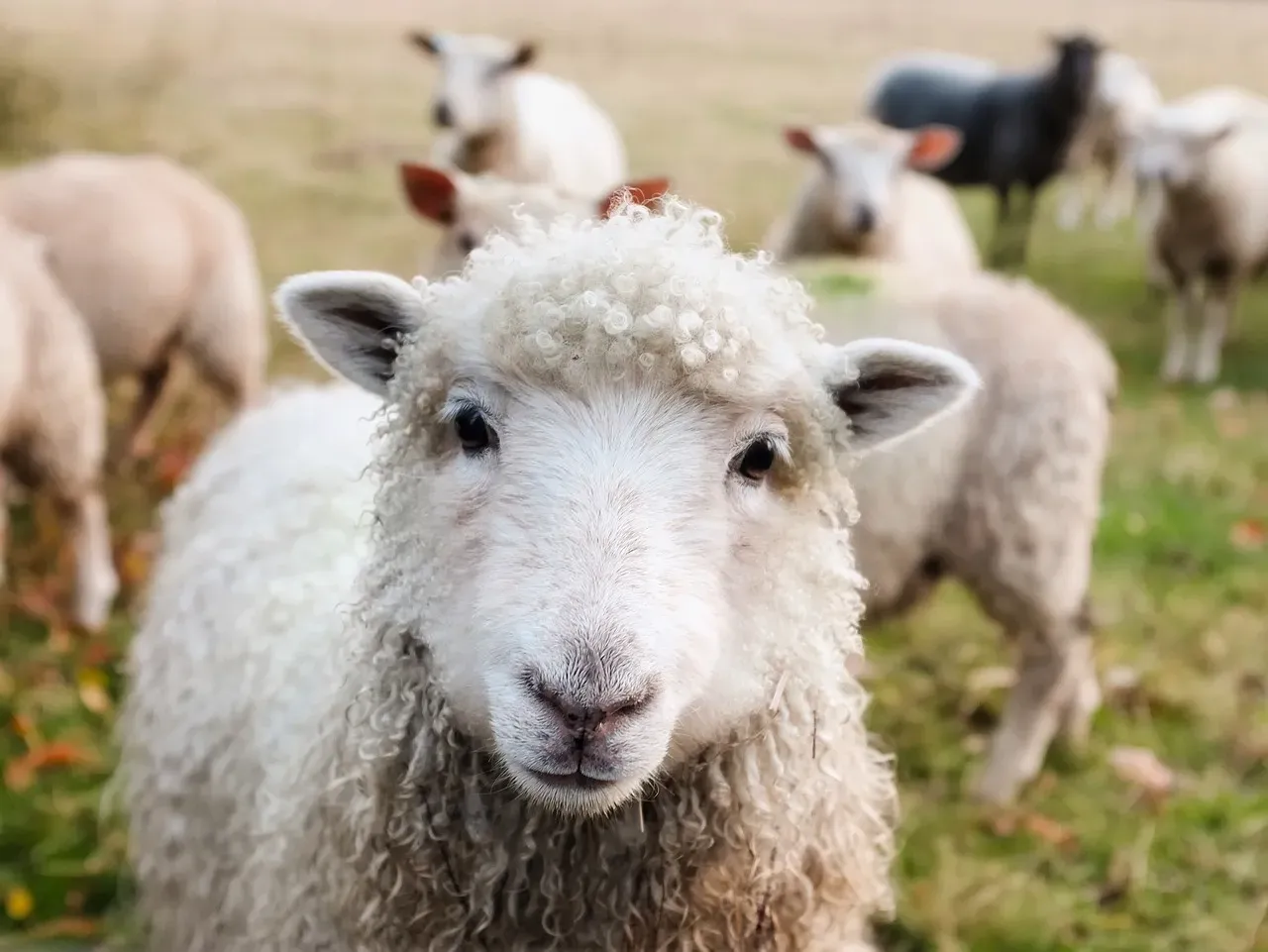
Animals have been documented maintaining circular movements despite obstacles, with many occurring in perfectly healthy herds with no evidence of disease, and scientists theorize extreme anxiety or environmental stressors might trigger these behaviors, while the synchronized nature with dozens or hundreds of animals maintaining perfect formation remains puzzling, with researchers failing to identify a universal cause. Footage from security cameras and drones shows sheep, goats, and other herd animals walking in perfect circles for hours or even days.
These aren’t small groups. Entire flocks participate, hundreds of animals moving in lockstep. They don’t stop to eat or rest. They just circle, maintaining formation like they’re following invisible tracks. The behavior crosses species and continents – reports come from China, England, South America, and elsewhere.
Listeriosis can cause circling in individual animals due to brain infection. That doesn’t explain synchronized group behavior in healthy animals. Veterinarians examine these herds and find nothing physically wrong. No parasites, no toxins, no neurological damage.
Some incidents occurred during periods of unusual solar activity. Others happened near electromagnetic installations. But correlation isn’t causation, and most circular movements have no obvious environmental trigger. The animals simply decide, collectively, to start walking in circles.
The formations are mathematically precise. Animals maintain equal spacing and consistent speed. It looks choreographed, deliberate. Then, just as mysteriously as it started, the behavior stops. The animals return to normal grazing as if nothing happened.
Beaked Whale Deep Diving
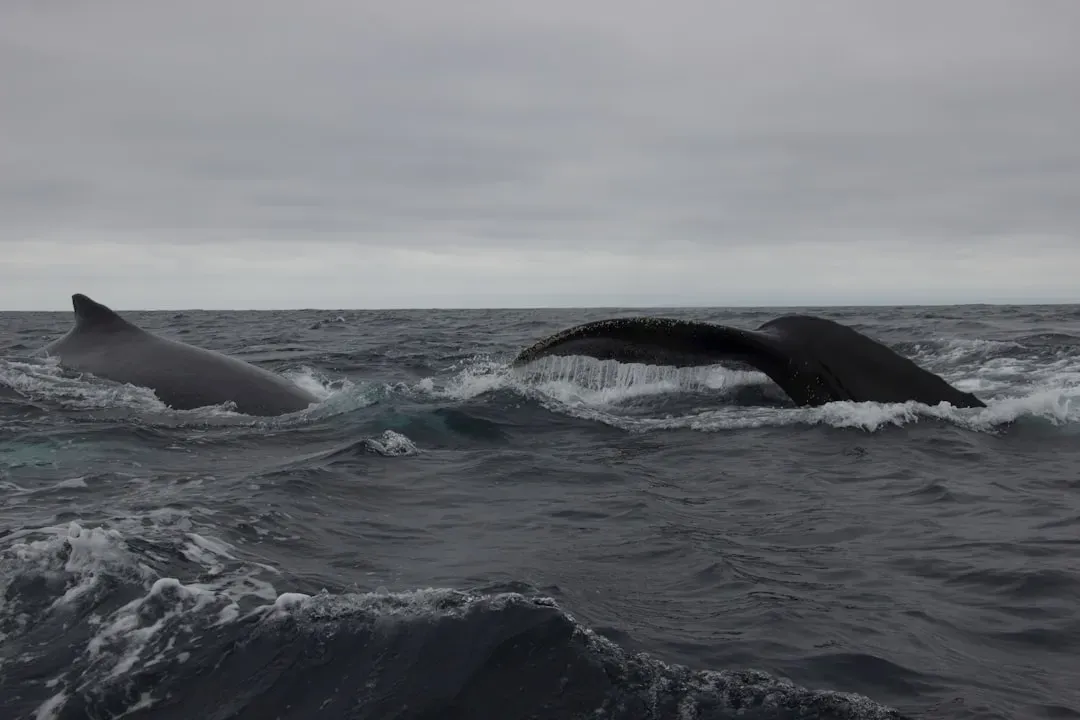
Scientists cannot fully explain how beaked whales avoid decompression sickness or function in environments of near-freezing temperatures and almost total darkness, nor can they explain the purpose of such extreme dives when most of their prey could be found at shallower depths, though recent research suggests they may be avoiding killer whale predation. These whales routinely dive beyond two miles deep, staying submerged for over two hours. That’s not just impressive – it defies our understanding of mammalian physiology.
At those depths, pressure reaches crushing levels. Temperatures hover just above freezing. Light disappears completely. The whales hunt squid in total darkness, using echolocation to navigate an alien environment where most life cannot survive.
Every dive should give them the bends. Nitrogen should saturate their tissues, forming fatal bubbles during ascent. Somehow, they’ve evolved mechanisms to avoid this entirely. Their lungs collapse, blood shifts, and metabolic processes slow to near-hibernation levels. We understand the what but not completely the how.
The real mystery is why they bother. Most of their prey could be found at shallower depths, where hunting would require far less energy and risk. Perhaps they’re escaping orcas, who dominate shallower waters. Perhaps there’s a specialized food source we haven’t identified. Perhaps it’s simply their evolutionary niche.
These whales are among the least studied mammals on Earth. They surface rarely and inhabit remote ocean regions. Every piece of data comes from brief encounters or washed-up carcasses. The depths they explore remain largely unmapped territory.
Lemming Population Explosions and Mass Migrations
During peak population cycles, Norwegian lemmings undergo mass migrations where thousands travel together, sometimes swimming across bodies of water, with many drowning or dying from exhaustion, and while researchers understand the cycles are linked to food availability and predator abundance, the precise triggers for coordinated movements and their dramatic self-destructive consequences remain incompletely explained. The myth of lemming suicide turned out to be Disney fakery, but the reality is almost as strange.
Every three to four years, lemming populations explode. Then, suddenly, thousands start moving in the same direction. They cross rivers, climb mountains, and traverse terrain that offers no survival advantage. Many die in the process – not from intentional suicide, but from exhaustion, predation, and drowning during water crossings.
What triggers the migration? Food scarcity makes sense when populations peak. But why do lemmings move en masse rather than dispersing gradually? Why do they continue moving even when resources become available? The behavior seems almost compulsive, driven by something beyond simple hunger.
The lemming case illustrates how even when we debunk myths, the underlying animal behaviors can still contain genuine scientific mysteries. We know what doesn’t happen – lemmings don’t commit mass suicide. We still don’t fully understand what does happen or why their boom-and-bust cycles involve such dramatic, coordinated movements.
Predators follow the migrations, feasting on easy prey. The ecosystem depends on these periodic lemming explosions. It’s a natural cycle that repeats across generations. Yet the mechanism that synchronizes thousands of individual animals remains unclear.
Capuchin Monkeys Kidnapping Howler Monkey Infants
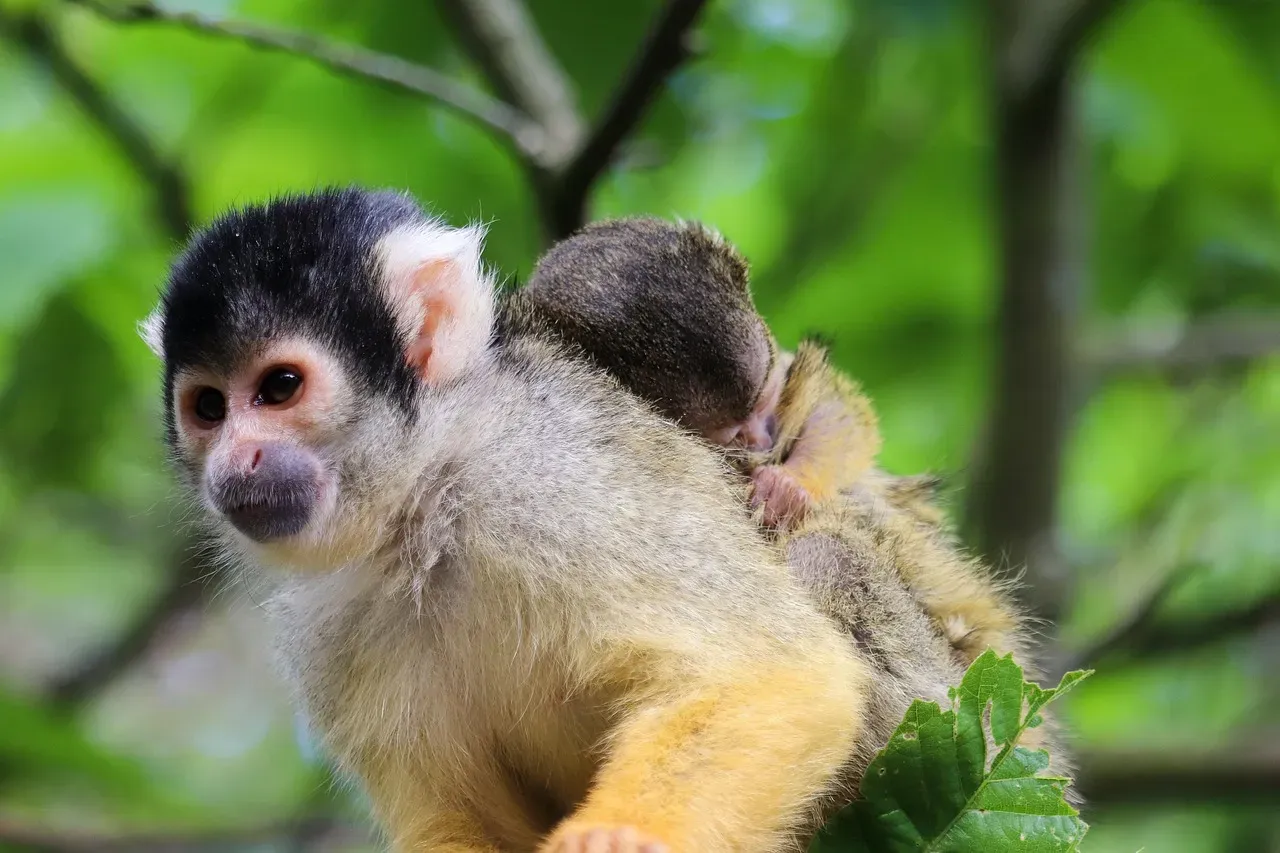
Researchers studying stone tool use among capuchin monkeys on Jicarón island accidentally discovered the same monkeys have adopted a second unusual behavior – abducting infant howler monkeys, with both behaviors being unique to this island and having never been seen before. The capuchins aren’t eating the infants. They’re not defending territory. They’re carrying these babies around, sometimes for days, before the infants eventually die or disappear.
This behavior emerged recently and appears to be spreading through the population. Younger capuchins watch older ones perform kidnappings and then imitate them. It’s a learned cultural practice, not an instinct. That makes it even more baffling – how did it start, and what purpose does it serve?
Some speculate it’s practice for maternal behavior, with female capuchins “training” with live infants. That doesn’t explain why males participate. Others suggest it’s a form of play that crosses species boundaries, though play usually doesn’t involve infant abduction. Perhaps it’s competition, with capuchins removing potential future competitors for resources.
The howler monkey mothers watch helplessly as their infants are carried away. They don’t retrieve them, possibly because capuchins are aggressive and territorial. The abducted infants rarely survive more than a few days.
This strange behavior only occurs on this one island. Capuchins elsewhere don’t kidnap other species’ young. Something about the isolated ecosystem or social dynamics of this particular population created conditions for this bizarre practice to emerge and persist.
Animal Behavior Before Natural Disasters
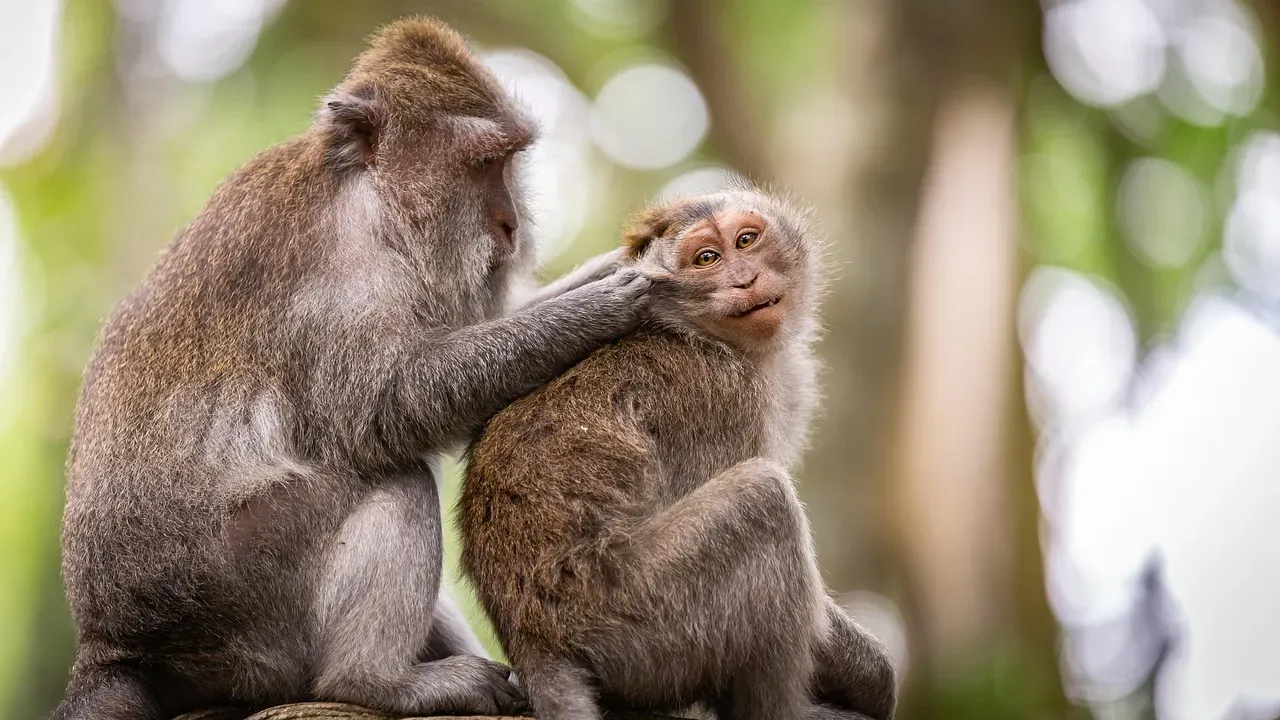
People have reported animals exhibiting unusual behavior before earthquakes and tsunamis, with witnesses before the 2004 Indian Ocean tsunami describing elephants running for higher ground and flamingos abandoning breeding sites before any humanly perceptible signs, and while researchers propose animals may detect subtle environmental changes like electromagnetic fluctuations or infrasound waves, controlled studies have yielded inconsistent results. The stories are compelling and widespread. Animals fleeing hours before disaster strikes. Zoo animals becoming agitated before earthquakes. Dogs refusing to enter buildings that later collapse.
Ancient texts describe this phenomenon. Chinese scholars documented animal warnings before seismic events two thousand years ago. Every major disaster produces similar reports – pets acting strangely, wild animals migrating away from danger zones, birds abandoning nests.
The problem is reproducibility. Laboratory studies can’t reliably predict when animals will exhibit these behaviors. Some earthquakes produce no unusual animal activity. Other times, animals act strangely and nothing happens. The signal-to-noise ratio makes scientific verification nearly impossible.
Some researchers propose that animals may detect electromagnetic field fluctuations or infrasound waves that precede seismic events, but no specific sensory mechanism has been definitively identified. We know animals sense things humans cannot – ultrasound, polarized light, magnetic fields. Connecting those abilities to disaster prediction remains speculative.
Perhaps animals detect multiple subtle cues that collectively signal danger. Ground vibrations too faint for humans, changes in groundwater chemistry, shifts in electromagnetic fields. No single indicator, but a pattern that triggers flight response.
The challenge is that anecdotal evidence, no matter how consistent, isn’t scientific proof. Until researchers can reliably demonstrate the mechanism and predict animal behavior before disasters, this phenomenon remains in the realm of fascinating mystery.
Synchronized Christmas Island Red Crab Migration
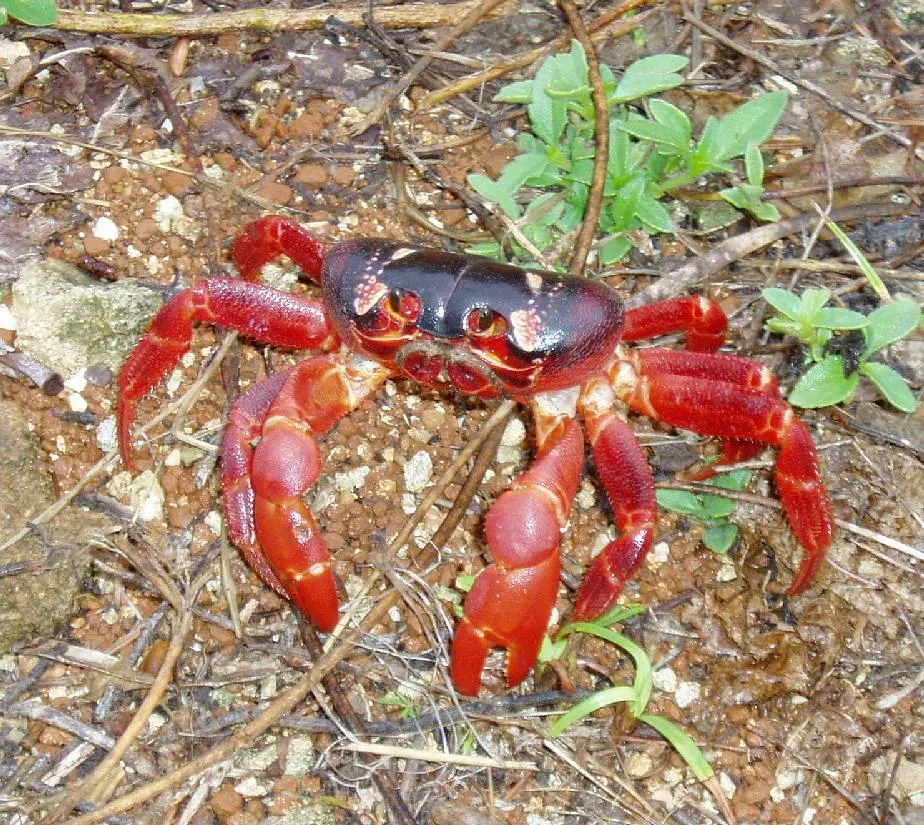
While researchers have identified that the lunar cycle influences the timing of crabs’ spawning once they reach the ocean, the triggers that initiate the synchronized land migration remain poorly understood, demonstrating coordination on a scale that defies current scientific explanation. Every year, roughly around the same time, millions of red crabs emerge from Christmas Island’s forests and march toward the sea. They move together in a crimson wave that blankets roads, forests, and beaches.
The migration is tied to the monsoon season and lunar cycles. Females need to release eggs into the ocean at specific tidal conditions. That explains the timing of spawning but not the migration’s synchronized start. How do millions of crabs, scattered across an island, decide to begin marching on the same day?
They have no central coordination, no leader, no way to communicate across distances. Yet they emerge from burrows simultaneously and travel the same routes their ancestors used. Roads become impassable. Residents build crab bridges and close streets to accommodate the exodus.
The journey is treacherous. Crabs cross cliffsides, navigate human infrastructure, and face predation from introduced species like yellow crazy ants. Millions die en route. Those that survive release their eggs and march back to the forest.
This mass movement happens with clockwork precision year after year. The crabs sense something – barometric pressure, humidity, temperature shifts – that triggers the migration. What remains unexplained is the synchronized response across the entire population. It’s collective behavior on a scale that defies current understanding of invertebrate communication and cognition.
Conclusion
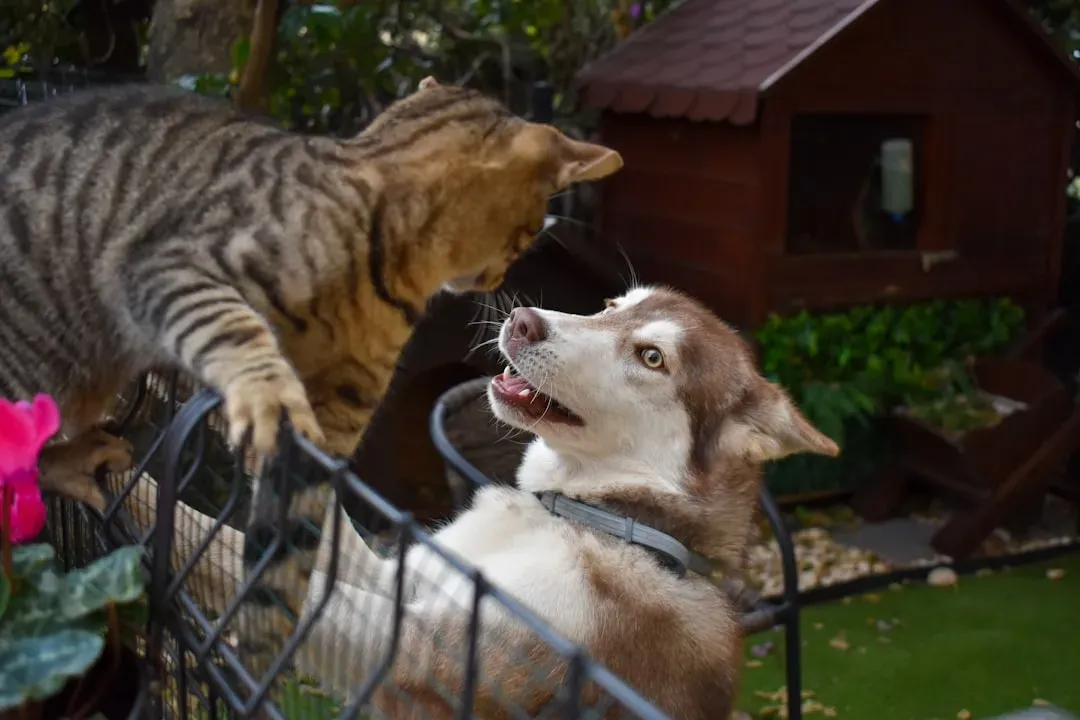
The natural world refuses to fit neatly into our scientific frameworks. These ten behaviors represent just a fraction of the mysteries still lurking in forests, oceans, and skies. Every answer we find seems to generate three new questions.
What strikes me most about these unexplained behaviors is their diversity. They span species, ecosystems, and evolutionary histories. Some involve individual animals making inexplicable choices. Others showcase collective intelligence operating on scales we’re only beginning to appreciate. The common thread is humility – nature reminds us how much we still don’t understand.
Technology advances. Research methods improve. Yet animals continue performing behaviors that leave us baffled. Perhaps that’s how it should be. The moment we think we’ve figured out the natural world, a lemming starts walking in circles or an orca decides to sink a boat.
These mysteries aren’t just academic curiosities. Understanding animal behavior has practical implications for conservation, agriculture, and ecosystem management. The more we learn, the better equipped we become to protect the planet’s biodiversity.
What do you think drives these behaviors? Have you witnessed anything in nature that science can’t explain? The conversation continues as researchers worldwide dedicate their careers to unraveling these puzzles.
