

Think about where you live. Maybe it’s a city surrounded by skyscrapers and bustling streets, a place where earthquakes feel like something that happens somewhere else. Here’s the thing though: seismic risk doesn’t respect borders or popular assumptions. While California gets all the attention for its shaky reputation, there are cities across the United States that face equally terrifying earthquake threats, and many residents have no idea what’s lurking beneath their feet. The ground can betray us anywhere, from the heartland to the coast. Let’s explore the cities where the earth might have some serious plans.
Los Angeles, California
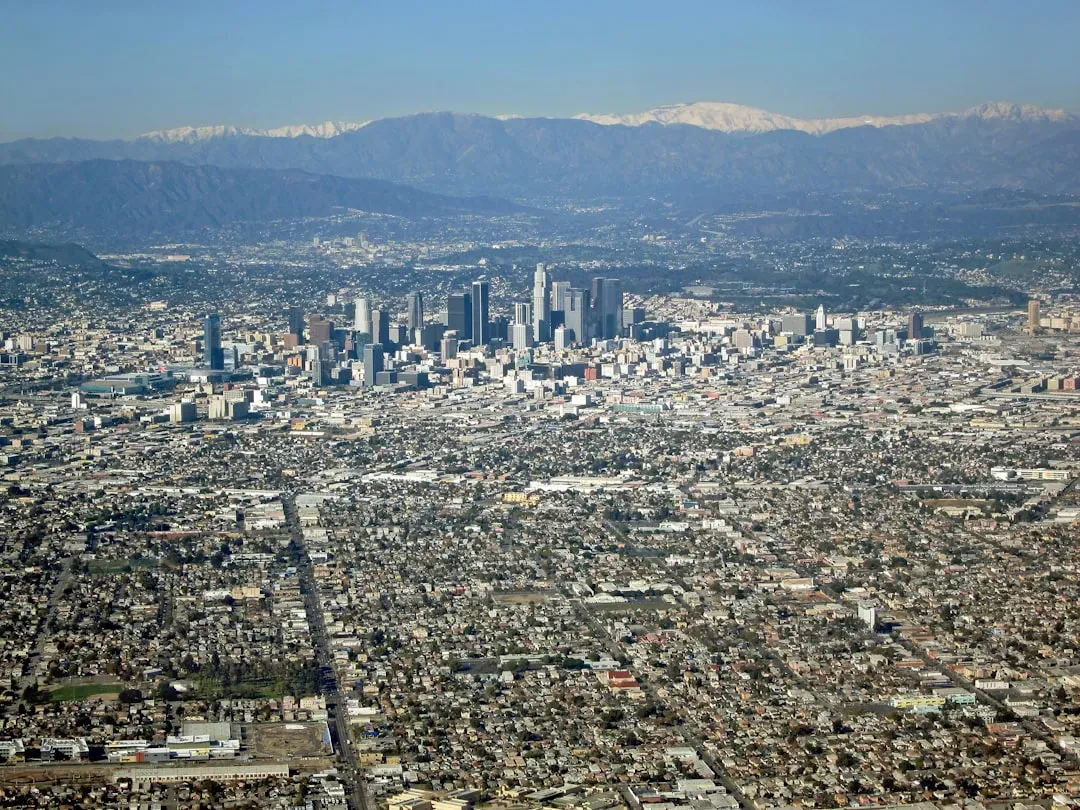
California’s seismic activity is widely known, and high-hazard areas cover large sections of the state, including Los Angeles. The San Andreas Fault has caused some of the most notable earthquakes in recent memory. Los Angeles sits like a powder keg, densely populated and sprawling across multiple fault lines.
In 1994, the Northridge earthquake with a magnitude of 6.7 struck near LA, killing 57 people, injuring more than 8,700, and causing damages ranging from 13 to 40 billion dollars. The city’s infrastructure, from freeways to water systems, remains vulnerable despite decades of earthquake preparedness efforts. Imagine waking up at dawn to your entire world shaking apart.
San Francisco Bay Area, California
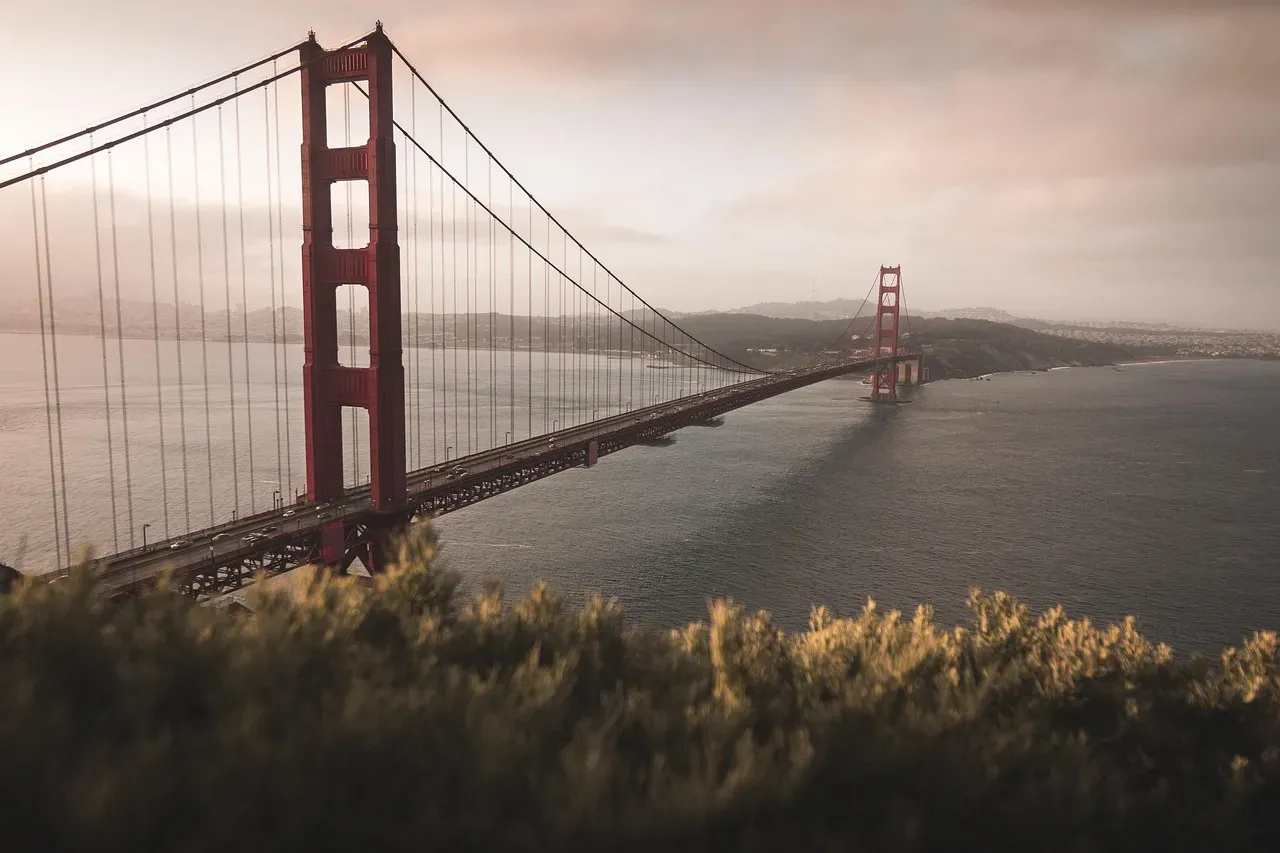
The seismic activity in California is widely known, and high-hazard areas cover large sections of the state, including the San Francisco Bay area. The Hayward fault runs through densely populated San Francisco Bay Area areas. This region has lived through catastrophic destruction before, most notably in 1906 when a massive earthquake and subsequent fires destroyed much of the city.
The fault systems here are like ticking clocks. Seismologists speak in terms of when, not if, the next big one will strike. The Bay Area’s combination of old infrastructure mixed with newer buildings creates a patchwork of vulnerability that keeps experts awake at night.
Seattle, Washington
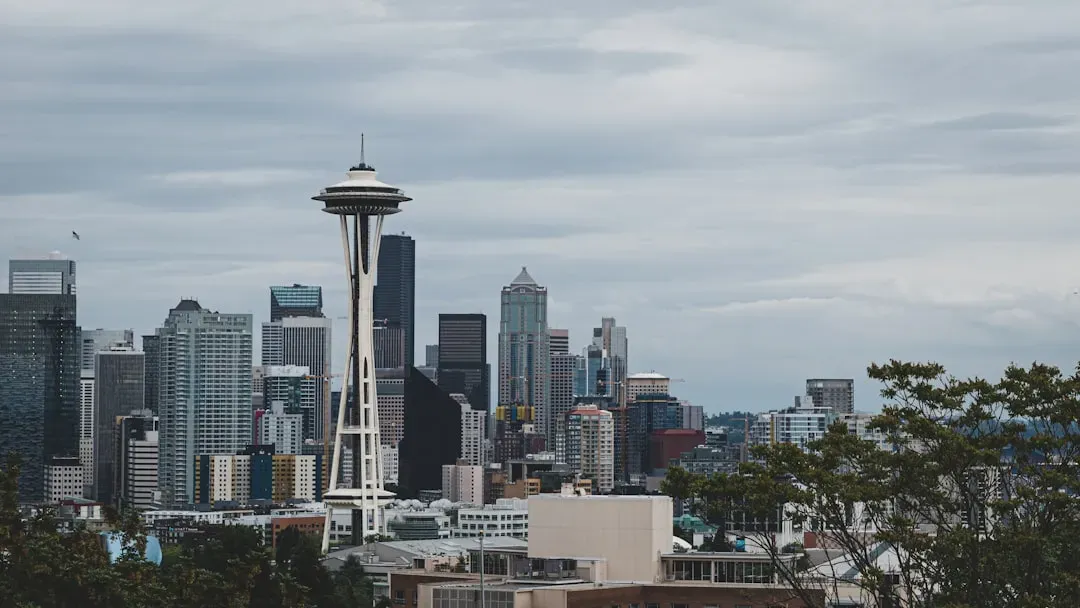
Called the Cascadia subduction zone, a big quake along this fault could affect the cities of Seattle. With a full-margin rupture, the entire shelf from California to Canada could be displaced six feet down and 30 to 100 feet west. FEMA predicts that a Cascadia earthquake and tsunami would injure 27,000, kill 13,000, and damage a million homes.
Seattle’s position on top of the Cascadia Subduction Zone makes it particularly vulnerable. The city experienced a magnitude 6.8 earthquake in 2001, but that was nothing compared to what scientists predict could happen. Think about it: a full-margin rupture could literally flatten mountains and reshape the coastline. Indigenous wisdom reminds us that “The Great Spirit is our Father, but the Earth is our Mother. She nourishes us…..That which we put into the ground she returns to us.”
Anchorage, Alaska
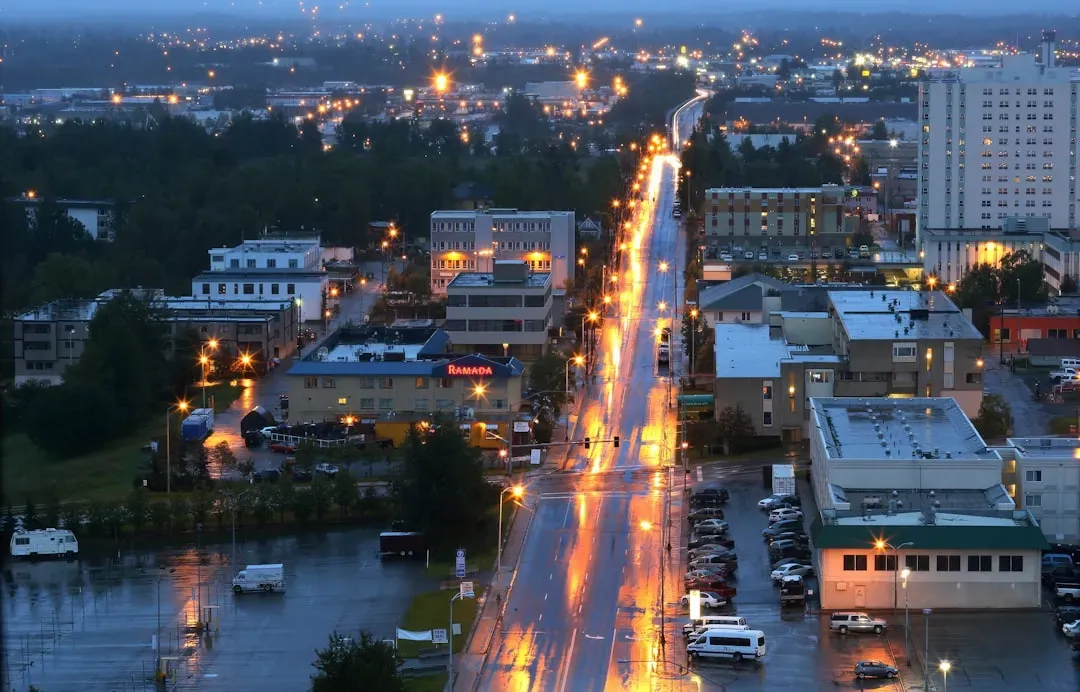
Alaska is one of the most seismically active places in the world. They happen frequently, with 11 percent of the world’s earthquakes occurring in the state. Anchorage sits at the crossroads of multiple tectonic plate boundaries, making it exceptionally prone to violent seismic events. The city was devastated by a magnitude 9.2 earthquake in 1964 that caused widespread damage and tsunamis along coastal areas.
Residents here understand the reality of living on restless ground. The cold doesn’t freeze the earth’s movements, it just adds another layer of danger when infrastructure fails in subzero temperatures.
Portland, Oregon
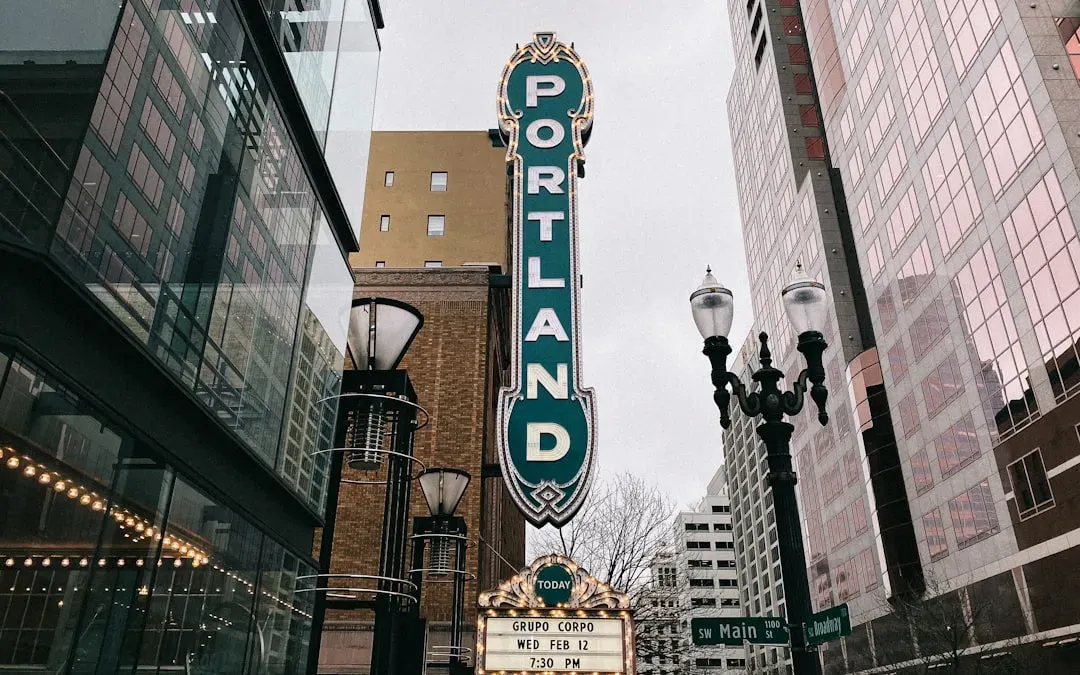
Portland shares Seattle’s nightmare scenario. Called the Cascadia subduction zone, a big quake along this fault could affect the cities of Portland. The city’s beloved bridges, old brick buildings in historic neighborhoods, and unreinforced masonry structures present serious hazards when the ground starts moving.
In the next 50 years, the odds of a big one are about 33 percent. Those aren’t comforting numbers when you’re raising a family or building a life. Portland’s quirky charm could be shattered in minutes, replaced by rubble and chaos. As Native American wisdom teaches us, “The earth does not belong to man, man belongs to the earth. All things are connected like the blood that unites us all.”
Memphis, Tennessee
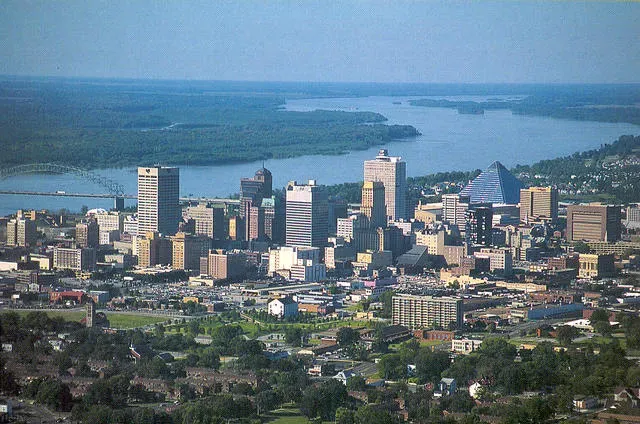
Memphis lies within the New Madrid Seismic Zone. This zone is notorious for a series of massive earthquakes that occurred in the early 19th century. The area includes major cities such as Memphis, Tennessee. Here’s what’s terrifying: due to the nature of the bedrock in the earth’s crust in the central United States, earthquakes in this region can shake an area approximately 20 times larger than earthquakes in California.
A 2004 HAZUS report prepared by FEMA estimates earthquake damages to be 296 billion dollars across the region and nearly 730,000 people displaced from their homes. In Missouri, the report estimates a direct economic loss of 69 billion dollars. Memphis might seem far from earthquake country, but geology has other plans.
Charleston, South Carolina
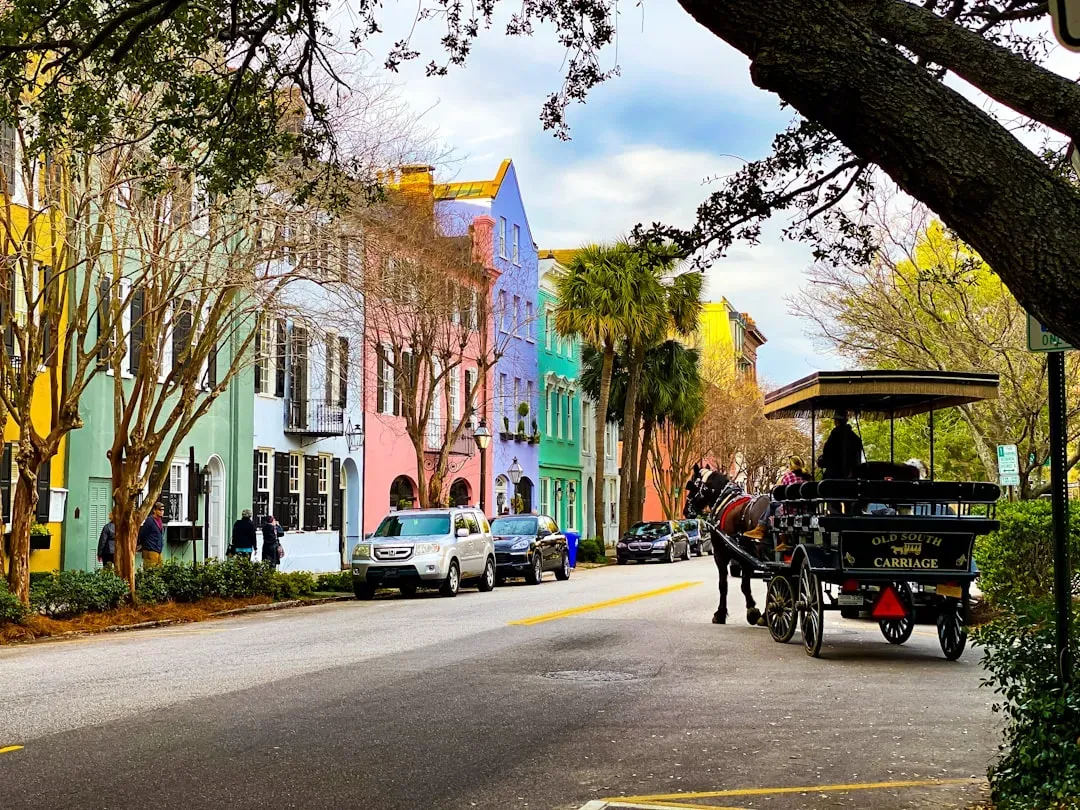
The Charleston area is at a high risk for a damaging earthquake within the next 50 years. During the major Charleston earthquake of 1886, nearly every building in the city was damaged and most had to be torn down. Structural damage occurred within a several hundred-mile radius, extending throughout South Carolina and reaching as far as southern Virginia and central Ohio.
Charleston’s historic architecture, charming cobblestone streets, and antebellum homes weren’t built with seismic activity in mind. The city’s beauty masks a geological vulnerability that few visitors ever consider. “Humankind has not woven the web of life. We are but one thread within it. Whatever we do to the web, we do to ourselves. All things are bound together.”
Honolulu, Hawaii
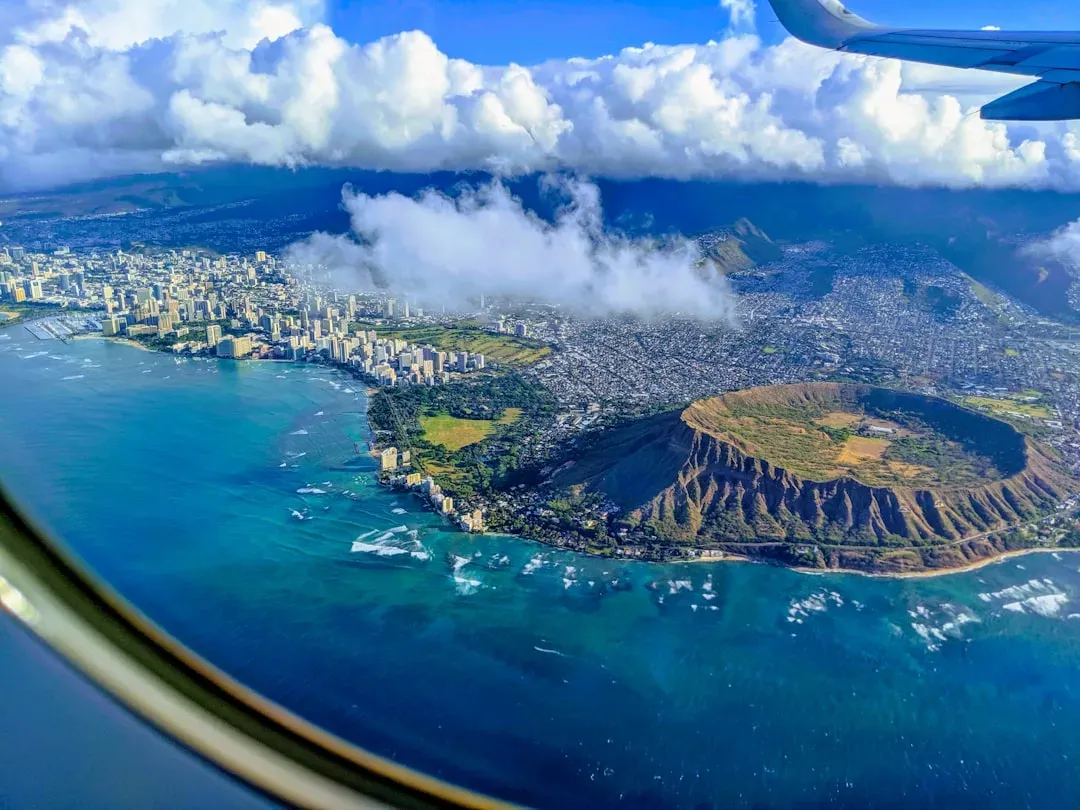
Along with its active volcano, Hawaii has thousands of earthquakes every year. Most of them are small, a few can be felt, and some are large enough to cause significant damage. The new model characterizes Hawai’i as having greater potential for shaking because of observations from recent volcanic eruptions and seismic unrest on the islands.
Hawaii’s volcanic origins mean the islands are literally being formed and reformed by underground forces. Honolulu, with its high-rise hotels and dense urban development, sits on ground that’s far from stable. Paradise has a price.
San Diego, California
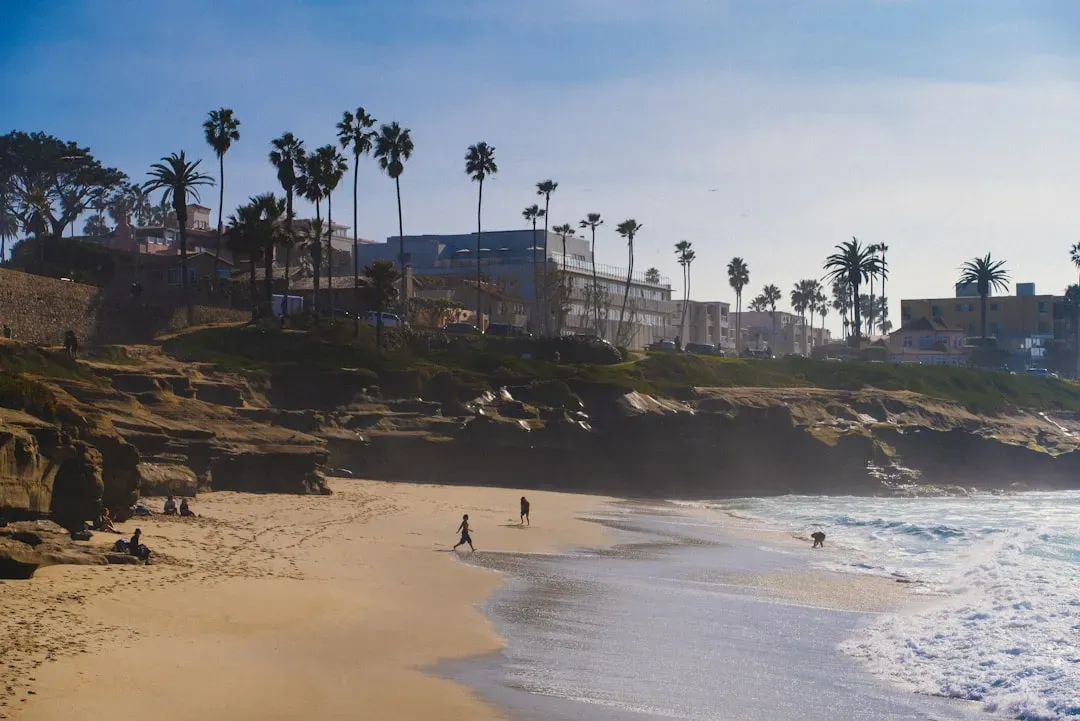
San Diego is near the San Andreas Fault, known for producing some of the most powerful earthquakes in history. The city’s proximity to both the San Andreas Fault and the Newport-Inglewood-Rose Canyon Fault Zone creates a double threat. San Diego’s sunny beaches and laid-back atmosphere can lull residents into complacency.
The military installations, naval bases, and sprawling suburbs mean millions of people could be affected. San Diego doesn’t get the same attention as Los Angeles or San Francisco, but seismologists know better than to ignore it.
Oklahoma City, Oklahoma
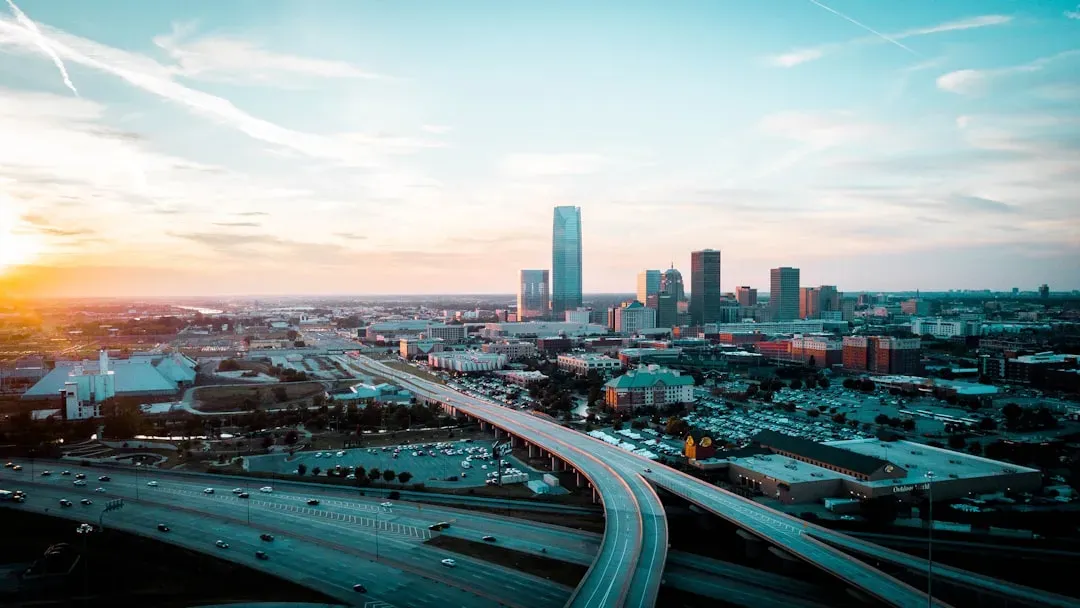
Oklahoma City has shown a surprising increase in seismic activity. This uptick is largely attributed to the oil and gas industry, specifically the practice of wastewater injection. The number of earthquakes of magnitude 3.0 or greater has soared, making Oklahoma one of the most seismically active states.
In the 2010s, Oklahoma surpassed California in the number of felt earthquakes. This was mostly linked to wastewater injection from oil and gas operations. Although injection volumes have been reduced, the USGS models still assign Oklahoma and parts of Texas an annual probability of damaging shaking. Human activity created this danger, proving that we can make our own disasters. “Traditional people of Indian nations have interpreted the two roads that face the light-skinned race as the road to technology and the road to spirituality. We feel that the road to technology has led modern society to a damaged and seared earth.”
Conclusion
These ten cities represent different flavors of earthquake risk, from ancient fault lines to modern industrial practices. The earth beneath our feet is never truly still, constantly shifting and adjusting in ways we can barely comprehend. Preparation matters more than prediction.
We build our lives on ground that can betray us without warning, yet most of us never think about it until the shaking starts. As we’ve seen, earthquake danger isn’t confined to one coast or one region. “Every part of this Earth is sacred. We are part of the Earth and it is part of us.” What’s your city’s seismic story? Are you ready for what the earth might do tomorrow?
