
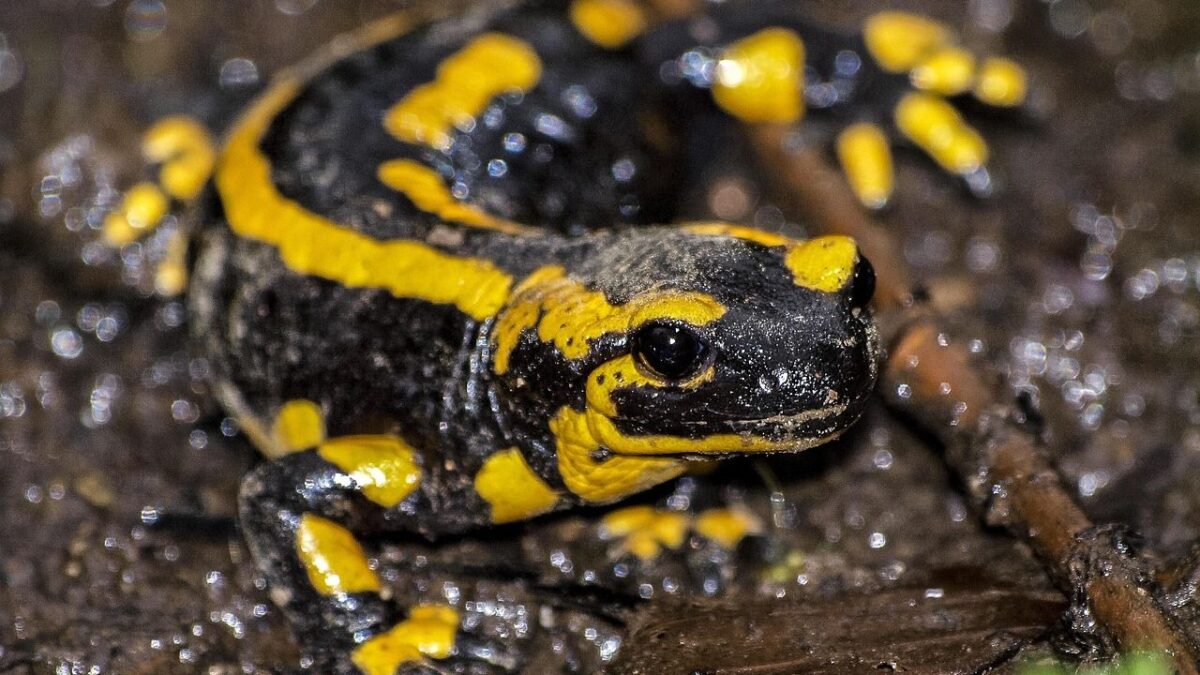
Nature has a way of humbling us. We fuss over turning 40, slather ourselves in anti-aging creams, and marvel at someone making it to 100. Yet out in the wild, and deep in the oceans, there are creatures quietly stacking up centuries like the rest of us collect birthdays. Some of them were alive during the Renaissance. A few were already ancient when the pyramids were new.
What makes these animals so extraordinarily long-lived? Is it their genetics? Their icy habitats? Something else entirely? Scientists are still piecing together answers. Meanwhile, these remarkable animals just keep on going, largely unbothered. Let’s dive in.
1. The Greenland Shark: The Oldest Living Vertebrate on Earth
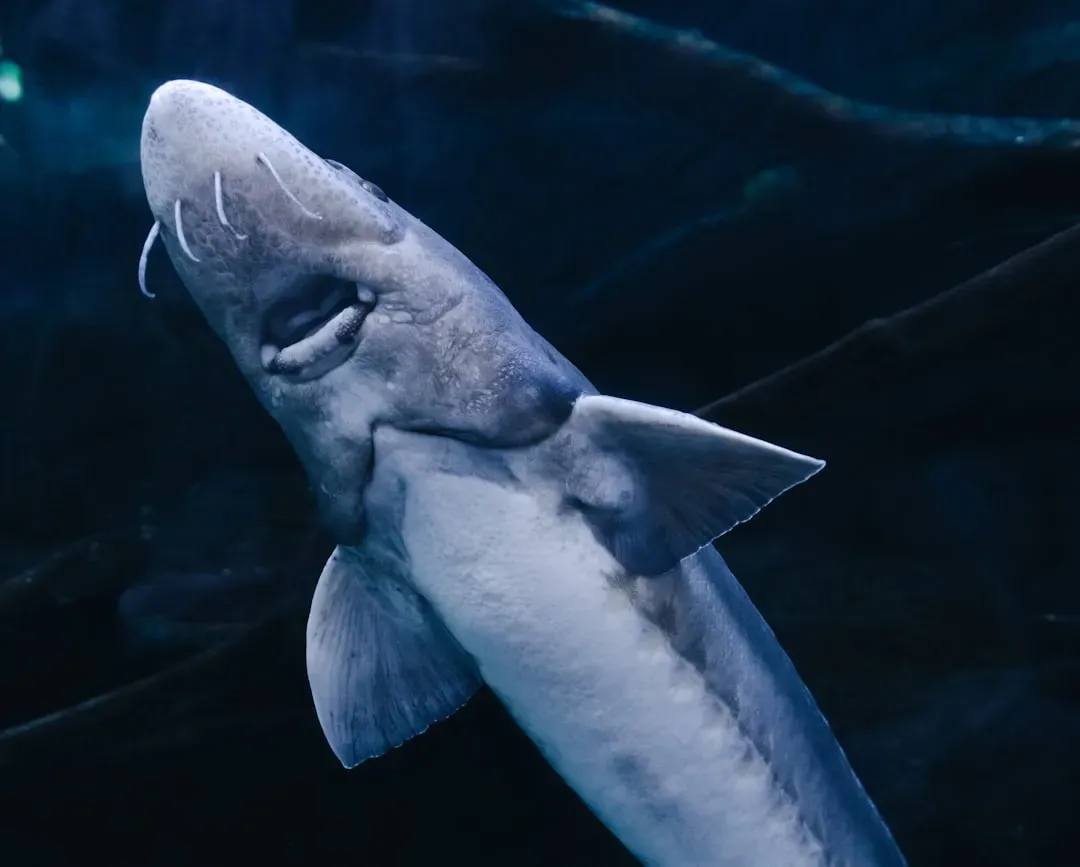
Here is a staggering thought to start things off. There could be an individual Greenland shark in the ocean today that was alive during the 1665 Great Plague of London and George Washington’s presidential inauguration in 1789. That is not a metaphor. That is actual science.
Greenland sharks have the longest lifespan of any known vertebrate, estimated to be between 250 and 500 years. For a long time, scientists had no way to verify this, because Greenland sharks have no fin spines and no hard tissues in their bodies, and their vertebrae are too soft to form the growth bands seen in other sharks.
The breakthrough came from their eyes. Inside the shark’s eyes, there are proteins that are formed before birth and do not degrade with age, like a fossil preserved in amber. Using radiocarbon dating on those proteins, the largest shark examined, a five-meter female, was between 272 and 512 years old according to estimates.
Honestly, the biology gets even wilder. Greenland sharks are estimated to reach sexual maturity around 150 years of age. Think about that. A century and a half just to hit adulthood. One theory to explain this long lifespan is that the Greenland shark has a very slow metabolism, an adaptation to the deep, cold waters it inhabits. Slow living, it turns out, may be the ultimate longevity hack.
2. The Bowhead Whale: A Mammal That Outlives Centuries
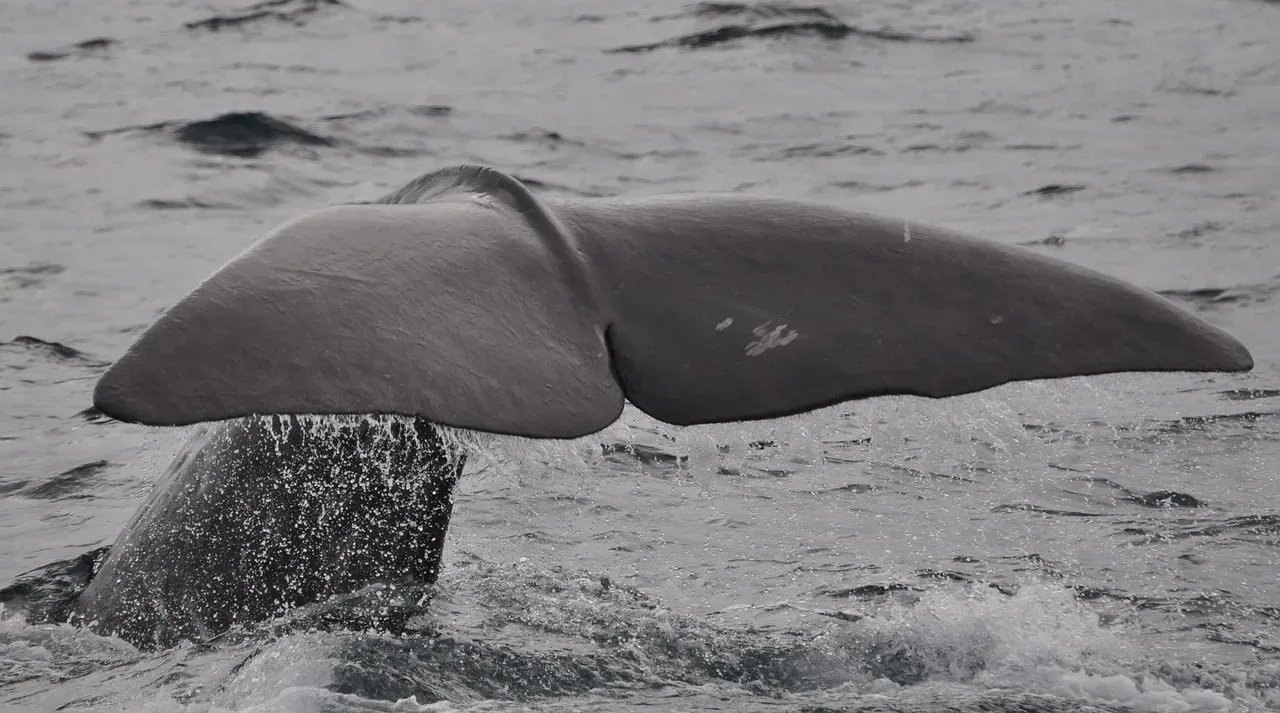
The longest-living mammal is the bowhead whale, which lives over 200 years. The bowhead whale inhabits frigid Arctic waters and gets its name from a massive pointy head perfectly designed to break through thick sea ice. It is essentially a living bulldozer that also happens to be nearly immortal.
In 2007, Alaskan hunters were surprised to discover in the neck of a bowhead whale a fragment of a harpoon – a patented “bomb lance,” meant to explode when it struck its target, dated to around 1880. The whale had been carrying it around for well over a century. That detail never gets old, if you will pardon the expression.
Here is what makes the science truly fascinating. Marine biologists have never once found a malignant tumor on a bowhead whale. They appear to be immune to cancer. When researchers examined the bowhead’s genome, they found that the whales were particularly adept at repairing their DNA without errors or mutations, and by not accumulating mutations over time, bowhead whales avoid cancer and other age-related diseases.
3. The Giant Tortoise: The World’s Oldest Land Animal
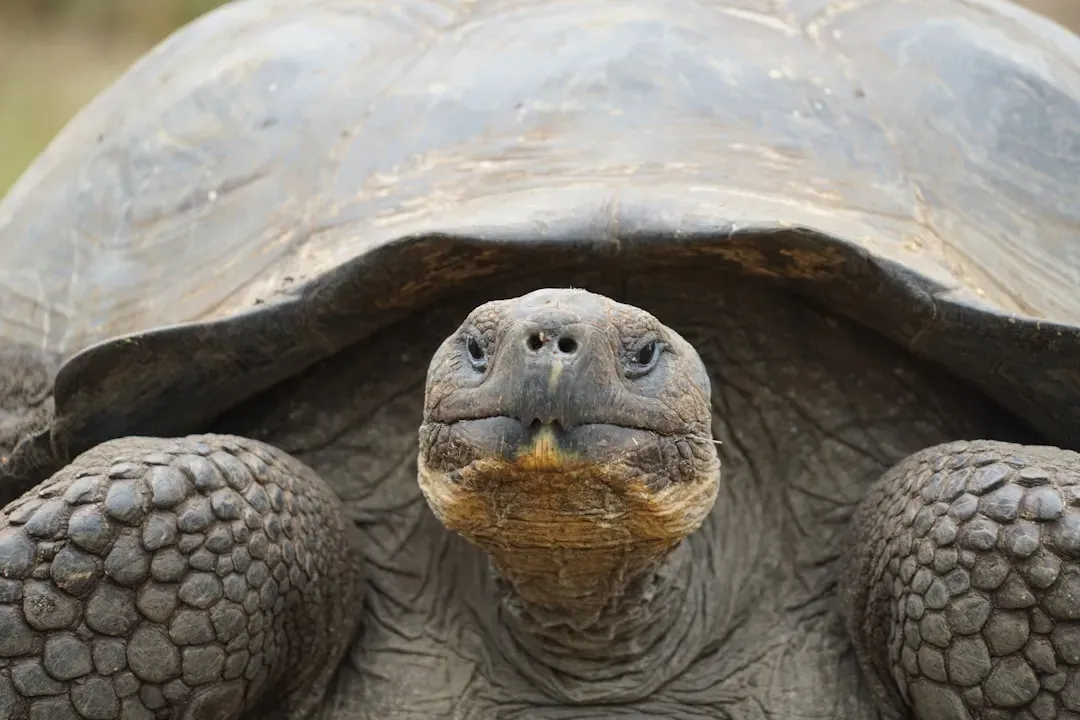
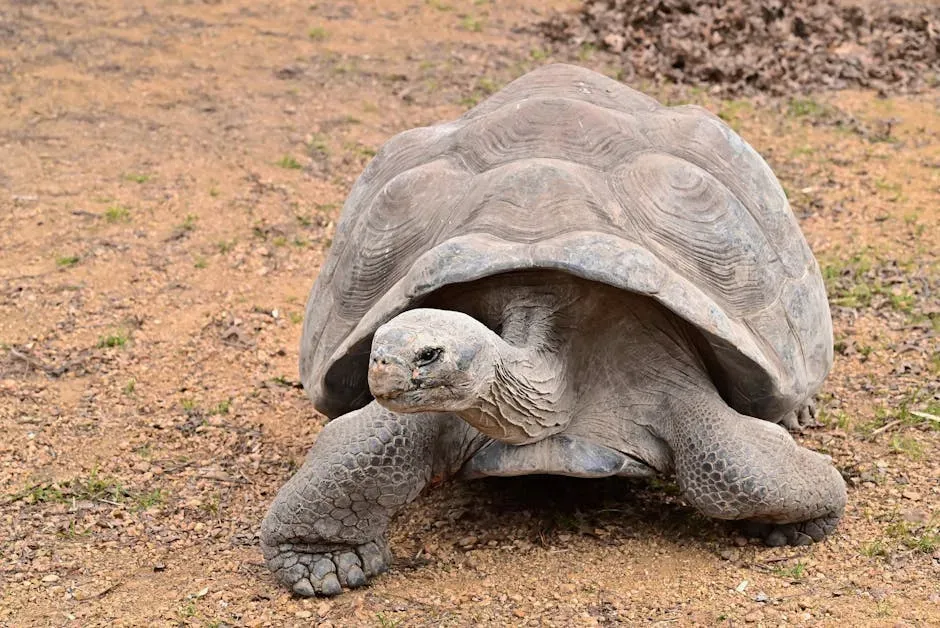
Meet Jonathan. His age is estimated to be 193 as of 2026, making him the oldest known living land animal. Jonathan now resides on the island of Saint Helena, a British Overseas Territory in the South Atlantic Ocean. He has outlived every human being he has ever encountered.
Giant tortoises never stop growing and they never stop reproducing, which means that they effectively don’t age. That is not a poetic statement. That is a biological reality, and it flies in the face of everything most animals do. Their ability to quickly kill off damaged cells that normally deteriorate with age may help tortoises live so long.
Jonathan’s genome has undergone detailed sequencing, and scientists have found that he carries unique genetic variants linked to DNA repair, telomere maintenance, and cellular metabolism. In a way, Jonathan is not just the oldest tortoise ever. He is one of nature’s most remarkable living research subjects.
4. The Ocean Quahog Clam: A 500-Year-Old Bivalve Named Ming
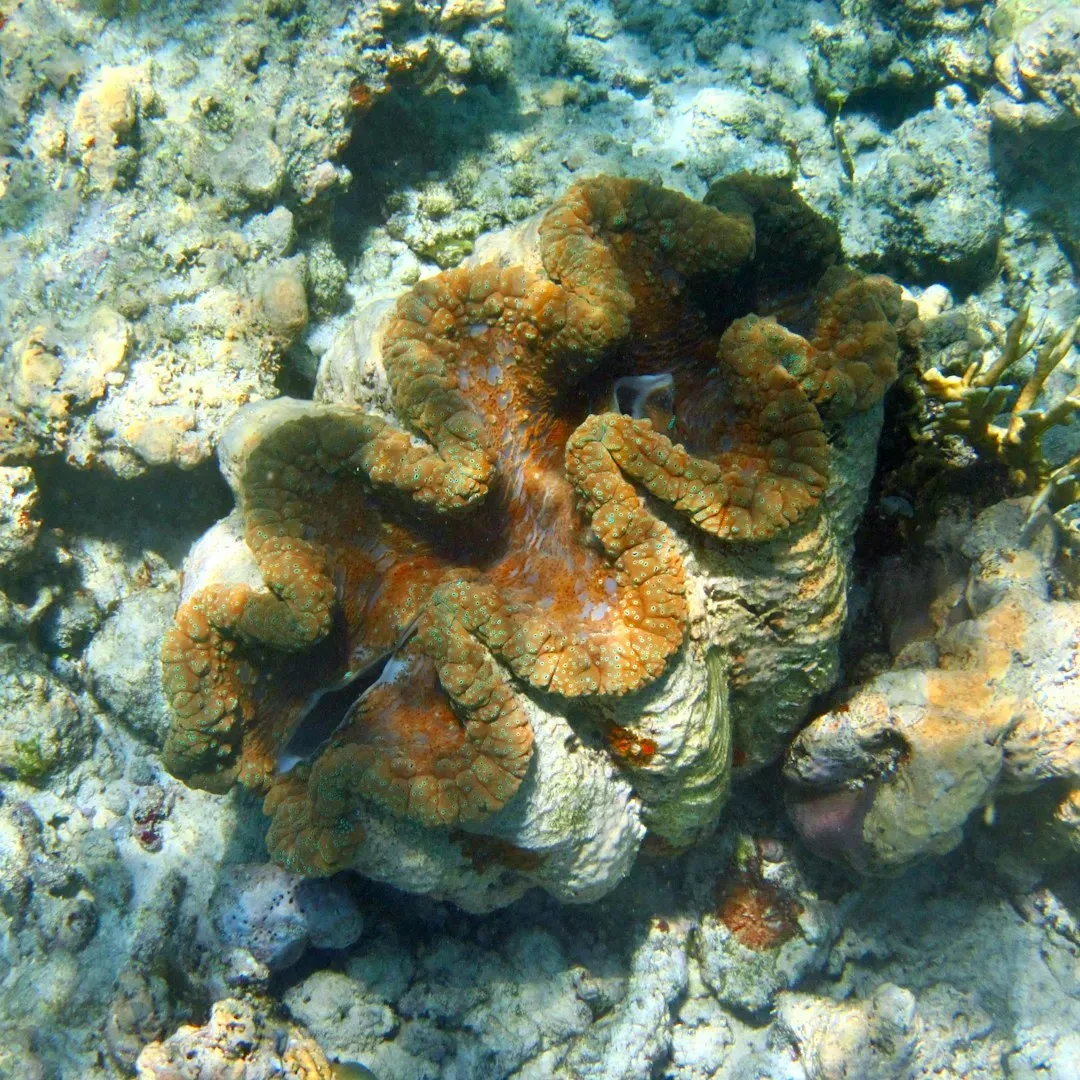
You might not expect a clam to make this list. Let’s be real, it is not exactly the most glamorous creature. Yet the oldest quahog clam on record, Ming the clam, was reportedly 507 years old. For context, that means Ming was alive when Leonardo da Vinci was still painting.
The key to ocean quahog clams’ longevity lies in their super low growth rate and biological maintenance. Aside from that, the ocean quahog clam’s growth is even slower during cold months. Tragically, Ming only died because researchers accidentally killed it while trying to find out how old it was. Scientists dredged it up from the ocean floor, opening the shell to count its growth rings, and that was that. A 500-year existence, ended by curiosity.
It is a cautionary tale with a bittersweet edge. The bowhead whale’s lifespan may be the second-longest of all animals, topped only by the 500-year span of a North Atlantic clam called the ocean quahog. So the humble clam holds its own against even the mightiest whale.
5. The Immortal Jellyfish: Nature’s Ultimate Cheat Code
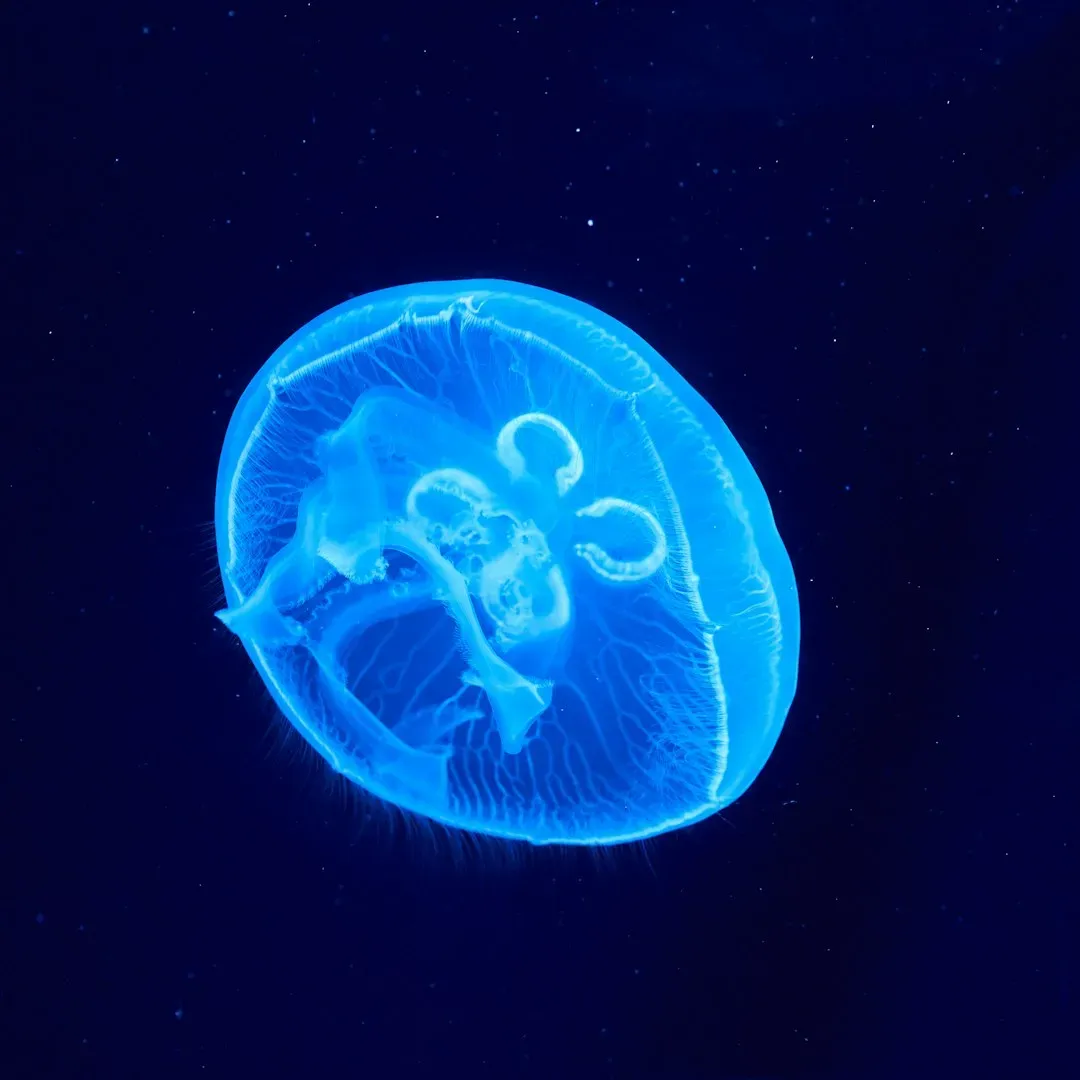
If the Greenland shark is impressive, the immortal jellyfish is downright mind-bending. The immortal jellyfish, known as Turritopsis dohrnii, has the ability to reverse age and theoretically live an eternal life. Because of its ability to regrow its cells, it could theoretically escape death over and over again.
The mechanism is called transdifferentiation. When the medusa of this species is physically damaged or experiences stresses such as starvation, instead of dying it shrinks in on itself, reabsorbing its tentacles and losing the ability to swim, then settles on the seafloor as a blob-like cyst. Over the next 24 to 36 hours, this blob develops into a new polyp and after maturing, new medusae bud off.
Think of it as a butterfly that can turn back into a caterpillar on demand. I know it sounds crazy, but experiments have revealed that all stages of the medusae, from newly released to fully mature individuals, can transform back into polyps under conditions of starvation, sudden temperature change, reduction of salinity, and artificial damage. The capability of biological immortality with no maximum lifespan makes T. dohrnii an important target of basic biological aging and pharmaceutical research.
6. The Naked Mole Rat: The Rodent That Defies Every Rule
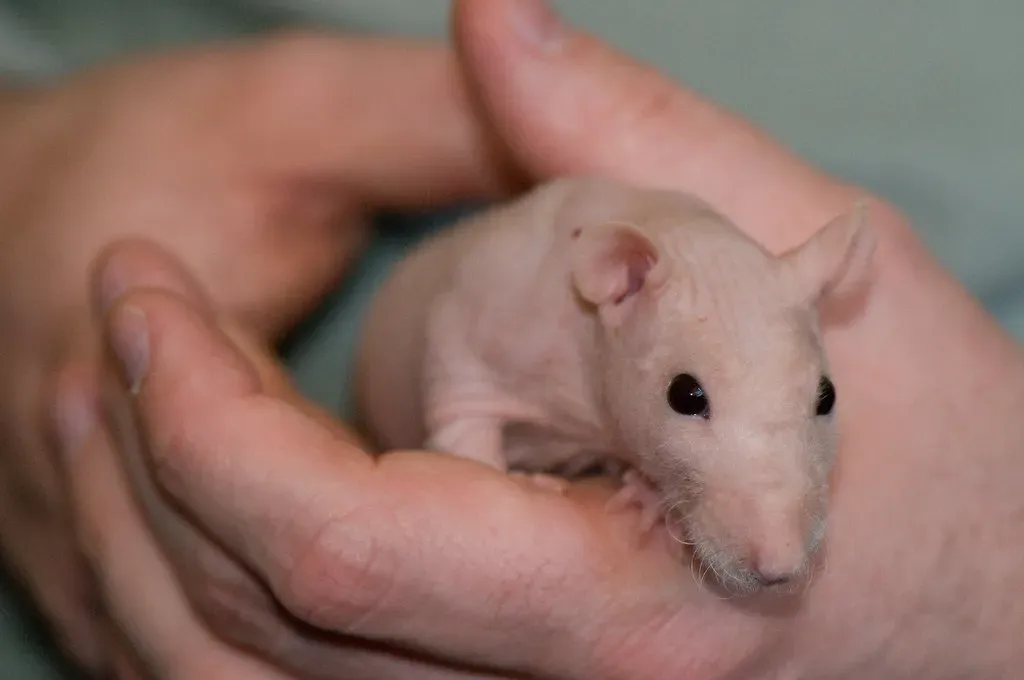
Nothing about the naked mole rat says “longevity icon.” It looks like a tiny wrinkled sausage with buck teeth. Yet this peculiar little creature is one of science’s most celebrated animals. Mice live for about two years if they are lucky. A naked mole rat, on the other hand, can live to be 40. That is an astonishing gap for two rodents of similar size.
In one study of 800 naked mole rats, not a single one had developed cancer. Not one. For starters, they almost never get cancer, which is the leading age-related cause of death in animals. Researchers found that the skin of naked mole rats produces high levels of hyaluronic acid, a powerful anti-inflammatory that also suppresses cancer.
The naked mole rat’s 30-year average lifespan might not sound impressive, but the homely rodents live more than 10 times longer than any other rodent species. Scientists think their underground lifestyle plays a big role, as predators essentially never reach them. Safe environments, it seems, have pushed evolution to reward a longer life.
7. The Bowhead Whale’s Rival Record Holder: Black Coral
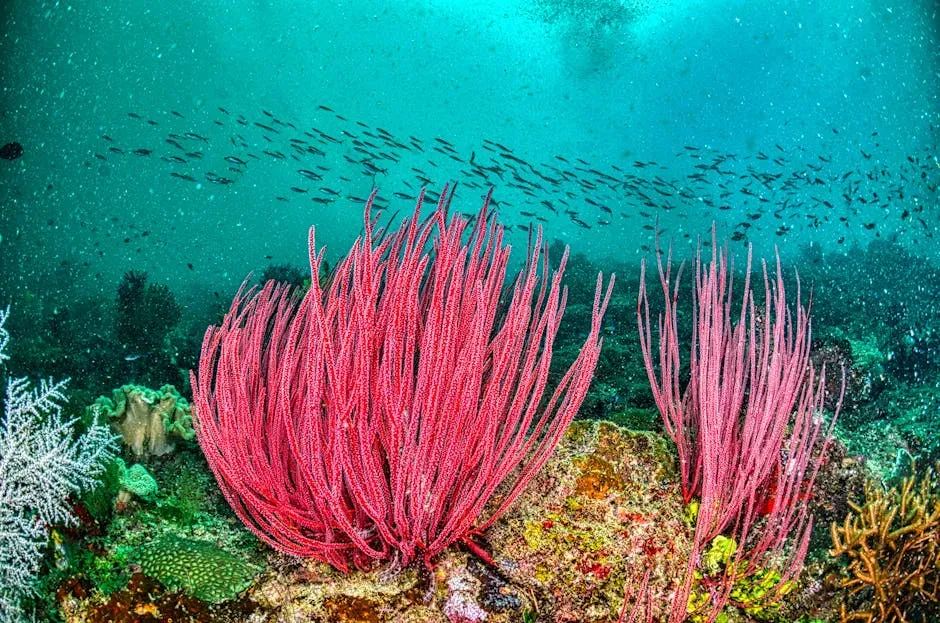
Step aside, whales and sharks. Specimens of the black coral genus Leiopathes, such as Leiopathes glaberrima, are among the oldest continuously living organisms on the planet, around 4,265 years old. That number is almost impossible to comprehend.
Corals may be the oldest living animals of all. Many corals appear to be a single organism, but they are actually colonies of genetically identical coral polyps that are constantly regenerating. Living deep-sea corals have been dated to be more than 4,000 years old. They were ancient when the Roman Empire was just getting started.
Scientists in 2024 set out to study black coral reproduction, understanding that how they reproduce can help protect dwindling populations. Slow growth and stable deep-sea environments are key to their longevity, making them supremely vulnerable to anything that disturbs those conditions. Their age is awe-inspiring. Their fragility is a reminder that centuries of living can be undone surprisingly fast.
8. The Red Sea Urchin: The Spiky Centenarian Nobody Talks About
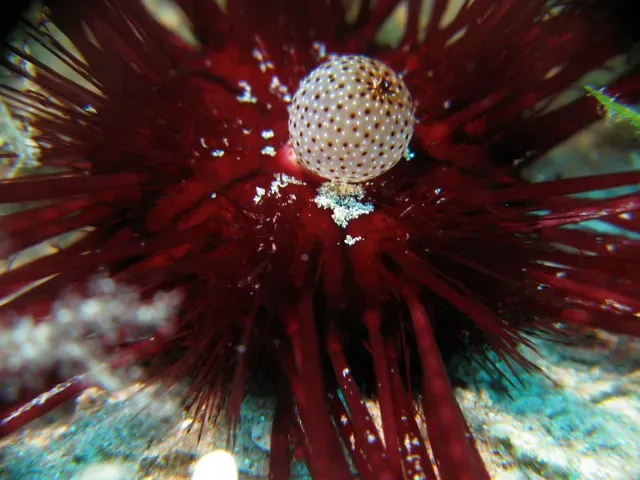
Here is an animal that most people have walked right past in a tide pool without giving a second thought. Researchers used to assume that red sea urchins grew quickly and had modest life spans of up to about 10 years, but as scientists studied the species in more detail, they realized these urchins continue to grow very slowly and, in some locations, will survive for centuries if they can avoid predators, disease and fishers. The red sea urchins found off Washington and Alaska probably live more than 100 years, and the longest-living individuals in British Columbia, Canada, may be around 200 years old.
That revision is staggering. Going from an assumed lifespan of 10 years to potentially 200 years is like discovering your houseplant is actually a redwood tree. Another long-living animal, the red sea urchin, also has multiple copies of genes linked to a longevity-related signaling pathway, and red sea urchins can live to be more than 100 years old.
Still, their survival depends heavily on staying out of harm’s way. They have no teeth, no claws, and no speed. Their entire defence against the world is a coat of spines. Somehow, that is enough to earn them a two-century run.
9. The Olm: A Cave Salamander That Barely Seems to Age
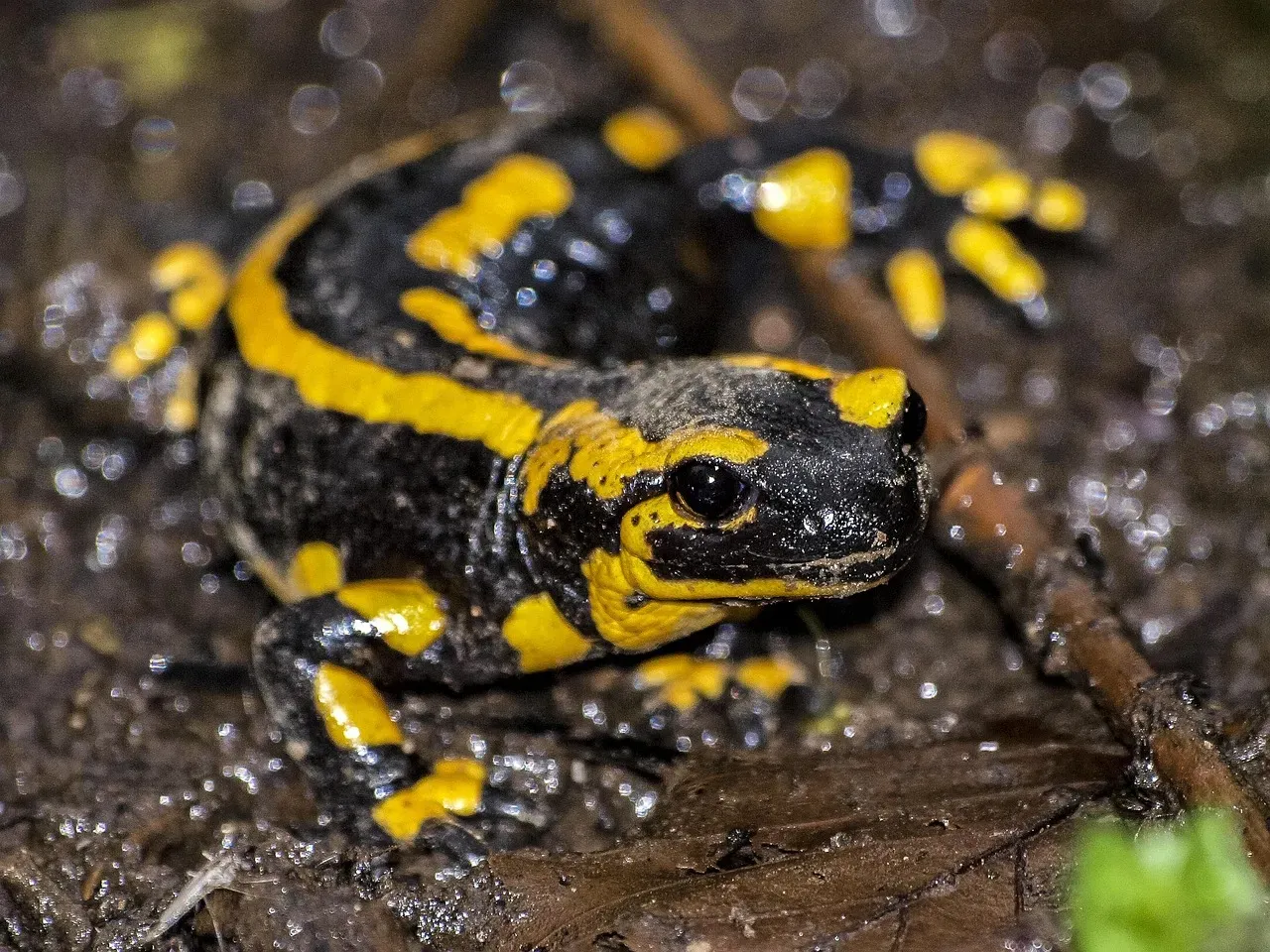
Deep inside the lightless limestone caves of the Balkans lives a pale, almost ghostly creature called the olm. It looks like something from a fever dream. Adult olms retain characteristics of their larval youth, like external gills, and show few signs of aging even as the decades pile up. The reasons why they live so long are not entirely clear. These salamanders go through life slowly with a low metabolism.
They can go for years without eating and even spend years without moving much from a single location. Their metabolisms are not significantly lower than those of relatives that do not live nearly as long. The olm’s caves are largely free from predators and external threats, so it is possible that the environment encourages very high survival rates that in turn have somehow enabled olms to evolve extreme life spans.
It is a creature that has essentially opted out of the usual rules of biological urgency. No predators pressing on it. No seasons forcing it to hustle. Just centuries of quiet cave time. Honestly? There is something almost philosophical about it.
10. The Laysan Albatross: The Oldest Wild Bird Still Laying Eggs
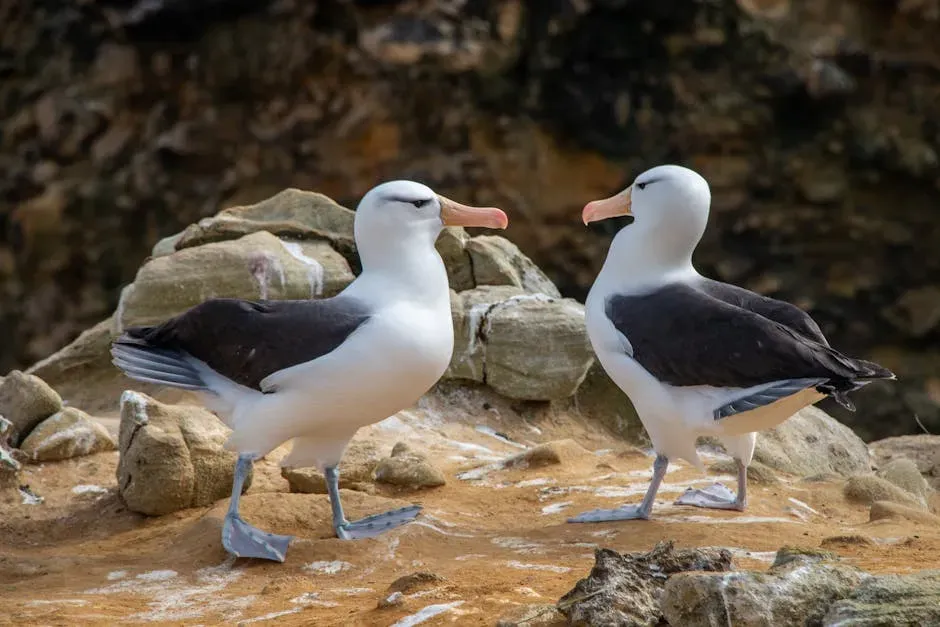
Among birds, one individual has become something of a legend. A female Laysan albatross named Wisdom successfully laid an egg at Midway Atoll in December 2024, at the age of 74. As of 2025, she is the oldest known wild bird in the world. She has raised dozens of chicks over the decades, continuing to reproduce at an age that defies everything we expect from a wild bird.
Most seabirds live fairly long lives compared to land birds, but Wisdom has far exceeded all known records for her species. She was first banded by researchers in 1956, giving scientists an unusually precise and well-documented record of her age. She has almost certainly outlived several of the scientists who originally studied her.
What makes Wisdom particularly remarkable is that she keeps coming back to Midway Atoll year after year, navigating the Pacific Ocean with precision that continues well into her eighth decade. She is less of an anomaly and more of a reminder that we still have so much to learn about biological aging limits in birds.
11. The Termite Queen: An Insect That Lives Half a Century
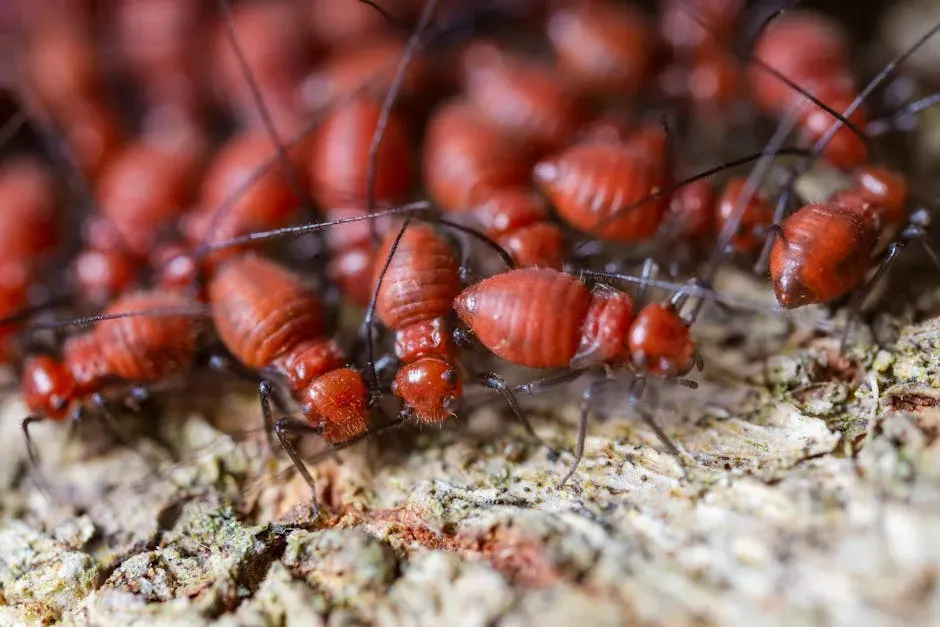
Most insects live for days or weeks. Even the famed monarch butterfly, beautiful as it is, lives only a few months. So it is genuinely shocking that some termite queens can survive for 50 years or more. Some social insects, like termites, employ a different reproductive strategy, and it enables their queens to defy death for 50 years or more.
Generally, insect lifespans are measured in weeks to months. These species tend to reproduce at a tender age, having many young as quickly as possible, because their days are numbered. The termite queen turns this strategy on its head. Protected deep inside the colony, never exposed to the outside world, she is essentially kept alive by thousands of workers attending to her every need.
It is a fascinating trade-off. The colony sacrifices individual survival for the queen’s extraordinary longevity. Her genome is also of significant scientific interest, since understanding how she avoids the typical biological degradation of insect age could have wide implications. Scientists have spent years trying to find the secrets to a long life, and many of these species may offer clues as to how we might be able to live healthier and prolonged lives in the future.
What These Animals Tell Us About Life Itself
The more you look at these extraordinary animals, the more a single theme emerges. Longevity is not one single trick. It is a combination of environment, genetics, and the pressures evolution chooses to respond to. DNA damage and repair capabilities are not likely to be the only factor linked to long life in these animals. Every creature will likely have a different way of coming at the problem of living longer, suited to its own environment and history.
These creatures are not simply older versions of ordinary animals. They are biological outliers, shaped by millions of years of very specific pressures. Humans will likely never live as long as the Greenland shark. But we might one day benefit from the insights scientists glean from studying these creatures.
There is something genuinely moving about all of this. A tortoise born before the American Civil War, still alive today. A shark that may have been swimming through the Arctic when Shakespeare was writing his plays. A jellyfish that can effectively press the reset button on its own death. Nature does not run out of ways to astonish us. The real question is whether we are paying close enough attention to what these ancient animals are quietly trying to teach us. Which of these creatures surprised you the most? Let us know in the comments.
