

Food cultures around the world reflect diverse traditions, values, and histories. While chicken, beef, and pork dominate many Western diets, numerous other meats are considered delicacies or staples elsewhere—often sparking intense ethical debates. These controversial meats raise questions about animal welfare, environmental sustainability, cultural heritage, and personal choice. From endangered species to companion animals, certain meats challenge our moral frameworks and force us to examine the sometimes arbitrary lines we draw between the animals we eat and those we protect. This article explores eleven controversial meats consumed globally, examining both their cultural significance and the complex ethical considerations they present in our increasingly interconnected world.
1. Foie Gras: The Controversy of Force-Feeding

Foie gras, French for “fatty liver,” is a luxury food product made from the enlarged livers of ducks or geese. The controversy stems from the production method known as gavage, where birds are force-fed through tubes inserted down their throats multiple times daily for several weeks. This process causes their livers to swell up to ten times their normal size, creating the rich, buttery texture prized by culinary enthusiasts. Defenders argue that ducks and geese naturally gorge themselves before migration, and that when done properly by experienced farmers, the process isn’t inherently cruel.
The ethical concerns, however, have led to foie gras bans in several countries and regions, including the United Kingdom, Israel, and parts of the United States. Animal welfare advocates point to studies showing stress behaviors in force-fed birds, respiratory difficulties, and mobility issues from enlarged livers. The debate represents a classic tension between cultural culinary traditions—foie gras dates back to ancient Egypt and is considered part of France’s protected cultural heritage—and evolving standards of animal welfare in modern society. Some producers have attempted to create “ethical foie gras” by allowing birds to feed freely, though traditionalists argue the result is not authentic.
2. Dog Meat: Companion or Cuisine?

Dog meat consumption presents perhaps the starkest cultural divide in global meat ethics. In countries like South Korea, China, Vietnam, and parts of Africa, dog meat has historical significance as food. The Lychee and Dog Meat Festival in Yulin, China, annually draws international condemnation while locals defend their traditional practices. In South Korea, dog meat soup (bosintang) was traditionally consumed during summer months for its supposed cooling properties, though younger generations increasingly reject the practice and view dogs primarily as companions.
The ethical debate centers on the cognitive dissonance between how different cultures categorize animals. Western critics often fail to recognize their own arbitrary distinctions between livestock and pets (why eat pigs but not dogs when both are intelligent social animals?). Yet concerns about cruelty in dog meat production are well-documented, with reports of dogs being tortured before slaughter based on the belief that adrenaline improves meat flavor. Legal changes reflect shifting attitudes—Taiwan banned dog meat consumption in 2017, South Korea’s largest dog meat market closed in 2018, and China has removed dogs from its list of livestock animals. The controversy highlights how ethical standards around meat consumption are culturally constructed and evolving rather than fixed.
3. Shark Fin Soup: Status Symbol vs. Ecosystem Collapse

Shark fin soup represents a collision between cultural tradition and environmental crisis. For centuries, this gelatinous soup has symbolized wealth and status in Chinese banquets and wedding celebrations, with prices reaching hundreds of dollars per bowl. The controversy stems from the harvesting method known as “finning,” where sharks have their fins cut off while still alive before being thrown back into the ocean to die slowly—a practice now illegal in many countries but still occurring in unregulated waters. The fins themselves have no taste and minimal nutritional value, serving primarily as a textural component.
The environmental impact has been devastating. An estimated 73 million sharks are killed annually for their fins, contributing to a 71% decline in oceanic shark and ray populations since 1970. As apex predators, sharks play a crucial role in marine ecosystem health, and their depletion creates ripple effects throughout ocean food webs. Growing awareness has led to significant cultural shifts, with consumption declining in China following celebrity-backed awareness campaigns and government bans on shark fin at official functions. The ethical question extends beyond animal cruelty to humanity’s responsibility toward ecosystem preservation, illustrating how traditional culinary practices must sometimes evolve in response to environmental realities.
4. Veal: The Ethics of Consuming Young Animals

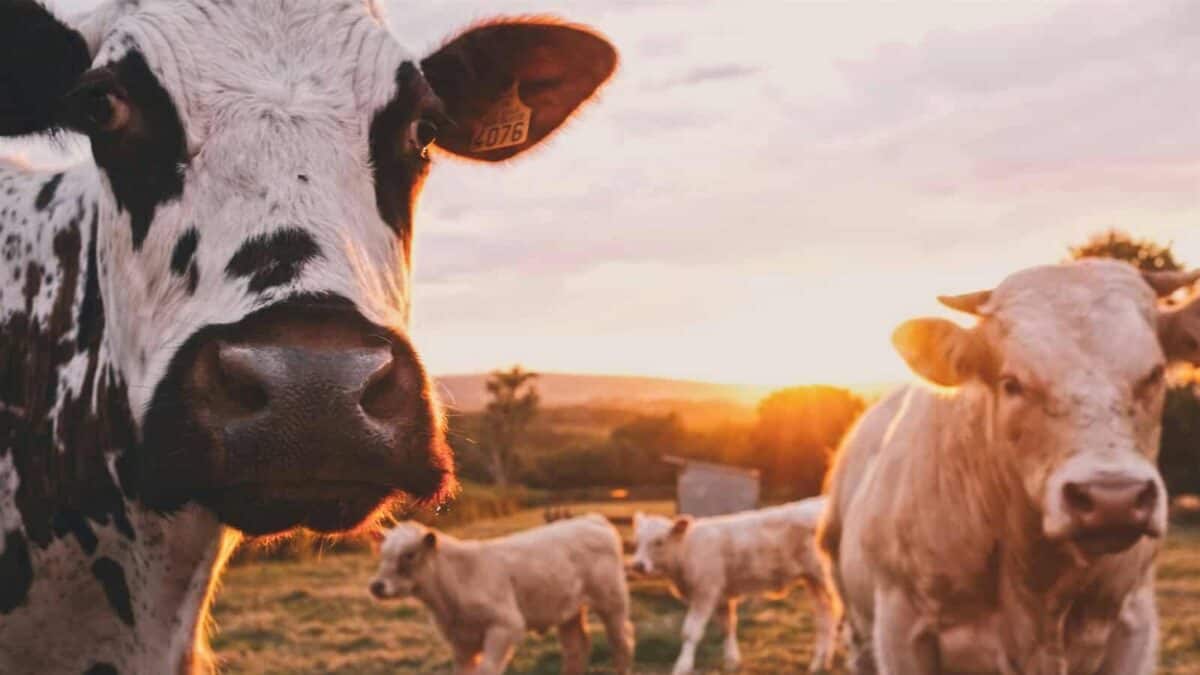
Veal, the meat from young calves (typically male dairy calves), has long been controversial due to traditional production methods. Historically, veal calves were confined in narrow crates that prevented movement, fed iron-deficient diets to produce pale meat, and slaughtered at just 16-18 weeks old. These practices developed because male calves born to dairy cows have little value in milk production and were essentially byproducts of the dairy industry. The resulting tender, pale meat became prized in European cuisines, particularly in dishes like wiener schnitzel and osso buco.
Modern veal production has evolved significantly in response to ethical concerns. The European Union banned veal crates in 2007, followed by several U.S. states. Many producers now offer “rose veal” or “humane veal” from calves raised in group housing with access to solid food and proper nutrition. Animal welfare advocates remain divided—some argue these improvements make veal consumption ethically comparable to adult beef, while others contend that slaughtering young animals is inherently problematic. The veal debate illustrates how consumer pressure can drive welfare improvements while highlighting the interconnectedness of different animal agriculture systems—the veal industry exists largely because dairy production requires cows to regularly give birth to produce milk.
5. Whale Meat: Cultural Heritage vs. Conservation
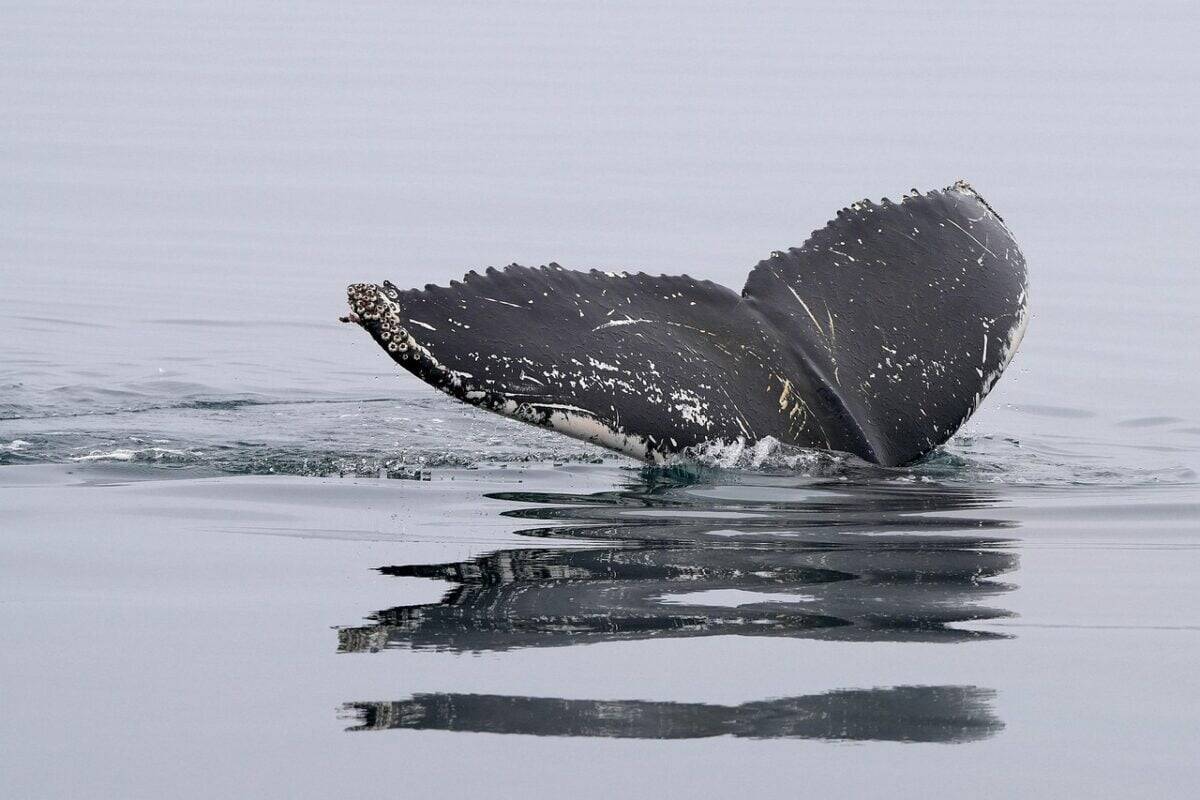
Whale meat consumption epitomizes the tension between preserving cultural traditions and protecting endangered species. Countries with whaling histories, particularly Japan, Norway, and Iceland, defend limited hunting as cultural heritage. Japan has faced particular scrutiny for continuing whaling under the guise of “scientific research” after the 1986 International Whaling Commission moratorium, before openly resuming commercial whaling in 2019 within its territorial waters. In these nations, whale meat represents historical resilience—in post-war Japan, for instance, whale protein was crucial in addressing malnutrition.
The ethical arguments against whaling are multifaceted. Conservation concerns remain paramount, as many whale populations have not recovered from historical overhunting. Additionally, scientific evidence of cetacean intelligence, complex social structures, and capacity for suffering strengthens animal welfare objections. Modern whaling methods, though improved, still frequently result in prolonged deaths. Economic realities complicate the “cultural tradition” defense—whale meat consumption has declined dramatically even in whaling nations, with government subsidies often propping up the industry. The controversy illustrates how ethical evaluations of food practices must balance respect for cultural autonomy against universal values like species conservation and unnecessary suffering prevention, especially when traditions persist more as political symbols than living cultural necessities.
6. Foal and Horse Meat: The Taboo of Eating Equines
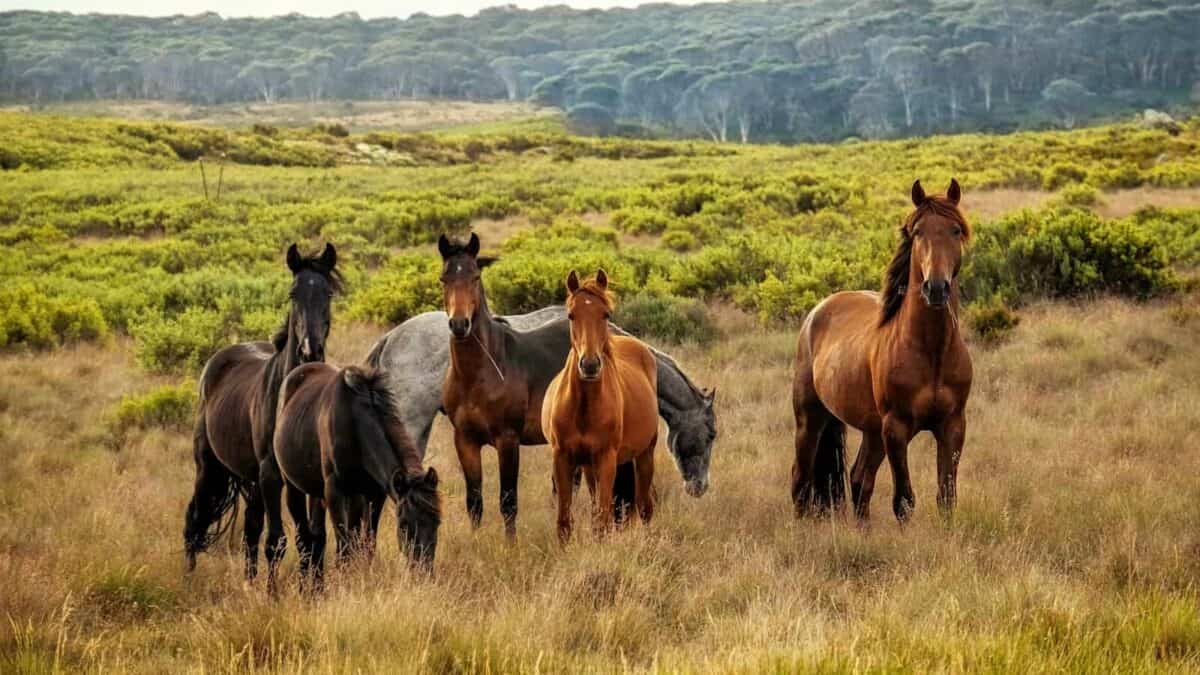
Horse meat consumption exemplifies how food taboos can be culturally specific rather than universal. In countries like France, Belgium, Italy, Japan, and parts of Central Asia, horse meat is consumed without significant controversy. Kazakhstan’s traditional dish beshbarmak often features horse meat, while Italy’s pastissada de caval is a renowned horse meat stew. France has approximately 750 butcher shops specializing in horse meat, though consumption has declined in recent decades. The meat is leaner than beef, with a slightly sweet flavor profile and high iron content.
In contrast, English-speaking countries maintain strong taboos against horse consumption, rooted in the historical relationship between humans and horses as working animals and companions. The 2013 European horse meat scandal—when products labeled as beef were found to contain undeclared horse meat—triggered outrage in the UK not just for the mislabeling but for the very presence of horse meat in the food supply. The ethical debate extends beyond cultural sensibilities to welfare concerns in the supply chain. Critics point to problems with horse transportation, slaughter methods, and the fact that horses in many countries are not raised specifically for meat, meaning they may have been treated with medications unsafe for human consumption. The controversy highlights how ethical judgments about meat often reflect cultural proximity to particular animals rather than objective criteria about suffering or environmental impact.
7. Bushmeat: Subsistence Tradition vs. Disease Risk
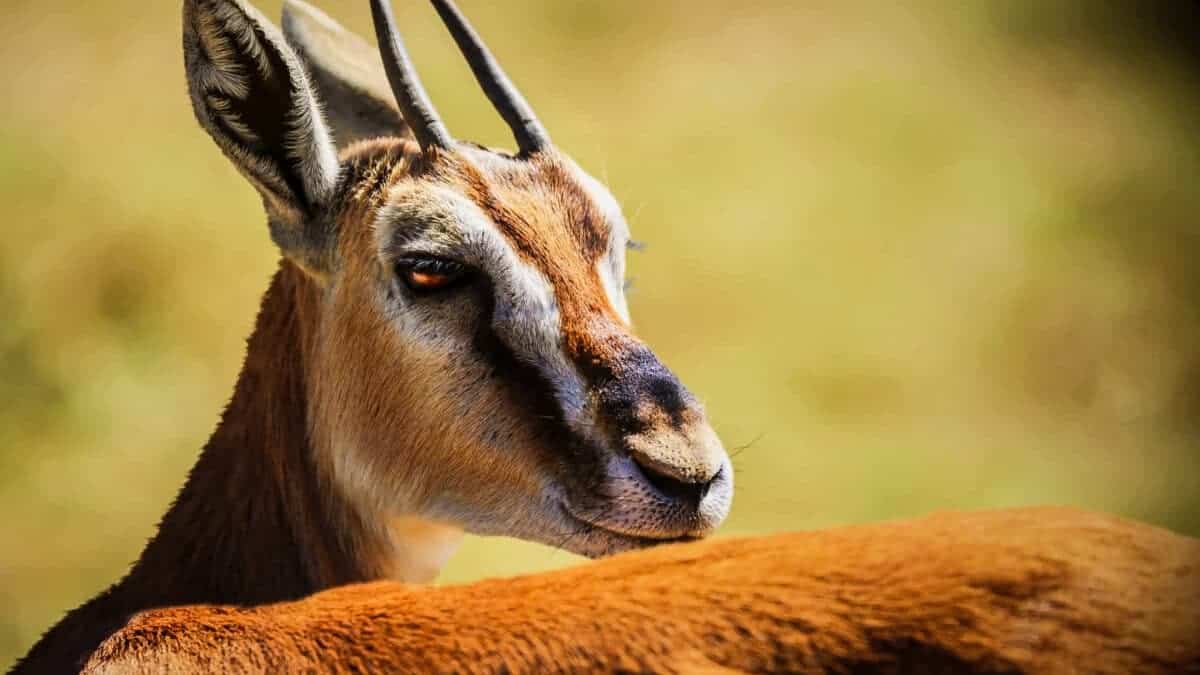
Bushmeat—wild animal meat from Africa’s forests and savannas—presents a complex ethical landscape where subsistence needs, cultural traditions, and public health concerns intersect. For many rural communities across Central and West Africa, wild animals like duikers, primates, rodents, and reptiles have been traditional protein sources for generations. An estimated 5 million tons of bushmeat are consumed annually in the Congo Basin alone. In many remote areas with limited livestock, bushmeat remains crucial for nutrition and food security rather than a luxury choice.
The ethical concerns are multilayered. Conservation impacts are significant, with hunting contributing to the decline of numerous species, including endangered primates. Perhaps more prominently in global discourse is the zoonotic disease risk—HIV, Ebola, and potentially COVID-19 have origins linked to wild animal consumption or handling. The bushmeat trade has also evolved beyond subsistence, with commercial hunting sending meat to urban markets and even international destinations. The ethical evaluation requires balancing immediate human needs against conservation imperatives and public health risks. Proposed solutions focus on sustainable management, alternative protein sources, and distinguishing between subsistence hunting and commercial exploitation. The controversy highlights the challenges of applying universal ethical frameworks to practices deeply embedded in local ecosystems and cultural systems, especially when food security is at stake.
8. Ortolan: A Tiny Bird Consumed Whole

The ortolan bunting, a small songbird traditionally consumed in French cuisine, represents perhaps the most ritualized controversial meat. The traditional preparation is notorious: the live birds are captured, blinded or kept in darkness to disrupt their feeding cycles, force-fed grains and alcohol to increase their size and flavor, then drowned in Armagnac. Diners consume the entire bird whole, except for the feet, traditionally while covering their heads with a napkin—ostensibly to preserve the aromas, though some suggest it’s to hide this indulgence from God’s sight.
Beyond the preparation methods, conservation concerns have intensified ethical objections. Ortolan populations have declined by more than 50% in recent decades due to habitat loss and hunting, leading to protected status in the European Union since 1979. Though officially banned, underground ortolan dinners continue as a symbol of French gastronomic heritage, with some estimates suggesting thousands are still illegally consumed annually. Even French chefs are divided—while some like the late Anthony Bourdain described it as a transcendent experience, others like Michel Guérard have called for respecting the ban to protect the species. The controversy exemplifies tensions between cultural preservation, animal welfare considerations, and conservation imperatives. The extreme measures taken to prepare such a small amount of meat also raise questions about whether certain culinary traditions can be justified when they involve extensive suffering primarily for sensory pleasure.
9. Balut: The Fertilized Duck Embryo Delicacy

Balut is a fertilized duck embryo, boiled alive and eaten from the shell, popular in the Philippines, Vietnam, Cambodia, and other Southeast Asian countries. Typically incubated for 14-21 days, the egg contains a partially developed duckling with recognizable features like beaks, feathers, and bones, depending on the duration of incubation. Consumed with salt, vinegar, and sometimes chili and herbs, balut is sold by street vendors as an affordable, protein-rich snack and is believed by some to boost male virility. In the Philippines, it’s so culturally significant that it appears in school textbooks as a national food.
The ethical controversy centers primarily on Western reactions to consuming a visibly developed embryo, highlighting cultural differences in defining when an animal deserves moral consideration. Animal welfare concerns focus on whether duck embryos at this developmental stage can experience suffering during the boiling process. Scientifically, the capacity for pain likely depends on the specific stage of incubation, with later-stage embryos potentially having more developed nervous systems. From a cultural perspective, the strong reactions balut generates in those unfamiliar with it illustrate how disgust responses to unfamiliar foods often masquerade as ethical objections. The debate around balut raises important questions about whether ethical considerations should begin before birth and how cultural context influences our moral intuitions about food practices.
10. Casu Marzu: The Maggot-Infested Cheese
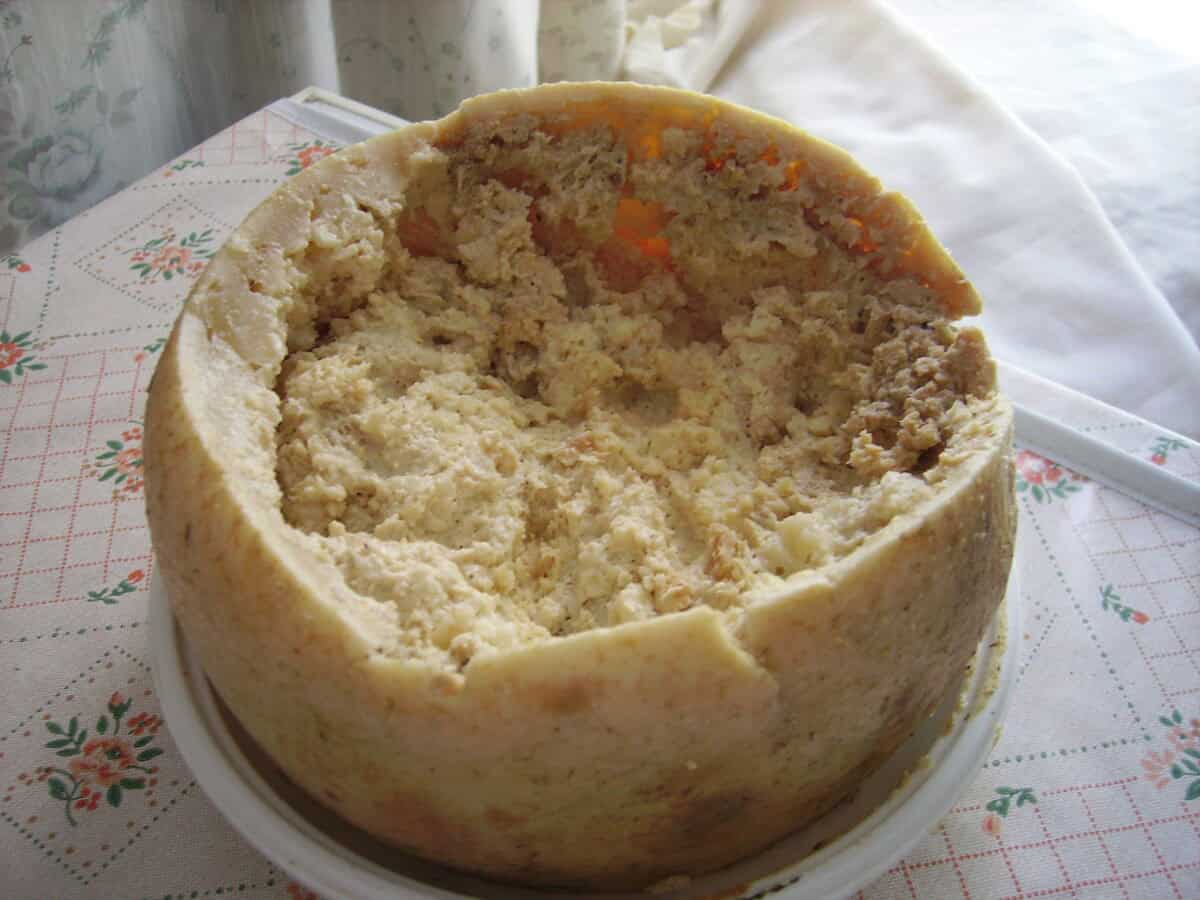
While not strictly meat, Casu Marzu (“rotten cheese” in Sardinian) presents unique ethical questions about consuming living animals. This traditional Sardinian sheep’s milk cheese is deliberately infested with cheese fly larvae (Piophila casei), which digest the fats in the cheese, breaking them down to create an extremely soft texture and distinctive flavor. The controversial aspect comes from consuming the cheese with live maggots still inside—they can jump up to six inches when disturbed and must be eaten alive since their death indicates the cheese has become toxic. Some consumers protect their eyes while eating and others prefer to first refrigerate the cheese to slow the maggots’ movements.
The ethical dimensions include both food safety and animal welfare considerations. The European Union banned Casu Marzu for years due to health concerns about consuming live insects that pass through the intestinal wall, though it now has Traditional Food status in Italy. From an animal welfare perspective, the controversy centers on whether insects deserve moral consideration, a growing debate as research reveals more about insect sentience and capacity for pain. Cultural defenders argue the cheese represents a traditional approach to food preservation developed before refrigeration and connects modern Sardinians to their heritage. The Casu Marzu debate illustrates how ethical boundaries around meat consumption extend to other animal products and raises questions about whether the capacity for suffering should be our primary ethical criterion or if other factors like cultural significance and environmental impact also warrant consideration.
11. Fugu: The Deadly Pufferfish Delicacy

Fugu, or pufferfish, represents a unique ethical case where the primary controversy centers on risk to humans rather than harm to animals. This Japanese delicacy contains tetrodotoxin, a neurotoxin up to 1,200 times more deadly than cyanide, with no known antidote. Chefs must train for 2-3 years and pass rigorous examinations to receive a fugu preparation license. The fish is meticulously cleaned to remove toxic organs like the liver and ovaries, while leaving trace amounts that produce a tingling sensation prized by connoisseurs. Despite these precautions, fugu poisoning causes multiple hospitalizations and occasional deaths annually.
The ethical questions are multifaceted. Should a society permit food that poses potentially fatal risks, even with regulatory safeguards? Is the thrill of risk part of fugu’s appeal, making it an example of gastronomic brinksmanship rather than pure culinary appreciation? From an animal welfare perspective, wild fugu are typically caught using hooks and lines or in traps, while farmed fugu are increasingly available. The environmental impact varies depending on harvesting methods and species. Recent innovations have produced non-toxic farmed varieties by controlling the pufferfish diet, potentially eliminating the danger—but also removing what some consider an essential element of the authentic experience. The fugu controversy demonstrates how risk acceptance varies culturally and raises questions about whether foods valued primarily for their danger rather than their nutritional or traditional significance deserve special ethical scrutiny.
Conclusion: Navigating the Ethics of Controversial Meats in a Global Context

The ethics of meat consumption exists at the intersection of animal welfare, environmental sustainability, cultural heritage, and personal choice. What emerges from examining these controversial meats is that our food ethics often reflect arbitrary distinctions based more on cultural familiarity than consistent moral principles. The line between acceptable and unacceptable animal consumption varies dramatically across cultures and historical periods, suggesting that many food taboos are social constructions rather than universal ethical truths. This doesn’t mean all practices are equally defensible, but it does require intellectual honesty when evaluating unfamiliar food traditions.
Moving forward, several principles can guide more thoughtful ethical evaluations of controversial meats. First, unnecessary suffering should be minimized regardless of the species involved or the cultural context. Second, environmental sustainability must be considered alongside traditional practices, as no cultural tradition can justify driving species to extinction. Third, basic respect for cultural diversity requires acknowledging the centrality of food to identity while recognizing that cultures themselves are not static but evolve over time in response to new knowledge and values. Thus, ethical critiques should aim not to shame or alienate but to engage in meaningful dialogue that encourages humane, sustainable, and context-sensitive practices. Ultimately, navigating the ethics of controversial meats demands a balance—between honoring cultural traditions and upholding shared ethical commitments to animal welfare, ecological health, and human dignity.

From exploring the marine wonders in the Azores and witnessing the vast savannas of Kenya, to delving deep into the rich biodiversity of South Africa and traversing iconic landscapes in Australia and the US like Yellowstone, Chris's experiences are vast.
With a penchant for diving alongside sharks, the ocean holds a special place in his heart.
Through his academic insights, he champions wildlife conservation, striving with 'Animals Around The Globe' to cultivate a profound connection between humans and animals, enhancing our mutual appreciation.
Connect with him at Feedback@animalsaroundtheglobe.com.